Ignition
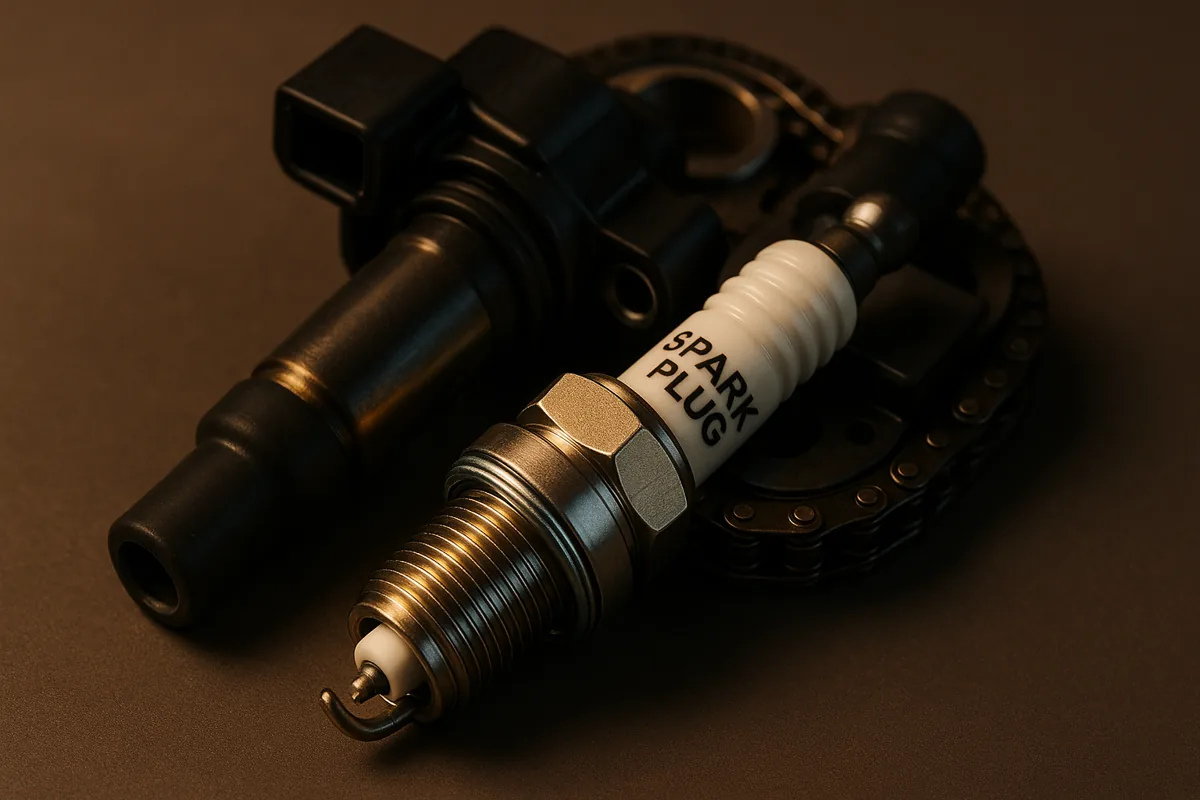
Shop Ignition by Part Type
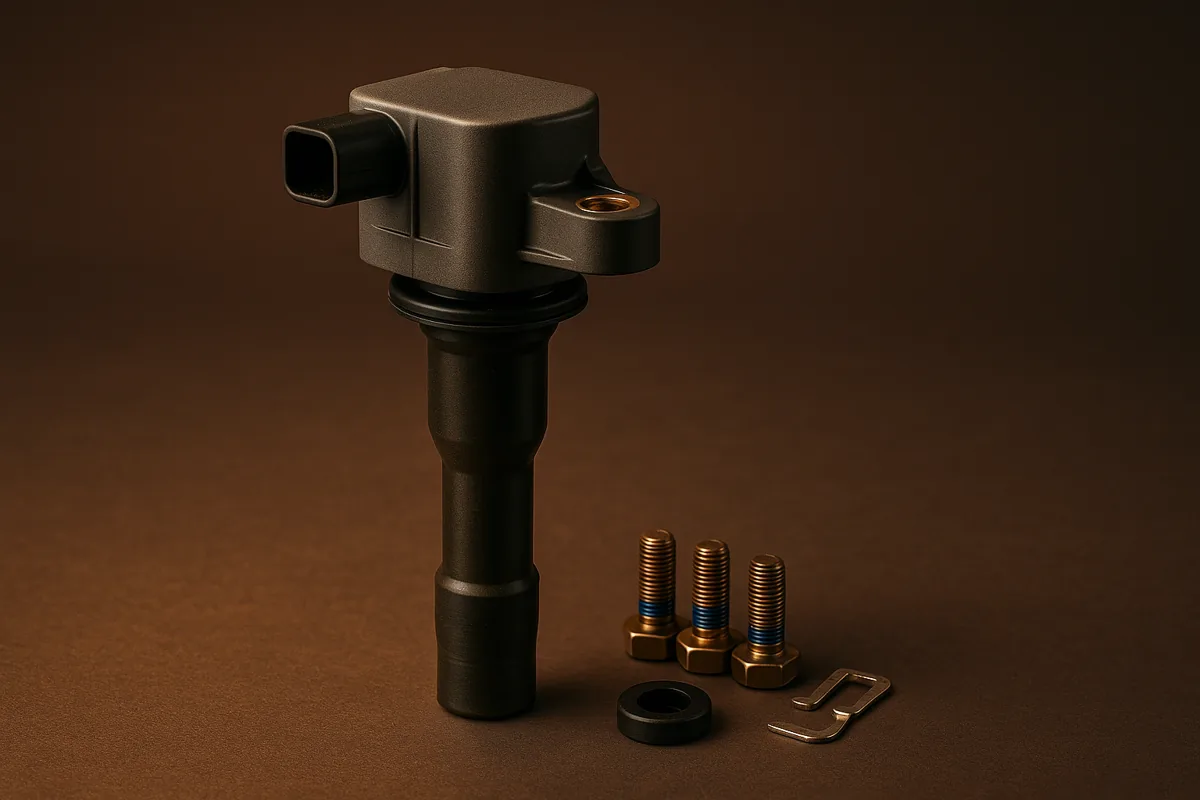
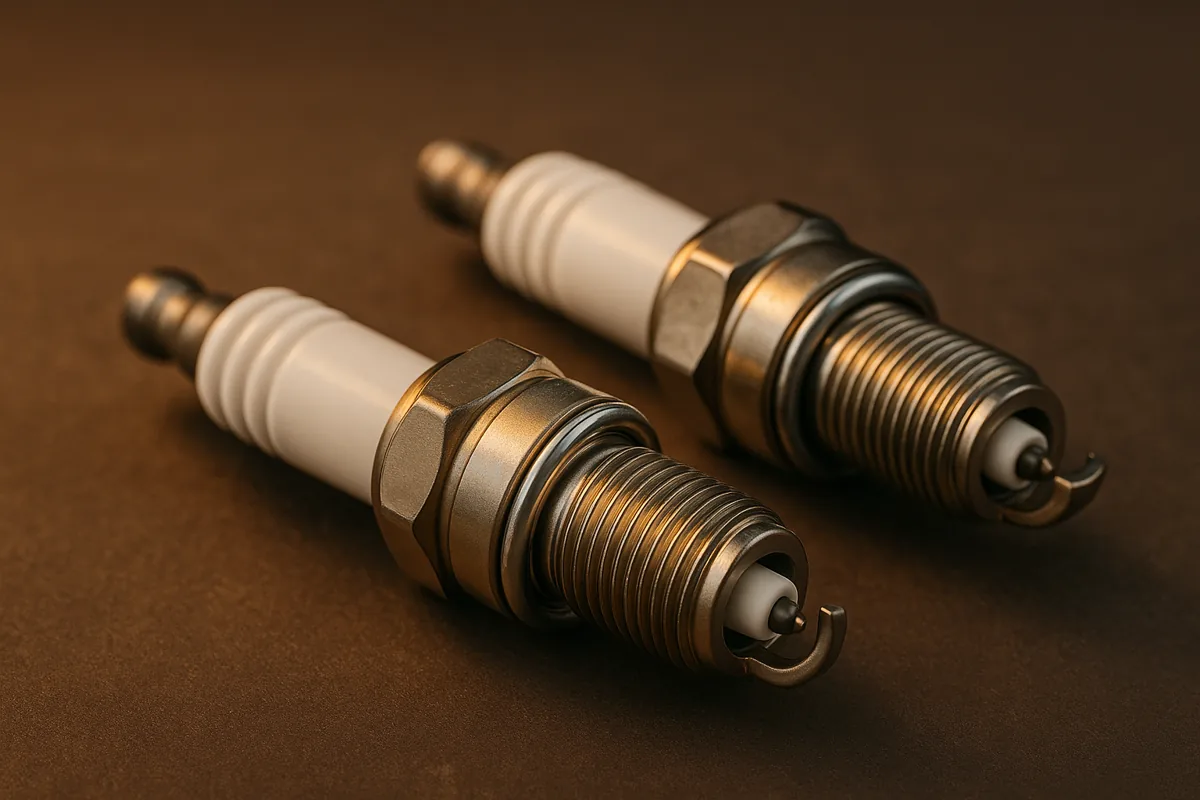
Popular Right Now
scroll for more →
Symptom Finder: What Is Actually Broken?
| What you see or hear | Part to check first |
|---|---|
| Misfire confined to one cylinder | Ignition coil for that cylinder |
| Flashing engine warning lamp under load | Coil breaking down at high demand |
| Gradual loss of smoothness and economy | Spark plugs at the end of their life |
| Rough running in wet weather | Coil boot cracked or a wet plug well |
| Repeat coil failure on the same cylinder | Spark plug with an excessive gap |
About Ignition
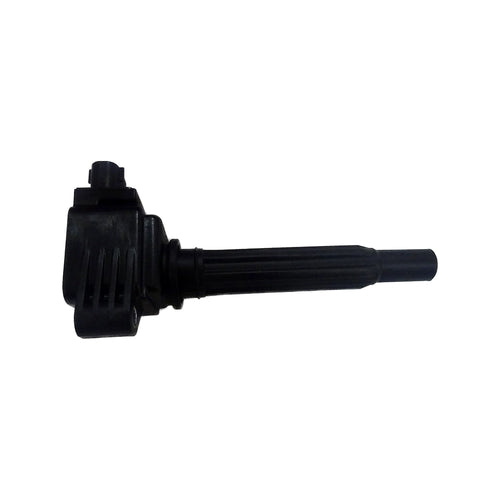
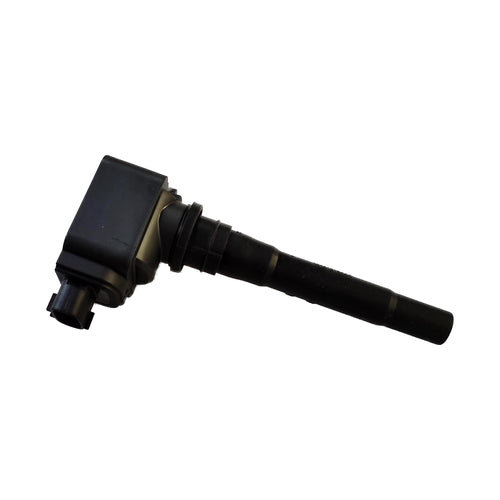
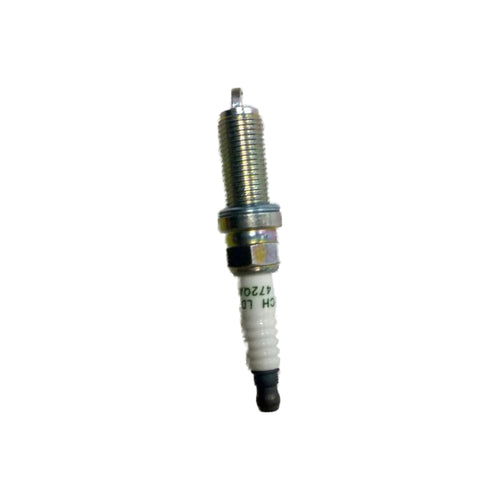
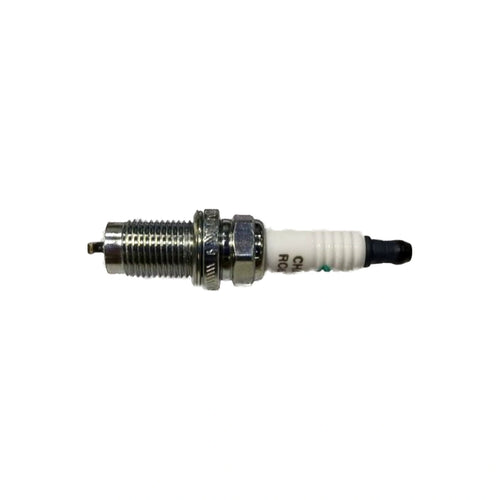
Igniting a compressed mixture takes a spark of tens of thousands of volts, and producing it from a low voltage supply is the work of a transformer. Current flows through a primary winding, building a magnetic field, and collapsing that field abruptly makes the secondary winding produce the pulse that jumps the gap at the plug. Coil on plug construction puts one of these directly above each cylinder, which removed the leads, the cap and the rotor that used to distribute the pulse, and it let the control unit time each cylinder independently and count misfires individually. The plug does the other half of the job, delivering the spark into the chamber and shedding heat into the head at a rate its design controls. As its electrodes erode, the gap widens and the coil has to work harder.
What to know before buying Ignition parts
Work out which part has failed before you order. A misfire on one cylinder is a coil until a swap proves otherwise. A gradual loss of smoothness across all cylinders points to the plugs.
Two child categories cover the system. Ignition coils and modules holds the coils, listed by OE number because primary resistance, connector and boot length must all agree. Spark plugs holds the plugs, matched by reference rather than by thread size, because heat range, projection and gap matter as much as the dimensions.
Replace plugs as a set. On a high mileage engine where one coil has already failed, consider a full set of coils.
Before You Order: 5 Checks
- Read the code to identify the cylinder, then swap the coil to another cylinder to confirm.
- Match coils by OE number, since primary resistance, connector and boot length must agree.
- Match plugs by reference rather than thread size, because heat range and projection matter.
- Replace plugs as a complete set, since a mixed set runs unevenly.
- Check the plug well for oil, since a leaking seal drowns coils and boots.
What Changed and Why
Coil on plug ignition is now universal, and it changed how faults present. Because each cylinder has its own coil and the control unit counts misfires individually, a failing coil is identified precisely rather than guessed at, and a flashing warning lamp signals a misfire severe enough to threaten the catalyst. Extended service intervals have raised the stakes on plug choice, since iridium and platinum electrodes carry intervals a copper plug cannot meet, and higher cylinder pressures from turbocharging and direct injection increase the voltage needed to jump the gap.
Ignition: Frequently Asked Questions
How do I confirm a coil rather than a plug?
Swap parts between cylinders and watch where the fault goes. Read the code to identify the misfiring cylinder, exchange its coil with a neighbouring one, clear the memory and drive. A misfire that follows the coil to its new cylinder is proof. A misfire that stays put means the coil is innocent, and the next candidates are the plug, the injector and the compression on that cylinder, in roughly that order of cost. Do the same swap with the plug if the coil test comes back clean. Neither test costs anything but time.
Should I replace plugs and coils together?
Consider mileage rather than following a rule. If the plugs are near their interval, change them first since they are cheaper and a worn plug with a wide gap makes the coil generate more voltage and run hotter, which is why coils fail early on engines with old plugs. On a high mileage engine where one coil has failed, the remaining coils have run identical hours in identical heat, so replacing the set avoids repeating a job you have already learnt to do.
What does a flashing engine warning lamp mean?
It is the urgent version of the same lamp. Steady means a fault has been logged and you should get it read soon. Flashing means the control unit has detected a misfire heavy enough that raw fuel is reaching the catalytic converter, where it burns and can melt the substrate within a few miles. Ease off, keep the engine speed and load low, and get to somewhere it can be scanned rather than pressing on. Drivers who ignore a flashing lamp routinely turn a coil or a plug into a converter and a set of sensors.
Can I fit different spark plugs from the ones specified?
Not sensibly. Thread size and reach get you a plug that fits the hole, while heat range, projection and electrode material decide whether it works, and none of that is visible. A plug outside the specified heat range fouls at one extreme and causes pre ignition at the other, and one projecting too far can contact a piston or a valve. Substituting copper into an interval designed for iridium leaves a worn plug long before the next service.
Why is there oil in my spark plug well?
Because a seal above it has failed, usually the cam cover gasket or the plug tube seal. The oil soaks the coil boot and lets the spark track to earth rather than reaching the plug, which produces a misfire that returns shortly after a new coil is fitted. Cure the leak, clean and dry the well thoroughly, and then fit the replacement. Fitting the coil first simply means buying a second one, since the environment has not changed.
What are the usual signs of a failing ignition coil?
A coil rarely dies all at once. It usually breaks down first when demand is highest, so the early signs are a stumble or shudder under hard acceleration, a rough idle once the engine is hot, or hesitation in damp weather. Heat opens tiny cracks in the windings and insulation, and moisture gives the spark an easier path to earth. As the fault gets worse the misfire appears at light load too, and the engine stores a fault code for that cylinder. Have the codes read before buying anything, then check the OE number printed on the body of the old coil.
Do new spark plugs need gapping?
Usually not, and fine wire plugs are easily damaged if you try. Plugs supplied under the OE number leave the factory set to the gap the engine was designed for. Iridium and platinum plugs have a thin centre electrode that snaps or works loose if a gauge is levered against it or the earth electrode is bent carelessly. If you want to confirm the gap, use a wire type gauge rather than a coin or tapered gauge, and only adjust the earth electrode if the plug maker allows it. Check the OE number on the old plug so the gap and tip design match what came out.
Should I use anti-seize or dielectric grease?
They do different jobs and go in different places. Most OE plugs have a plated shell designed to be fitted dry. Anti-seize on the threads acts as a lubricant, so the torque wrench clicks at the usual figure while the plug is actually overtightened, which can stretch the shell or strip an aluminium head. Dielectric grease is an insulator. A thin film around the inner lip of the coil boot helps it seal out moisture and stops it bonding to the ceramic, but you should not pack the terminal with it. Follow the fitting notes for the engine, and ask a qualified mechanic if you are unsure.
How tight should a spark plug be?
Tight enough to seal and to carry heat away, and no tighter. The plug sheds much of its heat into the head through its threads and seat. A loose plug runs hot and can cause pre ignition, while an overtightened one can crack the insulator or pull the threads out of an aluminium head. Start every plug by hand so it cannot cross thread, fit it to a cold engine and use a torque wrench set to the engine's specification. Plugs with a crush washer and plugs with a taper seat are tightened differently, so confirm the type from the OE number on the old plug.
What can the old spark plugs tell me?
Quite a lot, as long as you keep them in cylinder order as they come out. A light tan or grey insulator tip means healthy combustion. Dry black soot points to a rich mixture or a plug running too cold. Wet, oily deposits suggest oil is getting into that cylinder past the rings or valve stem seals. White, blistered insulators or melted electrodes mean overheating, often from lean running or incorrect timing. A plug that looks different from the rest tells you which cylinder to investigate. Photograph them, then note the OE number printed on the insulator before you search for replacements.
Do spark plugs last longer on a hybrid?
Not necessarily. The petrol engine runs fewer hours, but it stops and restarts constantly and often runs for short spells from cold. Those are exactly the conditions in which plugs collect deposits and condensation. The electrodes wear more slowly while carbon builds up faster, which is why service schedules often set a time limit as well as a mileage figure, with the plugs due at whichever comes first. A hybrid that has covered little distance over several years can still have tired plugs. Check the schedule for your model, then take the OE number from the old plug when you order.
How do I remove old spark plugs without damaging the head?
Work on a cold engine. Aluminium expands more than the steel shell when hot, so hot threads strip more easily. Blow the plug well out with compressed air before loosening anything, so grit cannot drop into the cylinder. Release the electrical clip first, then pull the coil by gently twisting the boot rather than tugging on the connector. If a plug turns stiffly, stop, apply a little penetrating oil and work it back and forth instead of forcing it. A plug that will not move is a job for a qualified mechanic with thread repair tools.
How do I find the right coil or plug for my car?
Take the OE number from the part you are replacing. On a coil it is printed or moulded on the body or its label, and on a plug it is printed on the insulator or the shell. Engines of the same size can use coils with different connectors or boot lengths, and plugs that look identical can differ in heat range and gap. Where a part changed during production, the build date on the identification plate tells you which version your car needs. Type the number into the search box, or send it through the quote form and we reply within 24 hours, usually sooner.
Can one faulty coil damage anything else?
Yes, it can. A coil with a shorted primary winding draws more current than the control unit's driver circuit was built to supply. On some engines that damages the driver or blows the ignition fuse, which can take out several cylinders at once. A coil with broken insulation lets the spark find another path to earth and burns a carbon track into the boot, and a new coil will misfire if that old boot is reused. Unburnt fuel from the dead cylinder also washes oil off the cylinder wall. Replace a suspect coil promptly, and ask a qualified mechanic to check the wiring and connector at the same time.