BYD F3 Parts
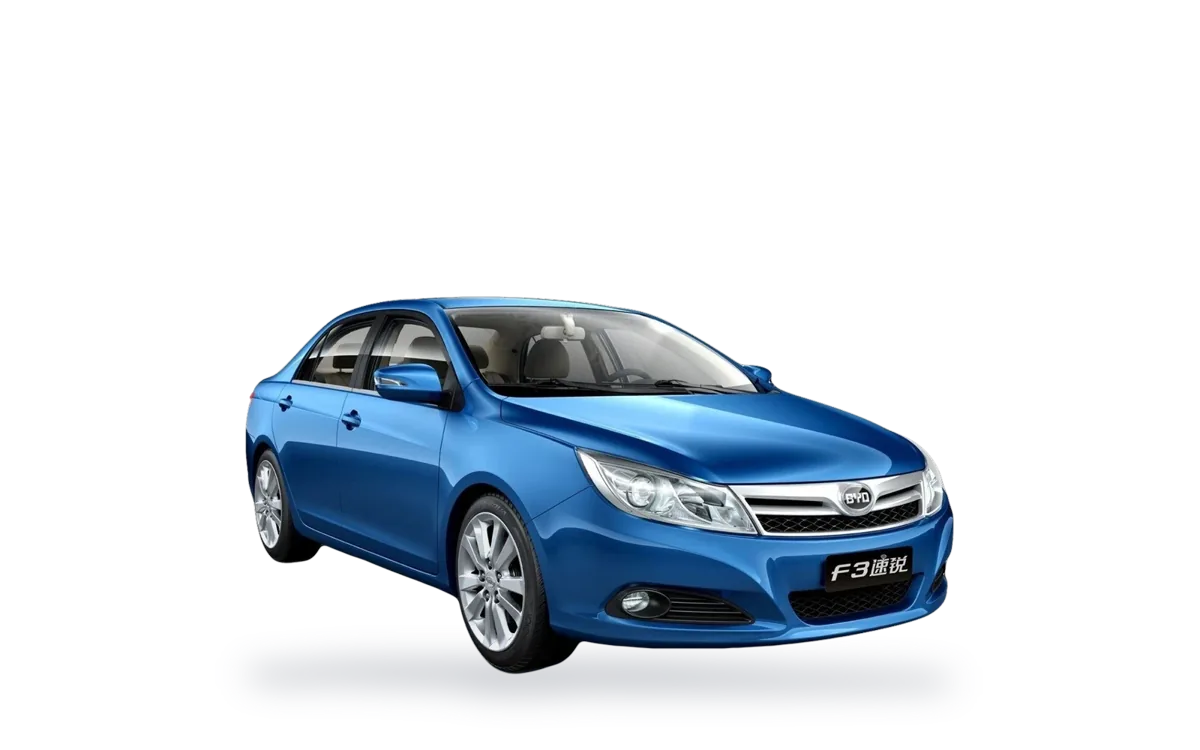
Shop BYD F3 Parts by Category
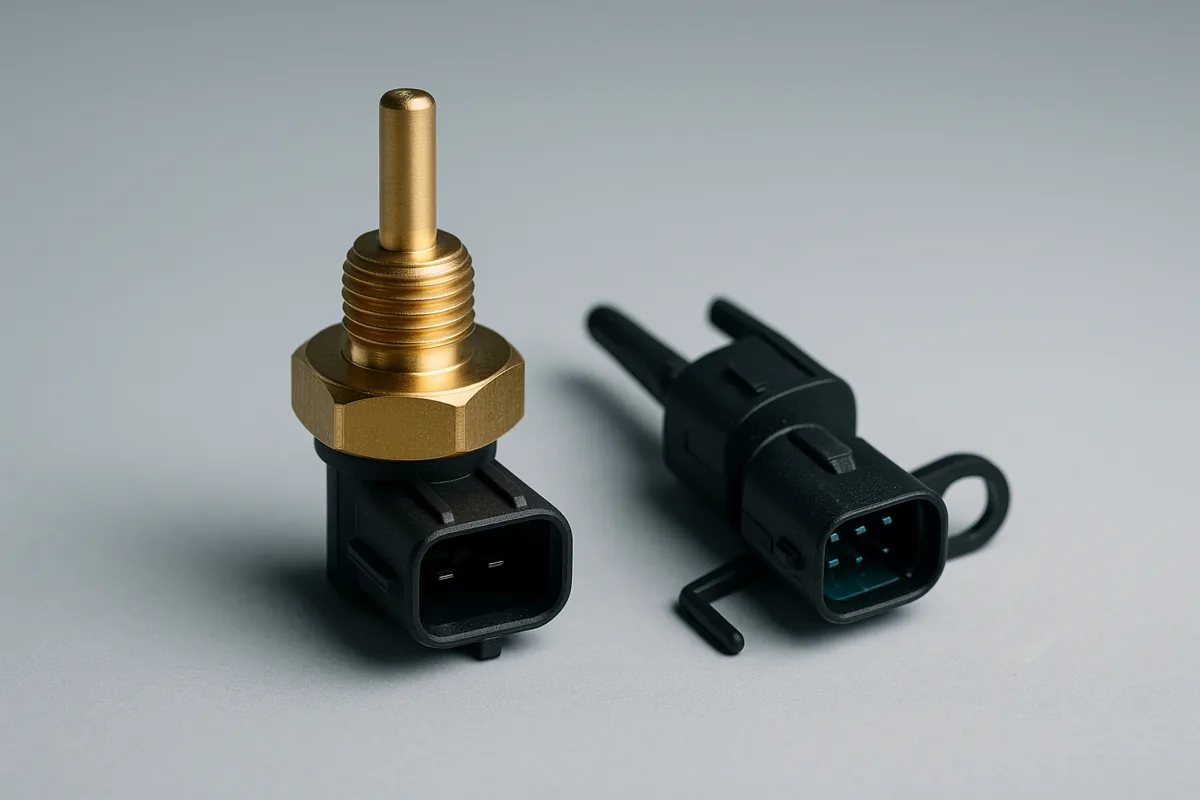
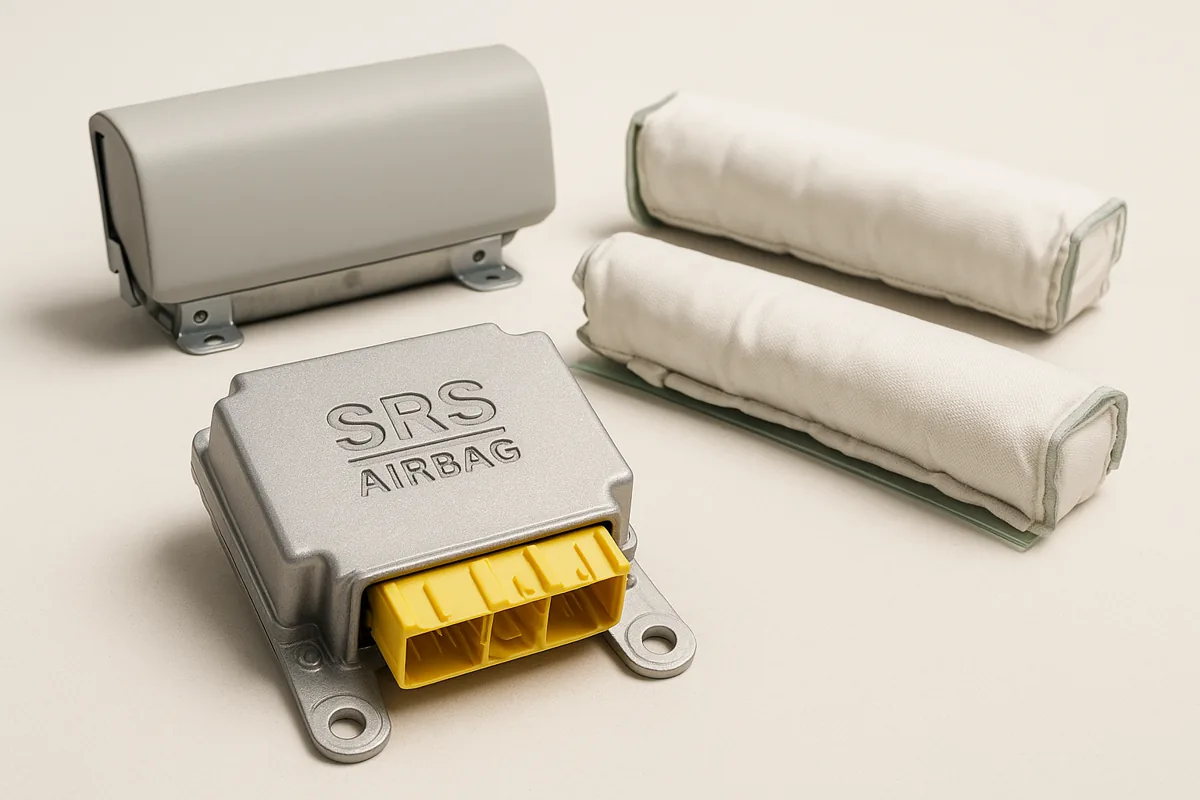
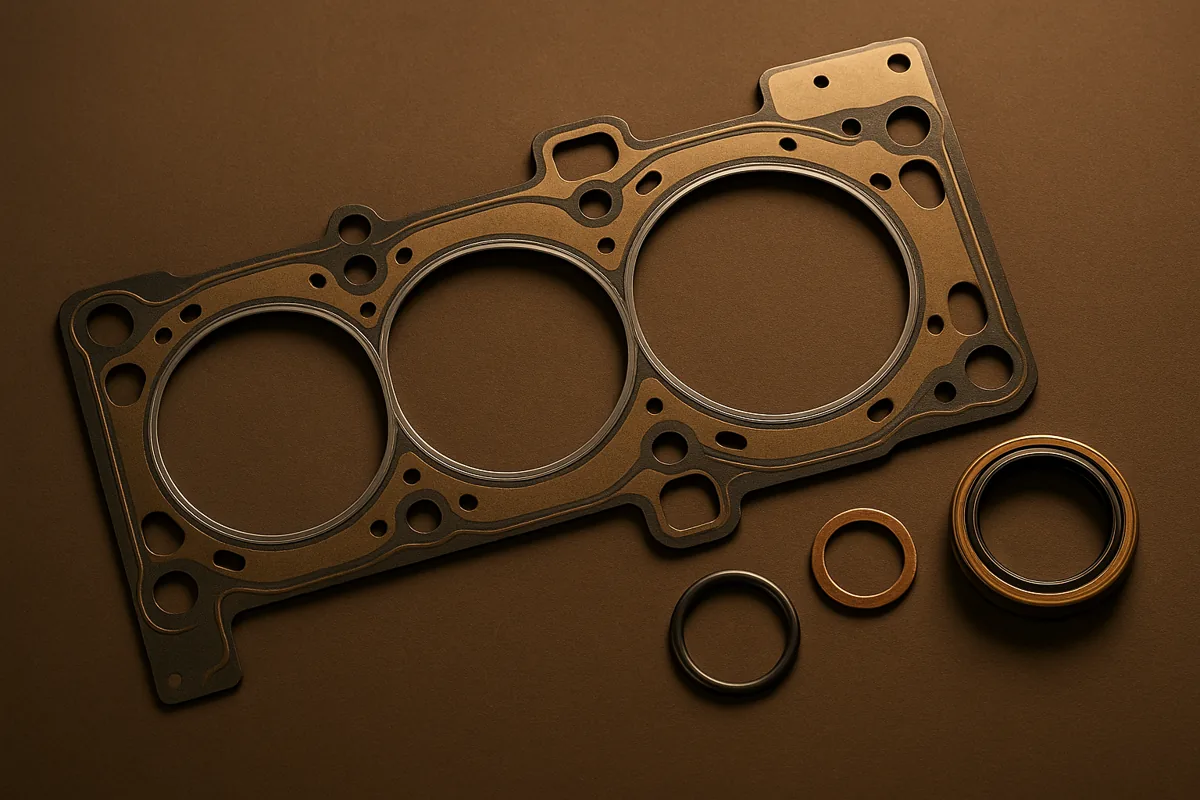
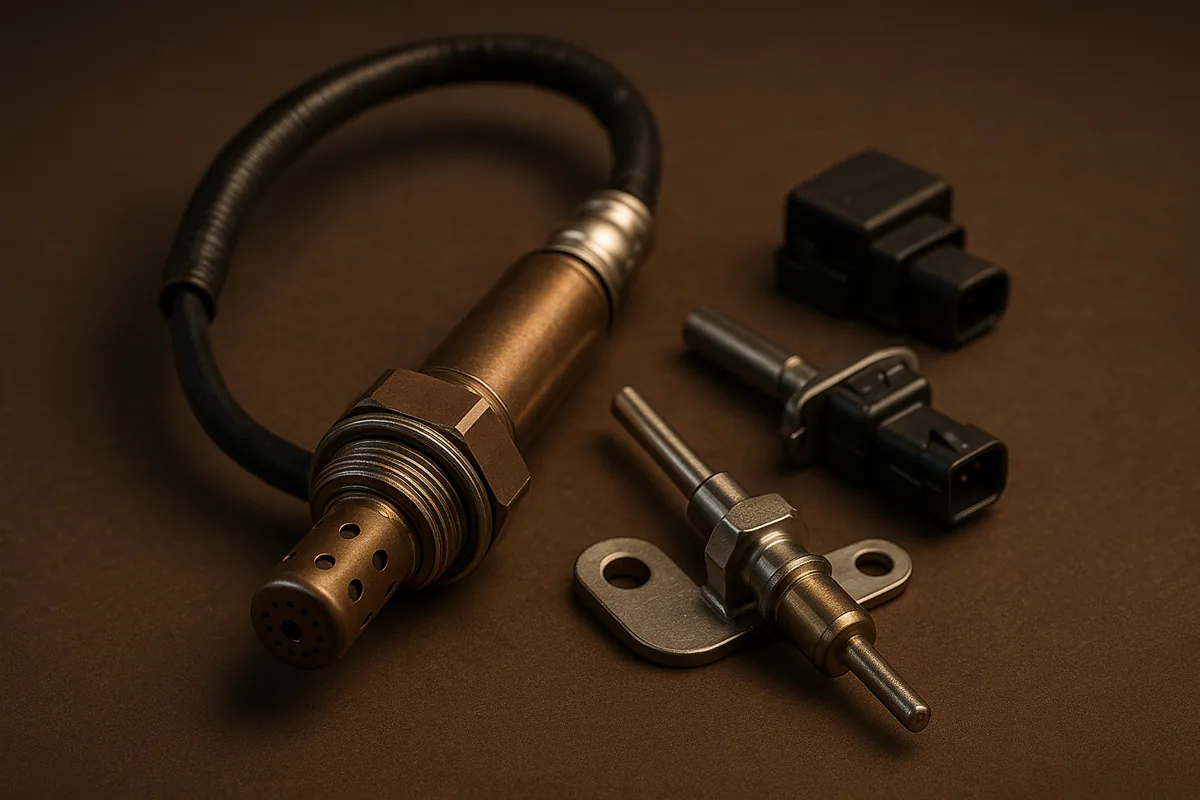
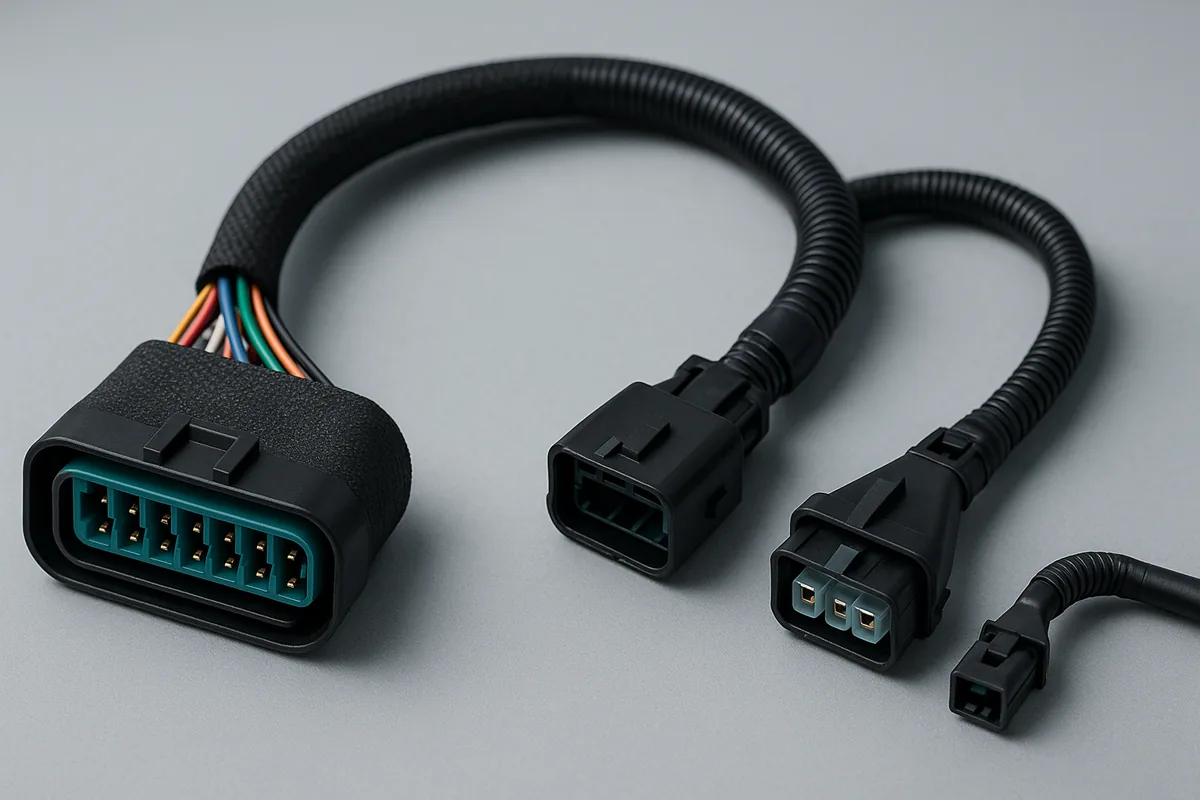
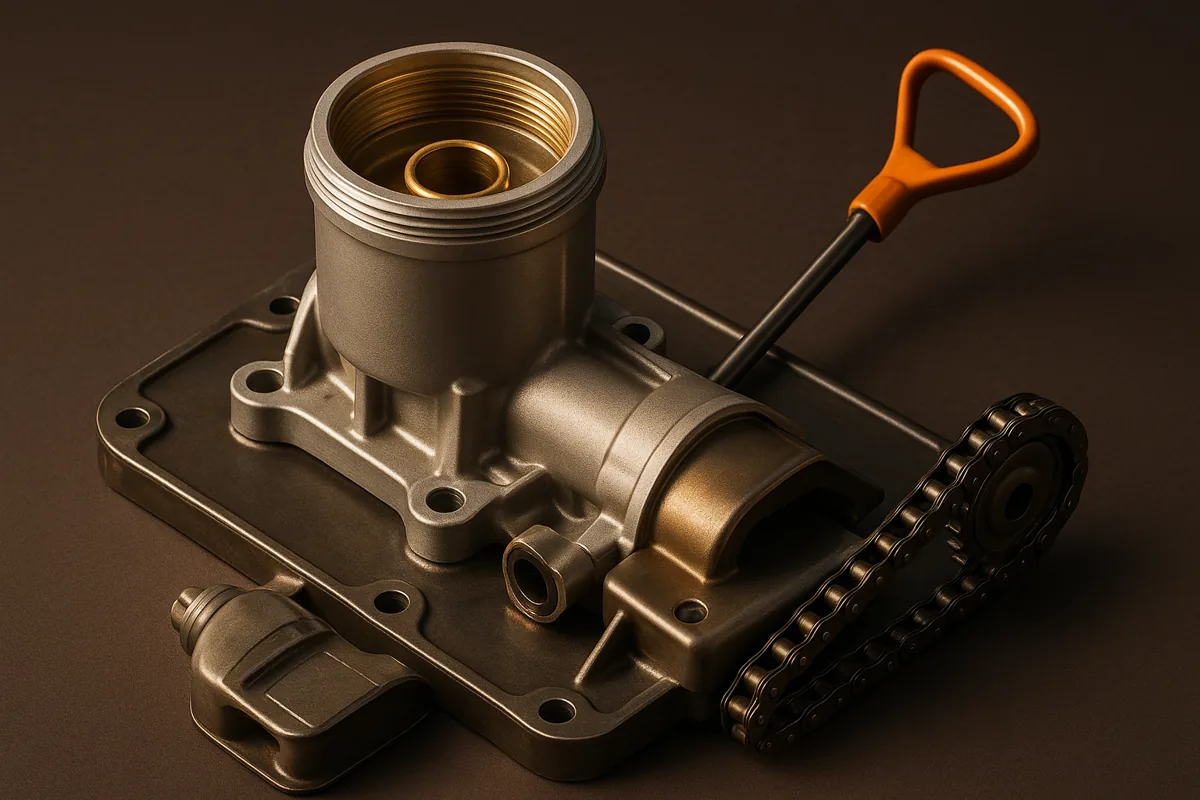
Popular for the BYD F3
scroll for more →
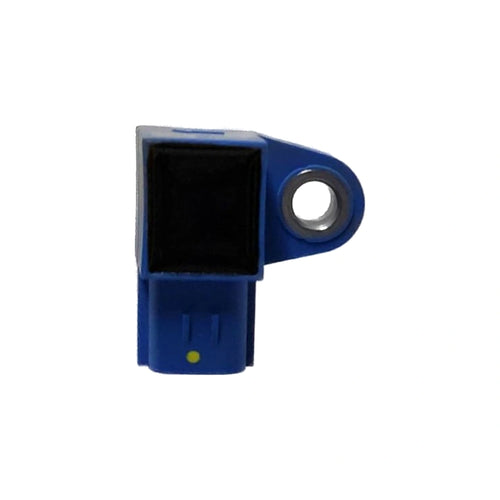
Symptom Finder: Known Weak Points
| What you see or hear | Check first |
|---|---|
| A bumper or headlight bought for an F3 does not line up | The body generation. The front end changed in March 2014 and again in October 2016, so check the build date and match the part by OE number. |
| Rear brake parts do not fit | Whether the car has rear discs or rear drums. Both were fitted across the F3's run, so look at the car before reordering. |
| Judder or hesitation when pulling away in traffic | On dual-clutch cars, the clutch and its controls. Confirm the gearbox type first, then order clutch parts by OE number. |
| Engine warning light or rough running | The ignition parts and engine sensors. Read the engine code on the block first, since several engine families were fitted. |
| Rust bubbling at the sills, arches or door bottoms | The panel and the metal around it. Inspect the full extent of the rust before ordering panels, and note the colour code. |
| Smell of gas or a gas system warning on a bi-fuel car | The CNG pipework, regulator and fittings. Stop using gas, have the system inspected, then order parts by OE number. |
Most Replaced Parts on the F3
- Sills, arches and body panelsOlder cars often need sill and arch repair, and panels differ between the three bodies
- Wings, bonnets and lidsFront panels changed shape in 2014 and 2016, so match by part number
- Gearbox internalsManual, automatic and dual-clutch gearboxes were all fitted, so confirm the gearbox first
- Door skins, hinges and check strapsDoor hardware on a saloon built for sixteen years, matched by body generation
- Brake hoses, lines and booster partsRear brake lines differ between disc and drum cars, so check the rear brakes first
About BYD F3 Parts
The BYD F3 is a compact four-door saloon with a petrol engine driving the front wheels. It was on sale in China from late 2005 until October 2021, and in that time it went through three distinct bodies: the original car, the All-New F3 of March 2014 and the third-generation car of October 2016. It also used several engines: Mitsubishi-based 1.5 and 1.6 units, a 1.8, BYD's own 1.5-litre 473 family and a short-lived 1.5 turbo. These drove through manual, conventional automatic and dual-clutch gearboxes. For parts, this means the F3 name alone tells you very little. Body panels and lights split by generation, service parts split by engine, and clutch and gearbox parts split by transmission. Every part on this page is listed by its OE number, and matching the number on your old part is the surest way to confirm a fit.
What to know before buying BYD F3 parts
Start by working out which F3 you have. The original saloon is 4,533 mm long and 1,705 mm wide on a 2,600 mm wheelbase. The All-New F3 of March 2014 kept that wheelbase and width but grew to 4,605 mm, with a new grille, headlights, tail lights, bumpers and mirrors. The third-generation car of October 2016 is 4,617 mm long and 1,716 mm wide and sits 10 mm lower. Its new front end has a double chrome grille and daytime running lights in the bumper. Bumper covers, grilles and light units do not cross between these three bodies, so match them by OE number and check the build date on the identification plate.
Take care with the wheelbase of the third-generation car. Chinese launch coverage gives it as 2,615 mm, 15 mm longer than before, while some reference sources still list 2,600 mm. Until the OE number on the old part confirms a match, do not assume that underbody, exhaust or suspension parts from an earlier F3 will fit a car built from late 2016.
Then check the engine. Early cars used Mitsubishi-based 1.5 (4G15S) and 1.6 (4G18) engines, and a 1.8 BYD483QA appeared in 2007. From 2009, BYD's own 1.5-litre 473 family took over in QB, QD, QE and QF versions. The 2014 car added a 1.5 turbo, the BYD476ZQA with 113 kW, which was sold with a six-speed manual and dropped during 2015. Read the engine code on the block and order filters, gaskets, sensors and timing parts against that code rather than the badge or a power figure.
The gearbox varies just as much. Depending on the year, an F3 may have a five-speed or six-speed manual, a four-speed automatic (2008 to 2010) or a six-speed dual-clutch automatic. Confirm which is fitted before ordering clutch or transmission parts.
Rear brakes vary too. Early cars were listed with discs on all four wheels, while the 2014 and 2016 launch cars used ventilated front discs with rear drums. Look behind a rear wheel before ordering pads, shoes, discs or drums.
Some cars left the factory as petrol and CNG bi-fuel models, with a gas tank, regulator and pipework that a petrol car does not have. Check for that hardware before ordering fuel system or boot floor parts. For painted panels, order by the colour code on the car rather than the colour name.
Before You Order: 7 Checks
- Match the OE number on the part you are replacing to the OE number on the listing, since that is the surest check of fit.
- Read the build date on the identification plate before ordering bumpers, grilles or lights, since the body changed in March 2014 and October 2016.
- Read the engine code on the block before ordering filters, gaskets, sensors or timing parts, and order against that code.
- Confirm whether the car has a manual, a conventional automatic or a dual-clutch gearbox before ordering clutch or transmission parts.
- Look behind a rear wheel to see whether discs or drums are fitted before ordering rear brake parts.
- Check for a gas tank and regulator before ordering fuel system or boot floor parts, since some cars were built as CNG bi-fuel models.
- Order painted panels by the colour code on the car rather than by colour name.
Generations and Facelifts
The F3 went on sale in China in late 2005 as a compact front-wheel-drive saloon on a 2,600 mm wheelbase. Early cars used Mitsubishi-based 1.5 and 1.6 petrol engines, with a 1.8 BYD483QA added in 2007 and a four-speed automatic offered from 2008 to 2010. From 2009, BYD's own 1.5-litre 473 engine family replaced the Mitsubishi units. Several models were built alongside the saloon: the F3R hatchback, the F3DM plug-in hybrid, and the Surui, a separate and larger saloon (4,680 mm long on a 2,660 mm wheelbase) that went on sale on 21 August 2012. None of these is an F3 saloon, so their parts should be matched by OE number and never assumed to fit.
The All-New F3 was launched on 25 March 2014. It kept the wheelbase and width but grew by 72 mm to 4,605 mm, with new grille, headlights, tail lights, bumpers, wheels and mirrors. It brought the 1.5 turbo BYD476ZQA with a six-speed manual, alongside the 1.5 473 engine with a five-speed manual or a six-speed automatic. The turbo was dropped in 2015. Front body parts and lights from the original car do not suit this one.
The third-generation F3 went on sale on 26 October 2016. It was restyled front and rear and measures 4,617 mm by 1,716 mm by 1,480 mm, with launch coverage giving a 2,615 mm wheelbase. It used the BYD473QE with 80 kW and a five-speed manual or six-speed dual-clutch gearbox, with ventilated front discs and rear drums. Later, a Classic trim with the BYD473QF and a five-speed manual carried the car into the 2020 model year. Production ended in October 2021. Read the build date on the identification plate before ordering body panels, lights or underbody parts, since the 2014 and 2016 changes split them.
BYD F3 Parts: Frequently Asked Questions
How do I make sure a part fits my BYD F3?
Match the OE number. Every part on this site is listed under the OE number printed on the original part, and if the number on the part you are replacing matches the listing, the part fits. That check matters a lot on the F3, because the car ran for sixteen years with three bodies, several engines and several gearboxes. If the old part is missing or its number cannot be read, send it through the quote form with a photo and we will reply within 24 hours, usually sooner.
How can I tell which F3 I have?
Start with the build date on the identification plate, then look at the front of the car. The original F3 is 4,533 mm long and was sold from late 2005. The All-New F3, launched in March 2014, is 4,605 mm long with a sharper grille and new lights. The third-generation car of October 2016 is 4,617 mm long and 1,716 mm wide, with a double chrome grille and daytime running lights in the bumper. Once you know which one you have, confirm each part by its OE number.
Do bumpers and lights from one F3 fit another?
Generally not across the generation changes. The March 2014 update brought a new grille, headlights, tail lights, bumpers and mirrors, and the October 2016 car was restyled again front and rear, with a wider body. A bumper cover or headlight from a 2012 car will not suit a 2015 car, and neither suits a 2017 car. Check the build date on the identification plate, then match the part by the OE number on the old one.
Did the wheelbase change on the third-generation F3?
Chinese launch coverage of the October 2016 car gives a 2,615 mm wheelbase, 15 mm longer than the 2,600 mm of earlier cars, although some reference sources still list 2,600 mm for every F3. Given that uncertainty, do not assume that exhaust sections, underbody parts or suspension parts from a pre-2016 F3 will fit a later car. Check the build date on the identification plate and order these parts by the OE number on the part you are replacing.
Which engine does my F3 have?
It depends on the year. Early cars used Mitsubishi-based 1.5 (4G15S) and 1.6 (4G18) engines, and a 1.8 BYD483QA was added in 2007. From 2009, BYD's own 1.5-litre 473 family took over, in QB, QD, QE and QF versions, and the 2014 car also offered a 1.5 turbo, the BYD476ZQA. Power figures overlap, so they will not identify the engine. Read the code on the block and order service parts against it.
Was the 1.5 turbo F3 ever sold as an automatic?
At the March 2014 launch, the 1.5 turbo BYD476ZQA, rated at 113 kW and 240 Nm, was offered in a single trim with a six-speed manual gearbox. The automatic versions of the All-New F3 used the non-turbo 1.5 engine. The turbo was dropped during 2015, so these cars are relatively rare. If you are ordering for a turbo car, confirm the engine code on the block and the gearbox fitted, then match each part by its OE number.
Which gearbox is in my F3?
Several were used. Five-speed manuals were fitted throughout production, a four-speed automatic was offered from 2008 to 2010, the 1.5 turbo used a six-speed manual, and later automatic cars used a six-speed dual-clutch gearbox. A clutch kit or gearbox part for one will not suit another. Check the gear lever and the gearbox itself before ordering, and match clutch, gearbox and gearbox mounting parts by the OE number on the old part.
My F3 has rear drums, but I have seen rear discs listed. Which is right?
Both can be right on different cars. Early F3s were listed with disc brakes on all four wheels, while the 2014 and 2016 launch cars used ventilated front discs with rear drums. The model year alone will not settle it, so look behind a rear wheel. Order shoes, drums and wheel cylinders for a drum car, or pads, discs and calipers for a disc car, and match each by the OE number on the part you are replacing.
My F3 runs on petrol and gas. Does that change the parts?
It can. Some F3s were built by the factory as petrol and CNG bi-fuel cars, with a gas tank, a regulator and pipework that a petrol-only car does not have. Those parts are specific to the bi-fuel car, and the tank changes the space in the boot area. Check for the gas hardware before ordering fuel system, boot floor or rear suspension parts, then match each part by the OE number on the one you are replacing.
Do parts from the F3R, F3DM or Surui fit my F3?
Only when the OE numbers match. The F3R is a five-door hatchback, the F3DM is a plug-in hybrid version, and the Surui is a separate and larger saloon (4,680 mm long on a 2,660 mm wheelbase) that went on sale on 21 August 2012. All three share their roots with the F3 saloon, but body panels, rear ends and much of the drive hardware differ. Do not assume a part fits because it came from a related car. Read the OE number on your old part and match it to the listing.
What tends to need replacing on an older F3?
On cars of this age, look first at the body and the brakes. Sills, wheel arches and door bottoms can rust, and brake hoses and lines age with the car. Service parts such as filters, spark plugs and sensors depend on the engine code, and clutch parts on the gearbox. Inspect the bodywork before planning mechanical work, have the colour code ready for painted panels, and order each part by the OE number on the old one.
My F3 was built in 2020 or 2021. Which version is it?
It is a third-generation car, the body launched in October 2016, which stayed in production until October 2021. Late cars included a Classic trim with the BYD473QF 1.5 engine and a five-speed manual gearbox, and a further version was added in May 2020. Body panels and lights follow the third-generation design. Check the engine code on the block and the gearbox before ordering service or clutch parts, and match everything by OE number.