Tail & Brake Lights
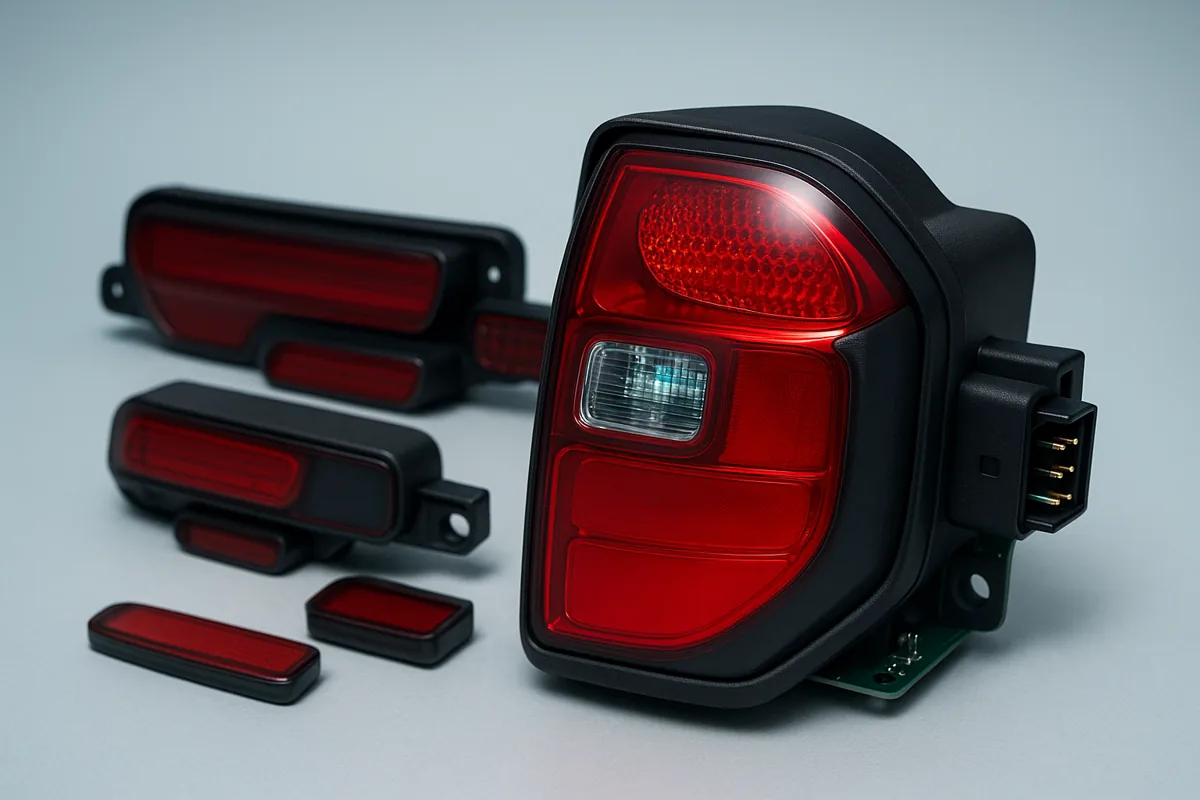
Shop Tail & Brake Lights by Part Type
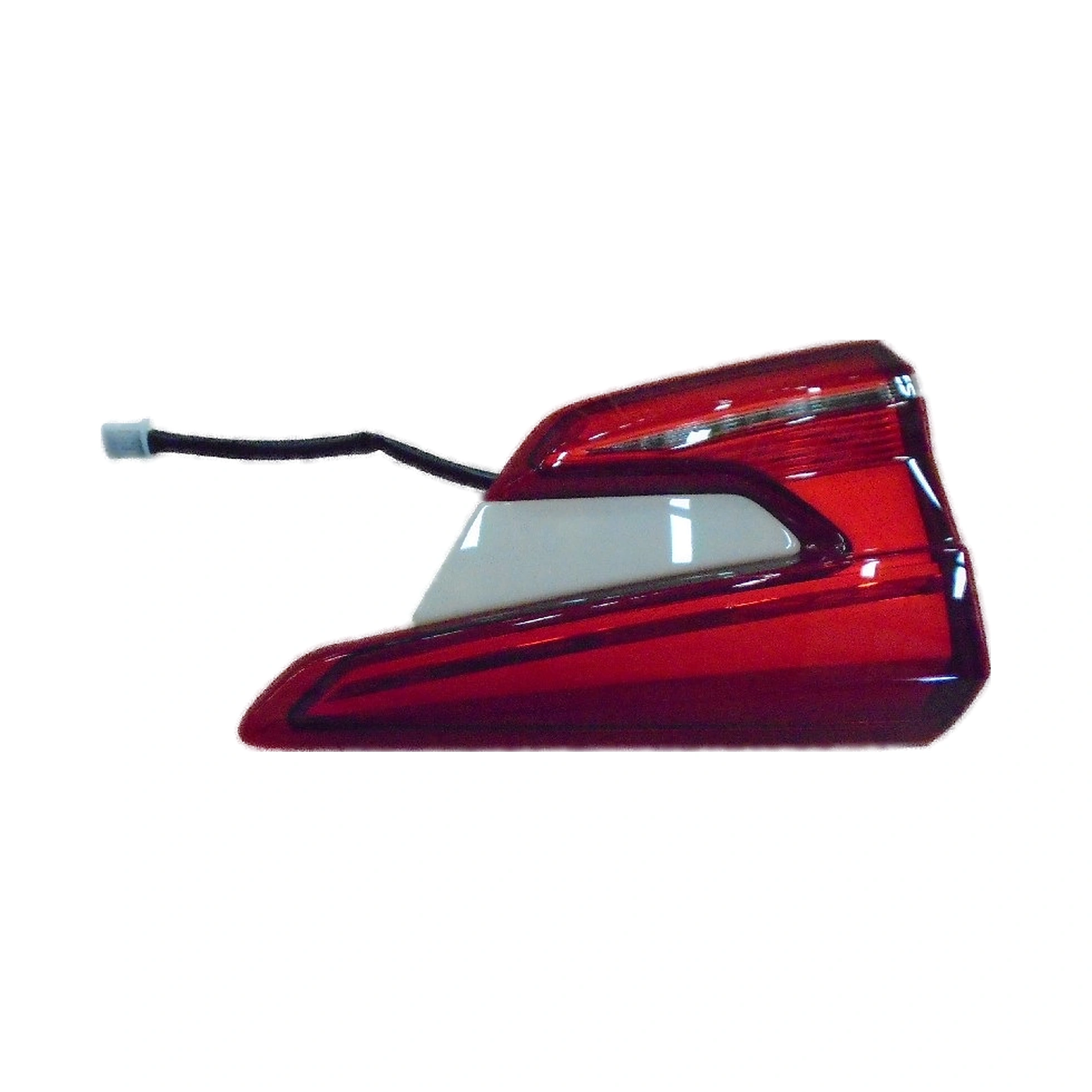
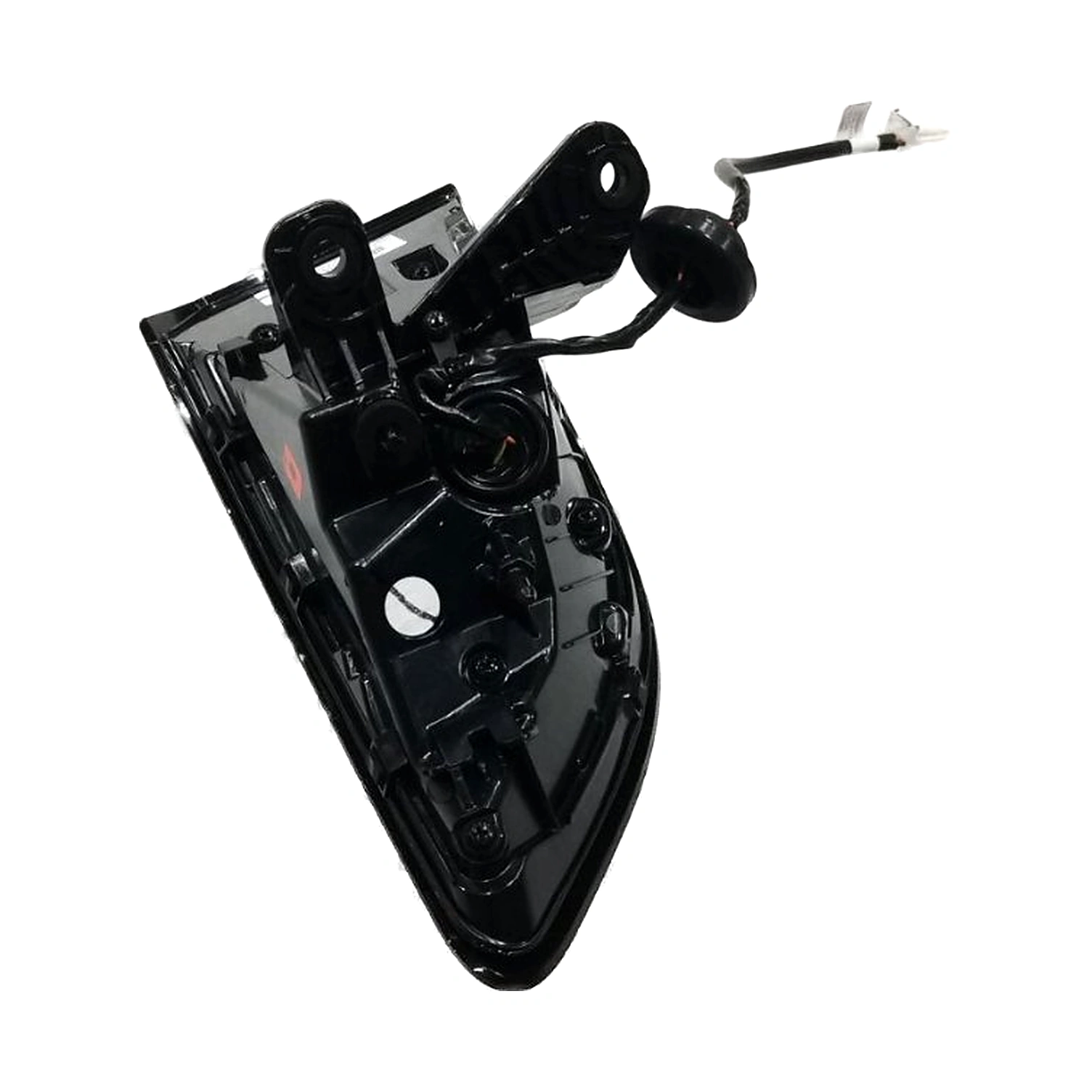
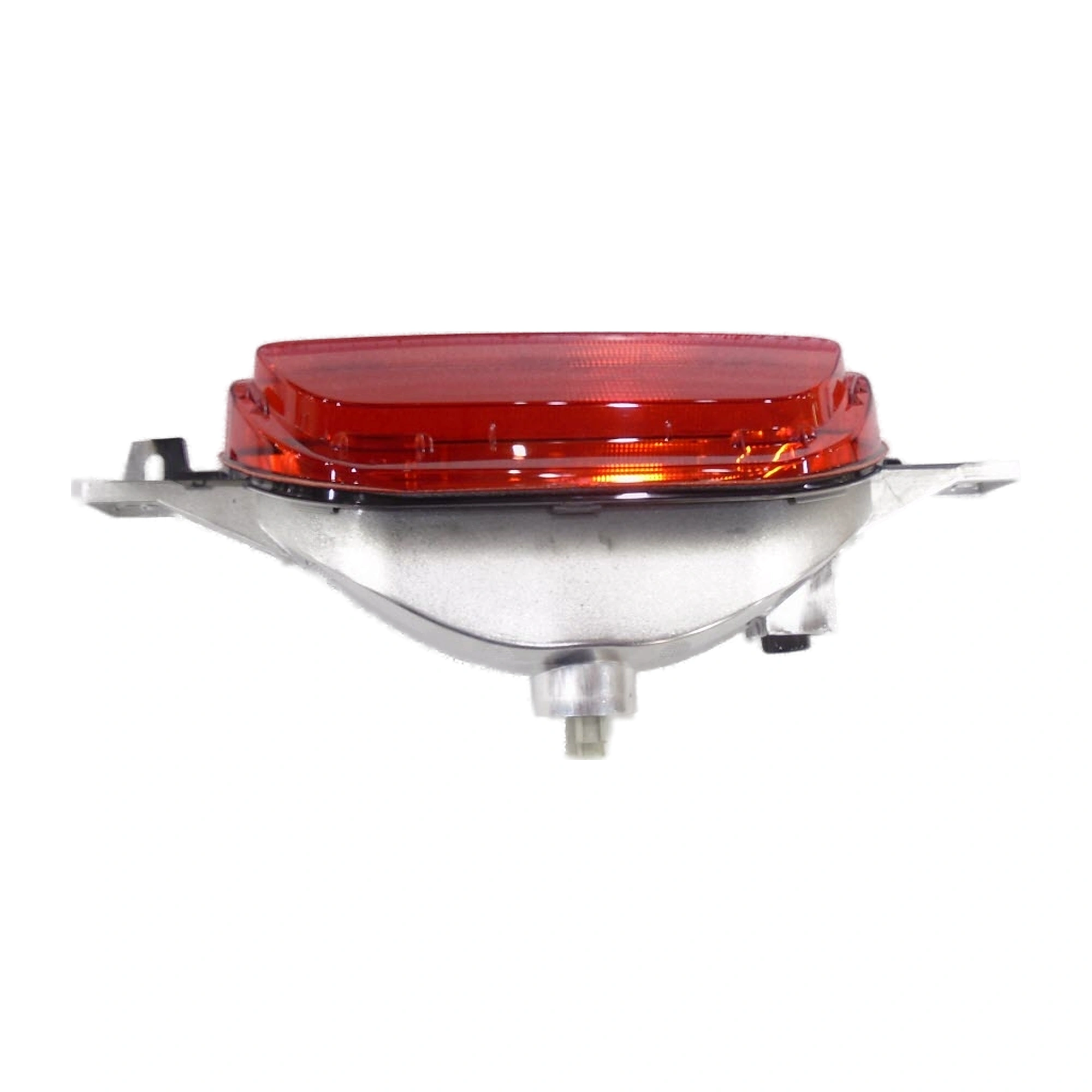
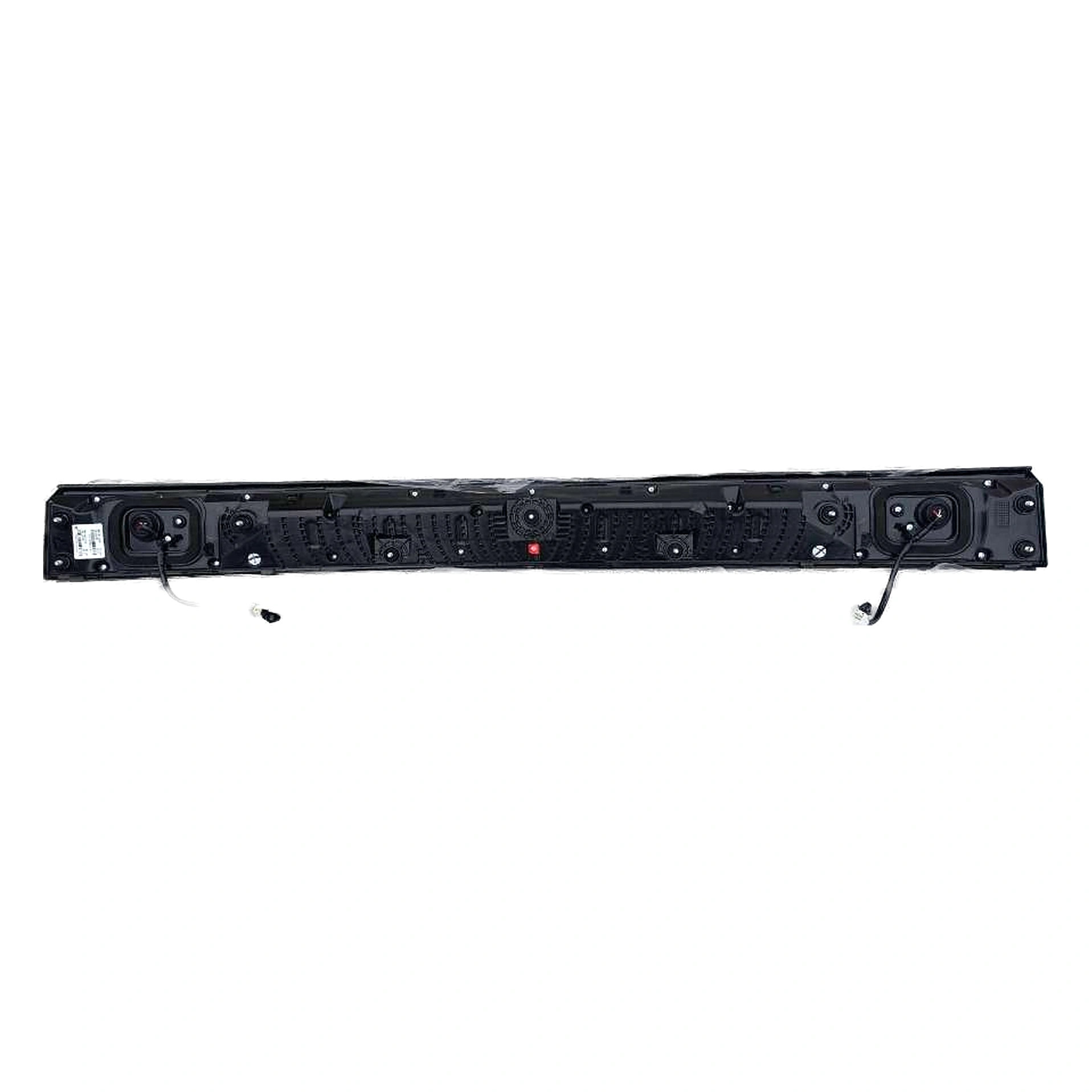
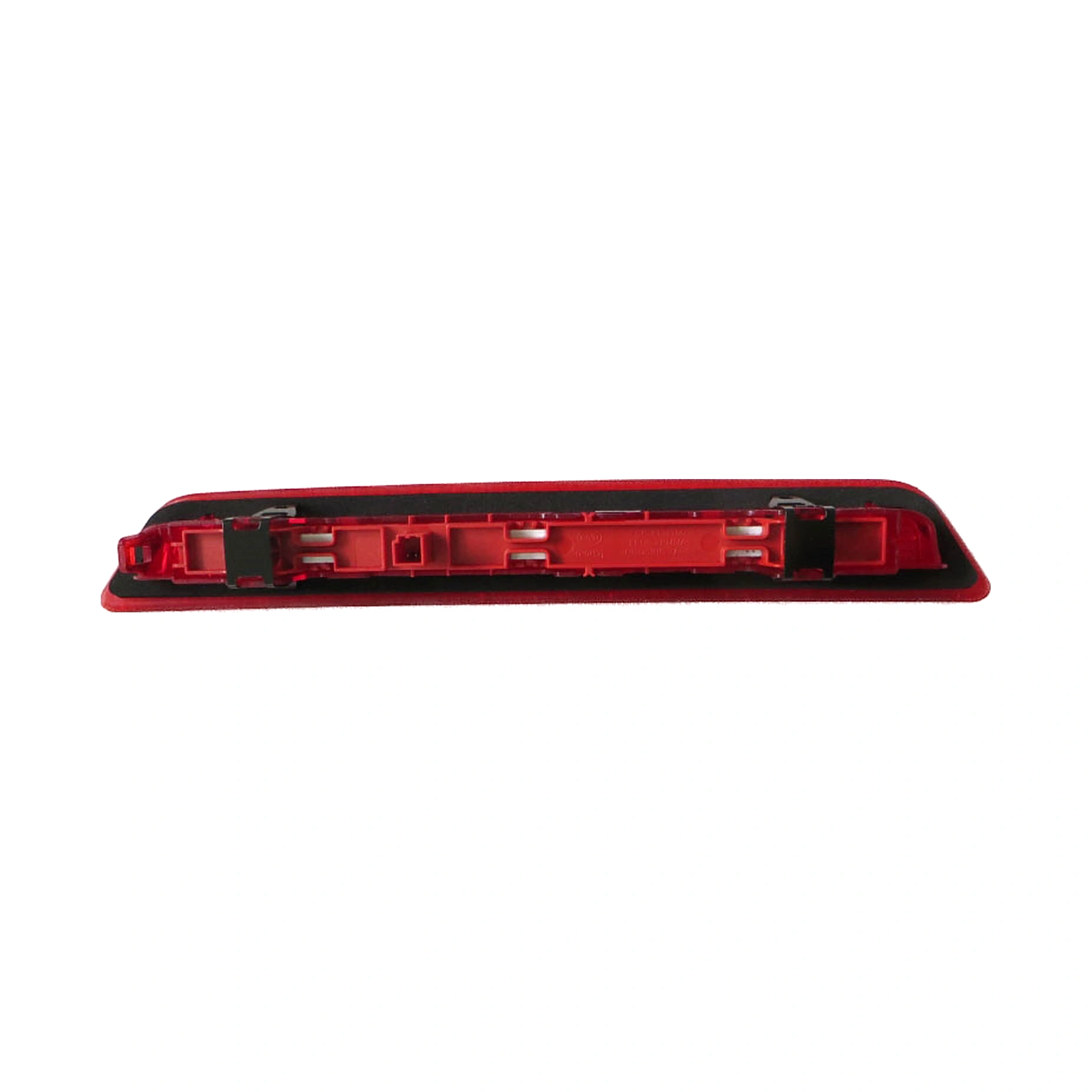
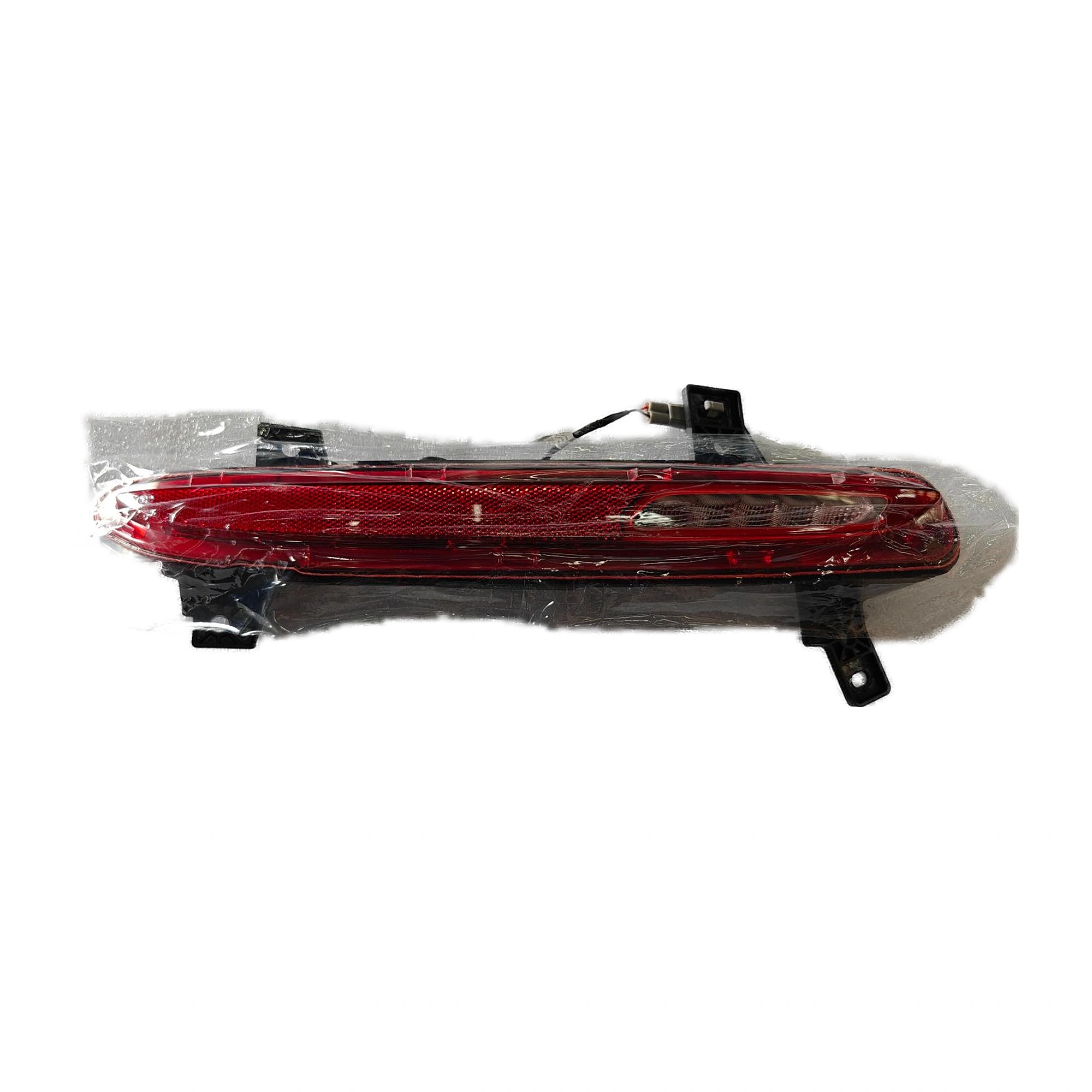
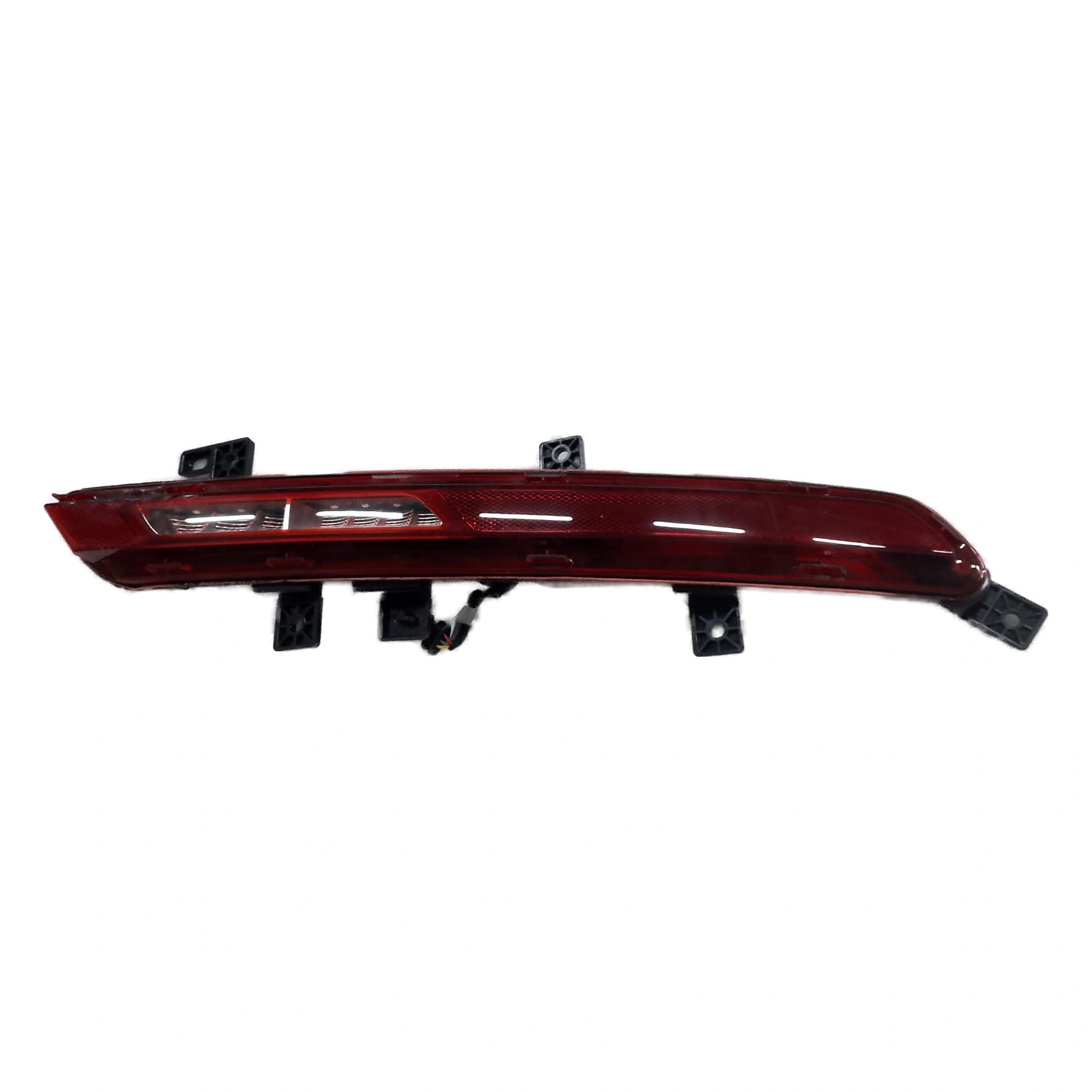
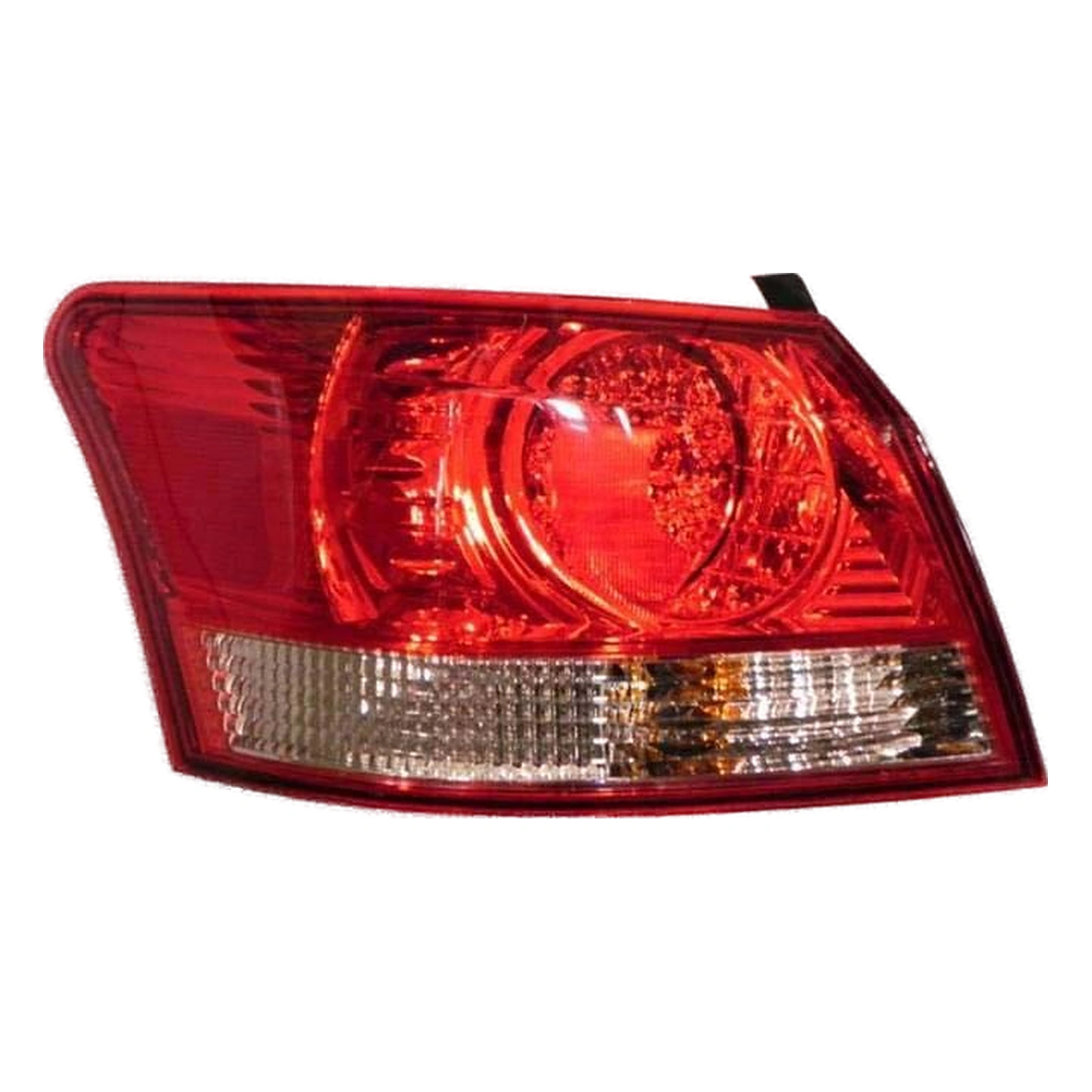
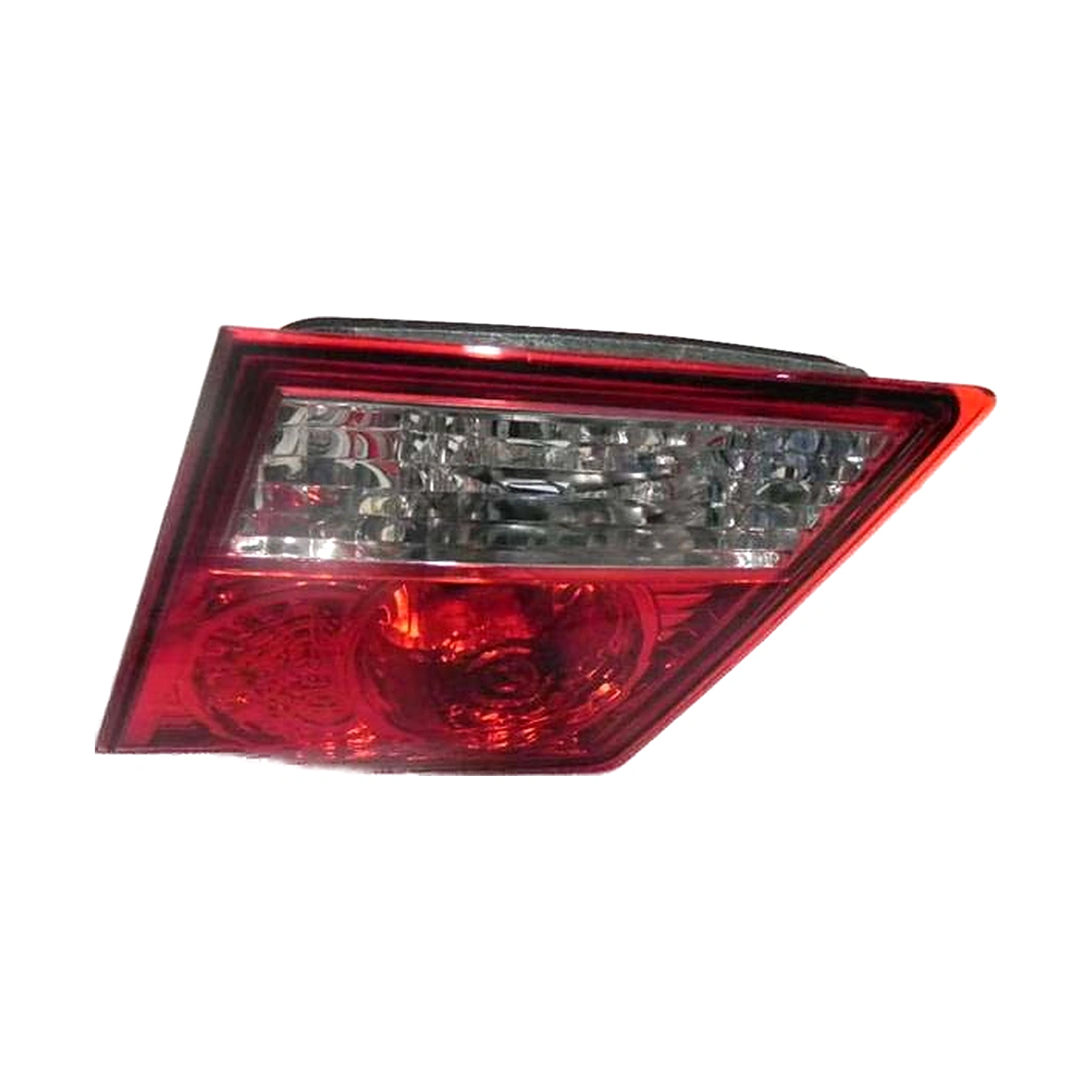
Popular Right Now
scroll for more →
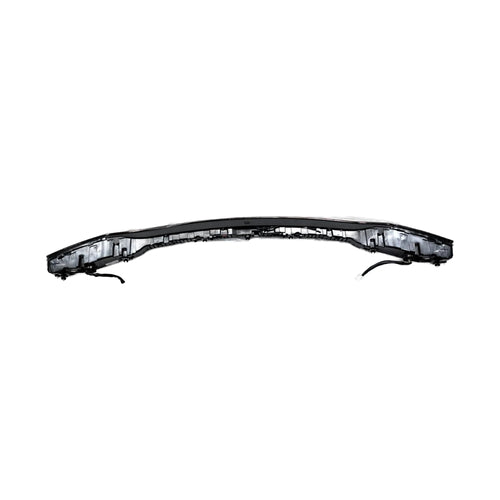
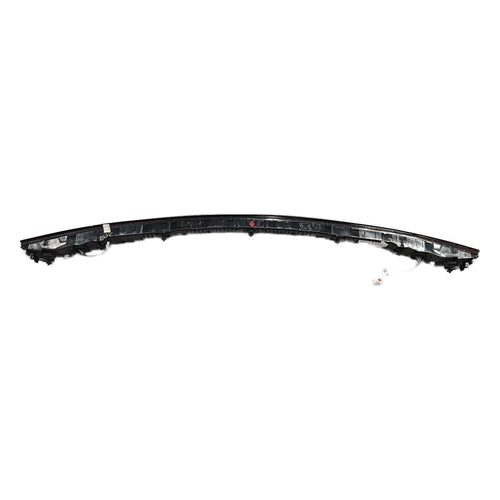
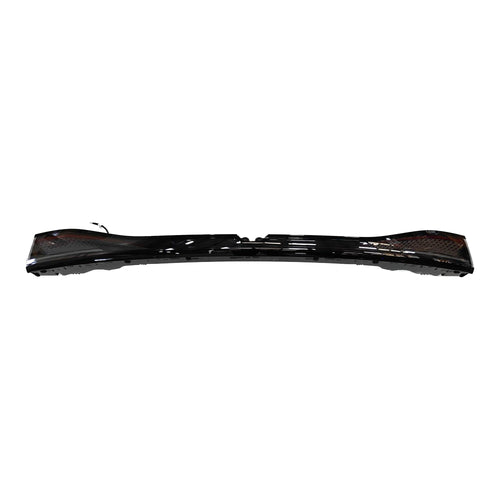
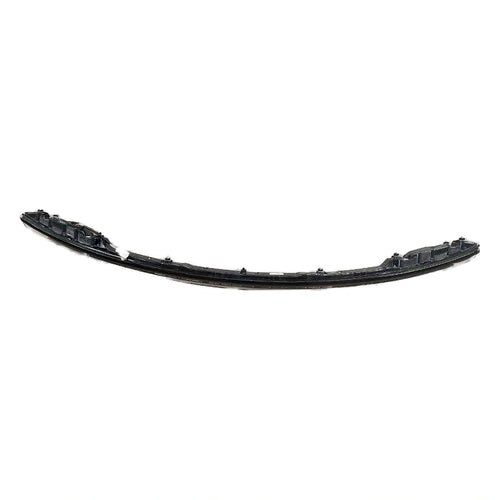
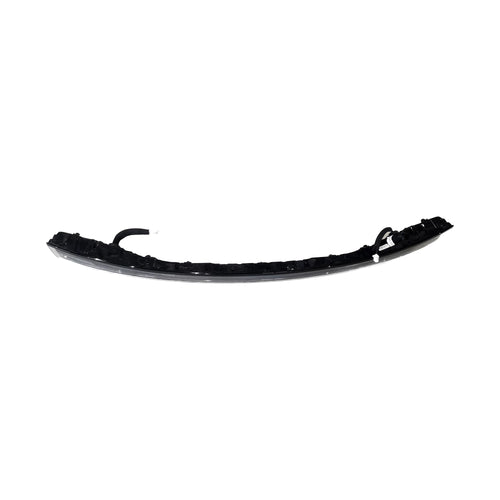
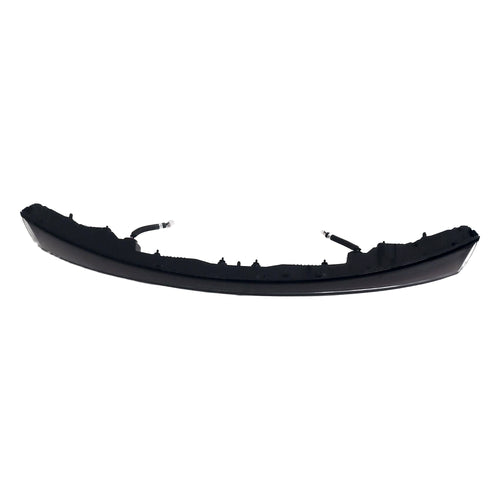
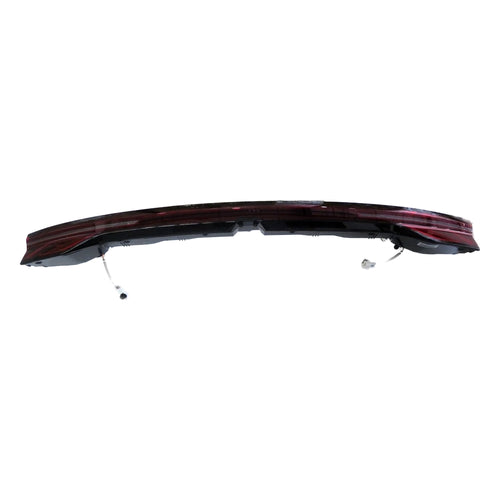
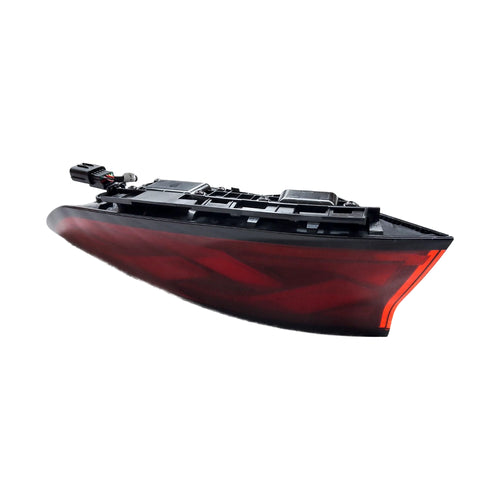
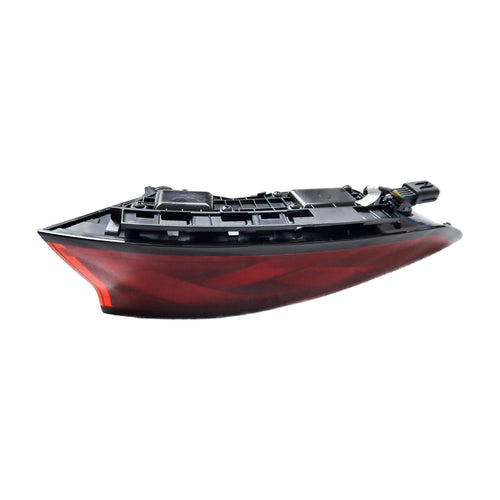
Symptom Finder: What Is Actually Broken?
| What you see or hear | Part to check first |
|---|---|
| One rear cluster completely dead | Tail lamp assembly or its connector |
| Brake function missing while side lights work | Tail lamp assembly with a failed emitter string |
| Moisture inside the lens | Tail lamp with a failed seal or vent |
| High level brake lamp not lighting | High-mount stop lamp |
| Reversing lamp dead with the camera working | Reversing lamp |
| Rear fog lamp inoperative on one side | Rear fog lamp |
About Tail & Brake Lights
Rear lighting has to do several jobs from one cluster: mark the vehicle's presence and width, signal braking with a brighter output, indicate direction, provide a rear fog lamp bright enough to be seen in poor visibility, and light the ground behind when reversing. Light emitting diodes changed how that is packaged, since a thin strip of emitters behind a light guide can be shaped in ways a bulb and reflector never could, which is why full width rear light bars have become common. It also changed servicing: most current clusters are sealed with the emitters and their electronics bonded inside, so a failure means the assembly rather than a bulb. A high mounted stop lamp sits separately, positioned in the driver's line of sight in the vehicle ahead.
What to know before buying Tail & Brake Lights parts
Check the connector and the earth before you order. A cluster reported dead is frequently a supply fault.
Order by the OE number. One body is often sold with different rear lighting between trim levels and body styles. The connectors differ with them.
Listings cover left and right tail lamps and complete tail lamp assemblies. Centre tail lamps come with their left and right baffles. Rear fog lamps for each side, reversing lamps and high mount stop lamps are listed too. The centre lamp and its baffles repay a closer look. Full width bars are made of several parts. A damaged section does not always mean replacing the whole run.
Where a lamp has taken water, order a fresh gasket with it. Clear the drain path behind the aperture as well. The connector corrodes as surely as the housing fills. A new lamp in a wet pocket lasts no longer than the last one. Priced listings can be ordered from the page, and anything else is quoted against the same factory number. BYD group vehicles are the best covered here, and more catalogues load over time.
Before You Order: 6 Checks
- Match the OE number, since rear lighting differs between trim levels and body styles on one model.
- Check the connector, the earth and the fuse before ordering a cluster.
- Establish whether your vehicle uses a full width bar made of separate sections.
- Order new gaskets and clips, since neither survives removal reliably.
- Confirm whether the lamp is sealed, as bulbs are not replaceable on most current designs.
- Investigate water ingress before fitting a replacement into a wet aperture.
What Changed and Why
Rear lighting has become a styling signature as much as a safety function, with full width light bars and animated sequences now common across price points, and that has consequences for repair. A single continuous bar is usually several separately supplied sections with baffles between them, so damage to one part need not mean replacing the whole assembly. Sealed construction has spread everywhere, so bulb replacement has largely disappeared. Regulation continues to govern intensity, position and colour, which is why rear lighting parts are market specific in ways that are not visible.
Tail & Brake Lights: Frequently Asked Questions
One rear cluster is completely dead. Is it the lamp?
Check the supply before ordering. A cluster with every function dead is more often a connector, an earth or a fuse than an assembly, since a failure inside the lamp usually takes one function rather than all of them. Inspect the connector for corrosion and moisture, which is common at rear lamps because water reaches the aperture, and check the earth point. If the supply is present at the connector and nothing lights, the assembly is the answer.
Can I still replace bulbs in a modern tail lamp?
On most current designs, no. Emitters and their electronics are bonded into a sealed housing, so there is nothing to unclip and no bulb holder behind the lamp, and a failed section means replacing the assembly or the affected part of a multi section bar. That is a real change from older clusters and it catches people out. Read the listing to see what your vehicle uses before assuming a bulb will solve the problem.
My brake lights do not work but the side lights do.
On a sealed cluster that usually means the brake function's emitter string or its driver has failed while the position lamp string is healthy, since the two are separate circuits within one housing. Before ordering, check the brake lamp switch, because a failed switch stops every brake lamp including the high mounted one, which is a useful distinction: if the high level lamp also fails to light, look at the switch, and if it lights, look at the cluster.
There is water inside my tail lamp.
Find where it entered before ordering. Rear lamp apertures collect water from the boot seal, from a drain that has blocked, or from a lamp gasket that has hardened, and the lamp is the last thing in the chain rather than the cause. A cluster full of water will also corrode its connector, which produces faults that outlive the lamp. Fit a new gasket with any replacement, and check that the aperture drains before the new lamp goes in.
What is the baffle in a light bar?
On a full width rear light bar, the illuminated sections are usually separate lamps with blanking or connecting pieces between them, and those pieces are catalogued as baffles. They matter when ordering because a bar that looks like one part is several, and damage to a section can often be repaired without replacing the whole run. Read the listing carefully and identify which section and baffle you actually need before ordering the largest part in the group.
What do rear lamps cost?
Baffles, gaskets and high mount stop lamps sit at the lower end of the range. Rear fog lamps and reversing lamps are modest. Complete tail lamp assemblies cost the most in this category, particularly full width sections with light guides and electronics. The live minimum and maximum are shown in the band at the top of this page. Because a dead cluster is often a supply fault, testing before ordering is worth the few minutes it takes.
Can I fit a tail lamp myself?
On most vehicles yes, and it is one of the easier lighting jobs. Access is usually through a trim panel or a flap inside the boot, with two or three nuts and a connector. Take care releasing the clips on older plastic, fit a new gasket rather than reusing the flattened original, and check that the drain path behind the lamp is clear while you have access. Test every function before refitting the trim rather than afterwards.
Do rear lamps differ between markets?
Yes, in ways that are not visible. Regulation governs intensity, colour and the position of the rear fog lamp, which is required on one side in some markets and on both in others, and reversing lamp requirements differ too. A lamp built for another market may fit perfectly and fail an inspection. Match the OE number for the market your vehicle was built for, which matters particularly on an imported vehicle.
Why does my vehicle warn of a lamp fault when the lamp works?
Because the body controller monitors current through each lighting circuit and reports when it falls outside the expected window. On a light emitting diode cluster, one failed emitter string out of several changes that current while the lamp still appears to light from a distance. Have the fault read, since the code identifies the circuit and tells you whether the cluster or something upstream has failed. It is a genuine warning rather than a fault in the monitoring.
Will a lamp from a different trim level fit?
Often not, and the differences are electrical as much as visual. A single body is frequently offered with different rear lighting between trim levels and body styles, with different connectors, different emitter arrangements and sometimes animated functions the vehicle's controller must support. A lamp that bolts in and reports differently will set a fault. Match the OE number, and use the quote form where the reference brings back nothing so the catalogue is checked properly.
Is a high-mount stop lamp a legal requirement?
On any vehicle built with one, yes, and it must work. It is positioned in the line of sight of the driver behind, and it is one of the more effective pieces of lighting regulation ever introduced. On many vehicles it is a sealed strip that fails as a unit, and on estates and hatchbacks it lives in the tailgate where the loom flexes, so a failure there is sometimes wiring rather than the lamp. Check the loom in the tailgate hinge area first.
The lamp I need shows no price. Can I still order it?
Yes. Rear lamps split into body mounted and tailgate mounted halves on most cars, and each half is its own reference, so it is worth being certain which one you need before asking. Send the number moulded into the lamp body and say which side. Where the unit is a sealed light emitting diode assembly, the whole lamp is the service part and no bulb change is possible. The listing shows that. Add the lamp gasket, since a rear lamp refitted on a flattened seal fills with water and takes out the new one.