BYD e9 Parts
Shop BYD e9 Parts by Category
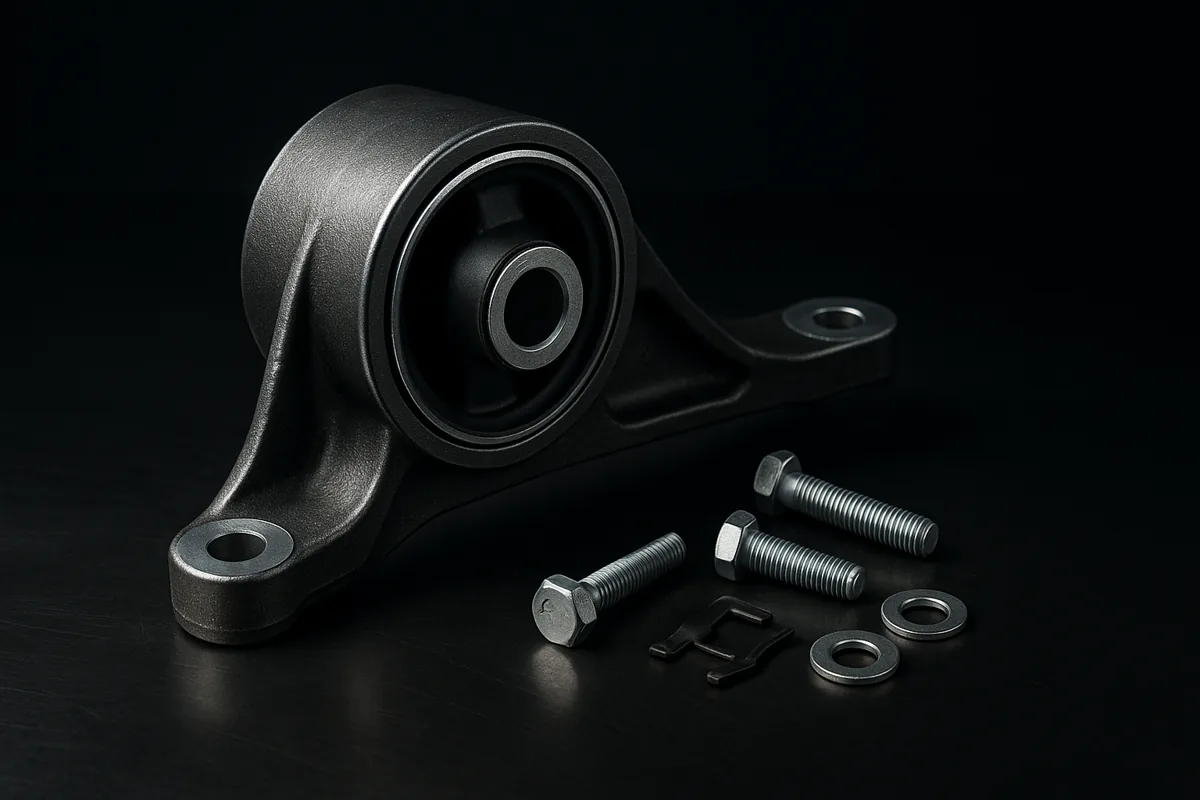
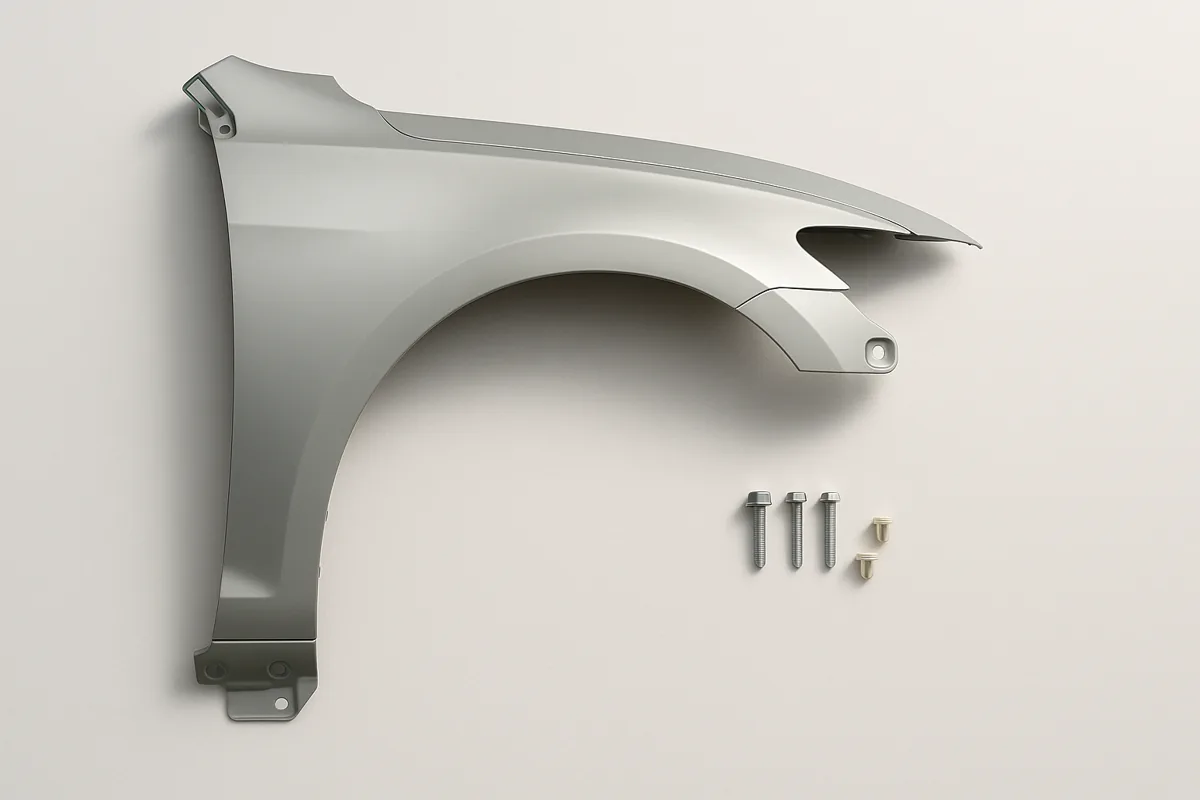
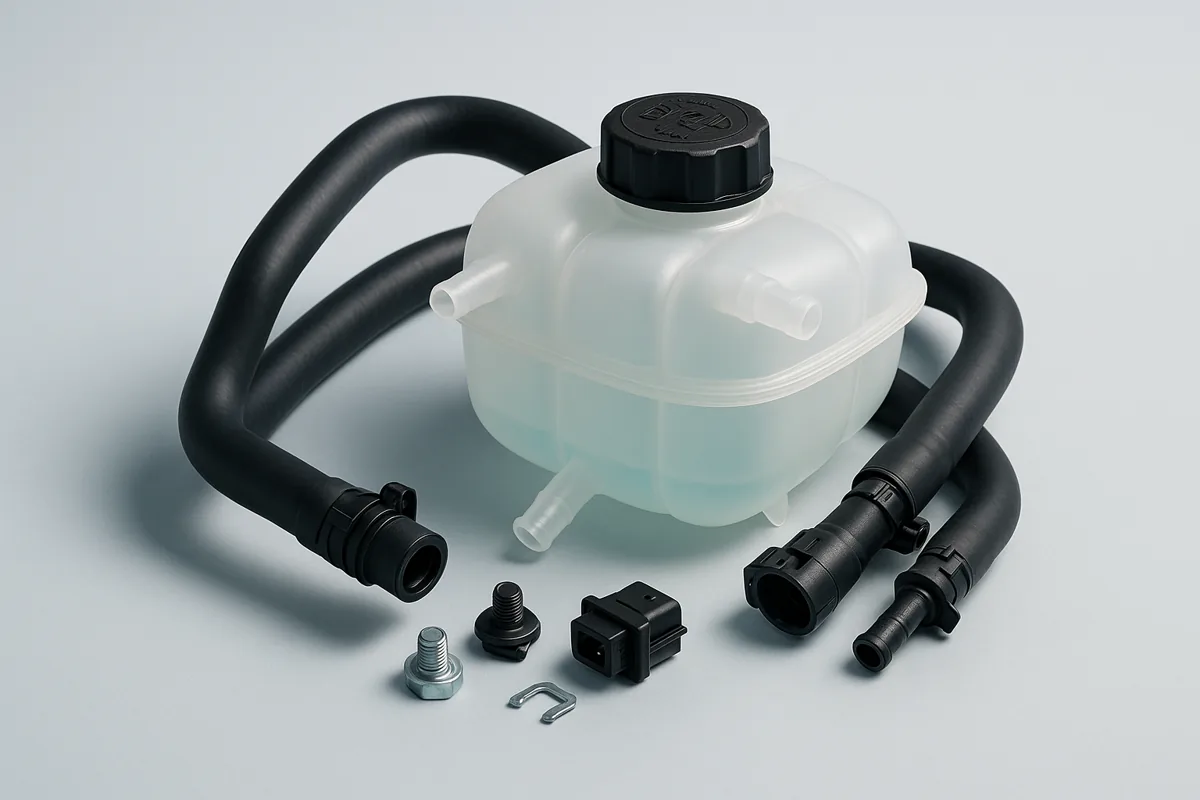
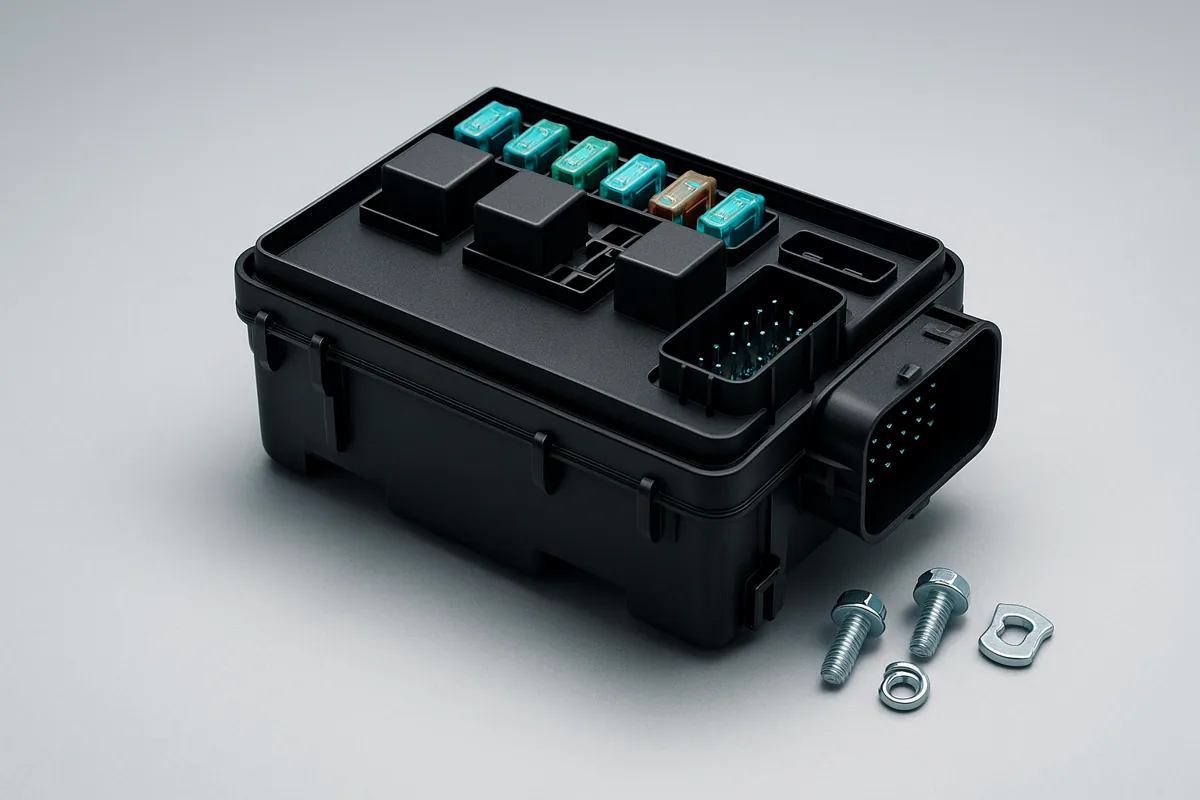
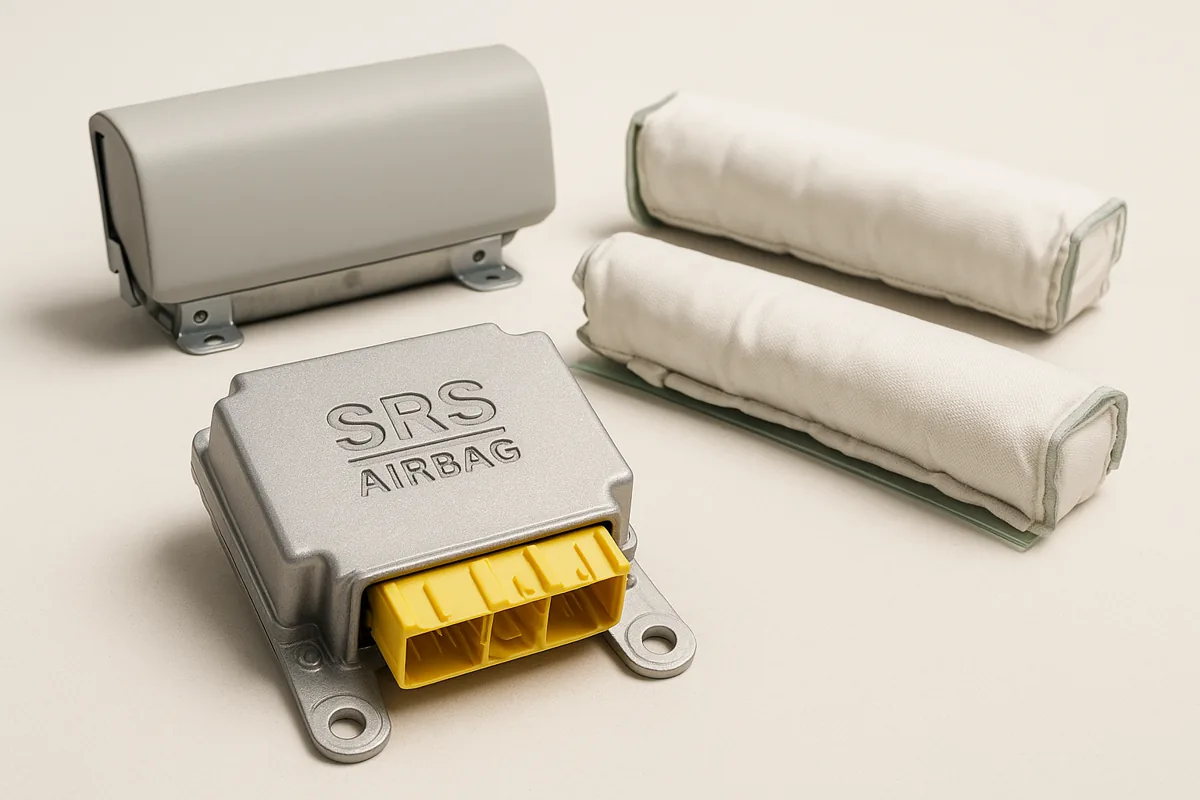
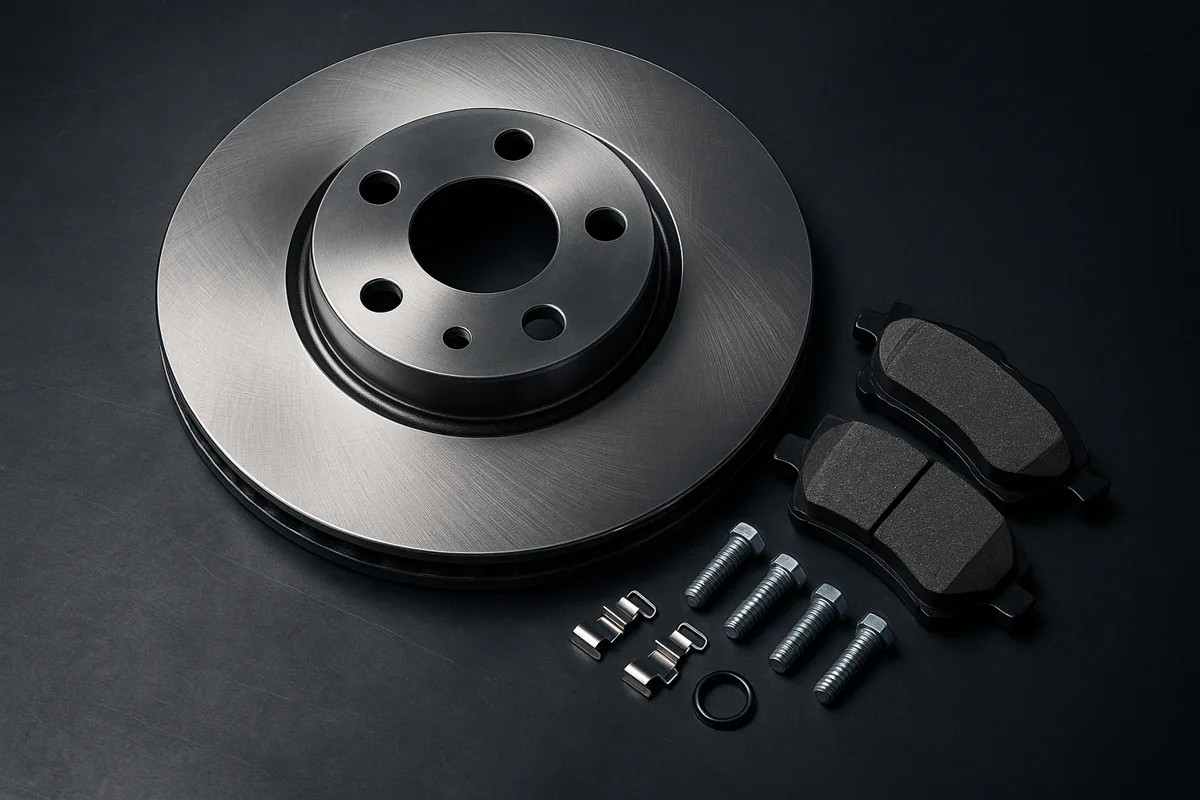
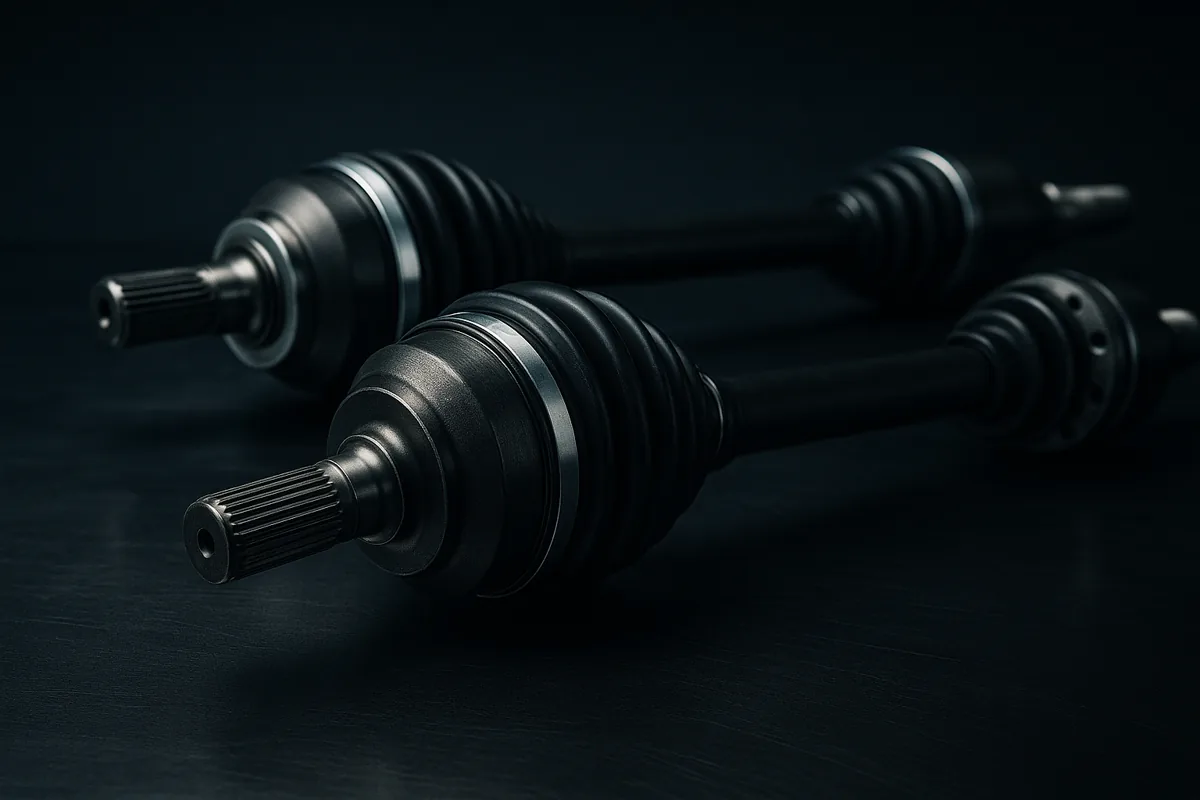
Popular for the BYD e9
scroll for more →
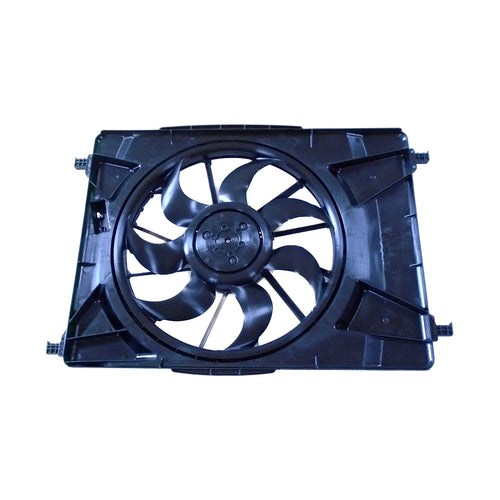
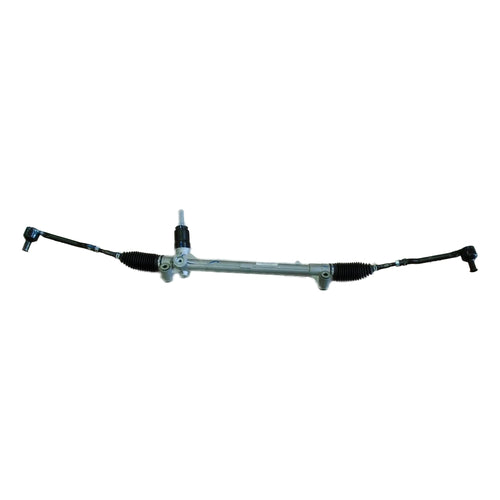
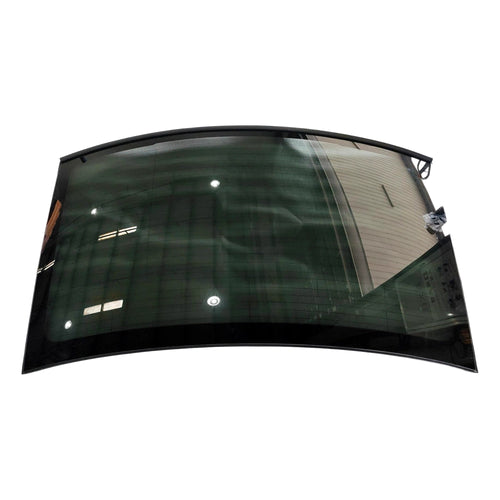
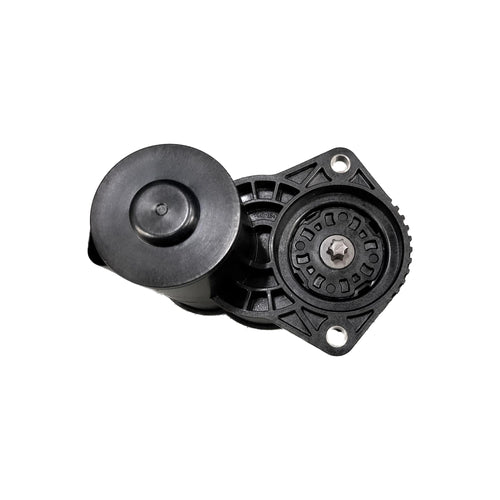
Symptom Finder: Known Weak Points
| What you see or hear | Check first |
|---|---|
| Front tyres wearing quickly or unevenly | The front wheels both steer and drive, and fleet mileage adds up fast. Check the alignment and the front lower arm bushes before fitting new 245/50 R18 tyres. |
| Knock or clunk from the front over bumps | Check the top mounts, drop links and lower arm bushes on the MacPherson front suspension. Find the worn part before ordering, then match it by side and OE number. |
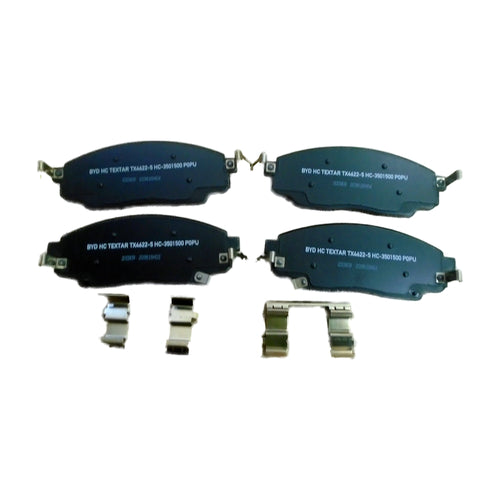
| Grinding or roughness from the rear brakes | Check the solid rear discs. Regenerative braking does much of the slowing, so they tend to corrode rather than wear. Inspect them for rust, and replace discs and pads together if they are pitted. |
| Parking brake warning, or a rear wheel that will not release | Check the electronic parking brake motor on the rear caliper. Order the caliper or motor for the correct side by OE number. |
| Car will not wake, or shows electrical faults after standing | Check the 12 V battery. It powers the car's electronics before the high-voltage system switches on, and it can fail with little warning. Test it before chasing other faults. |
| Door handle on a 2025 car does not extend or open | Check the hidden handle mechanism. Only the 2025 model uses hidden handles, so check the build date and order the handle for that side by OE number. |
| A battery or motor part ordered by range does not match | Every e9 claims 506 km. Read the build date on the identification plate, since the 2021, 2022 and 2025 cars use different batteries and motors. |
Most Replaced Parts on the e9
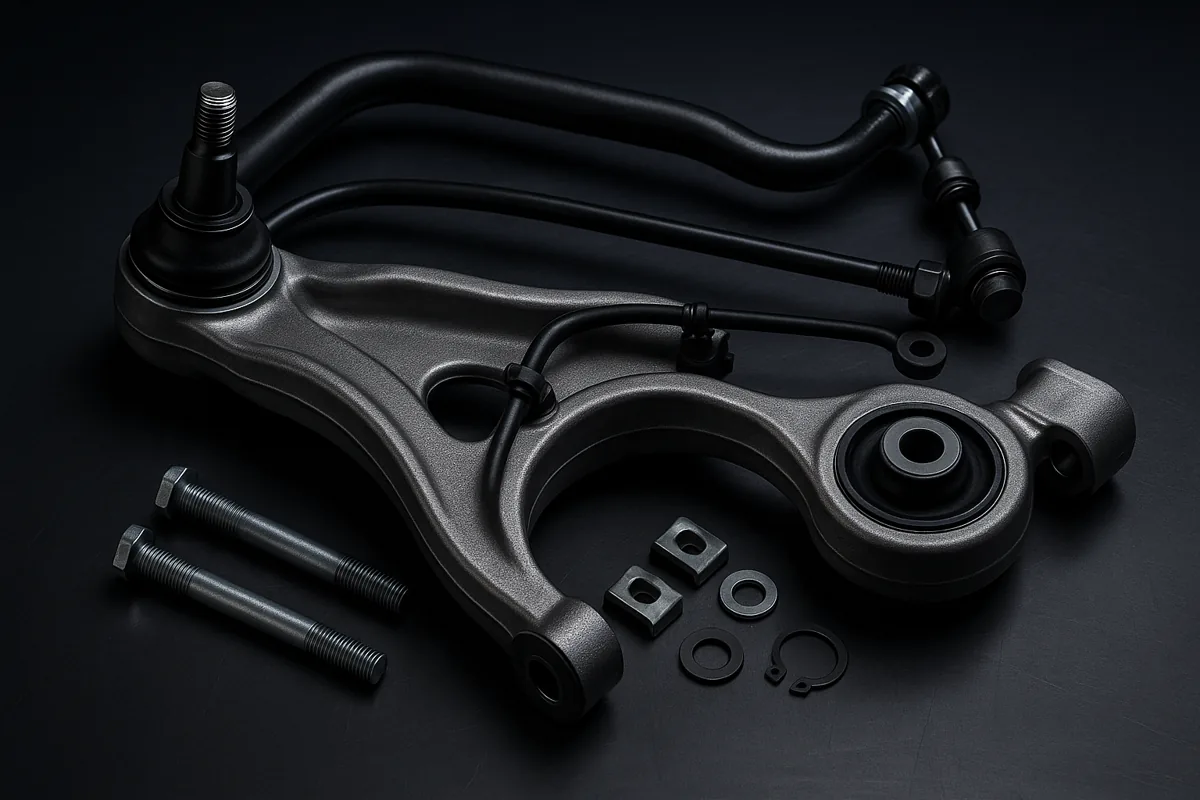
- Control arms and bushingsLong days on city roads wear the front and rear suspension bushes first
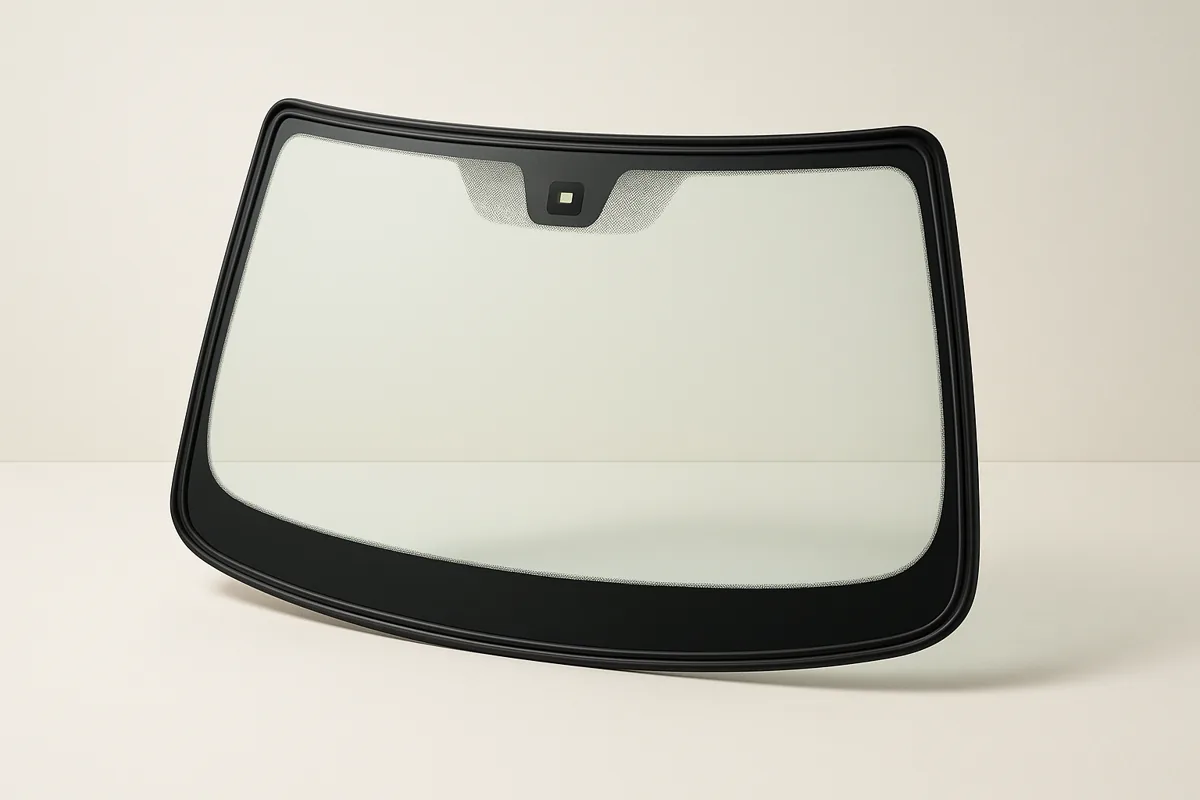
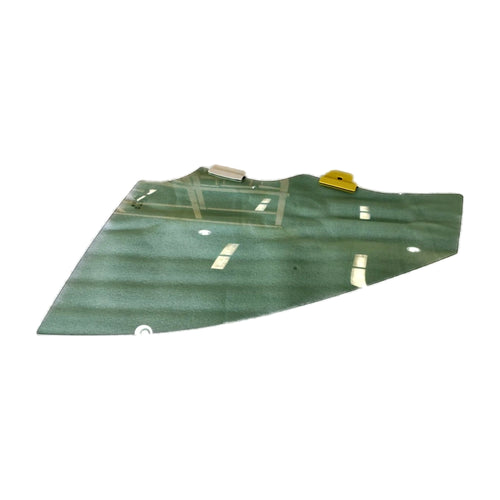
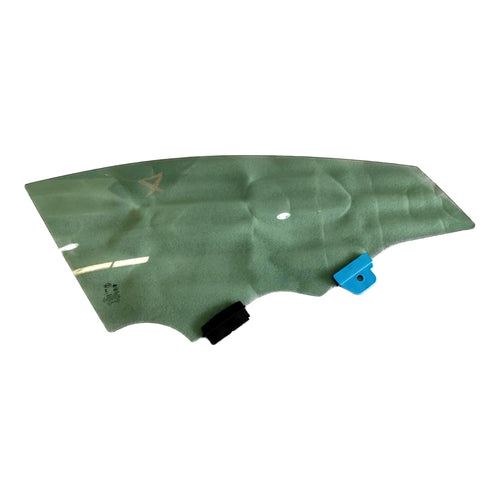
- Glass, seals and weatherstripsA large saloon in traffic all day, so screen chips and tired door seals are common
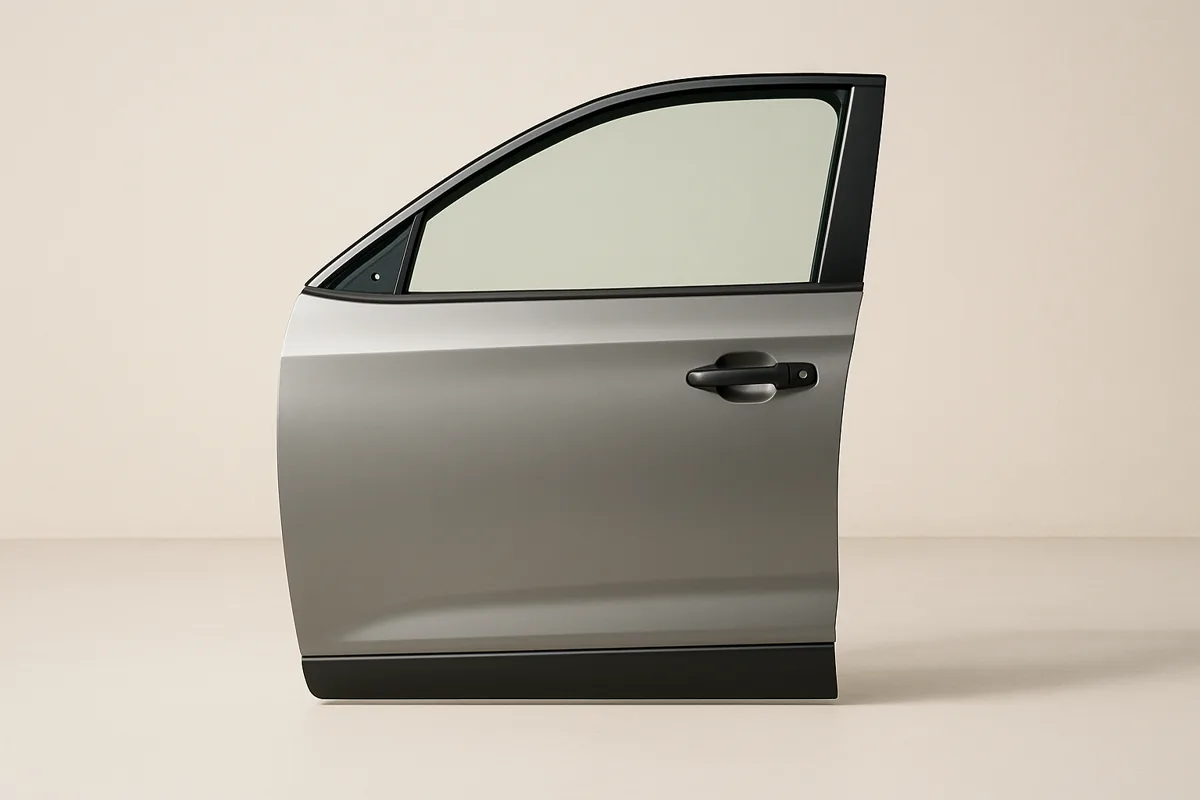
- Door skins, hinges and check strapsDoors that open for passengers all shift, with hidden handles on the 2025 car
- Springs and top mountsFront corner hardware on a front-driven car carrying a heavy battery
- Powertrain and drive-unit mountsOne front motor takes all the drive, and its output changed with each model year
About BYD e9 Parts
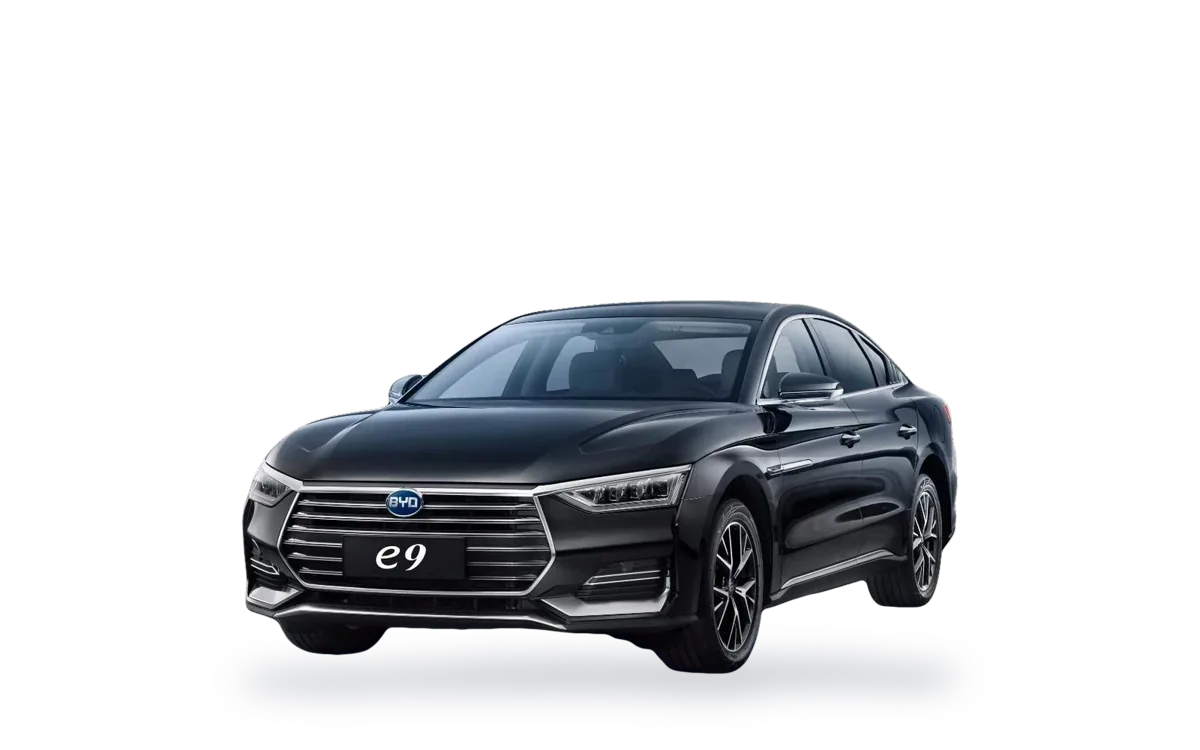
The BYD e9 is a large five-seat electric saloon built on the Han EV for ride-hailing and fleet work, and it has been on sale since March 2021. It shares the Han's 2,920 mm wheelbase and much of its structure, but it has its own front end with a wide grille of horizontal chrome bars. It drives only the front wheels, through a single electric motor, and has no engine and no rear motor. Its parts list is therefore that of a front-driven electric car working long days. Suspension, brakes, tyres, door hardware and glass wear first. Battery and drive-unit parts have changed twice across three model years, all under the same 506 km range claim. Much of the body and chassis is shared with the Han, but the front end and trim belong to the e9. Every part here is listed by OE number, and matching the number on the old part is the surest fitment check.
What to know before buying BYD e9 parts
Start by making sure the car is the BYD e9 covered here. Linghui, BYD's fleet sub-brand, launched its own e9 on 9 May 2026. It is built on the same Han architecture, with the same 2,920 mm wheelbase and a 4,995 mm body, which is the same length as the 2025 BYD e9. It uses BYD's second-generation blade battery of 60.5 or 64.315 kWh with flash charging, and a 135 kW or 150 kW front motor. The 135 kW rating matches the 2025 e9, so the power figure alone will not tell the two cars apart. Check the badge on the car, and do not order from this page for a Linghui e9.
Next, tell the e9 apart from the Han EV it is built on. The two share the wheelbase, the 1,495 mm height and much of the structure and running gear. The e9 has its own front end: a large hexagonal grille with horizontal chrome trim, its own badges, and narrow LED headlamps joined by a trim panel. The 2021 and 2022 cars also use conventional door handles, and the cabin has a smaller centre screen and simpler trim. Order bumpers, grilles, badges, handles and interior trim by OE number, and never from a Han listing because the part looks the same.
The powertrain is where dates matter most. Every e9 has a single motor at the front driving the front wheels, and every version claims 506 km, so the range figure tells you nothing. The launch car of March 2021 has a 64.8 kWh blade battery and a 163 kW motor. The 2022 model, from 22 November 2022, has 63.36 kWh and 120 kW. The 2025 model, from 29 August 2025, has a 60.5 kWh lithium iron phosphate battery and a 135 kW motor with 250 Nm of torque, against 330 Nm before. Read the build date on the identification plate before ordering battery, motor, mount or charging parts, then confirm the part by OE number.
The 2025 model also changed the body. It is 15 mm longer at 4,995 mm, and it has hidden door handles, a larger grille and new black alloy wheels. Do not assume that door handles and their mechanisms, front-end parts or wheels from an earlier car will fit it.
The chassis layout is the same on every version: MacPherson struts at the front, multi-link at the rear, ventilated front discs, solid rear discs with an electronic parking brake, and 245/50 R18 tyres all round. The 2021 and 2022 configuration tables list a space-saver spare and the 2025 tables do not, so check the boot before ordering a spare. For painted panels, order by the colour code on the car rather than by colour name.
Before You Order: 8 Checks
- Check the badge first. The Linghui e9 launched in May 2026 is a different car, so confirm you have the BYD e9 before ordering.
- Match the OE number on the part you are replacing to the OE number on the listing, since a matching number is the surest check that a part fits.
- Read the build date on the identification plate before ordering battery, motor or charging parts, since the 2021, 2022 and 2025 cars use different batteries and motors under the same range claim.
- Look at the door handles, which are conventional on 2021 and 2022 cars and hidden on the 2025 model, and order door parts to match.
- Order front-end parts by OE number rather than from Han EV listings, since the e9's grille, badges and bumper are its own.
- Order rear calipers by side, since the electronic parking brake works on the rear wheels.
- Read the tyre size on the sidewall, 245/50 R18 on every version, and order tyres to that size.
- Order painted panels by the colour code on the car rather than by colour name.
Generations and Facelifts
The e9 grew out of the BYD Han EV, the large electric saloon BYD launched in 2020. BYD took the Han's body and platform and gave it a more conventional front end with a large chrome-barred grille, simpler trim and a smaller centre screen. It launched the car as the e9 on 26 March 2021, aimed at the ride-hailing market. The launch car had a 163 kW front motor with 330 Nm, a 64.8 kWh blade battery, a 506 km NEDC range and fast charging from 30 to 80 percent in about 30 minutes.
The 2022 model followed on 22 November 2022. The exterior was essentially unchanged. The motor dropped to 120 kW with the same 330 Nm and the battery dropped to 63.36 kWh, while the range claim stayed the same. The driver's seat gained heating, and phone and NFC keys were added. For parts, the battery, the motor and anything tied to them split at this date.
The 2025 model arrived on 29 August 2025 and brought the bigger change. It uses a 135 kW, 250 Nm motor and a 60.5 kWh lithium iron phosphate battery rated at 506 km on the CLTC cycle. The body grew to 4,995 mm and gained hidden door handles, a larger grille and new black alloy wheels. Check door, front-end, wheel and powertrain parts against the build date on the identification plate.
The wheelbase has stayed at 2,920 mm throughout, and the e9 has had no full redesign. In May 2026 BYD's Linghui brand launched a separate e9, also on the Han architecture. It is a different car, and the parts here do not apply to it.
BYD e9 Parts: Frequently Asked Questions
How do I make sure a part fits my BYD e9?
Match the OE number. Every part on this site is listed under the OE number printed on the original part, and if the number on the part you are replacing matches the listing, the part fits. That check matters on the e9 because it shares so much with the Han EV and has been built in three model years with different batteries and motors. If the old part is missing or its number cannot be read, send a photo of it through the quote form and we will reply within 24 hours, usually sooner.
Is the e9 just a Han EV with a different grille?
It is built on the Han EV and shares its 2,920 mm wheelbase, its 1,495 mm height and much of its structure and running gear. The differences are at the front and inside. The e9 has its own grille with horizontal chrome bars and its own badges. The 2021 and 2022 cars use conventional door handles, and the cabin has a smaller centre screen and fleet-grade trim. Treat a shared part as likely to fit, but not certain, and confirm it by the OE number on the old part before ordering.
All e9 versions claim 506 km. Which battery and motor does my car have?
The range figure will not tell you. Cars from the March 2021 launch have a 64.8 kWh blade battery and a 163 kW front motor. The 2022 model, launched on 22 November 2022, has 63.36 kWh and 120 kW. The 2025 model, launched on 29 August 2025, has a 60.5 kWh lithium iron phosphate battery and a 135 kW motor with 250 Nm of torque. Read the build date on the identification plate, then confirm any battery, motor or charging part by the OE number on the old part.
Is this the same car as the Linghui e9?
No. Linghui, BYD's fleet sub-brand, launched its own e9 on 9 May 2026. It is also built on the Han architecture, with a 2,920 mm wheelbase and a 4,995 mm body, which makes it easy to confuse with the 2025 BYD e9. It is a separate car, though, with BYD's second-generation blade battery and a choice of 135 kW or 150 kW motors. The parts on this page are for the BYD-badged e9 sold since 2021. Check the badge on the car before ordering anything.
Will a Han EV bumper, grille or headlamp fit the e9?
Do not assume so. The front end is where the e9 differs most from the Han it is built on. It has a large hexagonal grille with horizontal chrome trim, its own badges, and narrow LED headlamps joined by a trim panel. The Han's front bumper, grille and badges are different parts. The 2025 e9 changed the front again with a larger grille. Order front-end parts by the OE number on the part you are replacing, and give the colour code for anything painted.
Will a rear motor from a dual-motor Han fit my e9?
No. Every e9 is front-wheel drive, with a single motor at the front. It made 163 kW at launch, 120 kW from November 2022 and 135 kW on the 2025 model. There is no rear drive unit on any version, so a Han dual-motor rear unit is the wrong part for this car and not an upgrade. For the front motor and its mounts, check the build date on the identification plate, since the output changed with each model year, then match the OE number on the old part.
What tyres does the e9 take, and is there a spare?
Every version runs 245/50 R18 tyres front and rear. The configuration tables for the 2021 and 2022 models list a space-saver spare, while the tables for the 2025 model do not list one. Check the boot before ordering a spare wheel or its fittings. On a front-driven car in fleet service, the front tyres both drive and steer, and they usually wear first. Read the size on the sidewall before ordering, and check the alignment when fitting a new front pair.
What brakes does the e9 use?
It has ventilated discs at the front and solid discs at the rear, with an electronic parking brake working on the rear wheels. That means the rear caliper carries a parking brake motor, so it is a different part from a plain sliding caliper and is specific to its side. Regenerative braking does much of the slowing, so the rear discs often corrode before they wear out. Check the rear discs for rust when replacing pads, and order calipers by side and by the OE number on the old unit.
What changed with the 2025 e9?
The 2025 model was launched on 29 August 2025 and changed more than the 2022 update did. The body grew from 4,980 mm to 4,995 mm, and the car gained hidden door handles, new black alloy wheels and a larger grille. The powertrain moved to a 135 kW, 250 Nm motor and a 60.5 kWh lithium iron phosphate battery. The wheelbase stayed at 2,920 mm. Match door handles, front-end parts, wheels and battery parts by build date and OE number rather than assuming they carry over.
What wears out first on an e9 in ride-hailing work?
Suspension and tyres come first, followed by doors and brakes. The car spends long days in traffic carrying passengers, so the front tyres, the bushes in the MacPherson front and multi-link rear suspension, the top mounts and the front pads work hardest. The doors open far more often than on a private car, so hinges, check straps and seals need attention. The 12 V battery can also fail with little warning. Plan parts around the car's mileage rather than its age, and match each part by the OE number on the old one.
What suspension does the e9 use?
It uses MacPherson struts at the front and a multi-link layout at the rear, on every version. Knocks from the front usually come from the top mounts, drop links or lower arm bushes, and a car that runs all day on city roads works them hard. The rear multi-link has several arms on each side, so identify the exact arm before ordering. Match springs, dampers and arms by the OE number on the part you are replacing, and order by side where the listing says so.
The e9 has no engine. Does it still need servicing parts?
Yes, though fewer than a petrol car. There is no engine oil or oil filter, but the car still has a cabin air filter, wiper blades, brake fluid, coolant for the battery and motor, and a 12 V battery that runs the car's electronics. At fleet mileage, these parts come due quickly. Follow the service schedule for the car, and order consumables by the OE number on the old part or by the specification in the handbook.