Electrical, Lighting & Electronics
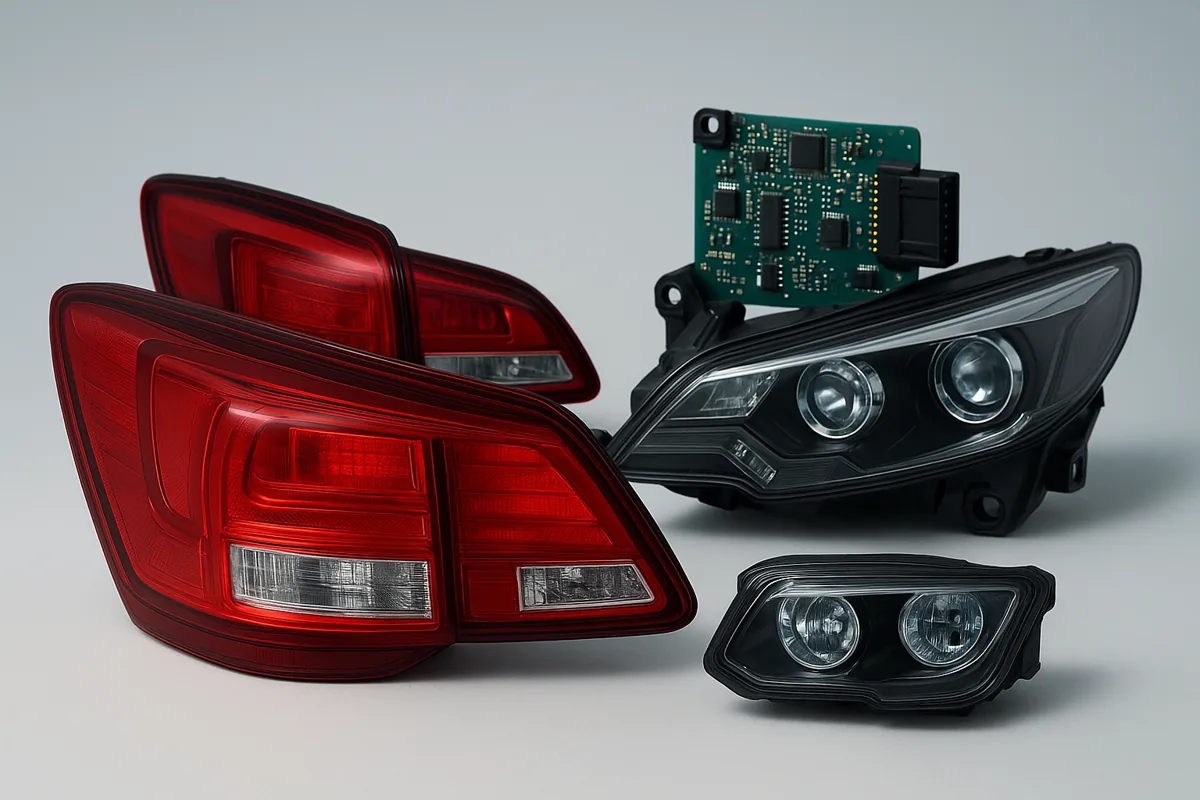
Shop Electrical, Lighting & Electronics by Part Type
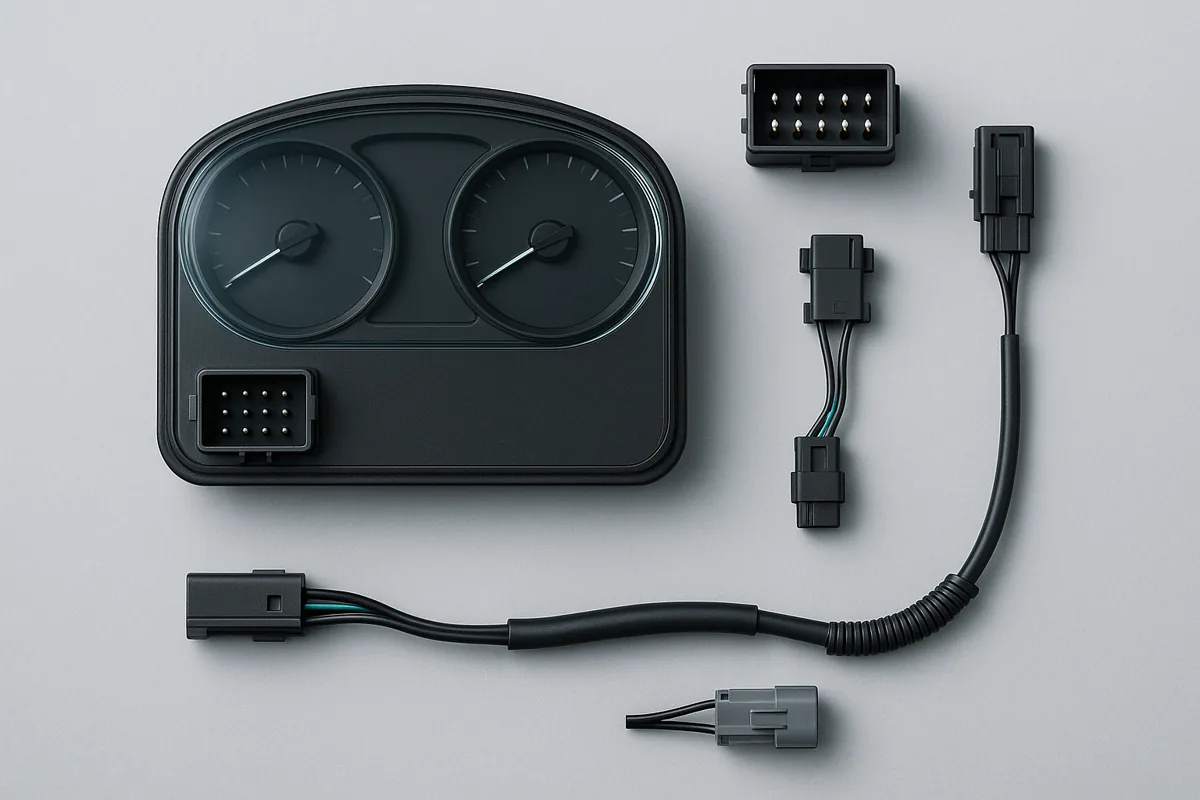
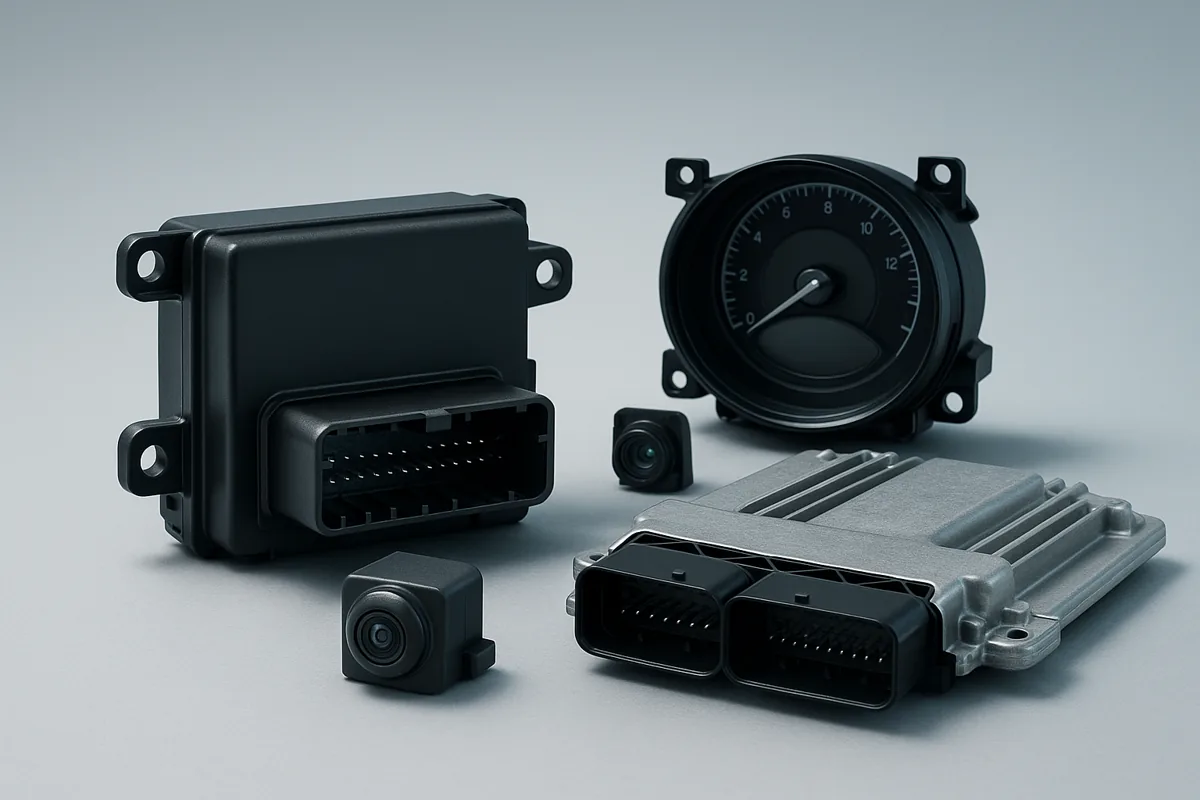
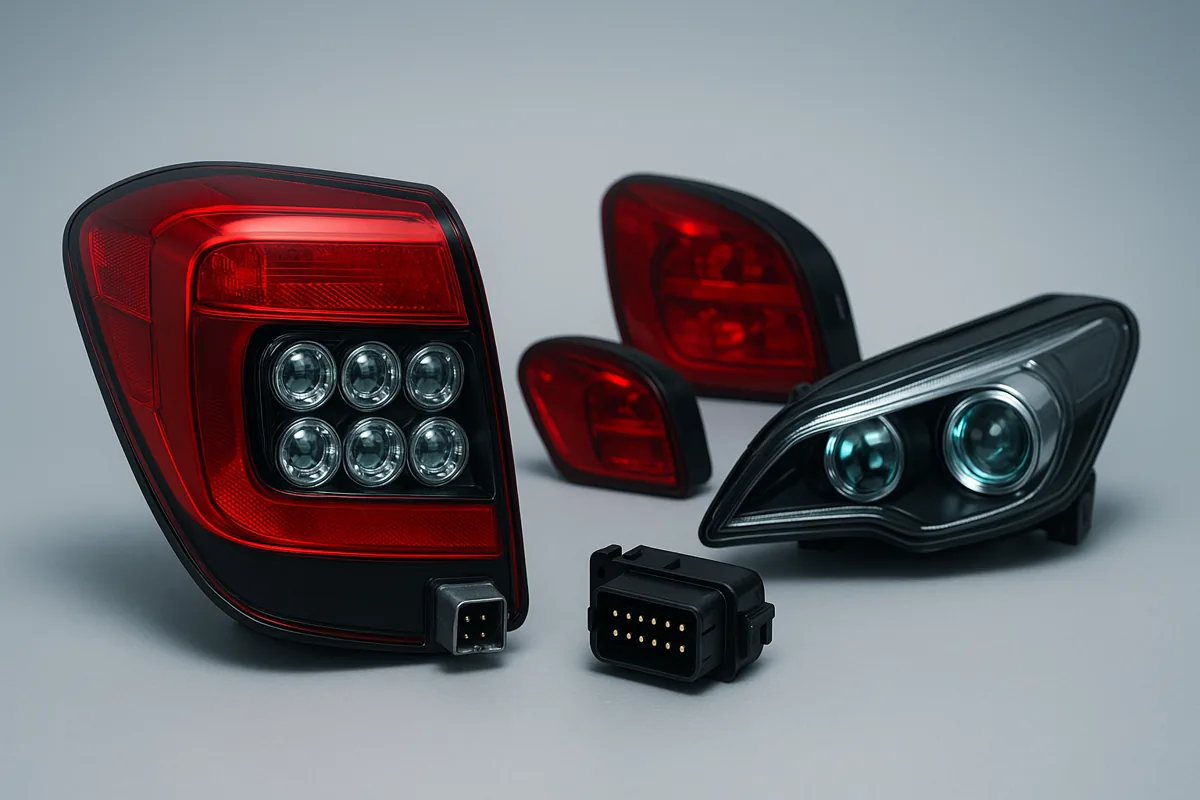
Popular Right Now
scroll for more →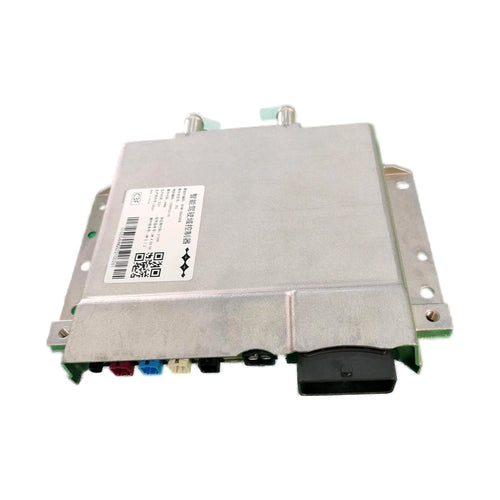
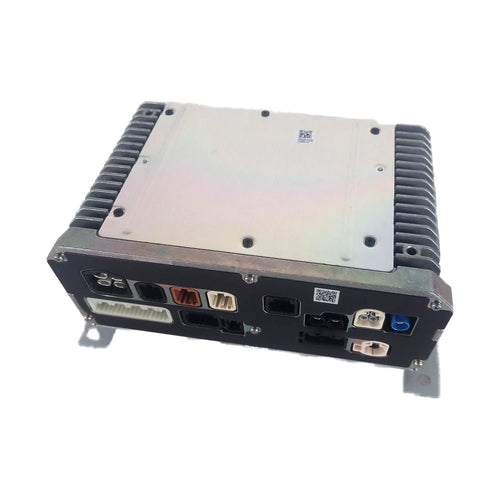
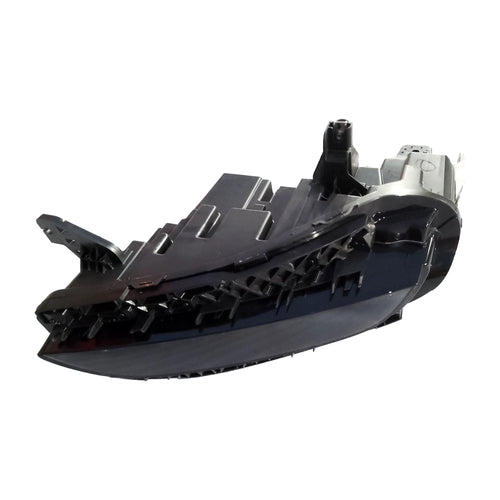
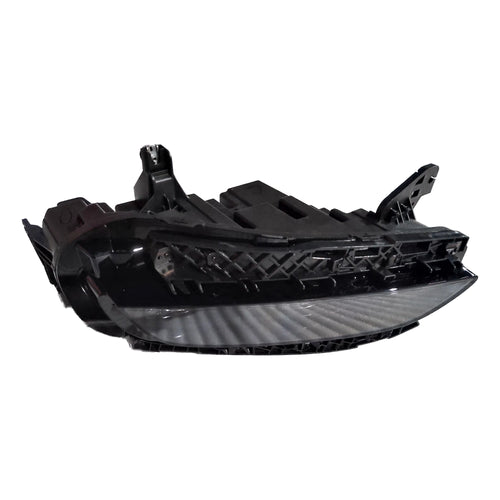
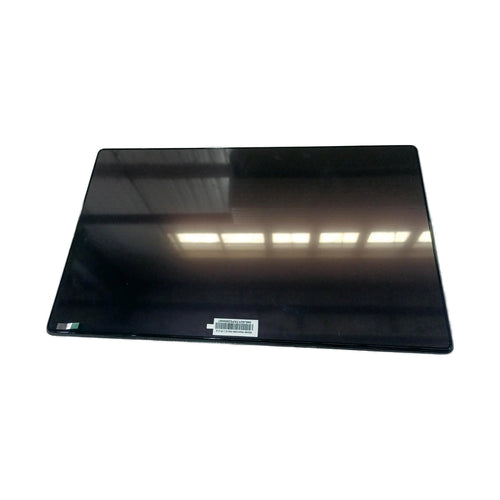
Symptom Finder: What Is Actually Broken?
| What you see or hear | Part to check first |
|---|---|
| Vehicle will not wake or respond to the key | Low voltage battery |
| Several unrelated warnings appearing together | Battery or an earth connection |
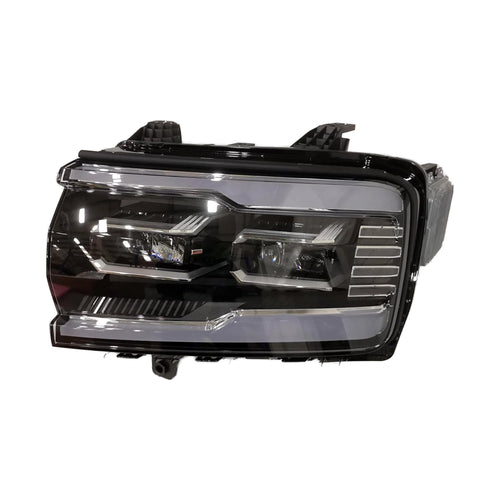
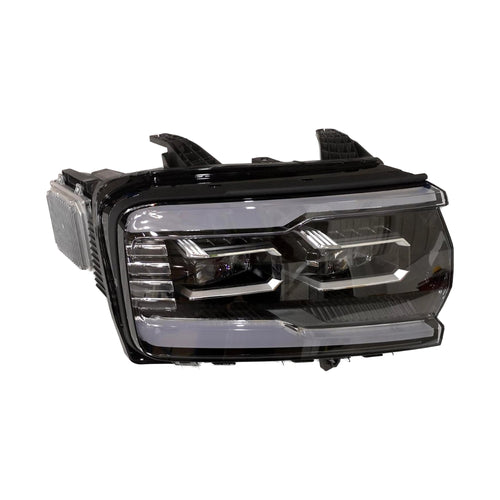
| One headlamp completely dead | Headlamp driver module |
| Driver assistance unavailable after glass work | Forward camera requiring calibration |
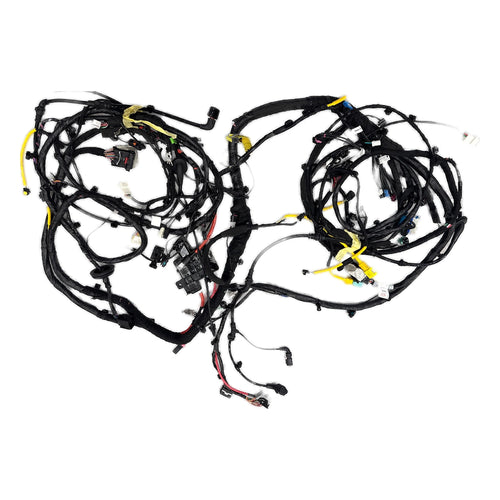
| Faults on one door that come and go | Door wiring harness |
About Electrical, Lighting & Electronics
The electrical side of a vehicle has grown from a supply and a few lamps into a network with a hierarchy. At the base is the low voltage supply, feeding every control unit and holding the high voltage contactors closed, which is why a tired auxiliary battery is the great impersonator of this entire group. Above it sit harnesses carrying power, earths and several data networks around the vehicle, ending in connectors expected to survive two decades of weather. Above those are the modules themselves, carrying software and configuration unique to one vehicle, and the sensing layer feeding them. Lighting has followed the same path, moving from bulbs in reflectors to sealed assemblies with their own driver electronics that report their state to the vehicle.
What to know before buying Electrical, Lighting & Electronics parts
Test the supply and the connectors before you order from this group. Low voltage and corrosion produce faults that read as component failures, and a replacement part will not cure either one.
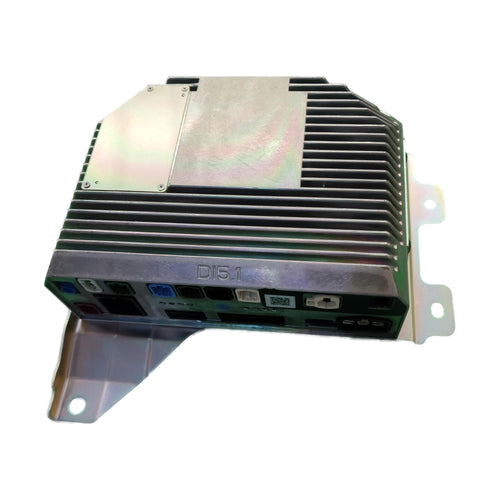
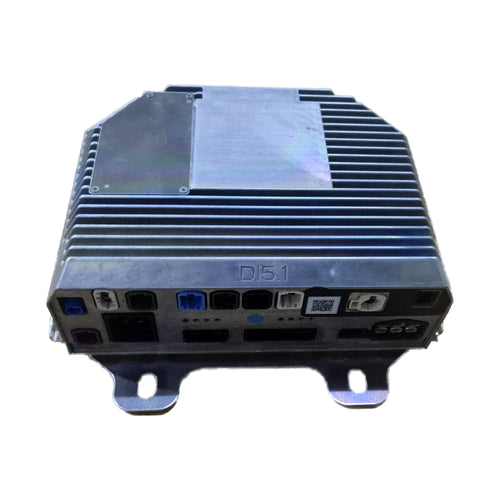
The group covers three areas. Electrical system covers batteries, alternators and starters, harnesses, switches, relays and fuse boxes. Lighting covers headlamps, rear clusters, markers, interior and plate lamps, and the driver modules behind them. Electronics, sensors and ADAS covers control units, cameras, radar, parking sensors, clusters, screens, and the temperature, pressure and position sensors fitted across the vehicle.
Before You Order: 5 Checks
- Test the low voltage battery under load and check earths before ordering anything.
- Match the OE number and confirm against the vehicle identification number, since software follows the build.
- Arrange coding or calibration before fitting modules, cameras or radar.
- Check the driver module before condemning a complete lamp assembly.
- Expect proof of ownership requirements for keys and security bound components.
What Changed and Why
Two consolidations are running in parallel. Electronics are moving from dozens of small modules into a few domain or zonal controllers with shorter local harnesses, which cuts wiring while concentrating function, and lighting has moved to sealed assemblies with integrated driver electronics that report their own state. Driver assistance has become mandated rather than optional on new vehicles in Europe and the United Kingdom, multiplying sensors and making calibration routine after collision and glass work. Over the air updating means some faults now resolve without a part at all.
Electrical, Lighting & Electronics: Frequently Asked Questions
Why does everything start with the battery?
Because every other component on the vehicle depends on it holding a steady voltage. Lamps dim, motors slow and, more importantly, control units misbehave when the supply sags, and a module that browns out mid task can log faults that have nothing to do with its own health. That is why a scattergun of unrelated warnings so often has one cause at the bottom of it. Any sensible diagnosis in this section begins with a load test on the battery and a check of the main earth points, before a single part is ordered.
Is a dead headlamp always a new lamp?
No, and this is one of the more expensive assumptions people make. On many vehicles the emitters are supplied by a separate driver module that fails on its own, and it costs a fraction of an assembly. Check the supply and the connector, then the module. Only if the module is proven healthy and the emitters stay dark is the complete lamp necessary. Water reaching the housing is the usual cause of module failure, so find the leak before fitting anything.
What needs coding or calibration after replacement?
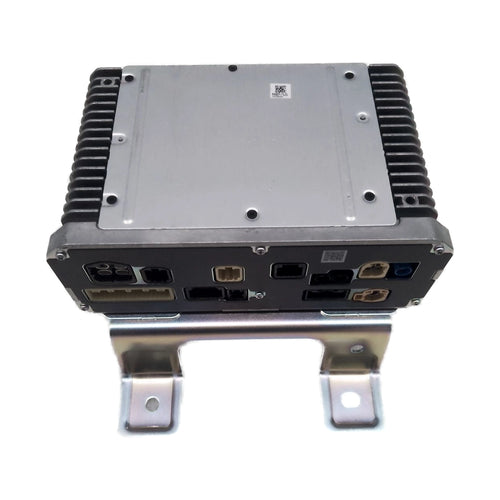
Almost every module needs coding, since it arrives without the configuration describing your vehicle and often without matched software, and an uncoded module can leave the vehicle immobile rather than merely lacking a function. Cameras and radar need calibration, performed statically against targets, dynamically on a defined route or both, because they report positions relative to the vehicle. Arrange both before the part is fitted rather than discovering the requirement afterwards.
Why do sensor faults so often turn out to be wiring?
Because the fault code names the signal, not the cause. A control unit can only report that a reading is missing or implausible. Whether the problem lies in the sensing element, the lead, the plug or the module input is beyond what it can see. Leads spend their lives in engine bays and wheel arches where they are cooked, soaked and rubbed. So the odds favour the cheap end. Before ordering, wiggle test the loom with the engine running, inspect the plug for green corrosion and moisture, and measure the supply and signal at the connector.
Can a software update fix an electrical fault?
Some of them, and the distinction matters. A lamp that does not illuminate, a blown fuse or a corroded earth is a physical problem and no download will change it. A system that behaves oddly, a function that works intermittently or a warning that appears without a matching symptom may well be a calibration issue the manufacturer has already addressed. Ask your workshop to check for outstanding campaigns and updates for your vehicle before parts are ordered. It costs a diagnostic session and occasionally saves the price of a module.
Why does the 12V battery keep going flat when the vehicle is parked?
Usually because something stays awake after the vehicle is locked. Control units should shut down within minutes, but a module stuck in a wake loop, a faulty door or boot switch, or an accessory wired to a permanent feed can drain the battery overnight. On electrified vehicles the 12V battery is only topped up while the system is active, so long spells parked hit it harder. A workshop can measure the sleep current with a clamp meter and pull fuses one at a time to find the circuit responsible. Fix the drain before fitting a new battery, or it will go the same way.
Does a replacement 12V battery have to match the original type?
Yes. Flooded, enhanced flooded, AGM and lithium batteries charge at different voltages, and the vehicle's charging strategy is set for the chemistry it left the factory with. The wrong type can end up chronically undercharged or overcharged. A lithium auxiliary battery often contains its own management electronics that communicate with the vehicle. Many vehicles also need a new battery registered with a scan tool so the monitoring resets its ageing estimate. Match the OE number on the label of the old battery, and check the terminal layout and hold down before ordering.
Is condensation inside a headlamp a fault?
A light mist on the inside of the lens after a cold, damp night is normal. Lamp housings breathe through vents, and LED units run cooler than bulbs, so moisture takes longer to clear. It should disappear after a drive with the lamps on. Droplets, streaks, standing water or mist that never clears point to a failed seal, a cracked housing or a blocked vent, and that water will eventually reach the electronics. Inspect the rear covers, seals and vents first. If the housing itself is cracked, the assembly needs replacing, so read the OE number from the label on the old lamp.
Do headlamps have to be replaced in pairs?
Not as a rule, but check what you are matching. Lamps for the same model can differ in emitter type, lens coating and driver module from one build period to the next. A new unit beside an older, yellowed one can look mismatched and throw a visibly different beam colour. Where the lamps have adaptive or matrix functions, both sides must be compatible versions or the system may disable itself. Read the OE number on the old lamp, and where the part is date split, the build date on the identification plate. Have the beam aim set after fitting.
Why does the same fuse keep blowing?
A fuse fails when more current flows than the circuit was designed for, so a repeat failure means the fault is still there. Common causes are a chafed wire touching the body, water in a connector, a seized motor drawing too much current, or an added accessory. Never fit a higher rated fuse, because the wiring then becomes the weakest point and can overheat. Note when it blows, whether at switch on or over a bump, then trace the circuit outwards from the fuse. A qualified mechanic with a short finder can locate the fault without stripping the whole loom.
Is it the wheel speed sensor or the ring it reads?
Either can trigger the same warning. The sensor sits a few millimetres from a toothed or magnetic ring on the hub, and the control unit only sees the resulting signal. Rust lifting the sensor away from the ring, a cracked or corroded tone ring, or a damaged magnetic encoder in the wheel bearing can all look like a sensor fault. Compare live wheel speeds on a scan tool during a drive, then remove the sensor, clean its tip and inspect the ring. If the sensor itself has failed, use the OE number printed on its body or lead.
Do replacement parking sensors come painted?
Usually not. Most OE sensors arrive in primer or a base colour and are painted to match the bumper. Paint must go on in very light coats, because a heavy build on the face damps the ultrasonic signal and causes false or missing warnings. The sensor also clips into a holder bonded to the bumper, and a broken holder or missing decoupling ring gives faults even with a new sensor. Most vehicles need no coding, but stored faults should be cleared afterwards. Check the OE number on the old sensor, as front, rear and corner positions often differ.
Can a damaged wiring harness be repaired rather than replaced?
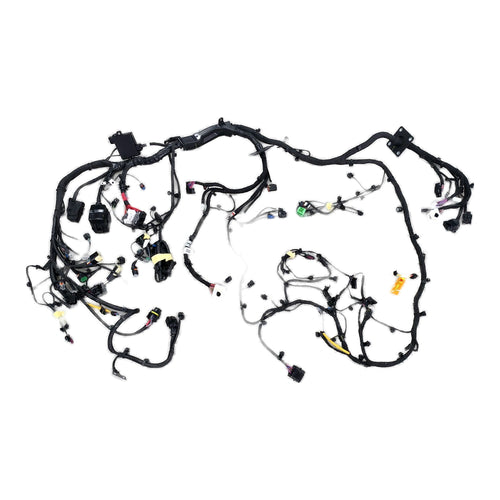
Often, yes. A chafed section or broken connector can be repaired with the correct terminals, crimped and sealed, and repair kits exist for many plugs. The exceptions matter. Data network lines need their twisted pairs kept intact, shielded sensor leads must keep their screening, repairs to airbag circuits are restricted by many manufacturers, and high voltage cables are replaced rather than repaired. Rodent damage or fire usually means replacing the affected section, since hidden damage is likely. Harnesses carry an OE number on a label or tag near a main connector, so record it before removal.
Where do I find the OE number on an electrical part?
Modules carry a label with several numbers, typically the vehicle manufacturer's part number, the supplier's own number, and hardware and software versions. The manufacturer's part number is the one to search, and it usually sits in the most prominent position on the label. Sensors often have it moulded or printed on the body, and lamps carry it on a label at the back of the housing. A software version alone does not identify a part. Photograph the whole label before removal, then use the search box, or send the photo through the quote form and we reply within 24 hours, usually sooner.
What should I do before disconnecting the 12V battery?
Switch everything off, lock the vehicle with the key out of range, and wait for the modules to go to sleep, which can take several minutes. Disconnect the negative terminal first and reconnect it last. If the negative lead carries a battery sensor, release the terminal clamp rather than unplugging the sensor. On vehicles with a high voltage system, removing the 12V supply opens the contactors but does not make the high voltage side safe, so orange cables and their components are for trained technicians only. Expect windows and some settings to need resetting. If in doubt, ask a qualified mechanic.