Fangchengbao Tai 7 Parts
Shop Fangchengbao Tai 7 Parts by Category
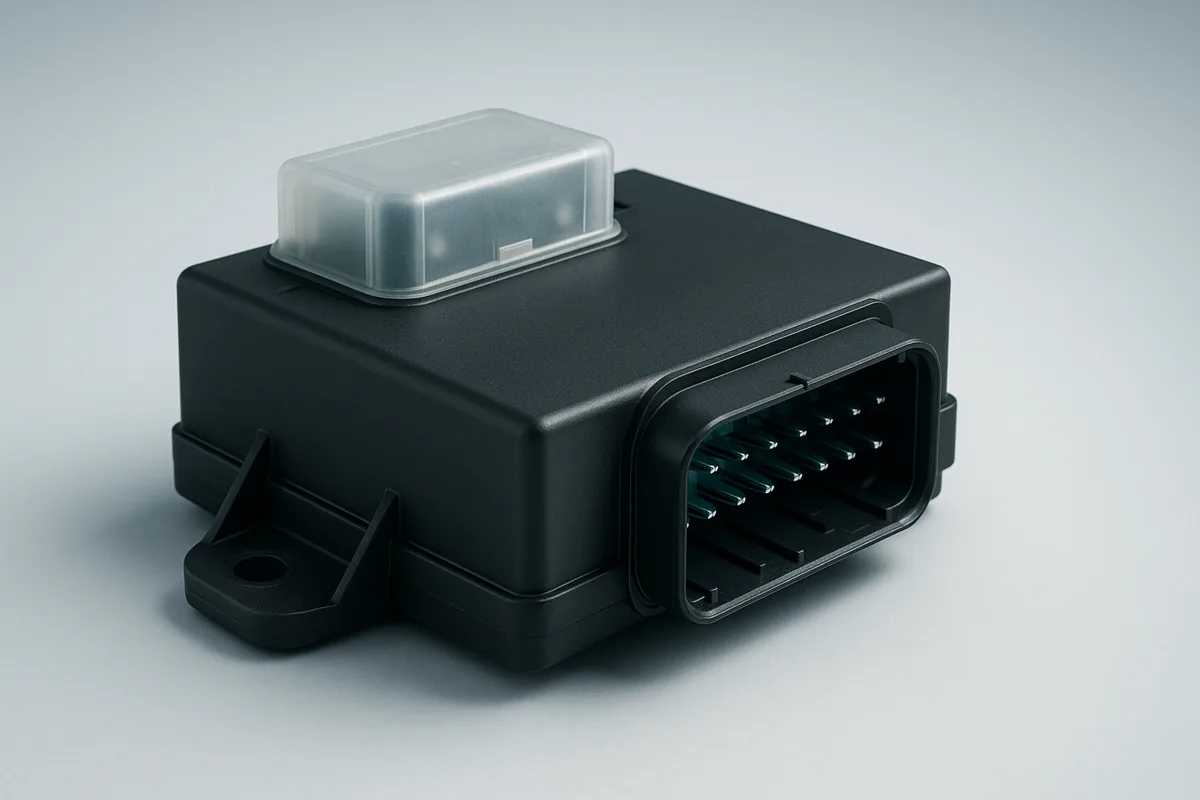
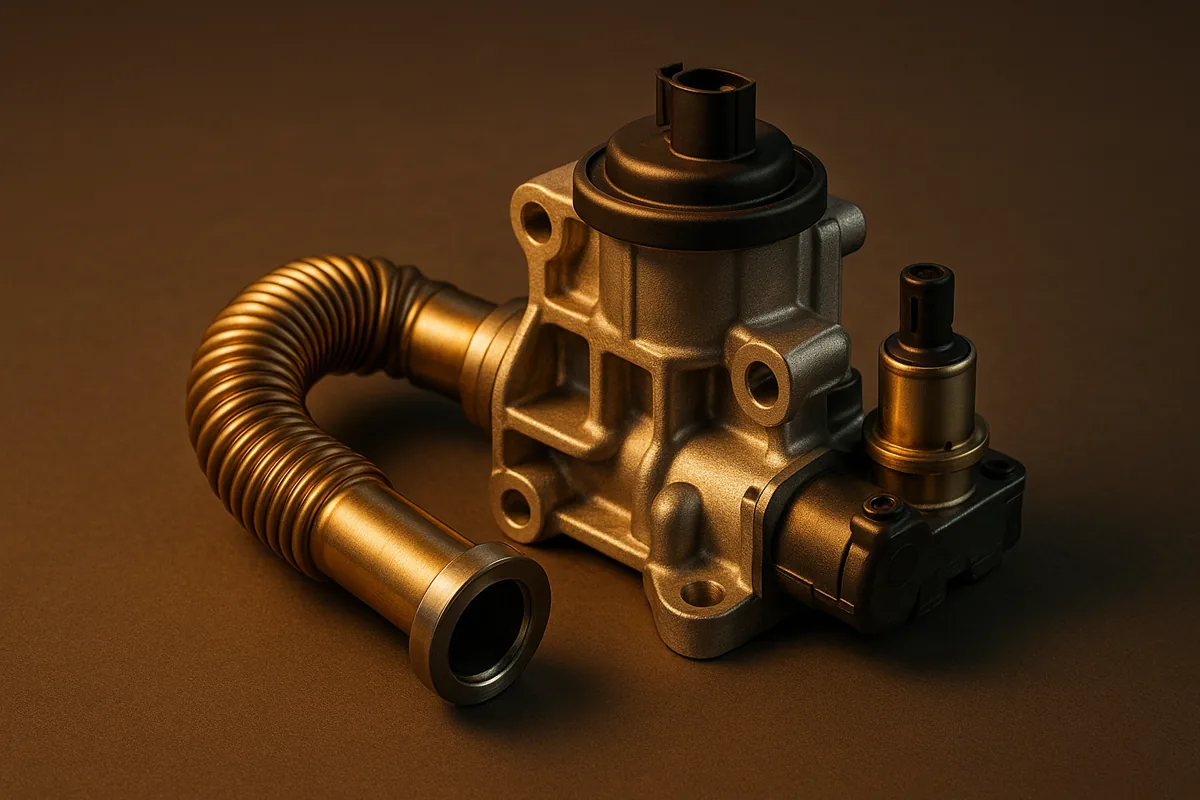
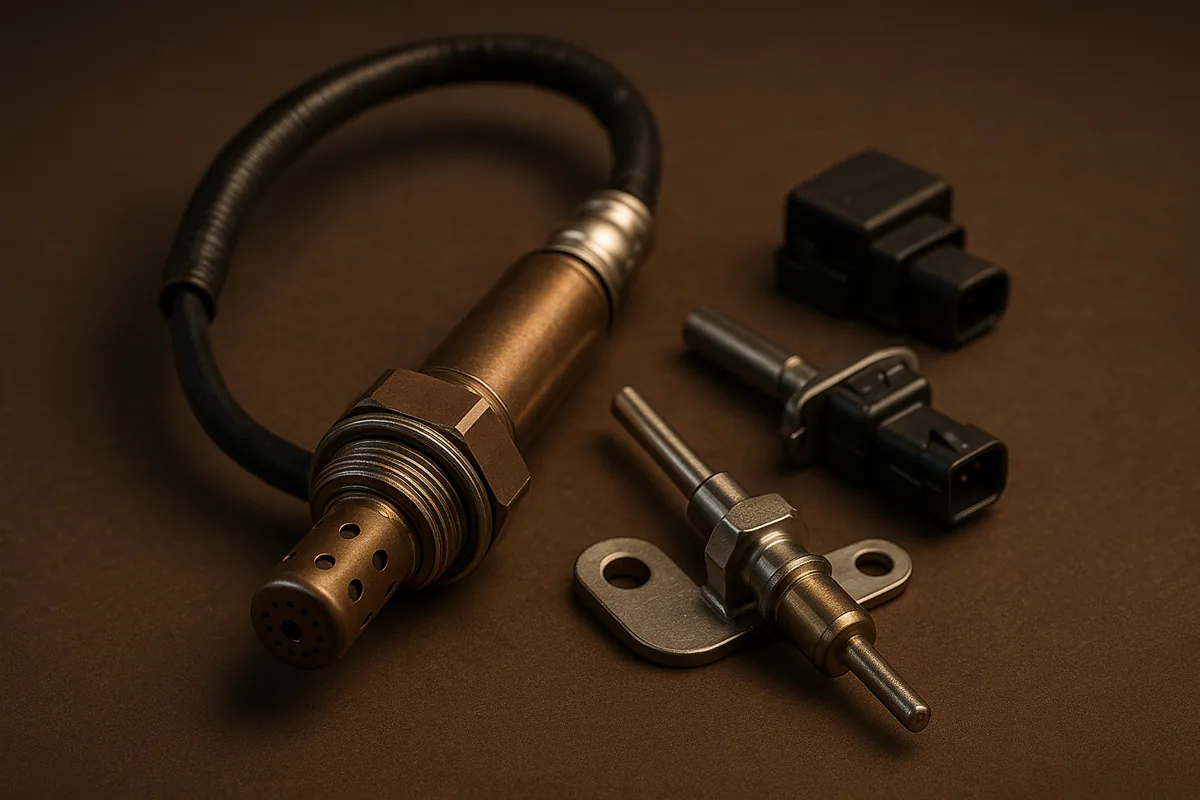
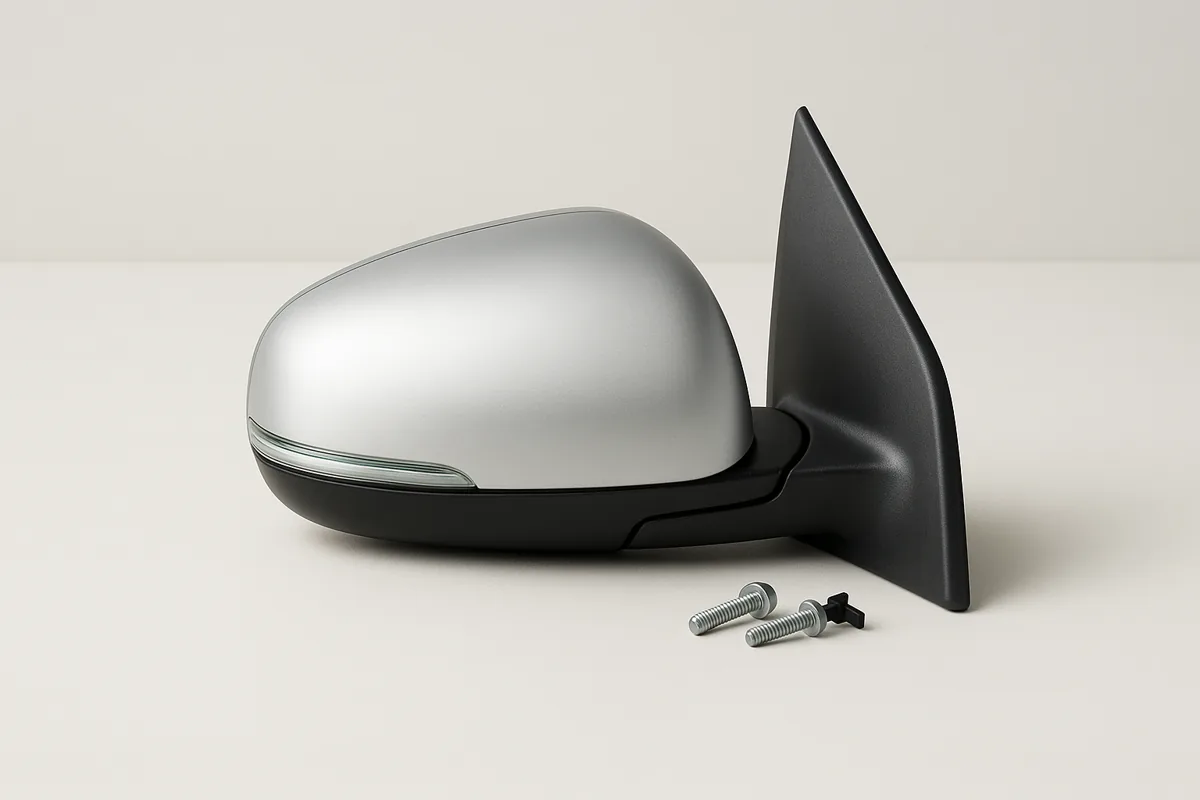
Popular for the Fangchengbao Tai 7
scroll for more →
Symptom Finder: Known Weak Points
| What you see or hear | Check first |
|---|---|
| Cabin cooling weak, or failing again soon after a regas | If the car has a console fridge, check its refrigerant lines as well as the main system before ordering a compressor, then order the line by OE number. |
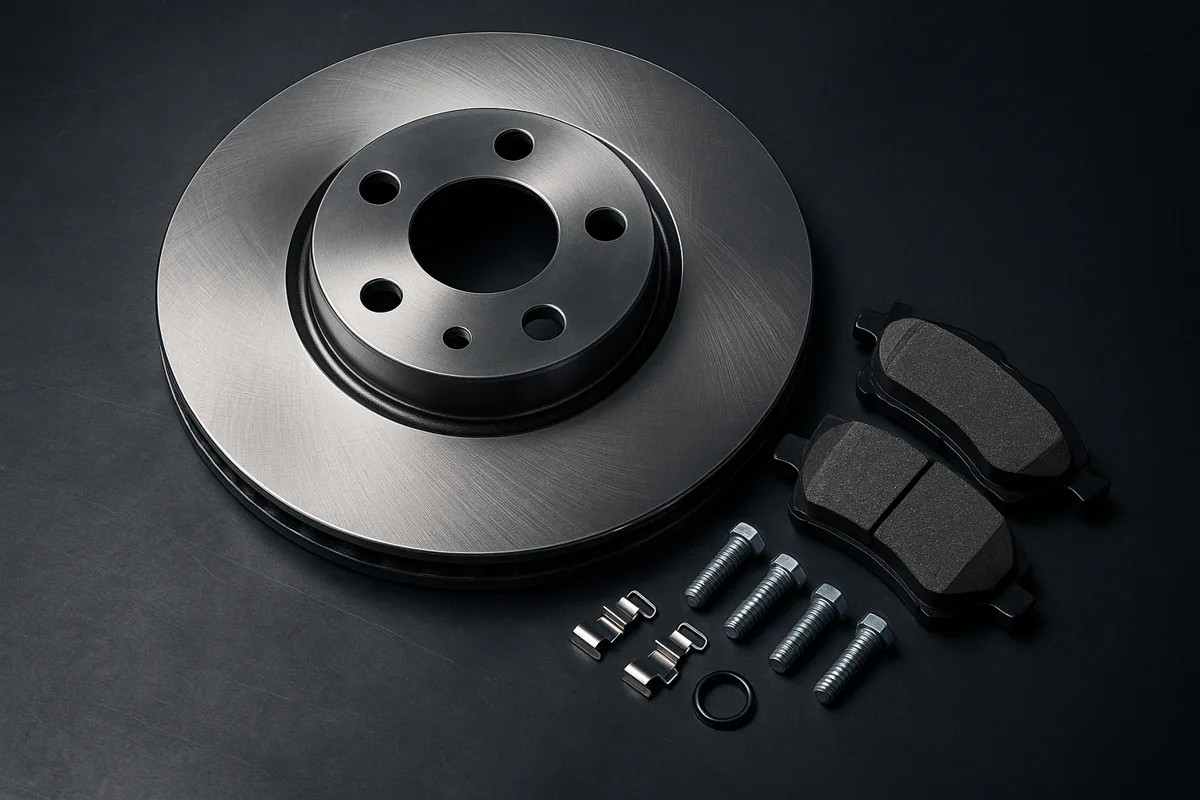
| Brake noise or uneven pad wear at the rear | Rear discs are solid on front-drive hybrids and ventilated on all-wheel-drive ones. Check which disc is fitted before ordering discs or pads. |
| Unsettled ride or a suspension warning | On cars with DiSus-C, check the adaptive dampers and their wiring. The 135KM Pro has conventional dampers, so order by the OE number on the old unit. |
| Engine warning light while the petrol engine is running | Start with the lambda and emission sensors on the 1.5-litre turbo engine, which are the usual first suspects, then match the replacement by OE number. |
| Parking sensor or driver-assistance warning after a minor knock | Check the ultrasonic sensors in the bumpers and their brackets. A bent bracket can trigger the warning on its own, so check it before replacing the sensor. |
| DC charging slower than expected | Check which pack is fitted first. A 2025 Pro peaks at 54 kW and the other 2025 trims at 72 kW, so a low figure may be normal. |
| A tyre bought for an electric Tai 7 does not fit | The hybrid runs 255/60 R19 or 255/55 R20, and the electric car uses 255/55 R19 or 255/50 R20. Match tyres to the hybrid. |
Most Replaced Parts on the Fangchengbao Tai 7
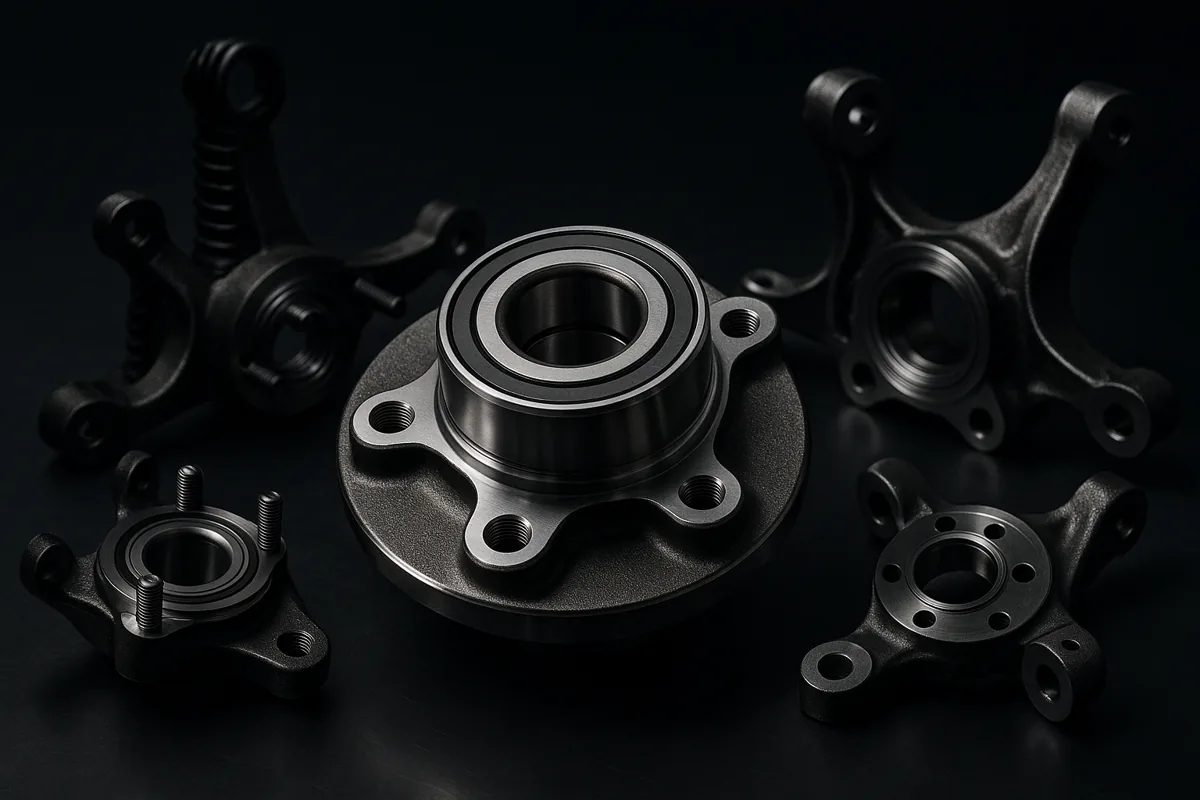
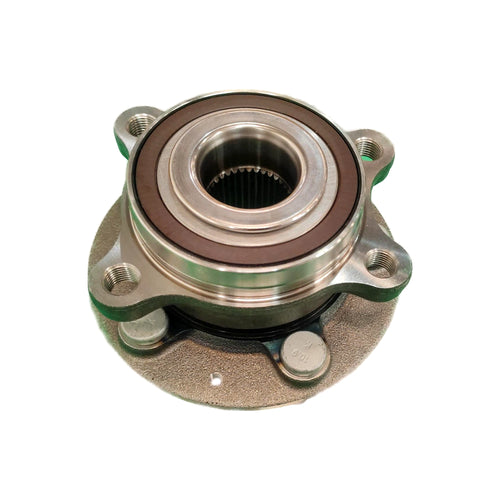
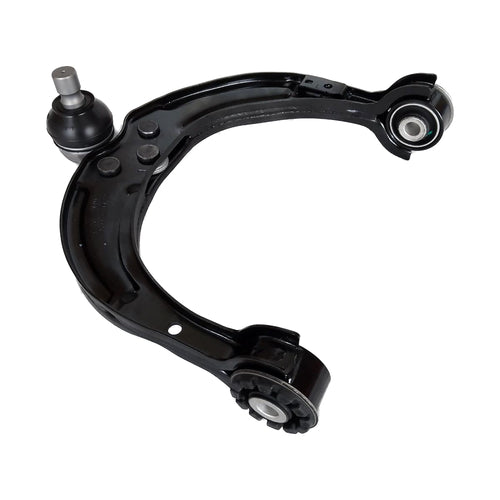
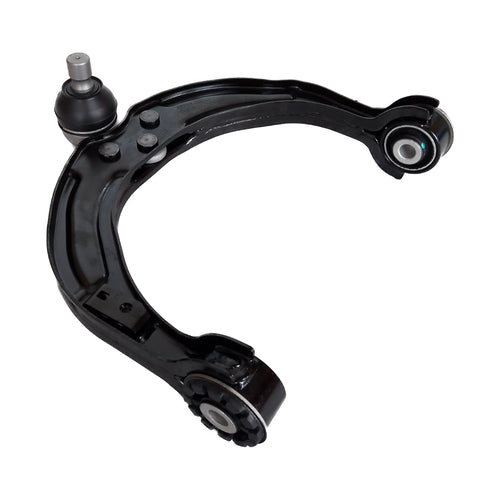
- Control arms and bushingsDouble-wishbone front and five-link rear, so order each arm by position and side
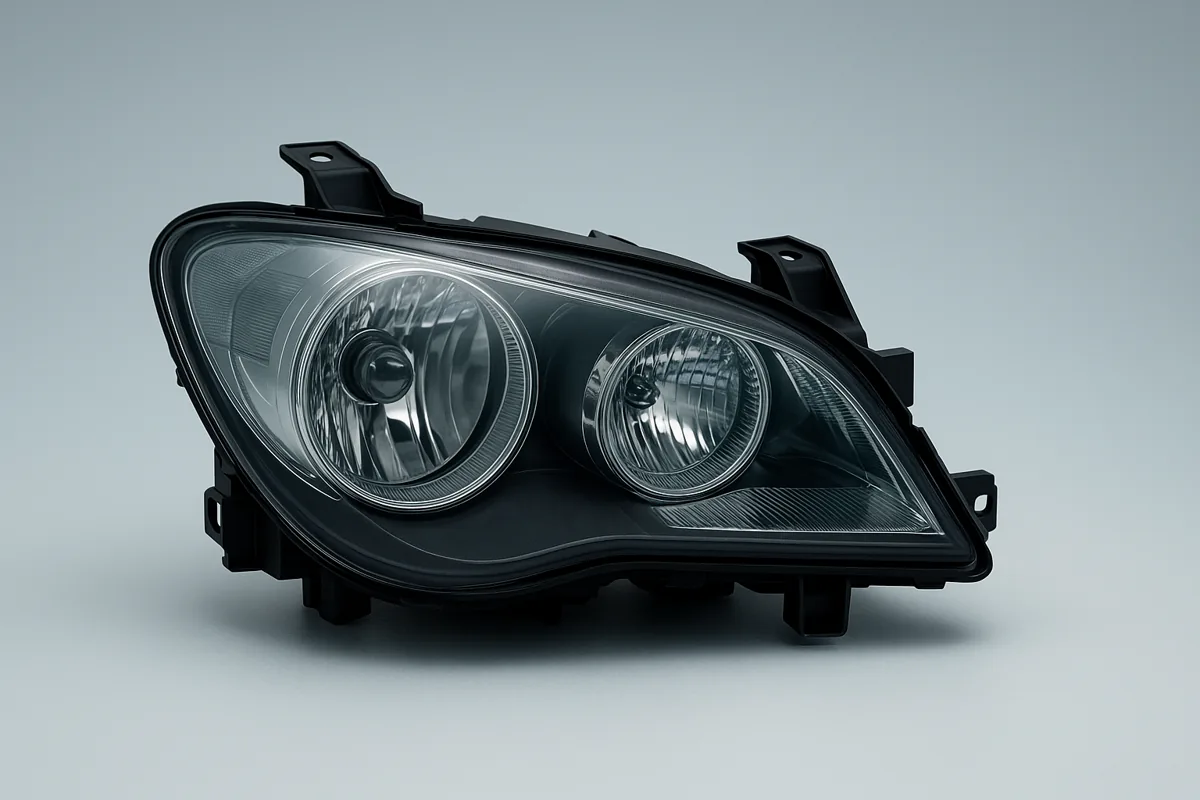
- Headlight assembliesExposed at the front corners of a square body, so match by side and OE number
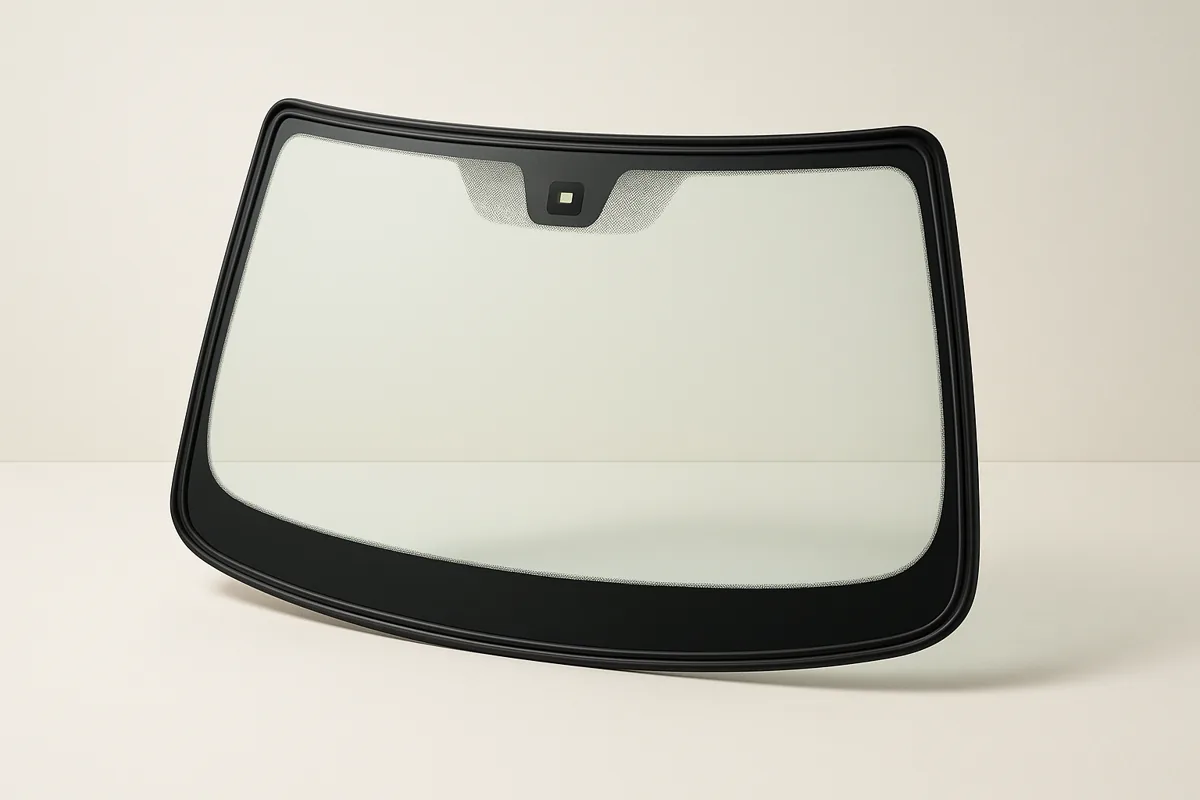
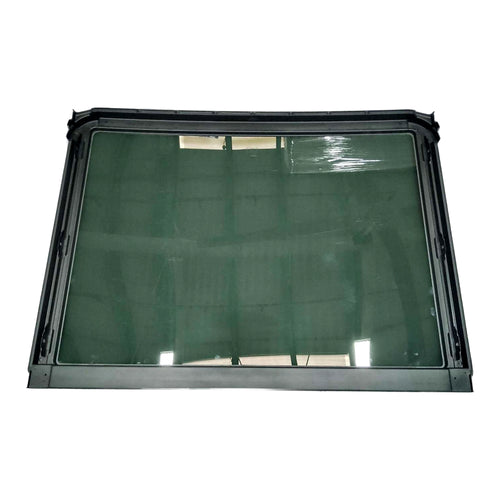
- Glass, seals and weatherstripsCheck for lidar and camera hardware before ordering a windscreen
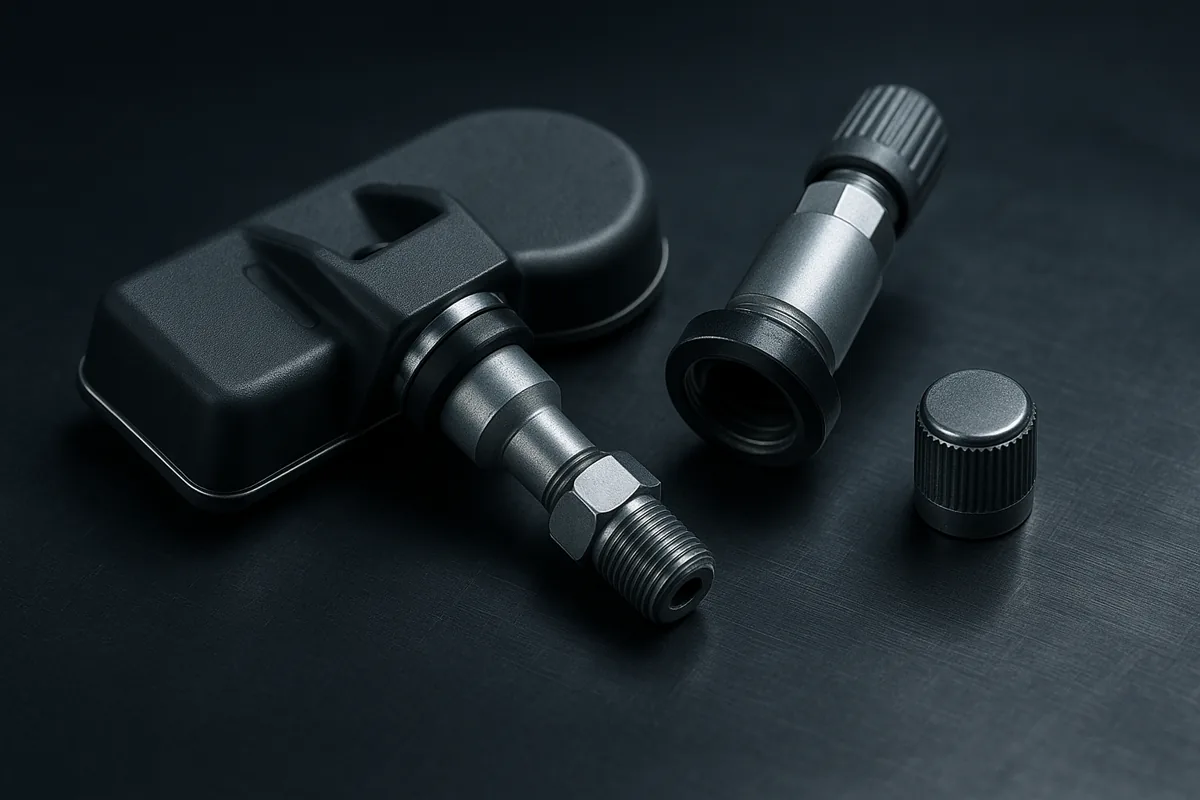
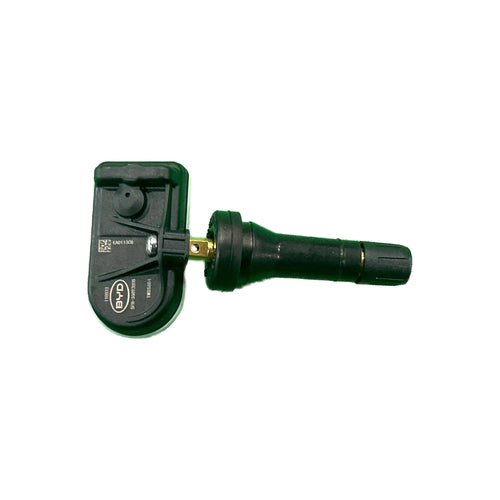
- TPMS sensors and valves19-inch and 20-inch rims across the range, so check the wheel fitted
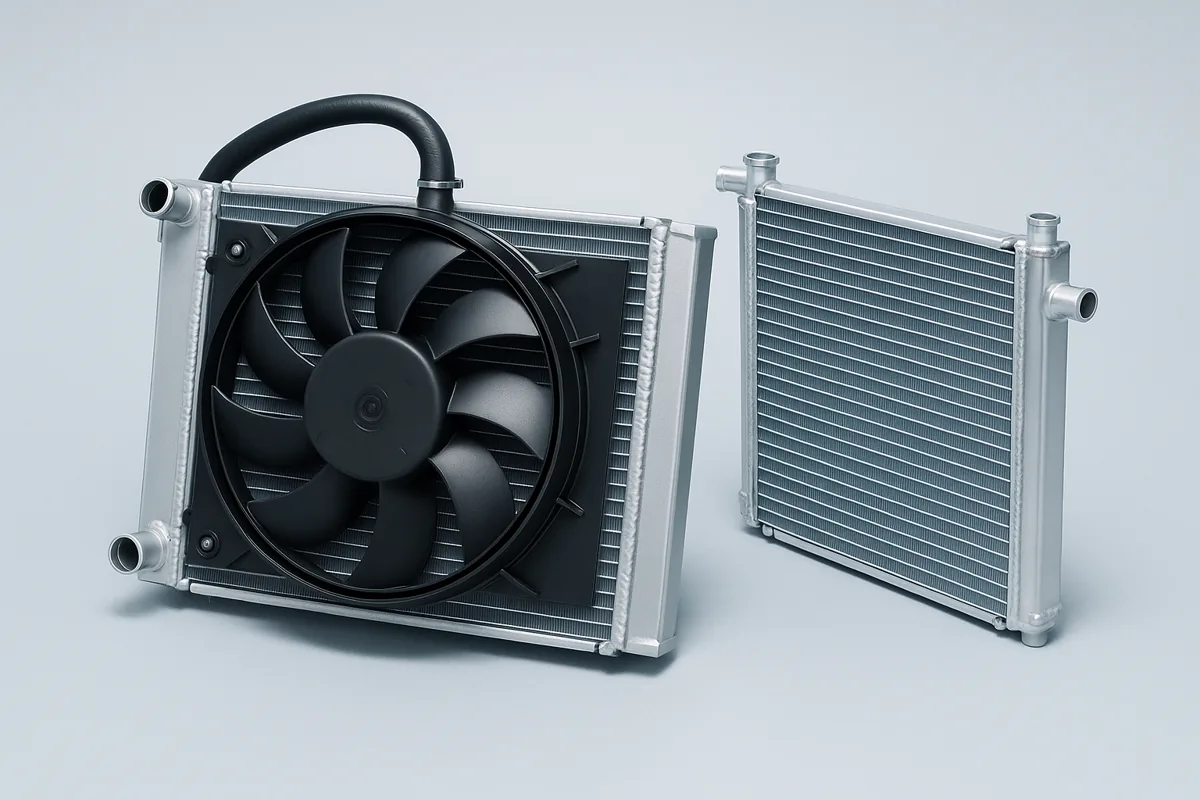
- Radiator and cooling fansOne car cools a petrol engine, motors and battery, so trace the circuit first
About Fangchengbao Tai 7 Parts
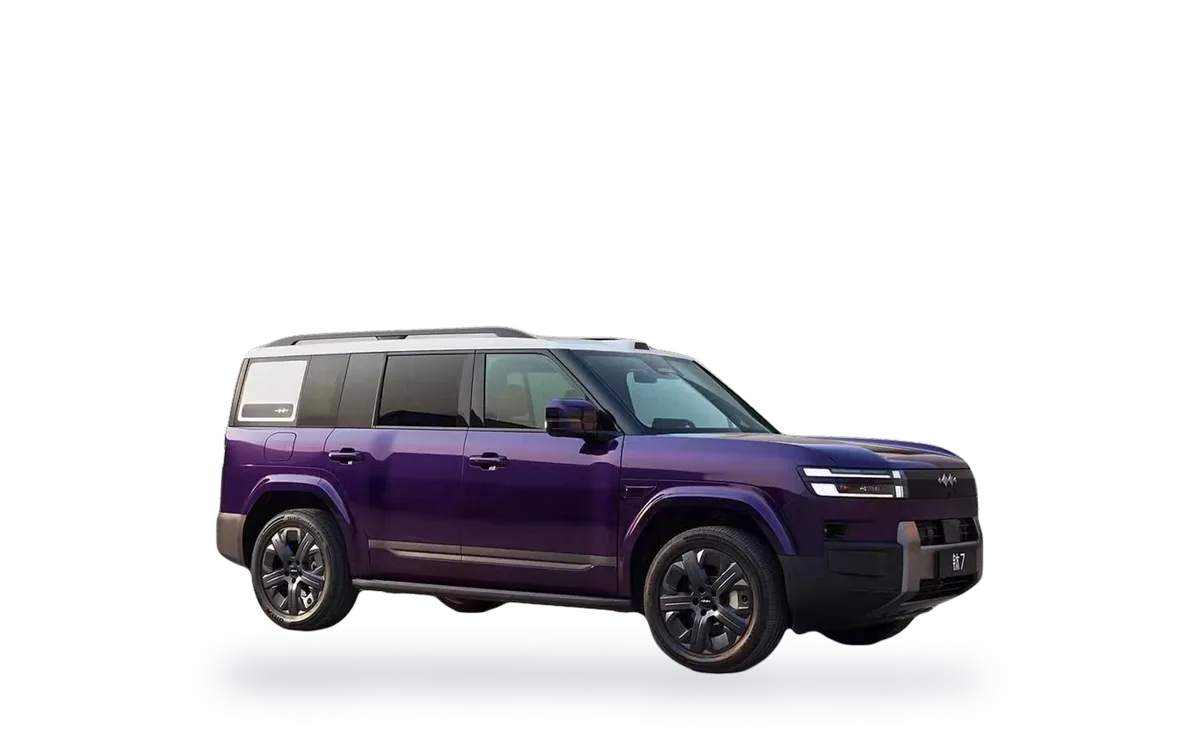
The Fangchengbao Tai 7 is a five-seat plug-in hybrid SUV that went on sale in China on 9 September 2025. It has the square look of its Bao 5 and Bao 8 stablemates, but it is built as a unibody. The body is 4,999 mm long on a 2,920 mm wheelbase, with double-wishbone front and five-link rear suspension. A 1.5-litre turbocharged petrol engine works alongside one 200 kW front motor on the front-drive cars, or a 160 kW front motor and a 200 kW rear motor on the all-wheel-drive cars. The car therefore needs two kinds of parts. It needs the oil, filters and emission sensors of a petrol engine, and the motors, battery, charging and cooling hardware of an electric car. Drive layout, trim and model year all change parts, so every part on this page is listed by its OE number, and matching that number on the old part is the surest fitment check.
What to know before buying Fangchengbao Tai 7 parts
Start by making sure the car is the plug-in hybrid. A battery-electric Tai 7 went on sale on 29 April 2026 on the same body and under the same name, in rear-drive and all-wheel-drive forms. It has no engine, a 300 kW rear motor, its own battery and cooling hardware, and different tyres. A fuel filler flap marks the hybrid, which is the car this page covers.
Next, pin down the drive layout. The 135KM Pro and 200KM Max are front-drive, with one 200 kW motor at the front. The 190KM Max and 190KM Ultra are all-wheel drive, with a 160 kW front motor and a 200 kW rear motor, so the front motor is a different part on the two layouts. The rear brakes give the layout away on the hybrid. Front-drive cars have solid rear discs and all-wheel-drive cars have ventilated ones. Front discs are ventilated on every trim, so they tell you nothing. Do not use this check on the electric car, which has ventilated rear discs on every version.
Within each layout, the trim changes more parts. The Ultra alone runs 255/55 R20 tyres and a four-piston fixed front caliper, while the other trims run 255/60 R19, so match front calipers, pads and discs to the trim. The entry 135KM Pro has no DiSus-C adaptive damping, so its dampers differ from those on damped cars. Lidar came with the Ultra at launch and became an option on the 2026 model. A windscreen, roof sensor or bumper for a lidar car may therefore differ from one for a car without it. Every hybrid has five radar units and 12 ultrasonic sensors, and the ultrasonic sensors sit in the bumpers, so a bumper repair often needs sensors and brackets as well as the panel.
Battery and charging hardware follow the pack. The 2025 135KM Pro has a 26.6 kWh battery with 54 kW DC charging, and the other 2025 trims have a 35.6 kWh battery with 72 kW. The 2026 model, launched on 18 August 2026, moved to a 50 kWh battery with charging at up to 158 kW. Read the build date on the identification plate, then order pack, charging and high-voltage parts by OE number.
The Tai 7 shares some hardware with other BYD group cars, including front suspension parts listed for the BYD Tang L. Treat any such overlap as a lead, and confirm the OE number before you order.
Before You Order: 8 Checks
- Check for a fuel filler flap to confirm the car is the plug-in hybrid rather than the electric Tai 7 sold from April 2026.
- Read the drive layout from the rear discs. Solid means front drive and ventilated means all-wheel drive. Order motors and rear brakes to suit.
- Match the OE number on the part you are replacing to the OE number on the listing before you order.
- Read the tyre size on the sidewall, 255/60 R19 or 255/55 R20, and order front calipers and pads to suit that trim.
- Check whether the car has DiSus-C adaptive damping before ordering a damper, since the entry 135KM Pro does not.
- Read the build date on the identification plate before ordering battery or charging parts, since the 2026 model moved to a 50 kWh pack.
- Check whether lidar is fitted before ordering a windscreen, roof sensor or bumper part.
- Order painted panels by the colour code on the car rather than by colour name.
Generations and Facelifts
Fangchengbao began as BYD's off-road brand with the Bao 5, a body-on-frame plug-in hybrid, and later added the larger Bao 8. The Tai 7 started a new Tai line of road-focused SUVs. It keeps the square styling but uses a unibody, has no locking differential and has approach and departure angles of 24 and 25 degrees. Its name was revealed in June 2025, and production started on 11 August 2025. It went on sale on 9 September 2025 in four trims: the front-drive 135KM Pro and 200KM Max, and the all-wheel-drive 190KM Max and 190KM Ultra. Outside China the hybrid is also sold as the BYD Ti7.
A battery-electric Tai 7 followed on 29 April 2026, in rear-drive and all-wheel-drive versions with BYD's flash charging. It shares the body but little of the drive, brake, tyre or cooling hardware, so do not assume parts cross between the electric car and the hybrid.
The 2026 hybrid arrived on 18 August 2026 as the 315KM front-drive Max and the 300KM all-wheel-drive Ultra. The battery grew from 35.6 kWh to 50 kWh, peak DC charging rose to 158 kW, DiSus-C damping became standard and lidar became an option. The body and dimensions did not change, and the Tai 7 has had no facelift. Battery, charging, damper and driver-assistance parts can still differ on either side of the update, so read the build date on the identification plate before ordering them.
Fangchengbao Tai 7 Parts: Frequently Asked Questions
How do I make sure a part fits my Tai 7?
Match the OE number. Every part on this site is listed under the OE number printed on the original part, and if the number on the part you are replacing matches the listing, the part fits. This matters on the Tai 7 because drive layout, trim and model year all change parts that look alike, from front motors to dampers and calipers. If the old part is missing or its number cannot be read, send a photo through the quote form and we will reply within 24 hours, usually sooner.
Do parts for the electric Tai 7 fit the plug-in hybrid?
Below the body, mostly not. The battery-electric Tai 7 went on sale on 29 April 2026 on the same body and under the same name. It has no engine, a 300 kW rear motor, a larger Blade battery, ventilated rear discs on every version and its own tyre sizes, 255/55 R19 or 255/50 R20. Its cooling and charging hardware differ as well. Even for body panels, confirm each part by the OE number on the old part rather than by the model name before you order.
How can I tell whether a Tai 7 is front-drive or all-wheel drive?
Look at the rear brakes. On the plug-in hybrid, the front-drive 135KM Pro and 200KM Max have solid rear discs. The all-wheel-drive 190KM Max and 190KM Ultra have ventilated ones, because they have a rear motor. The front discs are ventilated on every trim, so they tell you nothing. On the 2026 model, the 315KM Max is front-drive and the 300KM Ultra is all-wheel drive. Settle the layout first, then order motors, rear brakes and drive parts by OE number.
Is the front motor the same on every Tai 7 hybrid?
No. Front-drive cars have a single 200 kW motor at the front. All-wheel-drive cars pair a 160 kW front motor with a 200 kW motor at the rear, for 360 kW combined. A listing that only says front drive unit could mean either motor, and the two do not interchange. Confirm the drive layout from the rear discs, then match the motor by the OE number on the unit you are replacing.
What tyres and front brakes does the Tai 7 use?
The Ultra runs 255/55 R20 tyres and a four-piston fixed front caliper. The Pro and both Max trims run 255/60 R19 tyres with the standard front brake. Front discs are ventilated on every trim. The caliper, pads and disc on the Ultra are specific to that trim, so read the tyre size on the sidewall and look at the caliper on the car before ordering. Then match each brake part by the OE number on the old one.
Which Tai 7s have DiSus-C, and does it change the damper?
DiSus-C is BYD's adaptive damping body control, and yes, it changes the damper. The entry 135KM Pro is built without it, so its dampers are different parts from those on damped cars. The upper trims have it, and it is standard on the 2026 model. Sources differ on the 2025 200KM front-drive Max, so go by what is fitted to the car rather than the trim name. Check the damper on the car, then order by the OE number printed on it.
It is a plug-in hybrid. Does the Tai 7 still need oil and filters?
Yes. Every Tai 7 hybrid has a 1.5-litre turbocharged petrol engine rated at 115 kW, fed from a 60-litre fuel tank. It needs engine oil, an oil filter and an air filter, plus the lambda and emission sensors of any petrol engine, even if the owner drives mostly on battery. An engine that runs in short bursts can be hard on its oil and sensors. Plan servicing around the engine's own schedule, and order filters and sensors by OE number.
Do battery and charging parts differ between Tai 7s?
Yes, by pack and by model year. At launch, the 135KM Pro had a 26.6 kWh battery with 54 kW DC charging, and the other trims had a 35.6 kWh battery with 72 kW. The 2026 model, launched on 18 August 2026, moved to a 50 kWh battery with charging at up to 158 kW. The pack, charging and high-voltage parts are matched to each other. Read the build date on the identification plate, then order by the OE number on the part.
Will parts from the Bao 5 or Bao 8 fit the Tai 7?
Underneath the car, almost never. The Bao 5 and Bao 8 are body-on-frame off-roaders. The Tai 7 is a unibody road SUV with double-wishbone front and five-link rear suspension, no locking differential and road tyres. Underbody armour, recovery points, chassis and suspension parts from the Bao cars have nowhere to mount. The square styling makes the cars look related, but that does not carry through to the parts. Order from the listings for the Tai 7 itself, and confirm each part by OE number.
How many seats does the Tai 7 have, and has the body changed?
The Tai 7 has five seats. It is built as a unibody, 4,999 mm long on a 2,920 mm wheelbase, and the 2026 hybrid kept the same body and dimensions, with no facelift. The battery-electric Tai 7 shares the body as well. Battery, charging, damper and driver-assistance parts can still differ on either side of the 2026 update, so read the build date on the identification plate before ordering them. For body and trim parts, go by the OE number on the old part rather than the model name.
Which driver-assistance hardware does a Tai 7 have?
Every hybrid Tai 7 has five radar units, eight cameras and 12 ultrasonic sensors, six front and six rear. Lidar came with the Ultra at launch as part of the DiPilot 300 system, and it is an option on the 2026 model. A windscreen, bumper or roof part for a lidar car may differ from one for a car without it, and a knock can bend sensor brackets as well as the panel. Check whether lidar is fitted, then order by OE number.
Does the Tai 7 have a spare wheel or a tow bar?
No spare wheel is listed. The 2025 cars come with a tyre repair kit instead, so a spare wheel and its carrier are not standard parts on the Tai 7. The tailgate opens sideways on a hinge rather than lifting, and that affects its hinges, seals and trim. No towing hardware is listed for the Chinese car, so do not assume a tow bar made for another model will fit. For tailgate parts, match the OE number on the old part before you order.