Radiator & Fans
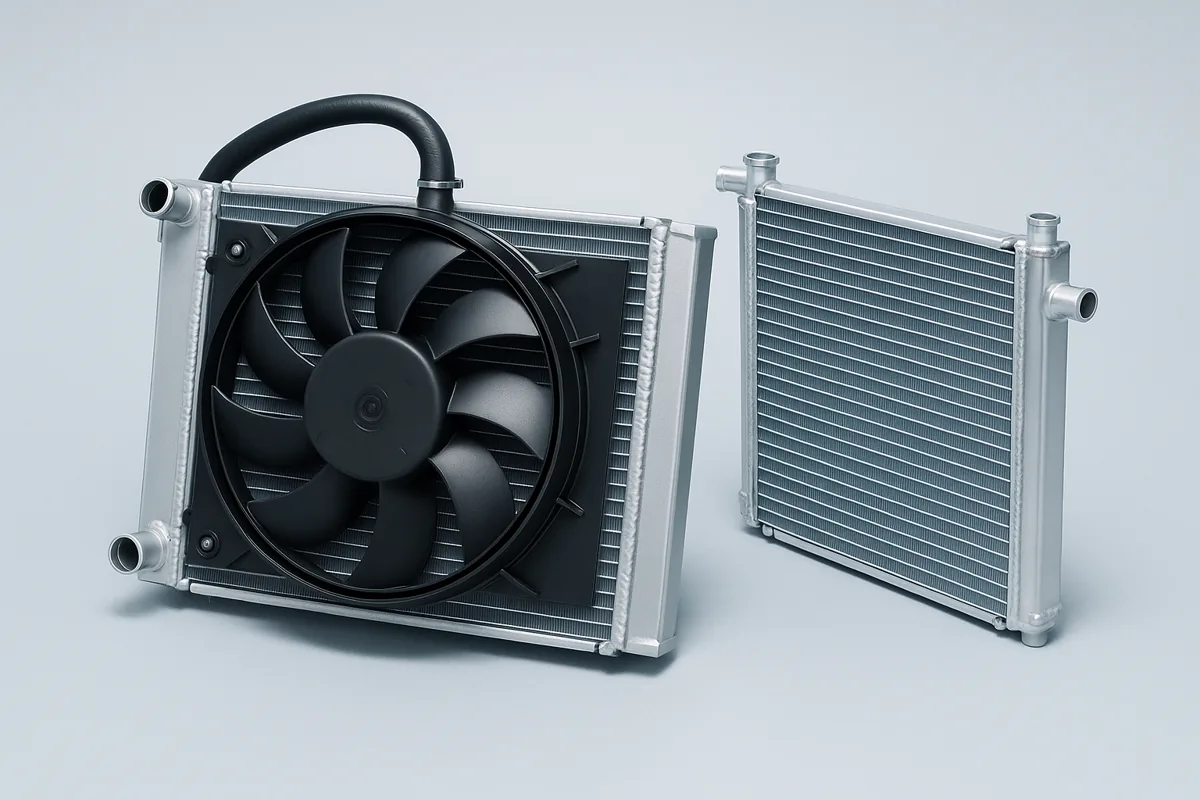
Shop Radiator & Fans by Part Type
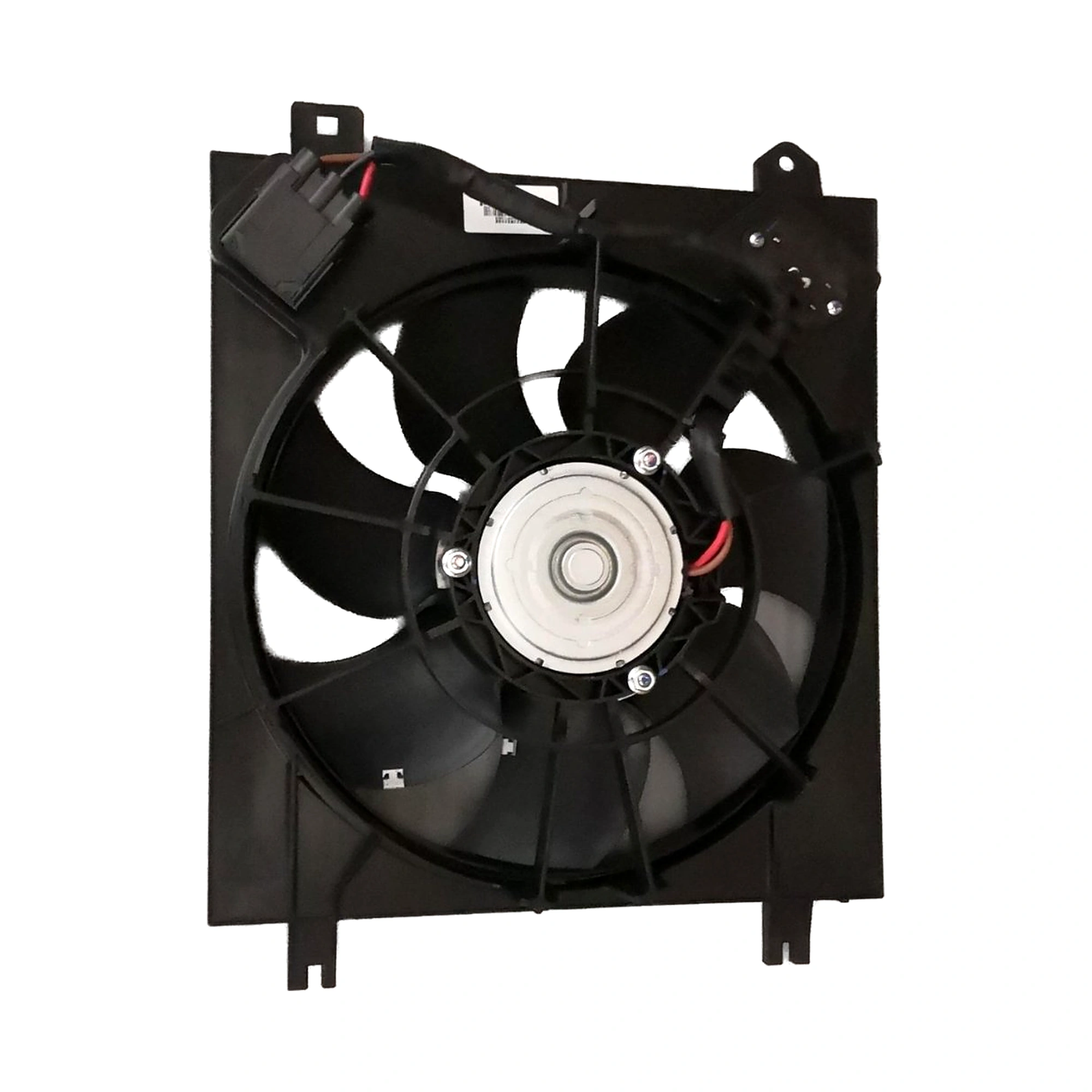
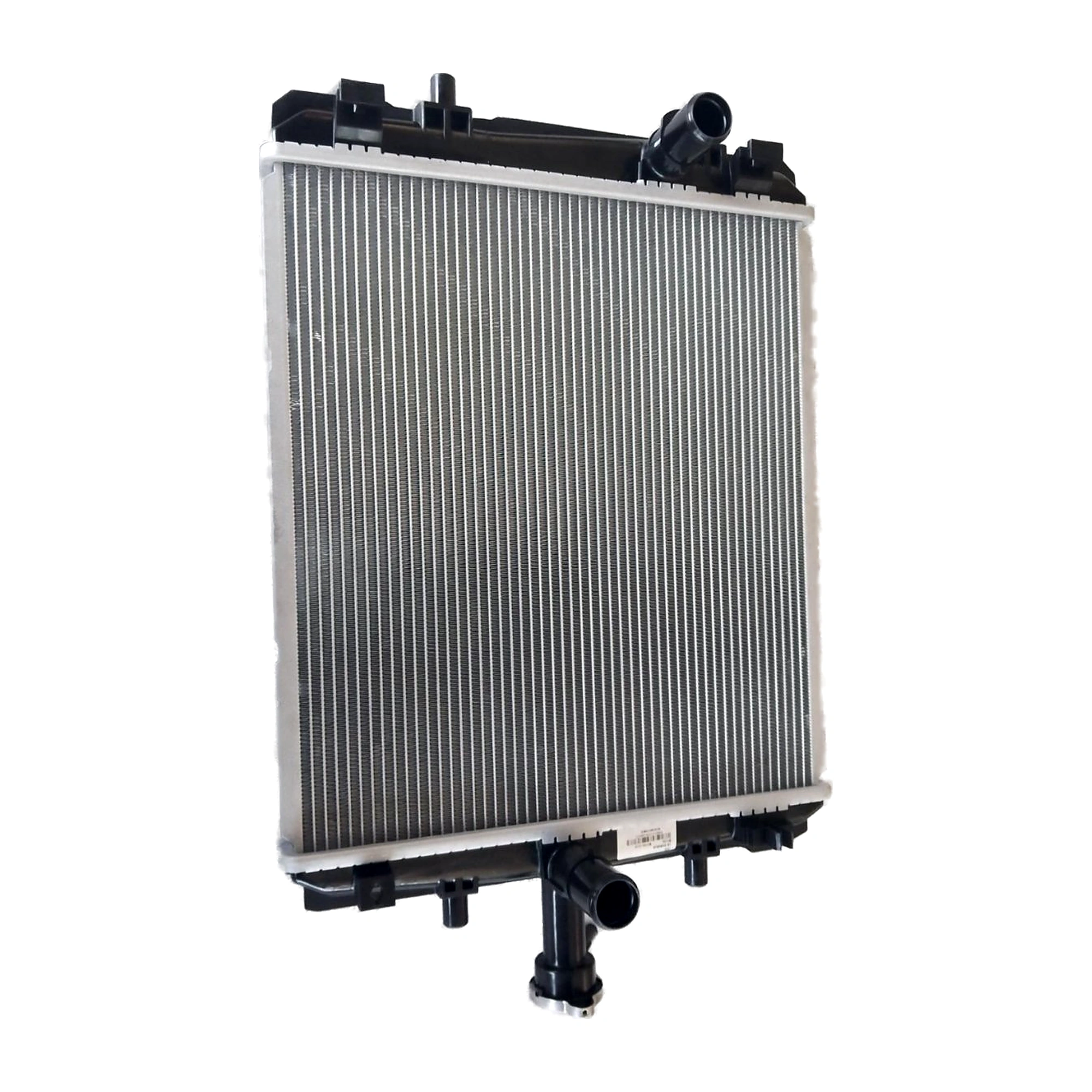
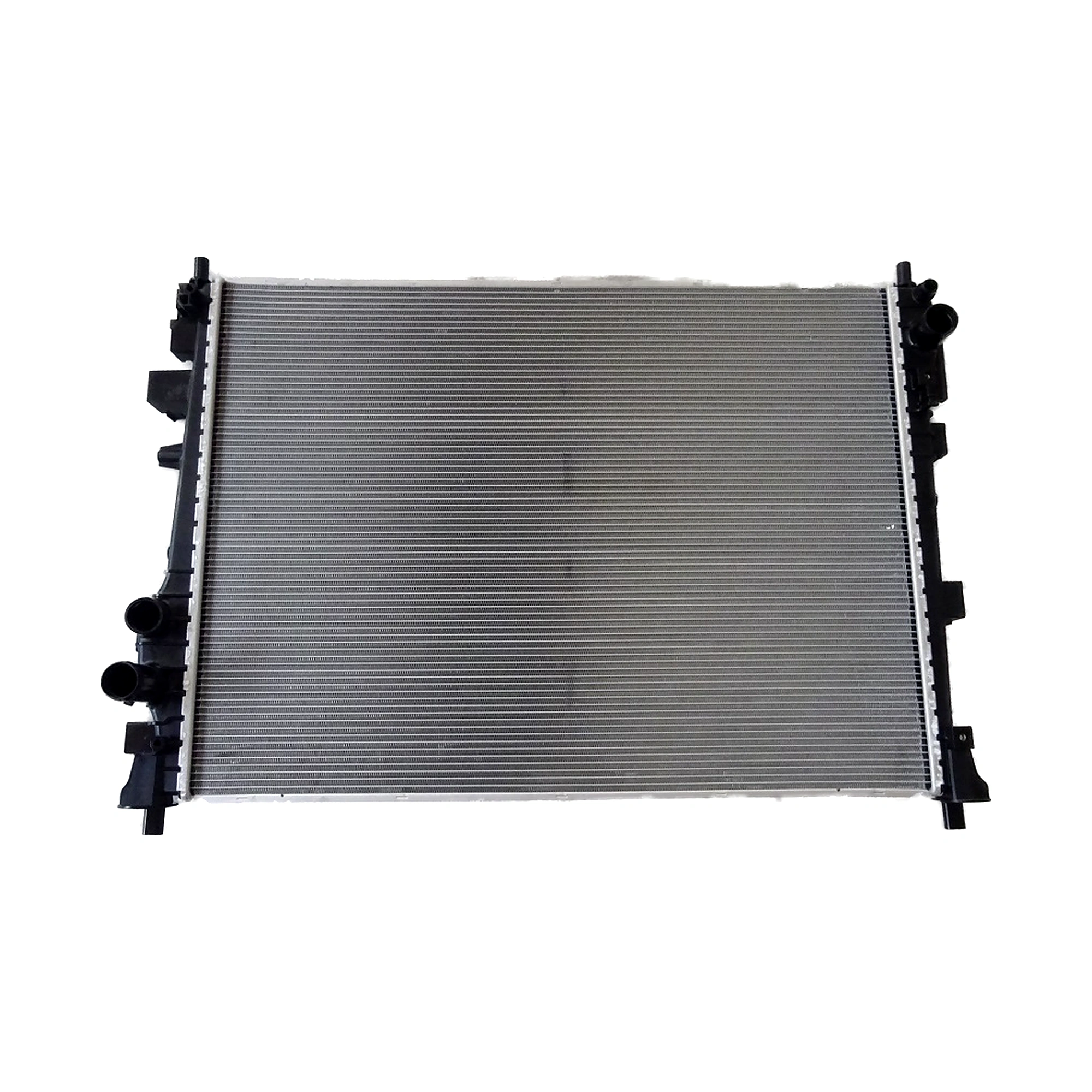
Popular Right Now
scroll for more →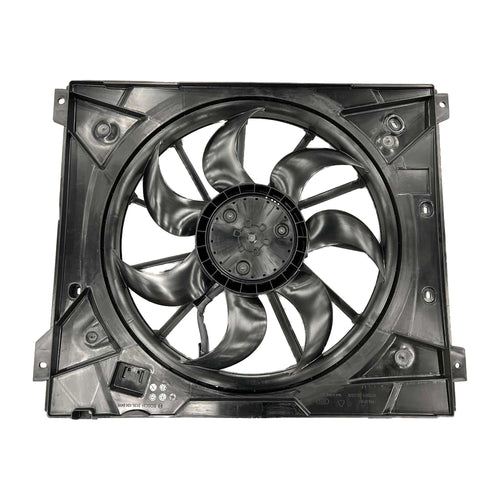
Symptom Finder: What Is Actually Broken?
| What you see or hear | Part to check first |
|---|---|
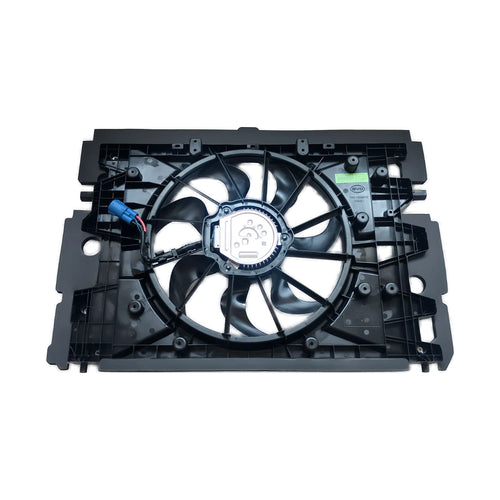
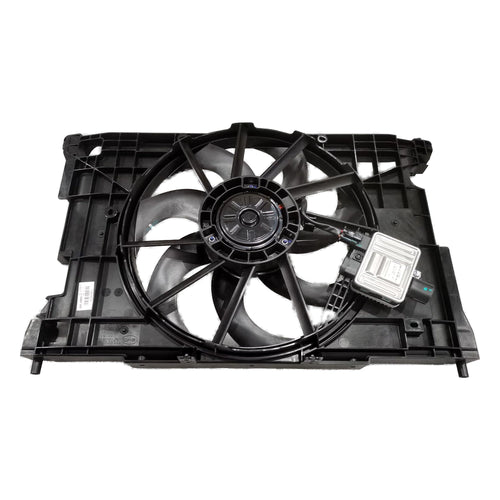
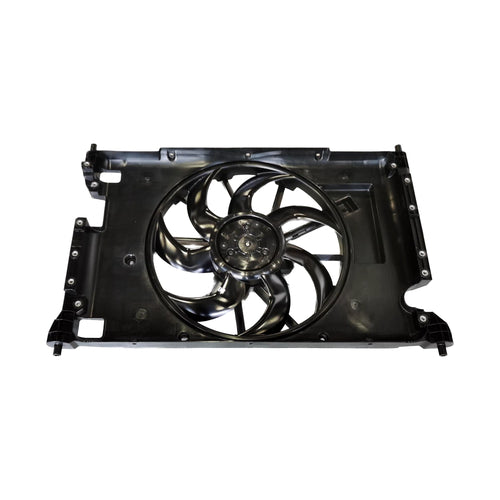
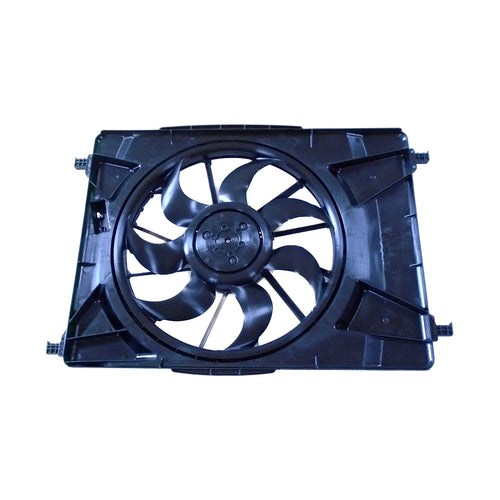
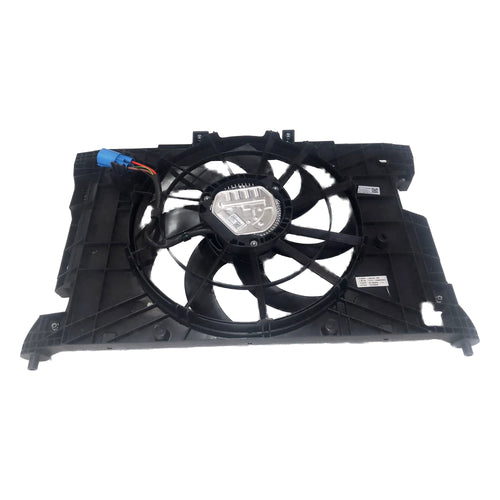
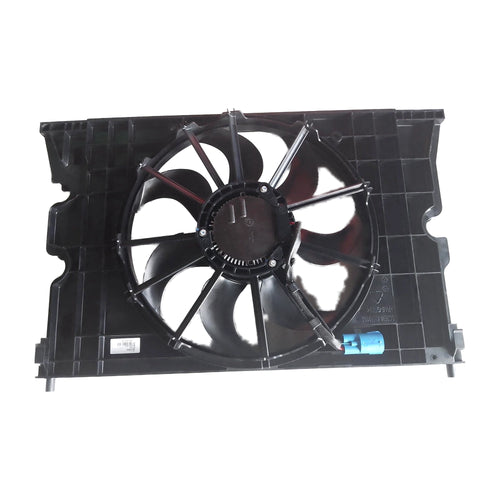
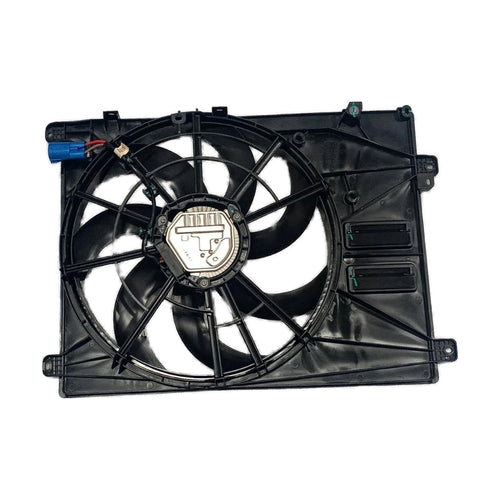
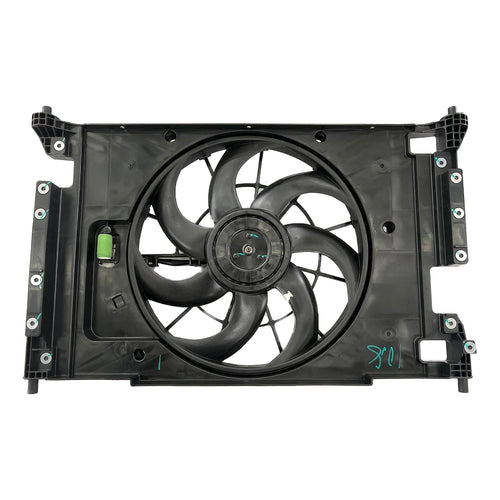
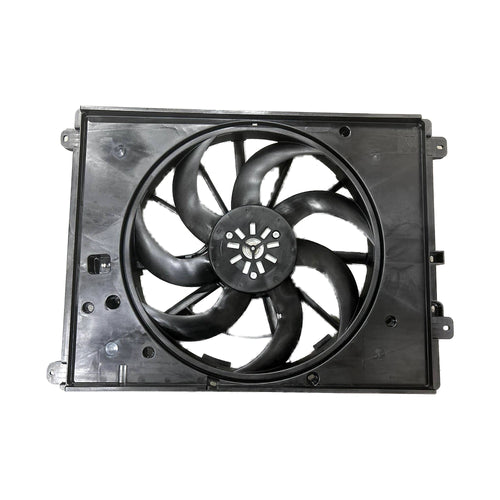
| Temperature climbing in traffic and falling on the move | Electric cooling fan |
| Coolant leak from the joint at the end of the core | Radiator with a failed end tank |
| Overheating with a full system and healthy thermostat | Radiator blocked internally or externally |
| Reduced power or slow charging after sustained load | Motor or inverter radiator airflow restricted |
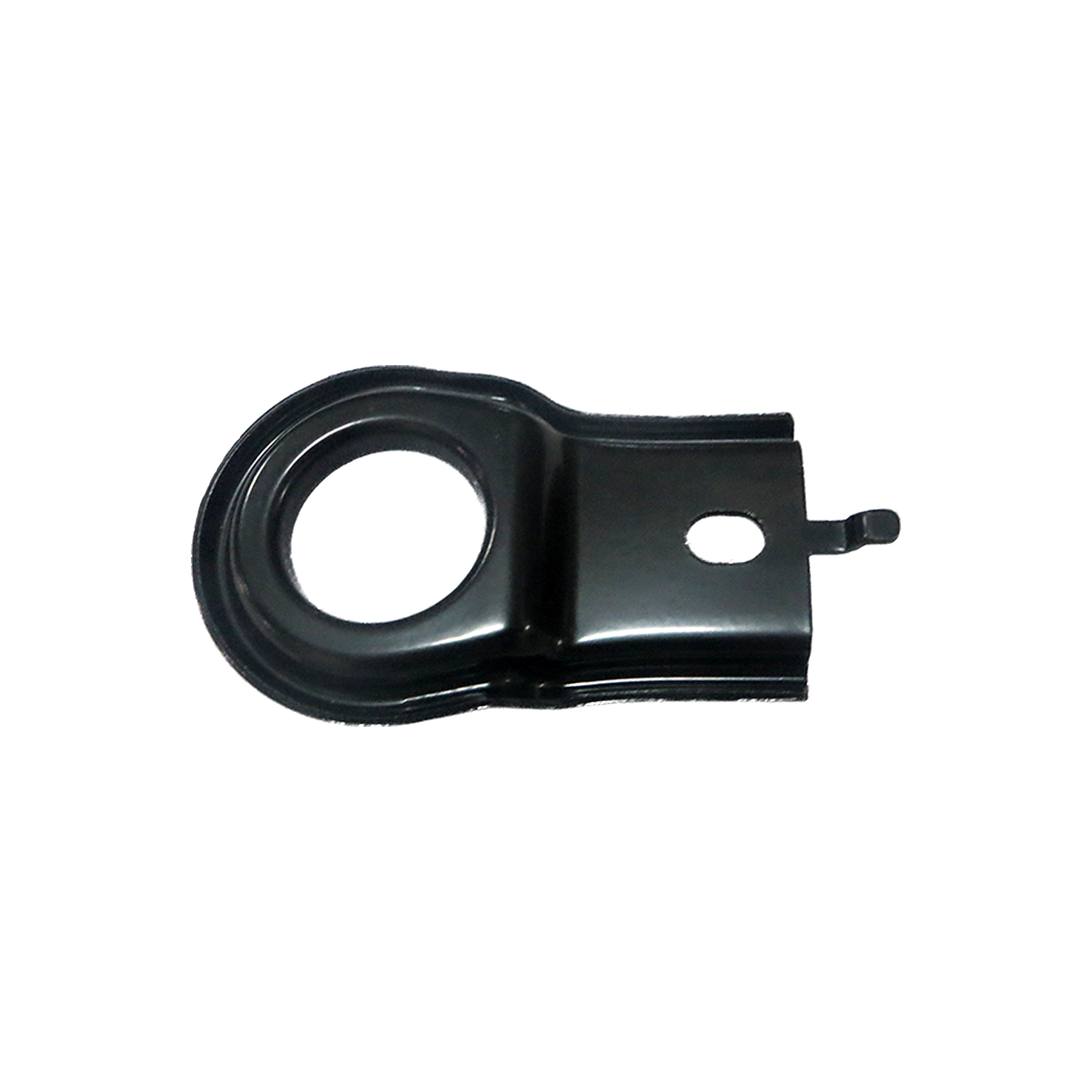
| Rattle from the front over bumps | Radiator mount bracket or bushing |
| Air conditioning weak in traffic and fine at speed | Electric cooling fan serving the condenser |
About Radiator & Fans
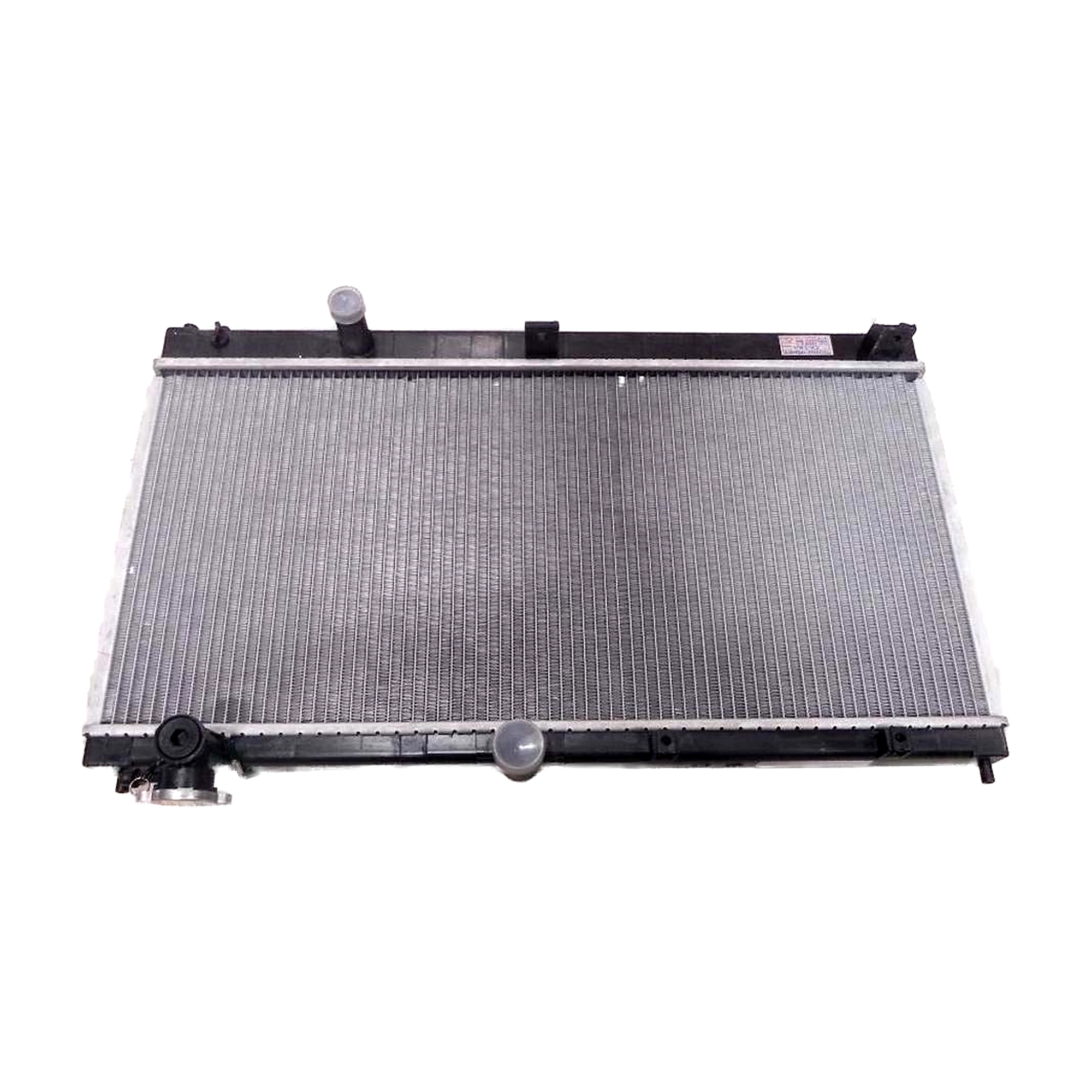
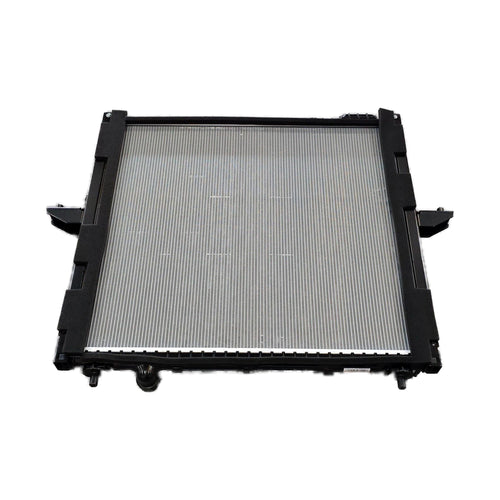
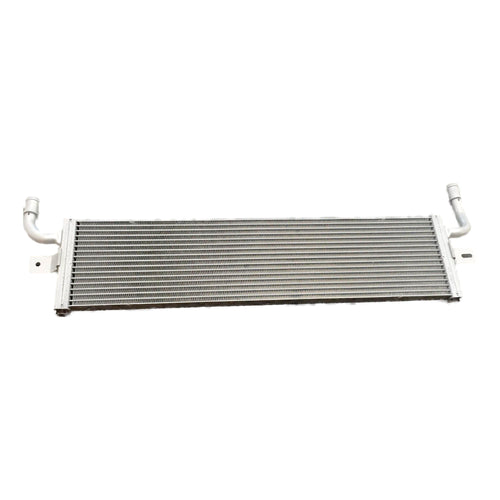
A radiator does one job: transfer heat from coolant into air. It does that with a core of narrow tubes bonded to thin fins, giving an enormous surface area in a small volume, and the whole thing works only if air actually passes through it. At road speed the vehicle's motion supplies that airflow. In traffic it does not, which is why electric fans draw air through the stack and why cooling problems so often appear at low speed and disappear on the move. Electrified vehicles complicate the arrangement, since a drive unit, an inverter and a battery all want different temperatures, so several radiators may be stacked or arranged in series and one may run considerably cooler than another. Oil coolers do the same job for lubricant, and condensers for refrigerant.
What to know before buying Radiator & Fans parts
Check the fan and the airflow path before you order a radiator. A blocked core and a dead fan produce identical symptoms.
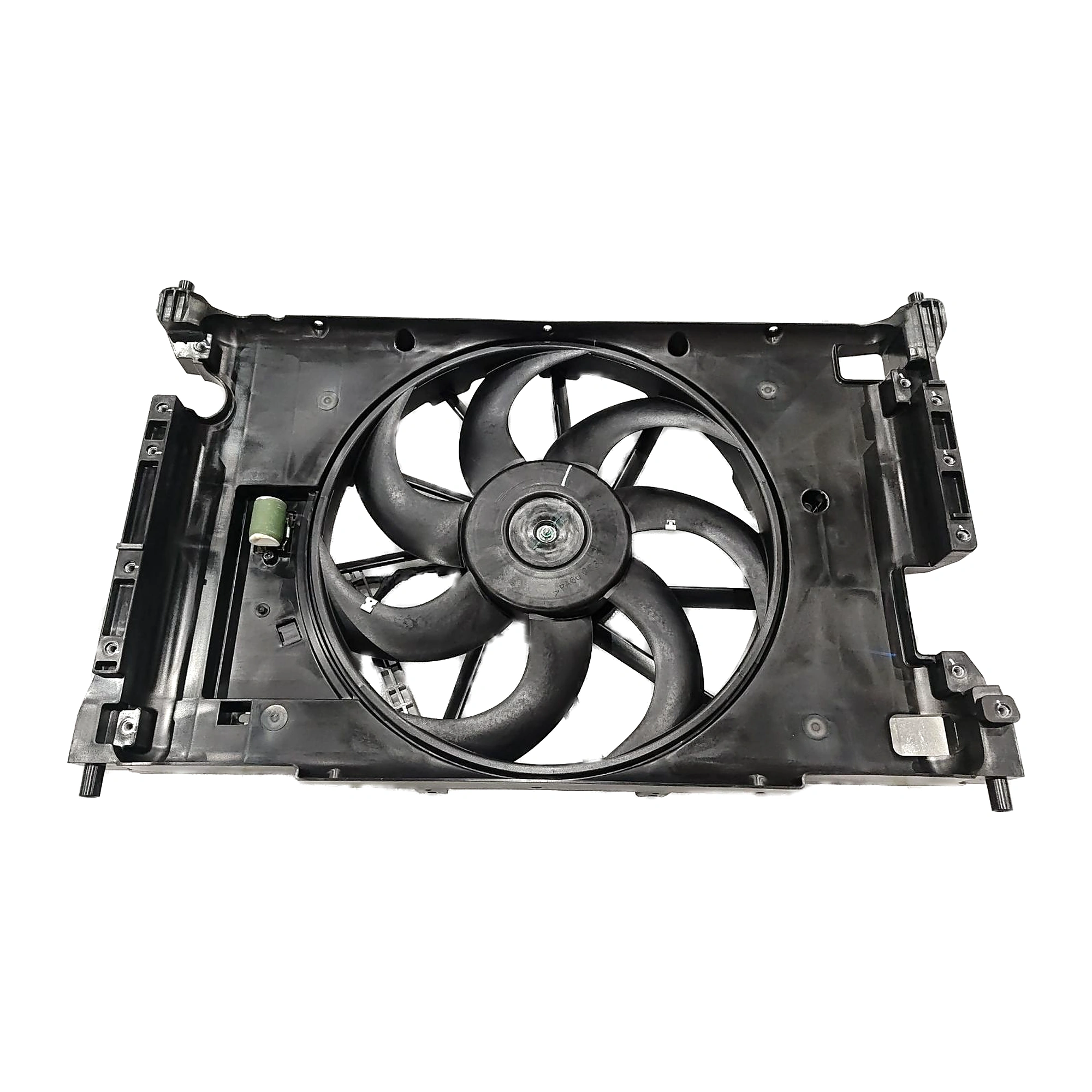
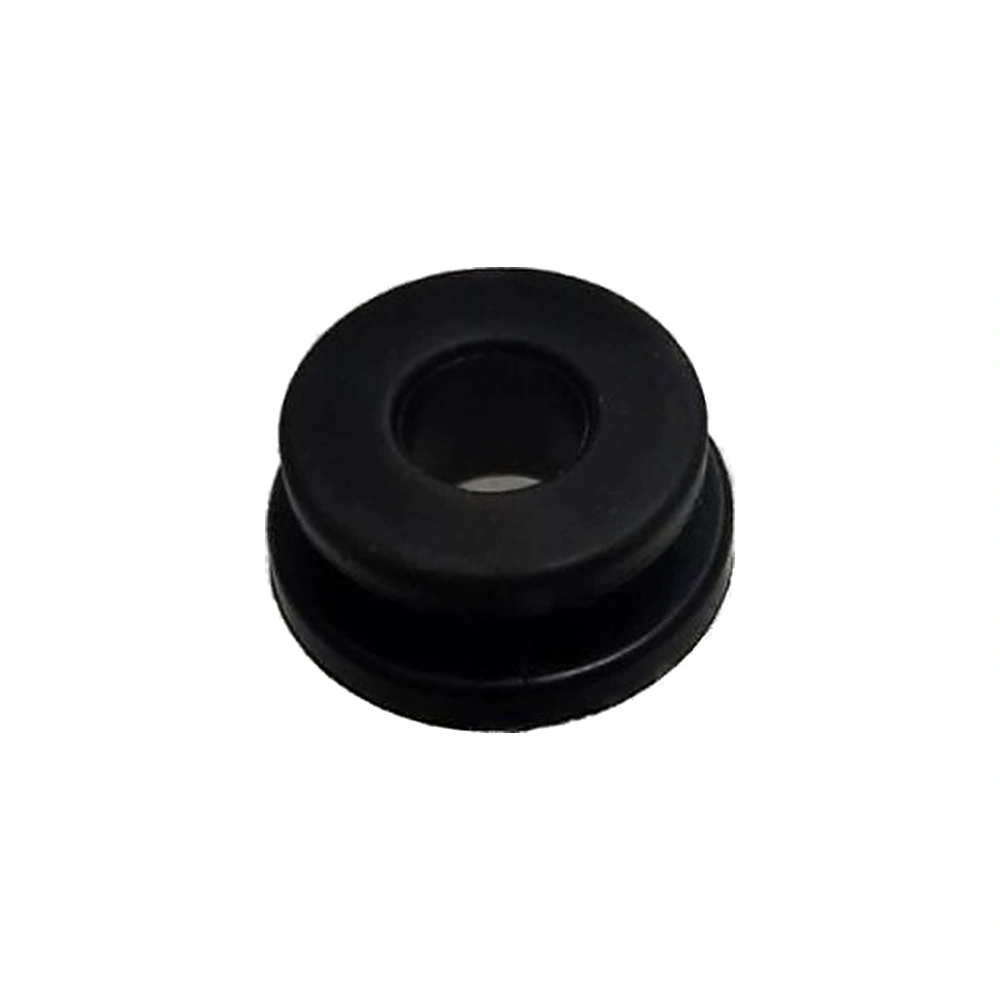
Order by the OE number. A vehicle may carry several radiators of similar appearance serving different circuits and different temperatures. Fitting one in the wrong position produces a thermal fault rather than an obvious mistake. Listings cover radiators, motor radiators, high temperature radiators and inverter radiators. Oil coolers, electric cooling fans in numbered variants, radiator upper mount brackets and bracket rubber bushings are here too.
Add the mounting bushes and brackets to your order. They perish, and a radiator sitting hard against its mounting cracks its end tanks. While access is open, separate the stack and clean the hidden face. Debris packed between the condenser and the radiator restricts airflow substantially and is invisible from the front.
Anything priced can be ordered directly, and anything without a price is quoted. The BYD group is covered most fully, and more brands follow as further catalogues load.
Before You Order: 6 Checks
- Match the OE number, since several radiators of similar appearance may serve different circuits.
- Check the fan and the airflow path before ordering a radiator.
- Order mounting bushes and brackets, since perished mounts crack end tanks.
- Inspect the core face for debris and bent fins, which restrict airflow without any leak.
- Confirm whether your fan is a simple two speed unit or a controlled variable speed type.
- Use the specified coolant and follow the bleed procedure after refilling.
What Changed and Why
The front end of an electrified vehicle has become a stack of heat exchangers rather than a single radiator. Separate cores serve the drive unit, the power electronics, the traction pack chiller and the air conditioning condenser, arranged so that the coolest air reaches whatever needs the lowest temperature, and active grille shutters manage how much air enters at all. Fans have become variable speed and network controlled rather than simply switched, so they can run quietly at low duty for long periods, which is also why a failing fan often reports itself before the driver notices any temperature change.
Radiator & Fans: Frequently Asked Questions
My temperature climbs in traffic and drops when I move. Why?
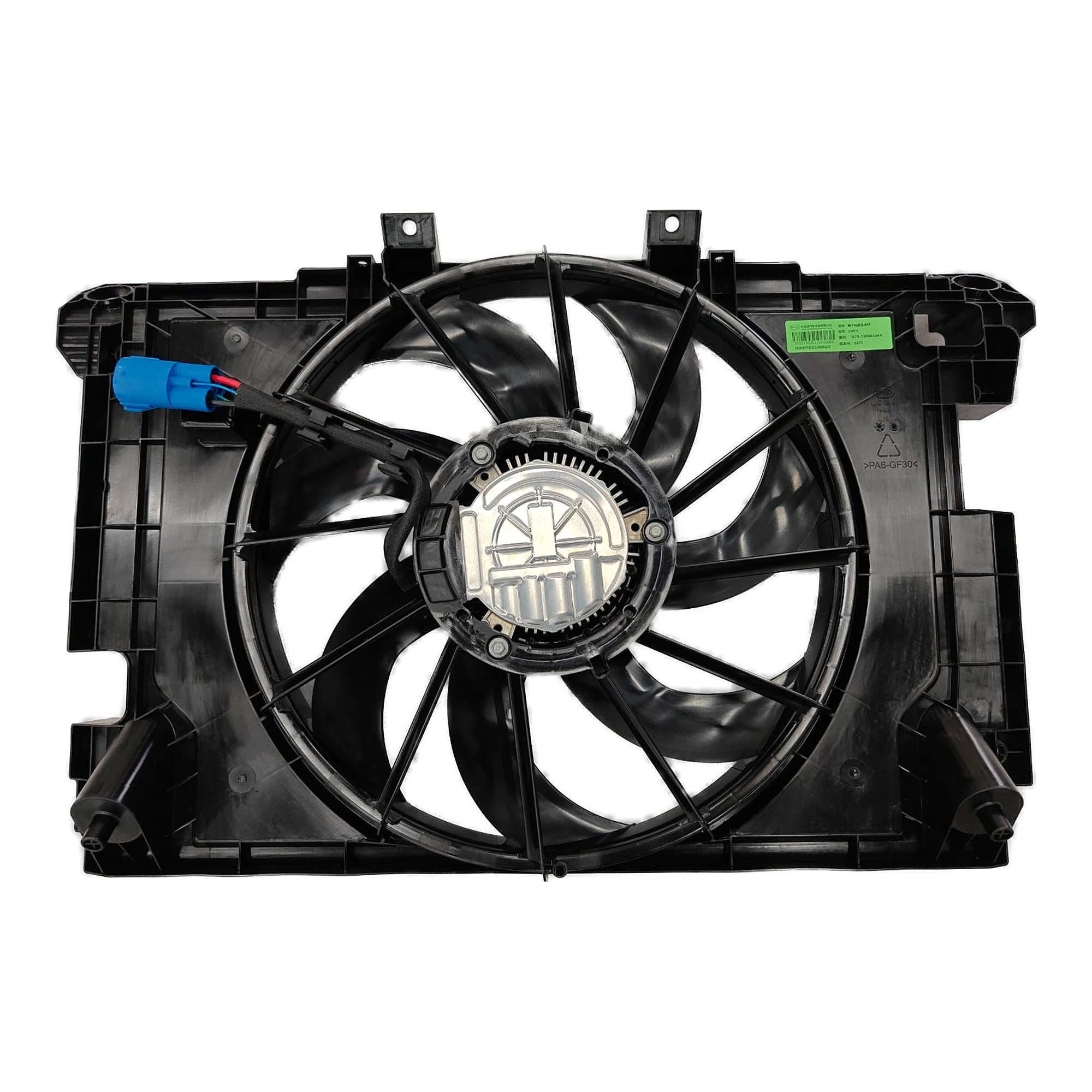
Because at road speed the vehicle's motion supplies airflow through the radiator and in traffic the fan has to, so a symptom that appears only when stationary points squarely at the fan, its control or its supply. Watch whether the fan runs as temperature rises, and check the fuse, the relay or the control module output before condemning the fan. This is one of the most reliable diagnostic patterns in cooling, and it saves ordering radiators that were never at fault.
How can a radiator block without leaking?
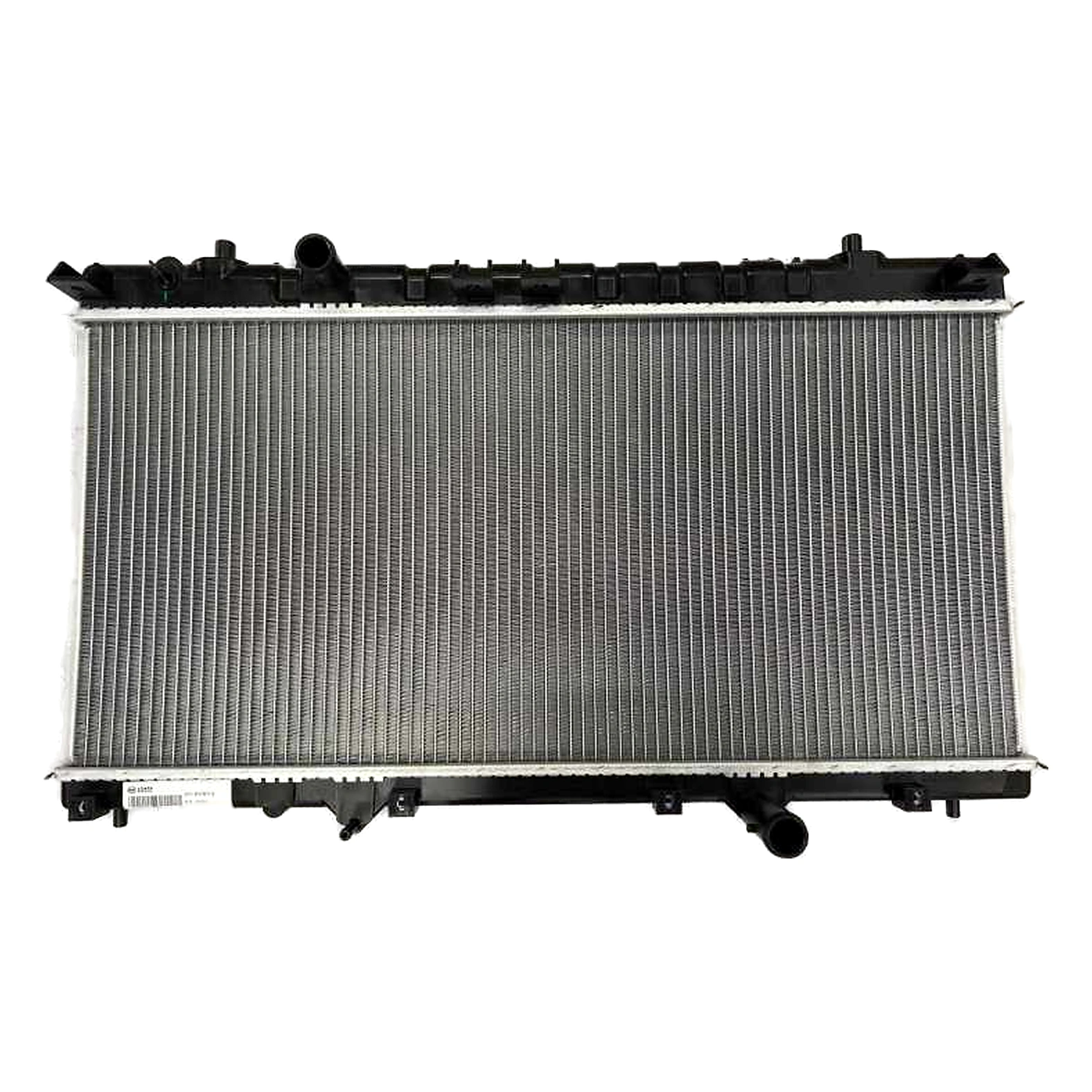
Two ways, and both are common. Externally the fins clog with leaves, insects and road debris, particularly on the face you cannot see behind the condenser, which reduces airflow while the core looks intact from the front. Internally, corrosion products and sealant residue narrow the tubes, so coolant flows through fewer of them and heat transfer falls. An infrared thermometer across the core reveals cold sections quickly, which is a better test than looking at it.
Why does my vehicle have several radiators?
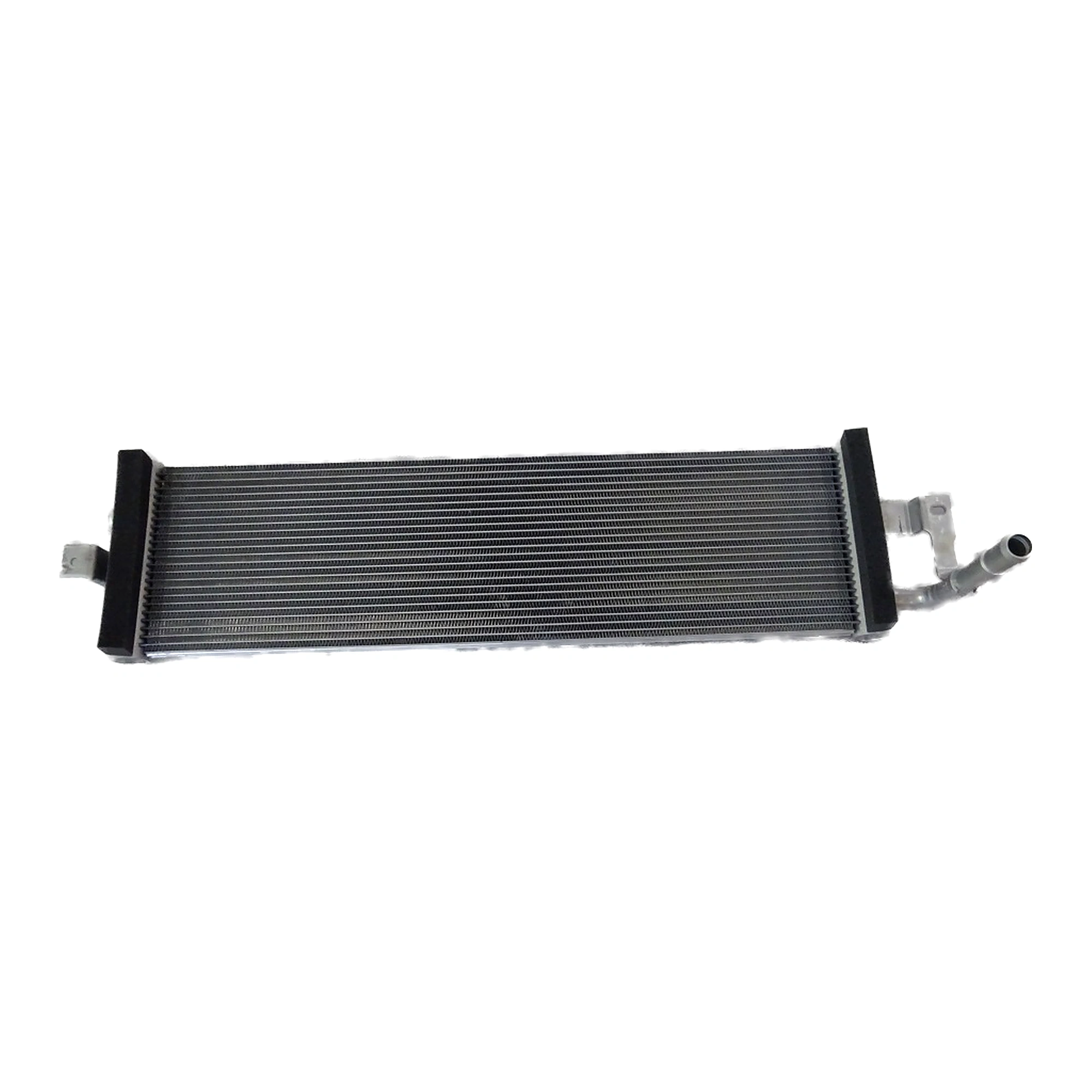
Because different components want different temperatures. A drive unit and its power electronics tolerate and produce far more heat than a traction battery, which needs a much lower and more tightly controlled temperature, so vehicles run separate circuits with separate radiators, arranged so the coolest air reaches whichever core needs it most. That is why the listings distinguish motor, inverter and high temperature radiators, and why fitting one in the wrong position produces a thermal fault rather than a visible error.
Can a radiator be repaired?
Older copper and brass cores could be soldered by a specialist, and modern aluminium cores with plastic end tanks generally cannot be repaired to any useful standard. The common failure is the crimped joint between the core and the plastic tank, which fails from heat cycling, and no sealant or patch restores it reliably under pressure. Radiator sealant added to the system is worse still, since it blocks the narrow passages elsewhere that you were relying on.
Why do the mounting bushes matter?
Because a radiator is a fragile assembly hanging in the front of a vehicle that vibrates constantly. The rubber bushes at its mounts isolate it from that vibration, and once they perish and the core sits hard against metal, the stress concentrates at the end tanks and the crimped joint cracks. That is a common cause of a radiator that leaks a few years after being replaced. Fit new bushes and brackets with any radiator, since they cost very little.
What do these parts cost?
Bushes, brackets and small fittings sit right at the bottom of the range. Electric cooling fans are moderate. Radiators, motor and inverter radiators and oil coolers cost the most in this category, and they ship as bulky, easily damaged items. The live minimum and maximum are shown in the band at the top of this page. Because a dead fan and a blocked core produce identical symptoms, testing before ordering matters more than usual here.
Can I fit a radiator myself?
On an accessible vehicle, yes, and the work is draining, releasing hoses and connectors, and lifting the core out of its mounts. The difficulties are access, since the front bumper and undertray often need removing, and afterwards the bleed procedure, which on multi circuit vehicles may require a scan tool to run pumps and cycle valves. Handle the core carefully, since fins bend at a touch and a damaged face reduces airflow before you have even fitted it.
My fan runs constantly. Is that a fault?
Not necessarily. Modern fans are variable speed and network controlled, so a fan running quietly at low duty for long periods is normal behaviour, and on electrified vehicles it may run after shutdown or during charging when there is no airflow at all. What is not normal is a fan running at full speed continuously from cold start, which usually indicates the control unit has lost a temperature signal and defaulted to maximum cooling as a protective measure. Have the codes read.
Does an oil cooler belong in the cooling system?
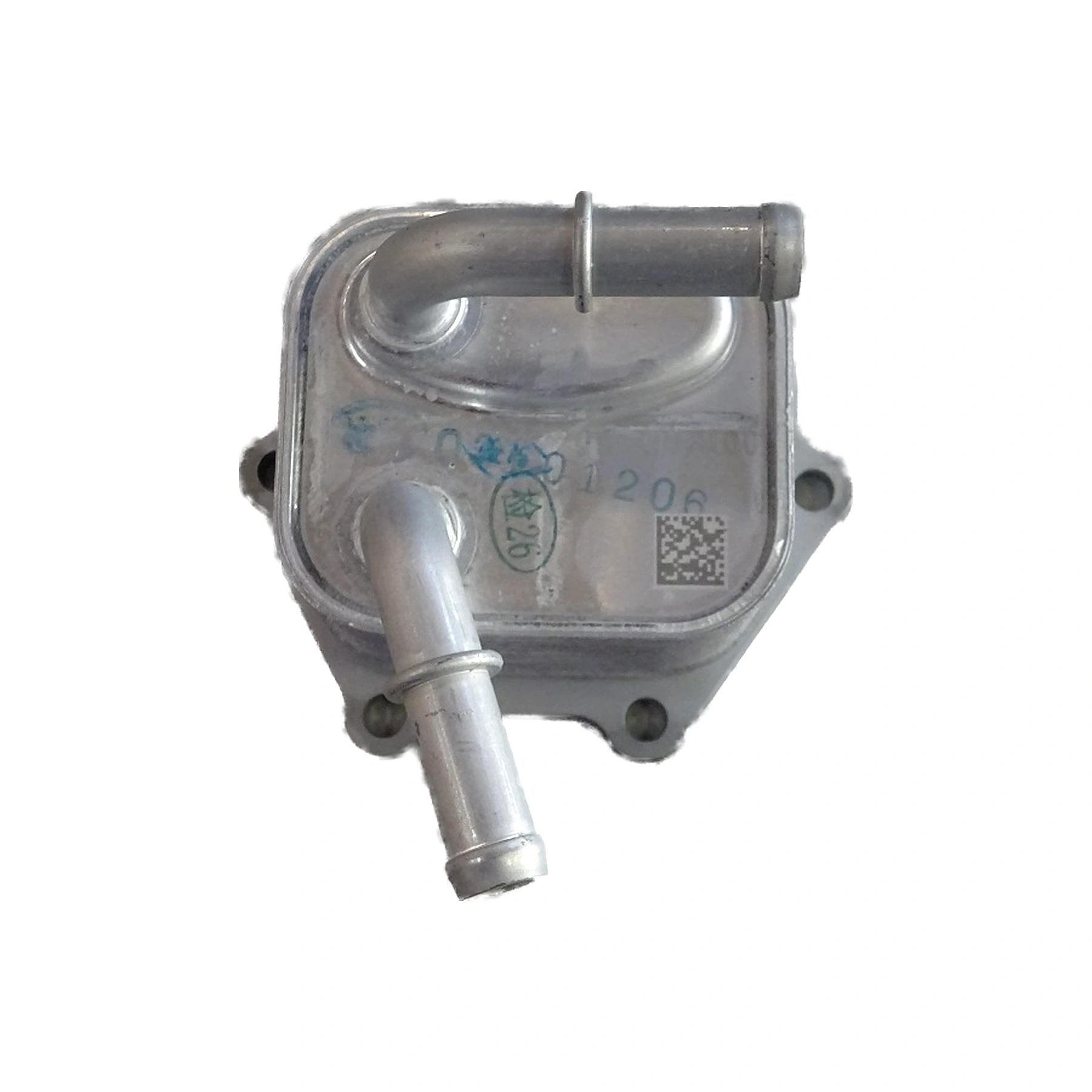
It sits in the same stack and does the same kind of job for a different fluid. An oil cooler transfers heat from engine or transmission oil into either air or coolant, keeping the oil within a temperature band where its viscosity and protection remain correct. Failures show as oil in the coolant or coolant in the oil on liquid to liquid types, and as an external leak on air cooled ones. Both are listed here alongside the radiators.
Will a radiator from a similar vehicle fit?
Only where the OE number agrees. Core thickness, tank shape, connection positions and mounting points follow the specific vehicle and drivetrain, and on an electrified vehicle the same aperture may hold different cores for different circuits. A radiator that fits the space but has the wrong capacity leaves the vehicle running warm under load without an obvious fault. Match the number, and use the quote form where the reference brings back nothing.
Should I clean the radiator face?
Yes, and gently. Debris packed between the condenser and the radiator restricts airflow substantially and is invisible from the front, so it is worth separating the stack occasionally on a vehicle that has covered distance in summer. Use low pressure water or air from the engine side outward, never a pressure washer, which folds the fins flat and does more damage than the debris. Straighten bent fins with a proper comb rather than a screwdriver.
The part I need shows no price. Can I still order it?
Yes. Radiators and fan assemblies are bulky, easily damaged in transit and built to one cooling package, so the delivered figure is worth having and the quote returns it. Send the number and your destination. Be careful about which radiator you are ordering, because an electric vehicle can carry a motor radiator, a high temperature radiator and an inverter radiator that look broadly alike and serve different loops. Add the mount bushings and the shroud clips to the request, since the rubbers perish and a radiator sitting on hardened mounts cracks its side tanks.