Fangchengbao Tai 3 Parts
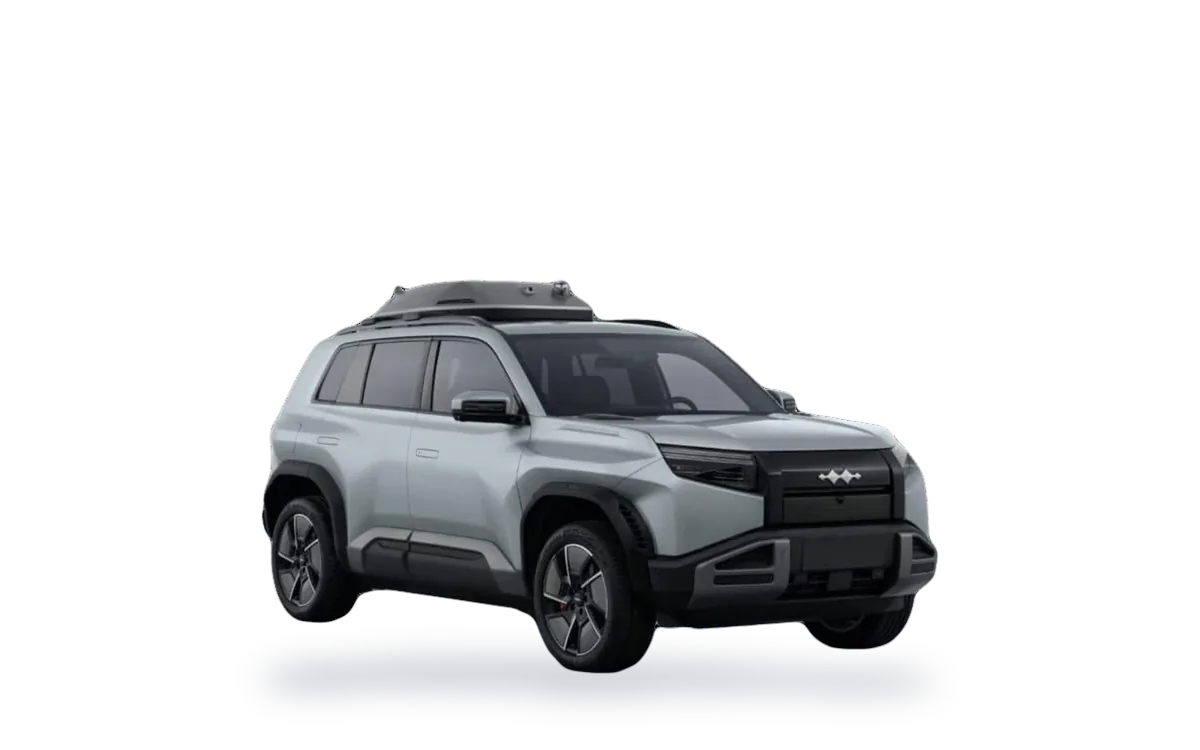
Shop Fangchengbao Tai 3 Parts by Category
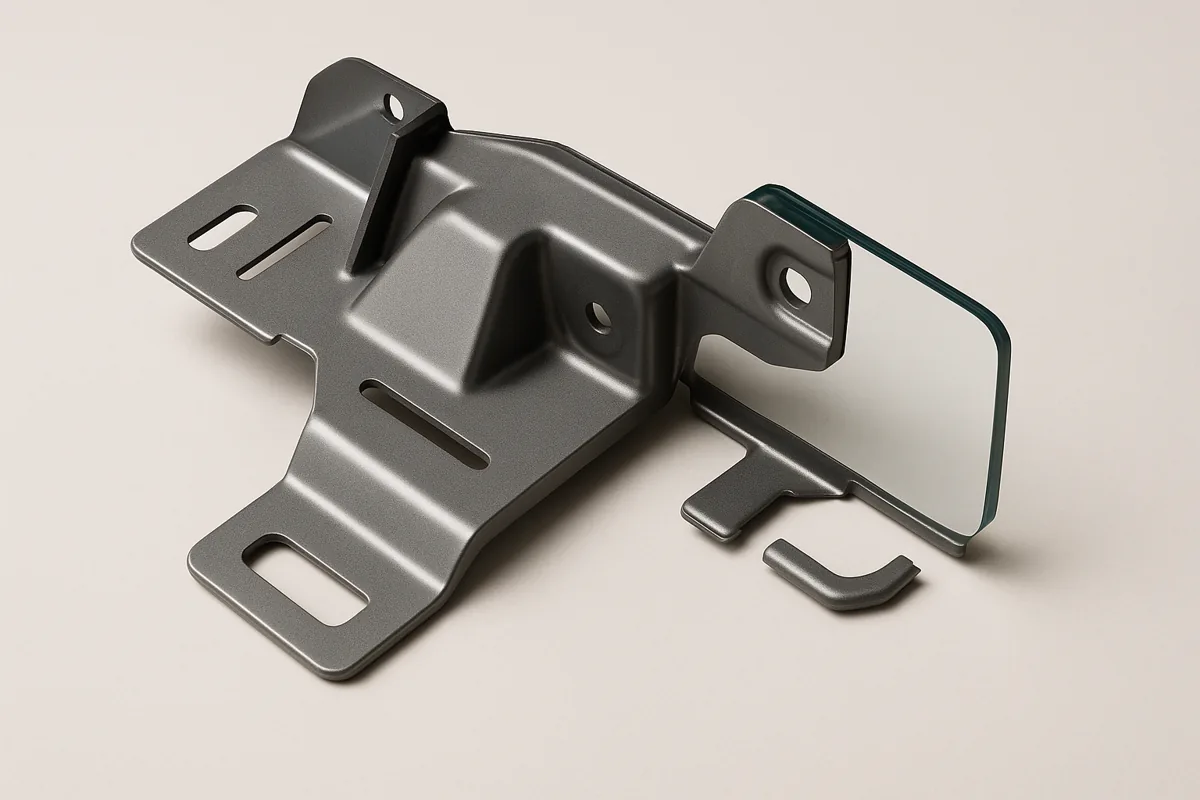
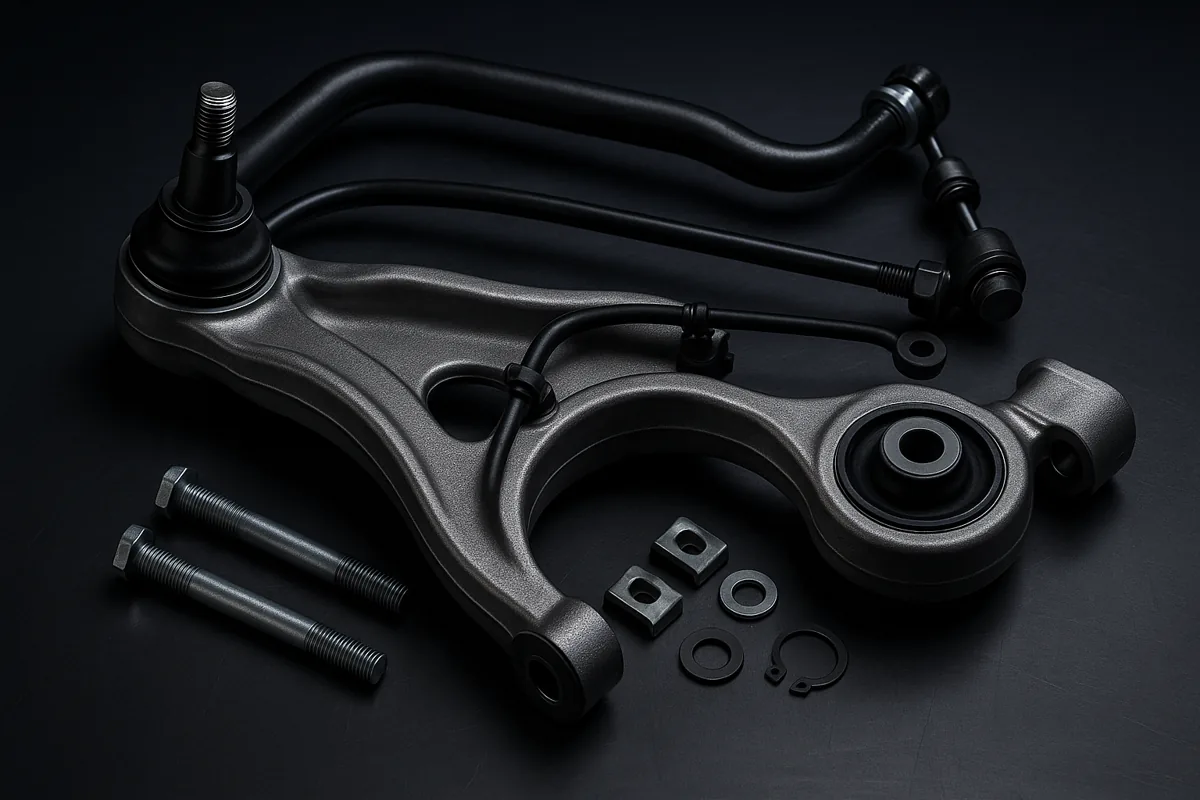
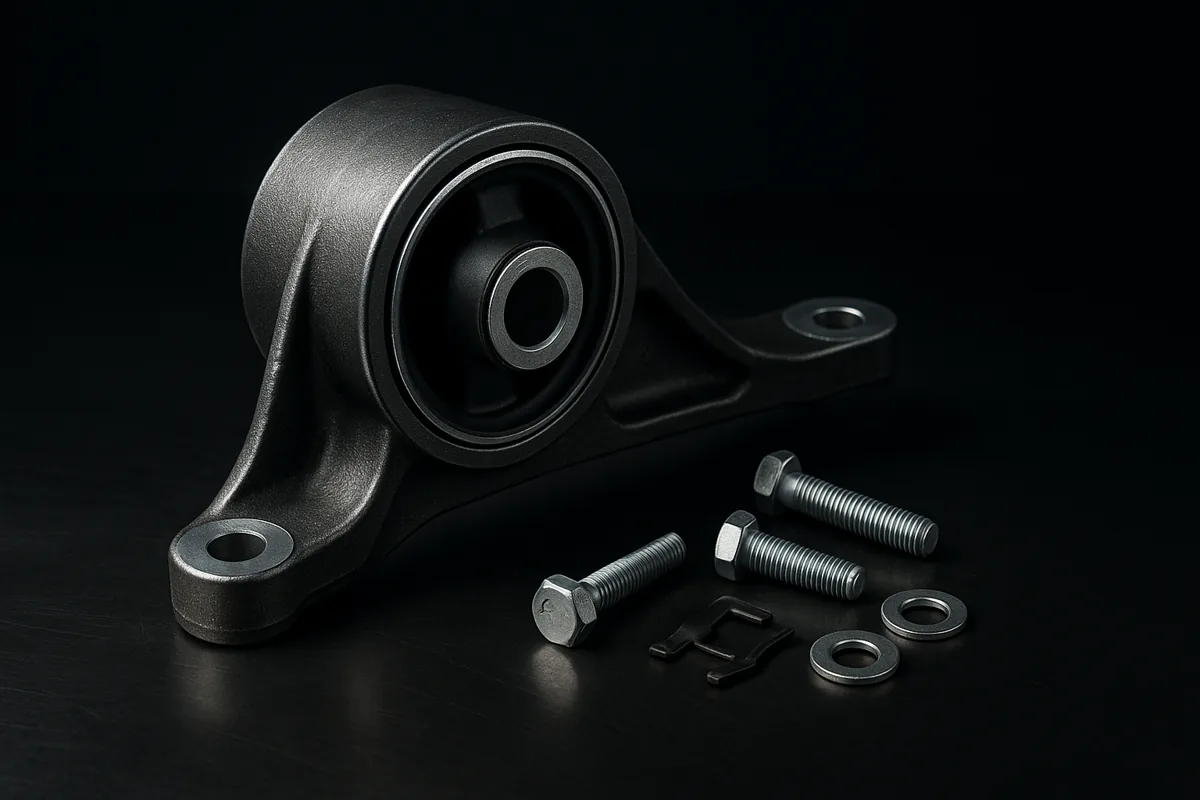
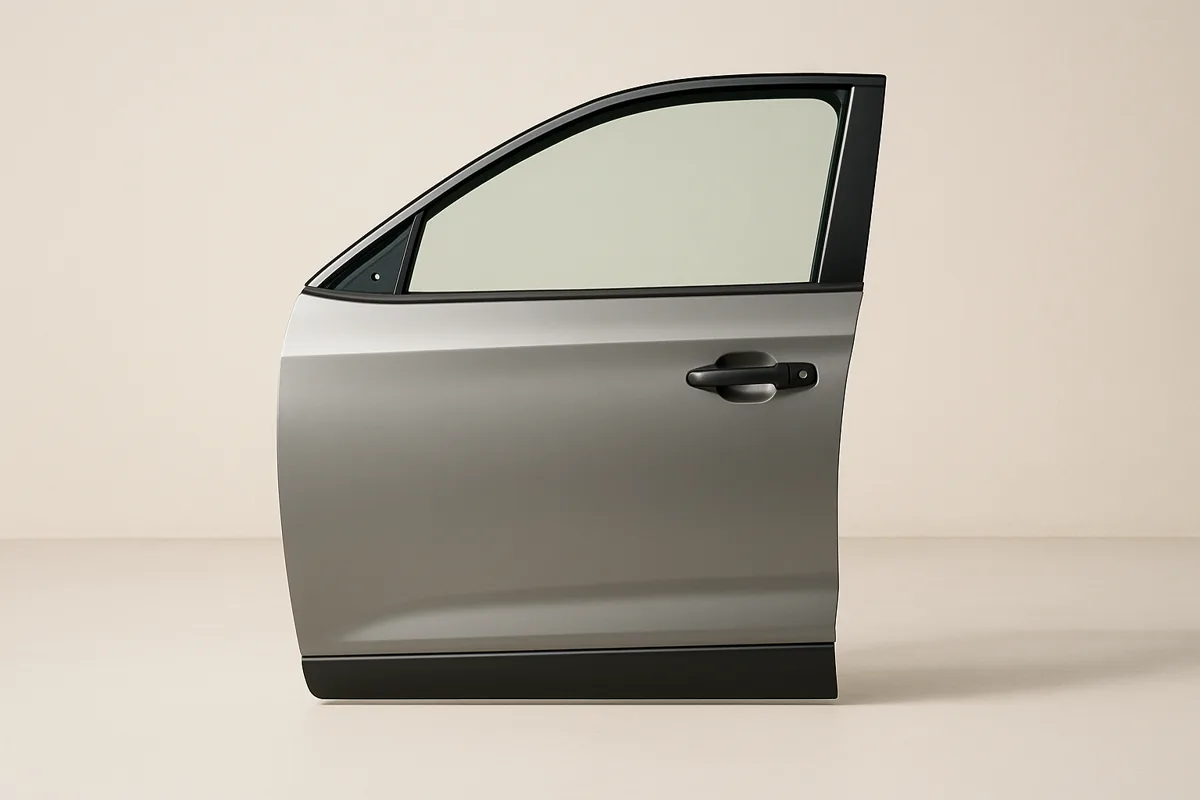
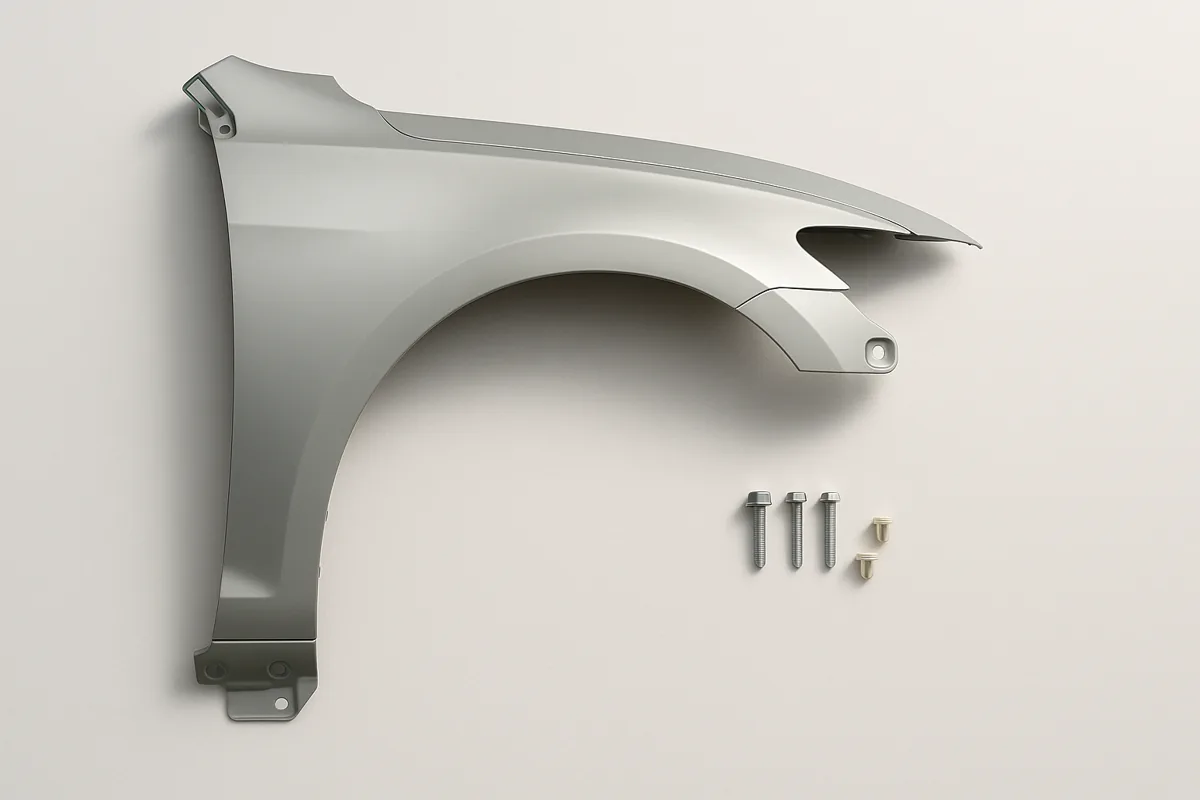
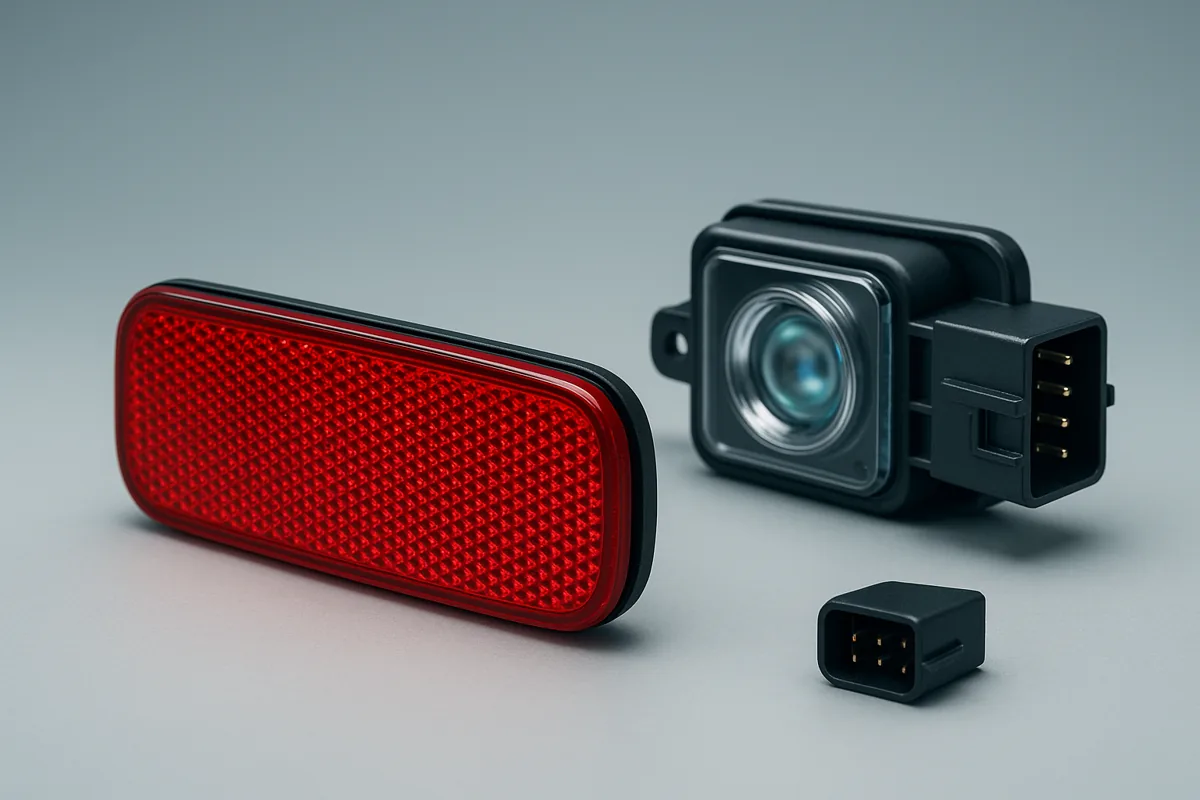
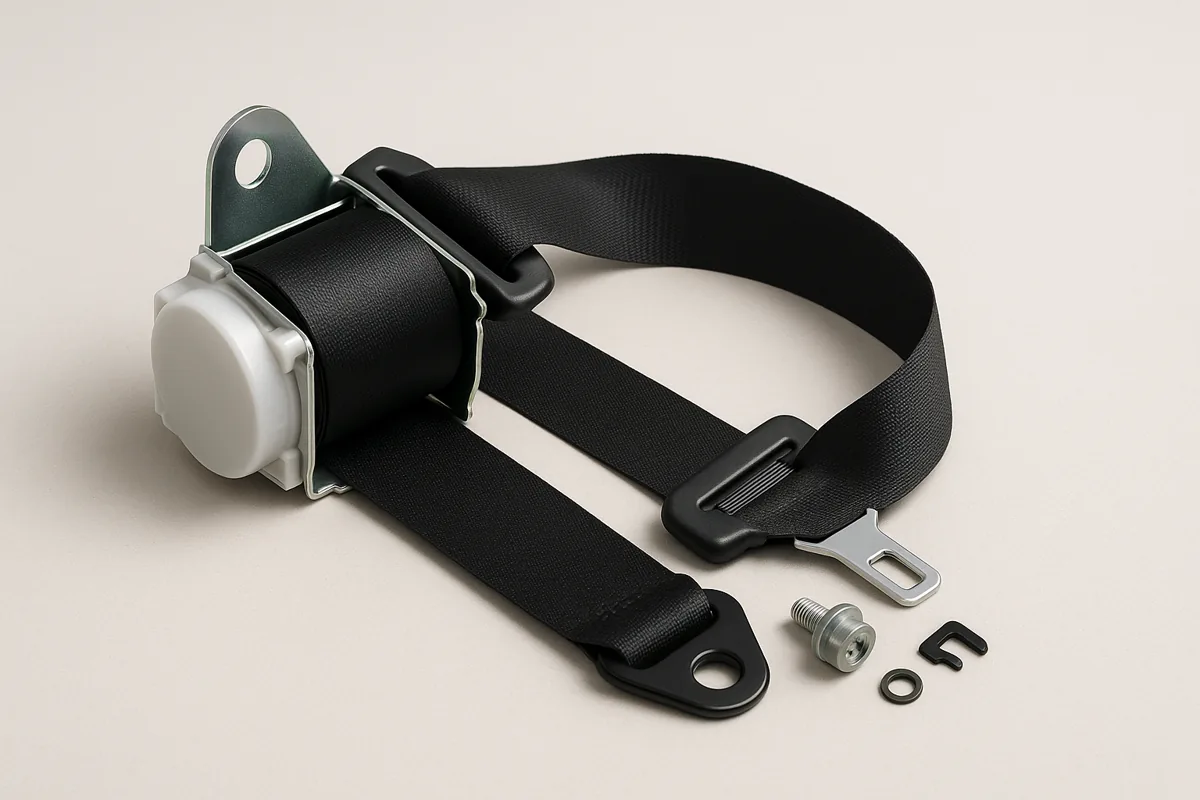
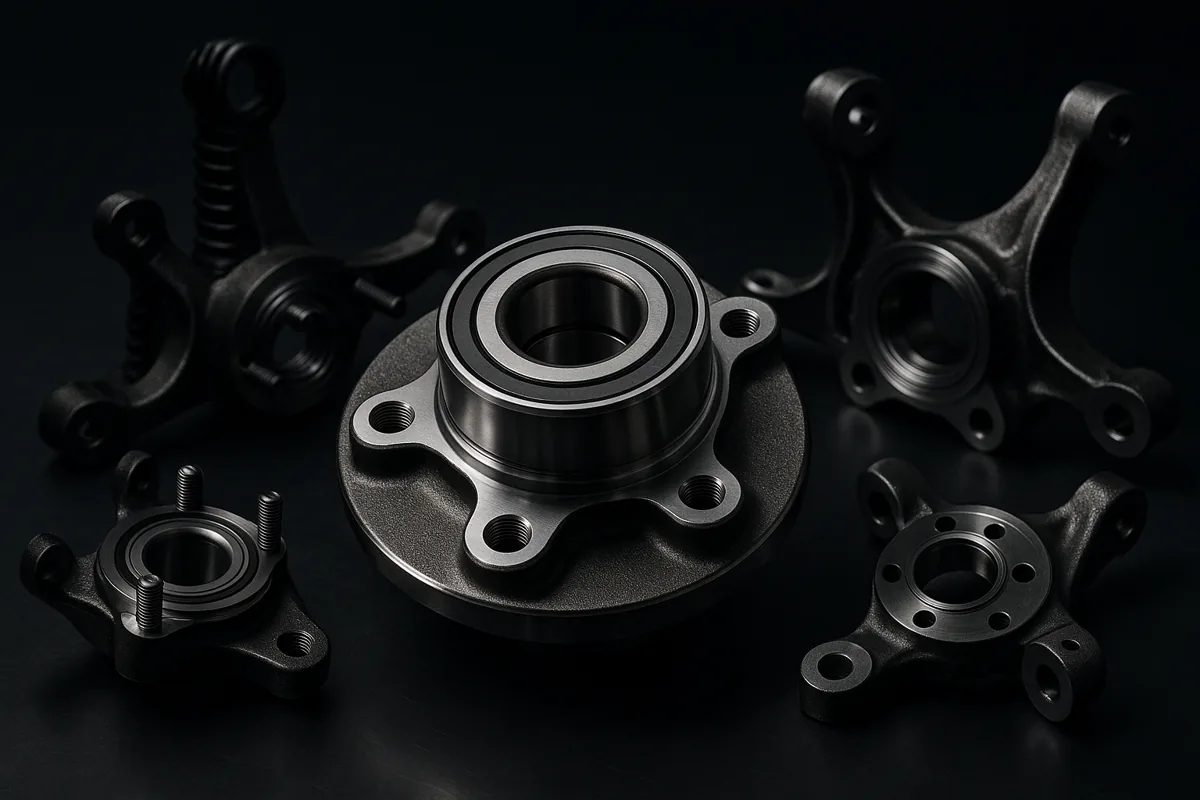
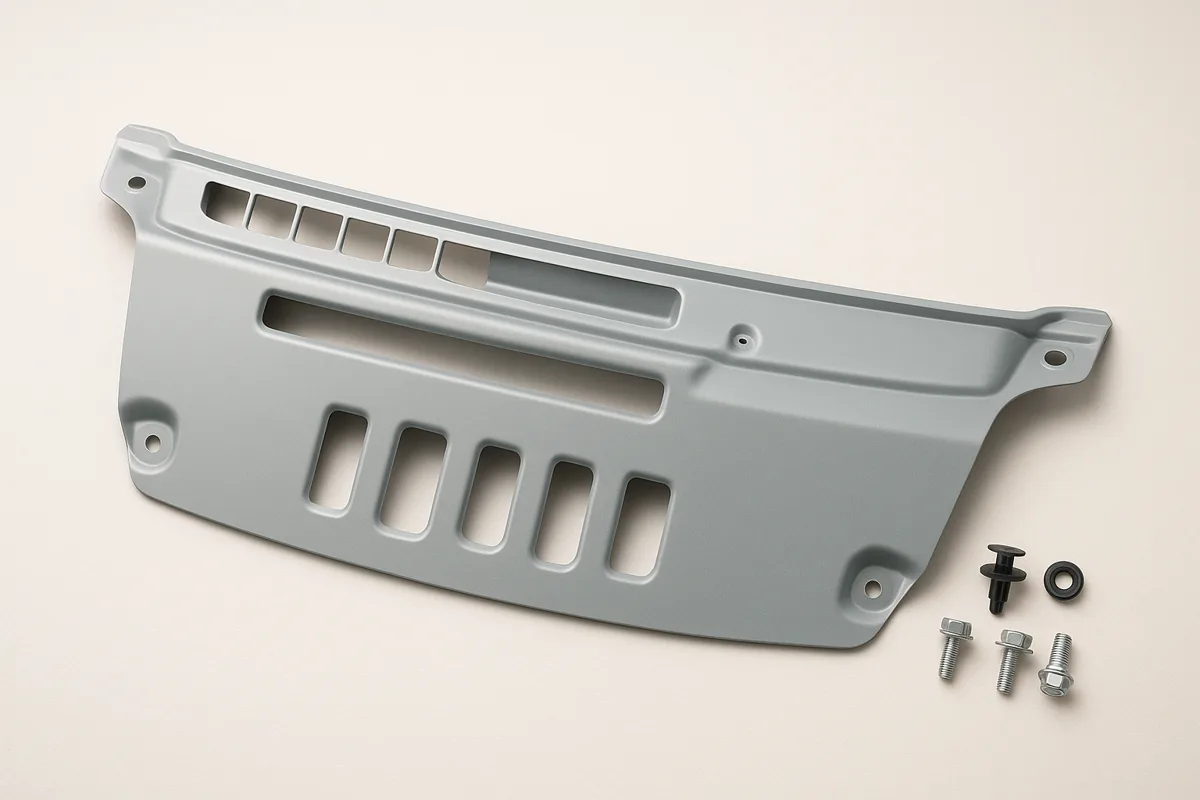
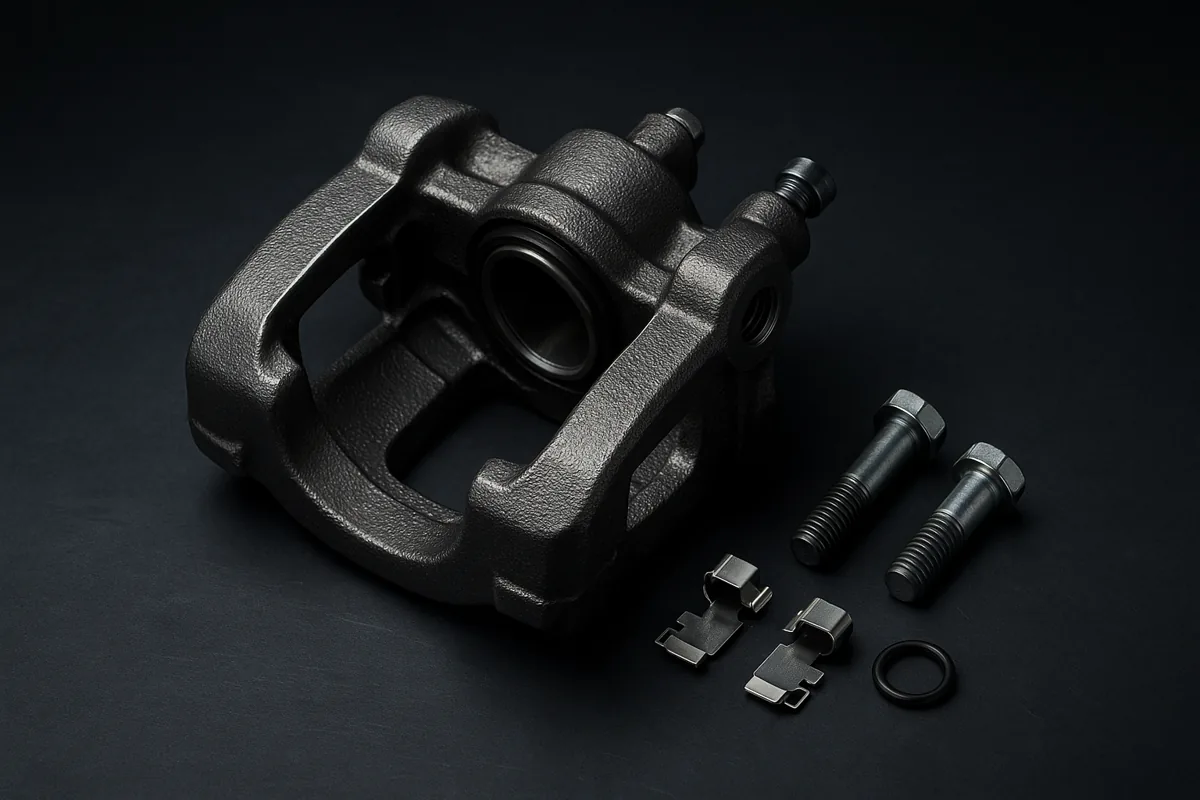
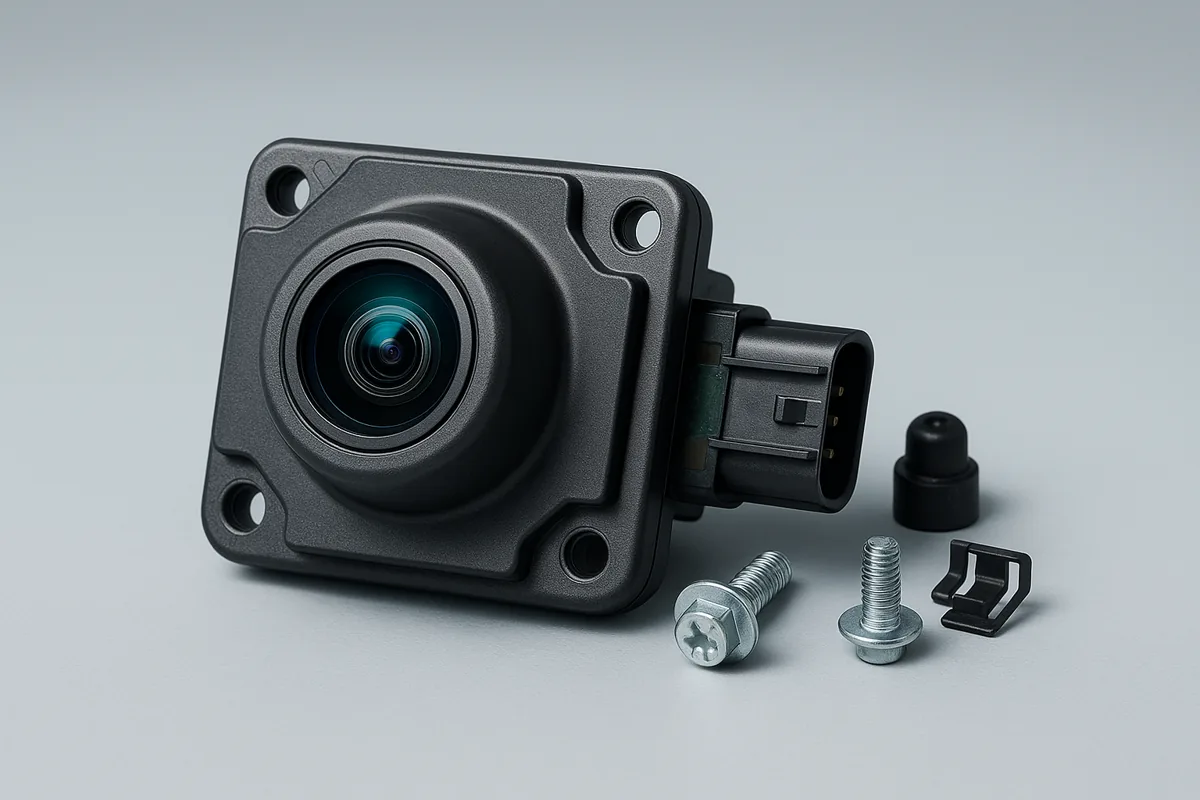
Popular for the Fangchengbao Tai 3
scroll for more →
Symptom Finder: Known Weak Points
| What you see or hear | Check first |
|---|---|
| A tyre or wheel from another Tai 3 does not fit | Rear-drive cars use 235/60 R18 and all-wheel-drive cars use 245/50 R19. Read the sidewall and order tyres and rims to match the drive layout. |
| Unsettled ride or a suspension warning | On cars with DiSus-C, check the adaptive dampers and their wiring. Confirm which damper system the car has, since adaptive and conventional units are different parts. |
| Parking sensor or driver-assistance warning after a minor knock | The ultrasonic sensors in the bumpers and their brackets. A bent bracket can trigger the warning by itself, so check it before replacing the sensor. |
| Charging fault or charging slower than expected | The charging socket, its seals and the charging hardware. Check the build date first, since flash-charge cars use different charging parts from launch cars. |
| Clunk or vibration when pulling away | The motor and powertrain mounts. Rear-drive and all-wheel-drive cars carry different motors, so order the mounts by OE number. |
| Brake squeal, judder or uneven pedal feel | The pads and discs. Match them to the caliper and disc actually fitted rather than to the trim name. |
| Drone hangar on the roof slow to open or close | The hangar mechanism, which is fitted to the drone version only. Look for debris or damage in the mechanism before ordering, and order parts by OE number. |
Most Replaced Parts on the Fangchengbao Tai 3
- Front and rear bumper coversCarriers for the ultrasonic parking sensors, so check sensors and brackets alongside the cover
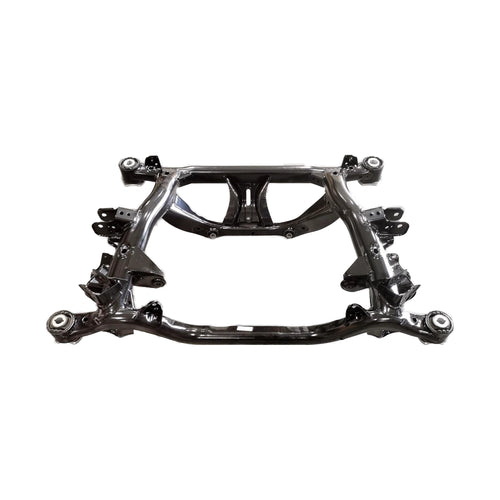
- Control arms and bushingsStrut front and five-link rear, check the damper type fitted before ordering
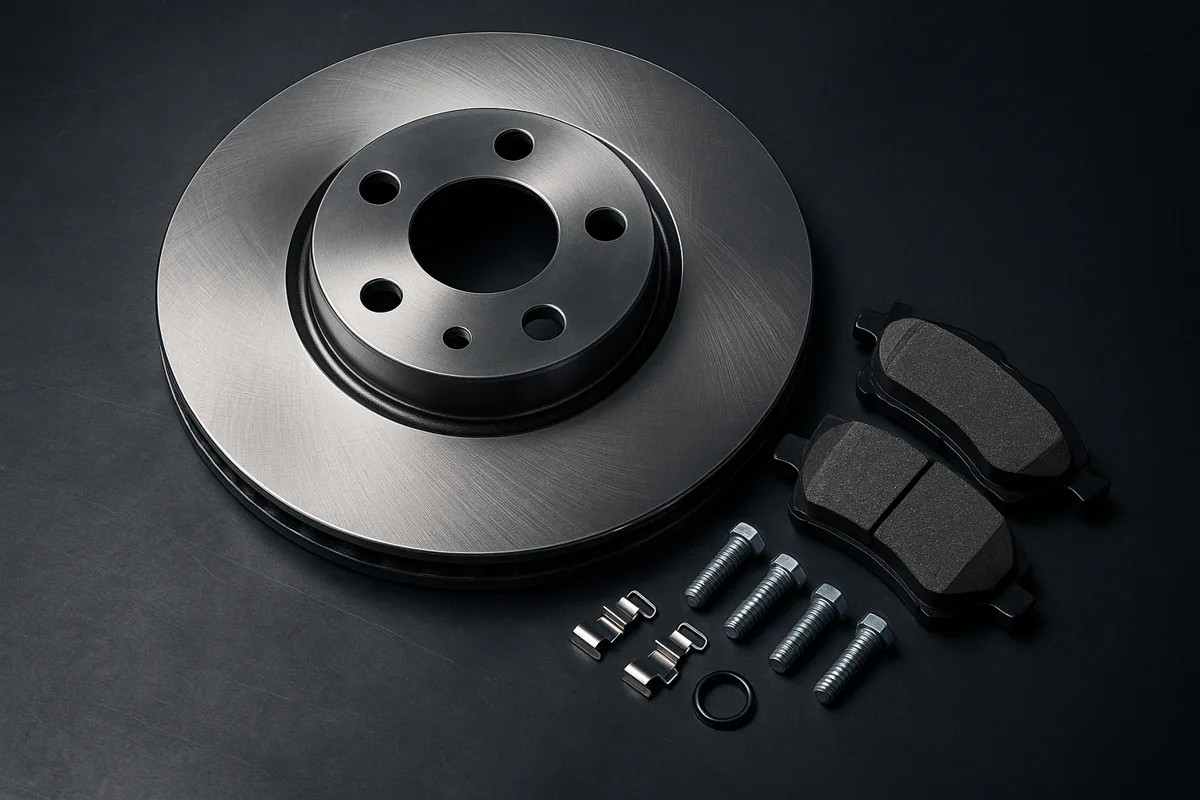
- Brake discs and padsMatch to the caliper and disc on the car, not to the trim name
- Powertrain and motor mountsRear-drive and all-wheel-drive cars carry different motors, so match mounts by OE number
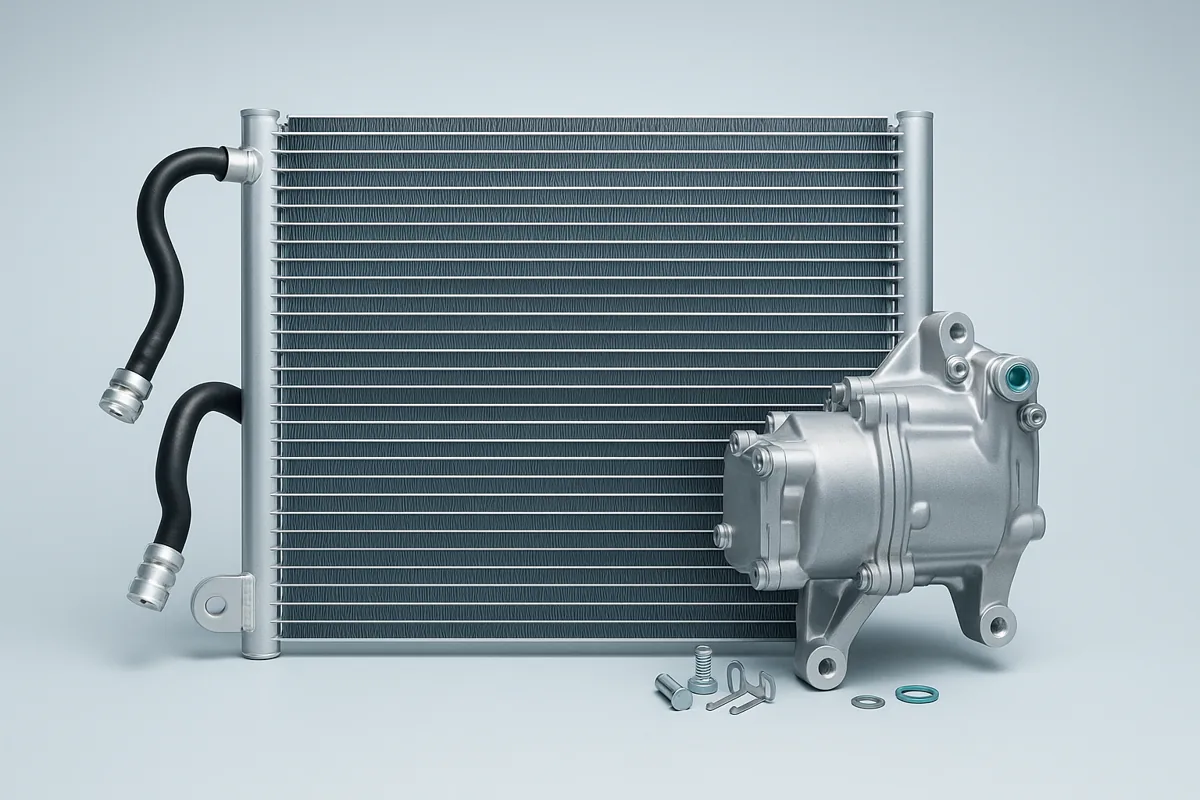
- Air-conditioning compressor and condenserCooling serves the cabin and the battery, so match each part by OE number
About Fangchengbao Tai 3 Parts
The Fangchengbao Tai 3 is a compact electric SUV. It is 4,605 mm long on a 2,745 mm wheelbase, and it is the brand's first car with a monocoque body. It went on sale on 16 April 2025, either with one rear motor driving the rear wheels or with two motors driving all four. In March 2026 flash-charging versions arrived, with a new battery and stronger motors under the same body. That gives two questions to settle before ordering parts. The first is whether the car is rear-drive or all-wheel drive. The second is whether it is a launch car or a flash-charge car. Wheels, tyres, motors and some chassis parts follow the drive layout. The battery, motors and charging hardware follow the build date. Every part on this page is listed by its OE number, and matching that number on the old part is the surest way to confirm a fit.
What to know before buying Fangchengbao Tai 3 parts
Start with the drive layout. Rear-drive cars leave the factory on 18-inch wheels with 235/60 R18 tyres. All-wheel-drive cars use 19-inch wheels with 245/50 R19 tyres. If the wheels are original, the tyre sidewall tells you which car you have. The trim name is less reliable, because Max and Ultra trims exist in both layouts. On the launch car, the rear-drive version uses a single 160 kW rear motor. The all-wheel-drive version pairs a 110 kW AC induction motor at the front with a 200 kW permanent-magnet motor at the rear. The front and rear motors are different kinds of machine and do not interchange. The rear motor of an all-wheel-drive car is also a different unit from the single motor of a rear-drive car.
Then check the build date on the identification plate. The flash-charging cars launched on 13 March 2026 look the same from outside and keep the same dimensions. Underneath, they use a second-generation Blade battery, a 240 kW rear motor on both layouts and, on all-wheel-drive cars, a 135 kW front motor. Do not assume that motors, battery or high-voltage charging parts from a launch car fit a flash-charge car, or the other way round. An entry-level rear-drive flash-charge version with a smaller battery followed in August 2026. Match battery parts by OE number even within the flash-charge range.
Some parts vary by trim rather than by year. Damping differs across the range. Some cars have conventional dampers and others have the DiSus-C adaptive system, which reached a rear-drive car with the rear-drive Ultra in September 2025. Check which one is fitted before ordering a damper. Brake hardware should be matched to the caliper and disc on the car rather than to the trim name. The drone version is 1,930 mm tall against 1,720 mm for other versions, because it carries a drone hangar on the roof. Roof trim and anything mounted up there belong to that version alone. Glass roofs also differ between trims, with some opening and some fixed, so match roof glass by OE number.
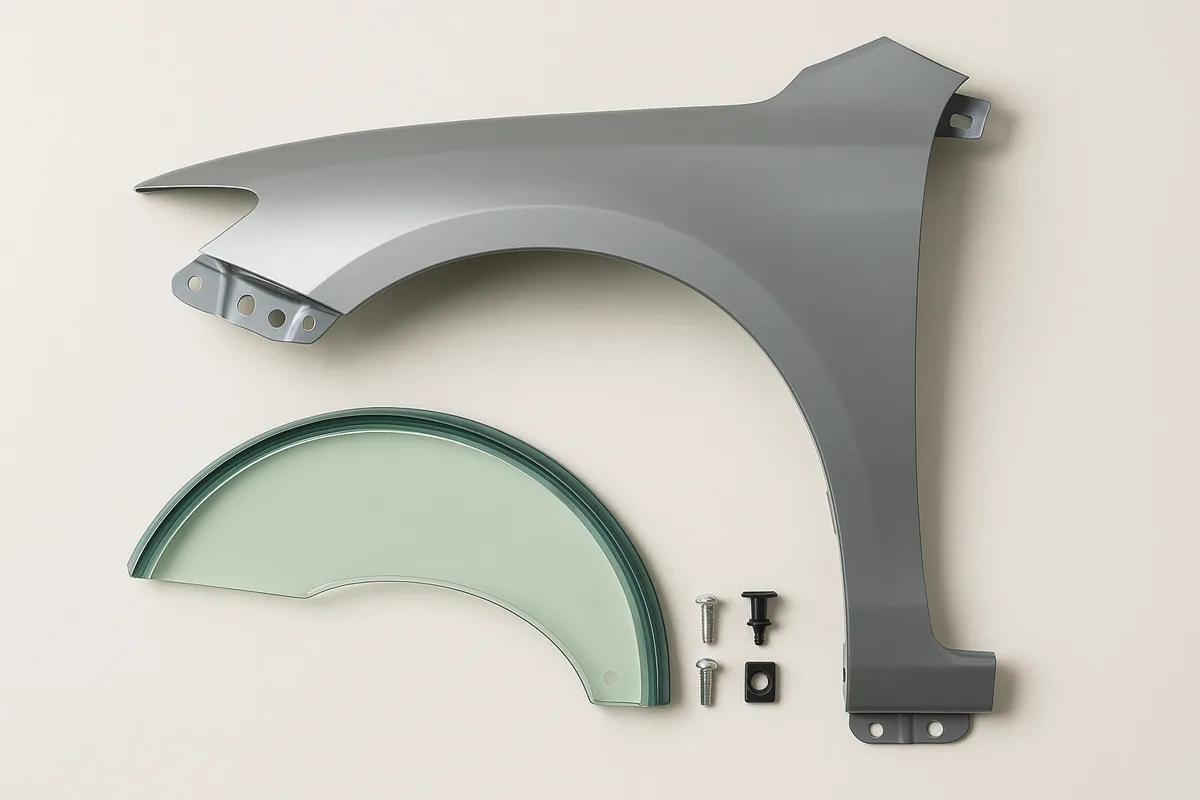
The driver-assistance hardware changed with the flash-charge cars too. The launch car carries 12 cameras, five millimetre-wave radars and 12 ultrasonic sensors as standard. Flash-charge cars use a different sensor mix that can include a lidar unit. The ultrasonic sensors sit in the bumpers, so a bumper repair often needs sensors and brackets as well as the cover. Order painted panels by the colour code on the car rather than by colour name, since new colours have been added since launch.
Before You Order: 8 Checks
- Read the tyre size on the sidewall to confirm the drive layout: 235/60 R18 is rear-drive and 245/50 R19 is all-wheel drive. Settle this before ordering motors, wheels or chassis parts.
- Match the OE number on the part you are replacing to the OE number on the listing before you order.
- Check the build date on the identification plate before ordering battery, motor, charging or sensor parts, since the flash-charge cars from 13 March 2026 changed all four.
- Check whether the car has DiSus-C adaptive damping or conventional dampers before ordering a damper.
- Confirm whether the car has the drone system before ordering roof trim or hangar parts, and match roof glass by OE number.
- Look at the caliper and disc on the car, then order discs and pads to suit them.
- After bumper damage, check the parking sensors and their brackets as well as the cover, and order each sensor by its OE number.
- Order painted panels by the colour code on the car rather than by colour name.
Generations and Facelifts
The Tai 3 began as the Super 3 concept, shown at the Beijing motor show in April 2024. Pre-orders opened on 31 March 2025, and the car launched on 16 April 2025 in five versions: rear-drive Pro and Max, and all-wheel-drive Max, Ultra and Ultra with the drone system. Rear-drive cars used a 65.28 kWh Blade battery, and all-wheel-drive cars a 72.96 kWh or 78.72 kWh pack. It was Fangchengbao's first monocoque car and has nothing structural in common with the body-on-frame Bao 5.
On 28 September 2025 a rear-drive Ultra joined the range. It adds DiSus-C adaptive damping, which the rear-drive Max lacks, and at the same time two new colours, Glimmer Pink and Ice Crystal Blue, became available across the whole range. Since then, damper type has depended on the trim as well as the drive layout.
The flash-charging versions launched on 13 March 2026 on the same body and dimensions. They moved to a 75.6 kWh second-generation Blade battery that charges from 10% to 70% in about five minutes. The rear motor rose to 240 kW, and all-wheel-drive cars gained a 135 kW front motor, for 375 kW in total. Top speed rose from 201 km/h to 210 km/h, and the driver-assistance sensors changed, with a lidar unit now available. In August 2026 an entry-level rear-drive flash-charge version arrived with a smaller battery and the same 240 kW motor.
The Tai 3 has had no facelift, and the bodywork has not changed since launch. For parts, the important split is the battery, motors, charging hardware and sensors on either side of March 2026. Read the build date on the identification plate before ordering any of them.
Fangchengbao Tai 3 Parts: Frequently Asked Questions
How do I make sure a part fits my Fangchengbao Tai 3?
Match the OE number. Every part on this site is listed under the OE number printed on the original part. If the number on the part you are replacing matches the listing, the part fits. That check matters on the Tai 3 because rear-drive and all-wheel-drive cars differ underneath, and the flash-charge cars from March 2026 look identical to launch cars while using a different battery and motors. If the old part is missing or its number is unreadable, send a photo through the quote form and we will reply within 24 hours, usually sooner.
How can I tell a rear-drive Tai 3 from an all-wheel-drive one?
Read the tyre sidewall. If the wheels are original, rear-drive cars run 18-inch wheels with 235/60 R18 tyres, and all-wheel-drive cars run 19-inch wheels with 245/50 R19 tyres. The trim name is less reliable, since Max and Ultra trims exist in both layouts. The layout matters because the motors, wheels, tyres and several chassis parts follow it. Once you know which car you have, confirm each part by the OE number on the one you are replacing.
Is the front motor on an all-wheel-drive Tai 3 the same as the rear motor?
No. On the launch car the front motor is a 110 kW AC induction unit and the rear motor is a 200 kW permanent-magnet synchronous unit. They are different kinds of machine and do not interchange. The rear-drive launch car uses its own 160 kW rear motor. Flash-charge cars from March 2026 changed again, with a 240 kW rear motor and, on all-wheel-drive cars, a 135 kW front motor. Check the build date, then order every motor by the OE number on the unit being replaced.
Do launch-car batteries and motors fit a flash-charge Tai 3?
Do not assume so. The flash-charge cars, launched on 13 March 2026, use a 75.6 kWh second-generation Blade battery built to charge at far higher power. Launch cars used 65.28 kWh, 72.96 kWh or 78.72 kWh packs. The motors changed at the same time. An entry-level rear-drive flash-charge version with a smaller battery followed in August 2026. Read the build date on the identification plate, then match any battery, motor or charging part by its OE number.
What tyres does the Tai 3 use?
There are two sizes, and each goes with one drive layout. Rear-drive cars use 235/60 R18, and all-wheel-drive cars use 245/50 R19. Chinese press reports name Continental EcoContact 6 Q and Giti Control P10 as original tyres in the 19-inch size. The two sizes cannot be swapped without changing the wheels as well. Read the size on the sidewall of the tyres already fitted before ordering tyres or rims, and match the wheel size to the car.
Does every Tai 3 have adaptive dampers?
No. The DiSus-C adaptive damping system is fitted to some versions and not others. The all-wheel-drive Max is reported with adjustable dampers. In September 2025 a rear-drive Ultra joined the range with DiSus-C, which the rear-drive Max does not have. Adaptive and conventional dampers are different parts, and the adaptive units have their own wiring. Check which system the car has before ordering a damper, and match it by the OE number on the old unit.
Why is the drone version taller than other Tai 3s?
The drone version carries a roof-mounted hangar for its DJI drone. That makes it 1,930 mm tall against 1,720 mm for every other Tai 3. Length, width and wheelbase are the same as the rest of the range. The hangar hardware and the roof trim around it belong to that version alone. Glass roofs also differ between trims, so roof glass should be matched by OE number. Before ordering anything for the roof, confirm whether the car has the drone system.
Which brake parts fit my Tai 3?
Every Tai 3 uses ventilated discs front and rear with an electronic parking brake. Brake hardware can still differ between versions, so the model name alone is not enough to order by. Look at the caliper and disc actually fitted, and read the OE number from the old disc, pad or caliper before ordering. Order the caliper to suit the disc, and the pads to suit both. If a number has worn away, send a photo through the quote form.
Do I need new sensors after bumper damage?
Often. The launch car has 12 cameras, five millimetre-wave radars and 12 ultrasonic sensors as standard. Flash-charge cars use a different sensor mix that can include a lidar unit. The ultrasonic sensors sit in the bumpers, and a bracket bent in a light knock can cause a warning by itself. Check the sensors and their brackets as well as the cover, and order each sensor by the OE number on the old unit. Have a workshop check the driver-assistance system after the repair.
Does the Tai 3 share parts with the Bao 5 or Bao 8?
Very little. The Bao 5 and Bao 8 are body-on-frame plug-in hybrids. The Tai 3 is an electric car with a monocoque body, the first from Fangchengbao. Body panels, suspension and the drive system are different designs. Some small items such as clips or switches may carry the same part number across models, and the OE number is the only way to know. Do not order from Bao listings by assumption. Check each number against the part on your car.
What does the build date on the identification plate tell me?
It tells you whether the car is a launch car or a flash-charge car. Both have the same bodywork and dimensions, so the outside of the car gives no clue. Flash-charge versions went on sale on 13 March 2026 with a new battery, stronger motors and a different driver-assistance sensor set. Read the build date before ordering battery, motor, charging or sensor parts. Treat cars from either side of the change as needing different parts until the OE number shows otherwise.
How should I order a painted panel for a Tai 3?
Order by the colour code on the car rather than by colour name. The Tai 3 has gained colours since launch, including two added across the whole range in September 2025, and similar-looking shades can carry different codes. Quote the colour code with the OE number of the panel you need. For bumpers, also check that the sensor holes and brackets match the car, since the sensor set differs between launch and flash-charge versions.