Airbags & SRS
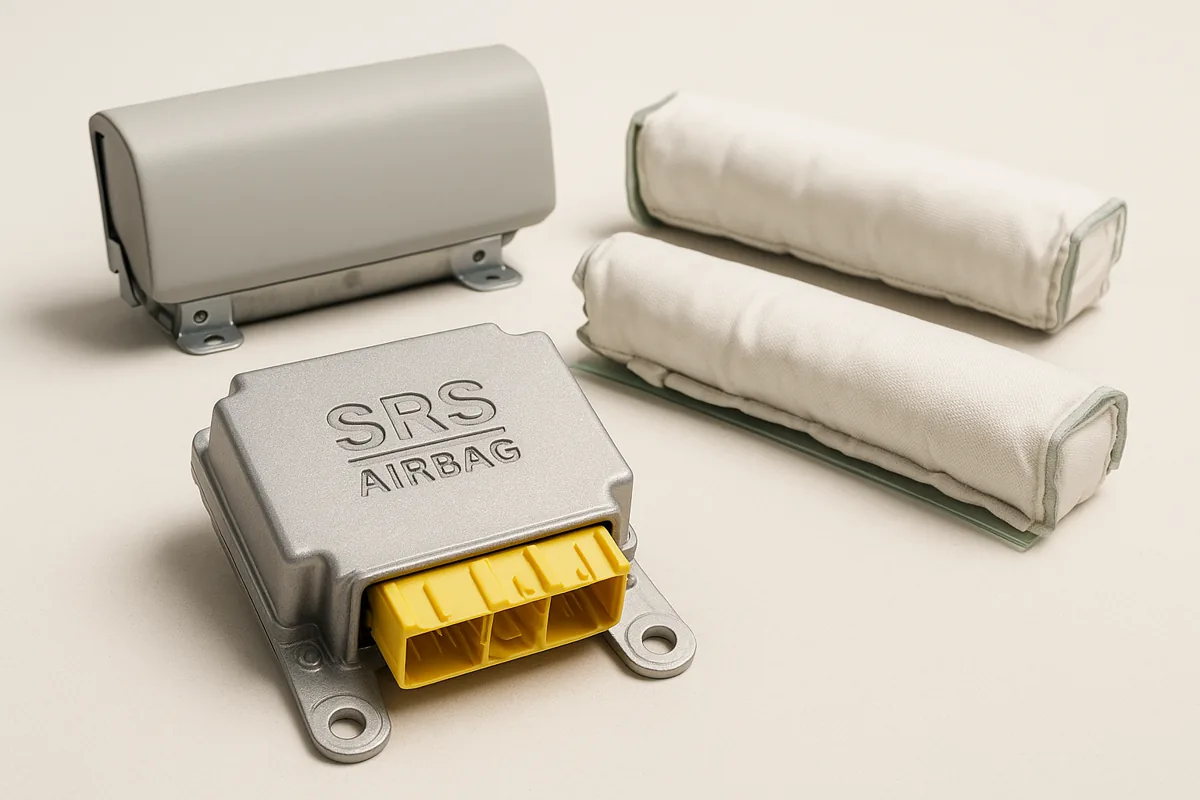
Shop Airbags & SRS by Part Type
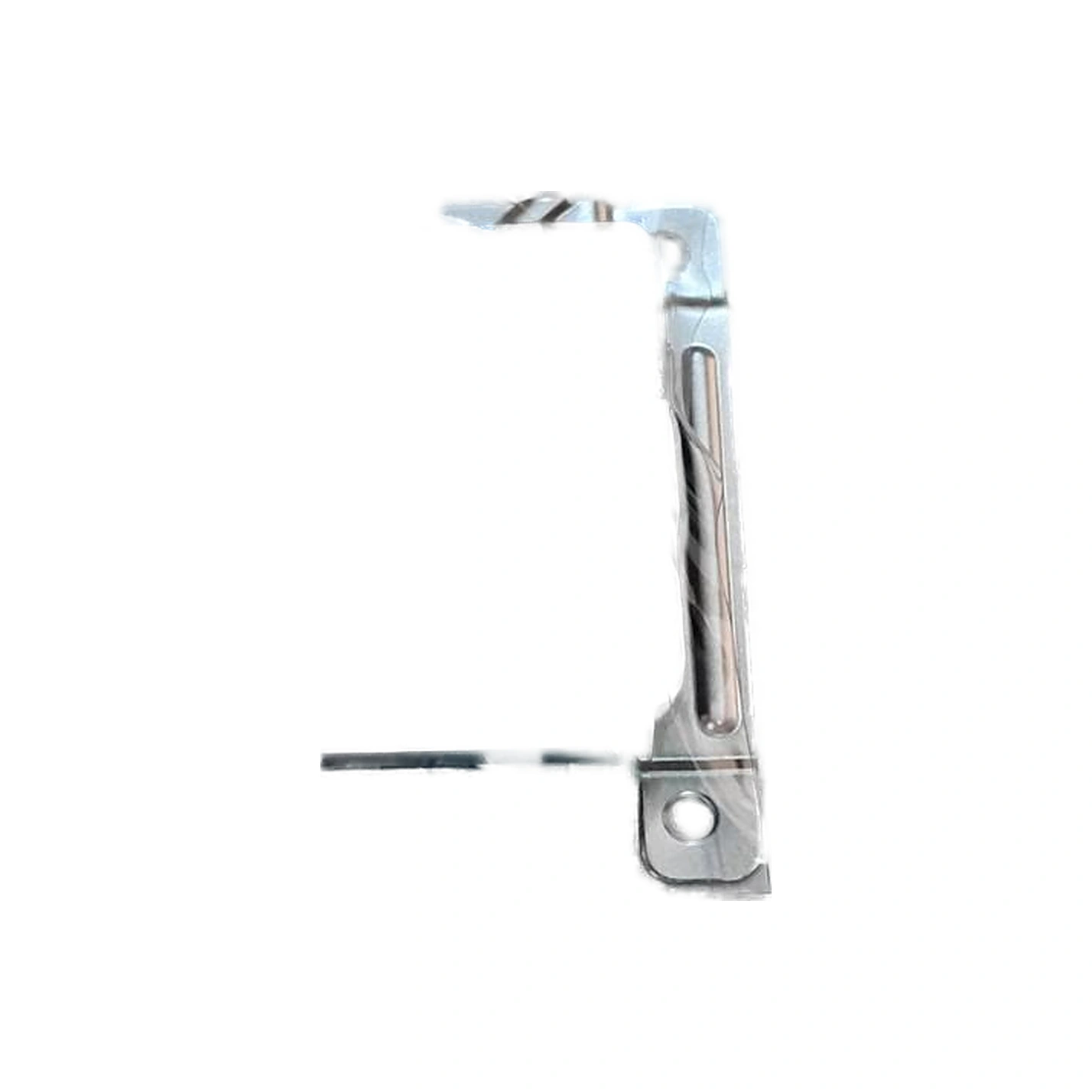
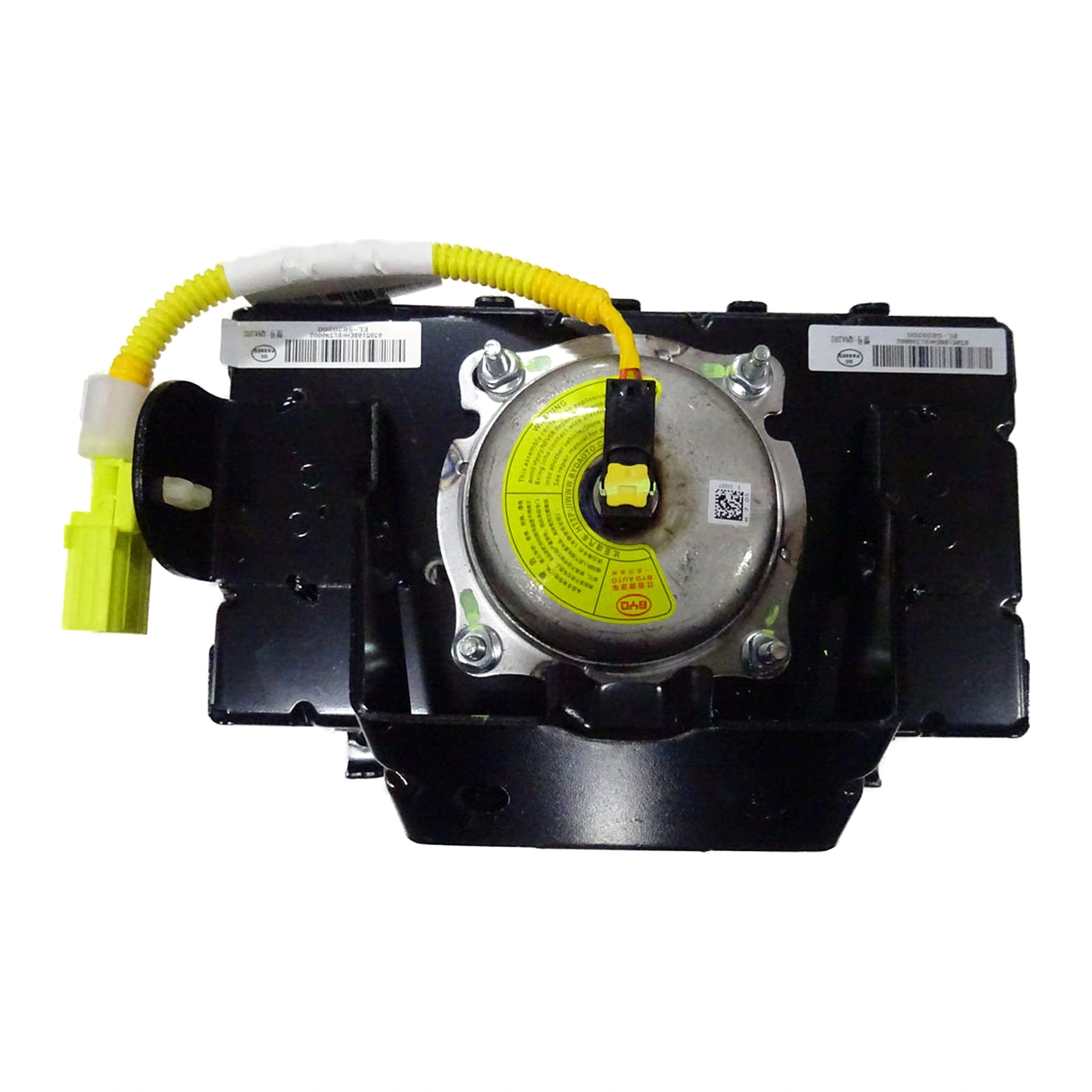
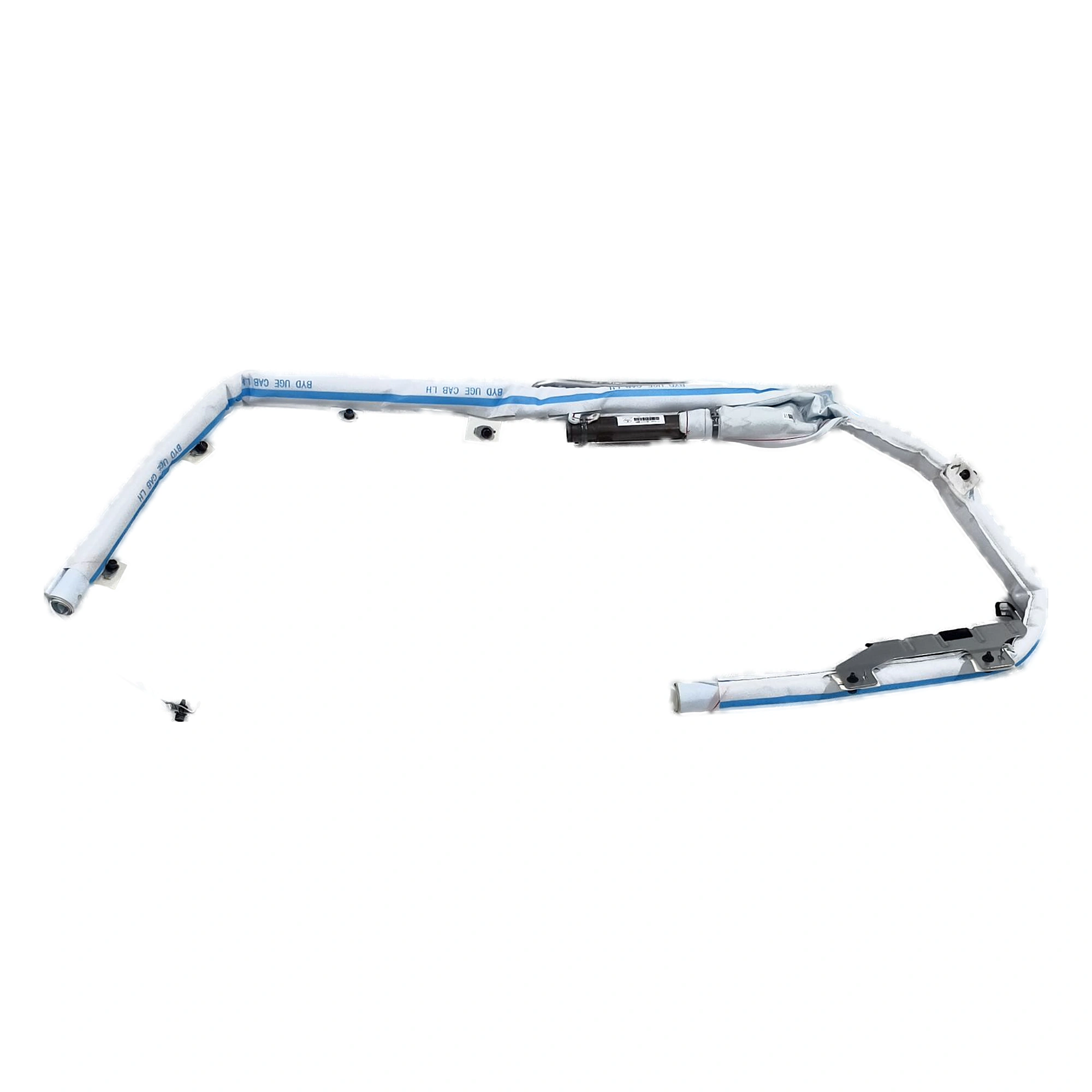
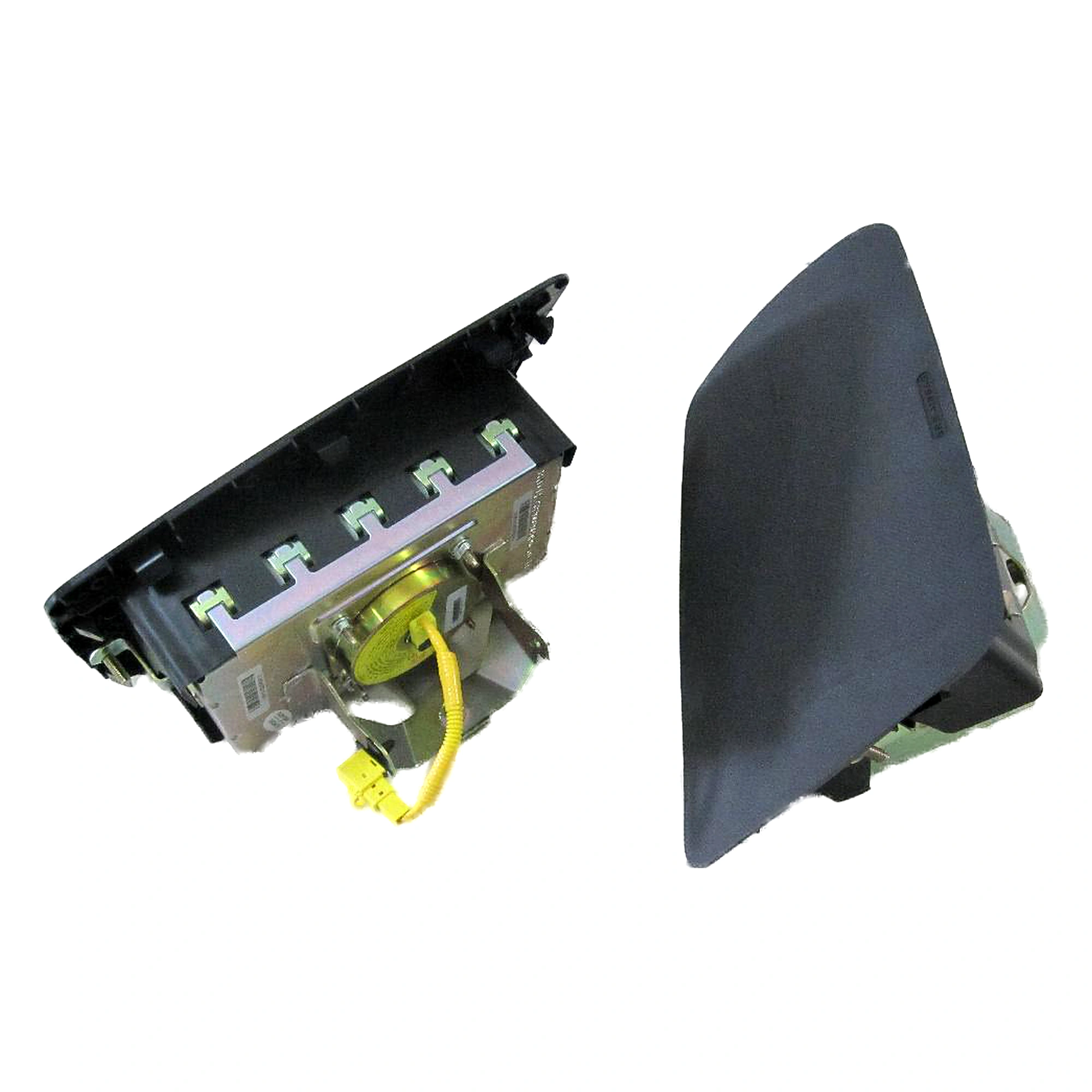
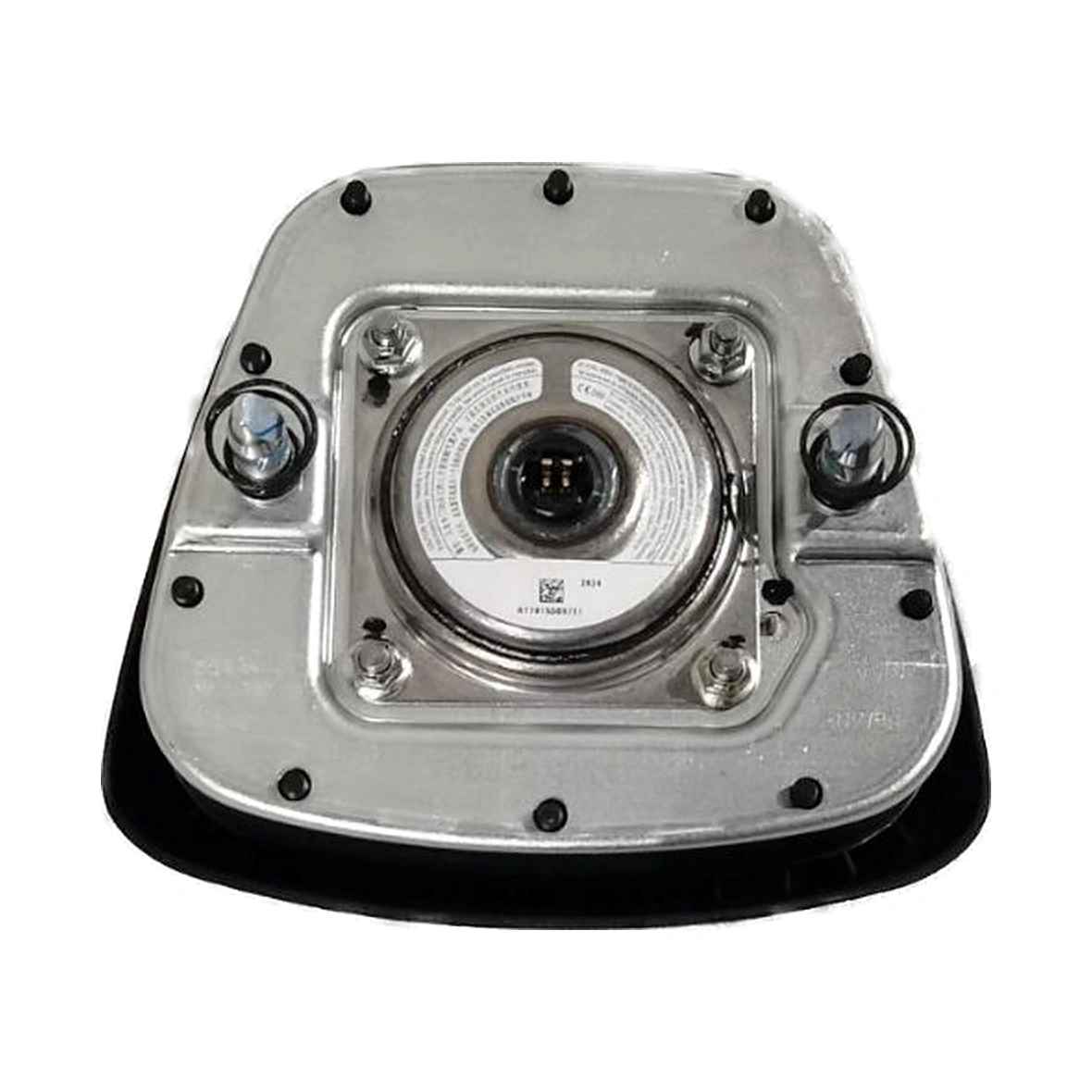
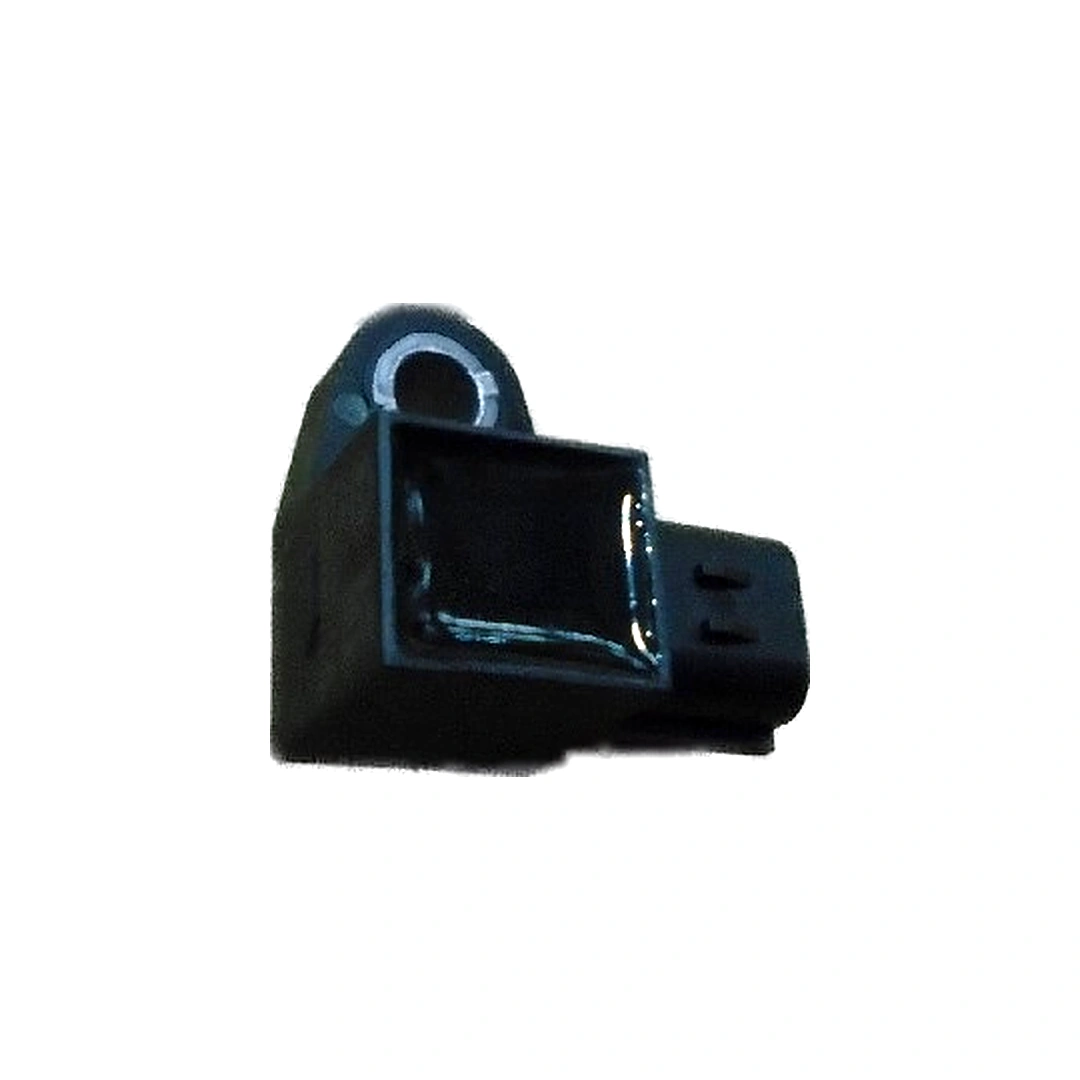
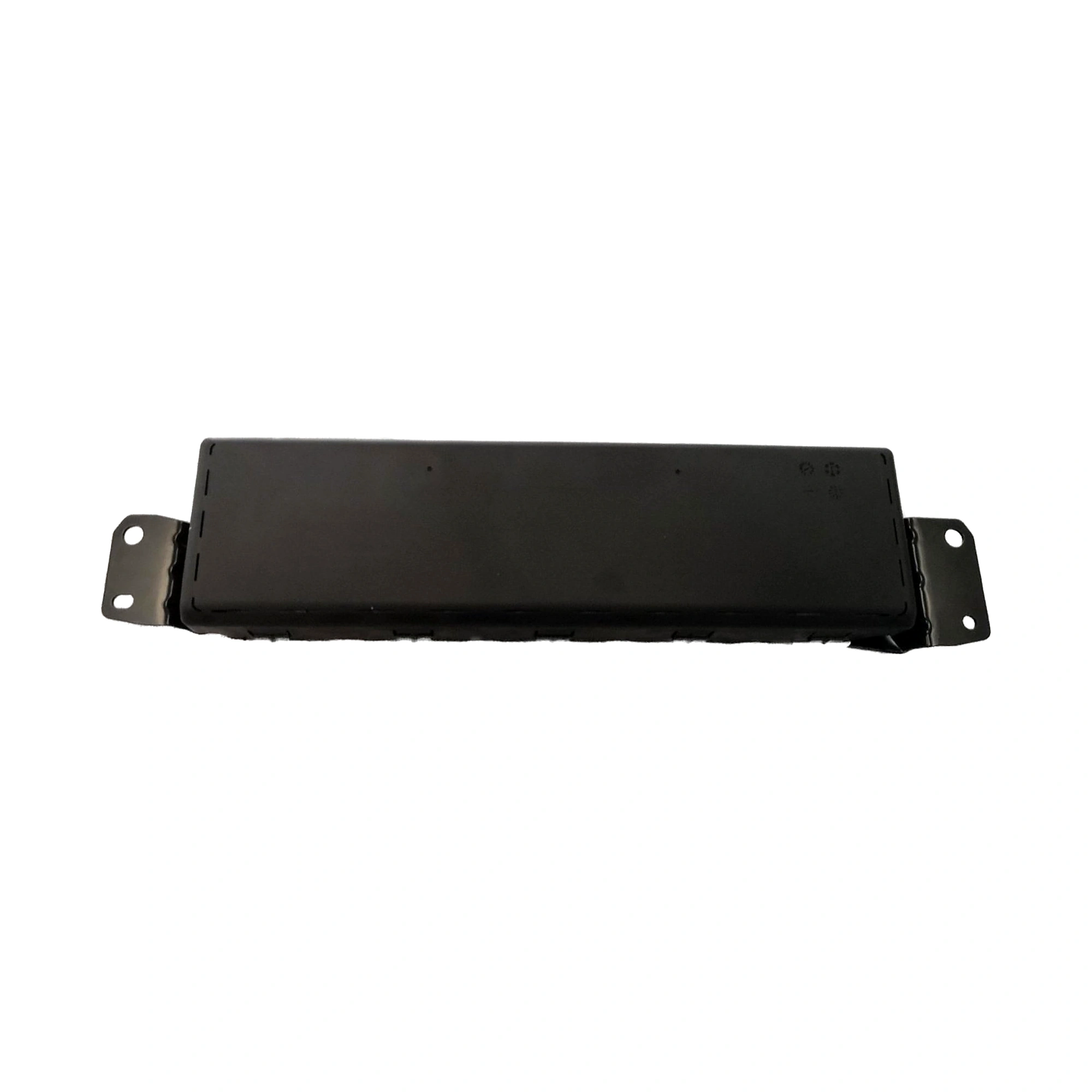
Popular Right Now
scroll for more →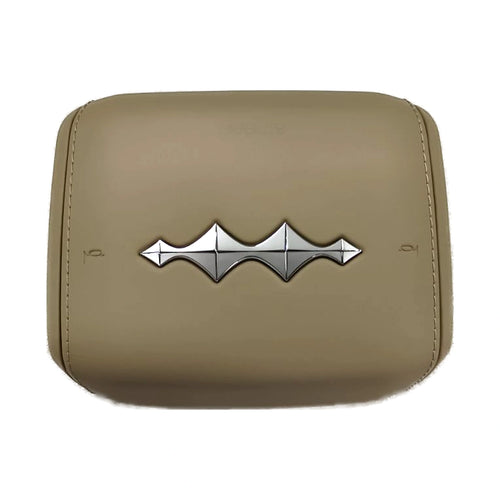
Symptom Finder: What Is Actually Broken?
| What you see or hear | Part to check first |
|---|---|
| Airbag warning lamp stays lit after start-up | SRS electronic control unit or a sensor circuit |
| Horn and steering wheel buttons dead, SRS lamp on | Clock spring (SRS) |
| Fault appears after seat or door trim work | Side impact sensor or its connector |
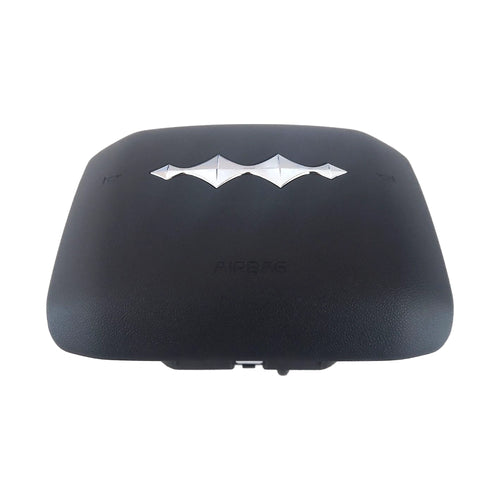
| Airbags fired in a collision | Driver and front passenger airbag modules |
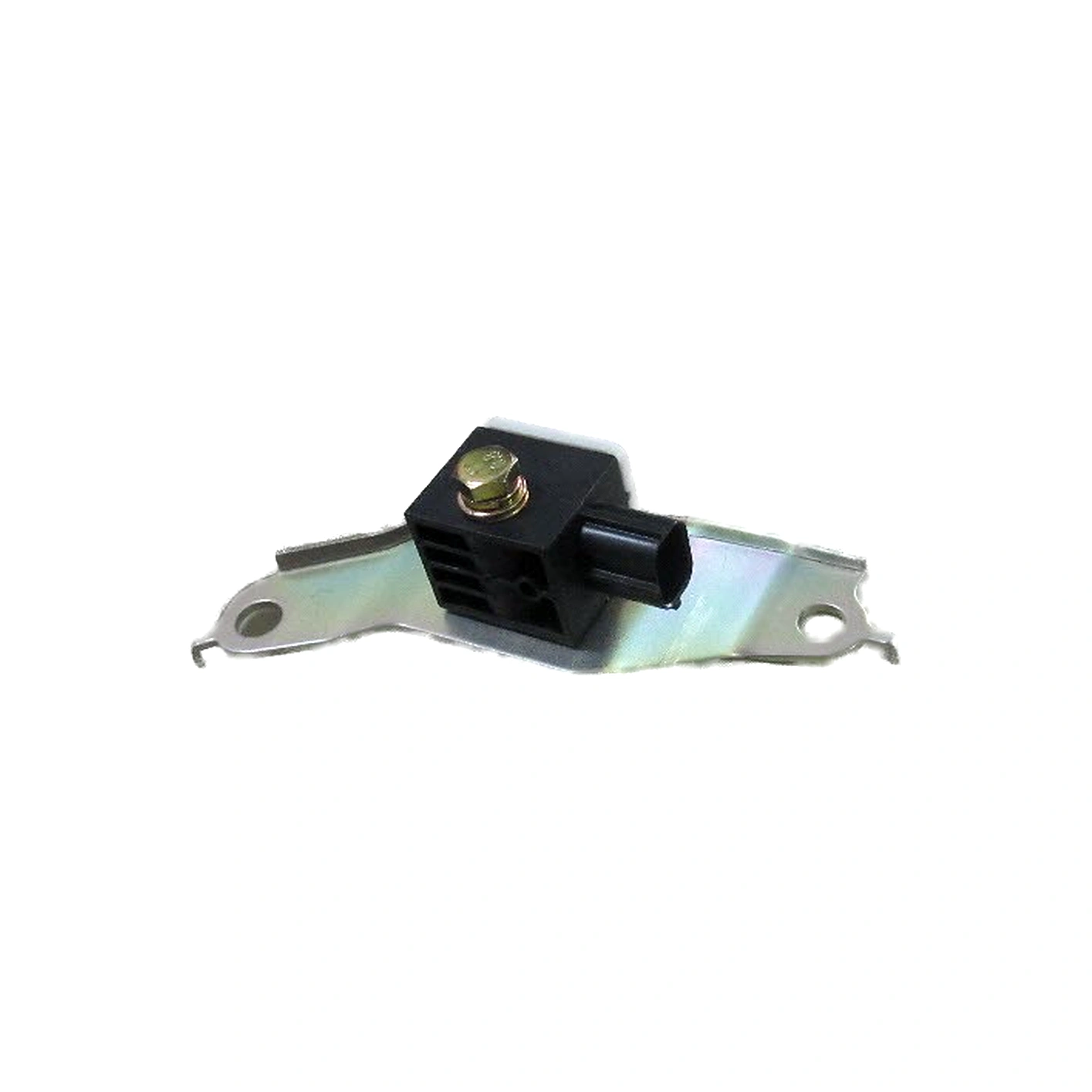
| Split or lifting pad on the dashboard face | Passenger airbag and trim cover assembly |
| Code logged after a low-speed front impact | Front impact sensor |
About Airbags & SRS
SRS stands for supplementary restraint system, and that first word is the whole design brief: airbags work with the seat belts rather than in place of them. A control unit sits low in the centre of the car reading accelerometers in the front rails, the door sills and the rear quarters. When the deceleration signature matches a genuine crash it fires only the modules the impact calls for, whether that is driver, front passenger, knee, side or curtain, and the whole event is over in roughly thirty milliseconds. Behind the steering wheel a clock spring keeps the circuit to the driver module intact while the wheel turns, using a flat ribbon coiled inside a cassette. Every squib circuit is monitored, so the system self-tests at each ignition cycle and lights the warning lamp as soon as a resistance drifts out of range. A deployed module is scrap. Nothing in this system is refilled or reset mechanically.
What to know before buying Airbags & SRS parts
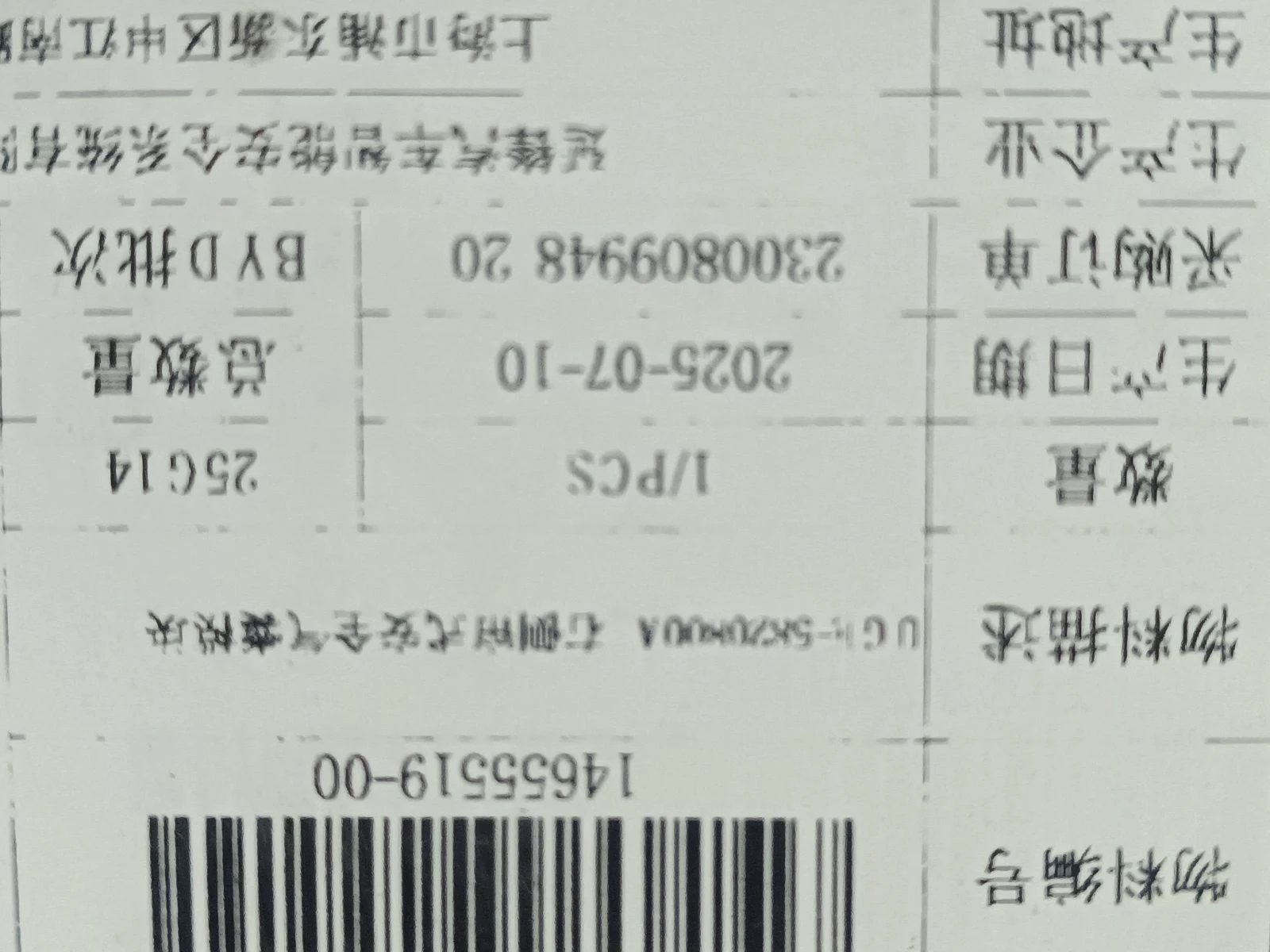
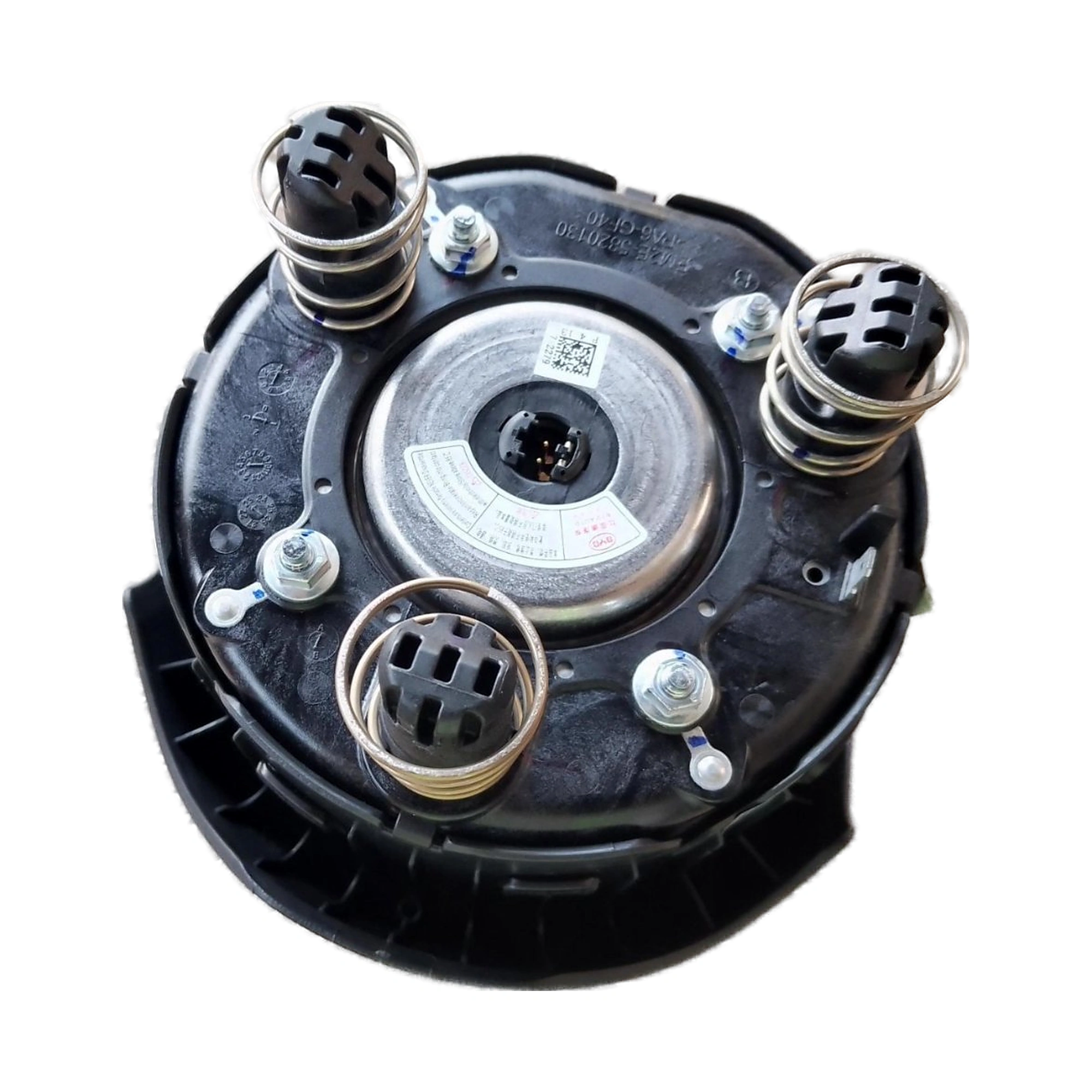
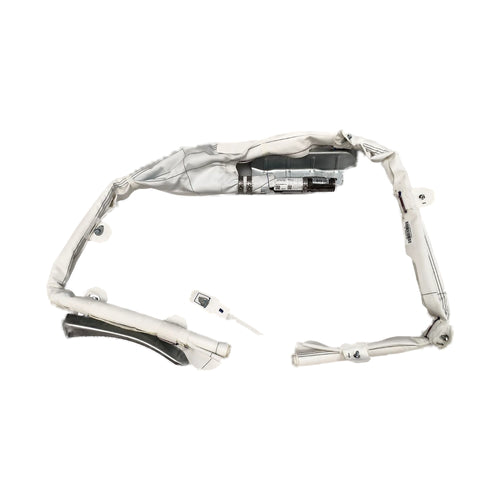
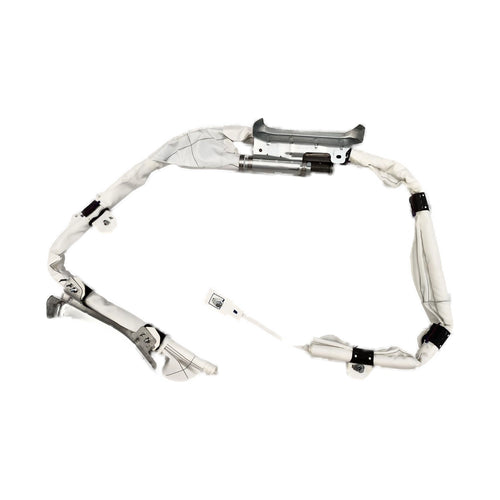
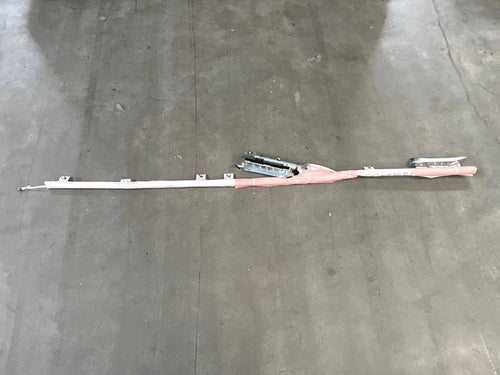
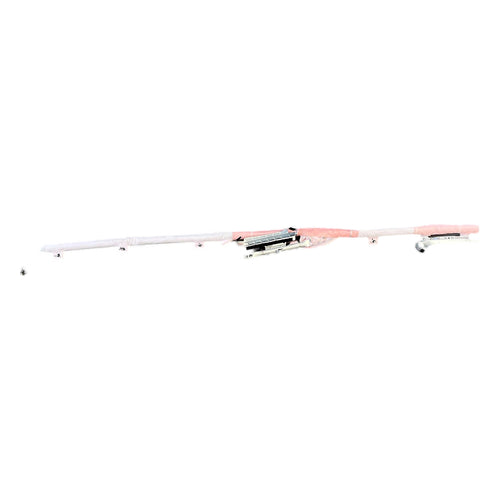
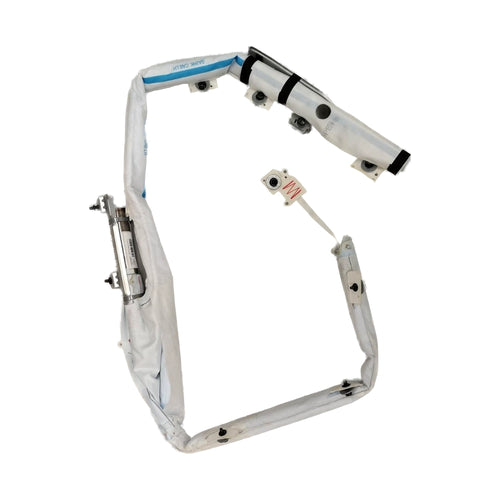
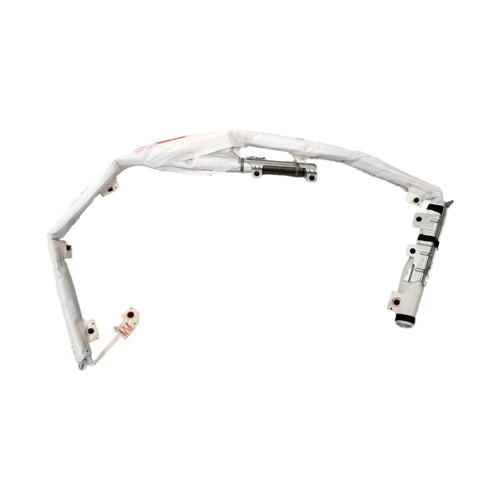
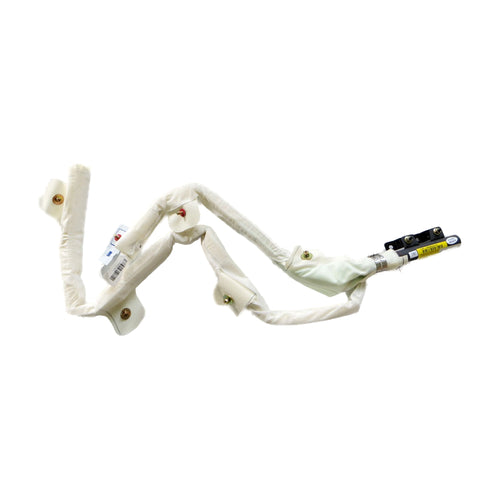
Order the individual element rather than a system. Restraint parts are catalogued the way the factory assembles them. The listings cover driver airbag modules and front passenger modules. They also include passenger airbag and trim cover assemblies, plus curtain modules given separately for left and right. Knee airbag modules, front and side impact sensors, clock springs and the SRS electronic control unit are listed too.
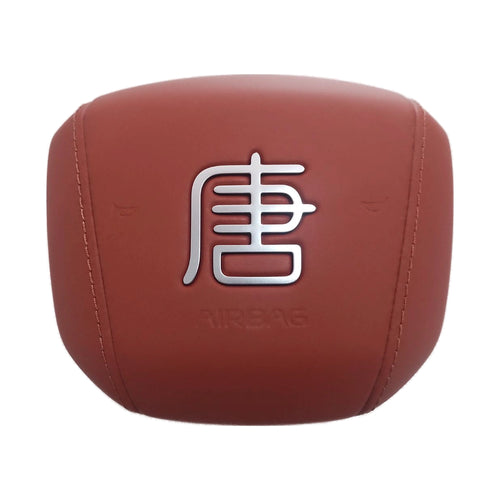
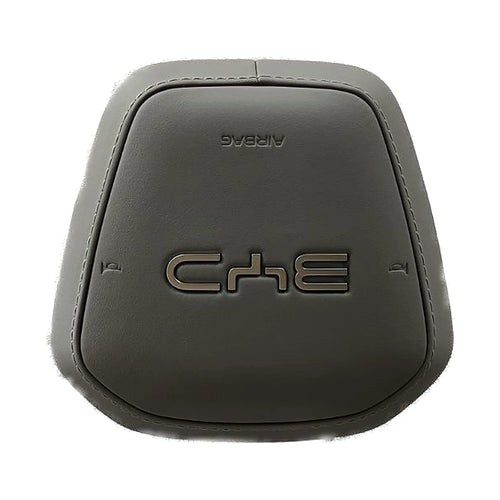
Driver modules repeat several times under colour names such as Dark Black 5, Sea Salt Grey and Langya Ochre. The module carries the visible centre pad of the steering wheel, so it has to match the interior.
Use the OE number printed on the old unit to settle fit, never model and year. Restraint hardware changed mid-generation far more often than bodywork did. Priced items can be ordered straight from the listing. Anything without a price is still in the catalogue and can be quoted against the same factory reference.
Coverage is strongest across the BYD group and widens brand by brand as new catalogues are loaded. The live price range for the category sits in the band at the top of this page.
Before You Order: 6 Checks
- Read the OE number from the label on the old module, sensor or control unit and match it exactly.
- Driver modules are colour specific. Check the trim name on the label, not the photograph.
- Left and right are given as seen from the driver's seat facing forward, which matters for curtain modules and side sensors.
- A control unit needs coding to the vehicle after fitting. Confirm your workshop has the tooling before ordering.
- After a deployment, replace the sensors in the impacted zone as well as the modules. They are one-shot items too.
- Pyrotechnic parts ship under dangerous goods rules, so confirm the destination and carrier before ordering.
What Changed and Why
Restraint hardware is tightly regulated, and UN Regulations 94 and 95 for frontal and side impact set the performance the modules and sensors have to meet. Two developments matter for repair. Side curtain coverage has extended rearwards as side pole tests got harder, so cars now carry left and right curtain modules as separate long assemblies rather than short head bags. On battery electric vehicles the crash signal also commands high voltage isolation, which means the restraint control unit and the battery contactors now talk to each other, and a post-collision inspection covers both.
Airbags & SRS: Frequently Asked Questions
Why is my airbag warning light on?
The control unit checks every squib circuit, sensor and connector each time you switch on, and it lights the lamp the moment one reading falls outside its window. Common causes are a worn clock spring, a corroded connector under a seat, a disturbed side impact sensor after door work, or a stored crash record in the control unit. A scan tool reads the exact code in minutes and points at the part. Get the code first, then match the part number for that component from this category rather than guessing at the module.
What does a clock spring do and how do I know mine has failed?
It is a flat ribbon cable coiled inside a cassette behind the steering wheel that keeps the driver airbag, horn and wheel buttons connected while the wheel rotates. When the ribbon wears through, the symptoms cluster: the airbag lamp comes on, the horn goes dead, the cruise or audio buttons stop responding, and you may hear a faint clicking as the wheel turns. It is a wearing part, replaced as its own assembly and listed here separately from the airbag module. Centre the wheel before removal so the new unit stays timed.
Can a deployed airbag be repacked or reused?
No. The module contains a pyrotechnic inflator that burns once, and the fabric, the cover and the folding pattern are all consumed in the event. Anything sold as a repacked or reset module is unsafe and, in most markets, illegal to fit. Replace the deployed module with a new one carrying the matching OE number, and replace the impact sensors in the same zone, because those are also one-shot items in many designs. The control unit will hold a crash record that a workshop must clear or the unit itself must be replaced.
Do I need to replace the airbag control unit after a crash?
Usually yes, if the airbags actually deployed. Most control units write a permanent crash record to memory and refuse to arm the system afterwards, which is deliberate: the unit has no way to prove its own internal sensing survived the impact. Fitting a replacement unit is the clean route, and it is listed here as its own part under its OE number. Budget for coding, because a new unit arrives blank and has to be matched to the vehicle before the warning lamp will go out.
Why are driver airbag modules listed in different colours?
Because the module is not hidden. On most cars the driver airbag forms the visible centre pad of the steering wheel, so the factory produces it in each interior colour the car was sold in, with names such as Dark Black 5, Sea Salt Grey, Eclipse Blue and Storm Beige. The mechanism inside is common, the cover is not. Read the colour name from the label on your old module or from the vehicle build record, then order the listing that names it. A mismatched shade works perfectly and looks wrong every single day.
How do I match the right SRS part for my car?
Work from the OE number stamped or stickered on the part you are replacing. Restraint hardware was revised often within a single model run, sometimes to change a sensor type and sometimes to change nothing you can see, so model and year are not enough to settle fit. Pull the trim, photograph the label, and search that number. If your number brings back no result, send it through the quote form and it gets checked against the factory catalogue rather than guessed at. Superseded numbers are shown on the listing where they exist.
What are impact sensors and where do they sit?
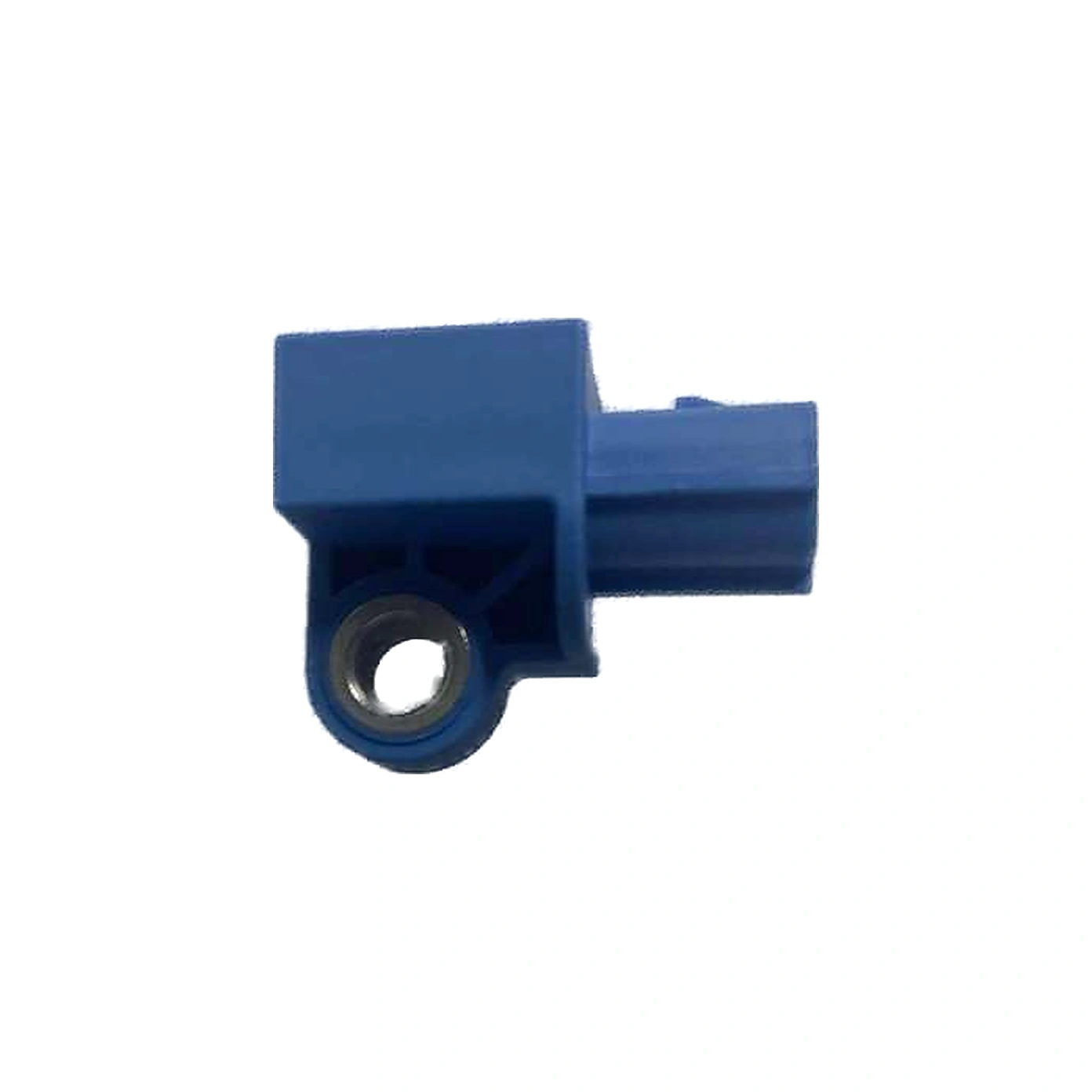
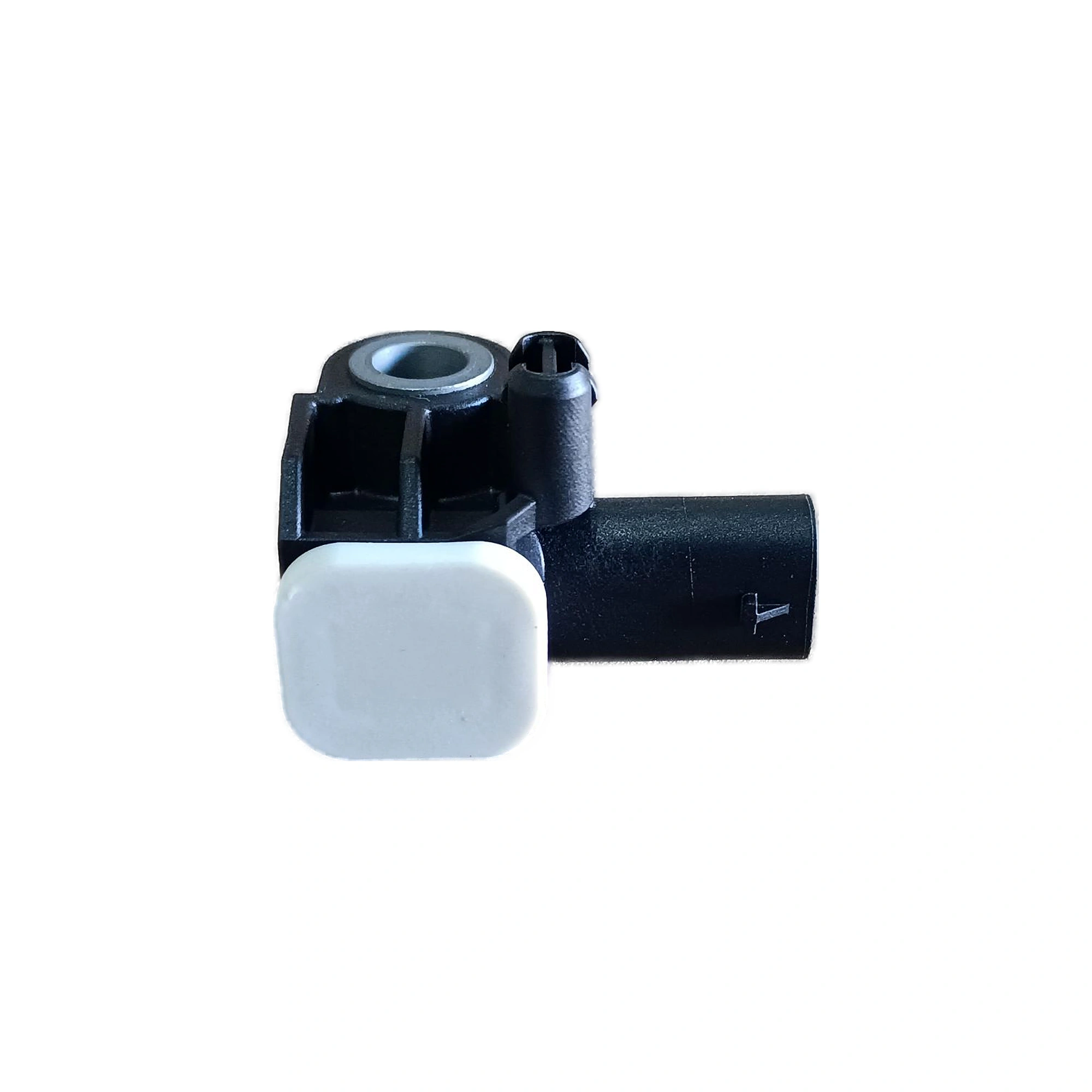
They are small accelerometers or pressure sensors bolted to the structure, feeding the control unit information it cannot get from its own internal sensing. Front impact sensors mount on the front rails or the radiator support so they see a frontal hit early. Side impact sensors sit in the door cavities, the B pillars and the rear quarters. Each is listed separately here, often with a bracket, because the mounting angle is part of the calibration. Never relocate one or fit it without its bracket. The reading depends on where and how it is held.
Is it safe to drive with the airbag light on?
The car will drive, but the restraint system is telling you it cannot be relied on to fire correctly, and in some faults it disarms itself entirely. In most European and UK inspection regimes an illuminated SRS lamp is a test failure. Treat it as urgent rather than an emergency: get the code read, order the part the code names, and fit it. The most common answers are cheap, a clock spring or a connector, and the diagnosis costs far less than the assumption that the whole system has failed.
What is the difference between a curtain airbag and a side airbag?
A side airbag is small and lives in the outer bolster of the seat, protecting the torso. A curtain airbag is a long fabric tube stored in the roof rail above the doors that drops down to cover the side glass and protect the head, and it stays inflated far longer to help in a rollover. They are separate parts with separate OE numbers, and this category lists curtain modules individually for left and right. Deployment of one does not always mean the other fired, so inspect both before you build a parts list.
What does an airbag part cost?
Small items such as a clock spring, a single impact sensor or a trim cover sit at the low end of the category. Complete driver and passenger modules, curtain assemblies and the control unit itself run to a few hundred dollars, since each contains a certified pyrotechnic charge and its own electronics. The live minimum and maximum for the category are shown in the band at the top of this page and on each listing. Where a part shows no price, the quote form returns a current figure against the same OE number.
Can I fit airbag parts myself?
Sensors, clock springs and trim covers are within reach of a careful home mechanic, provided you disconnect the twelve volt battery and wait for the reserve capacitor to discharge before touching a connector. Airbag modules and control units are a different matter: they need correct handling, correct torque, and in the case of the control unit, coding to the vehicle afterwards. A sensible split is to order the part yourself from this category and have a workshop fit and clear the codes, which is a short job once the correct part is in hand.
How are pyrotechnic parts shipped?
Airbag modules and pretensioner assemblies are classed as dangerous goods, so they travel under specific packaging and documentation rules and cannot go by every route into every country. Sensors, clock springs and covers carry no charge and ship normally. Check the listing before you commit, and if you are unsure whether your destination can accept a live module, ask through the quote form first. Non-pyrotechnic parts in this category, which is most of the sensor and cover listings, move as ordinary freight with duties and import tax already covered at checkout.
The SRS part I need has no price. Can I still order it?
Yes. Every part here exists in the factory catalogue under its OE number, and the ones without a price simply have no confirmed supplier rate loaded yet. Use the request a quote button on the listing and it is priced against current availability, with the same OE matching applied. You see the offer before committing to anything. Quote requests also steer what gets priced next, since the most requested references are the ones that move into standing prices first. Sending one takes under a minute and costs nothing.