Airbags, Seat Belts & Safety
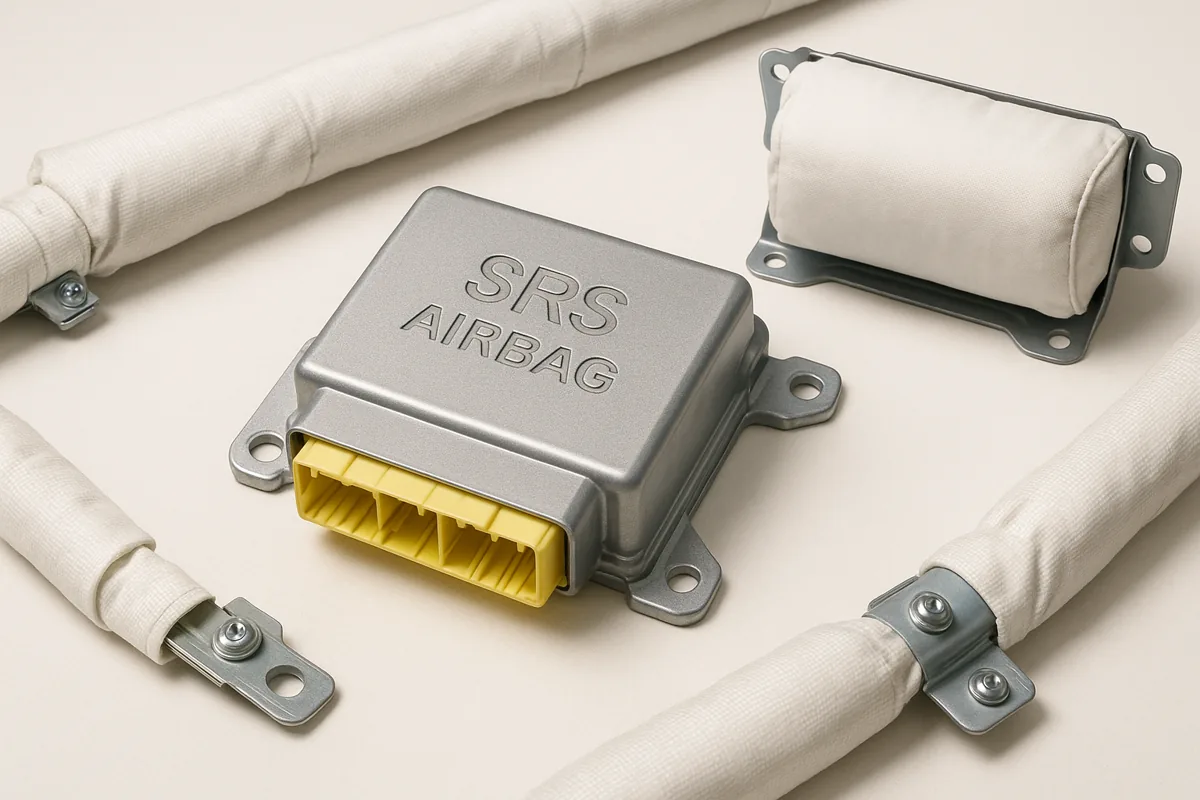
Shop Airbags, Seat Belts & Safety by Part Type
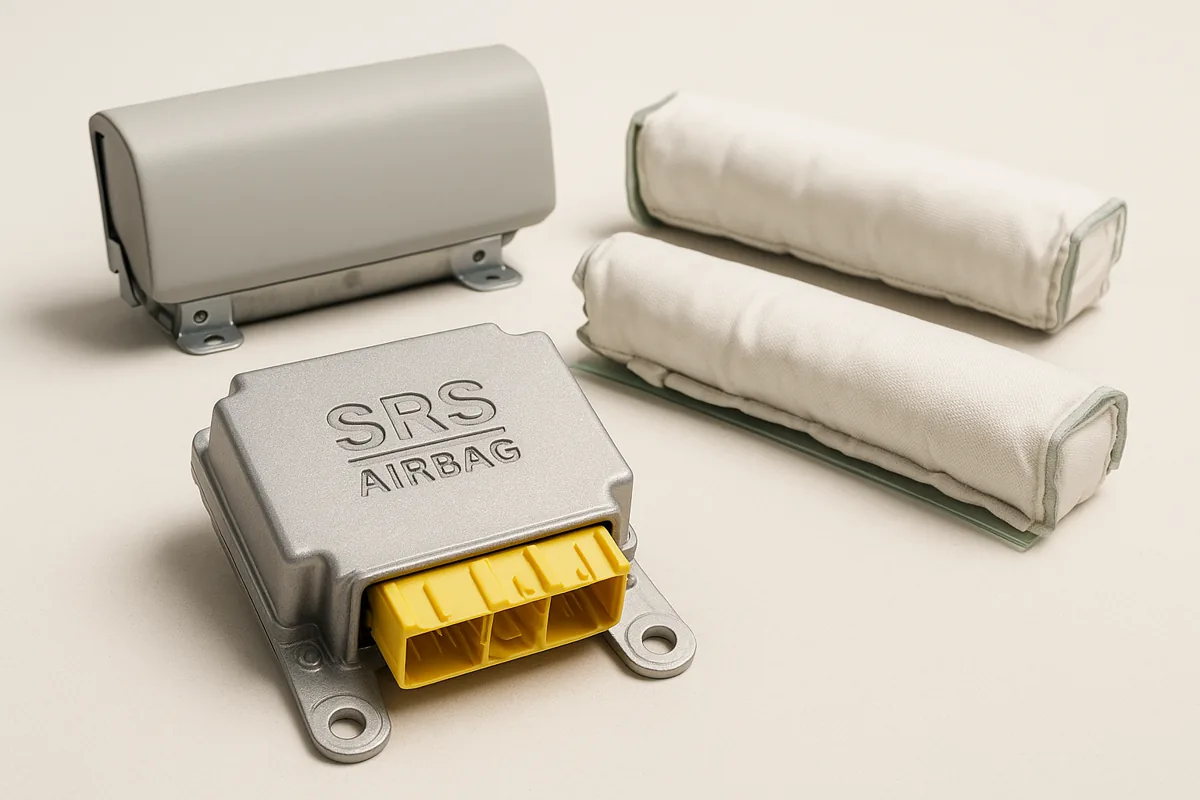
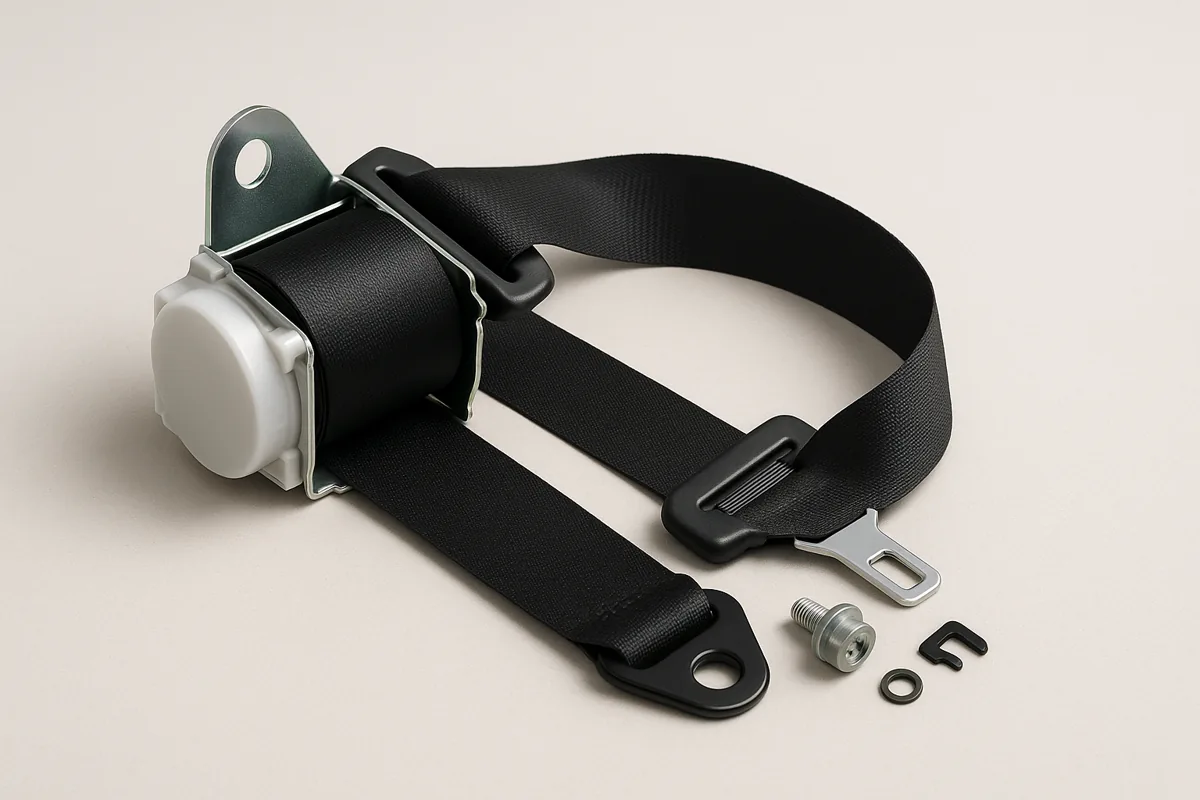
Popular Right Now
scroll for more →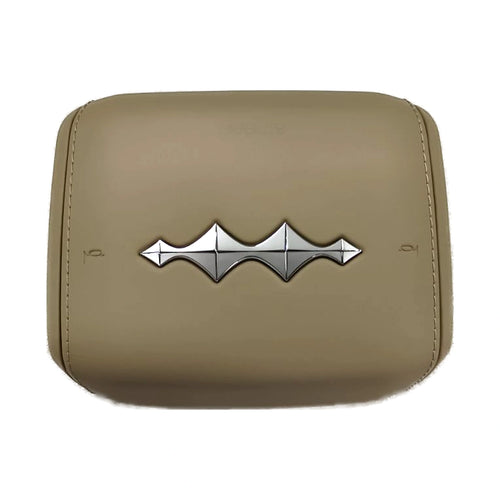
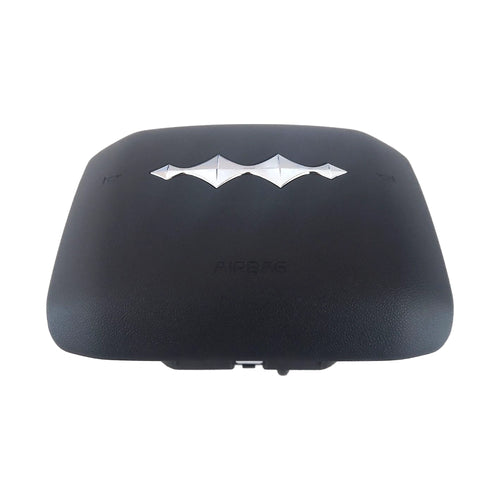
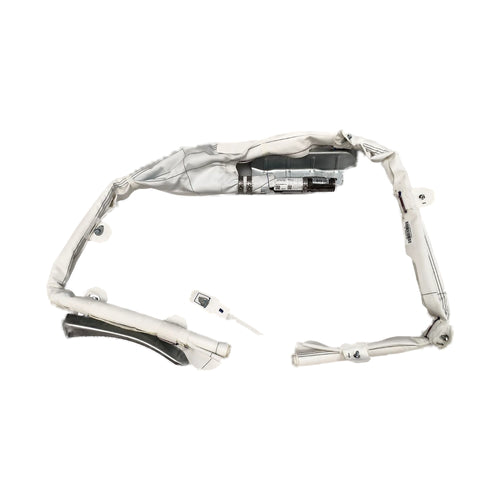
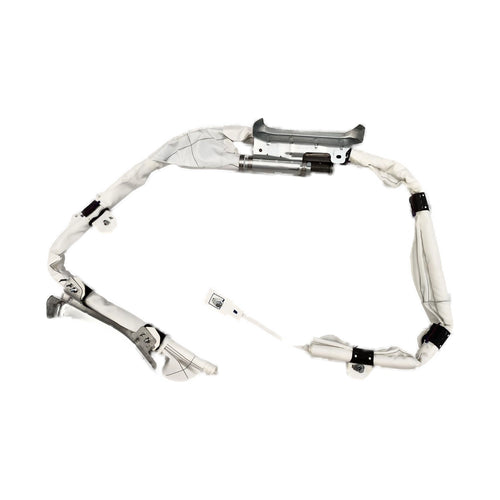
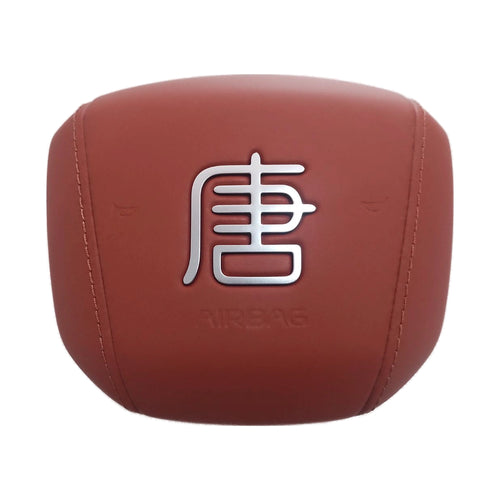
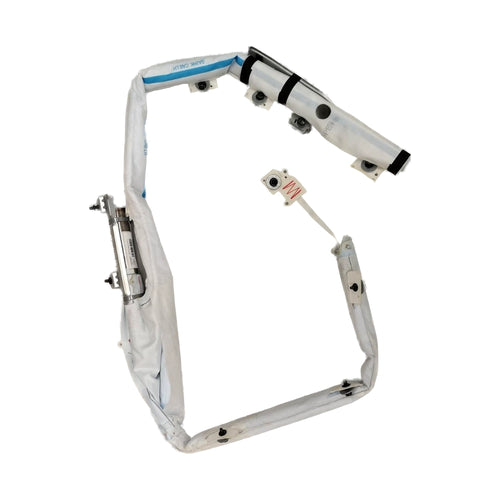
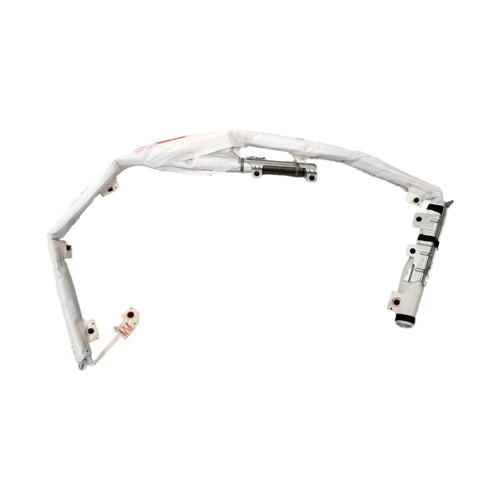
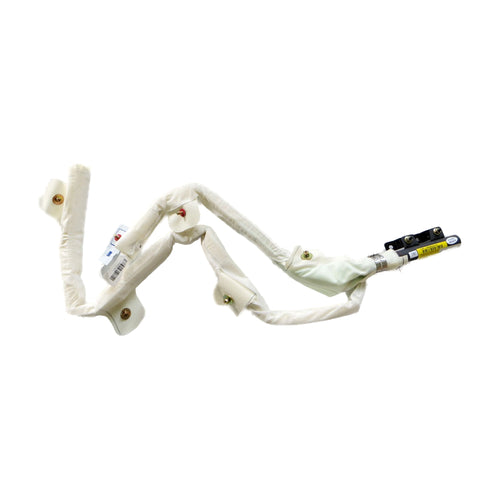
Symptom Finder: What Is Actually Broken?
| What you see or hear | Part to check first |
|---|---|
| Airbag warning lamp lit after start-up | SRS control unit, a sensor or a clock spring |
| Belt will not retract or has locked solid | Seat belt assembly |
| Buckle will not latch or the chime persists | Seat belt buckle |
| Horn and wheel buttons dead with the SRS lamp on | Clock spring |
| Restraint fault after seat or door trim work | Side impact sensor or a disturbed connector |
About Airbags, Seat Belts & Safety
Occupant protection works as one system with two halves that were designed to complement each other. The belt does most of the work, coupling the occupant to the seat so that deceleration is spread over time and across the strongest parts of the body, with a pretensioner removing slack in the first milliseconds and a load limiter releasing a measured amount of webbing afterwards so the chest sees a controlled force. The airbag arrives after that, providing a surface for the head and torso to meet instead of the interior. A control unit reads accelerometers around the vehicle, decides within milliseconds whether the event is a genuine crash and which devices to fire, and monitors every circuit continuously so a fault appears as a warning lamp long before it matters.
What to know before buying Airbags, Seat Belts & Safety parts
Match restraint parts by OE number rather than by model and year. The factory revised this hardware often within a single model run. Colour variants exist for the parts you can see, so check the finish as well.
The two child categories divide the system the way the factory does. Airbags and SRS covers driver, passenger, knee and curtain modules, front and side impact sensors, clock springs and the control unit itself. Seatbelts and pretensioners covers belt assemblies, buckles, guide rings and height adjusters for every seating position.
Pyrotechnic items ship under dangerous goods rules, so check the destination before you order. Priced listings can be ordered straight away. Anything unpriced is quoted on request, and our cover is strongest across the BYD group.
Before You Order: 5 Checks
- Read the fault code before ordering, since sensors, clock springs and control units produce similar lamps.
- Match the OE number from the label on the old part rather than the model and year.
- Check colour names on driver airbag modules and front belts, which are visible parts.
- Isolate the twelve volt supply and allow the capacitor to discharge before touching any connector.
- Confirm dangerous goods routing before ordering pyrotechnic items.
What Changed and Why
Restraint regulation continues to tighten, with side pole and far side impact assessments pushing curtain coverage further rearwards and adding centre airbags between front occupants on many new vehicles. On battery electric platforms the crash signal now also commands high voltage isolation, so the restraint control unit and the pack contactors are part of the same event, and post collision inspection covers both. Seat belt reminders have extended to rear seats under current assessment protocols, which is why more buckles now carry a switch and a wiring tail.
Airbags, Seat Belts & Safety: Frequently Asked Questions
Which part does my airbag warning lamp point at?
Only a scan tool can say, and the answer is usually cheaper than people fear. The control unit checks every squib circuit, sensor and connector at each start and lights the lamp when a reading falls outside its window, so the same lamp covers a worn clock spring, a corroded connector under a seat, a disturbed side impact sensor and a stored crash record. Read the code first, then order the part it names from the airbags and SRS listings rather than assuming the module has failed.
Do belts and airbags need replacing together after a crash?
Anything that fired does, and that includes belts whose pretensioners deployed as well as the airbag modules themselves, because both burn a single use charge. Impact sensors in the affected zone are usually one shot items too, and the control unit typically stores a permanent crash record that prevents it arming again. Inspect every belt that was in use for burns, cuts and stretching even where nothing fired, since webbing loses strength invisibly and belts are replaced rather than repaired.
Which category do I need for a belt that will not retract?
Seatbelts and pretensioners, where belt assemblies are listed for each seating position and side. A belt that retracts slowly usually has a contaminated or tired retractor, which is sealed into the assembly, so the complete unit for that position is the part. Before ordering, check that the webbing is not twisted at the guide ring, since that mimics the same symptom and the guide ring costs a fraction of the assembly. Both parts are listed separately.
Can I work on restraint components at home?
Draw the line at anything pyrotechnic. Trim covers, buckle finishers and impact sensors are ordinary mechanical work once the low voltage supply has been off long enough for the reserve capacitor to drain, which the handbook states and which is usually a matter of minutes. Airbag modules, seat belt pretensioners and the control unit are not home territory: they contain a charge, they have specific handling and torque requirements, and the control unit needs configuring afterwards. The sensible arrangement is to source the part here and let a workshop fit it and clear the memory.
Why do pyrotechnic parts have shipping restrictions?
Because airbag modules and belt pretensioners contain a certified explosive charge, which classifies them as dangerous goods for transport. That governs packaging, documentation, routing and which carriers and destinations are available, and it means a module cannot travel every route a sensor can. Non pyrotechnic parts in these categories, including sensors, clock springs, buckles and covers, move as ordinary freight. Check the listing before ordering, and where you are unsure, ask through the quote form first.
What are the signs of a failing clock spring?
The clock spring is a coiled ribbon cable behind the steering wheel that keeps the driver airbag, horn and wheel buttons connected while the wheel turns. As the ribbon wears or tears, the faults usually arrive together: an airbag lamp, a horn that works only at certain wheel angles, and audio or cruise buttons that cut in and out. A clock spring fault leaves the driver airbag disconnected, so treat it as urgent. Confirm it with a scan tool, then match the OE number on the label of the old unit before ordering.
Why is the passenger airbag off lamp lit with an adult in the seat?
Many cars decide whether to arm the front passenger airbag using a sensor mat or weight sensor in the seat cushion, and light the off lamp when the seat is empty or holds a child seat. If the lamp stays lit with an adult sitting normally, suspect the occupancy sensor or its connector under the seat, which gets pulled by the seat runners and kicked by rear passengers' feet. Check the connector first with the battery disconnected. The mat is usually bonded to the cushion, so read the OE number from the seat or ask a mechanic to confirm it before ordering.
Will an airbag warning lamp fail the MOT?
Yes. A lit airbag lamp is a major fault on cars first used from 2003. The tester also checks that belts latch, release and retract, that the webbing is free of cuts and fraying, and that the anchorages are secure. A passenger airbag that has been deliberately disabled, with its off lamp lit, is treated differently from a system fault. Book the scan before the test rather than after, so there is time to order the named part and have it fitted. Check the OE number on the old part, then use the search box to find it.
Why buy a new airbag module or control unit instead of a used one?
A salvaged restraint part carries an unknown history. A module taken from a crashed car may have been stored damp, dropped or exposed to heat, and none of that shows on the outside. A used control unit often still holds crash data or coding from the car it came from, so it may refuse to arm in yours. A new genuine part arrives uncoded and with its full service life ahead of it. Match the OE number on the label of the old part, search for it here, and have a qualified mechanic fit and configure it.
How do I find the right airbag module for my car?
Look at the label on the back or underside of the old module, which carries the OE number, and ignore any supplier code printed beside it. The same position can come in several versions that differ in trim colour, connector type, cover emblem or inflator stage, and they are not interchangeable even when they look alike. Where a part changed during production, the build date on the identification plate decides which applies. Enter the OE number in the search box, and if the label is missing or unreadable, send photos through the quote form. We reply within 24 hours, usually sooner.
My belt locks and will not pull out. Is the retractor faulty?
Not always. Every retractor has a pendulum sensor that locks when the car tilts or brakes hard, and a webbing sensor that locks when the belt is pulled sharply. A belt that locks when the car is parked on a slope, or when it is yanked quickly, is doing its job. Let it retract fully, then draw it out slowly with the car on level ground. If it still jams, or locks on the flat, the sensor or spool is at fault and the sealed assembly is replaced. Read the OE number on the retractor label before ordering.
Where is the pretensioner on my belt, and does the buckle have one?
That depends on the design. Most pretensioners are built into the retractor at the base of the pillar. Some cars add one at the buckle stalk, which pulls the buckle down into the seat, and others use an anchor pretensioner at the outer lap mounting. Each has its own firing circuit and connector, so a fault code names the exact device. A buckle pretensioner that has fired often leaves the buckle sitting visibly lower than the one on the other side. Check the OE number on the unit the code names, then search for it here.
Why does the belt reminder chime when the belt is fastened?
The reminder reads a small switch inside the buckle, and on the passenger side it combines that with the seat occupancy sensor. A chime or lamp with the belt fastened usually means a worn buckle switch, debris such as coins or grit in the latch, or a disturbed connector under the seat. Blow out the buckle and check the connector with the supply isolated. If the fault stays, the buckle is replaced as an assembly. Where the buckle carries a pretensioner, that is pyrotechnic work for a workshop. Check the OE number on the buckle stalk first.
Do airbags and belts wear out with age?
Modern airbag modules are sealed and designed to last the life of the car, and the control unit checks each firing circuit at every start, so a failing module normally shows up as a lamp. Belts age differently. Sunlight, spilled drinks and years of use make webbing fade, harden or fray at the guide ring, and a retractor slows as its spring tires. Inspect every belt for cuts, curling edges and discolouration, and check that it retracts smoothly. A belt showing those signs is replaced, not repaired. Find the OE number on the retractor label and search for it here.
What needs replacing after a curtain airbag has fired?
More than the airbag itself. A side impact normally fires the curtain along the roof rail, and often the seat side airbag and the belt pretensioner on that side too. As the curtain inflates it forces the headlining and pillar trims aside, often breaking their clips, and the side impact sensors in the door or pillar sit right in the crash zone. A workshop scan lists every device that fired. Collect the OE numbers from each affected part and send the list through the quote form. We reply within 24 hours, usually sooner.