BYD F3DM Parts
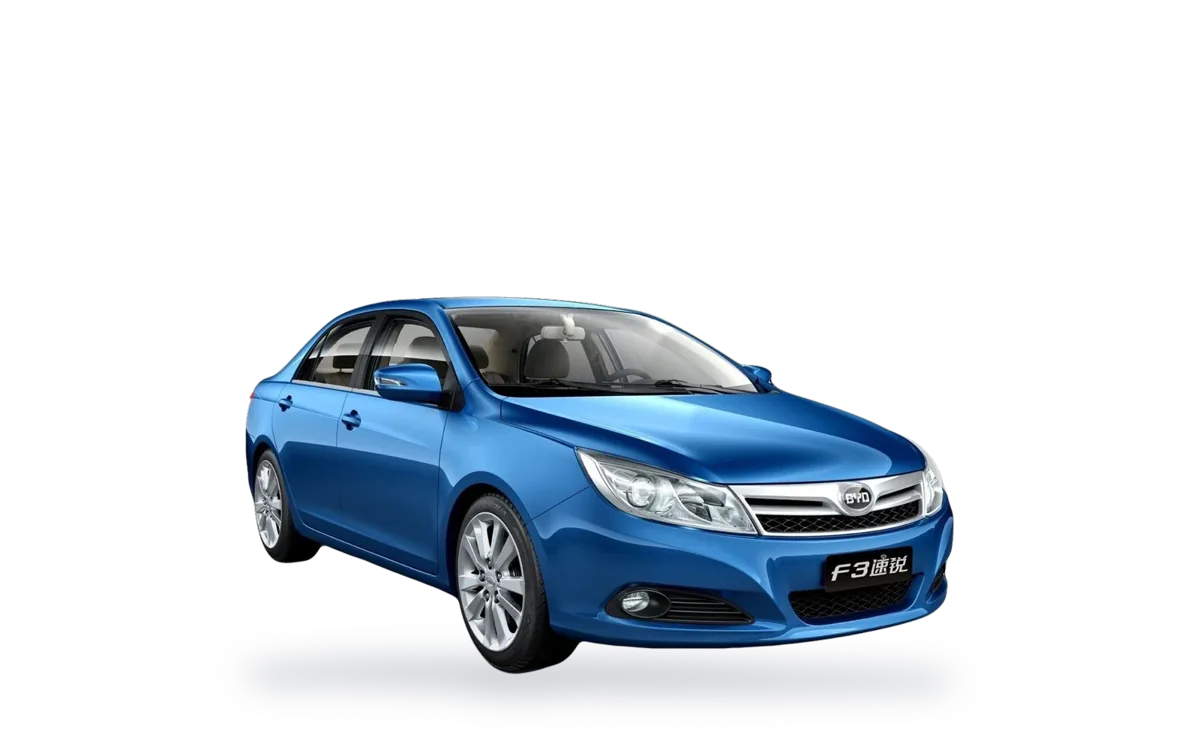
Shop BYD F3DM Parts by Category
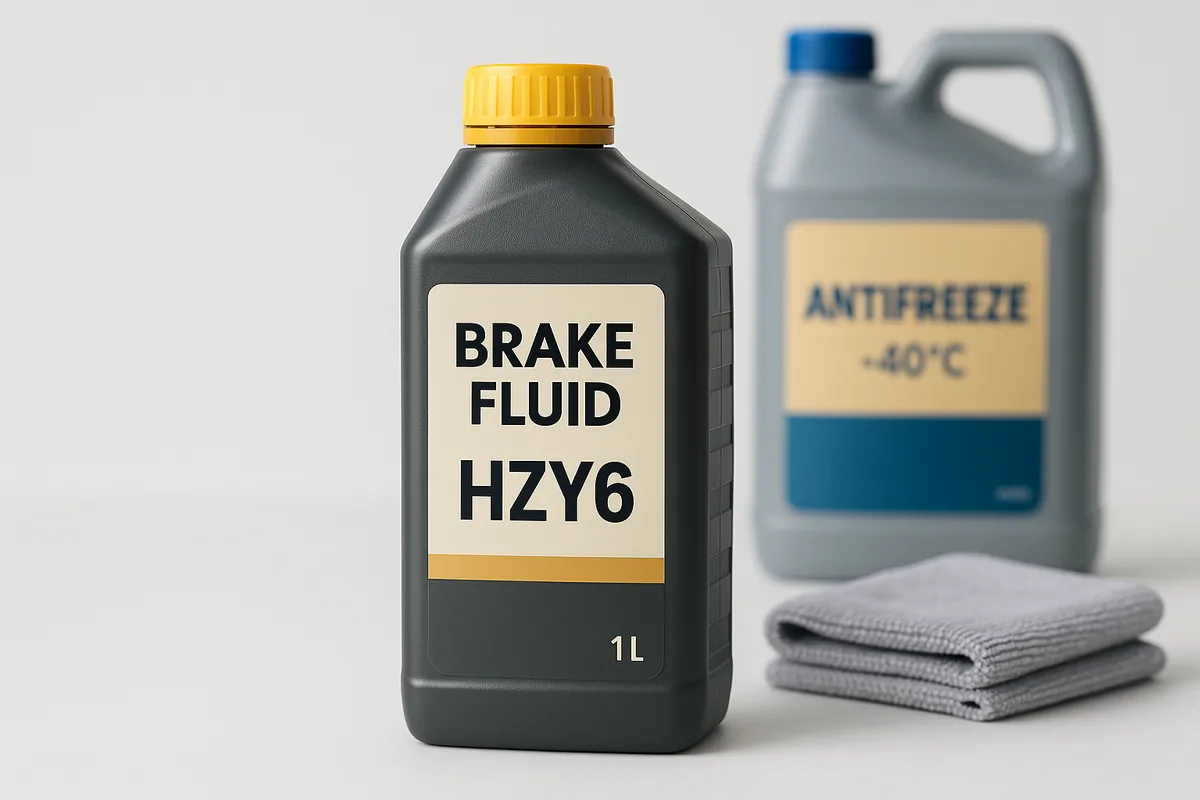
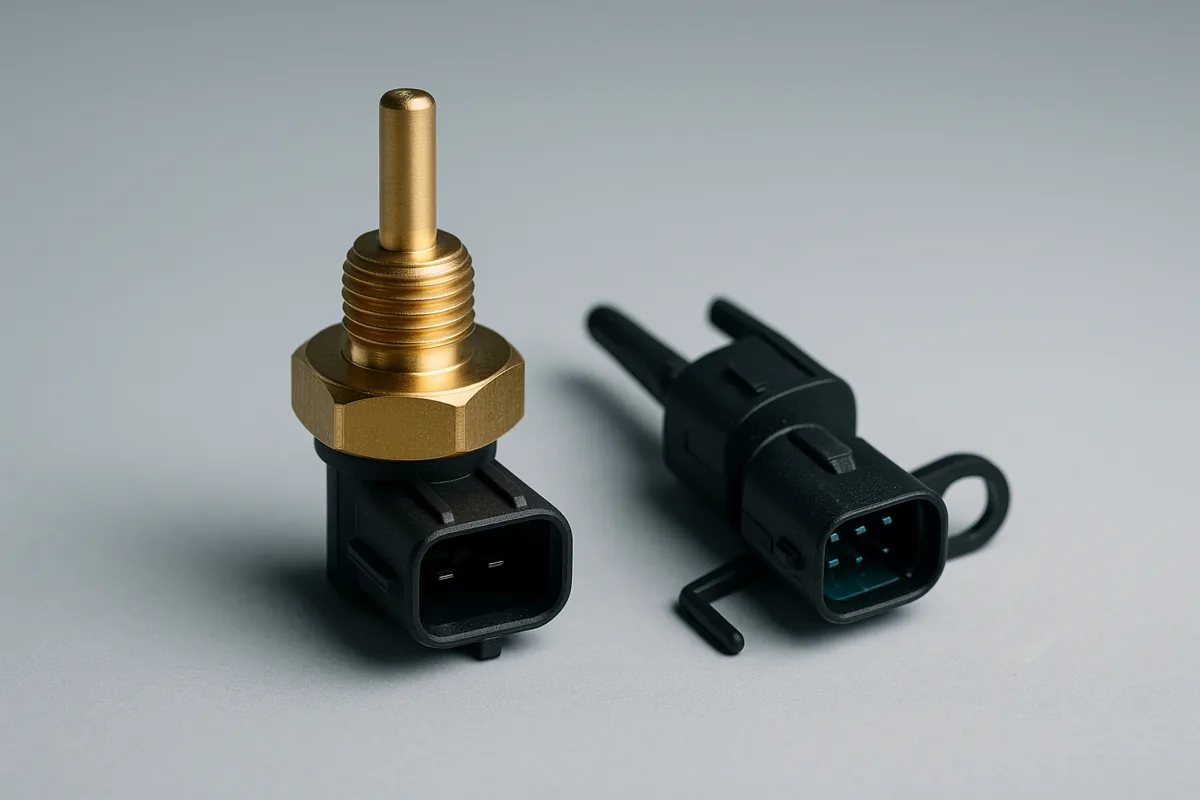
Popular for the BYD F3DM
scroll for more →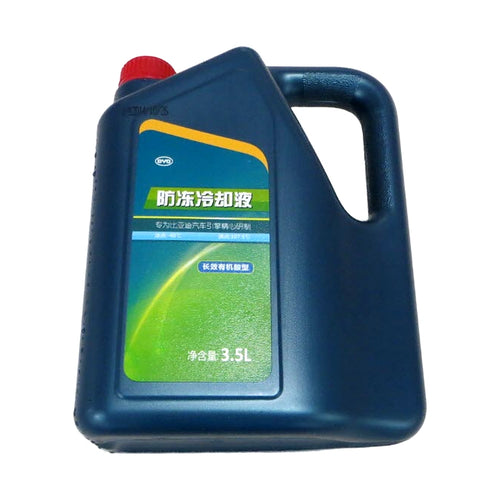
Symptom Finder: Known Weak Points
| What you see or hear | Check first |
|---|---|
| Car will not power up after standing unused | The 12 V battery. Test and charge it before suspecting the traction battery, then order any failed part by OE number. |
| An engine part bought for an F3 does not fit | The F3DM uses the 1.0 litre three-cylinder BYD371QA shared with the F0. Reorder against that engine by OE number. |
| A clutch kit or flywheel quoted for the car | The F3DM has no F3-style manual or dual-clutch gearbox. Order driveline parts by the OE number on the old part. |
| Knocking, sagging or uneven tyre wear from the suspension | Springs, dampers and bushes carry about 350 kg more than on an F3 saloon. Inspect them and order F3DM parts by OE number. |
| Water leak or wind noise from the roof | On low-carbon edition cars, the seals around the solar panel. Confirm the panel is fitted, then order seals to suit that roof. |
| Engine warning light while the petrol engine is running | The lambda sensors, ignition parts and coolant temperature sensor, the usual first checks on any petrol engine. Match each by OE number. |
| Electric range much shorter than it used to be | Have the traction battery tested before ordering. Cells and battery management parts are specific to the F3DM, so match them by OE number. |
Most Replaced Parts on the F3DM
- Valvetrain and camshaft partsMatched to the 1.0 litre three-cylinder BYD371QA, never to the F3's four-cylinder engine
- Pistons, rings and bearingsInternals for the three-cylinder engine also found in the F0 city car
- Timing drive componentsThe engine starts and stops with battery demand, so time and use both count
- Coolant pump and thermostat partsCooling for the petrol engine, which still runs to charge the battery and assist
- Body fasteners, clips and adhesivesThe body comes from the F3 saloon, but match every clip by its number
About BYD F3DM Parts
The BYD F3DM is the plug-in hybrid version of the F3 saloon, and one of the first plug-in hybrids built in series anywhere. It went on sale to government and company fleets in China on 15 December 2008, reached private buyers in Shenzhen in March 2010 and was built until 2013. It uses the F3's body on the same 2,600 mm wheelbase, but the driveline is its own: a 1.0 litre three-cylinder BYD371QA petrol engine shared with the F0, two electric motors of 25 kW and 50 kW, and a 16 kWh lithium iron phosphate battery made up of 100 cells. That puts the car between two parts families. Body, glass and trim follow the F3, the engine follows the F0, and the hybrid hardware belongs to the F3DM alone. Every part on this page is listed by its OE number, and matching that number on the old part is the surest check that a replacement fits.
What to know before buying BYD F3DM parts
Start by making sure the car is an F3DM. It looks almost exactly like an F3 saloon and shares that car's 2,600 mm wheelbase and the early F3's 4,533 mm length, so orders for the body can often follow the F3. The mechanical side cannot. The F3 of the same years used 1.5 litre four-cylinder engines, from 2011 BYD's own 473QE, and the F3DM uses none of them. Its engine is the 1.0 litre three-cylinder BYD371QA also fitted to the F0 city car, so pistons, rings, bearing shells, camshafts, valvetrain and timing parts should be matched to that engine and never to an F3 listing.
The gearbox is the second trap. The F3 saloon was sold with manual and dual-clutch gearboxes. The F3DM drives through its two electric motors and what BYD describes as an electric automatic transmission, with the petrol engine charging the battery or adding power when needed. F3 clutch kits, flywheels and gearbox parts therefore do not apply. Order anything in the driveline by the OE number on the old part.
The hybrid hardware also makes the car heavier. Kerb weight is about 1,560 kg against about 1,210 kg for the F3 saloon, so springs, dampers, bushes, wheel bearings and brakes carry more load. Even where an F3 part looks the same, order suspension and brake parts by the F3DM's own OE number.
A few things vary from car to car. The low-carbon edition offered to private buyers from 2010 carries a solar panel in the roof, laid out much like a panoramic sunroof, so roof panels, seals and headlining do not cross between cars with and without it. Look at the roof before ordering. Tyre size should be read from the sidewall rather than assumed from a specification sheet, and the load index checked at the same time. For painted panels, give the colour code on the car rather than a colour name.
Finally, treat the traction battery and everything around it as specific to this car. Cells, modules, battery management parts and charging parts should be matched by OE number rather than by capacity or chemistry, and any work near the high-voltage system should be done by someone trained for it, with the system isolated first.
Before You Order: 7 Checks
- Confirm the car is an F3DM and not an F3 saloon before ordering anything mechanical, since the two share a body but not an engine or gearbox.
- Match the OE number on the part you are replacing to the OE number on the listing, and order only on a match.
- Order engine internals for the 1.0 litre three-cylinder BYD371QA, and ignore F3 engine listings.
- Skip F3 clutch kits, flywheels and gearbox parts, and order driveline parts by the OE number on the old part.
- Look at the roof for a solar panel before ordering roof panels, seals or headlining.
- Read the tyre size and load index from the sidewall before ordering tyres.
- Order painted panels by the colour code on the car rather than by colour name.
Generations and Facelifts
The F3DM grew out of the BYD F3, BYD's first self-designed car, launched in September 2005 as a compact saloon with four-cylinder petrol engines. BYD showed the F3DM at the Geneva Motor Show in 2008. It put the F3 body over a new dual-mode drive, able to run on electric power alone or as a hybrid, and took its engine from the F0 city car, which went on sale in September 2008.
Sales began on 15 December 2008, to government agencies and companies in China. A small number went abroad for trials and demonstrations, but the car never became a regular retail model outside China. Private buyers could order the car from March 2010, first in Shenzhen, and the version offered to them was the low-carbon edition. Its visible change is a solar panel in the roof, which powers accessories. That makes the roof the one body area that splits within the F3DM, so check whether the car has the panel before ordering roof parts.
The F3DM had one generation and no facelift. The body kept its shape throughout, and the F3's own later updates, including its 2014 refresh, came after F3DM production ended in 2013 and were never applied to it. For parts that leaves one simple rule. Body panels, glass and interior trim can often follow an F3 of the same era, 2008 to 2013, while everything in the engine, the hybrid drive and the battery follows the F3DM's own OE numbers.
BYD F3DM Parts: Frequently Asked Questions
How do I make sure a part fits my BYD F3DM?
Match the OE number. Every part on this site is listed under the OE number printed on the original part, and if the number on the part you are replacing matches the listing, the part fits. That check matters more on the F3DM than on most cars, because it looks like an F3 saloon but uses a different engine, drive and battery. If the old part is missing or its number is unreadable, send the details through the quote form and we will reply within 24 hours, usually sooner.
Will F3 engine parts fit the F3DM?
No. The F3 saloon of the same years used 1.5 litre four-cylinder engines, BYD's own 473QE from 2011, while the F3DM uses the 1.0 litre three-cylinder BYD371QA. Cylinder count and size are different, so pistons, rings, bearing shells, camshafts and timing parts do not cross between the two engines. Ignore F3 engine listings when ordering for this car, and match each internal part to the OE number on the part you are removing.
Is the F3DM engine the same as the F0's?
It is the same engine type, the BYD371QA, a 1.0 litre three-cylinder aluminium unit that the F0 city car also uses, rated at 50 kW in that car. That makes the F0 the closest relative for engine internals. Hybrid use can still change ancillary parts, mounts and sensors, so an F0 part is only a match when its OE number matches. Check the number on the old part before ordering, and treat an F0 listing as a lead rather than a confirmed fitment.
Does the F3DM have a clutch or a dual-clutch gearbox?
Not of the F3 kind. The F3 saloon was sold with manual and dual-clutch gearboxes, and the F3DM uses neither. Its drive runs through two electric motors, of 25 kW and 50 kW, and what BYD calls an electric automatic transmission, with the petrol engine charging the battery or adding power when needed. F3 clutch kits, flywheels and gearbox parts therefore do not apply. Order any driveline part by the OE number on the part you are replacing.
Are F3 suspension and brake parts right for an F3DM?
Treat them with care. The F3DM weighs about 1,560 kg at the kerb against about 1,210 kg for the F3 saloon, on the same 2,600 mm wheelbase, because it carries a traction battery, two motors and their electronics. Springs, dampers, bushes, wheel bearings and brake parts carry that extra load, so a part that looks identical may not be rated the same. Order suspension and brake parts by the F3DM's own OE number rather than by an F3 listing.
Do F3 body panels, lights and glass fit the F3DM?
Often, since the F3DM is built on the F3 body with the same 2,600 mm wheelbase and 4,533 mm length as the early F3. The F3 itself was updated several times, including a 2014 refresh the F3DM never received, so look to an F3 of the F3DM's own era, 2008 to 2013. The roof is the exception on low-carbon edition cars, which carry a solar panel. Confirm each panel, lamp or window by the OE number on the old part, and give the colour code for painted panels.
Did the F3DM really have a solar panel in its roof?
Yes, on the low-carbon edition offered to private buyers from 2010. The panel sits in the roof, laid out much like a panoramic sunroof, and powers accessories rather than driving the car. Cars without it have a conventional roof, so roof panels, seals, headlining and the panel's own wiring are not the same on every F3DM. Look at the roof of the car in front of you before ordering anything for it, and match the part by OE number.
What battery does the F3DM use?
A lithium iron phosphate traction battery of about 16 kWh, built from 100 cells of 3.3 volts each, which gives the car an electric range of about 60 km in city driving. The battery is specific to the F3DM, so cells, modules and battery management parts should be matched by the OE number on the old part rather than by capacity or chemistry. Any work near the high-voltage system should be done by someone trained for it, with the system isolated first.
My F3DM has stood for months and will not power up. What should I check?
Start with the 12 V battery. Like other hybrids, the car needs a healthy 12 V supply to wake its control units and bring the high-voltage system into use, and that small battery goes flat when a car stands unused. Test and charge it before suspecting the traction battery or its electronics. If the 12 V battery is healthy and the car still will not start, have the high-voltage system checked by a trained technician, then order the failed part by OE number.
What tyre size does the F3DM take?
Read it from the sidewall of the tyres on the car. More than one size has been quoted for the F3DM, and the F3 and F0 it shares parts with do not run the same sizes, so a size carried across from either car may be wrong. The F3DM is also heavier than the F3 saloon, so check the load index on the sidewall as well as the size. Give both when ordering tyres, and match wheels by OE number.
It is a plug-in hybrid. Does the F3DM still need oil and filters?
Yes. The 1.0 litre BYD371QA petrol engine runs whenever the battery needs charging or the car needs more power, so it needs engine oil, an oil filter, an air filter, spark plugs and the timing and cooling parts of any petrol engine. Because it may run less than the engine in a petrol car, its service needs follow the calendar as well as the odometer. Plan each service around the engine, and match every part by OE number.
When was the BYD F3DM built and sold?
The F3DM was built from 2008 to 2013, and almost all F3DMs were sold in China. Sales began on 15 December 2008, to government and company fleets, and private buyers could order the car from March 2010, first in Shenzhen, as the low-carbon edition with a solar panel in the roof. There was one generation and no facelift, and the body kept its shape throughout. It carries the F3DM name, so there is no second nameplate to search for. Order against the F3DM's own OE numbers and check each part against the car in front of you.
Safety Recalls Affecting This Model
The F3 saloon built on the same shell is not covered, and cannot be, because it steers on a hydraulic pump rather than an electric column. If you have been told an F3 saloon shares this recall, check which car is actually on the VIN before acting on that advice.