Coolant Pump & Thermostat
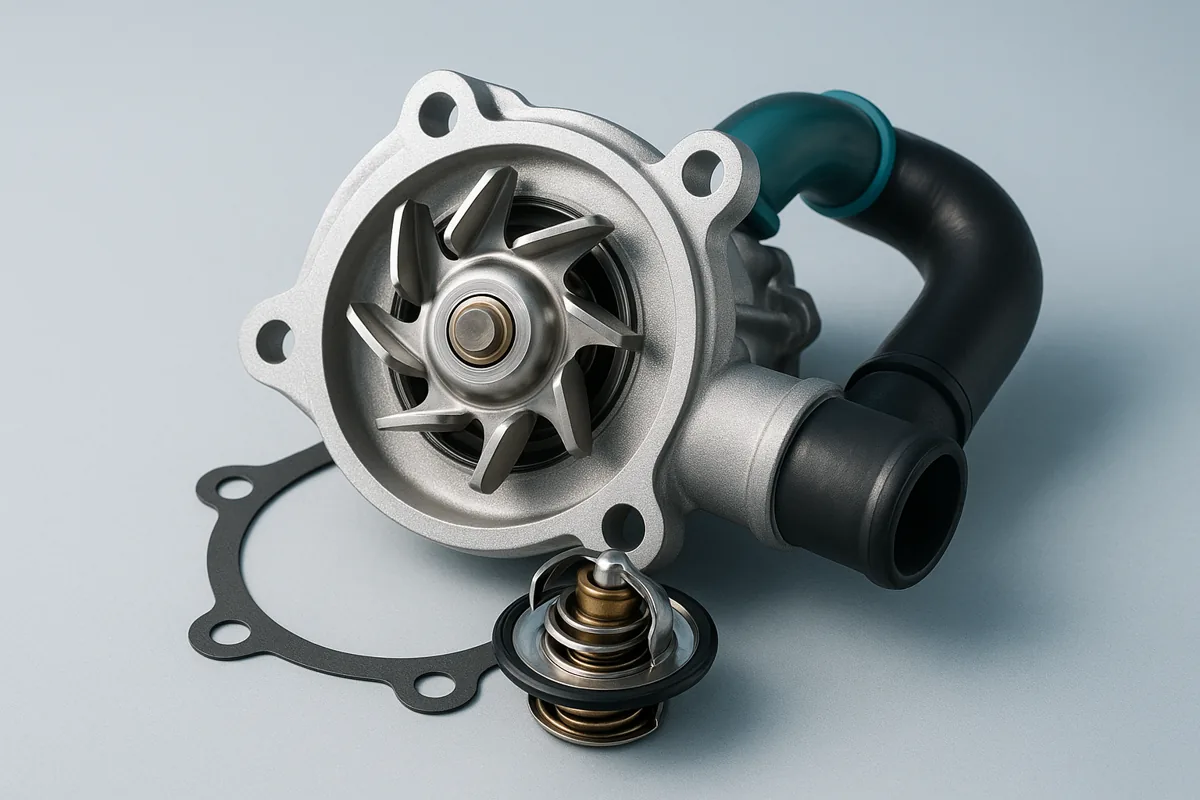
Shop Coolant Pump & Thermostat by Part Type
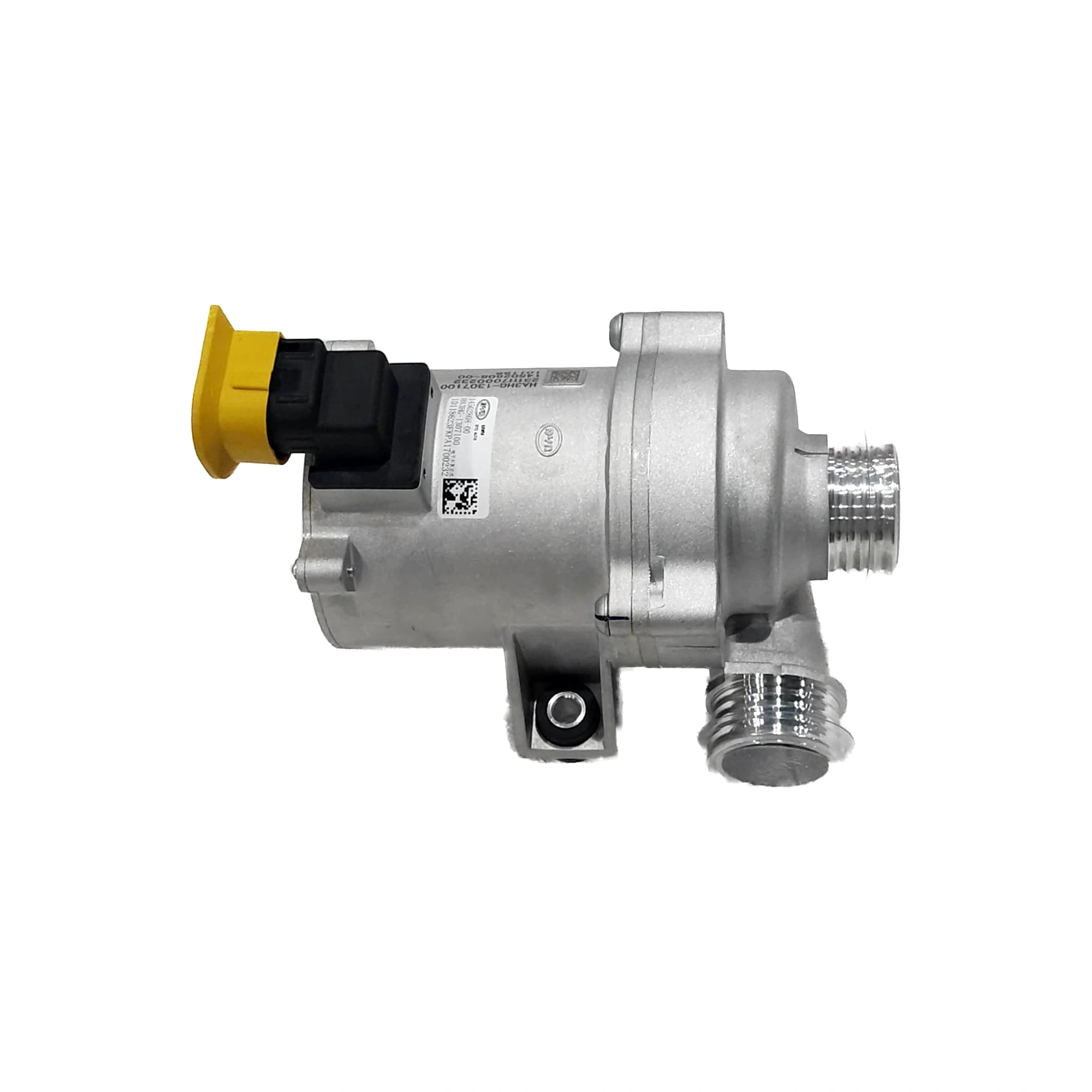
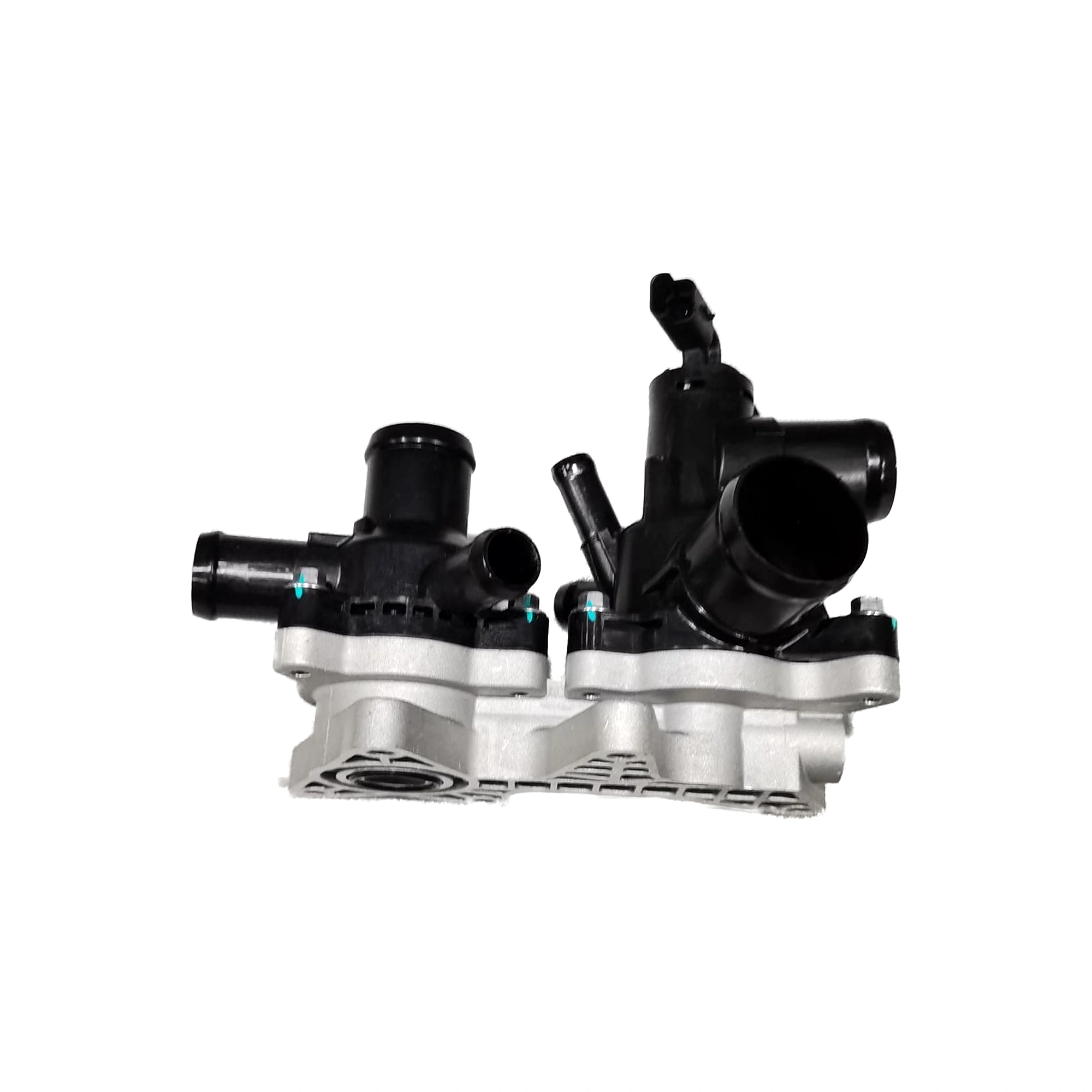

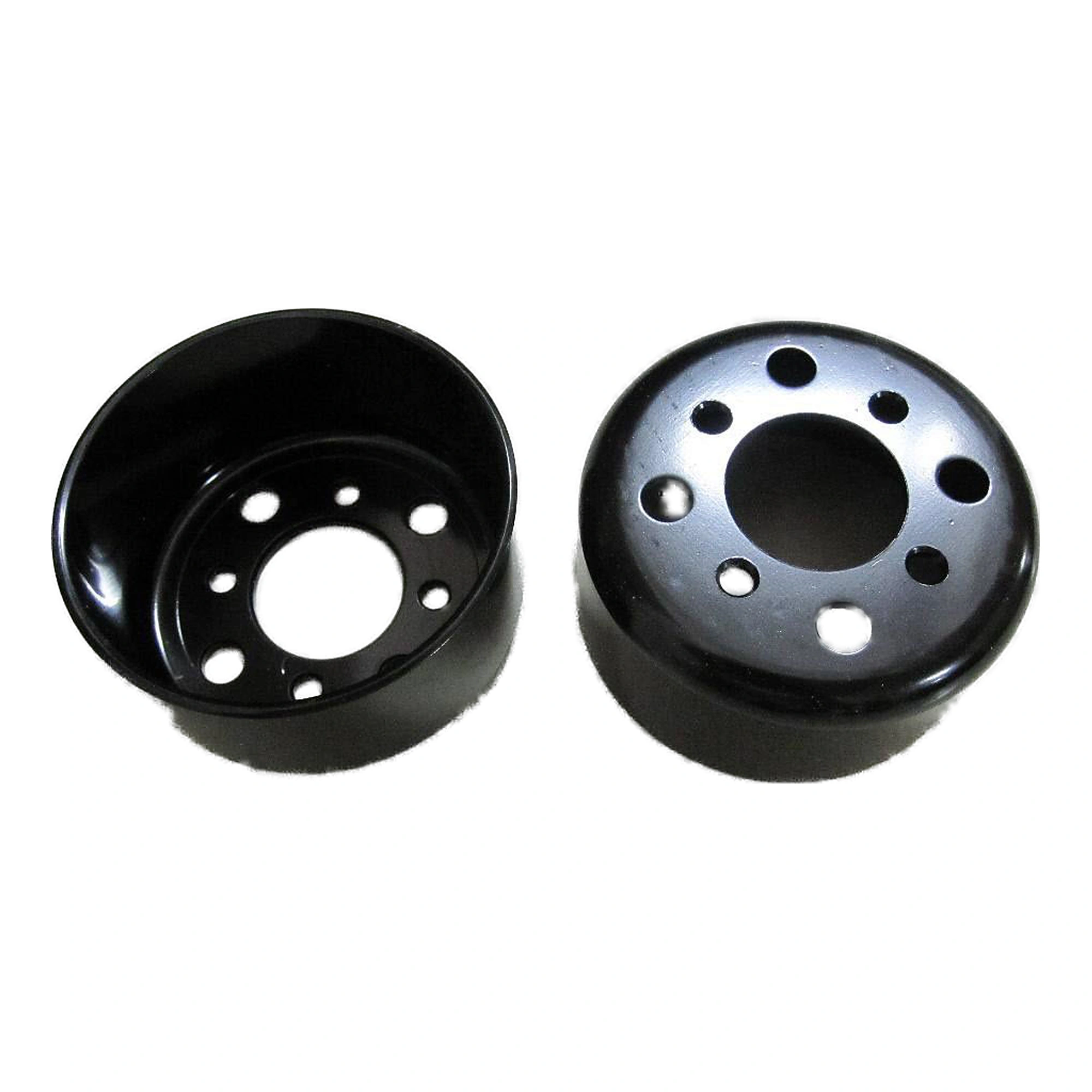
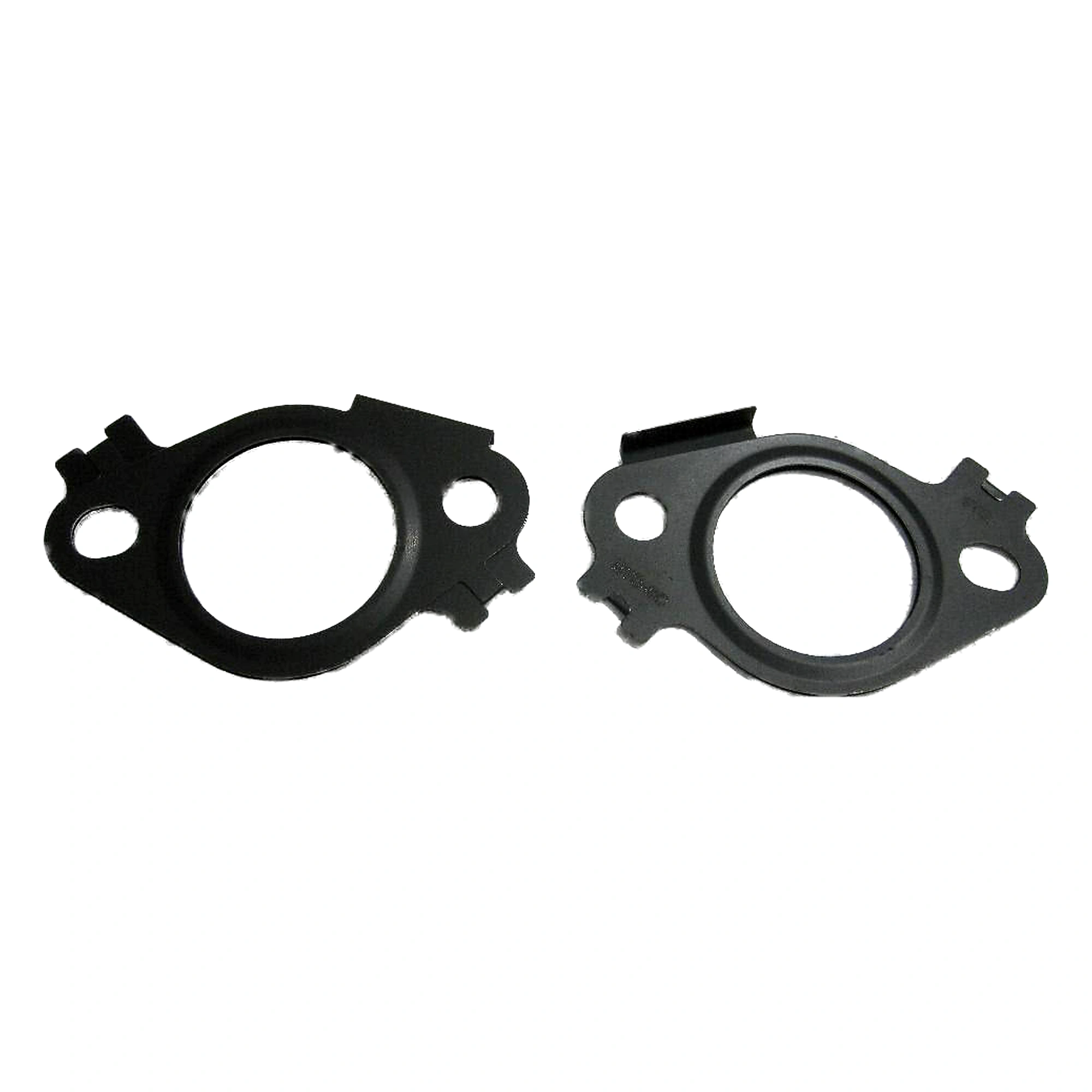
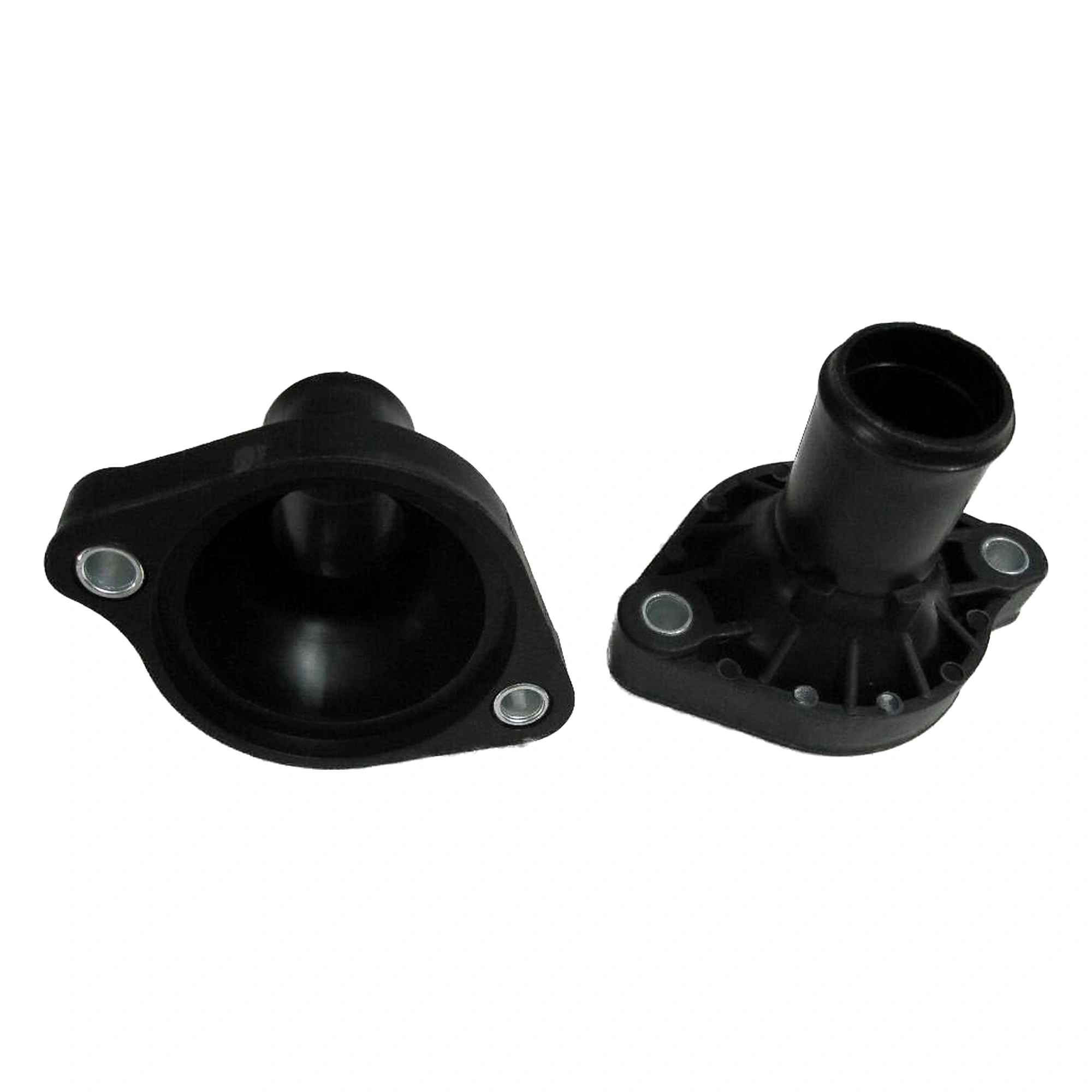
Popular Right Now
scroll for more →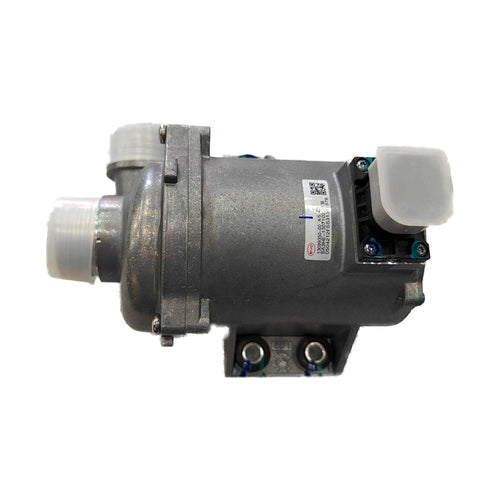
Symptom Finder: What Is Actually Broken?
| What you see or hear | Part to check first |
|---|---|
| Coolant weeping from a small hole below the pump | Water pump with a failed seal |
| Rumble or whine from the front of the engine | Water pump bearing |
| Engine slow to warm up and heater weak | Thermostat stuck open |
| Temperature climbing with the lower hose staying cold | Thermostat stuck closed |
| Overheating with a healthy thermostat and full system | Water pump with a damaged impeller |
| Coolant leak at the thermostat housing joint | Thermostat cover and gasket |
About Coolant Pump & Thermostat
An engine has an ideal operating temperature and reaches it far faster if the coolant is not sent to the radiator immediately. The thermostat manages that, using a wax pellet that expands as it warms and pushes a valve open at a defined temperature, keeping flow within the engine until then and modulating it afterwards. Behind it the pump circulates coolant continuously, driven by the belt or chain on a conventional engine, with an impeller inside a housing sealed by a mechanical face seal running against the shaft. That seal is the usual failure point: it weeps first, often through a small drain hole placed deliberately so the leak is visible before it reaches the bearing, and once the bearing takes coolant the pump becomes noisy and eventually seizes.
What to know before buying Coolant Pump & Thermostat parts
Order the gaskets with the component every time. Water pump gaskets, inlet pipe gaskets and thermostat gaskets are listed separately for that reason. None of them reseals once disturbed. A pump fitted with a reused gasket weeps within weeks.
Match the OE number when you choose the part. Impeller design, pulley diameter and thermostat opening temperature all follow the engine rather than the vehicle. A thermostat that opens at the wrong temperature alters fuelling and emissions with no obvious symptom.
The group covers water pumps and water pump pulleys, thermostats and thermostat covers. Where the timing chain drives the pump, plan the job around that access. Order the timing components you will disturb at the same time. Getting in is the expensive part, so over ordering slightly beats going back in.
Priced items can be ordered from the listing and anything else is quoted. Cover is strongest across the BYD group and widens as further catalogues load.
Before You Order: 6 Checks
- Order the gaskets with the component, since none reseals once disturbed.
- Match the OE number, because impeller design, pulley diameter and opening temperature follow the engine.
- Check whether the pump is belt or chain driven, since that changes the job entirely.
- Replace the thermostat when replacing a pump on the same engine, given the shared access.
- Use the specified coolant and follow the bleed procedure after refilling.
- Inspect the belt, tensioner and idlers while access is open.
What Changed and Why
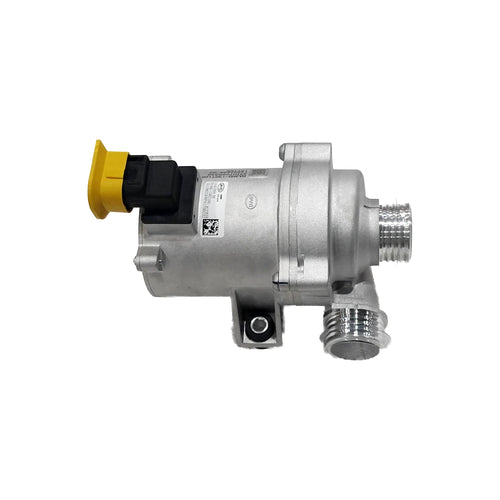
Thermal management on combustion engines has become actively controlled rather than passive. Electrically switched thermostats and map controlled valves let the engine run hotter at light load for efficiency and cooler under high load for protection, which means a thermostat is increasingly an actuator with a heating element and a connector rather than a purely mechanical part. Electrically driven coolant pumps are spreading for the same reason, decoupling flow from engine speed and allowing circulation after shutdown, and on hybrid applications they are essential because the engine stops while the vehicle is still moving.
Coolant Pump & Thermostat: Frequently Asked Questions
There is a small coolant drip below the pump. Is that serious?
It is the pump telling you its seal has gone. Pumps have a weep hole positioned so that a failing mechanical seal leaks visibly before coolant reaches the bearing, which gives you warning rather than a failure on the motorway. Do not seal it or ignore it: once the bearing takes coolant the pump becomes noisy and can seize, which on a belt driven engine takes the belt and everything it drives with it. Replace the pump promptly.
How do I know if the thermostat is stuck?
By where the heat is. A thermostat stuck open leaves the engine slow to warm, the gauge low and the cabin heater weak, since coolant goes to the radiator from cold. One stuck closed sends the temperature climbing while the lower radiator hose stays cold, because nothing is reaching the radiator at all. Feel the hoses carefully once the engine is warm, and watch the gauge behaviour during warm up, which distinguishes the two quickly.
Should I replace both together?
On a belt driven engine where access is shared, yes, and it is the sensible economy. The thermostat is inexpensive relative to the labour of reaching it, and a thermostat that has done the same mileage as a failed pump is not far from failing itself. On engines where the pump is driven by the timing chain, the argument is stronger still, since the access involved makes doing the job twice genuinely expensive. Order the gaskets with both.
Why does a thermostat opening temperature matter?
Because the engine control unit is calibrated around a target coolant temperature. A thermostat that opens too early leaves the engine running cooler than intended, which increases fuel consumption and emissions, delays the cabin heater and can prevent the vehicle leaving its warm up strategy, all without an obvious fault. One that opens too late risks overheating. This is why the opening temperature follows the engine and why substituting a similar looking thermostat is a poor idea.
Can I fit a water pump myself?
On a belt driven engine, often yes, with the usual cautions about draining coolant, supporting the engine where a mount must be moved and cleaning the mating face properly. On an engine where the pump is driven by the timing chain, the job includes removing the timing cover and correctly retiming the engine, which is a substantial undertaking. Establish which arrangement your engine uses before starting, since the two jobs are not comparable in effort or risk.
What do these parts cost?
Gaskets sit right at the bottom of the range. Thermostats, covers and pulleys are inexpensive. Water pumps cost the most in this category and remain modest relative to the labour of fitting one on a chain driven engine. The live minimum and maximum are shown in the band at the top of this page. Given the shared access, pricing a pump, a thermostat and their gaskets together is the sensible way to plan the job.
Why did my engine overheat with a new thermostat?
Because the thermostat was not the fault, or because air was left in the system. A blocked radiator, a failed cooling fan, a head gasket leak pressurising the system or a pump with a corroded impeller all overheat an engine while the thermostat behaves perfectly. Air trapped after refilling produces the same result and is the most common self inflicted version. Follow the documented bleed procedure and pressure test the system before assuming a further component has failed.
Can a pump impeller fail without leaking?
Yes, and it is a frustrating failure to diagnose. Plastic impellers can slip on the shaft or lose vanes to erosion, and metal ones corrode where coolant has been neglected or mixed, so the pump turns, does not leak, makes no noise and moves very little coolant. The symptom is overheating with everything else testing healthy. If a car overheats and the thermostat, radiator, fan and cap all check out, the impeller is the remaining candidate.
Which coolant should I use?
The specification the manufacturer states, and only that. Coolants differ in their corrosion inhibitor chemistry, and mixing types can cause the additives to drop out of solution and block passages, which does far more damage than the wrong colour suggests. Use a sealed container of the correct product, mix to the stated concentration if it is supplied as a concentrate, and follow the bleed procedure. Coolants are listed in their own category on the site.
Do electric vehicles use these parts?
Not these ones. A battery electric vehicle has no belt driven pump and no engine thermostat, using electric pumps and electrically controlled valves instead, which are listed in their own categories. The parts here serve the combustion and hybrid vehicles in the catalogue. Hybrids often carry both, with a conventional engine cooling circuit alongside electric pumps that circulate coolant when the engine is stopped, so check which system your fault belongs to before ordering.
Will a pump from a related engine fit?
Only where the number agrees. Impeller design, housing shape, pulley diameter and mounting all follow the specific engine, and a pump with a different impeller moves a different volume even where it bolts on, which can leave the engine running warm under load without any fault code. Read the number from the old pump, match it, and use the quote form where the reference brings back nothing so the catalogue is checked properly.
The part I need shows no price. Can I still order it?
Yes. Pumps and thermostats are mostly priced, so a blank field usually sits against a housing, a cover or a pump for an engine variant that sells slowly. Use the quote form with the factory number and a current figure comes back on it. Say whether your thermostat is a loose insert or built into its housing, because the two are separate references and ordering the wrong one leaves you with a part that will not seal. Add the gasket or O ring to the enquiry, since neither survives removal and both hold the joint that failed.