BYD L3 Parts
Shop BYD L3 Parts by Category
Popular for the BYD L3
scroll for more →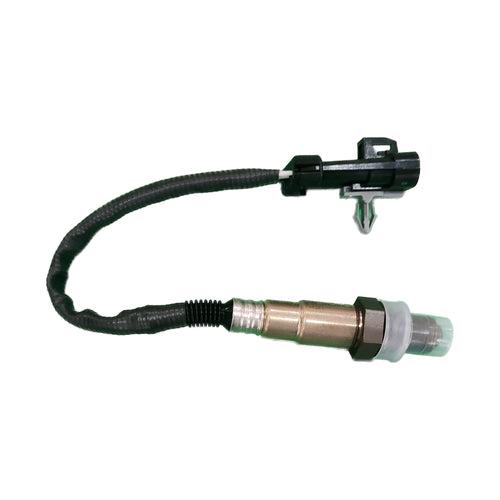

Symptom Finder: Known Weak Points
| What you see or hear | Check first |
|---|---|
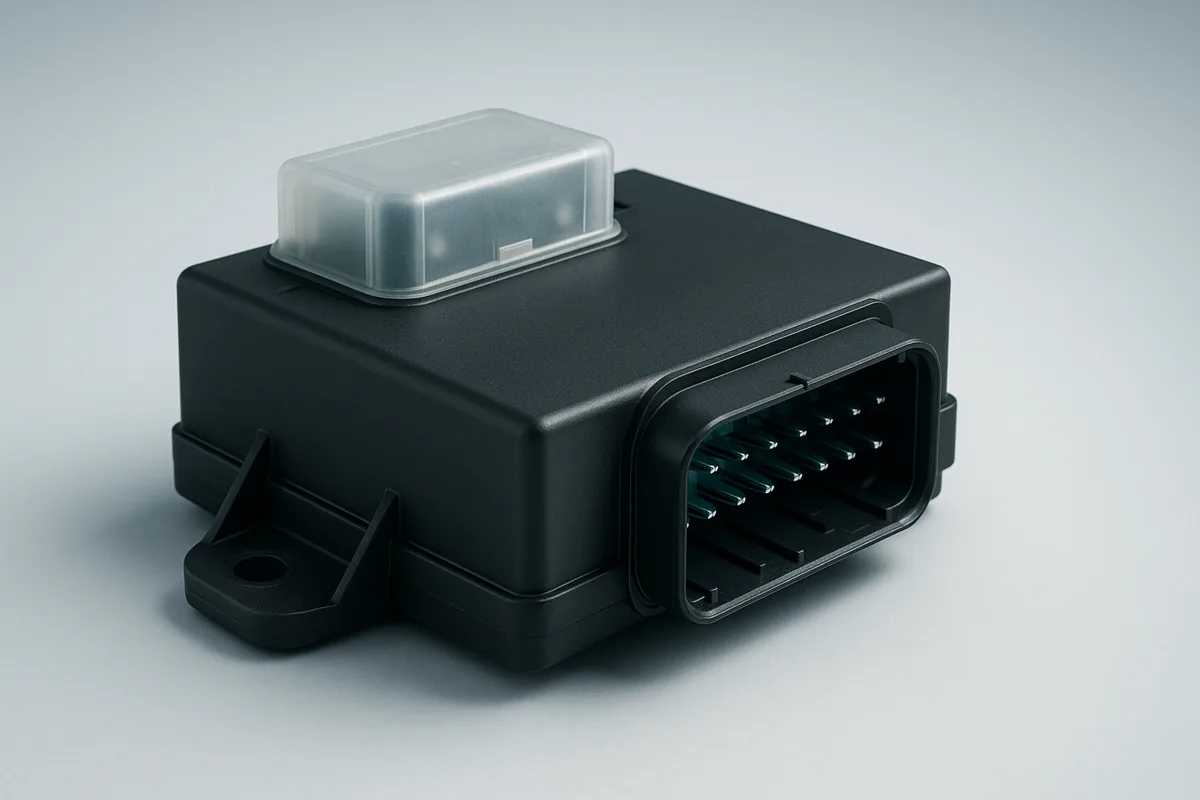
| Automatic will not select a gear or loses drive, with a warning lamp | On a 1.5 dual-clutch car, the electro-hydraulic control module is the fault owners report most often. Diagnose the gearbox before ordering, then match the module by OE number. |
| ABS warning light on | Start with the wheel speed sensors and their wiring. Read the fault code to find the corner, then order the sensor by side and axle. |
| Smart key or keyless entry not working | Start with the key battery, then the car's receiver and door handle switches. Order replacement parts by the OE number on the old unit. |
| Rust bubbling along the sills or door bottoms | Body corrosion is among the complaints L3 owners raise. Repair the metal first, then order panels by the colour code on the car. |
| Rattle from under the car over speed bumps | Exhaust hangers, joint gaskets and heat shields. Check the pipe sits true in its hangers before ordering gaskets. |
| Knock from the front over bumps | Strut top mounts, anti-roll bar links and wishbone bushes on the MacPherson front suspension. Order handed parts by side. |
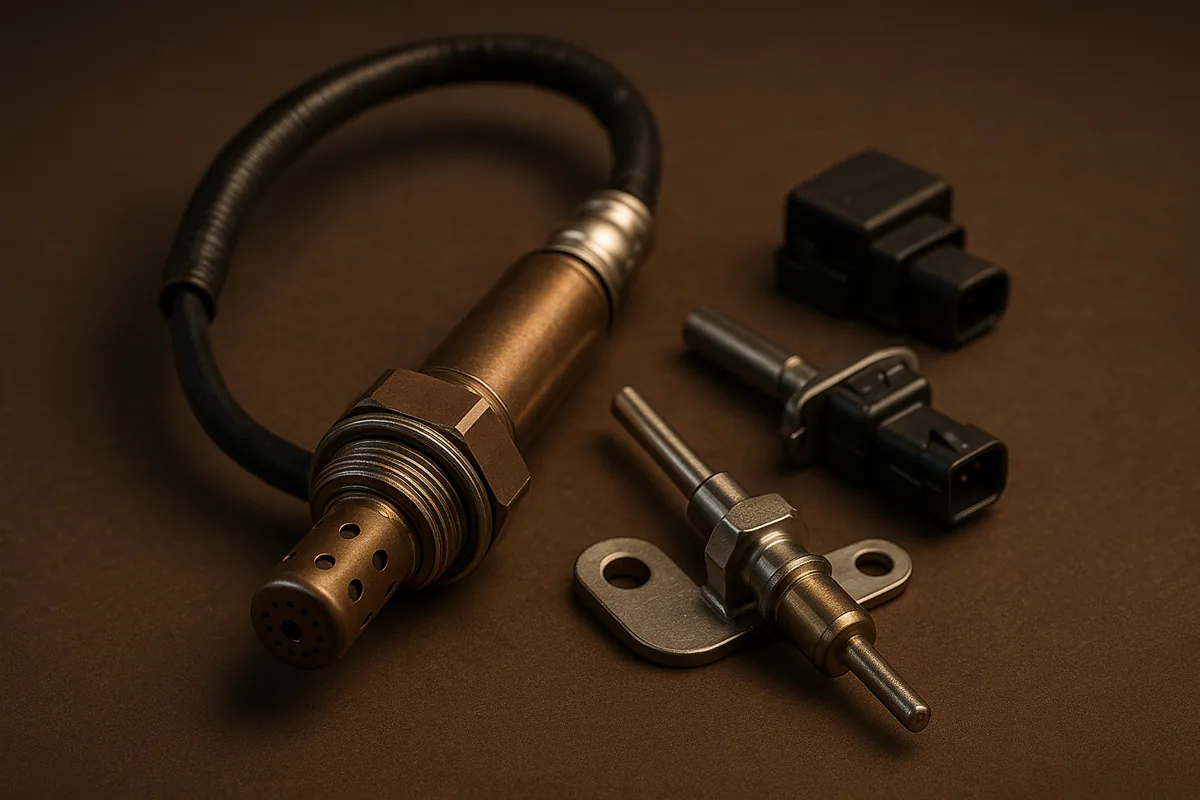
| Engine warning light on a 1.5 built from late 2011 | Check the EGR valve and lambda sensors on the 473QE, then match the part to the engine fitted by OE number. |
Most Replaced Parts on the L3
- Valvetrain and camshaft partsThe 473QE from late 2011 adds variable valve lift, so match parts to the engine
- Timing drive componentsTiming parts differ between the early 1.5, the 473QE and the 1.8, so order by engine
- Power steering pump and assistance partsCheck the steering assistance fitted to the car, then match by the number on the old part
- Brake hoses, lines and booster partsDiscs are listed front and rear, so match hoses and lines by axle and side
- Powertrain and gearbox mountsMounts follow the engine and gearbox pairing, so confirm both before ordering
About BYD L3 Parts
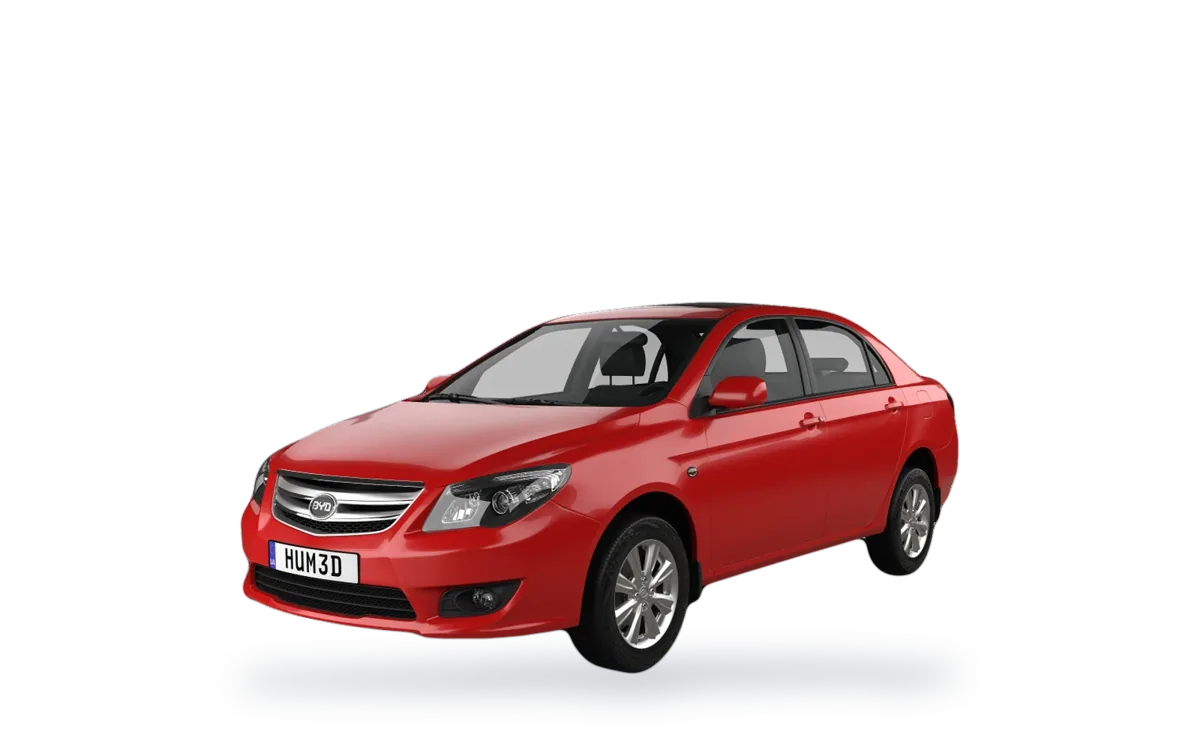
The BYD L3 is a compact four-door saloon that BYD launched in China in August 2010 and built until 2015. It is a more upmarket development of the F3 and shares its platform and much of its running gear with the F3 and G3. It has its own body, 4,568 mm long on a 2,615 mm wheelbase. Every car has front-wheel drive and a petrol engine, either a 1.5 litre or the 1.8 litre 483QA. The gearbox is a five-speed manual, a CVT or, from 2013, a six-speed dual-clutch unit. For parts, that makes it a conventional front-drive saloon with MacPherson struts at the front, a torsion beam at the rear and disc brakes listed on all four wheels. The engine and gearbox fitted decide most orders. Match every part to the OE number on the part you are replacing, which is the surest check that it fits.
What to know before buying BYD L3 parts
Start by making sure the car is an L3. It was built on the same platform as the BYD F3 and G3, and the three cars share a floorpan and much of the running gear, but each has its own body. The L3 measures 4,568 mm long, 1,716 mm wide and 1,480 mm tall on a 2,615 mm wheelbase, and it was the upmarket model of the three. Treat bumpers, wings, doors, lamps and trim as L3 parts only, even where a sibling's part looks close. Mechanical parts are more likely to be shared, but only a matching OE number proves it.
Next, work out which engine is fitted. The L3 used two different 1.5 litre engines. The 2012 model, launched on 31 October 2011, brought BYD's all-aluminium 473QE, with variable valve lift and exhaust gas recirculation. Earlier 1.5 cars use the previous engine. The 1.8 litre is the 483QA throughout. Engine sensors, gaskets, mounts and timing parts follow the engine, so read the build date on the identification plate before ordering for a 1.5. If the date is close to the change, check the engine itself.
The gearbox is the next split. The L3 was sold with a five-speed manual and a CVT, and from February 2013 the 1.5 could also have a six-speed dual-clutch gearbox. Sources disagree on whether early 1.5 cars were offered with the CVT, so look at the gearbox on the car rather than going by the engine. A manual car uses a conventional clutch. A dual-clutch car has its own clutch assembly and an electro-hydraulic control module, and that module is the gearbox fault owners report most often.
The L3 name was later also used outside China on a facelifted F3 with a different front and rear end. Its bumpers, lamps and trim do not match the Chinese L3, so order for it as a separate car.
Finally, order painted panels by the colour code on the car rather than by colour name. Check the sills and door bottoms for rust before ordering body parts nearby, since corrosion is among the complaints owners raise.
Before You Order: 7 Checks
- Confirm the car is an L3 rather than an F3 or G3. The L3 is 4,568 mm long on a 2,615 mm wheelbase. Order body panels and lamps listed for the L3 only.
- Match the OE number on the part you are replacing to the OE number on the listing before you order.
- On a 1.5, read the build date on the identification plate, since cars from the 2012 model, launched on 31 October 2011, use the 473QE engine. Order engine parts to suit.
- Look at the gearbox before ordering clutch or transmission parts, since the L3 used a manual, a CVT and, from February 2013, a dual-clutch gearbox.
- If the car carries the L3 name but has the facelifted F3 body used outside China, order body and lighting parts for that car.
- Order painted panels by the colour code on the car rather than by colour name.
- Check the sills and door bottoms for rust before ordering body parts, and repair the metal before fitting new panels nearby.
Generations and Facelifts
The L3 grew out of the BYD F3 compact saloon and the slightly larger G3, which BYD launched in October 2009. All three share a platform, and the L3 was the most upmarket of them. It went on sale in China on 16 August 2010 with the 1.8 litre 483QA (90 kW) and a CVT only. A 1.5 litre (79 kW) with a five-speed manual followed at the Guangzhou motor show in December 2010.
On 31 October 2011 BYD launched the 2012 model of the F3, G3 and L3 together. The 1.5 changed to BYD's new 473QE, an all-aluminium engine with variable valve lift and exhaust gas recirculation, rated at 80 kW. The update also brought a redesigned interior with a new instrument cluster, frameless wipers, zinc-plated steel panels and extra sound insulation. For parts, this is the main split on the 1.5. Engine parts, the instrument cluster and interior trim from either side of it should be matched by OE number.
In February 2013 a six-speed dual-clutch gearbox became the automatic option for the 1.5. From then on, a 1.5 automatic is a dual-clutch car, with clutch and control parts that no manual or CVT car uses. A 2015 model followed in February 2015, still with the 1.5 and the dual-clutch gearbox. Production in China ended in 2015, and we found no source that records a body facelift of the Chinese L3.
Outside China, the L3 name was later also used in some markets on the facelifted F3, which has different front and rear ends. Treat it separately from the Chinese L3 when ordering body and lighting parts, and match everything by OE number.
BYD L3 Parts: Frequently Asked Questions
How do I make sure a part fits my BYD L3?
Match the OE number. Every part on this site is listed under the OE number printed on the original part, and if the number on the part you are replacing matches the listing, the part fits. That check matters on the L3 because it shares a platform with the F3 and G3, used two different 1.5 litre engines and three gearbox types, and parts that look alike can differ. If the old part is missing or its number is unreadable, send the details and a photo through the quote form and we will reply within 24 hours, usually sooner.
How do I know which 1.5 litre engine my L3 has?
Go by the build date. BYD launched the 2012 model of the L3 on 31 October 2011, and from then on the 1.5 was the 473QE, an all-aluminium engine with variable valve lift and exhaust gas recirculation, rated at 80 kW. Earlier 1.5 cars use the previous engine, rated at 79 kW. Sensors, gaskets, mounts and timing parts differ between the two. Read the build date on the identification plate. If it falls close to the change, check the engine itself before ordering, then match each part by OE number.
Is my automatic L3 a CVT or a dual-clutch?
It depends on the engine and the date. The 1.8 litre was sold with a CVT. The 1.5 gained a six-speed dual-clutch gearbox in February 2013, so a 1.5 automatic built after that is a dual-clutch car. Sources disagree on whether early 1.5 cars were offered with the CVT, so do not decide from the badge alone. Look at the gearbox fitted and read the build date on the identification plate. Then order transmission parts by the OE number on the old part.
What goes wrong with the dual-clutch gearbox?
The fault owners report most often is the electro-hydraulic module, which controls the clutches and gear selection. When it fails, the car may refuse to select a gear or lose drive, usually with a warning lamp on. The clutch assembly and flywheel can also wear, so diagnose the whole unit before ordering a single part. None of these parts suit a manual or CVT car. Once the faulty part is found, order it by the OE number on the old unit.
Does the L3 have disc brakes at the rear?
Disc brakes on all four wheels is the specification published for the L3. Even so, look at the rear hub before ordering, since an older car may have been repaired with parts that are not original. Pads, discs and calipers differ between the front and rear axles, so order them by axle and, for calipers, by side. Replace pads in axle sets, check disc thickness while the wheel is off, and match each part by the OE number on the old one.
Will F3 or G3 body panels fit my L3?
Do not assume they will. The three cars share a platform and much of the running gear, but each has its own body. The L3 measures 4,568 mm long, 1,716 mm wide and 1,480 mm tall on a 2,615 mm wheelbase, and it was styled as the upmarket model of the three. Order bumpers, wings, doors, lamps and trim for the L3 only. Mechanical parts are more likely to be shared, but only a matching OE number confirms it, so check the number on the old part first.
Is every car sold as an L3 the same car?
No. Chinese production of the L3 ended in 2015, and we found no source that records a body facelift of the Chinese L3. Outside China, the L3 name was later also used on a rebadged, facelifted BYD F3 with redesigned front and rear ends. Its bumpers, lamps and trim are not the Chinese L3's parts. Order for it as a separate car, and match every part by OE number.
What changed with the 2012 model?
BYD launched the 2012 model of the F3, G3 and L3 together on 31 October 2011. The 1.5 changed to the 473QE engine, which has variable valve lift and exhaust gas recirculation. The interior was redesigned with a new instrument cluster, and the car gained frameless wipers, zinc-plated steel panels and extra sound insulation. For parts, the engine, the cluster, the interior trim and the wiper blades may all differ on either side of the change. Read the build date on the identification plate before ordering any of them.
Do BYD L3s rust?
Serious rust appears among the complaints owners raise about the L3, and the sills and door bottoms are the first places to look. The 2012 model gained zinc-plated steel panels, which may help later cars, but every L3 is now more than ten years old. Inspect the sills, door bottoms and wheel arches before ordering body parts, because rusted metal needs repair before a new panel will sit properly. Then order painted panels by the colour code on the car.
Which parts differ between the 1.5 and the 1.8?
Most parts on the engine and gearbox. The 1.8 is the 483QA, a twin-cam, 16-valve engine rated at 90 kW, and it was sold with a CVT. The 1.5 is a different engine, and cars built from late October 2011 have the 473QE. Engine sensors, gaskets, mounts, filters and timing parts are specific to each engine, and gearbox mounts and driveline parts follow the gearbox. The displacement badge is only a starting point. Confirm the engine fitted, then match each part by the OE number on the old part.
What suspension does the L3 use?
The L3 has front-wheel drive, with MacPherson struts at the front and a torsion beam at the rear. It is a simple, conventional layout, and the usual wear items are the dampers, strut top mounts, anti-roll bar links, wishbone bushes and rear beam bushes. A knock over bumps usually comes from one of these. Replace dampers in axle pairs so the car stays balanced. Order handed parts for the correct side, and confirm each one by the OE number on the old part.
My L3's ABS warning light is on. What should I check?
ABS warning lights appear among L3 owner complaints. On a car of this type, the usual causes are a wheel speed sensor, its wiring or a damaged sensor ring, and all of these are quick to check before you suspect the ABS unit itself. Read the fault codes with a diagnostic tool to find which wheel is reporting. Check the sensor and its connector at that corner for dirt, corrosion or damage. If the sensor needs replacing, order it by side and axle, and match the OE number on the old sensor.