Body Panels & Structure
Shop Body Panels & Structure by Part Type
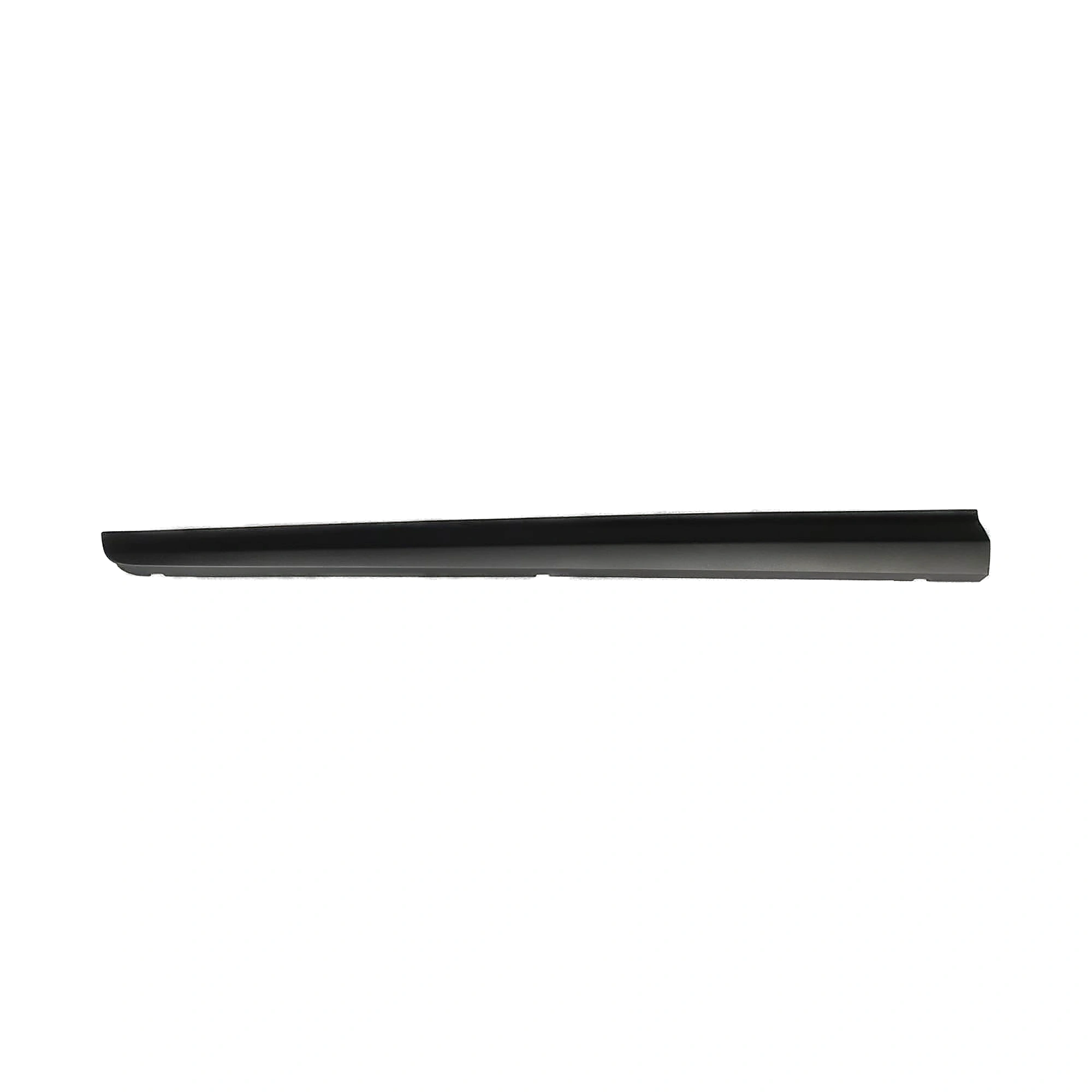
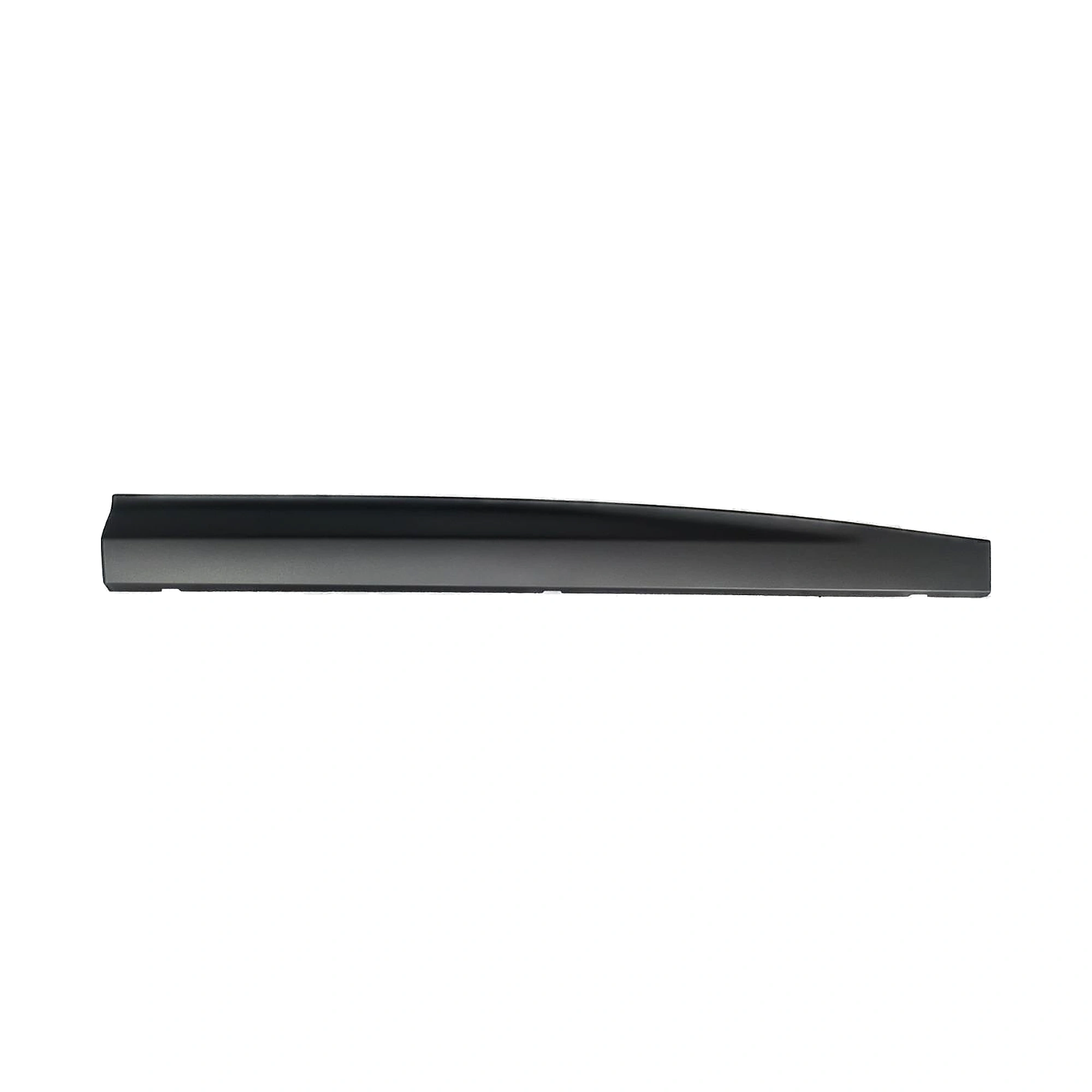
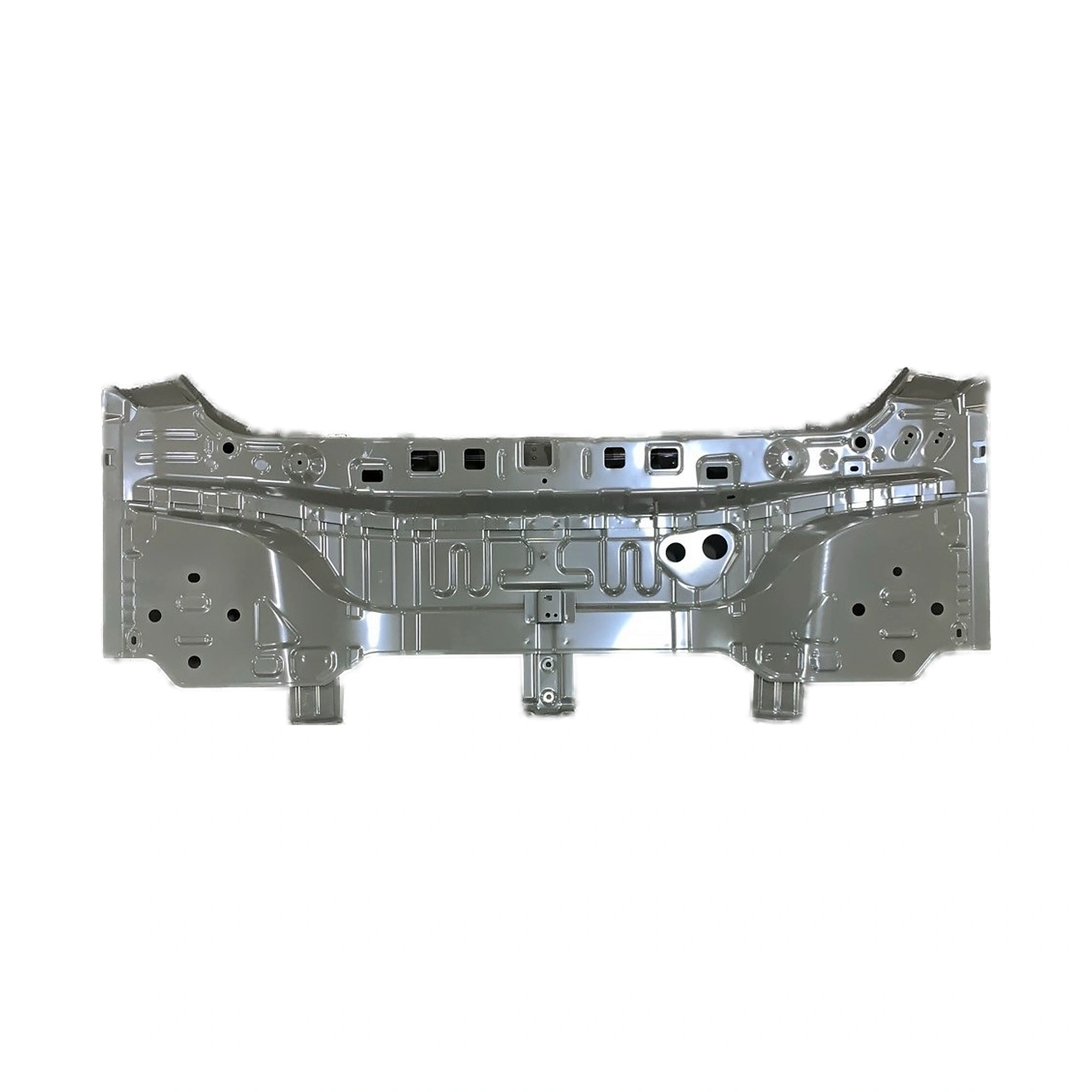
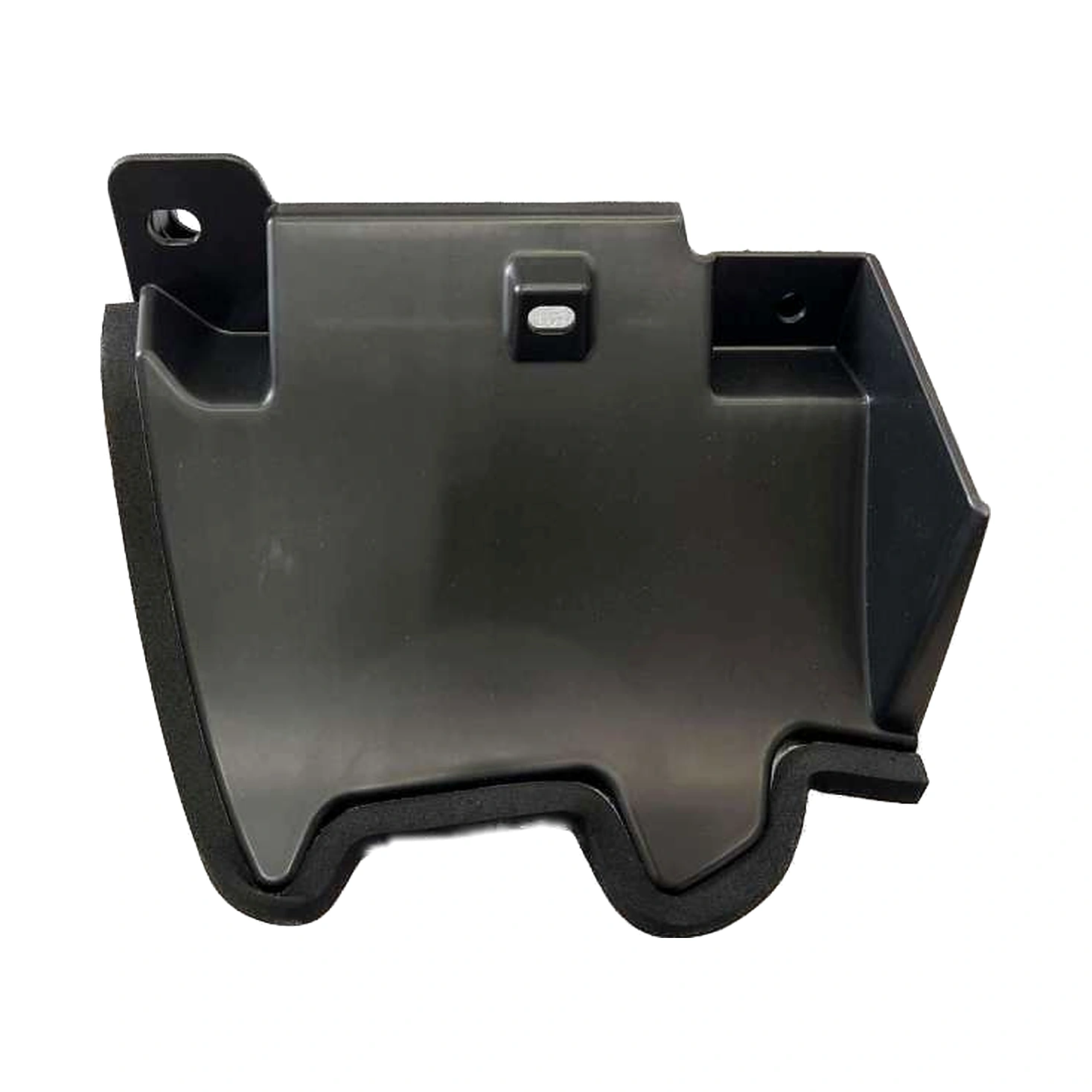
Popular Right Now
scroll for more →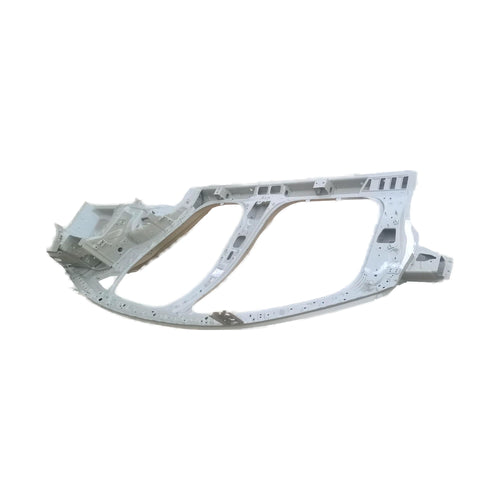
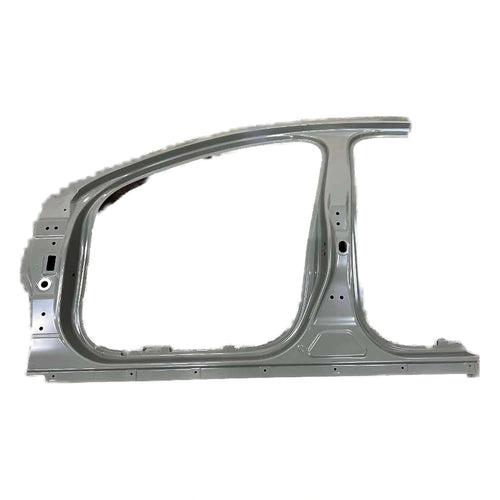
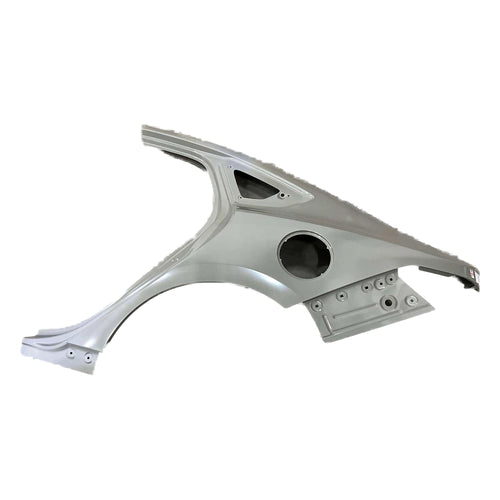
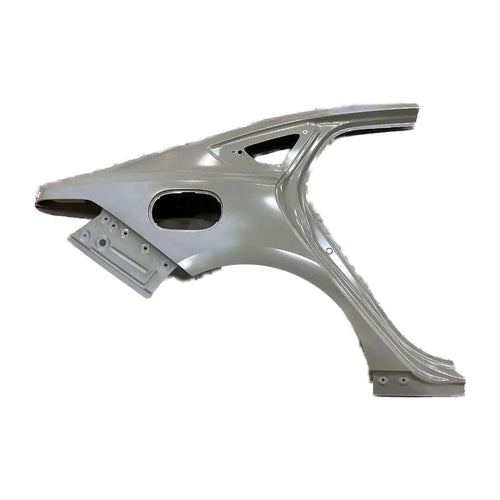
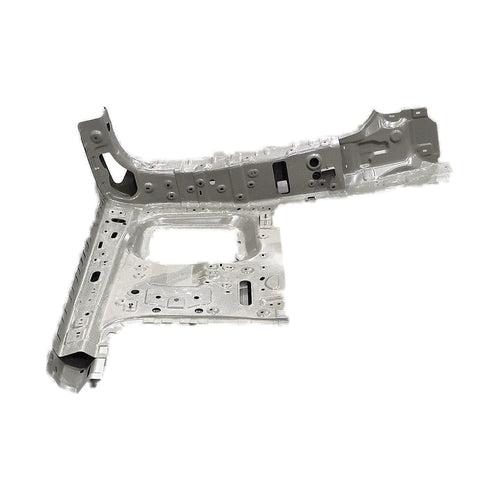
Symptom Finder: What Is Actually Broken?
| What you see or hear | Part to check first |
|---|---|
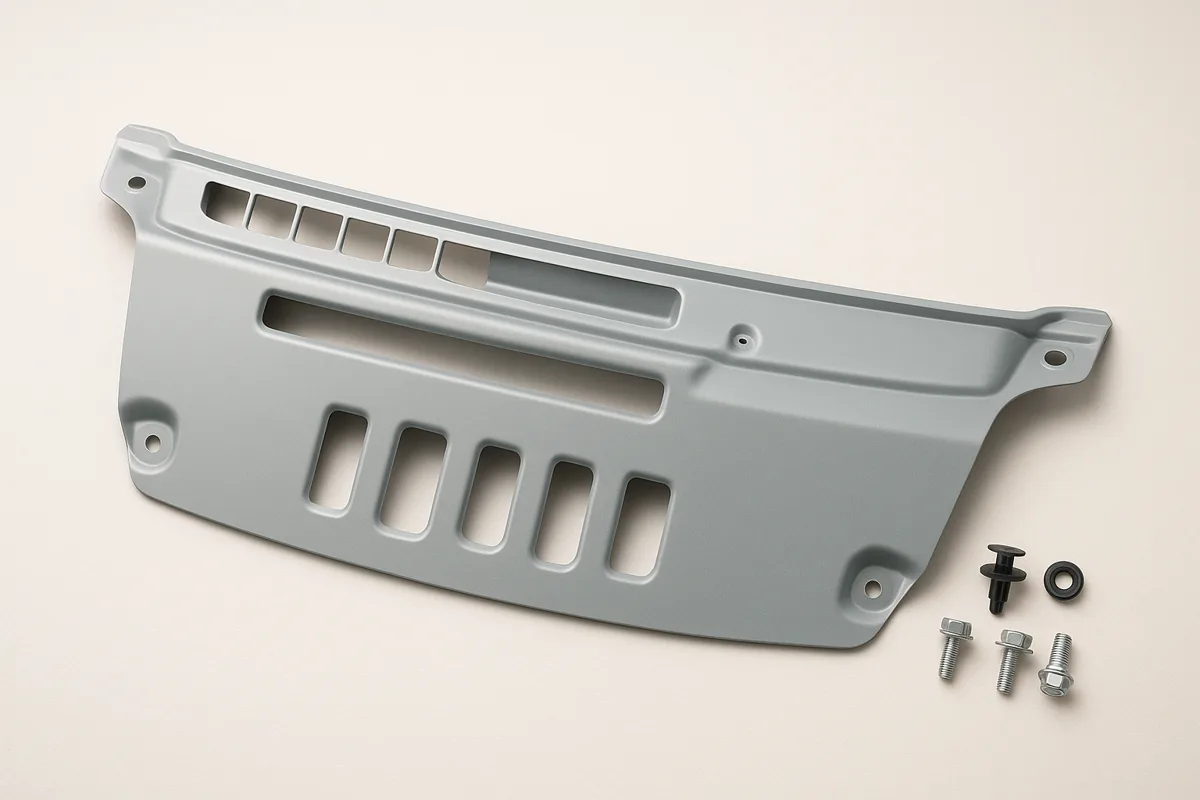
| Rattle or airflow whistle from the front after a minor knock | Radiator air deflector |
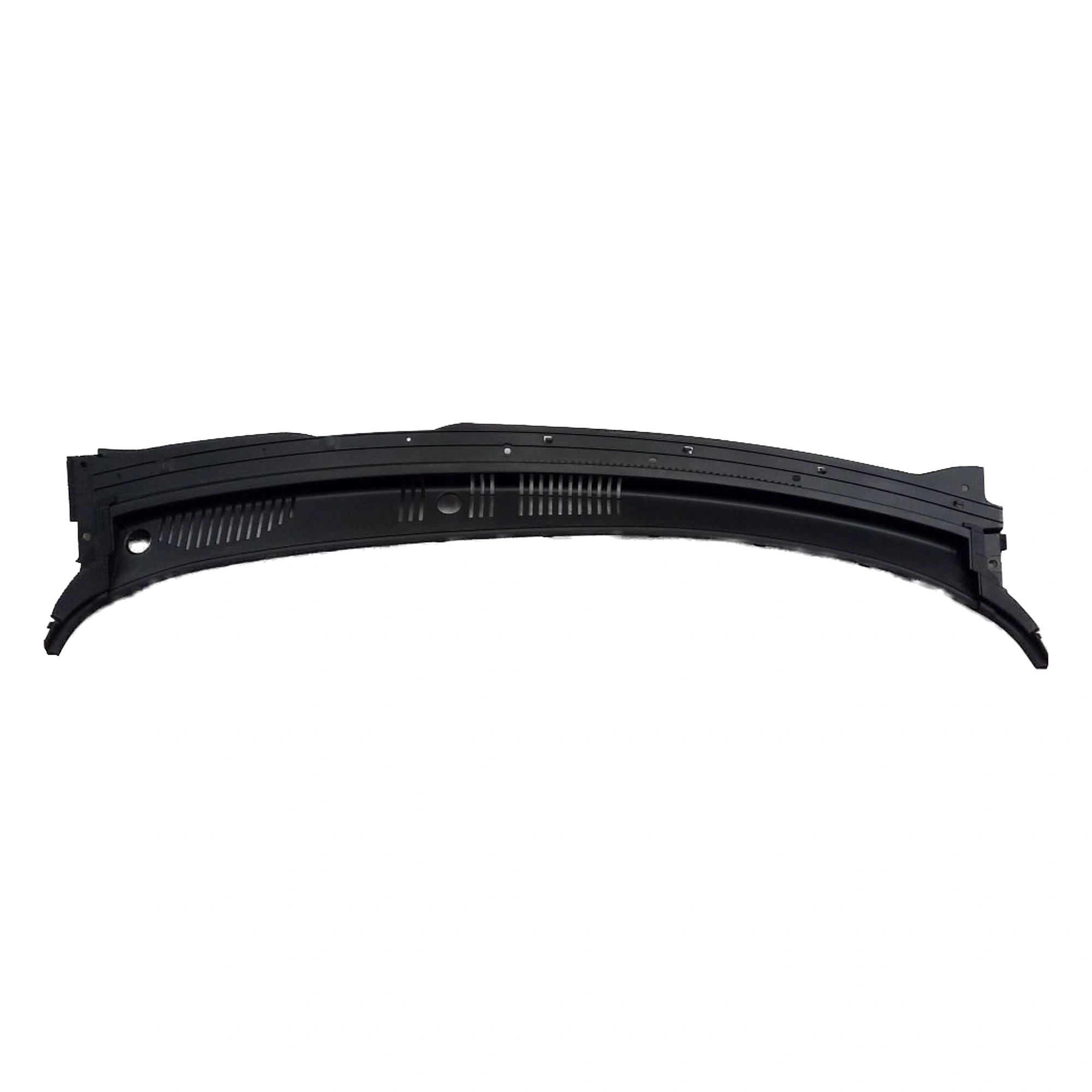
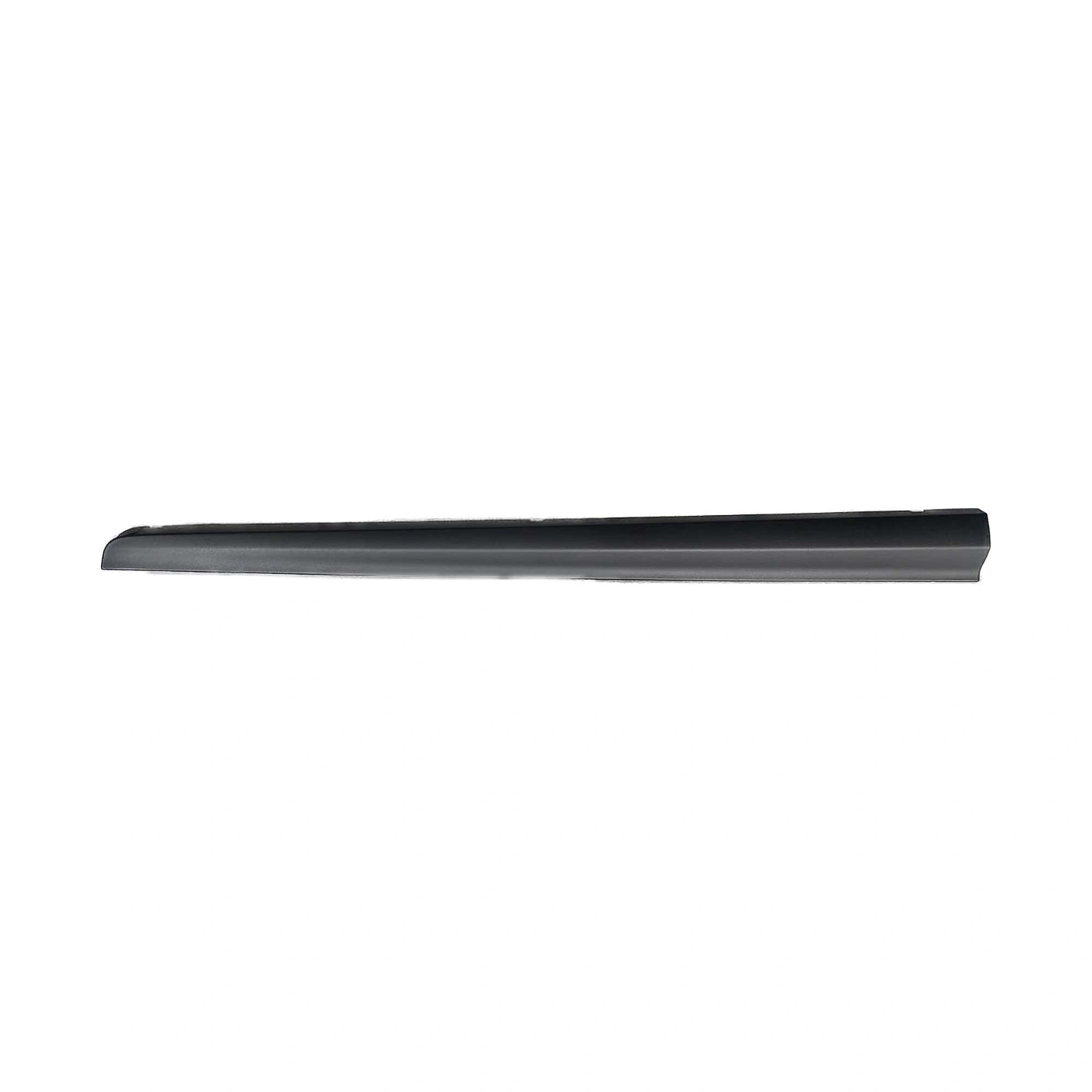
| Water pooling in the scuttle or reaching the cabin filter | Cowl vent cover trim panel |
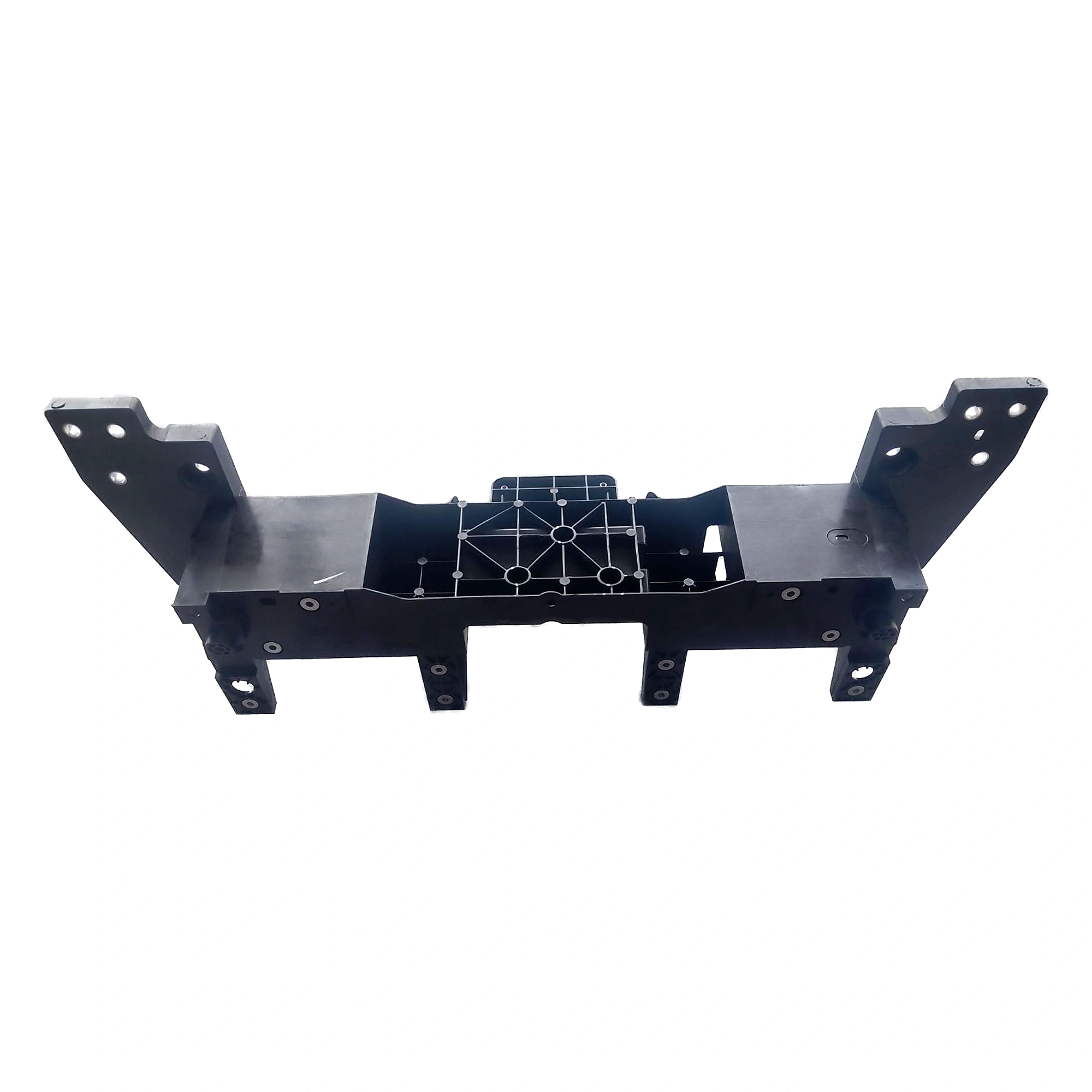
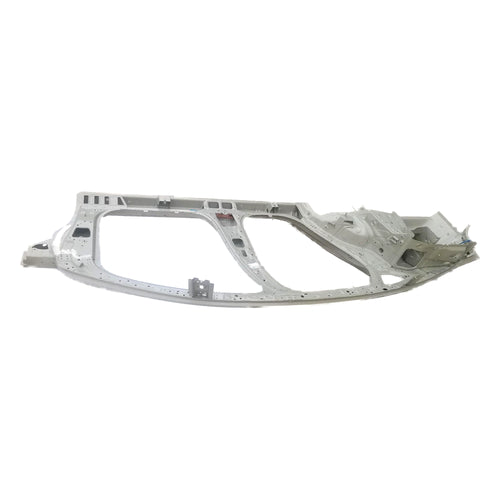
| Bonnet and lamps sitting out of line after a front impact | Front-end module |
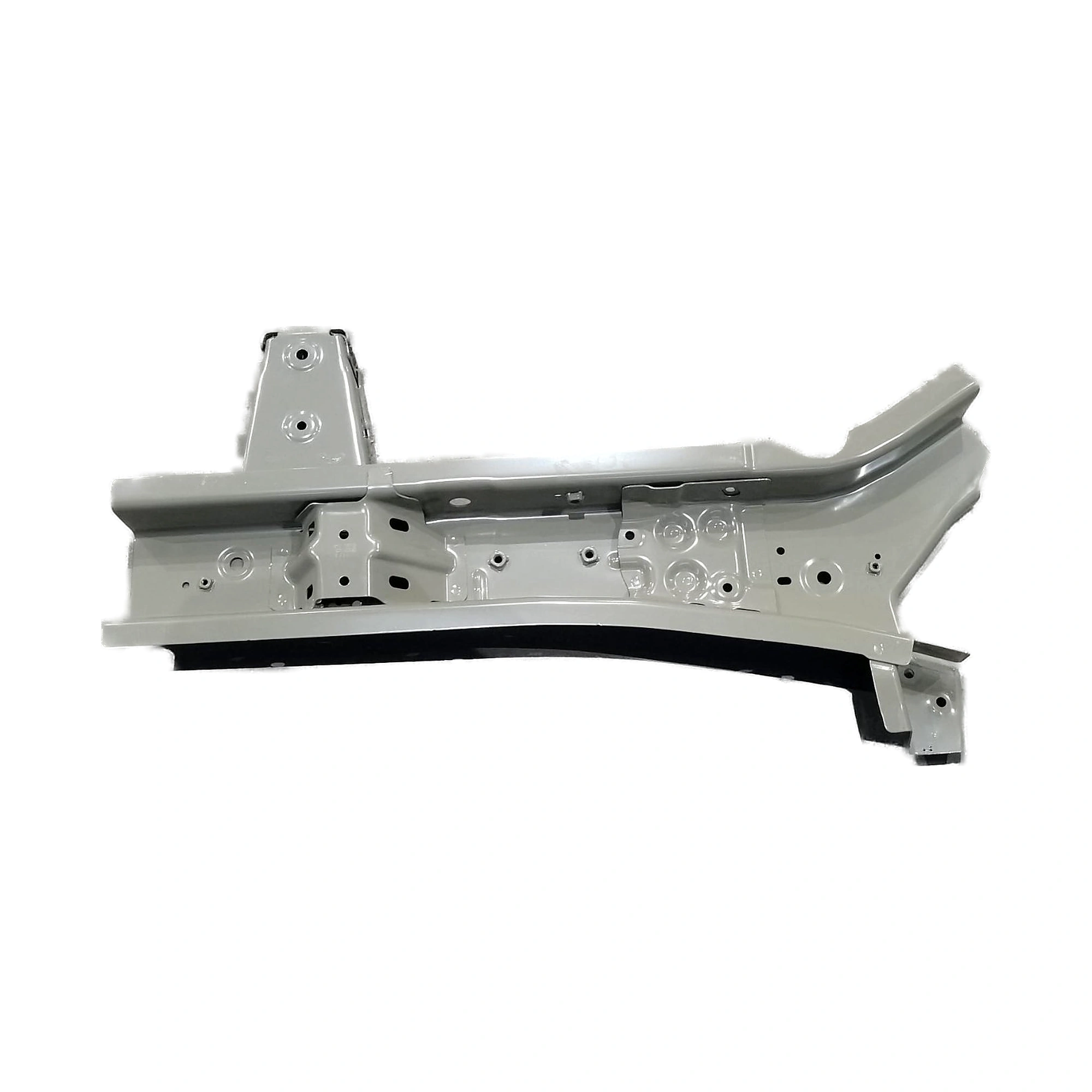
| Uneven door gaps and a car that pulls under braking | Front rail section |
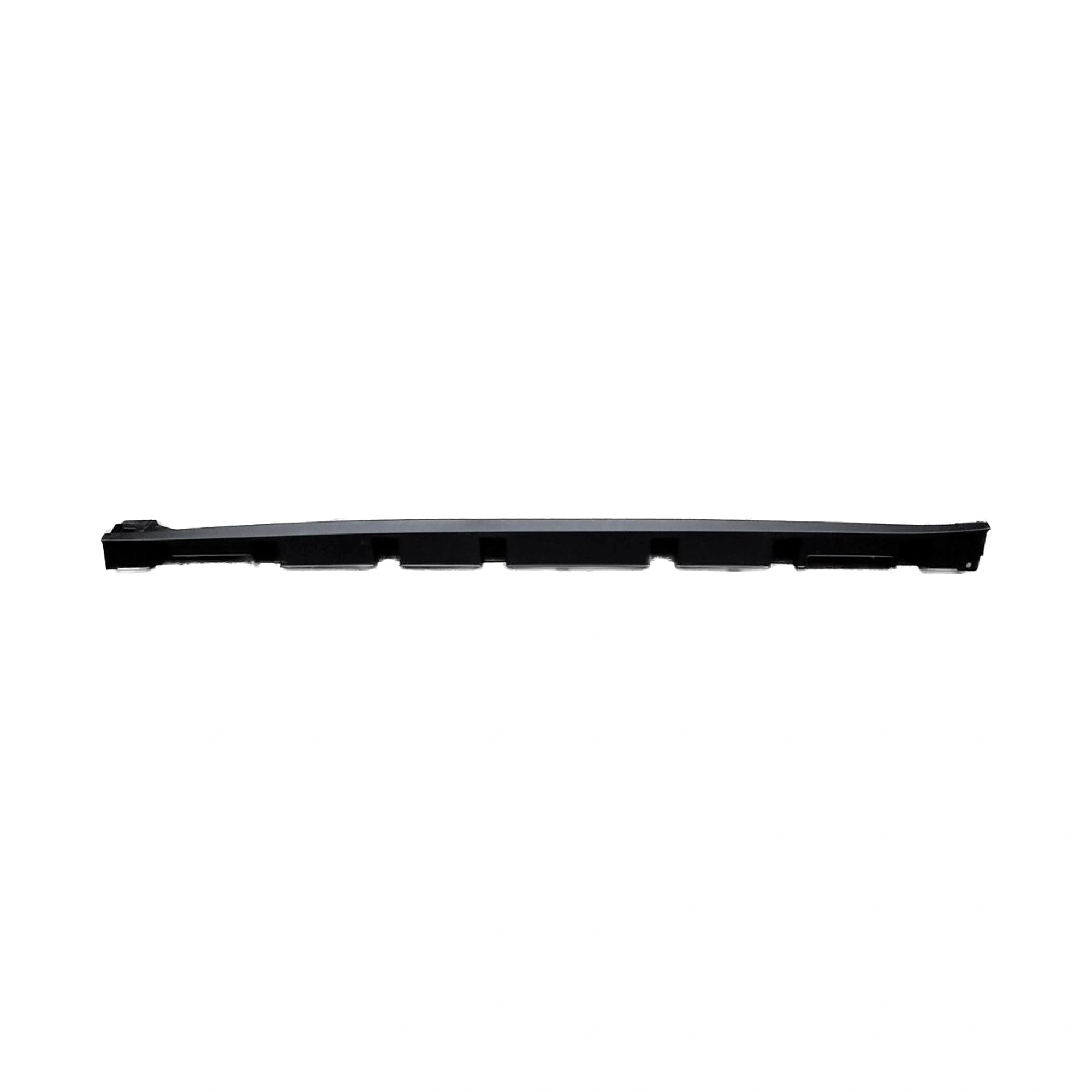
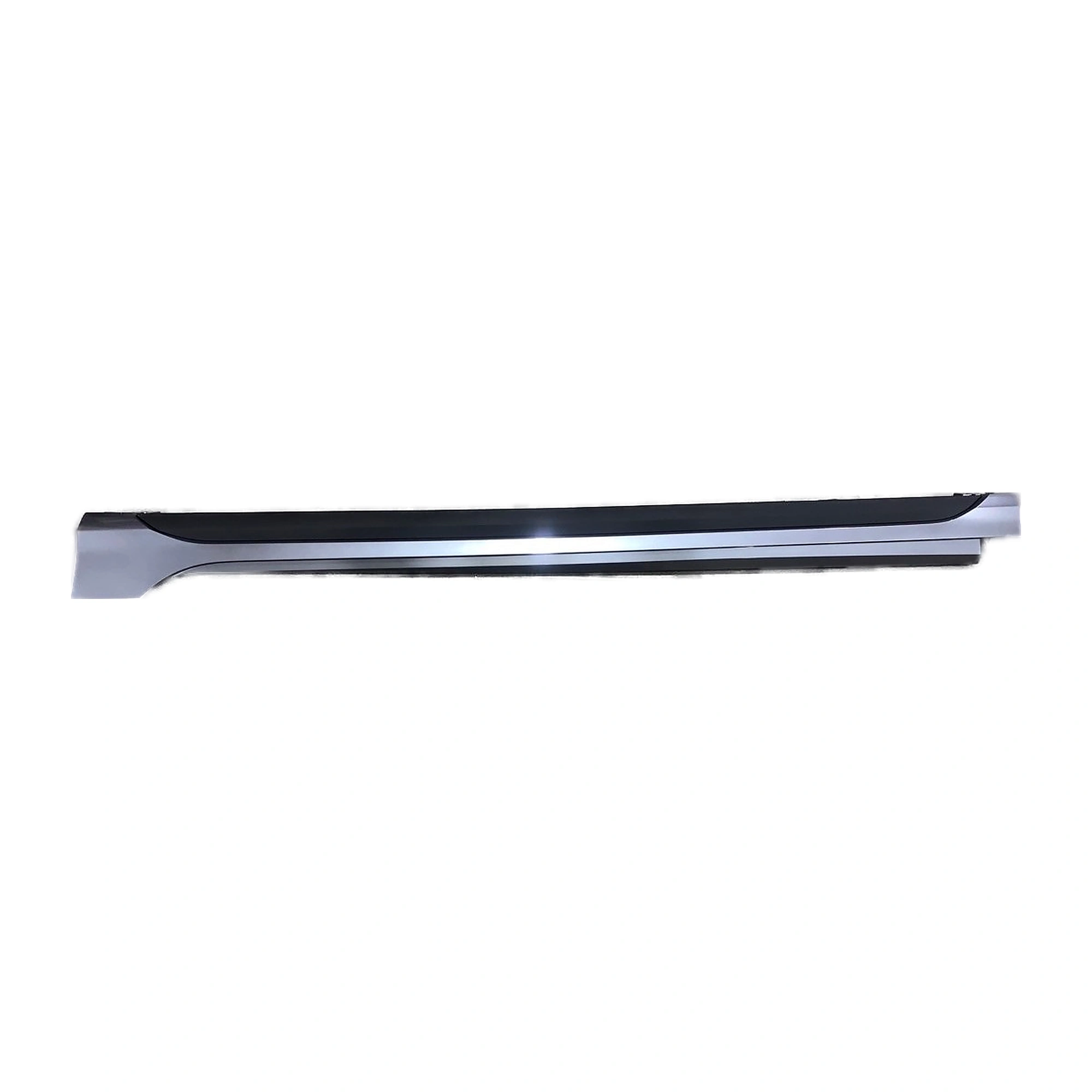
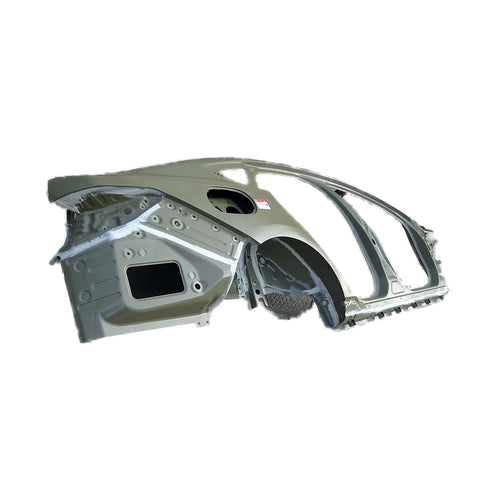
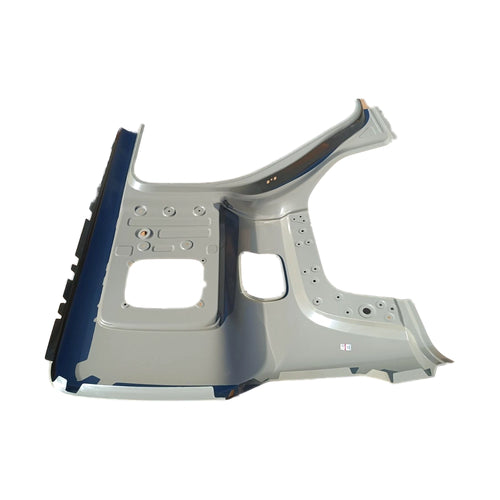
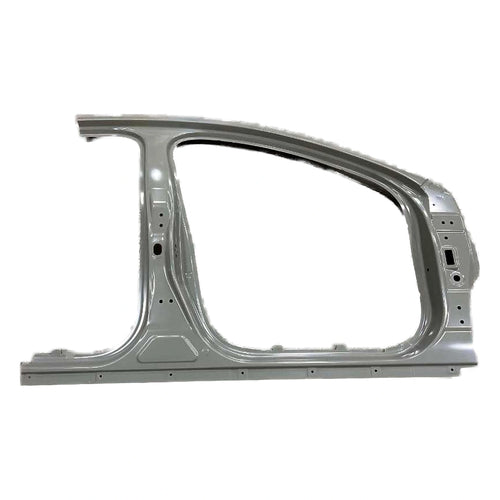
| Rust or crush damage along the base of the door opening | Sill inner panel or bodyside skirt panel |
| Boot lid no longer sits flush after a rear shunt | Rear end panel |
About Body Panels & Structure
Under the visible panels sits the shell that actually holds the car up. On a unibody vehicle there is no separate chassis, so stiffness comes from a cage of pressed sections: longitudinal rails running fore and aft, cross members tying them side to side, sills along the base of the door apertures, and a cowl structure across the base of the windscreen. Those members are engineered to fold in a designed sequence during an impact, which is why the front rail is drawn with crush initiators and why the sill is straight and stiff. Bolted to the front of that cage is the front-end module, a carrier that holds the radiator pack, the lamps and the bonnet latch as one sub assembly so the line can fit them in a single operation. Around it sit air deflectors and cowl vent covers, thin mouldings that steer air into the radiator and water out of the scuttle. Damage the deflectors and cooling suffers. Damage the rails and geometry does.
What to know before buying Body Panels & Structure parts
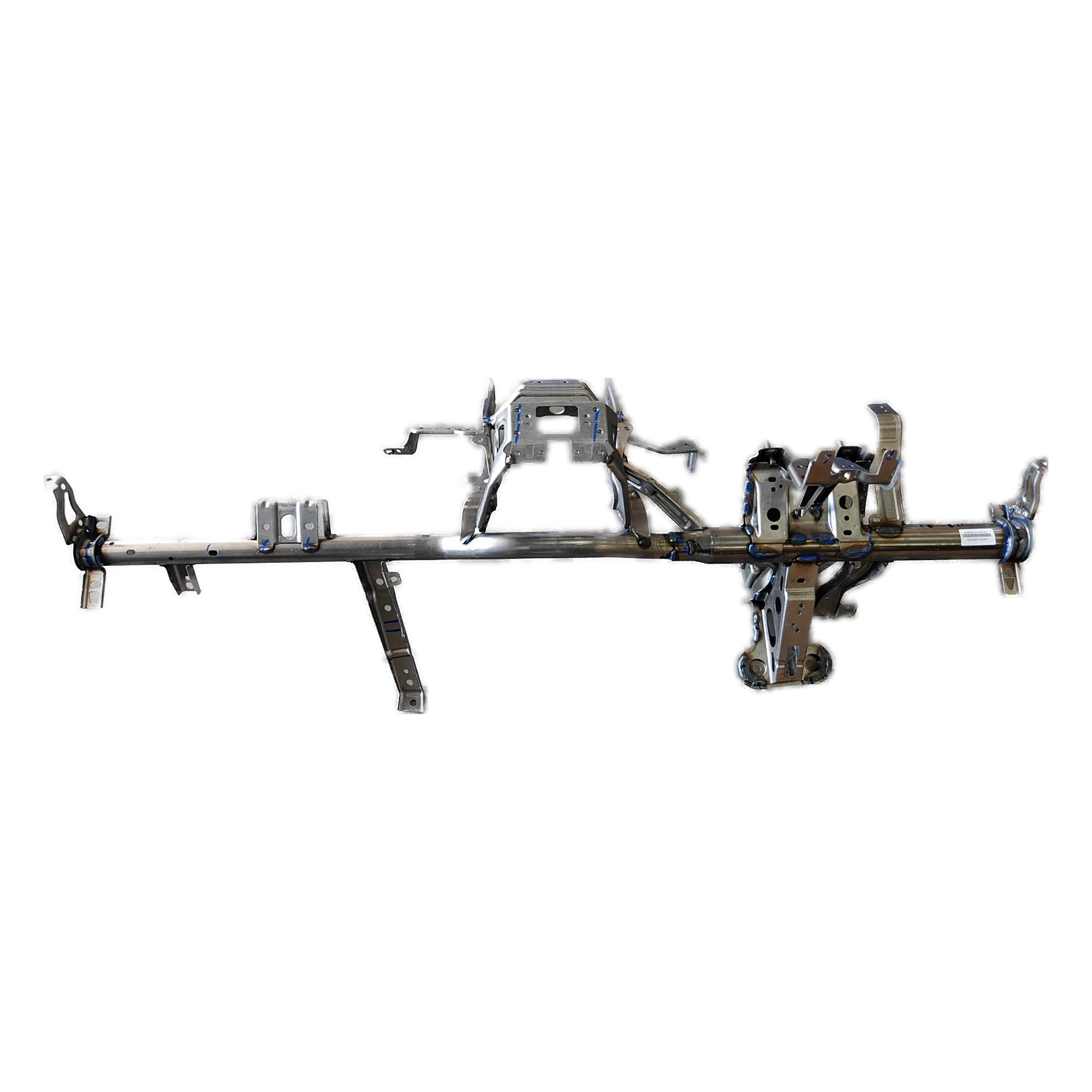
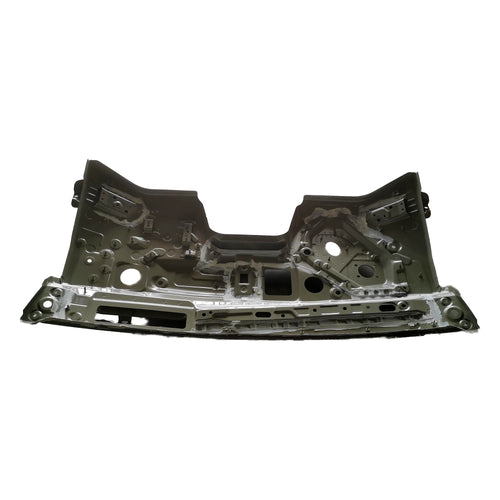
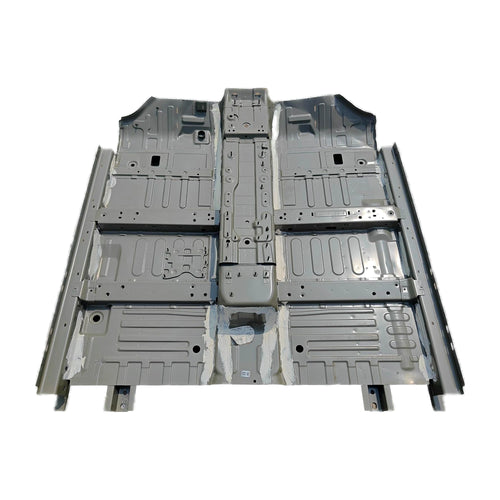
This category holds two quite different kinds of part, and it pays to know which one you need. The structural group covers front rail front and rear sections and sill inner panels. Cross car beam welded assemblies, rear end panels and bodyside apron and skirt panels sit here too. These are welded or bolted into the shell and they carry crash loads. Fitting them is a body shop job, measured to factory data.
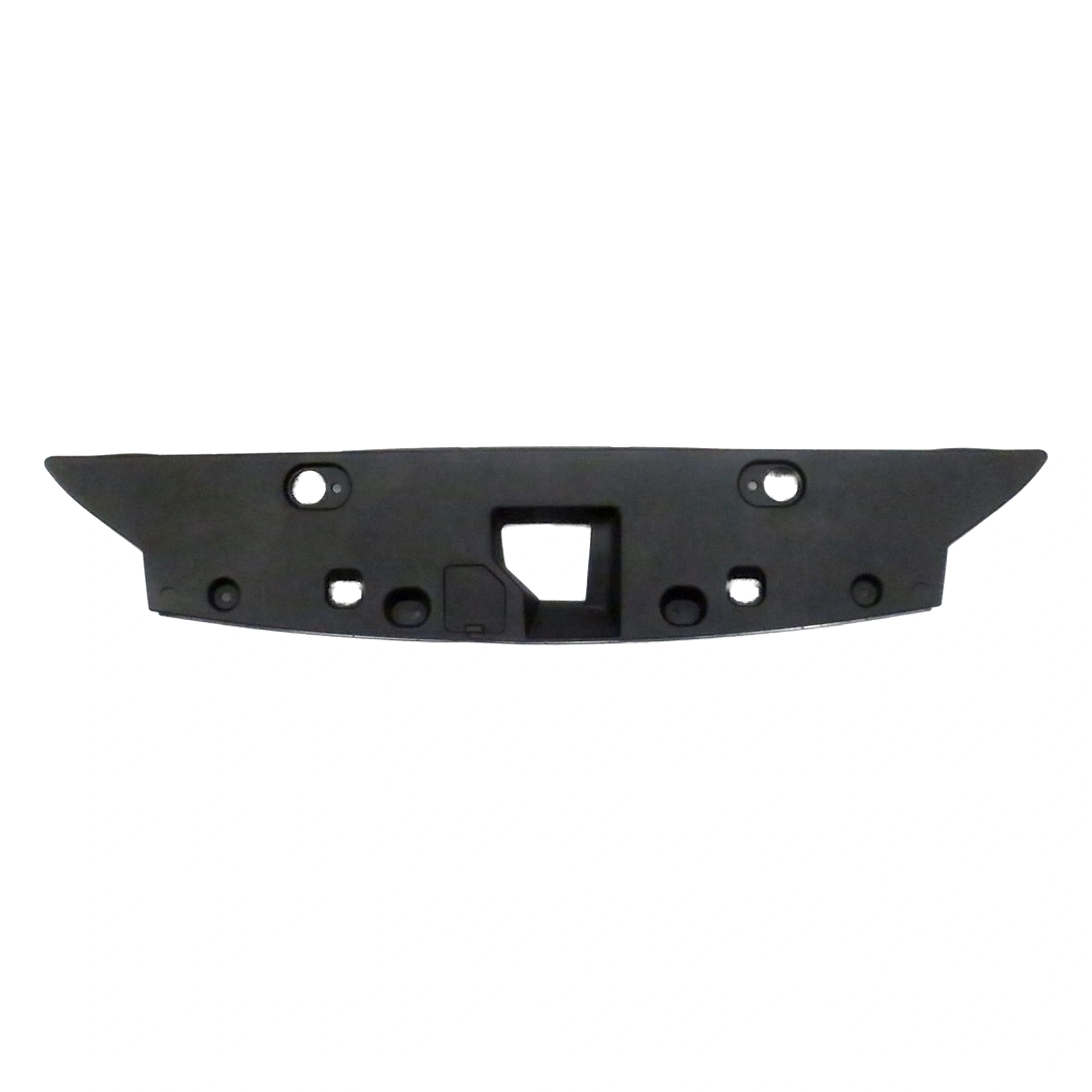
The bolt on group is the one most owners actually need. It covers grille upper cover panels, vent cover panels and cowl vent trim. Radiator air deflectors for left and right, fully enclosed deflectors and the front-end module also belong here. A kerb strike or a minor front knock breaks these long before it touches a rail.
Match every item by OE number rather than by model and year. Facelifts revised deflector shapes and rail sections without changing the look of the car. Items with a price can be bought directly, and the rest are quoted against the same number. Cover runs strongest across the BYD group.
Before You Order: 6 Checks
- Work from the OE number. Structural sections were revised within model runs without any visible change.
- Establish whether the part is welded or bolted before ordering. Welded sections need a body shop and factory measurement data.
- Left and right are given as seen from the driver's seat facing forward.
- Structural panels arrive bare or primed and need corrosion protection, seam sealer and cavity wax after fitting.
- Air deflectors and cowl covers are supplied without clips. Order a clip set at the same time.
- After any impact hard enough to move a rail, have the shell measured before buying panels, so you order once.
What Changed and Why
Body structures have become mixed material and that changes repair practice. Hot formed boron steel is now standard in sills, A pillars and cross members, and it must never be heated, straightened or sectioned outside the positions the manufacturer allows, because the strength comes from the heat treatment rather than the thickness. Battery electric platforms add a second constraint: the pack forms part of the floor structure, so sill and cross member repairs sit directly against high voltage components and require isolation before work begins. Manufacturers increasingly publish sectioning points and joining methods per panel, and insurers audit against them.
Body Panels & Structure: Frequently Asked Questions
What is the difference between a body panel and a structural panel?
A body panel such as a wing or a door hangs on the shell and can be unbolted without affecting how the car behaves in a crash. A structural panel is part of the shell: rails, sills, cross members and the cowl. Those are welded in, they carry and direct impact loads, and replacing one means cutting, measuring and welding to published factory data. This category contains both, so read the listing carefully. If the part you are looking at is a rail section or a sill inner panel, budget for a body shop rather than a weekend.
What is a front-end module and when does it need replacing?
It is the carrier bolted across the nose of the car that holds the radiator pack, the cooling fans, the headlamps and the bonnet latch as one sub assembly. Because it sits directly behind the bumper, it is the first structural item to take damage in a low speed front impact, and a distorted one shows up as lamps that no longer line up, a bonnet that will not latch squarely, or a radiator sitting at an angle. It bolts on rather than welds in, which makes it one of the more approachable repairs in this group.
My car has a rattle behind the front bumper. Where do I start?
Look at the radiator air deflectors first. They are thin mouldings that seal the gap between the bumper, the front-end module and the radiator pack so air is forced through the cooling stack rather than around it, and they are held by clips that snap the moment a wheel finds a deep pothole or a kerb. A loose deflector buzzes at speed and lets cooling air escape. They are among the cheapest listings in this category, catalogued left and right, and replacing them takes an hour with the undertray dropped.
Water is getting into my cabin filter housing. Which part is it?
Almost always the cowl vent cover, the panel across the base of the windscreen that the wipers sit through. It carries a grille to admit fresh air and a set of drains to carry rain away, and when its trim panels crack or their seals harden, water bypasses the drains and finds the plenum where the cabin filter lives. You will smell damp before you see it. The left and right cowl vent trim panels are listed here individually, so replacing the cracked side is usually enough.
How do I know whether my sill needs repairing or replacing?
Establish first whether the damage has reached the inner sill. Outer skin dents and surface corrosion on a bodyside skirt panel can often be repaired. Damage or rot that has gone through to the inner sill panel or the reinforcement inside is a replacement, because that section carries side impact load into the floor. Probe carefully behind the trim and along the jacking points. Modern sills also contain hot formed steel that cannot be straightened with heat, so a bent one is cut out and replaced rather than pulled.
Can a bent front rail be straightened?
A mild steel rail can sometimes be pulled straight on a jig if the deformation is limited and the metal is not torn. A hot formed boron steel section cannot: its strength comes from a heat treatment that straightening and heating destroy, and the manufacturer will specify replacement or sectioning at defined points instead. Since it is impossible to tell the two apart by eye, the honest answer is that any rail damage needs a measured assessment on a bench before parts are ordered. Buy the section the measurement calls for, not the one that looks bent.
Do these panels come painted?
Structural panels arrive bare or in electrocoat primer, because they are designed to be welded in and then sealed, primed and painted as part of the repair. Cosmetic items in this group, such as cowl vent trim panels and grille upper cover panels, are usually supplied in a textured black finish that is fitted as delivered. Air deflectors are unpainted mouldings that live out of sight. Check the finish field on the listing before ordering, and remember that any bare steel panel needs corrosion protection applied during fitting rather than afterwards.
What does a body structure part cost?
The spread in this category is wider than almost anywhere else on the site. Air deflectors, cowl trim panels and small connecting plates sit at the bottom of the range. Large welded assemblies, complete front-end modules and rear end panels sit at the top, since they ship as bulky steel weldments. The live minimum and maximum are shown in the band at the top of this page. Where a structural section carries no price, the quote form returns a current figure against the same OE number.
Why does my structural panel not match the picture of the same model?
Because platforms are revised constantly and quietly. Manufacturers change gauge, add reinforcement, and alter attachment points mid production without changing anything visible from outside, and battery electric versions of the same body frequently carry entirely different floor and sill sections. That is exactly why the OE number is the only safe reference here. Read the number from the old part where it is legible and match it before ordering a panel that will need cutting in. For date-split parts, check the build date on the car's identification plate as well.
What should be done after welding in a new panel?
Restore the corrosion protection the factory applied and the repair will outlive you. Skip it and rust appears within a couple of winters. That means weld through primer at the mating faces, seam sealer replicating the original bead profile, cavity wax injected into every closed section you opened, and underbody coating where the panel is exposed. Any drain holes blocked during the work must be cleared. On a battery electric platform, confirm high voltage isolation before any welding near the floor or the sills.
Are air deflectors worth replacing if they are only cracked?
Yes, and the reason is thermal rather than cosmetic. Deflectors seal the space around the cooling pack so that air passing the grille is forced through the radiator and condenser instead of slipping around the edges. A missing or broken one measurably reduces cooling airflow at low speed, which shows first as air conditioning that struggles in traffic and later as higher fan duty. They are cheap, they are listed left and right, and they clip in. Order a clip set with them since the originals rarely survive removal.
The structural part I need has no price. Can I still get it?
Yes. Every reference here exists in the factory catalogue under its OE number, and a missing price means no confirmed supplier rate has been loaded yet, which is common for large low volume weldments. Press request a quote on the listing and it comes back priced against current availability, using the same number matching as any stocked item. Structural sections are also worth quoting because packing and freight for a long steel part vary by destination, and the quote gives you the full delivered figure before you decide.