BYD Seal 07 DM-i Parts
Shop BYD Seal 07 DM-i Parts by Category
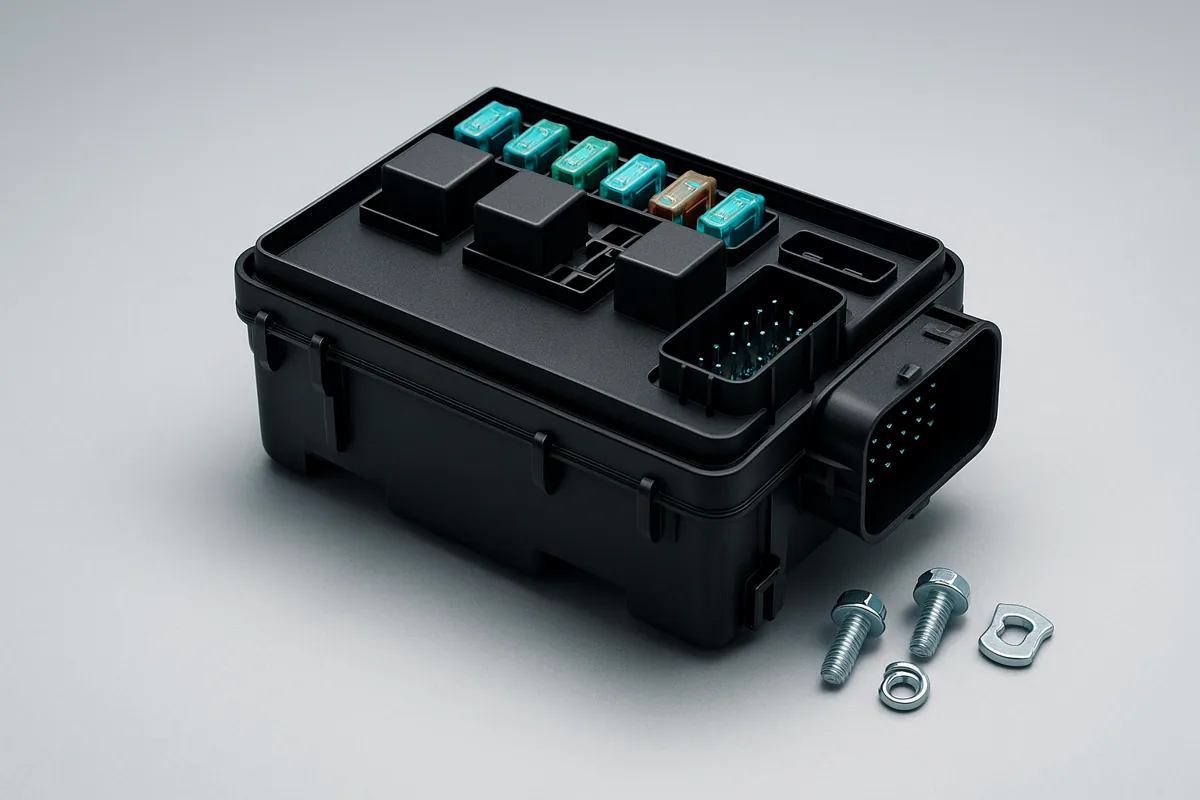
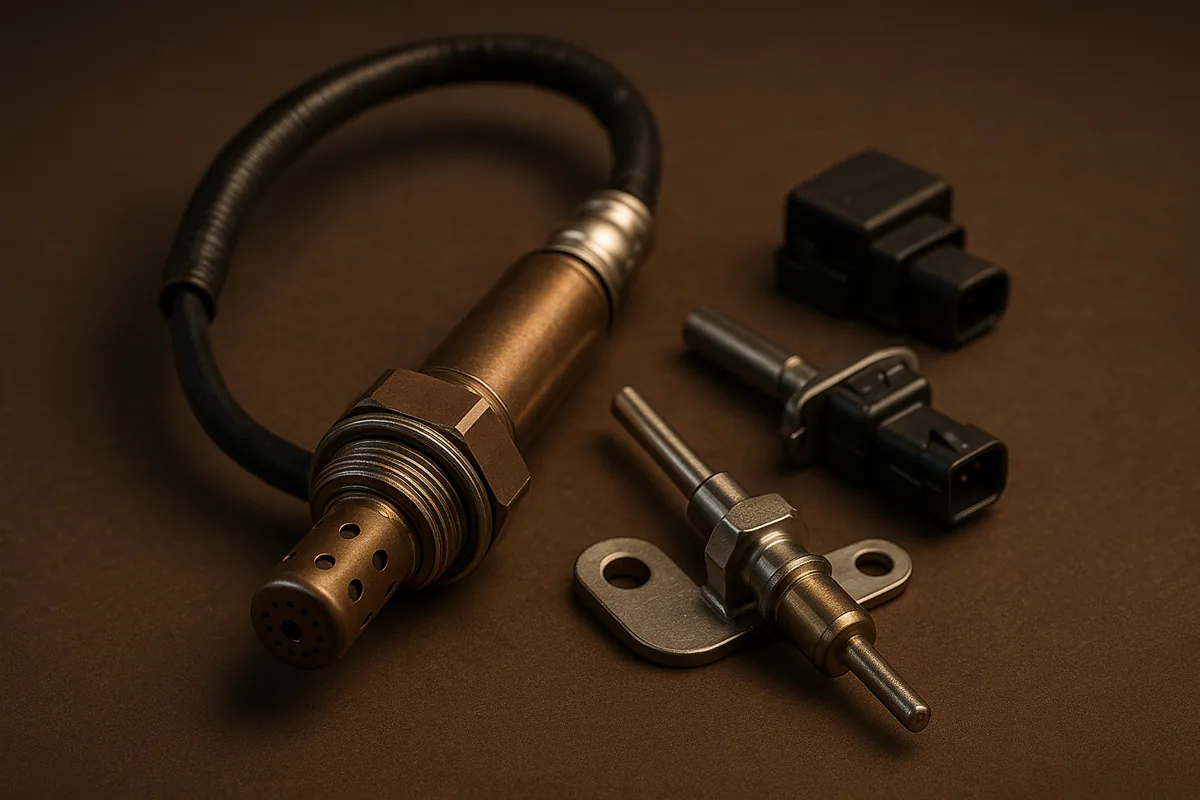
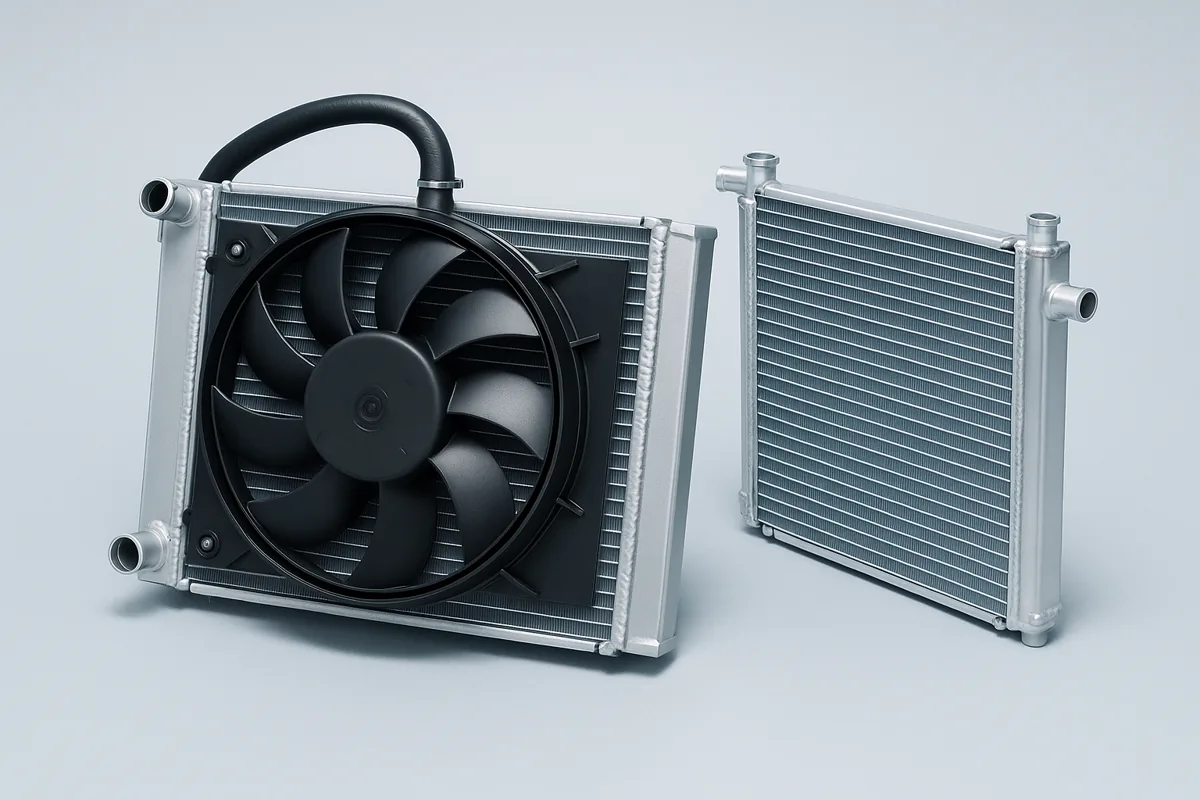
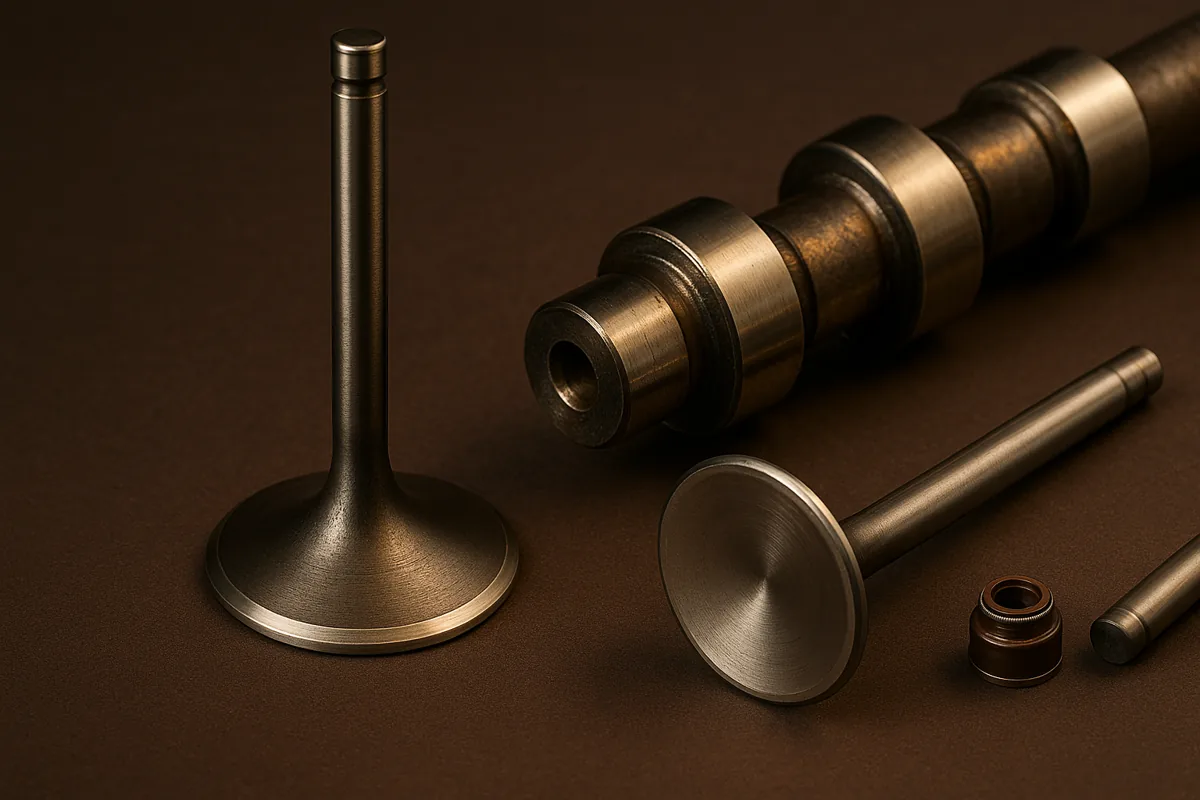
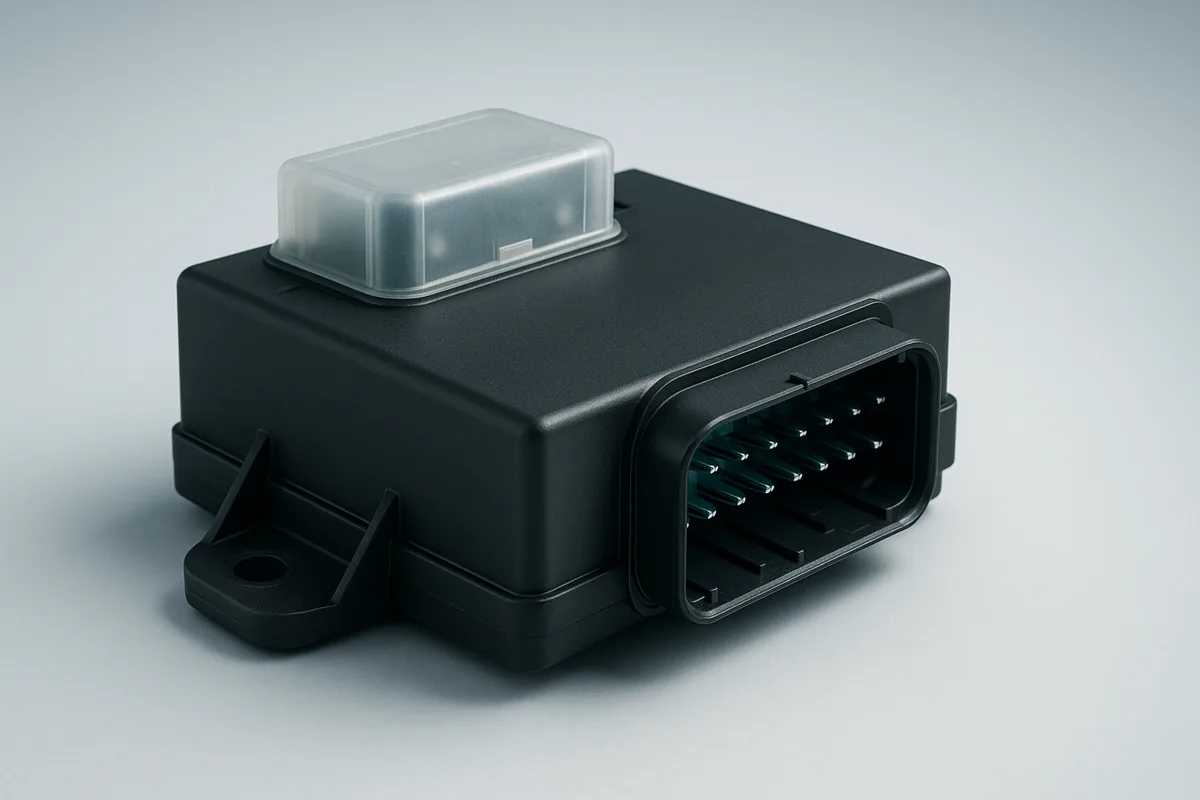
Popular for the BYD Seal 07 DM-i
scroll for more →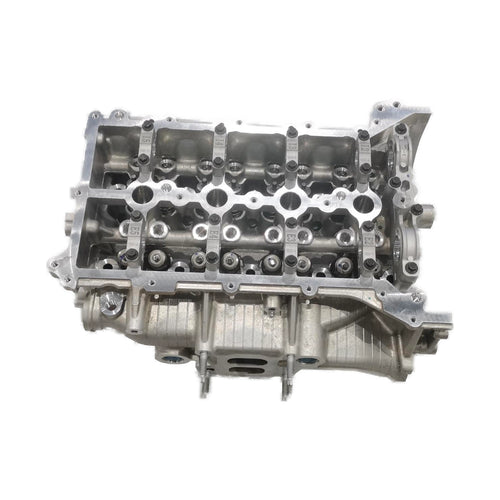
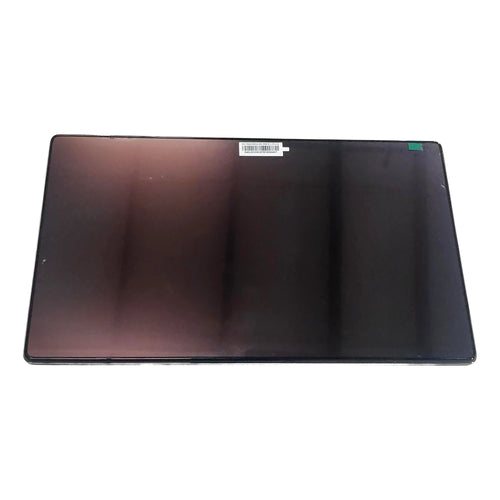
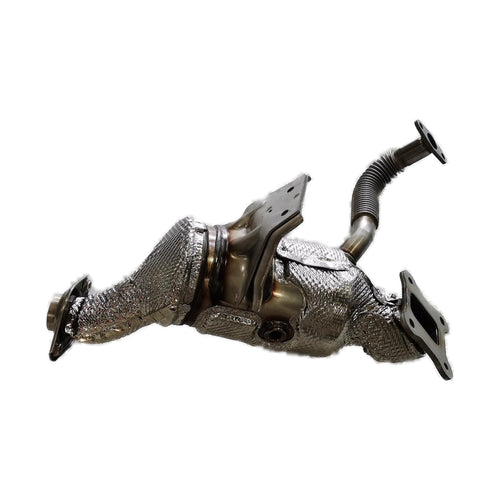
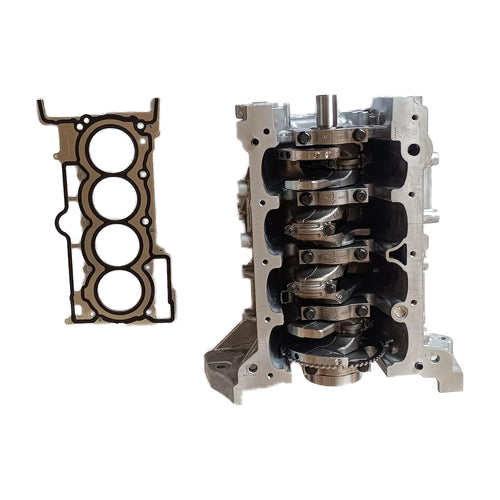
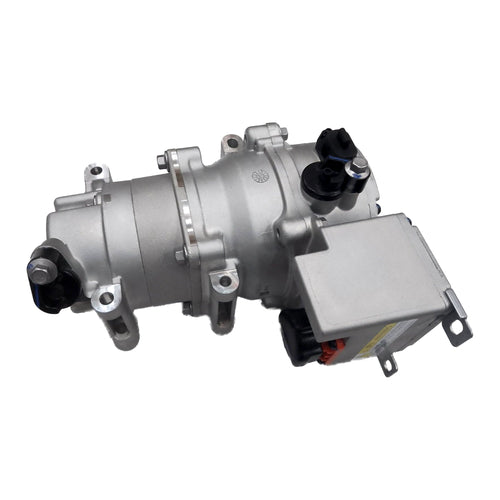
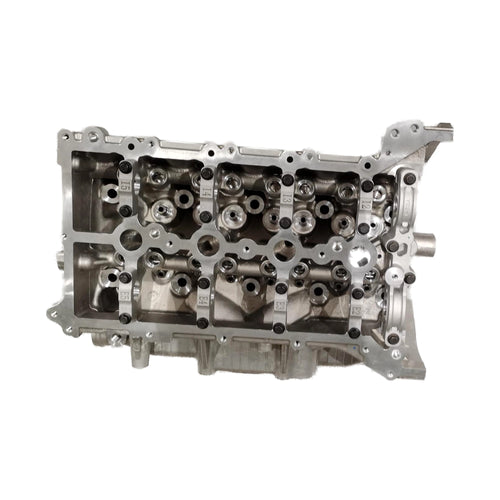
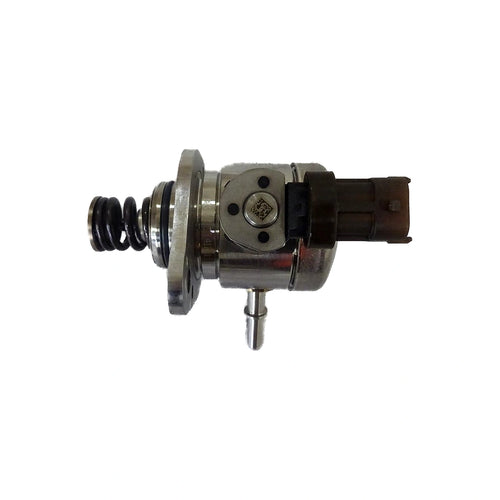
Symptom Finder: Known Weak Points
| What you see or hear | Check first |
|---|---|
| Unsettled ride or a suspension warning on a 2026 car | The DiSus-C dampers, fitted to every 2026 trim except the entry car. Check whether the old damper is a controlled unit before ordering, then match it by OE number. |
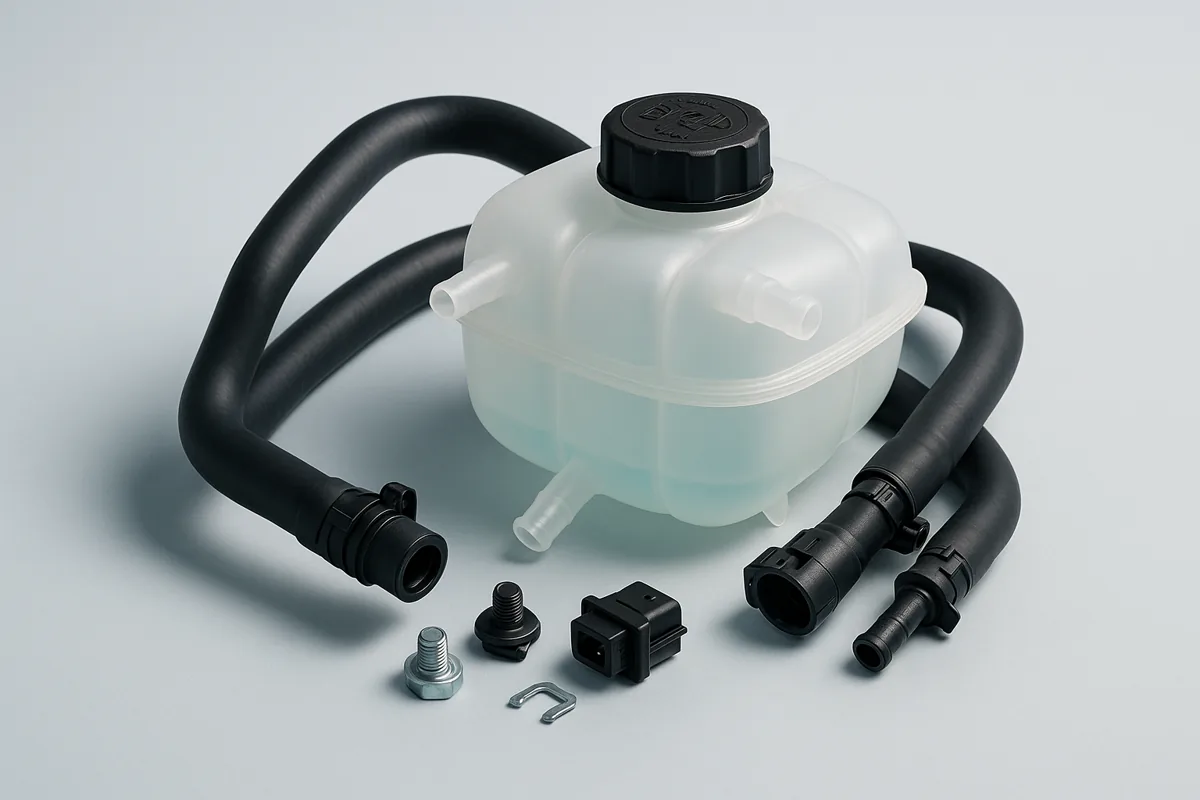
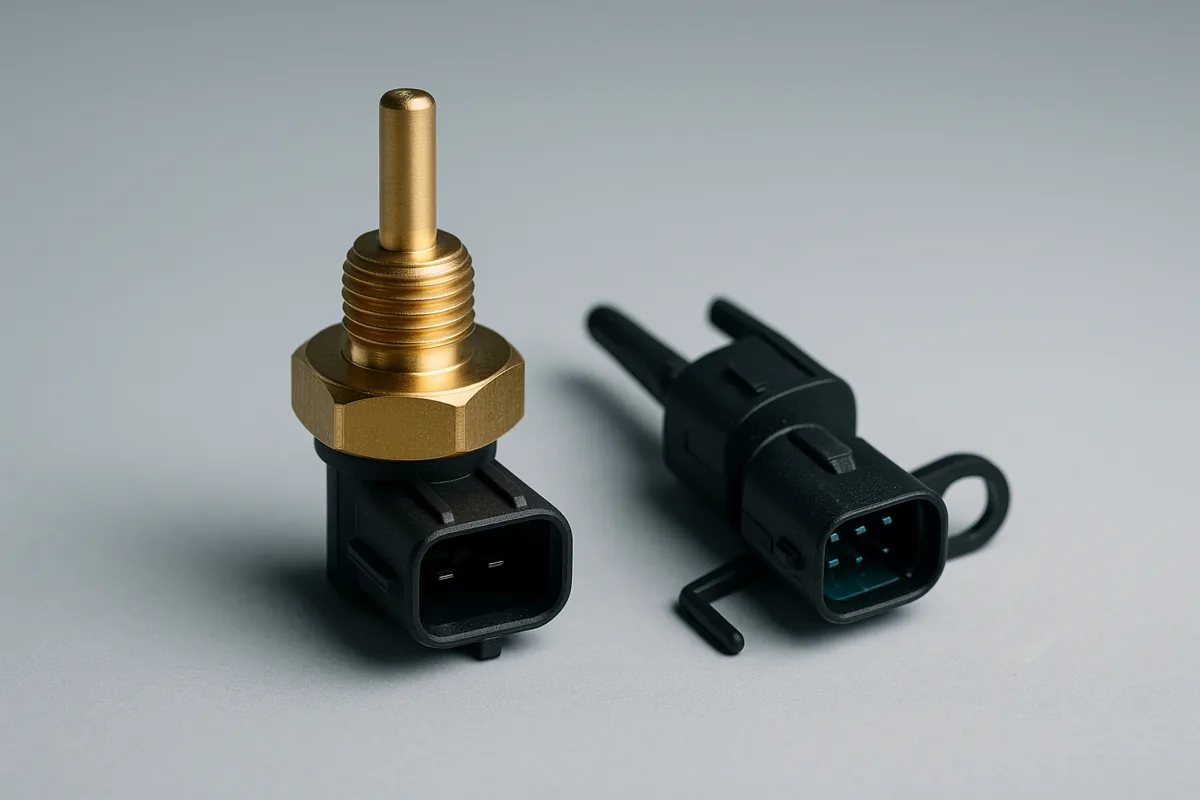
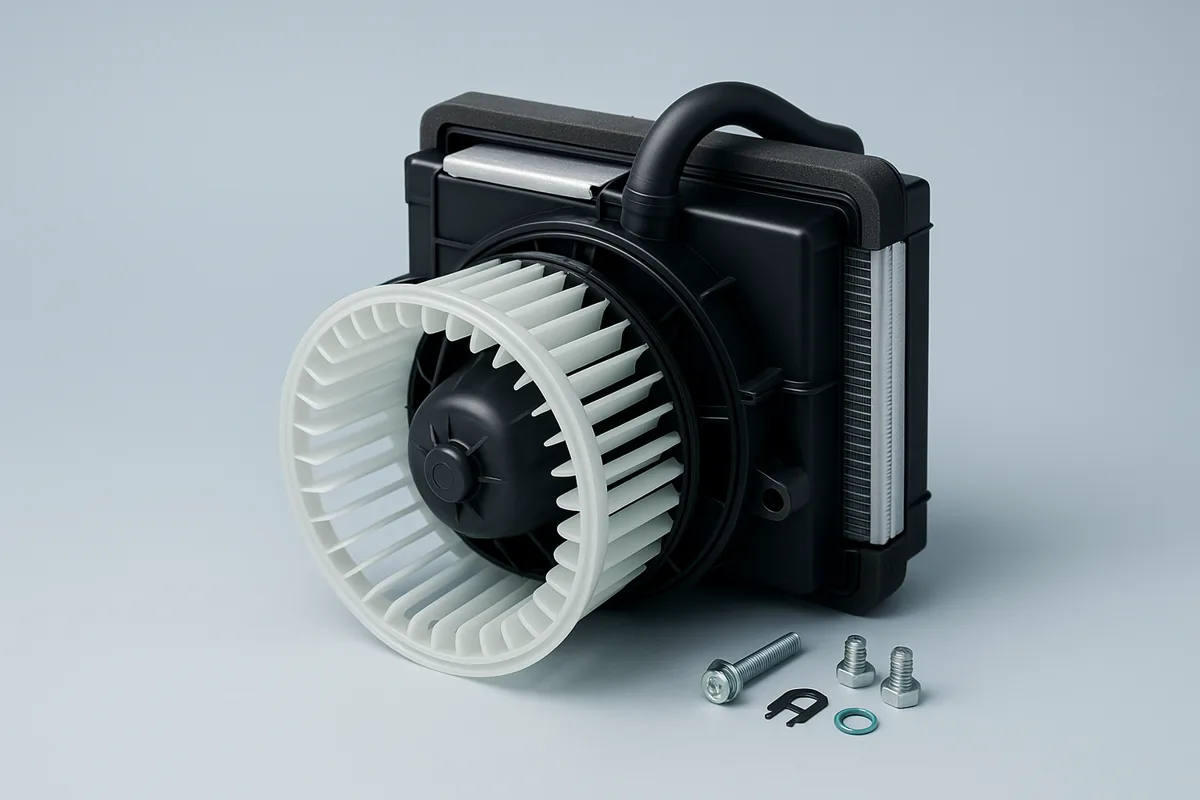
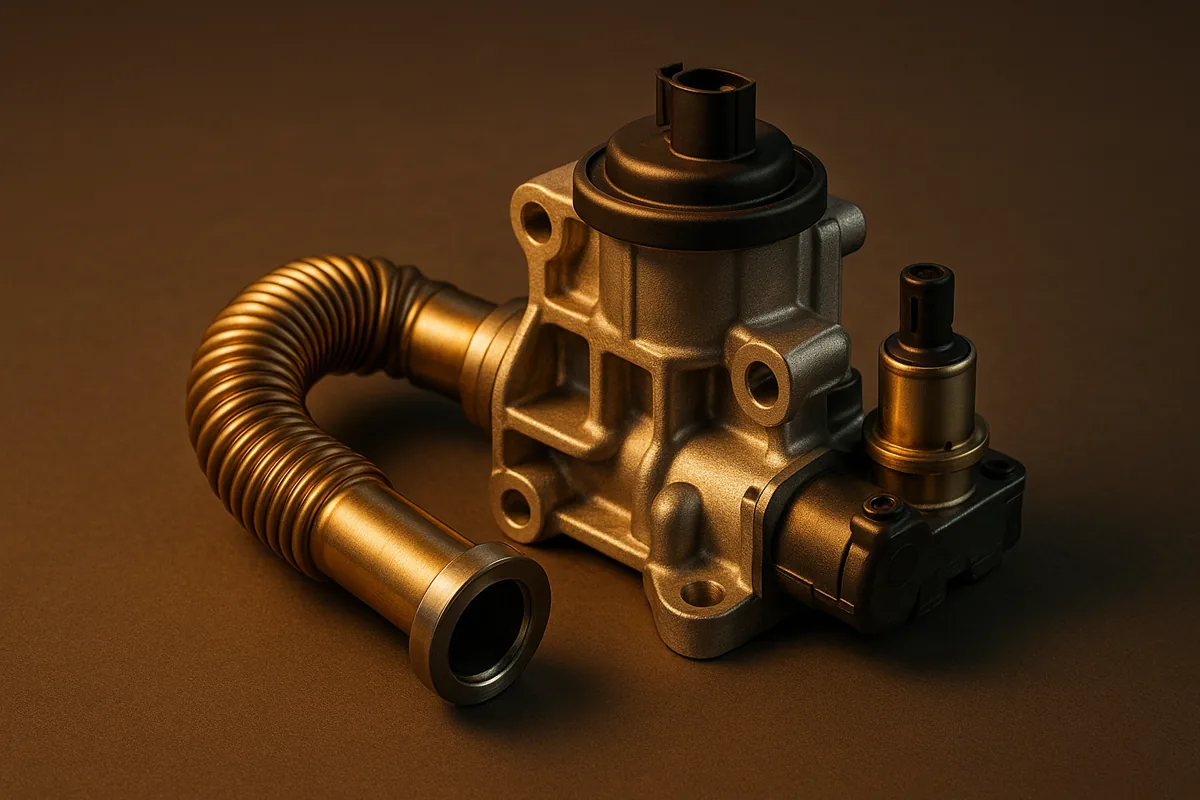
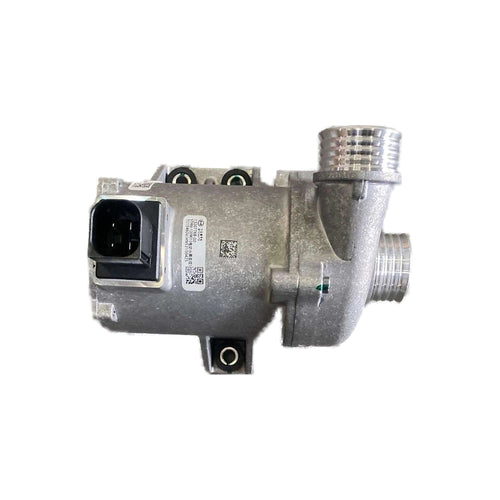
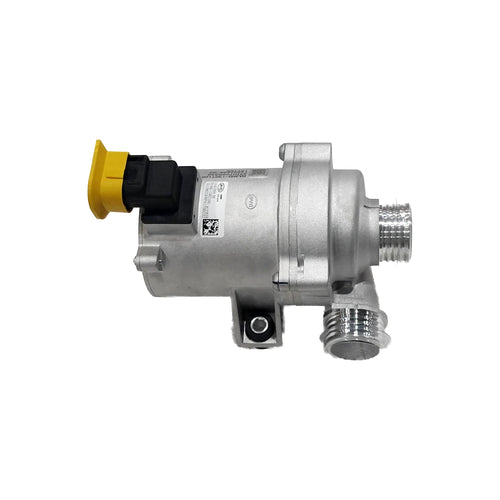
| Coolant warning or a falling coolant level | Coolant hoses, the expansion tank and the temperature sensors. The car cools an engine, a motor and a battery, so trace the leak to its circuit before ordering. |
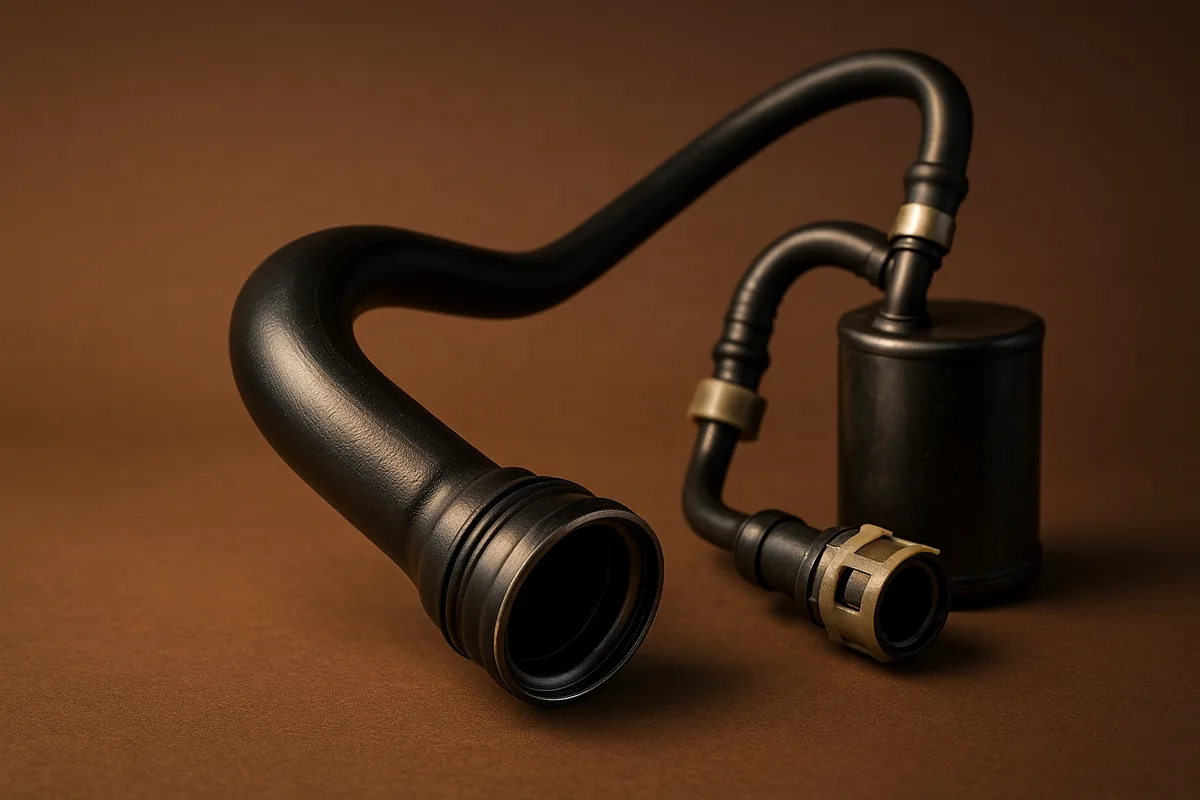
| Engine warning light or rough running when the engine starts | Begin with the air intake ducting, the filter and the engine sensors. Confirm whether the engine is naturally aspirated or turbocharged, since intake parts differ between the two. |
| Rear brake pads will not push back by hand | The electronic parking brake acts on the rear calipers, so the pistons need to be retracted electrically. Order a replacement caliper by side and OE number. |
| Parking sensor or driver-assistance warning after a minor knock | The ultrasonic sensors in the bumpers and their brackets. A bent bracket can set off the warning on its own, so check it before replacing the sensor. |
| Knock from the front over bumps, or uneven front tyre wear | The front control-arm bushings and links on the MacPherson strut front end. Check the alignment as well before ordering new tyres. |
| A tyre or rim ordered by model name does not fit | Early entry cars run 225/55 R17 and all other versions 225/50 R18. Read the sidewall and order to the size fitted. |
Most Replaced Parts on the Seal 07 DM-i
- Coolant hoses, expansion tanks and sensorsThe car cools an engine, a motor and a battery, so trace the leak first
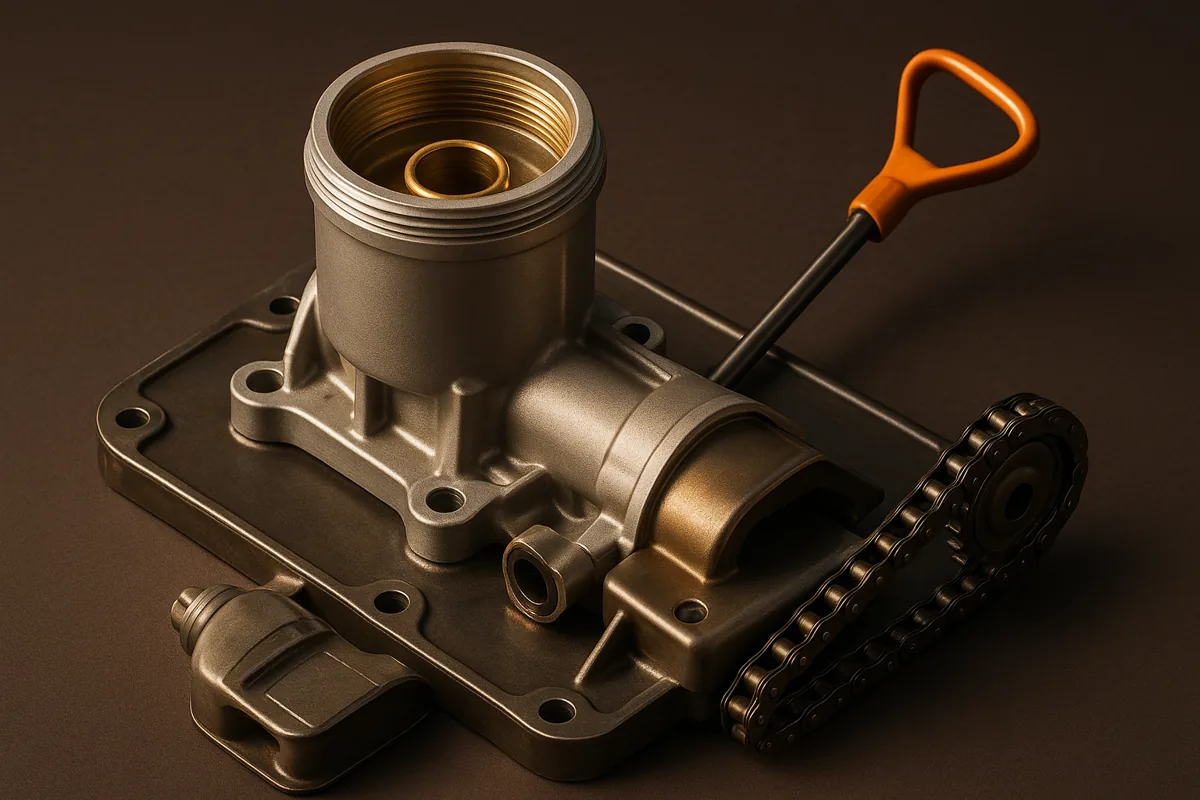
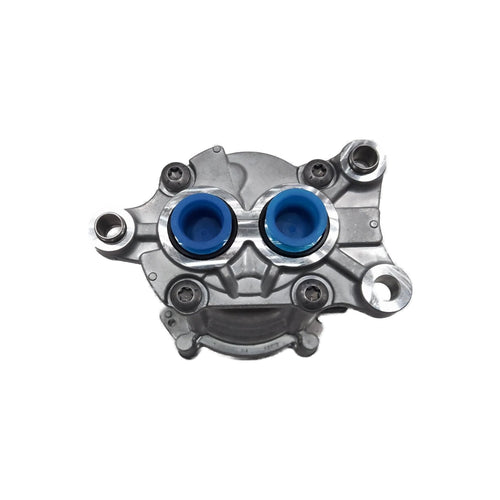
- Oil pump and sump circuit partsOil ages with time even when the engine runs rarely, so service by date
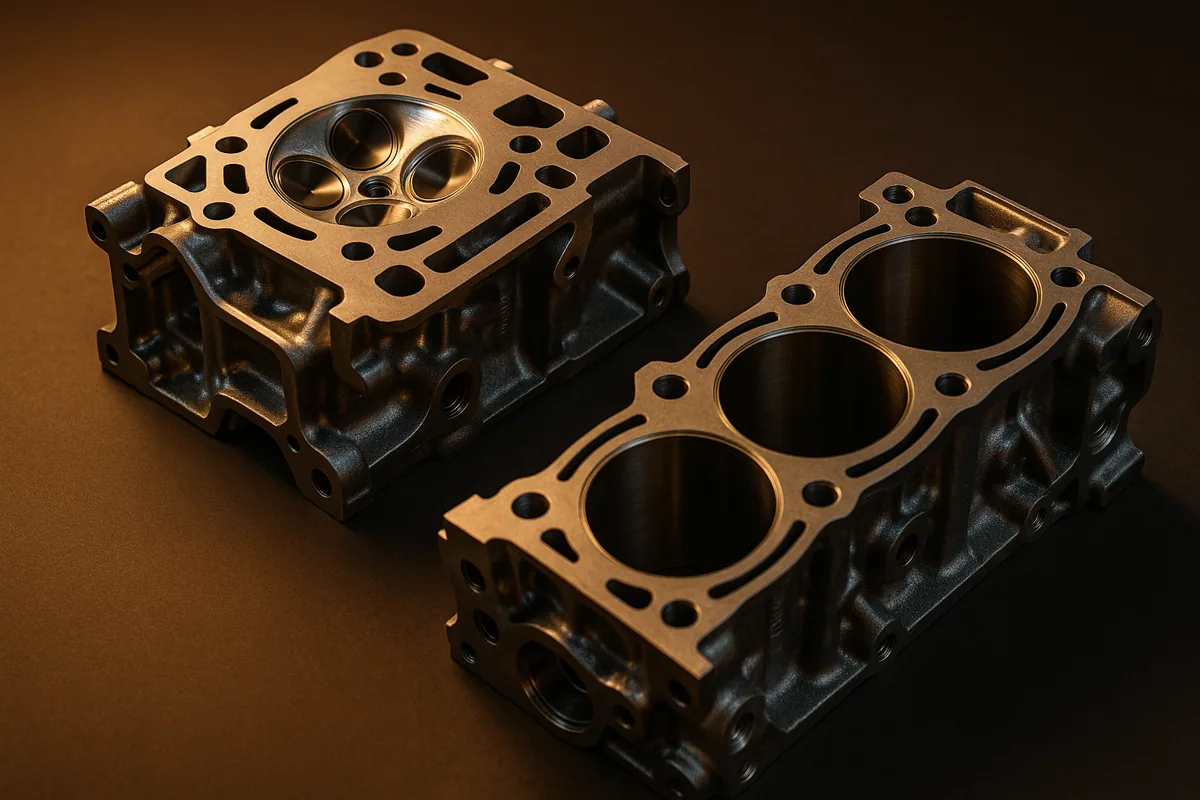
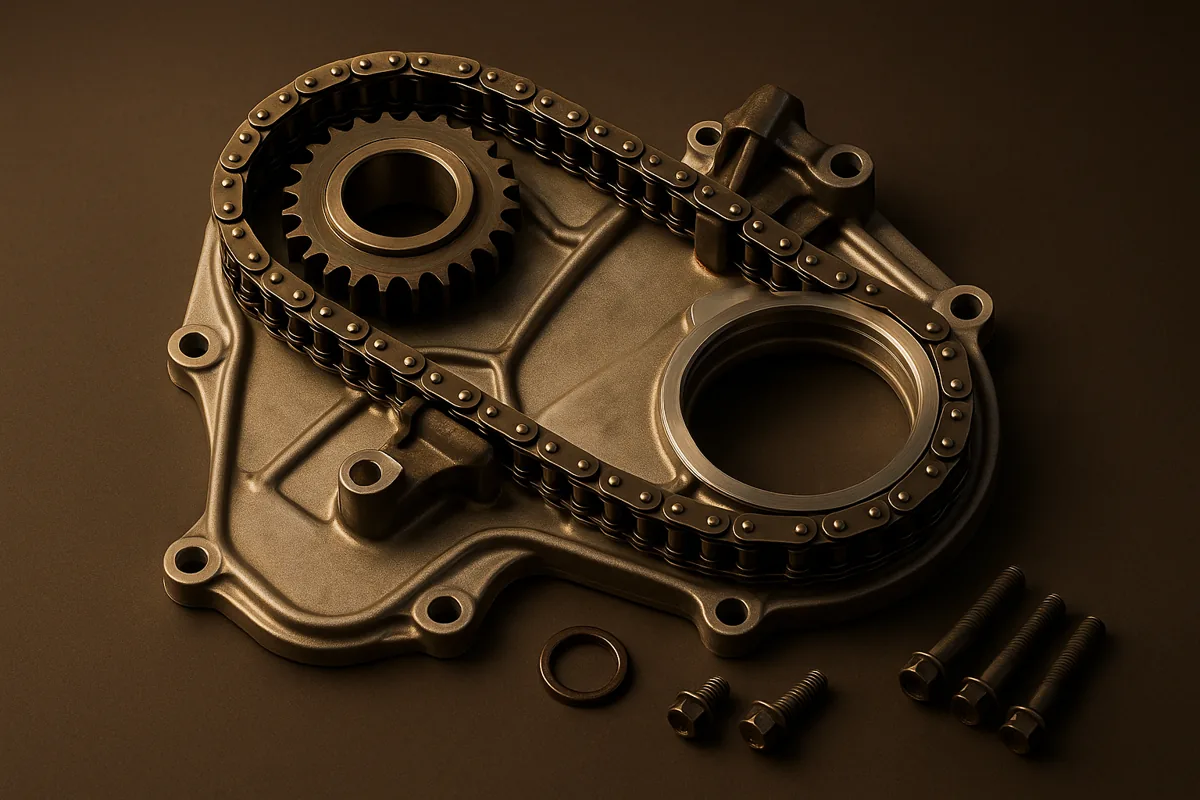
- Timing drive componentsTiming parts follow the engine, naturally aspirated or turbo, so check which is fitted
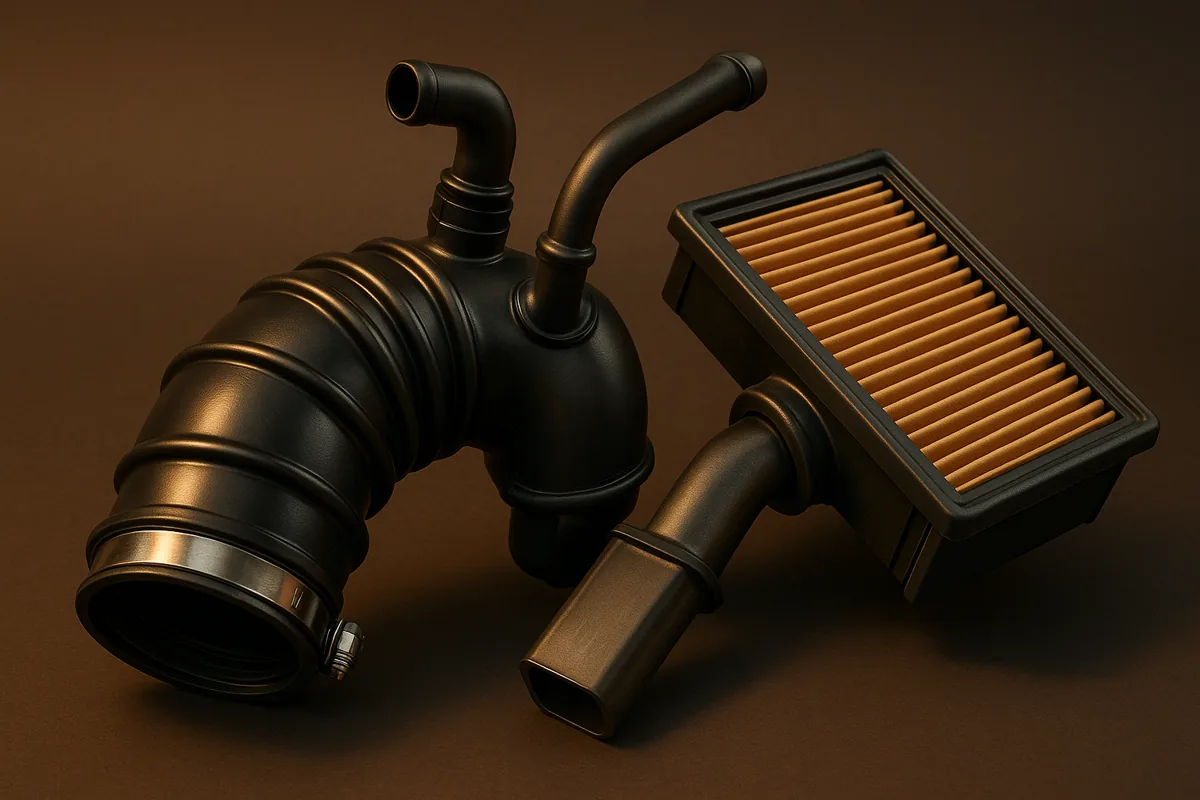
- Air intake ducting and filtersIntake ducting differs between the two engines, so match it by part number
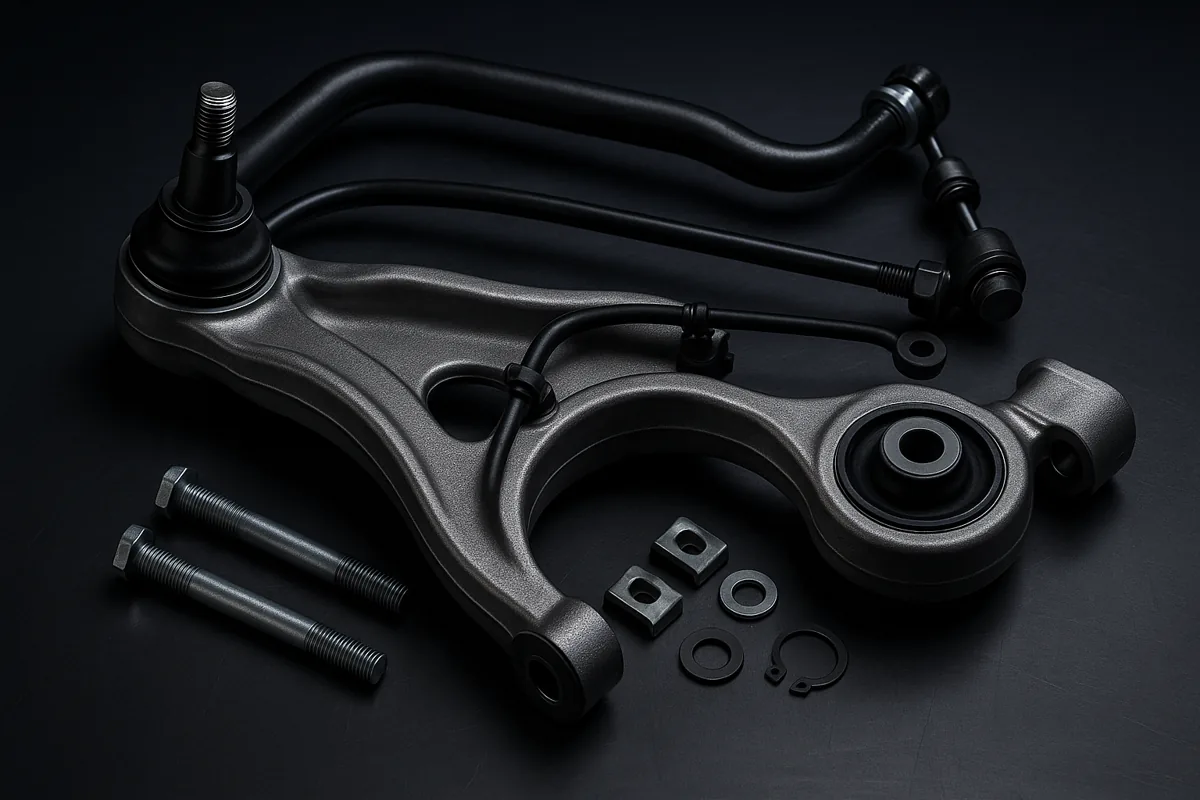
- Control arms and bushingsStrut front and multi-link rear, where bushings wear first on rough roads
About BYD Seal 07 DM-i Parts
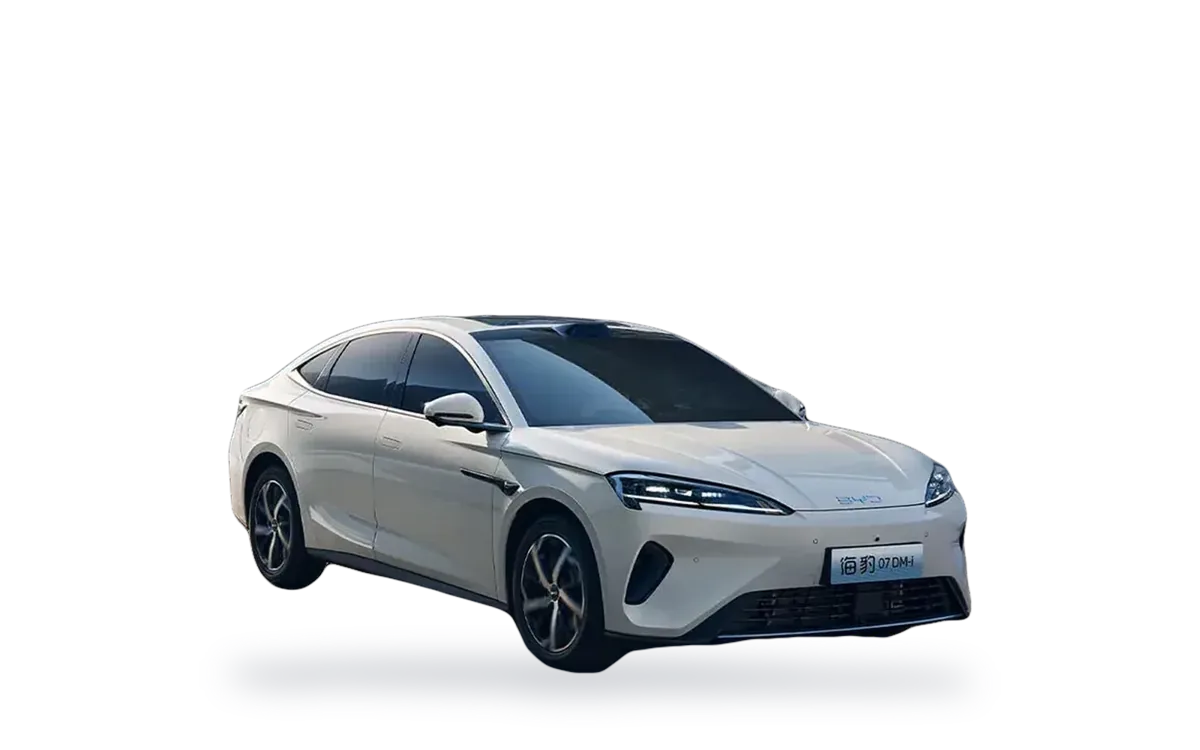
The BYD Seal 07 DM-i is a plug-in hybrid saloon that replaced the Seal DM-i in August 2024. It kept the older car's 2,900 mm wheelbase and much of its body, and moved to BYD's fifth-generation DM hybrid system. It drives the front wheels through one electric motor of 160 kW or 200 kW. A 1.5 litre petrol engine works alongside it and is either naturally aspirated at 74 kW or turbocharged at 115 kW. That mix means the car needs two kinds of parts: the battery, motor and charging hardware of an electric car, and the oil, filters, timing and cooling parts of a petrol engine. The engine, battery, dampers and front end all vary by trim and by year, so the model name alone does not settle fitment. Every part on this page is listed by its OE number, and that number is the surest way to confirm a part fits.
What to know before buying BYD Seal 07 DM-i parts
Start by making sure the car is a Seal 07 DM-i. The Seal DM-i it replaced went on sale in September 2023 at the same 4,980 mm length, 1,890 mm width and 2,900 mm wheelbase, so from the outside the two are easy to confuse. The Seal 07 DM-i moved to a newer hybrid system with different engine outputs and battery options, so engine, hybrid and battery parts belong to different systems even where body parts look the same. The Seal 07 EV, launched in March 2026, is a separate car again. It has no engine and drives the rear wheels or all four, so none of its drivetrain suits this car.
The engine and battery depend on trim and year. At the August 2024 launch, four of the five variants had the 74 kW naturally aspirated 1.5 litre with a 160 kW motor, and only the top variant had the 115 kW turbo with a 200 kW motor. The cheapest variant carried a 10.08 kWh battery and the others 17.6 kWh. After the September 2025 update, the turbo went into three of the four trims, and the batteries became 17.6 kWh or 29.46 kWh. A turbocharged car can therefore come from either side of that date. Intake, timing and cooling parts follow the engine, and battery and charging parts follow the pack, so order them by the OE number on the old part rather than by engine size or kWh figure.
The September 2025 update also changed the front of the car. The body grew 15 mm longer and 10 mm wider, with a closed grille, narrower headlights and a reshaped front bumper. Bumpers, grilles and headlights do not cross between the two versions, so read the build date on the identification plate first. The same update brought DiSus-C damper control to every trim except the entry car, and a controlled damper and a conventional one are different parts.
A few things vary from car to car. Early entry cars run 225/55 R17 tyres and the rest 225/50 R18, so read the sidewall. The 2026 model carries 12 ultrasonic sensors in its bumpers, which means a bumper repair often needs sensors and brackets as well as the panel. The top 2026 trim also adds a roof-mounted lidar. For painted panels, order by the colour code on the car rather than by colour name.
Finally, a larger second-generation Seal 07 was previewed in September 2026 on a 2,960 mm wheelbase. Its body and chassis parts should not be expected to fit the car on this page.
Before You Order: 8 Checks
- Make sure the car is a Seal 07 DM-i and not the earlier Seal DM-i or the all-electric Seal 07 EV, then order engine, battery and drive parts for that car only.
- Match the OE number on the part you are replacing to the OE number on the listing before you order.
- Check whether the engine is the naturally aspirated 1.5 litre or the 1.5 litre turbo before ordering intake, timing or cooling parts.
- Read the build date on the identification plate before ordering a bumper, grille, headlight or damper, since the September 2025 update changed all four.
- Read the tyre size on the sidewall before ordering tyres or rims, since early entry cars run 225/55 R17 and the others 225/50 R18.
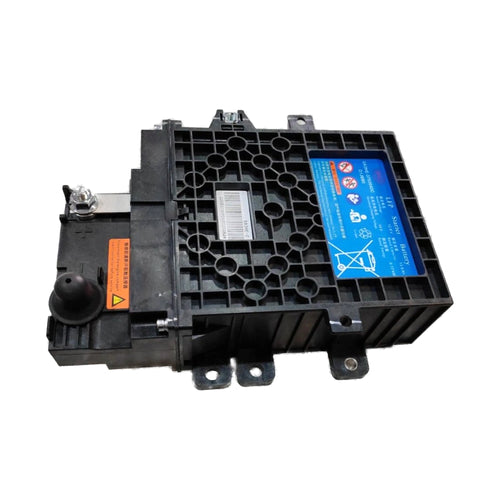
- Order battery and charging parts by the OE number on the old part rather than by the kWh figure.
- After a bumper repair, check the parking sensors and their brackets as well as the panel, and order each by its OE number.
- Order painted panels by the colour code on the car rather than by colour name.
Generations and Facelifts
The Seal 07 DM-i started life as another car. BYD showed a prototype called the Destroyer 07 at Auto Shanghai in April 2023, then changed plans that July and launched it as the Seal DM-i, which went on sale in September 2023. It measured 4,980 mm long and 1,890 mm wide on a 2,900 mm wheelbase.
The Seal 07 DM-i launched on 8 August 2024 and replaced the Seal DM-i. It kept the body size and wheelbase and moved to BYD's fifth-generation DM hybrid system. There were five variants, four with the 74 kW 1.5 litre engine and a 160 kW motor and one with the 115 kW turbo and a 200 kW motor. Batteries were 10.08 kWh on the cheapest car and 17.6 kWh on the rest. Because the powertrain changed, engine, hybrid and battery parts from the Seal DM-i should not be assumed to fit.
On 10 February 2025, BYD's Smart Driving Edition update added driver-assistance features across its range, this car included. Driver-assistance sensors and brackets should be matched by OE number on cars from either side of that date.
The 2026 model went on sale on 15 September 2025. It has a reshaped front with a closed grille and narrower headlights, and it is 4,995 mm long and 1,900 mm wide on the same wheelbase. A 29.46 kWh battery joined the 17.6 kWh pack, the turbo spread to three of the four trims, and DiSus-C damper control arrived on all but the entry car. The top trim gained a roof-mounted lidar. Front-end panels, headlights and dampers all split at this update.
The all-electric Seal 07 EV followed on 5 March 2026 as a separate car. A second-generation Seal 07 was previewed on 28 September 2026 at 5,080 mm long on a 2,960 mm wheelbase, and no launch date had been given at the time of writing.
BYD Seal 07 DM-i Parts: Frequently Asked Questions
How do I make sure a part fits my Seal 07 DM-i?
Match the OE number. Every part on this site is listed under the OE number printed on the original part, and if the number on the part you are replacing matches the listing, the part fits. That check matters on this car because the engine, battery, dampers and front end all vary by trim and by year, and the Seal DM-i before it looks much the same. If the old part is missing or its number cannot be read, send a photo through the quote form and we will reply within 24 hours, usually sooner.
Is the Seal 07 DM-i the same car as the Seal DM-i?
No. The Seal 07 DM-i replaced the Seal DM-i in August 2024 and kept its size: 4,980 mm long, 1,890 mm wide and on a 2,900 mm wheelbase. It moved to BYD's fifth-generation DM hybrid system, with different engine outputs and battery options. Body and trim parts may look the same on the two cars, but engine, hybrid and battery parts belong to different systems. Treat every part as separate until the OE number on the old part matches the listing.
Which engine is in my car, and does it change the parts?
There are two engines, both 1.5 litre. The naturally aspirated version makes 74 kW and pairs with a 160 kW motor, and the turbocharged version makes 115 kW with a 200 kW motor. At the August 2024 launch only the top variant had the turbo, and from the September 2025 update it went into three of the four trims. Intake ducting, timing parts and cooling hardware follow the engine, so the model year alone will not tell you which parts you need. Check for a turbocharger under the bonnet, then match each part by the OE number on the old one.
Which battery does my car have?
It depends on the trim and the year. On the 2024 launch range, the cheapest variant had a 10.08 kWh pack and the other four had 17.6 kWh. The 2026 model, launched in September 2025, uses 17.6 kWh on its two 135 km variants and 29.46 kWh on its two 230 km variants. On the 2026 cars, the smaller pack charges at up to 40 kW DC and the larger at 69 kW, so charging hardware can differ with the pack. Order battery and charging parts by the OE number on the old part and never by the capacity alone.
What changed with the 2026 model?
The 2026 model went on sale on 15 September 2025. The body grew 15 mm longer to 4,995 mm and 10 mm wider to 1,900 mm on the same 2,900 mm wheelbase, with a closed grille, narrower headlights and a reshaped front bumper. The 29.46 kWh pack joined the range, DiSus-C damper control arrived on all but the entry trim, and the top trim gained a roof-mounted lidar. Front-end panels, headlights and dampers therefore split at that update. Read the build date on the identification plate before ordering them.
Does my car have adaptive dampers?
On the 2026 model, every trim except the entry car carries BYD's DiSus-C system, which adjusts the damping to the road. The 2024 launch cars and the 2026 entry trim are not listed with it. A damper built for DiSus-C and a conventional damper are different parts, even where they bolt to the same mounts, so ordering by model name is a risk. Look for a wiring connector on the old damper, then order the replacement by the OE number printed on it.
What tyre sizes does the Seal 07 DM-i use?
Cars from the 2024 launch range run 225/50 R18, except for the lowest-specification variant, which runs 225/55 R17. On the 2026 model, every trim runs 225/50 R18 front and rear. A previous owner may have changed the wheels, so the trim is not a safe guide to what is on the car now. Read the size on the sidewall of the tyres fitted before ordering, and match the rims to the tyre size you choose.
Does a bumper or windscreen repair need extra parts?
Often, yes. The 2026 model carries 12 ultrasonic sensors, three radar units and 12 cameras, and the top trim adds a roof-mounted lidar and runs 11 cameras. The ultrasonic sensors sit in the bumpers, and a forward camera looks through the windscreen. A front-end repair can therefore need sensors, brackets and the correct glass as well as the panel. Cars built after BYD's Smart Driving Edition update of 10 February 2025 also carry driver-assistance hardware. Order each sensor, bracket and screen by the OE number on the original part.
The car runs mostly on battery. Does the engine still need servicing?
Yes. The 1.5 litre engine still needs oil, an oil filter and an air filter, and its timing parts, oil pump, hoses and sensors age like those on any petrol engine. Oil breaks down with time as well as with distance, so a car that rarely starts its engine should still be serviced by date. Plan the service around the engine fitted, naturally aspirated or turbocharged, because intake and cooling parts differ between them. Order each part by its OE number.
Do Seal 07 EV parts fit the DM-i?
Mostly not. The Seal 07 EV launched on 5 March 2026 as a separate car on BYD's e-Platform 3.0 Evo. It has rear-wheel drive or dual-motor all-wheel drive and a 69.07 kWh battery. The DM-i drives its front wheels and carries a petrol engine, so motors, battery, cooling and drivetrain parts do not cross over. The two cars share a name and a similar shape, which is why body parts need checking too. Match every part by its OE number before you order.
Is there a new-generation Seal 07, and will its parts fit?
A second-generation Seal 07 was previewed on 28 September 2026, and the plug-in hybrid version keeps the Seal 07 DM-i name. It is 5,080 mm long and 1,960 mm wide on a 2,960 mm wheelbase, so it is larger in every direction except height. It also has a new front end, a full-width rear light bar and semi-concealed door handles. No launch date had been announced at the time of writing. Expect its body, lights, glass and suspension parts to differ from the car on this page, and match every part by OE number.
What brakes and suspension does the Seal 07 DM-i have?
The front suspension uses MacPherson struts and the rear an independent multi-link layout. The front brake discs are ventilated, there are discs at the rear too, and the electronic parking brake works through the rear calipers. On the 2026 model the car weighs between 1,850 kg and 2,010 kg depending on trim, so bushings, pads and discs work hard. When ordering a rear caliper, match the side and the OE number, since the parking brake hardware is part of the assembly.