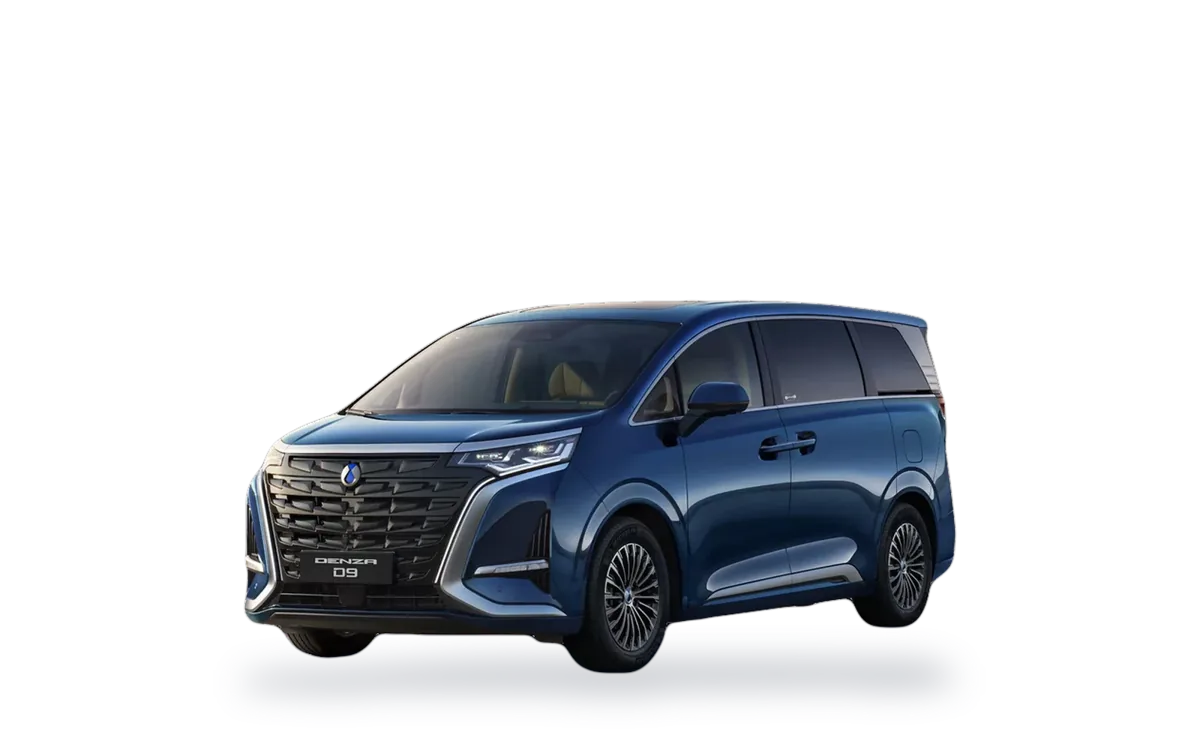
Denza D9 EV Parts
Shop Denza D9 EV Parts by Category
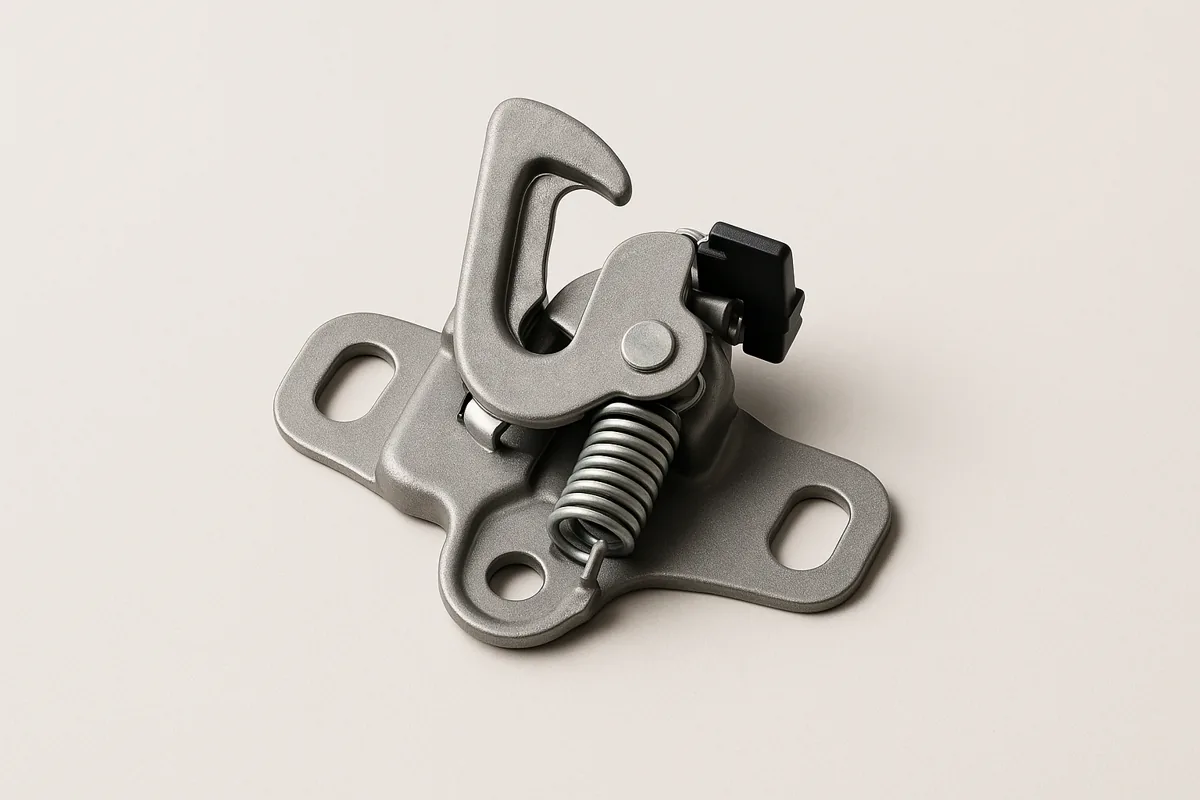
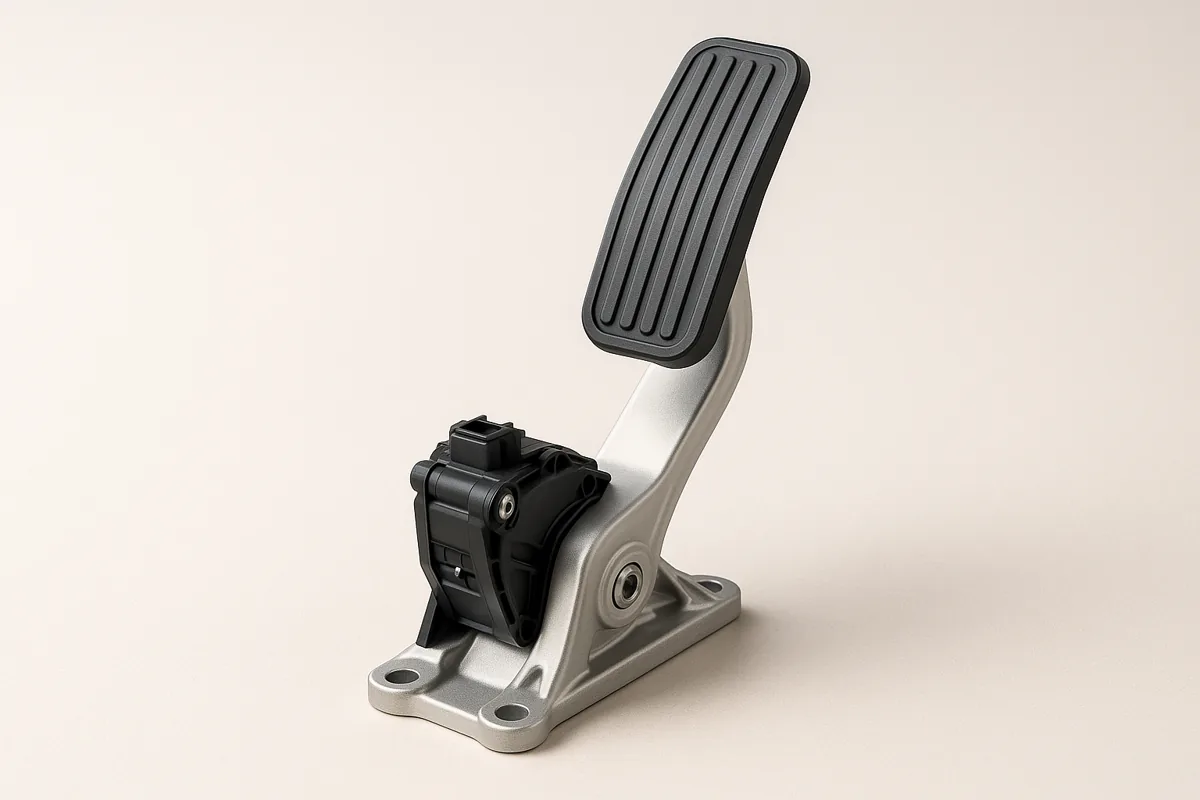
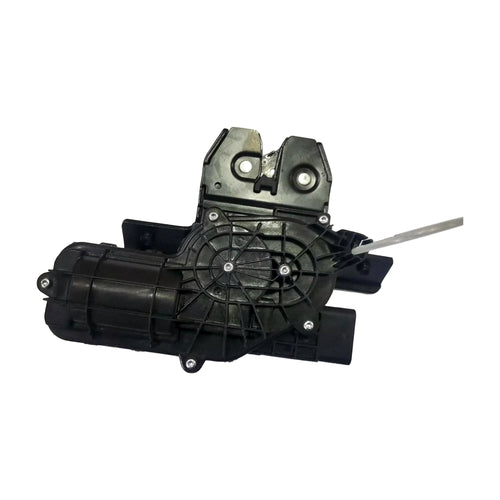
Popular for the Denza D9 EV
scroll for more →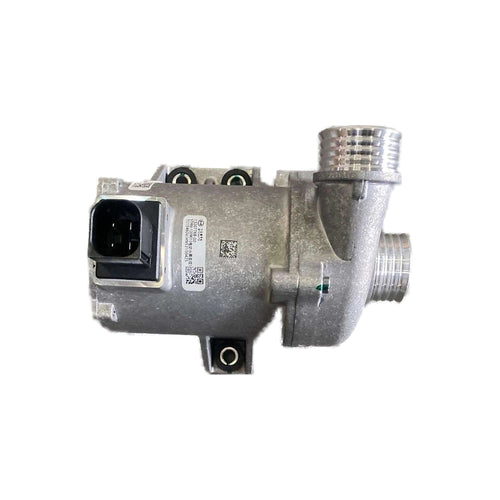
Symptom Finder: Known Weak Points
| What you see or hear | Check first |
|---|---|
| The car charges on one port but not the other | Cars with two ports have a separate socket, flap and wiring on each rear quarter. Inspect the side that fails, then order that side by the OE number on the old part. |
| Weak cabin heating or cooling | The cabin has no engine heat to draw on. Check the blower and evaporator first, then the coolant pumps, and order each part by OE number. |
| Battery or motor temperature warning | The electric coolant pumps and hoses on the battery and drive circuits. Trace the fault to its circuit before ordering, then match the part by OE number. |
| Parking sensor or driver-assistance warning after a minor knock | The ultrasonic sensors and radar units in the bumpers and their brackets. A bent bracket can trigger the warning on its own, so check it before replacing the sensor. |
| A sliding door or tailgate does not close fully | The latch and closing hardware. Cars from the 2024 model year have soft-closing doors, so check the build date and order by OE number. |
| Unsettled ride or a suspension warning | The dampers. Damper type depends on market and build date, and second-generation cars use dual-valve units, so match the OE number on the old damper. |
Most Replaced Parts on the Denza D9 EV
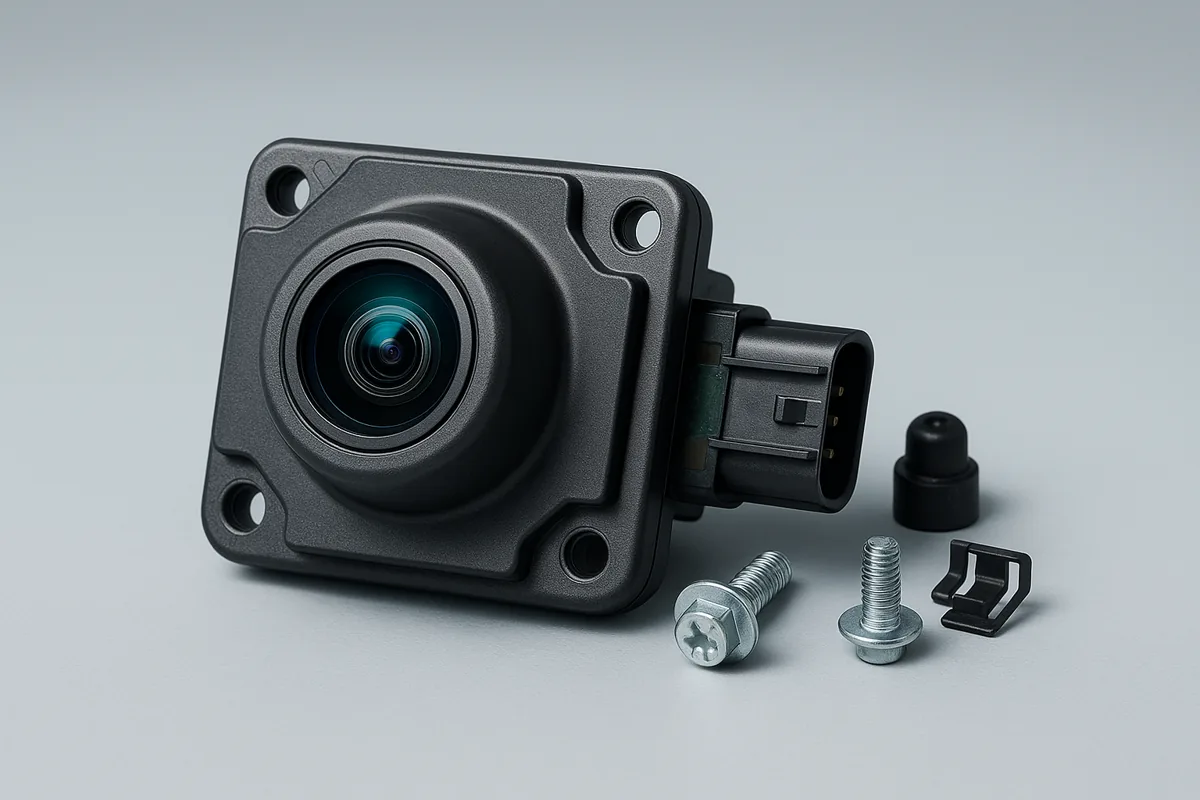
- Cameras, radar and park-assist modulesThe largest group here, and the roof lidar is fitted only on some trims
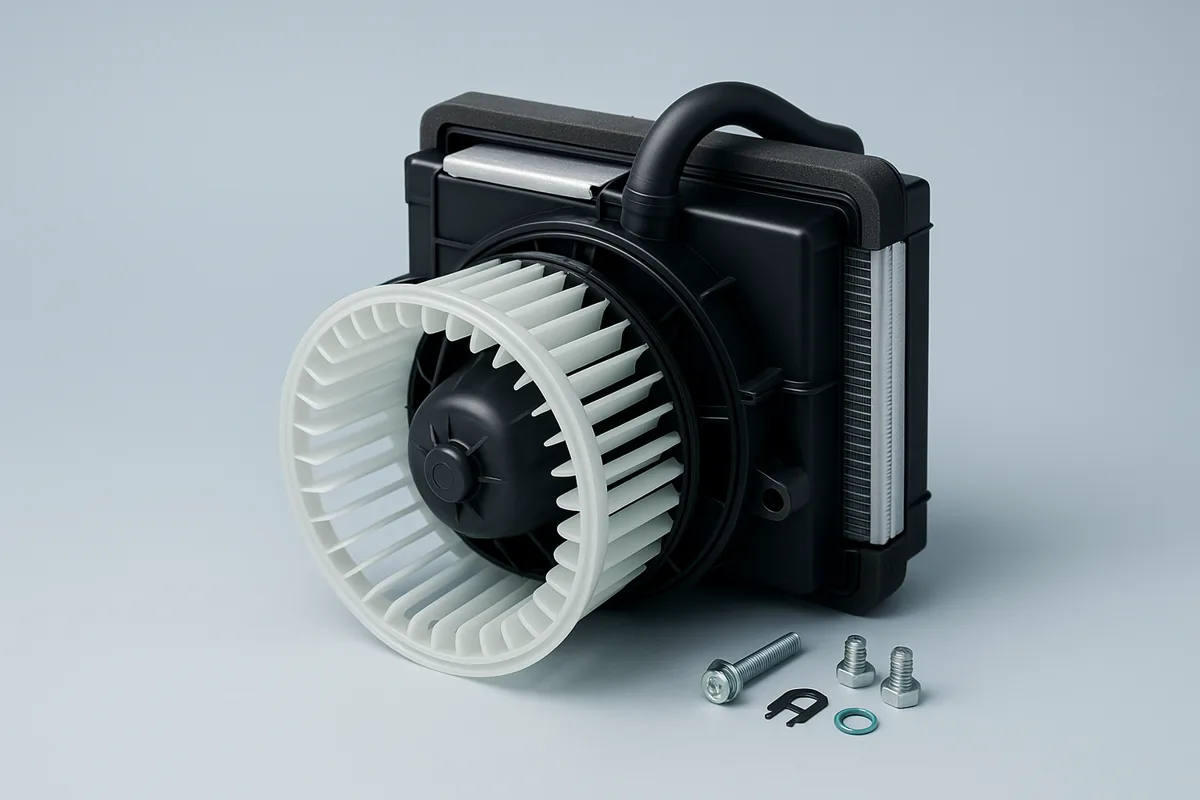
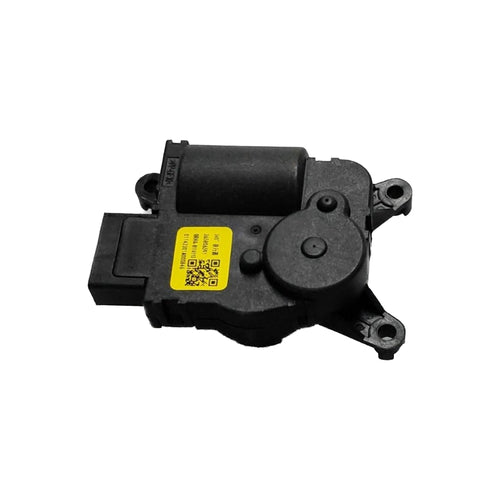
- Evaporator, blower and heater core partsA large three-row cabin heated and cooled electrically, with no engine heat to draw on
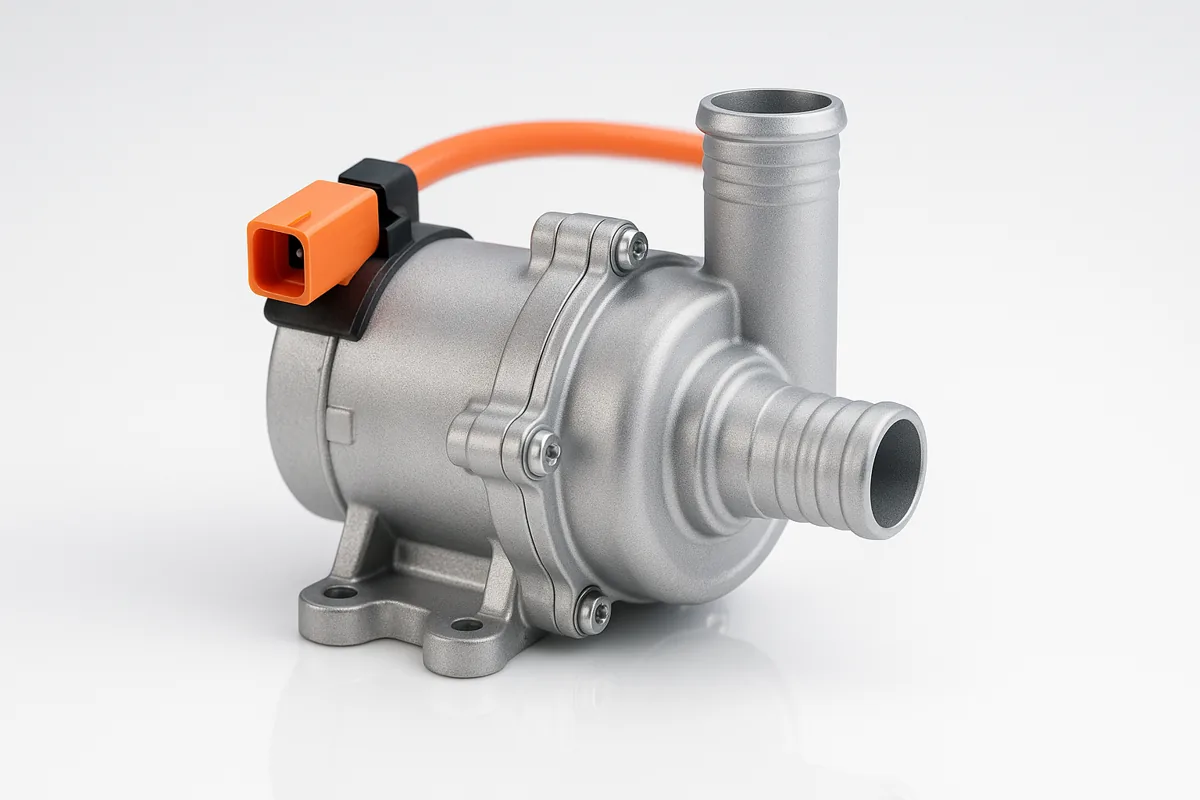
- Electric coolant pumpsKeep the battery and drive motors at temperature, so trace the circuit before ordering
- Locks, latches and closure hardwareSliding side doors and tailgate, with soft-closing doors from the 2024 model year
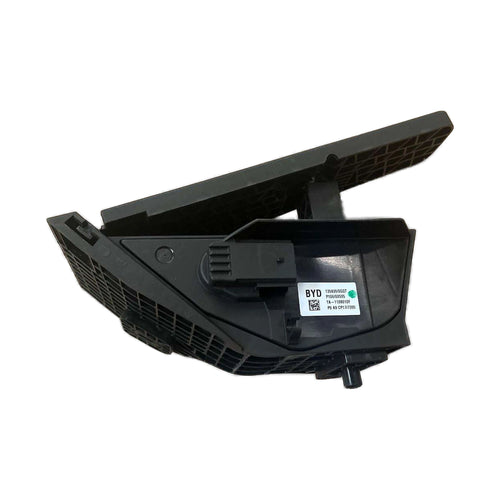
- Pedals, levers and handlesHigh-touch cabin hardware on a large family and chauffeur car
About Denza D9 EV Parts
The Denza D9 EV is the battery-electric version of Denza's large seven-seat MPV, sold alongside the D9 DM-i plug-in hybrid since August 2022. Both share a body 5,250 mm long on a 3,110 mm wheelbase, with sliding rear doors, but the EV has no engine. First-generation cars carry a Blade LFP battery of about 103 kWh and drive the front wheels through a 230 kW motor, with a 45 kW rear motor added on all-wheel-drive cars. That means no engine oil, filters or exhaust sensors to buy. It also means a heavy car that works its brakes, tyres, coolant pumps and electric cabin heating and cooling hard. The car has changed several times since launch, most of all with the second-generation model of April 2026. Every part on this page is listed by its OE number, and that number is the surest way to confirm a part fits.
What to know before buying Denza D9 EV parts
Start by making sure the car is the EV and not the D9 DM-i. The two share the same length, width and wheelbase, so a tape measure will not separate them. The DM-i carries a 1.5-litre turbocharged petrol engine, so it has a fuel filler and an exhaust, and the EV has neither. Chinese-market EVs also have a charging port on each rear quarter panel. Many body parts may carry the same number on both cars, but anything touching the drive, cooling or charging systems should be matched to the EV by OE number.
Next, check the drive layout. Front-drive cars have one motor at the front. All-wheel-drive cars add a rear motor, which on first-generation cars is rated at 45 kW, the same rating as the rear motor on the all-wheel-drive DM-i. A matching rating is not proof of a matching part, so order the motor by the OE number on the unit fitted.
The charging ports need care. On cars with two ports, each side has its own socket, flap and wiring, so confirm which side has the fault and order that side only.
Several things vary from car to car. On 2025 Chinese-market cars the roof lidar is fitted to the Intelligent Drive trims and not to the front-drive Premium Voyager, so look at the roof rather than relying on the trim name. Dampers can differ by market and by build date. The 2025 Chinese-market cars run 235/60 R18 tyres, but read the size on the sidewall before ordering. Sources quote the height as 1,920 mm on the launch car and 1,900 mm on later Chinese cars, so do not use the height figure to choose a roof part. For painted panels, order by the colour code on the car rather than by colour name.
Finally, two dates split a large share of the parts. The 2025 model, on sale from 26 December 2024, moved the EV to an 800V platform, so charging and high-voltage parts from either side of that change should not be assumed to interchange. The second-generation car of April 2026 changed the motors, battery, sensors, dampers and grille. Read the build date on the identification plate before ordering any of these, and the section on generations below sets out what changed and when.
Before You Order: 7 Checks
- Check for a fuel filler and an exhaust to confirm the car is the EV and not the DM-i hybrid, then order drive and cooling parts for the right car.
- Match the OE number on the part you are replacing to the OE number on the listing before you order.
- Check whether the car is front-drive or all-wheel drive before ordering motor, drive unit or rear cooling parts.
- Read the build date on the identification plate before ordering charging, battery, motor, sensor or damper parts, since the December 2024 and April 2026 changes split them.
- Look at the roof for a lidar unit before ordering sensors or roof trim, since it depends on trim and generation.
- Read the tyre size on the sidewall before ordering tyres or wheels, and match the load rating as well.
- Order painted panels by the colour code on the car rather than by colour name.
Generations and Facelifts
The D9 was first shown on 16 May 2022 and went on sale in China on 23 August 2022, with deliveries from October. From the start it came in two forms on one body: the D9 DM-i plug-in hybrid and this battery-electric D9 EV. The launch EV used a 103.36 kWh Blade LFP battery and a 230 kW front motor, with a 45 kW rear motor on all-wheel-drive cars for 275 kW combined. Chinese cars had a charging port on each rear quarter panel. Export sales followed from 2023.
The 2024 model year arrived in March 2024. It added automatic soft-closing doors, physical steering wheel buttons, a heated steering wheel as standard and a beige interior colour. The drive was unchanged, but door closure hardware and steering wheel parts can differ from earlier cars.
The 2025 model went on sale on 26 December 2024. The EV moved to an 800V platform with much faster charging, kept its motors and a battery of about 103 kWh, and gained BYD's God's Eye driver-assistance system, with a roof lidar on the Intelligent Drive trims. Charging and high-voltage parts should be matched across that change by build date and OE number.
The second-generation D9 was launched in late April 2026. Length, width and wheelbase stayed the same, but the EV gained a 340 kW front motor, a 70 kW rear motor on all-wheel-drive cars, a second-generation Blade battery, three lidar units, dual-valve DiSus-C dampers, a new grille and a new interior. None of those parts should be assumed to fit a first-generation car, so read the build date on the identification plate before ordering.
Denza D9 EV Parts: Frequently Asked Questions
How do I make sure a part fits my Denza D9 EV?
Match the OE number. Every part on this site is listed under the OE number printed on the original part, and if the number on the part you are replacing matches the listing, the part fits. That check matters on the D9 EV because it shares its body with the D9 DM-i plug-in hybrid, and because the car has changed several times since 2022. If the old part is missing or its number cannot be read, send a photo through the quote form and we will reply within 24 hours, usually sooner.
How can I tell the D9 EV from the D9 DM-i hybrid?
Look for a fuel filler and an exhaust. The DM-i carries a 1.5-litre turbocharged petrol engine, so it has both, and the EV has neither. Chinese-market EVs also have a charging port on each rear quarter panel. The two cars share the same 5,250 mm length, 1,960 mm width and 3,110 mm wheelbase, so measuring the car will not separate them. Once you know which car you have, confirm each part by its OE number, especially anything for the drive, cooling or charging systems.
Why does the D9 EV have a charging port on both rear quarters?
The Chinese-market D9 EV was built with two DC charging ports, one on each rear quarter panel, so that two slower chargers can be combined to reach the car's full charging rate. That gives the car two sockets, two flaps and two sets of wiring to check. If a port or flap is damaged, confirm which side it is on and order that side by the OE number on the old part. Cars sold in other markets may not share the same layout, so check the car itself before ordering.
Is the rear motor on the all-wheel-drive D9 EV the same as the hybrid's?
The ratings match on first-generation cars. The all-wheel-drive EV and the all-wheel-drive DM-i both use a rear motor rated at 45 kW and 110 Nm. A matching rating does not prove a matching part, so do not order across on that alone. The front motors differ, 230 kW on the EV against 200 kW on the 2025 DM-i, and the second-generation EV of April 2026 moved to a 70 kW rear motor. Order any motor by the OE number on the unit fitted.
Which D9 EV trims have the roof lidar?
On 2025 Chinese-market cars, the lidar sits on the roof of the Intelligent Drive trims, while the front-drive Premium Voyager goes without it. Sources disagree on whether every 2025 trim carries it, so look at the roof of the car rather than relying on the trim name. The second-generation car of April 2026 is different again, with three lidar units as standard. Lidar units, brackets and roof trim from one generation should not be assumed to fit another, so order each by its OE number.
What changed with the 2025 model?
The 2025 D9 went on sale on 26 December 2024. The EV moved to an 800V platform with much faster charging, kept its battery of about 103 kWh and its 230 kW front and 45 kW rear motors, and gained BYD's God's Eye driver-assistance system, with a roof lidar on the Intelligent Drive trims. For parts, the charging and high-voltage hardware matters most, since parts from either side of the change should not be assumed to interchange. Read the build date on the identification plate, then order by OE number.
What is the second-generation D9, and do its parts fit earlier cars?
The second-generation D9 was launched in late April 2026. It keeps the same length, width and 3,110 mm wheelbase, but much of the car changed: a 340 kW front motor, a 70 kW rear motor on all-wheel-drive cars, a second-generation Blade battery, three lidar units, dual-valve DiSus-C dampers, a new grille and a new interior. Motors, battery, charging parts, sensors, dampers and the grille should not be assumed to fit earlier cars. Check the build date on the identification plate, then order by OE number.
Does the D9 EV need oil and filters?
It has no engine, so there is no engine oil, oil filter or exhaust sensor to replace, which is the main service difference from the D9 DM-i. The drive units still contain lubricant, and the car still has coolant circuits for the battery and motors, brake fluid and a cabin air filter to keep up. All-wheel-drive cars carry a second drive unit at the rear. Follow the service schedule for the EV rather than the hybrid, and order fluids and filters by OE number.
What tyre size does the D9 EV use?
The 2025 Chinese-market EV runs 235/60 R18 on every trim, and the second-generation car of 2026 also sits on 18-inch wheels. Fitments can differ between markets and model years, so read the size on the sidewall of the tyres already fitted before ordering. The D9 is a heavy car, about 2,775 kg in front-drive form and 2,870 kg with all-wheel drive, so match the load rating on the old tyre as well as the size, and order rims to suit.
The D9 EV is quoted at both 1,920 mm and 1,900 mm tall. Does that matter for parts?
The launch car is quoted at 1,920 mm, while the 2025 and 2026 Chinese-market cars are quoted at 1,900 mm. Sources do not explain the difference, and length, width and wheelbase are the same throughout, so do not use the height figure to choose a part. Order roof trim, rails and sensor mounts by the OE number on the old part, and read the build date on the identification plate to confirm which model year you are working on.
What changed on the 2024 model?
The 2024 model year arrived in March 2024 with automatic soft-closing doors, physical buttons on the steering wheel, a heated steering wheel as standard and a new beige interior colour. None of this changed the drive or the battery, but it does affect door closure hardware, the steering wheel and its switches, and interior trim colour. When ordering any of those parts for a car built around that time, read the build date on the identification plate and match the OE number on the old part.
Are the dampers the same on every D9 EV?
No. Chinese-market cars use BYD's DiSus-C damping control, and the second-generation car of 2026 moved to dual-valve DiSus-C dampers. Cars built for some other markets may use a different set-up. The market the car was built for and its build date both matter, and a damper that looks right may not suit the car in front of you. Before ordering, check what is fitted and match the OE number on the old damper.