Denza D9 DM-i Parts
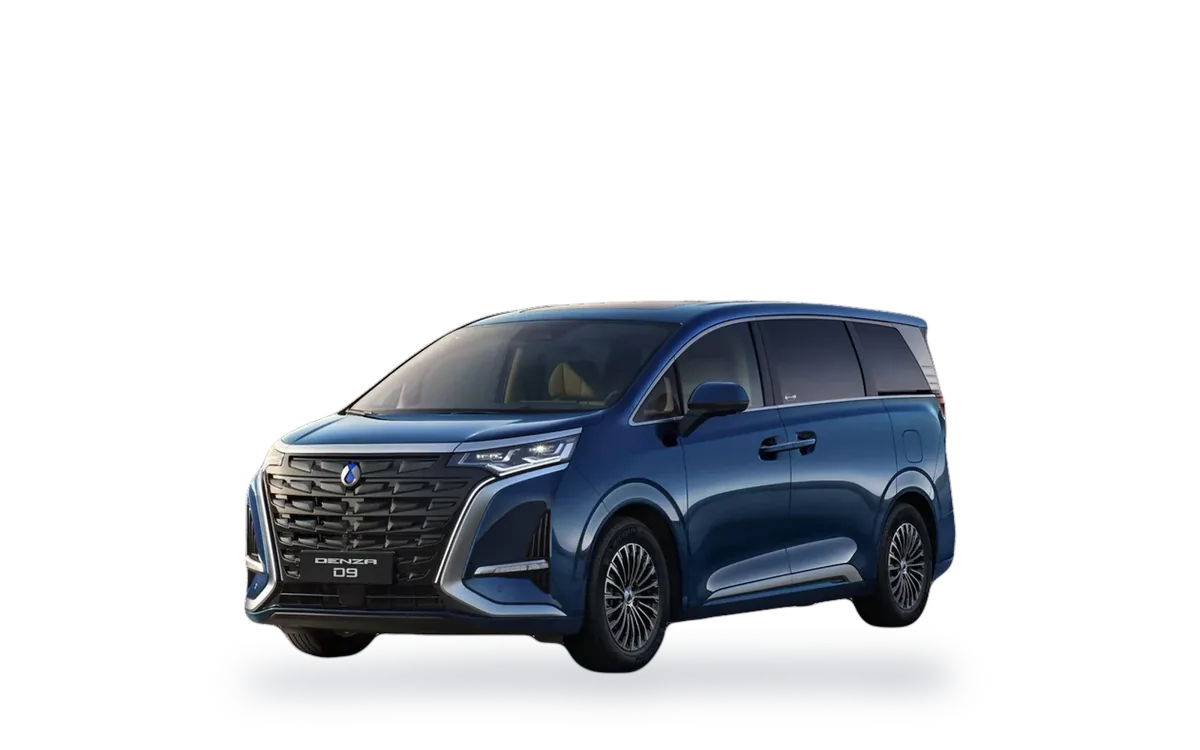
Shop Denza D9 DM-i Parts by Category
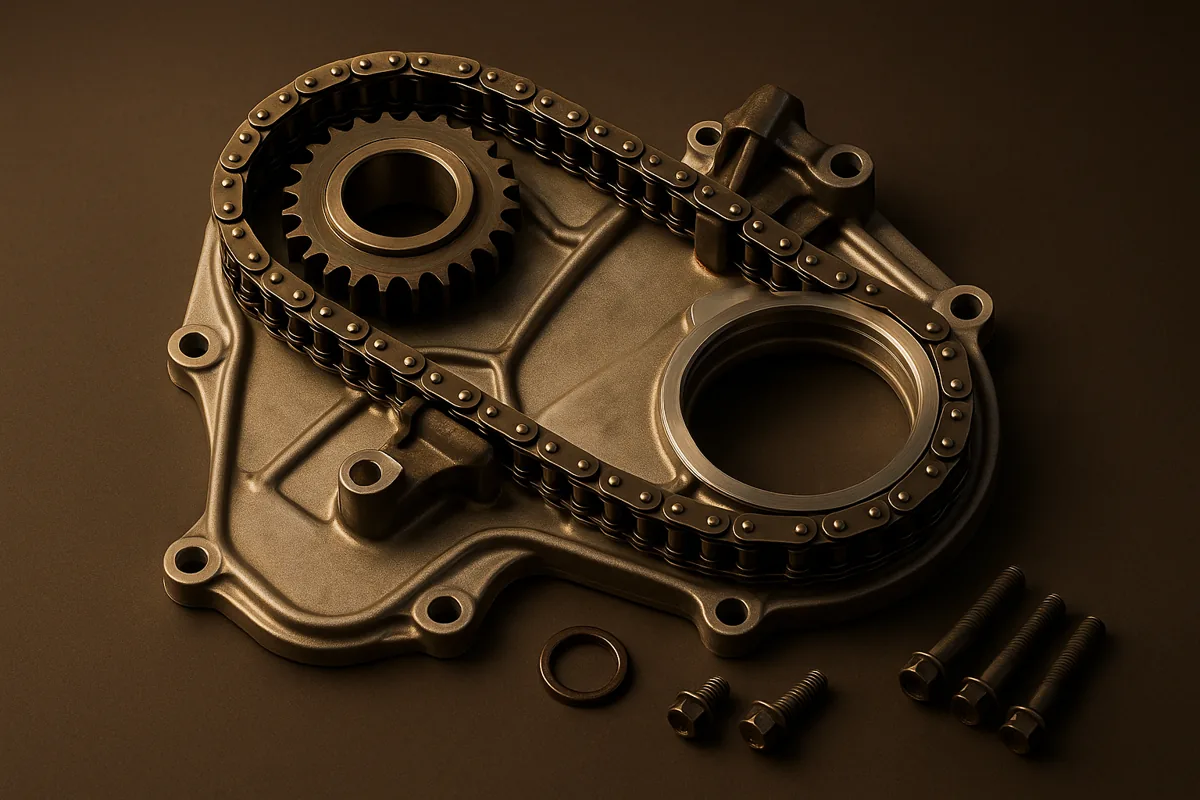
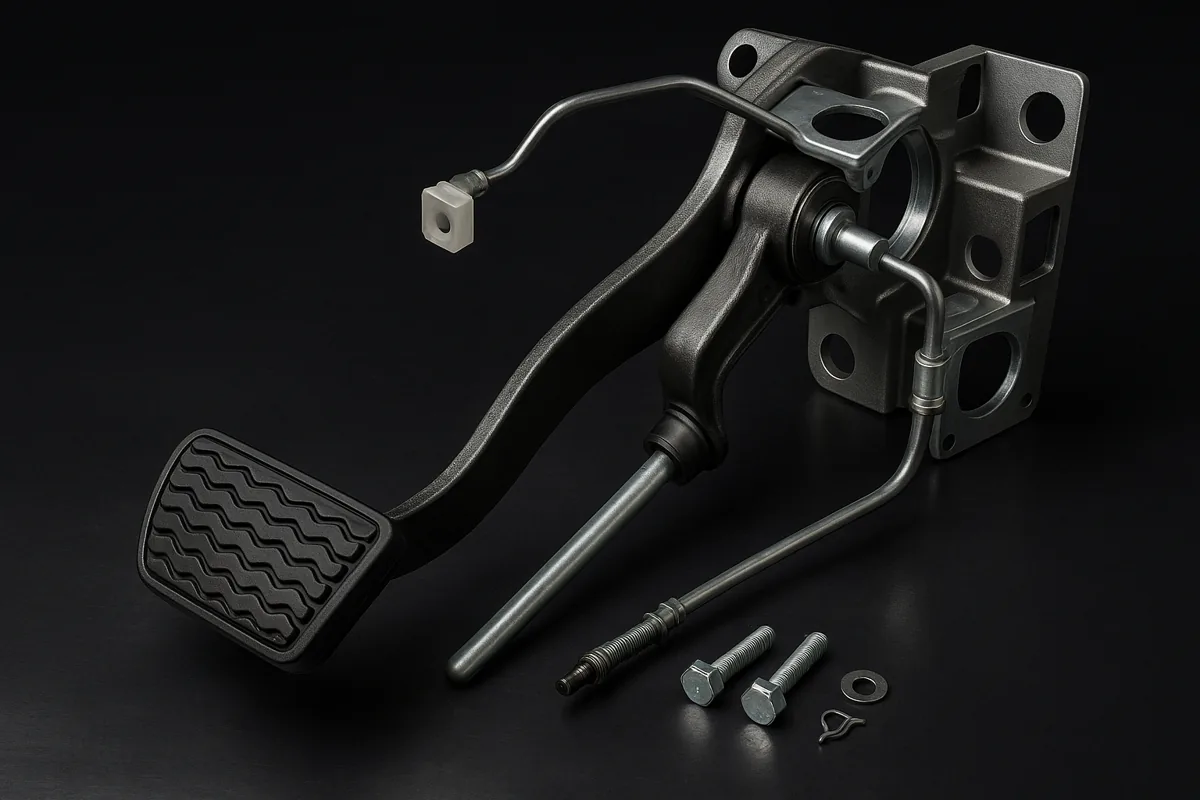
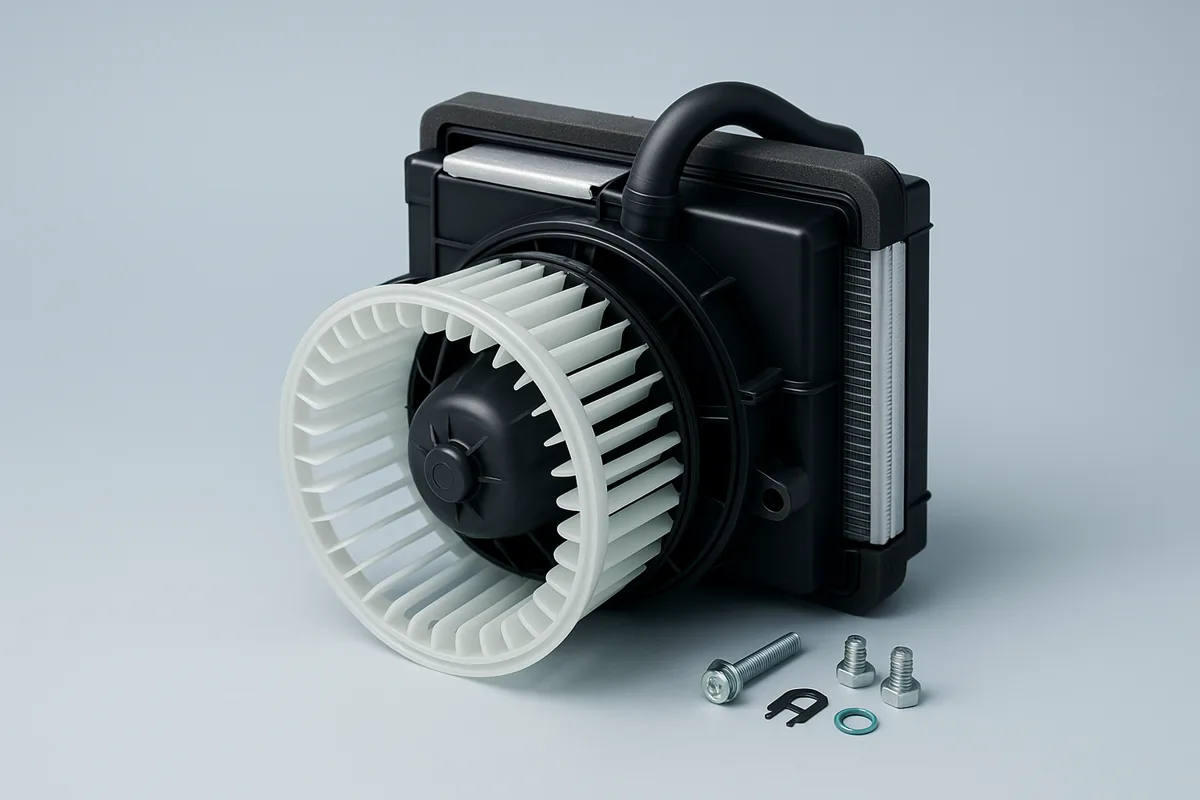
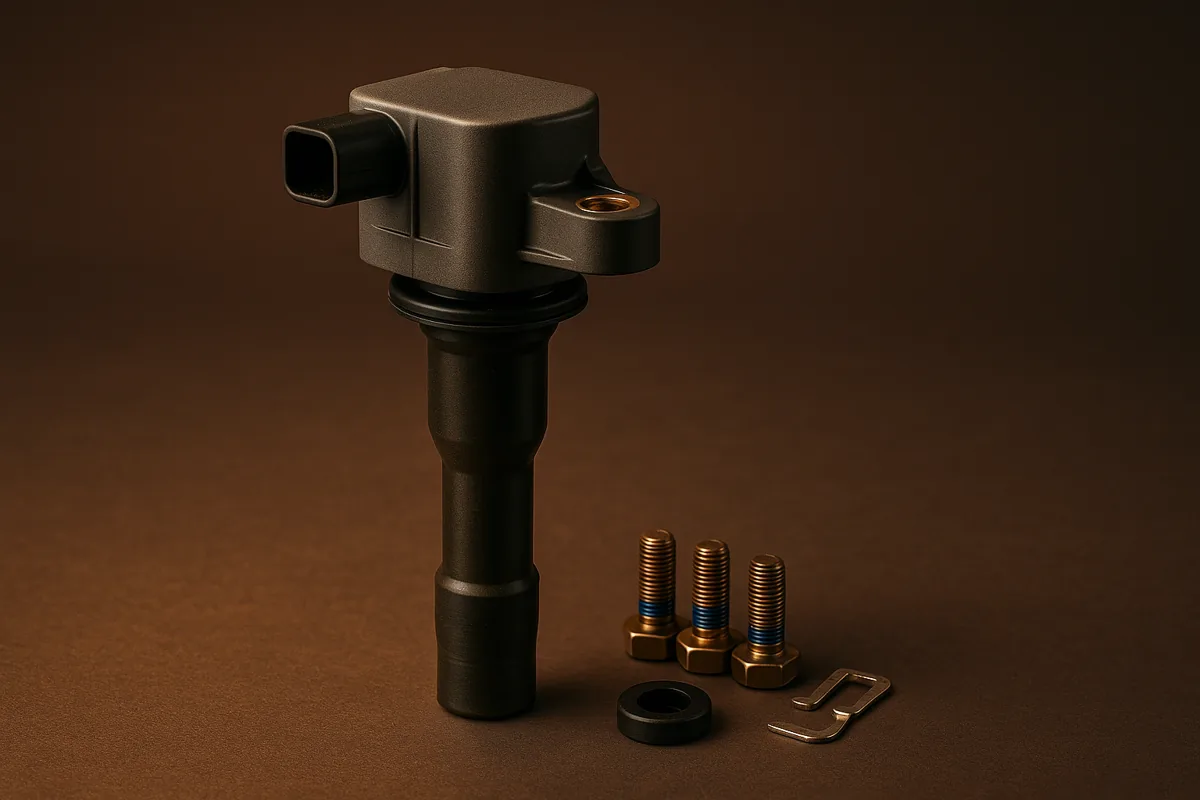
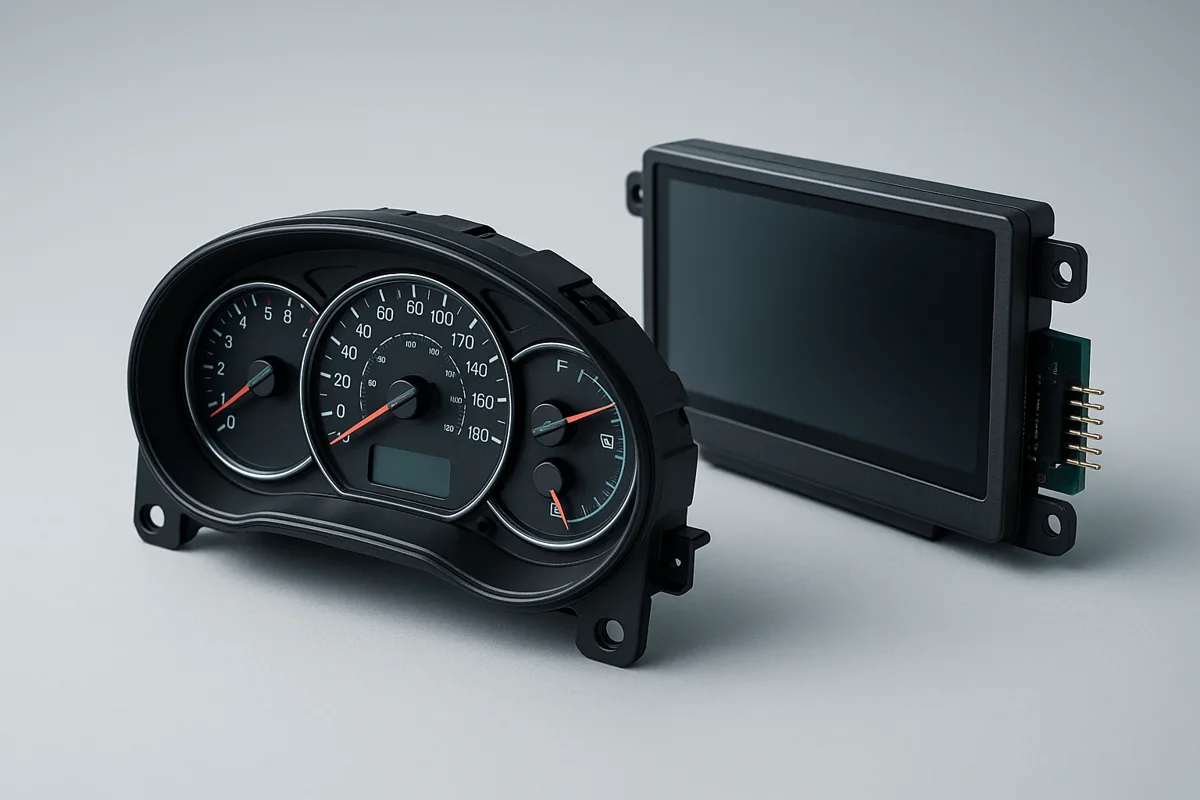
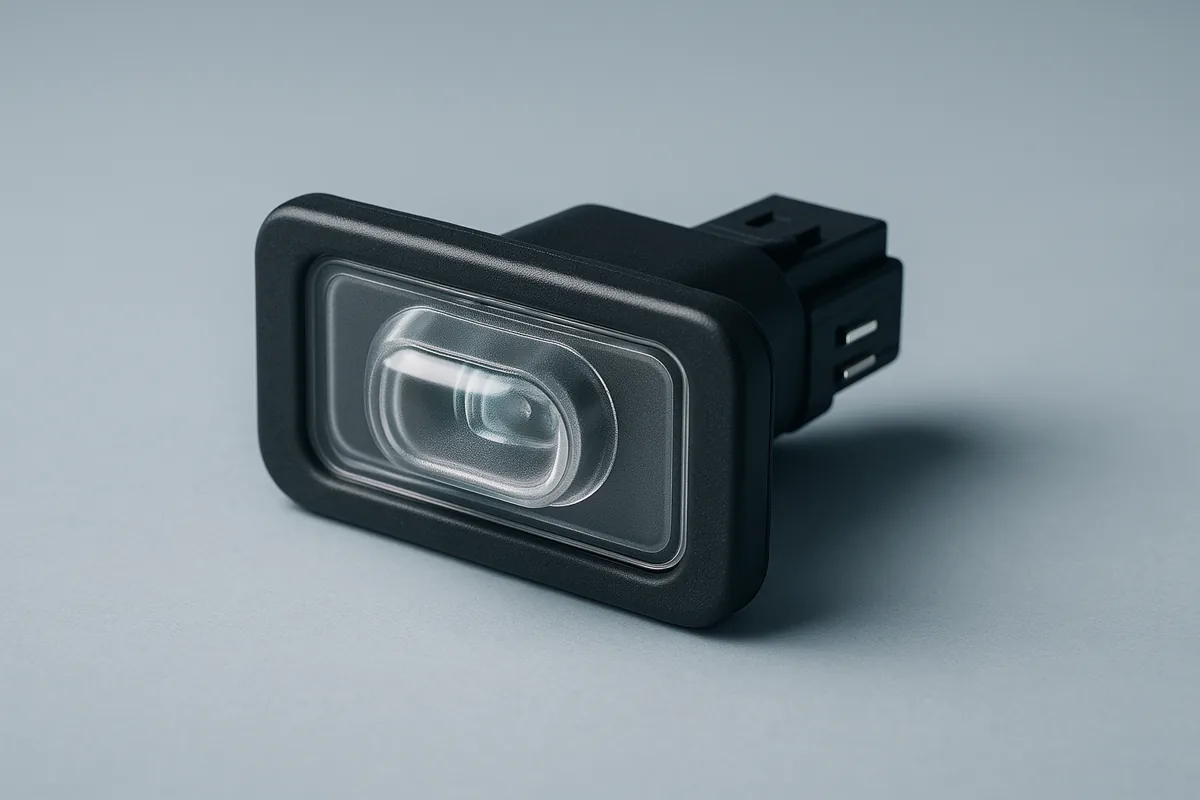
Popular for the Denza D9 DM-i
scroll for more →
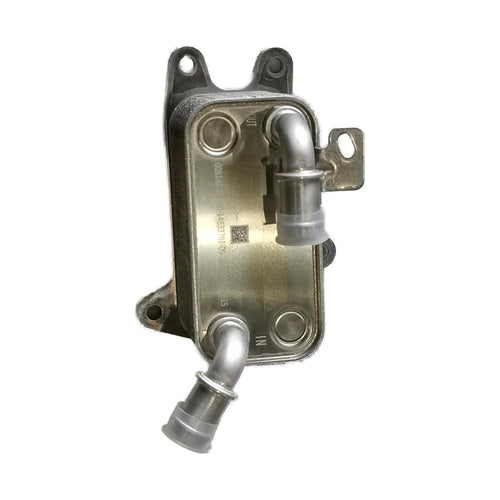
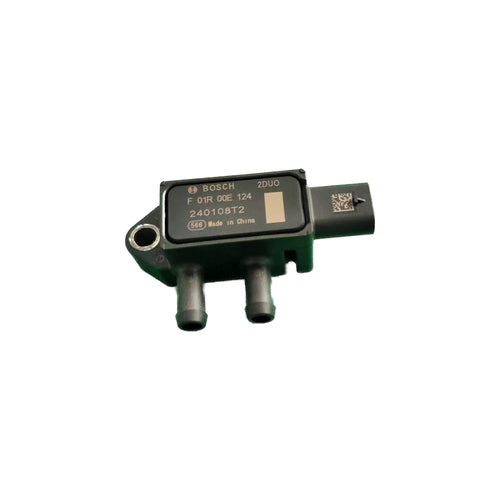
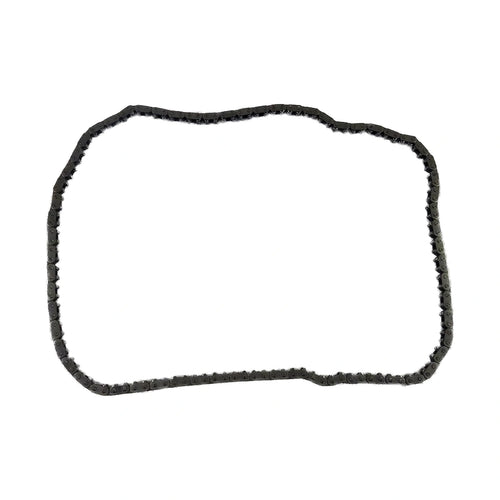
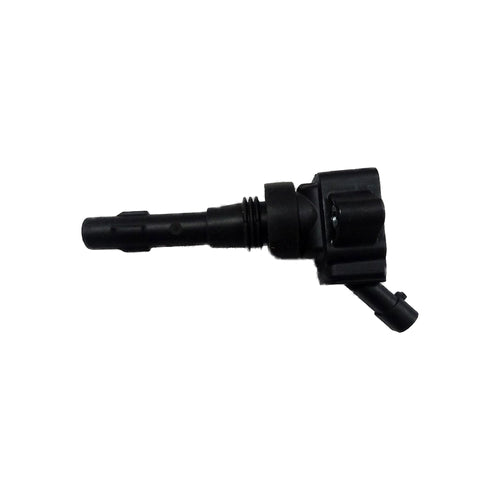
Symptom Finder: Known Weak Points
| What you see or hear | Check first |
|---|---|
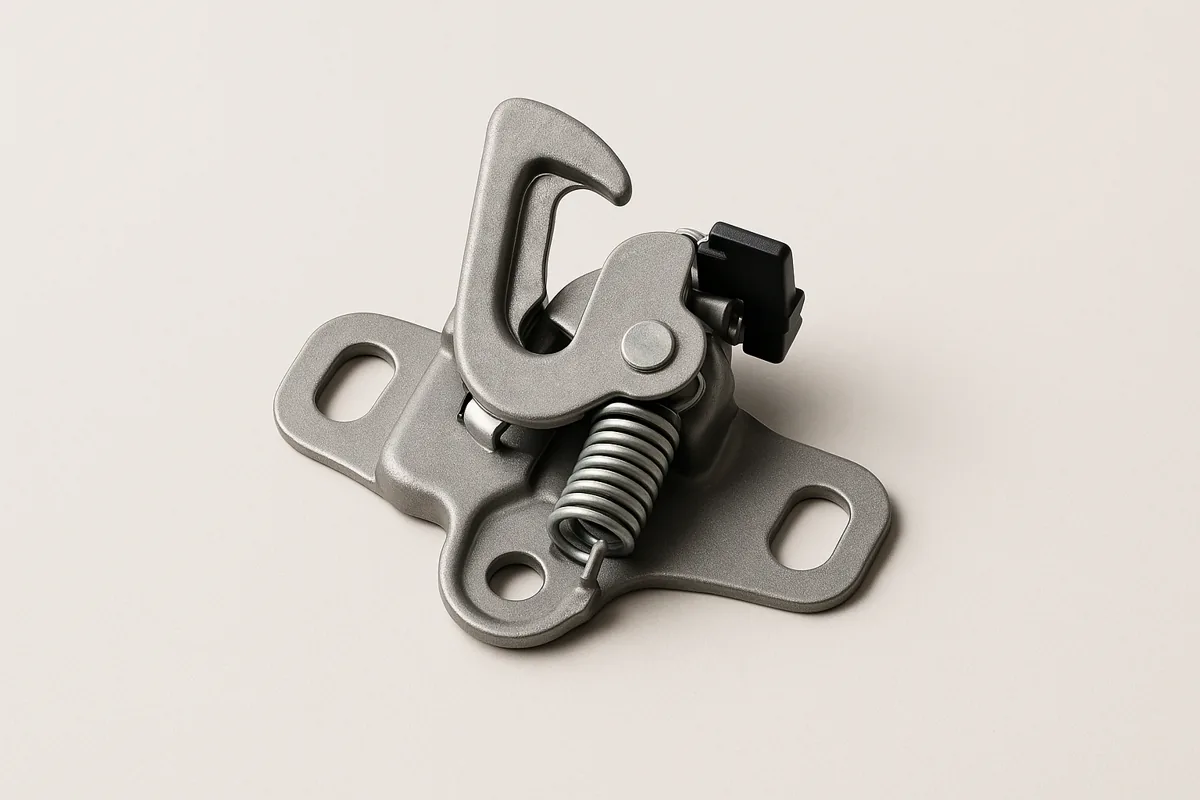
| A sliding door dragging, noisy or not closing fully | The rollers, guide rails and latch. Clean and inspect the rails for grit and wear before assuming a motor fault, then order the part for the correct side by OE number. |
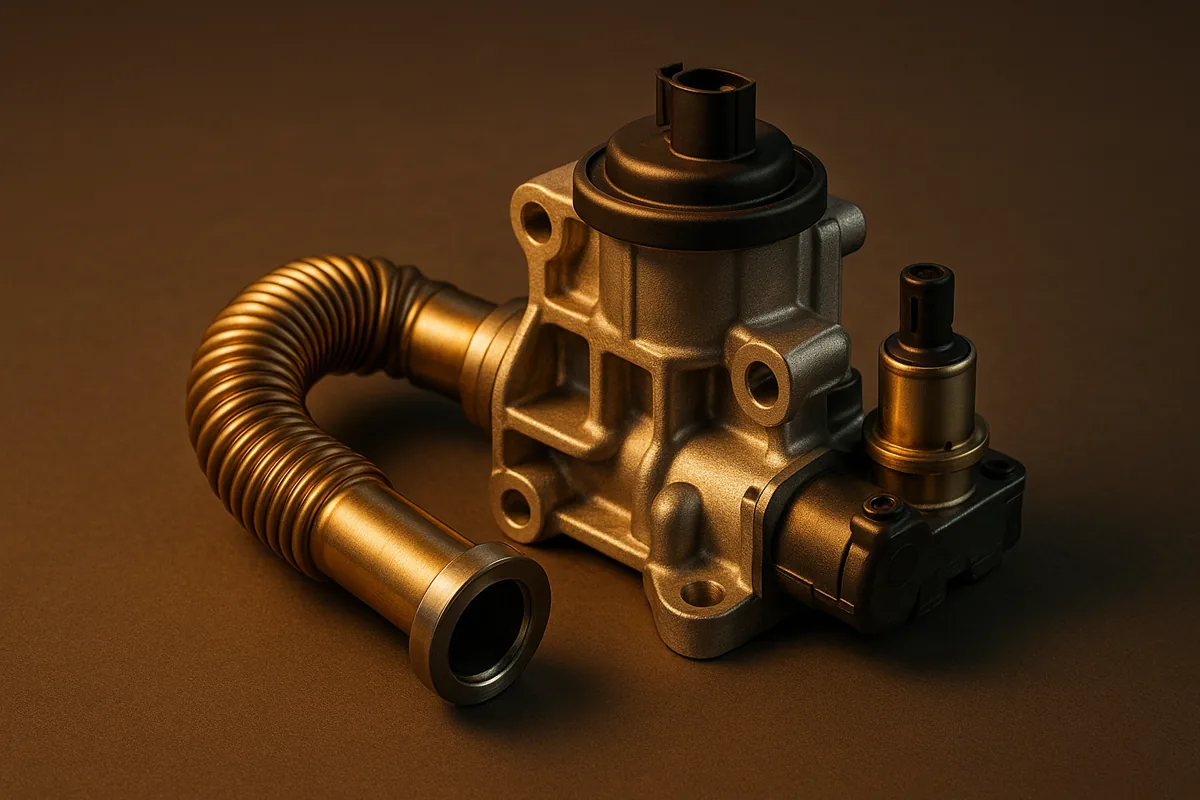
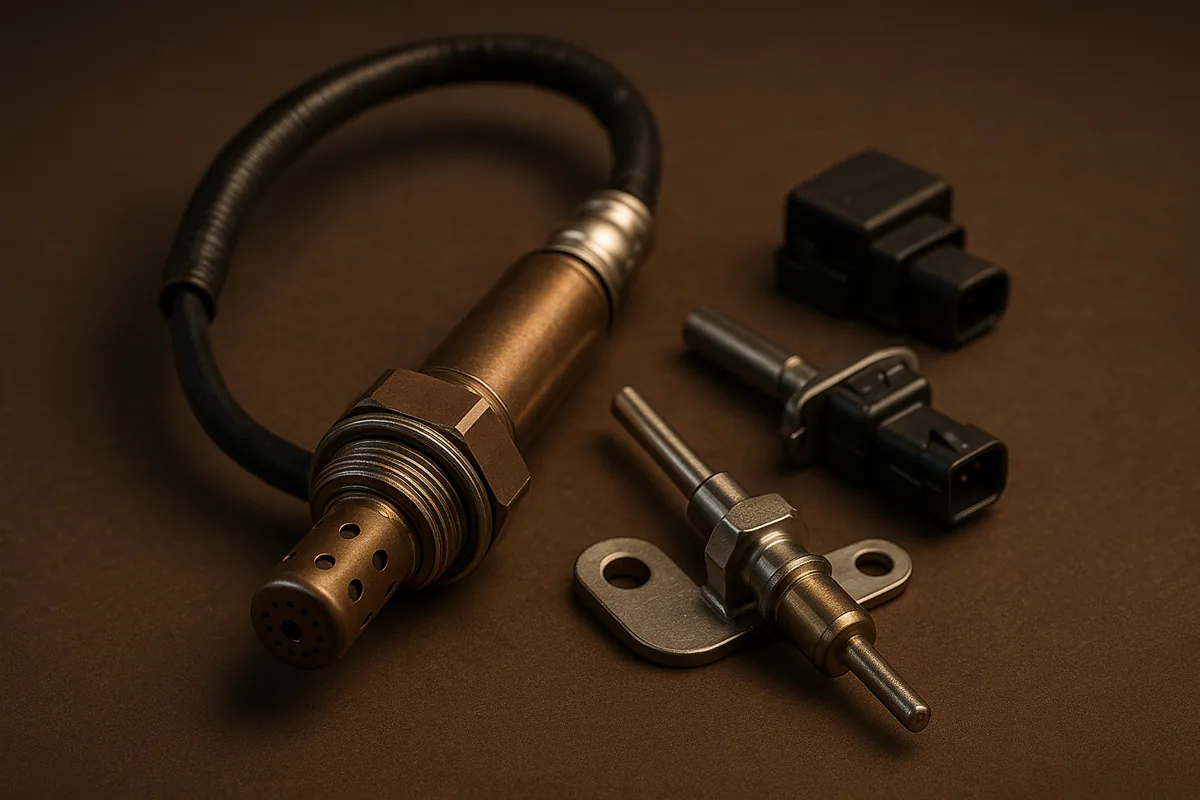
| Engine warning light while the petrol engine is running | Start with the lambda and emission sensors. Confirm the engine code first, since the 2025 model changed engine, then match the sensor by the OE number on the old unit. |
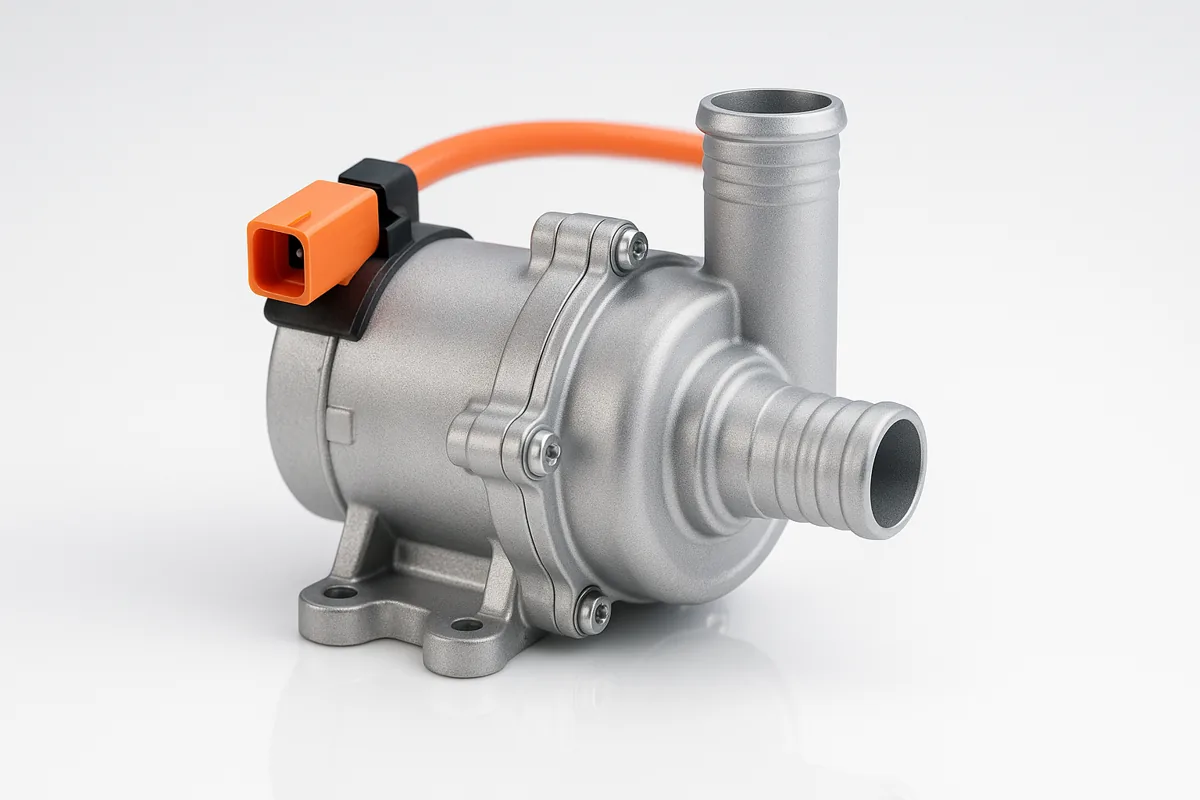
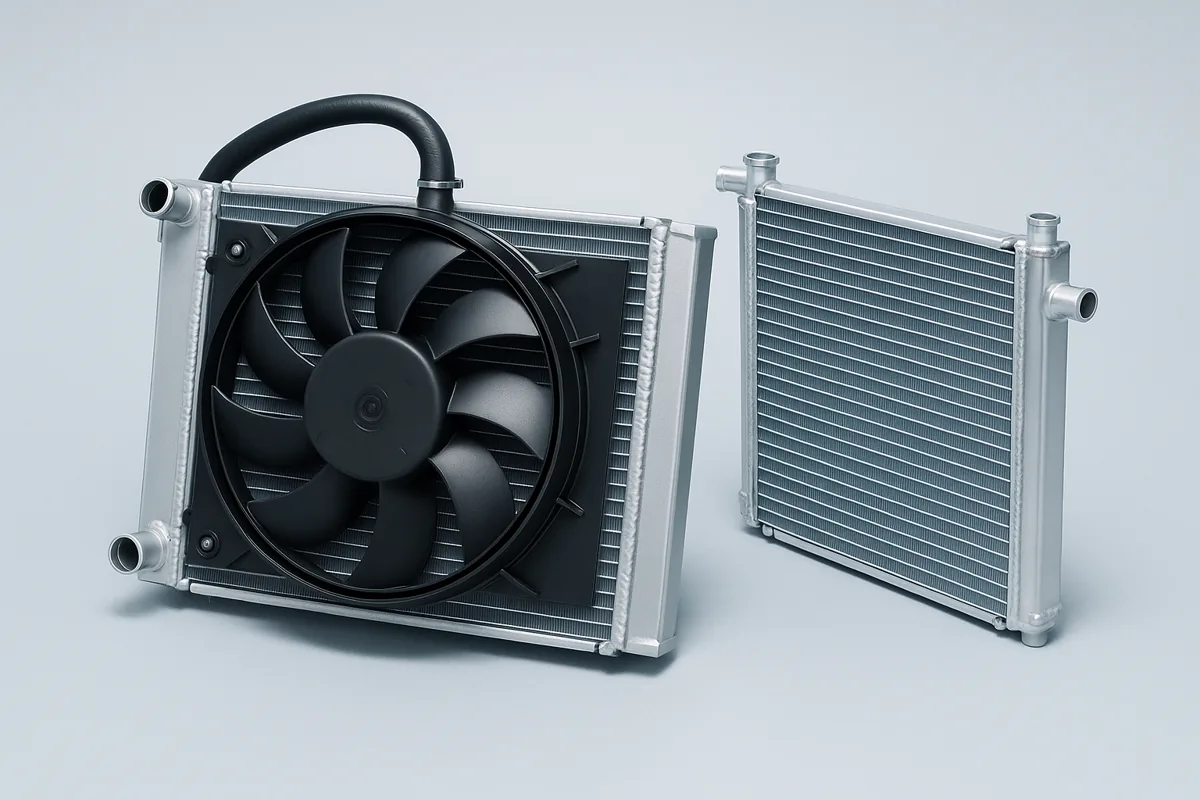
| Coolant warning or a falling coolant level | Hoses, the expansion tank and temperature sensors. The car cools a battery, one or two motors and an engine, so trace the leak to its circuit before ordering. |
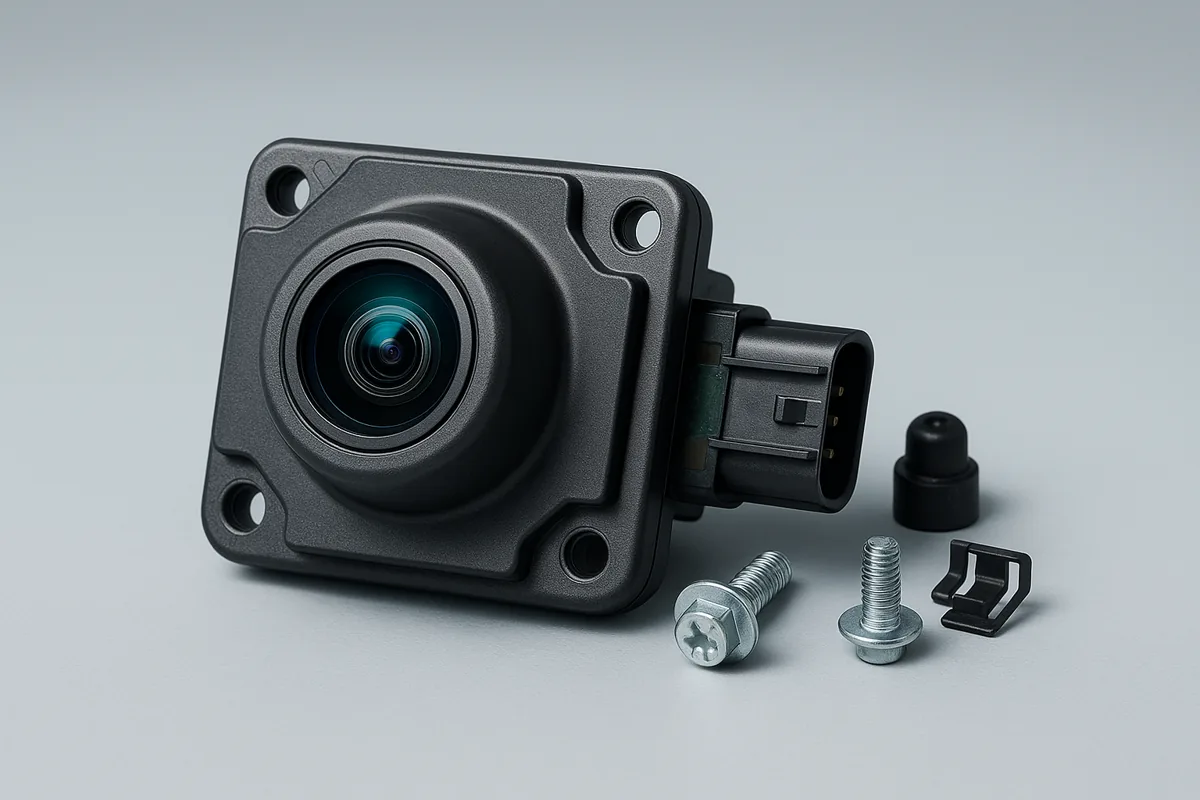
| Driver-assistance warning after roof damage or a car wash | On 2025 cars fitted with a roof lidar, inspect the lidar unit and its housing for damage or dirt before ordering a sensor or bracket. |
| Brake judder or grinding on a car used mostly on electric power | Discs and pads at both ends. Regenerative braking means the friction brakes see less use, so check the discs for corrosion as well as the pads for wear. |
| Uneven wear on the tyre edges | Wheel alignment and suspension bushes on a heavy MPV. Check the geometry before fitting new 235/60 R18 tyres, or the new tyres will wear the same way. |
| Whine or clunk from the rear under power | All-wheel-drive cars only. Inspect the rear motor mounts and drive unit, and confirm the drive layout before ordering rear drive parts. |
Most Replaced Parts on the Denza D9 DM-i
- Timing drive componentsFollows the engine code, which changed with the 2025 model
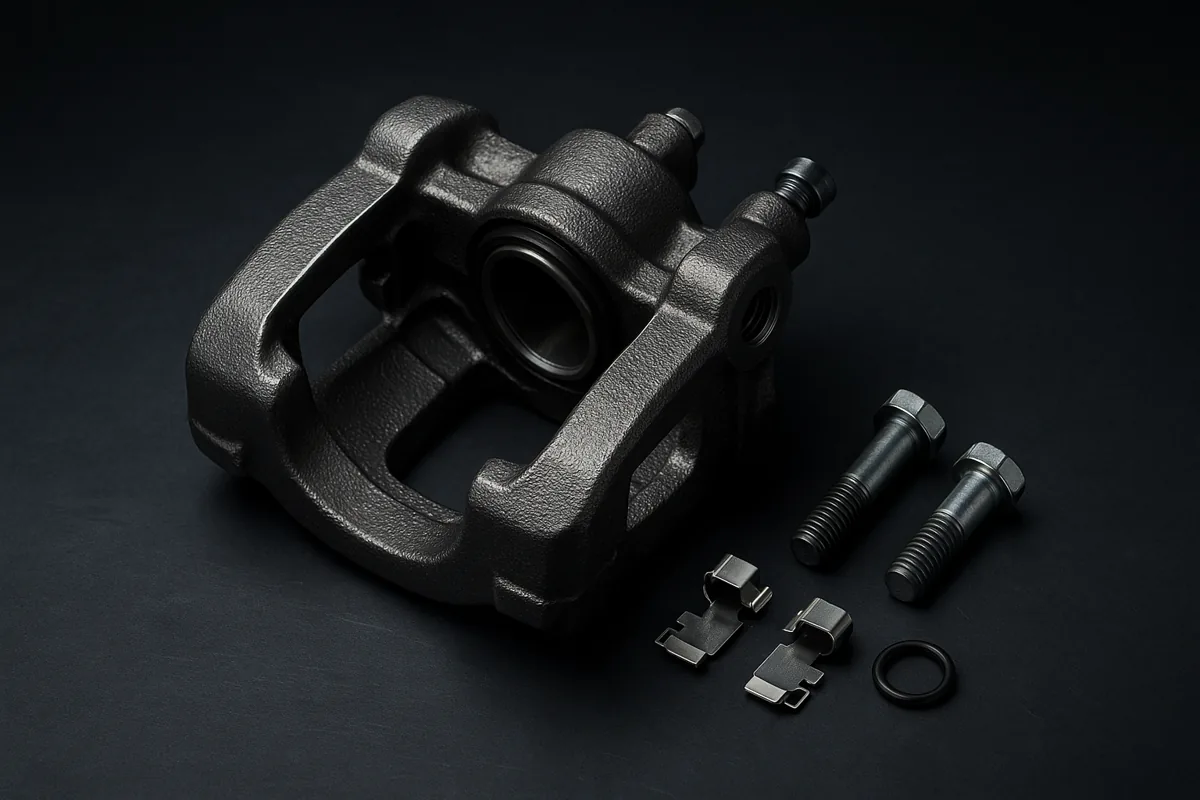
- Brake calipers, cylinders and hydraulicsVentilated discs front and rear on a heavy seven-seat MPV
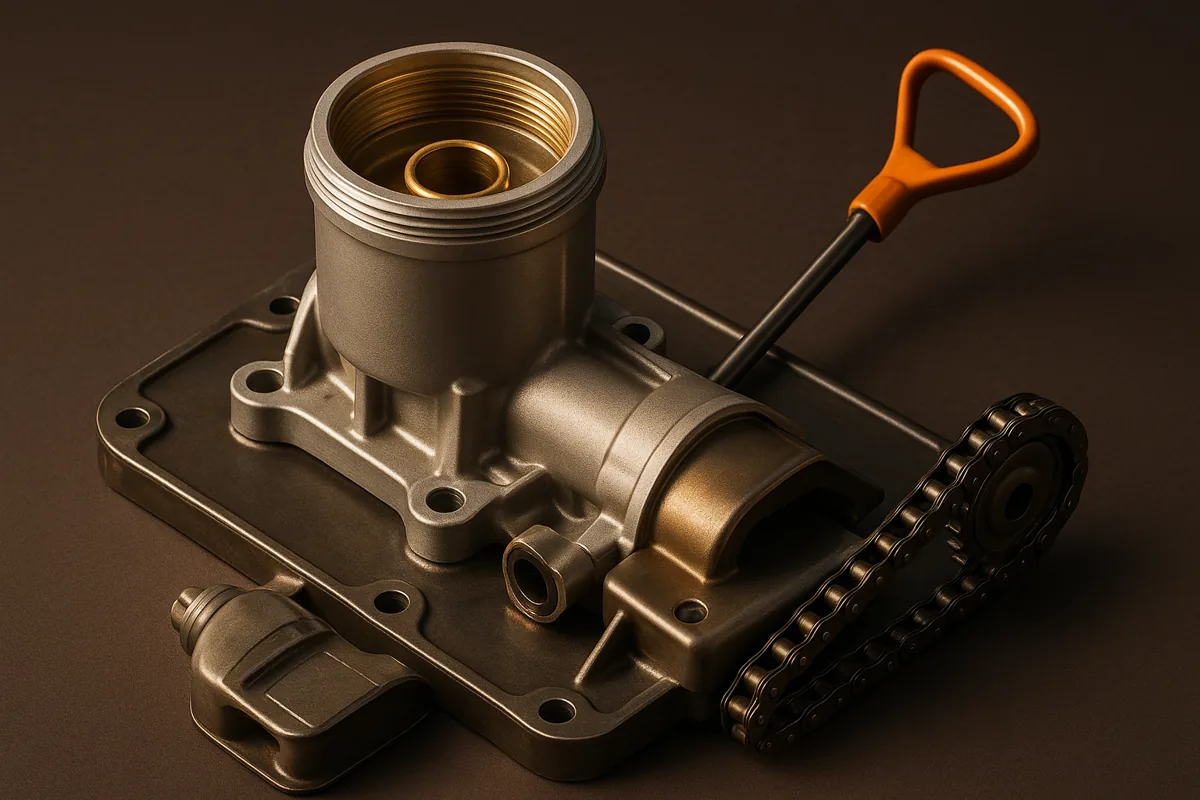
- Oil pump and sump circuit partsThe petrol engine still needs regular oil and filter changes
- Brake hoses, lines and booster partsBrake hydraulics on an MPV weighing close to 2,800 kg
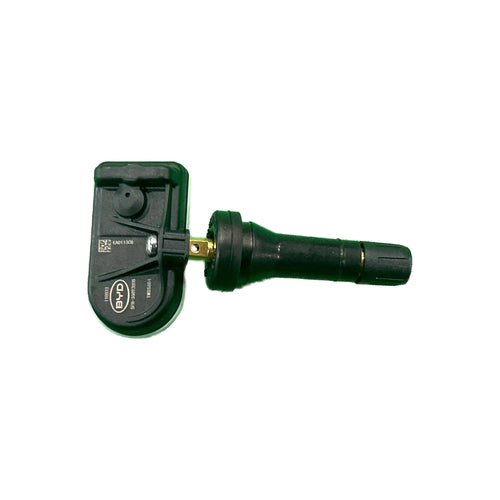
- TPMS sensors and valvesOne tyre size on all four corners, so order sensors by OE number
About Denza D9 DM-i Parts
The Denza D9 DM-i is the plug-in hybrid version of Denza's large seven-seat MPV. It is 5,250 mm long on a 3,110 mm wheelbase, with powered sliding doors on both sides. It went on sale in China on 23 August 2022 and was replaced by a second-generation D9 in April 2026. A 1.5-litre turbocharged petrol engine works with a front electric motor, and all-wheel-drive versions add a 45 kW motor on the rear axle. That layout means the car needs two sets of parts: the battery, motor and cooling hardware of an electric car, and the oil, filters, timing and emission parts of a petrol engine. A battery-electric D9 is sold alongside it with the same body but a different drive. Every part on this page is listed by its OE number, and that number on the old part is the surest check that a replacement fits.
What to know before buying Denza D9 DM-i parts
Start by making sure the car is a first-generation D9 DM-i. The D9 name also covers a battery-electric version, sold in China from launch. It shares the body but has no engine, a 103.36 kWh battery and a 230 kW front motor. A second-generation D9 arrived on 27 April 2026, sold as both a plug-in hybrid and a battery-electric car, with a redesigned grille, three lidar units and a 66.5 kWh battery in the plug-in hybrid. It keeps the same 5,250 mm length, 1,960 mm width and 3,110 mm wheelbase, so a tape measure will not tell the generations apart. The grille and the build date on the identification plate will.
Next, check the drive layout. Front-wheel-drive cars have a single front motor. All-wheel-drive cars add a 45 kW rear motor, so rear motor parts, rear drive unit parts and their fluid apply only to those cars. The front motor changed with the 2025 model, rising from 170 kW to 200 kW. A front motor from an early car should not be treated as a straight swap for a later one.
The engine changed at the same point. Launch cars use the BYD476ZQC 1.5-litre turbo, and the 2025 model moved to BYD's fifth-generation DM-i system with the BYD472ZQB engine, rated at 115 kW. Order timing, oil circuit and sensor parts by the engine code on the block or the OE number on the old part, not by model year.
A few things vary from car to car. Early cars were offered with 20.39 kWh or 40.06 kWh batteries, and the 2025 model uses a 40 kWh pack, so charging and battery parts must be matched by OE number. A roof lidar arrived with the 2025 model on some versions. It was listed on the all-wheel-drive trims but not on the entry front-drive car, so look at the roof before ordering roof trim or sensor parts. A four-seat version was also offered alongside the usual 2+2+3 layout, so check the seats before ordering cabin trim. For painted panels, order by the colour code on the car rather than by colour name.
Finally, read the build date on the identification plate before ordering engine, motor, battery, door-closing or roof parts. The 2024 model made soft-closing doors standard, and the 2025 model changed the drive and lowered the listed height from 1,920 mm to 1,900 mm. The section on generations and facelifts below sets out what changed and when.
Before You Order: 8 Checks
- Read the build date on the identification plate first, since the 2025 model, launched on 26 December 2024, changed the engine, front motor and battery.
- Match the OE number on the part you are replacing to the OE number on the listing before you order.
- Confirm whether the car is a first-generation DM-i, a battery-electric D9 or a second-generation car, and order only parts listed for that car.
- Check whether the car is front-wheel or all-wheel drive, and order rear motor and rear drive parts only for all-wheel-drive cars.
- Read the engine code on the block before ordering timing, oil circuit or sensor parts, since the BYD476ZQC and BYD472ZQB engines differ.
- Look at the roof for a lidar unit before ordering roof trim or driver-assistance sensors.
- Read the full tyre marking, including the load index, before ordering tyres.
- Order painted panels by the colour code on the car rather than by colour name.
Generations and Facelifts
The D9 is Denza's large MPV, and the first generation covers almost four years of production. It was revealed on 16 May 2022, went on sale in China on 23 August 2022 and began deliveries on 25 October 2022. From the start it was offered both as the DM-i plug-in hybrid and as a battery-electric EV. The DM-i used a 1.5-litre turbo engine coded BYD476ZQC, a 170 kW front motor, an optional 45 kW rear motor for all-wheel drive, and a choice of 20.39 kWh or 40.06 kWh batteries.
The 2024 model followed on 6 March 2024. The exterior and interior design did not change, but soft-closing doors and an on-board fridge became standard, so door-closing hardware and some cabin fittings can differ from launch cars.
The 2025 model, launched on 26 December 2024, brought the biggest change within the first generation. It moved to BYD's fifth-generation DM-i system with the BYD472ZQB engine at 115 kW. The front motor rose to 200 kW, the battery became a 40 kWh Blade pack, a roof lidar was added on some versions, and the listed height fell from 1,920 mm to 1,900 mm. The body shape stayed the same, so the first generation never had a styling facelift. Even so, engine, motor, battery and roof parts should be matched by build date and OE number.
The second-generation D9 opened for pre-sale in March 2026 and launched on 27 April 2026. It keeps the same length, width and wheelbase and is sold as both a plug-in hybrid and a battery-electric car, with a new grille, DiSus-C dual-valve dampers, three lidar units and a 66.5 kWh battery in the plug-in hybrid. For parts, treat it as a different car from the first generation.
Denza D9 DM-i Parts: Frequently Asked Questions
How do I make sure a part fits my Denza D9 DM-i?
Match the OE number. Every part on this site is listed under the OE number printed on the original part, and if the number on the part you are replacing matches the listing, the part fits. This matters on the D9 because the plug-in hybrid, the battery-electric car and the second-generation model share a name and a similar shape but differ underneath. If the old part is missing or its number is unreadable, send a photo through the quote form and we will reply within 24 hours, usually sooner.
Do parts from the battery-electric D9 fit the DM-i?
The drive parts do not. The battery-electric D9 has no engine, carries a 103.36 kWh battery and uses a 230 kW front motor. The DM-i pairs a 1.5-litre turbo engine with a smaller battery and its own motors. Engine, exhaust, fuel, cooling and high-voltage parts are therefore specific to the DM-i. Some panels, glass and trim may look identical between the two, but compare the OE number on the old part with the listing before you order anything.
How do I tell a first-generation D9 from the second-generation car?
Size will not help. The second-generation D9, launched on 27 April 2026, keeps the 5,250 mm length, 1,960 mm width and 3,110 mm wheelbase. It is sold as both a plug-in hybrid and a battery-electric car, with a redesigned grille, three lidar units and DiSus-C dampers, and its plug-in hybrid has a 66.5 kWh battery. Read the build date on the identification plate and look at the grille. Treat parts from the two generations as different until the OE numbers match.
Is the engine in a 2025 D9 DM-i the same as in a 2022 car?
No. Launch cars use the BYD476ZQC 1.5-litre turbo engine. The 2025 model, launched on 26 December 2024, moved to BYD's fifth-generation DM-i system and the BYD472ZQB engine, rated at 115 kW. Timing, oil circuit, sensor and mounting parts can differ between the two engines, so do not rely on the model year alone. Read the engine code on the block or the OE number on the old part, and if either is hard to read, send a photo through the quote form.
What does the all-wheel-drive D9 DM-i need that the front-drive car does not?
A second motor and everything around it. All-wheel-drive versions add a 45 kW electric motor on the rear axle, with its own drive unit, mounts, wiring and cooling connections. On the 2025 range the all-wheel-drive trims were also listed with a roof lidar that the entry front-drive car lacked, and they are heavier, at 2,795 kg against 2,695 kg. Confirm the drive layout before ordering rear drive parts or fluid, and match suspension parts by OE number.
Did the front motor change during production?
Yes. Early DM-i cars use a 170 kW front motor, and the 2025 model raised it to 200 kW. The rear motor on all-wheel-drive cars stayed at 45 kW. Because the output changed, a front motor from a launch car should not be treated as a straight swap for a 2025 car, or the other way round. Check the build date on the identification plate, then match the motor and its related sensors by the OE number on the unit you are replacing.
Which battery does my D9 DM-i have?
It depends on when the car was built and which version it is. Early cars were offered with a 20.39 kWh or a 40.06 kWh pack, and the 2025 model uses a 40 kWh Blade lithium iron phosphate pack. The second-generation car moved to a 66.5 kWh second-generation Blade Battery with much faster charging. Battery modules, charging hardware and battery management parts follow the pack, so do not order them by model name alone. Match the OE number on the part you are replacing.
What tyre size does the D9 DM-i use?
The 2025 model runs 235/60 R18 on all four corners, and the second-generation car also uses 18-inch wheels. On a car weighing close to 2,800 kg the load index matters as much as the size. Read the full marking on the sidewall of the tyres already fitted and match all of it, including the load index, rather than the width and rim size alone. If you are replacing TPMS sensors or valves at the same time, order them by the OE number on the old sensor.
What brakes and suspension does the D9 DM-i use?
The 2025 model is listed with ventilated discs front and rear, MacPherson strut front suspension and a multi-link rear. Front and rear discs, pads and calipers are different parts, so check each axle on its own. Regenerative braking does much of the slowing on a plug-in hybrid, so the friction brakes can see light use, and discs may corrode before the pads wear out. Order pads, discs and calipers by the OE number on the old part, and replace pads in axle sets.
Does every D9 DM-i have a roof lidar?
No. Lidar arrived with the 2025 model as part of the God's Eye driver-assistance system. On the 2025 range it was listed on the all-wheel-drive trims but not on the entry front-drive car, so the model year alone does not tell you whether it is fitted. Cars built before the 2025 model do not have it, and the second-generation car uses three lidar units. Look at the roof above the windscreen before ordering roof trim, sensor brackets or lidar parts.
Do the powered sliding doors need attention?
They are worth checking at every service. The D9 has powered sliding doors on both sides, and soft-closing doors became standard with the 2024 model, launched on 6 March 2024. Rollers, guide rails and latches move every time a door opens, so grit and wear show up as noise, drag or a door that will not close fully. Clean and inspect the rails before assuming a motor fault, and order door parts for the correct side by the OE number on the old part.
Is there a four-seat D9 DM-i, and does it share cabin parts?
A four-seat version was offered alongside the usual seven-seat car, which uses a 2+2+3 layout. The four-seat car has a different rear cabin, so seats, rear trim and cabin fittings from a seven-seater may not suit it. Engine and front-end parts are more likely to be shared, but confirm that part by part rather than assuming it. Check the seats in the car before ordering anything for the cabin, then compare the OE number on the old part with the listing.