BYD Tang DM-i Parts
Shop BYD Tang DM-i Parts by Category
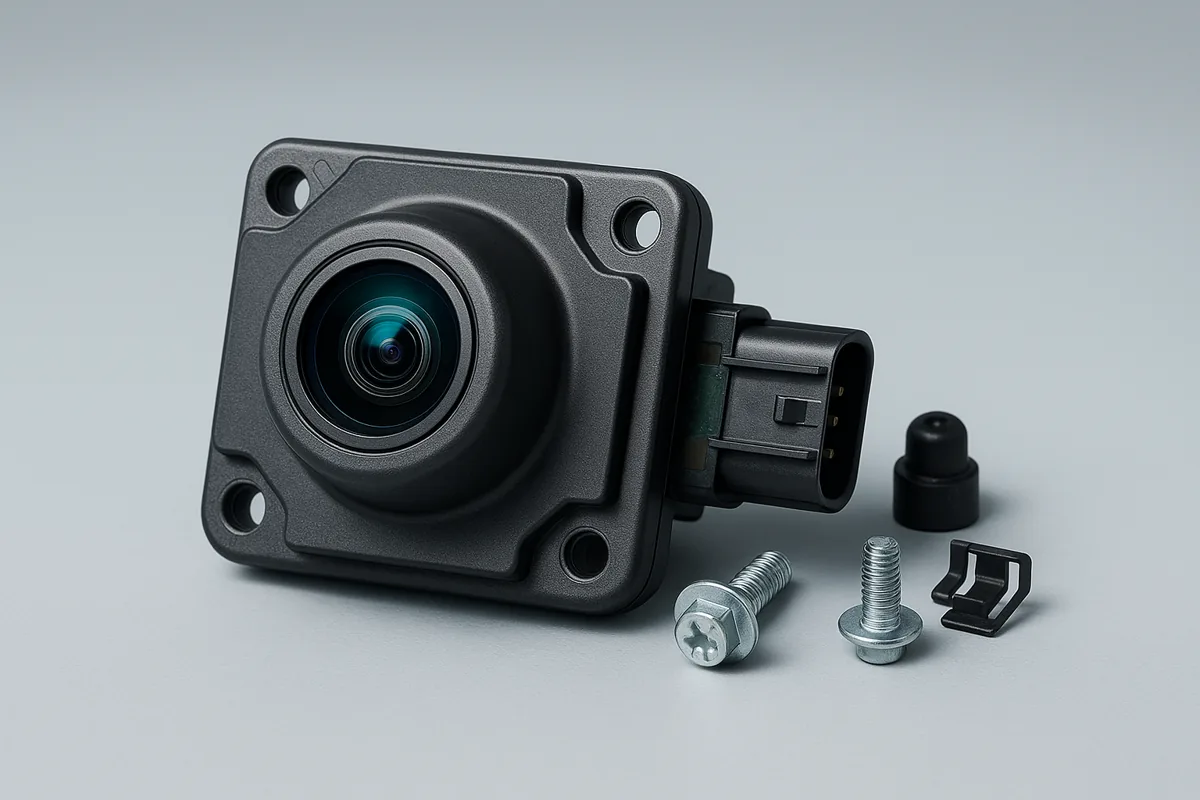
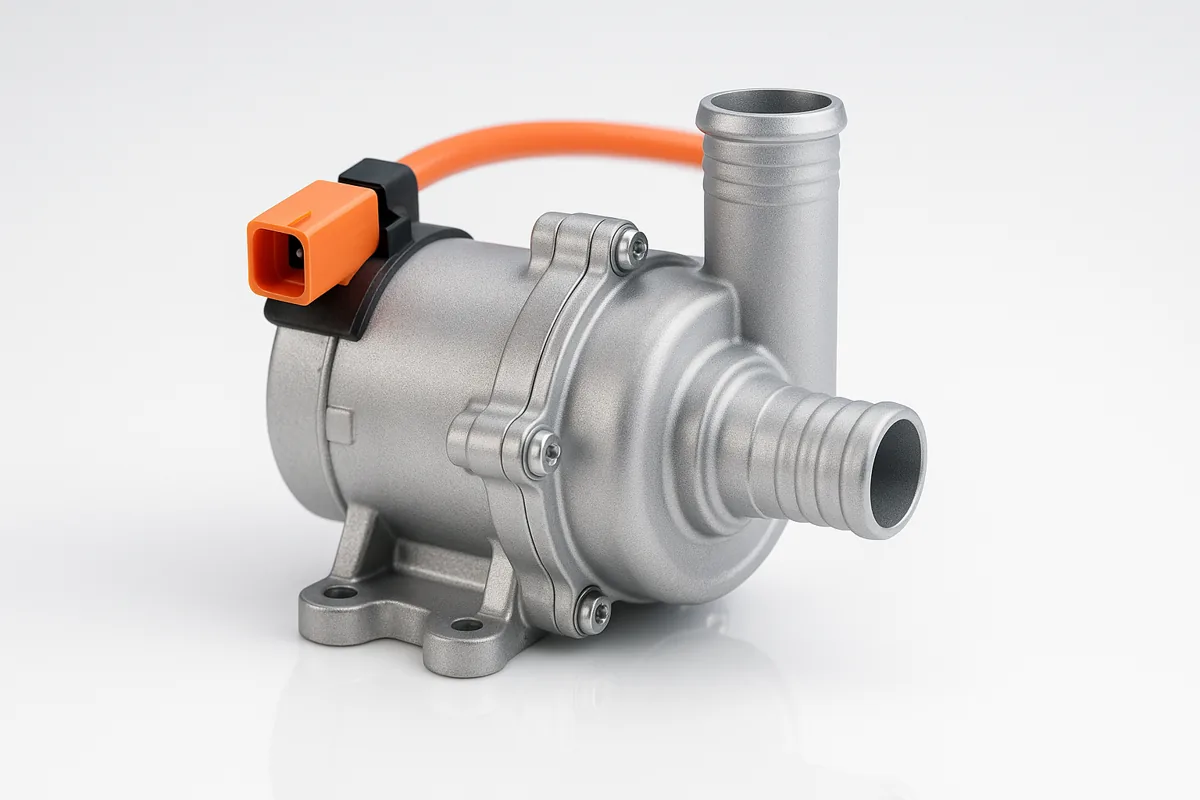
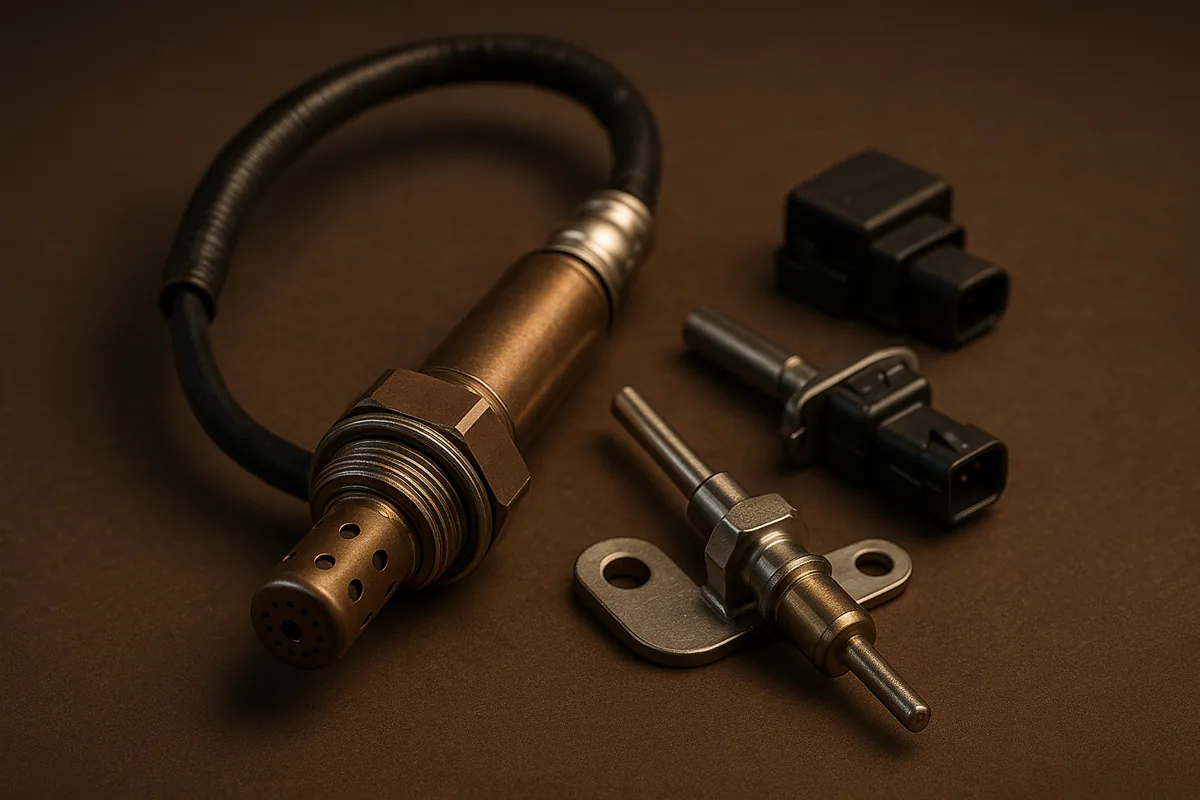
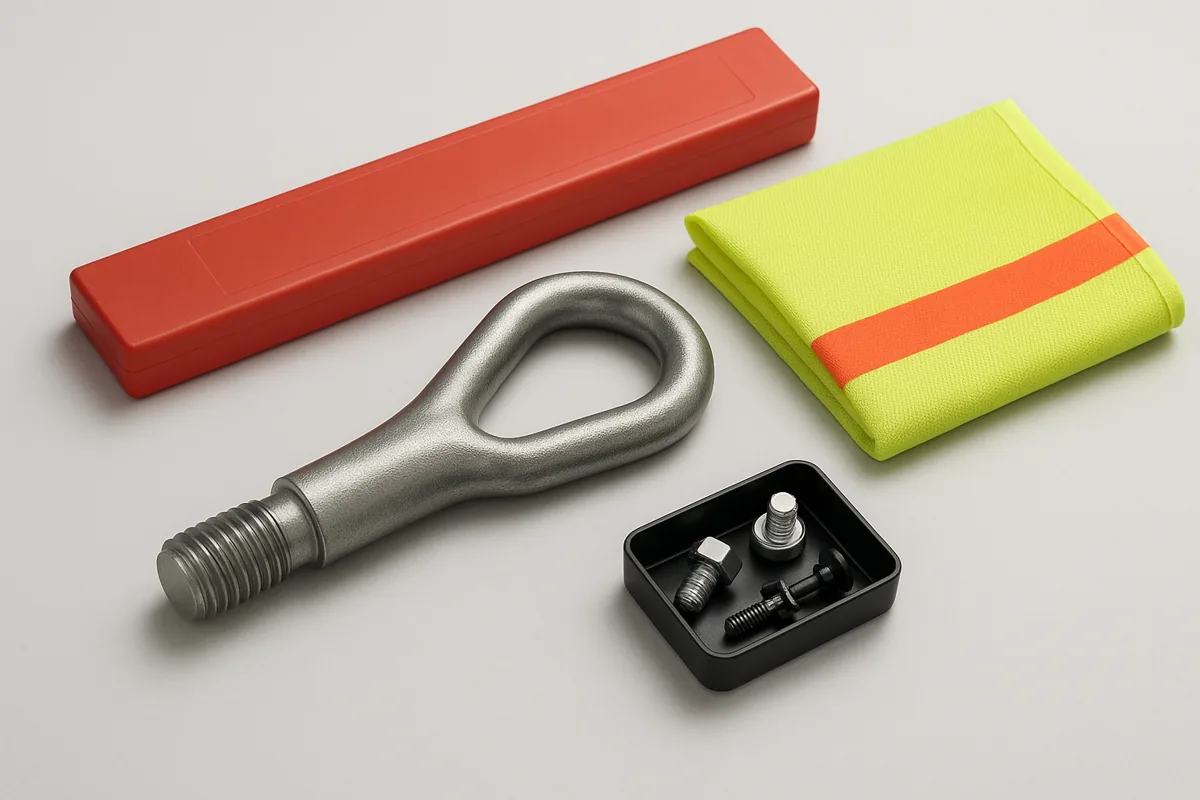
Popular for the BYD Tang DM-i
scroll for more →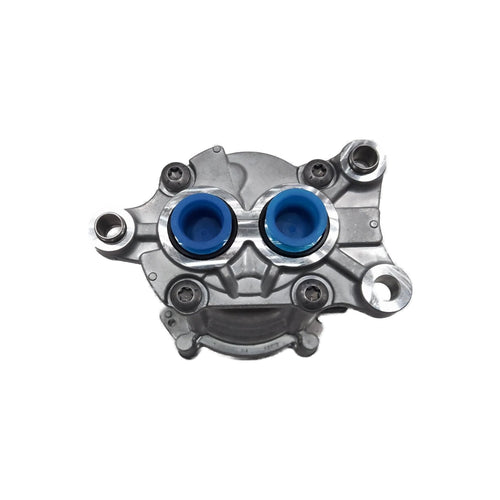

Symptom Finder: Known Weak Points
| What you see or hear | Check first |
|---|---|
| Knock or clunk from the front suspension over bumps | The lower arm bushes and ball joints, then the knuckle. Check the build date first, since arms and knuckles changed from iron to aluminium on 16 March 2023 and do not cross over. |
| Ride feels floaty or harsh, or a suspension warning shows | The dampers. FSD variable dampers are standard from 16 March 2023 and DiSus-C body control from September 2025, so match the damper by build date and OE number. |
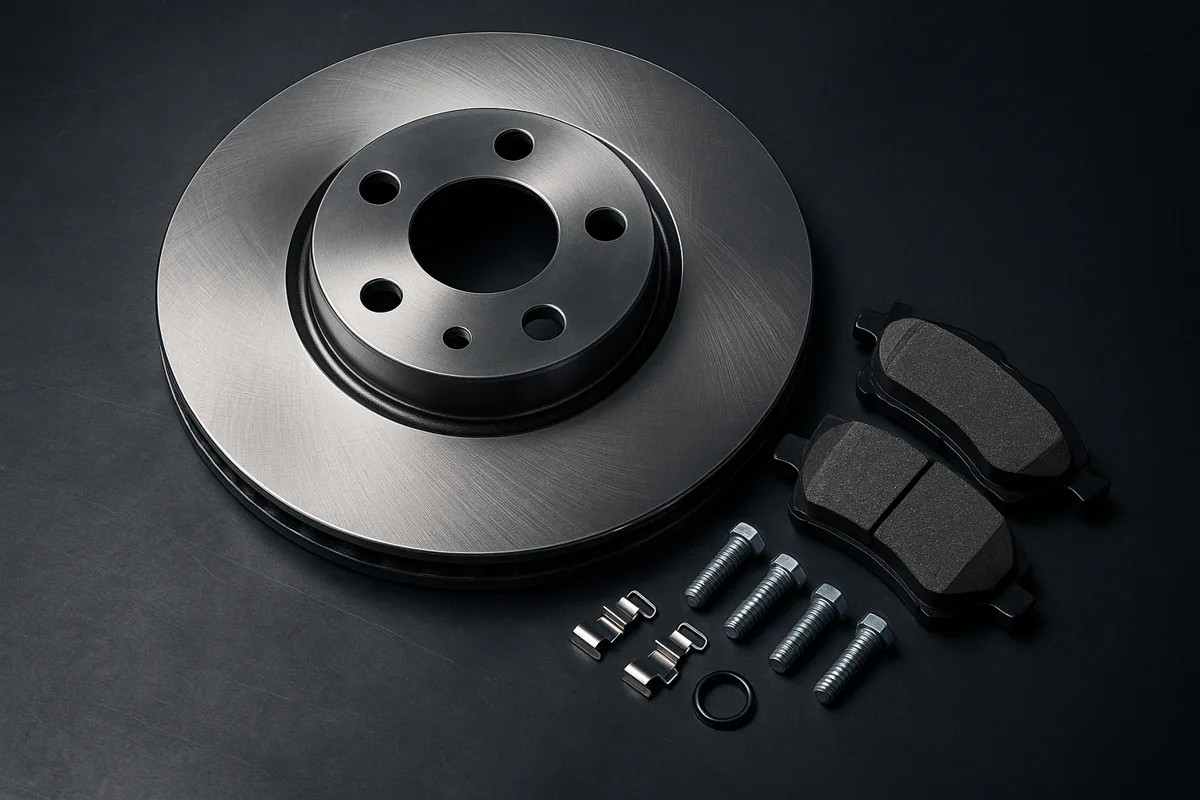
| Brake squeal, judder or grinding | Pads and discs. The front discs are ventilated and the rear discs solid, so inspect each axle and order parts for that axle only. |
| Engine warning light while the petrol engine is running | Start with the lambda and emission sensors on the 1.5-litre engine. The engine often runs in short bursts, and those sensors are the usual first suspects on any petrol engine. |
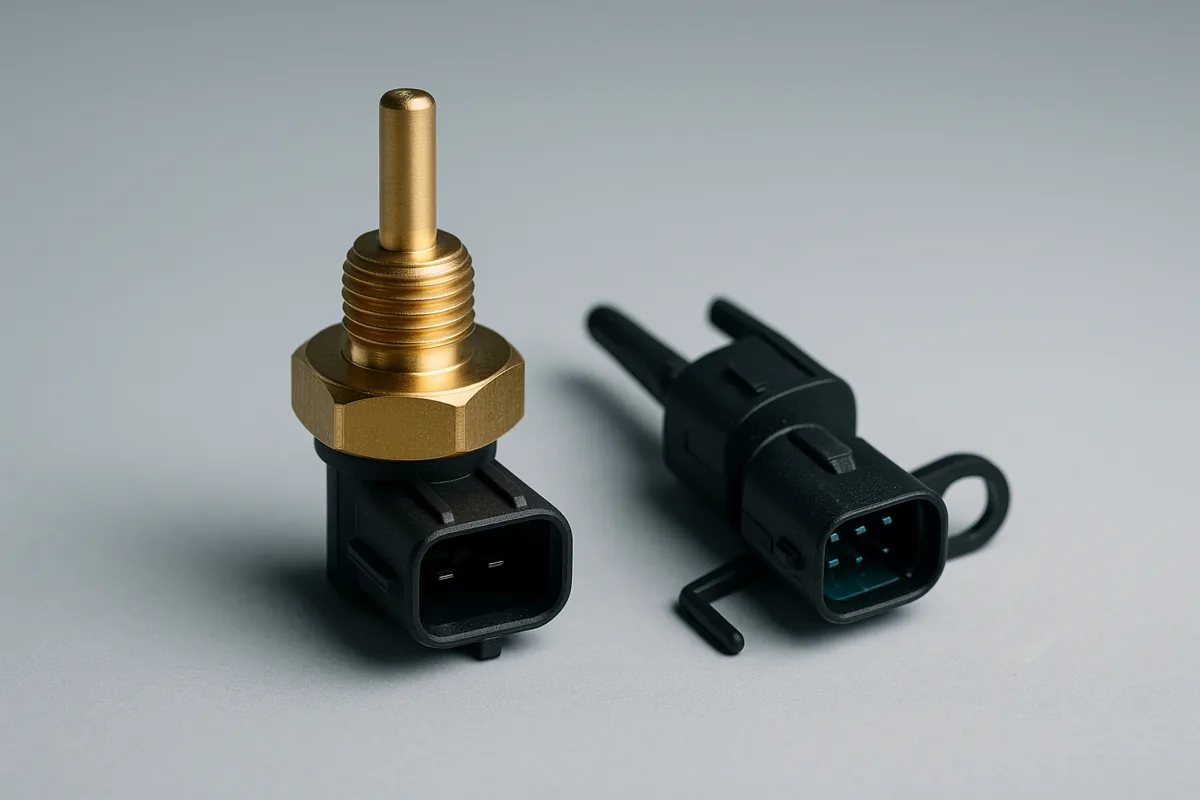
| Coolant warning or a falling coolant level | Hoses, the expansion tank and the temperature sensors. The car cools a battery, a motor and an engine, so trace the leak to its circuit before ordering. |
| Parking sensor or driver-assistance warning after a minor knock | The ultrasonic sensors in the bumpers and their brackets. A bent bracket can trigger the warning on its own, so check it before replacing the sensor. |
| A tyre ordered by model year does not match the others | Read the sidewall. Cars built before 16 March 2023 were sold on 245/45 R20 and later cars on 255/50 R20. |
Most Replaced Parts on the Tang DM-i
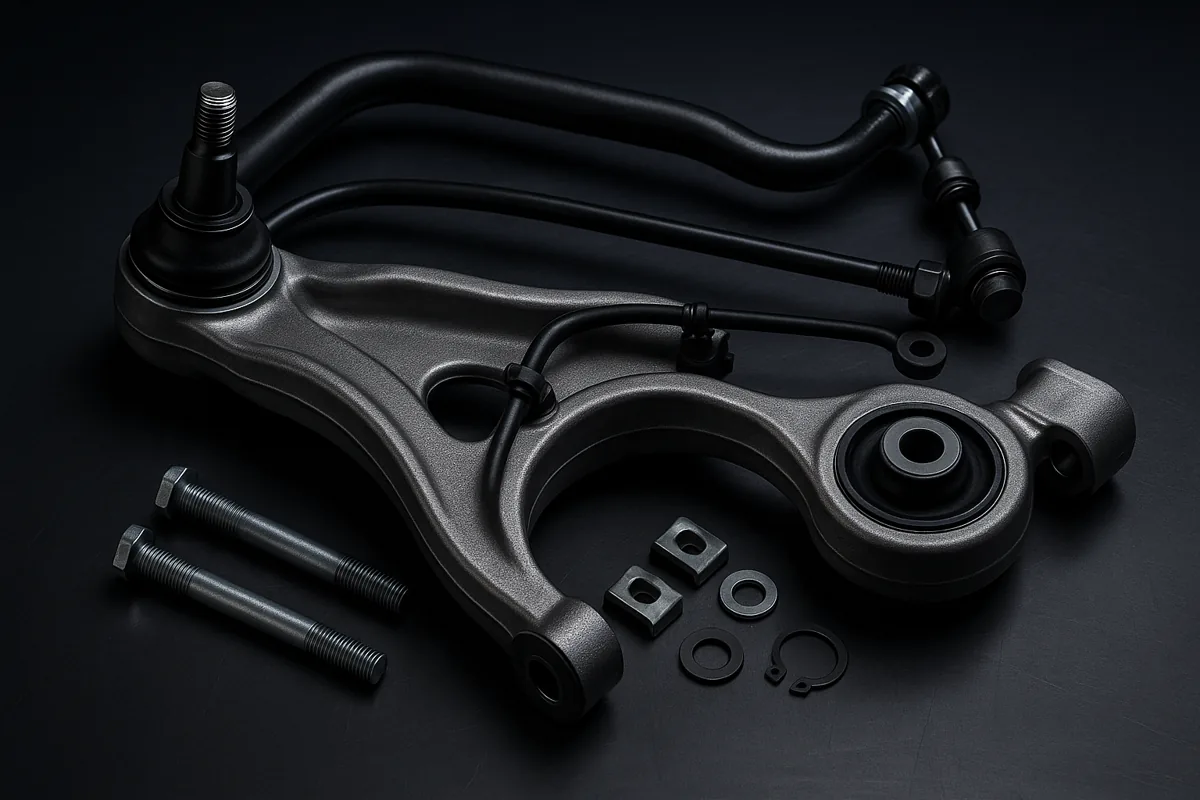
- Control arms, knuckles and bushingsIron before 16 March 2023 and aluminium after, so check the build date first
- Brake discs and padsVentilated discs at the front and solid discs at the rear, so order by axle
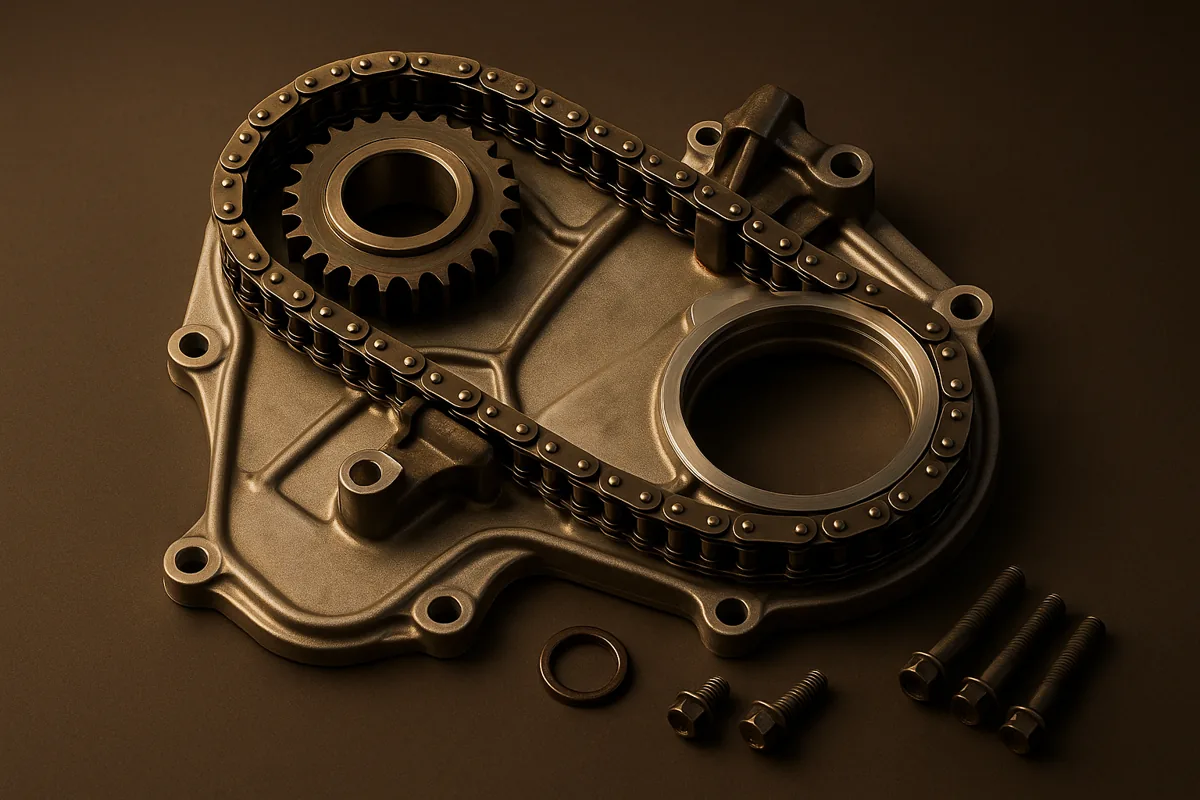
- Timing drive componentsThe 2025 model's 1.5-litre engine differs from earlier cars, so match by OE number
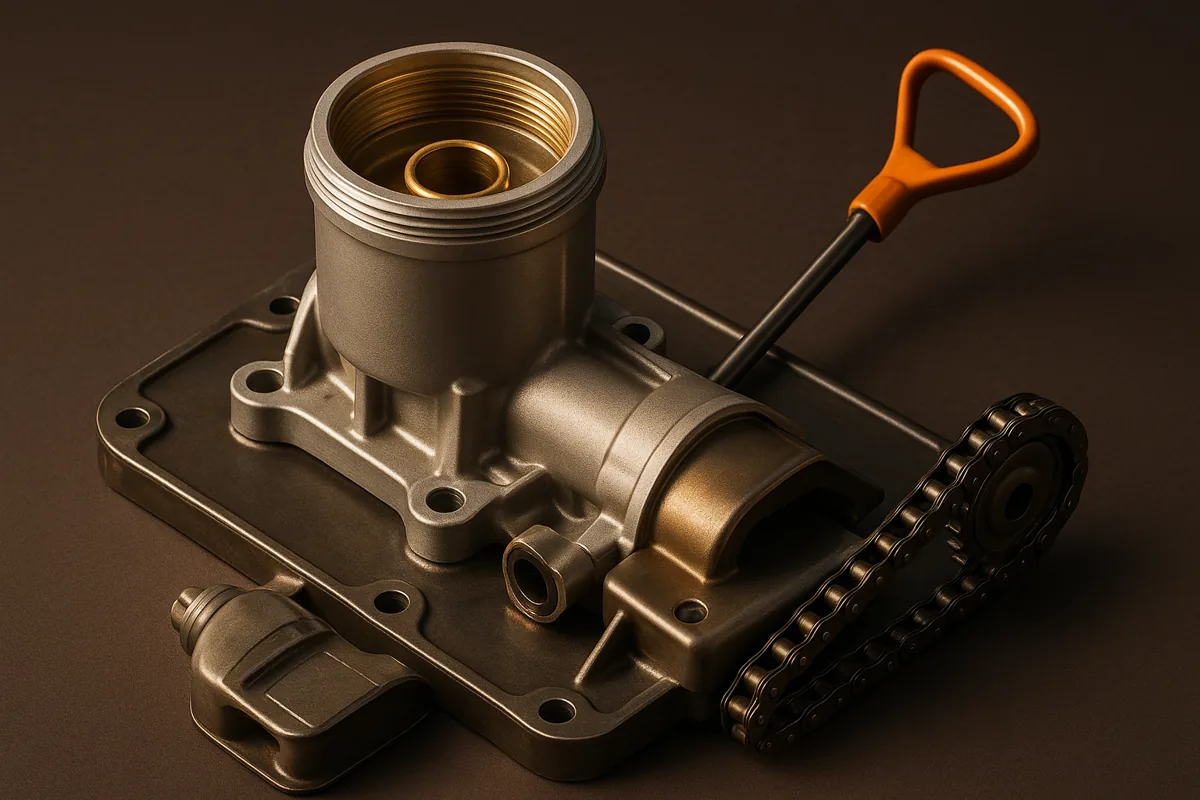
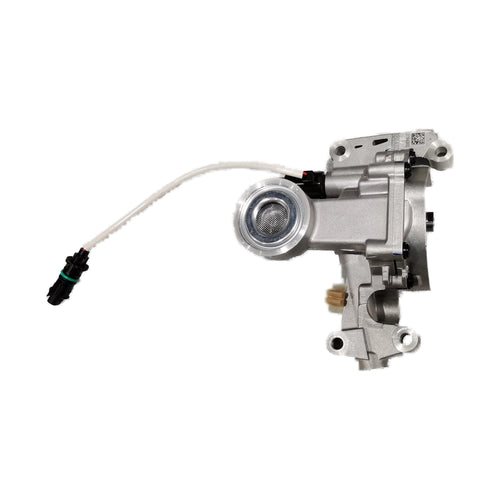
- Oil pump and sump circuit partsThe petrol engine still needs regular oil changes, even on a car driven mostly on battery
- Fuel tank, lines and filtersCheck whether the filter comes as part of the pump assembly before ordering
About BYD Tang DM-i Parts
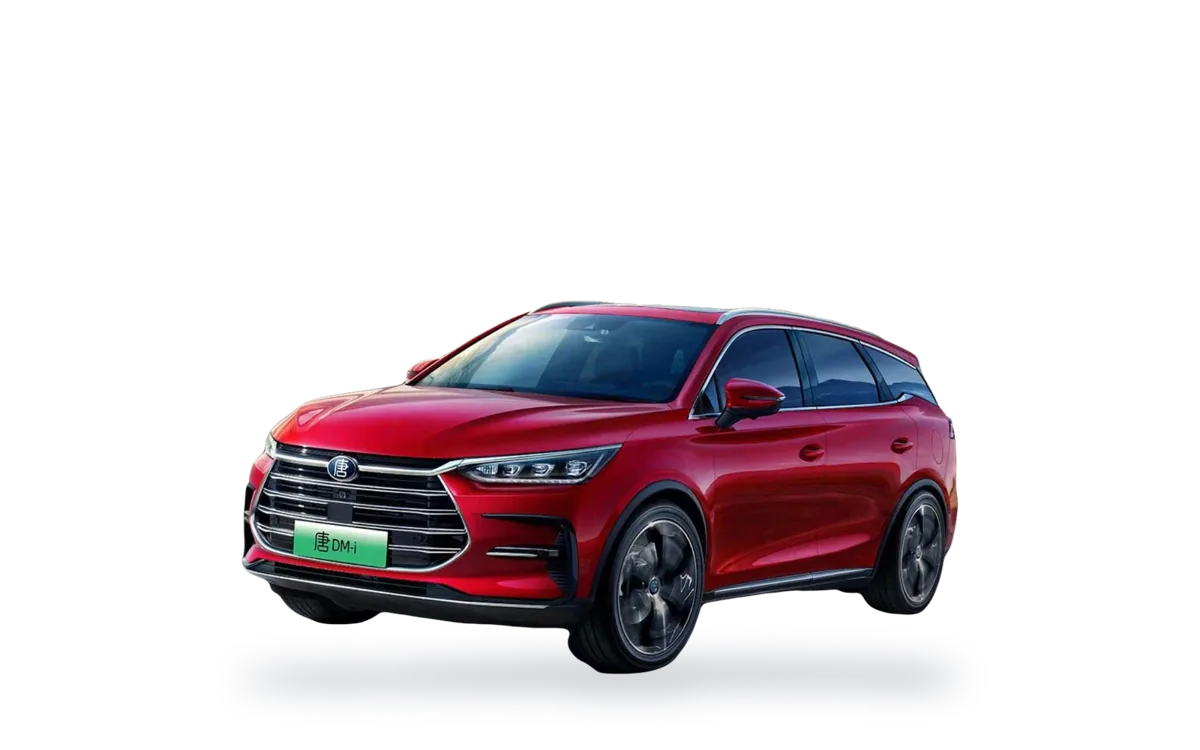
The BYD Tang DM-i is the plug-in hybrid version of the second-generation Tang, a seven-seat SUV that is 4,870 mm long on a 2,820 mm wheelbase. It went on sale at Auto Shanghai on 19 April 2021 and is still being built, now on BYD's fifth-generation DM hybrid system. It drives the front wheels only, through one electric motor. A 1.5-litre turbocharged petrol engine mainly charges the Blade battery and also drives the car at higher speeds. That means the car needs two kinds of parts: the motor, battery, cooling and electronics of an electric car, and the oil, filters, timing parts and sensors of a petrol engine. There is no rear motor and there are no rear driveshafts. Every part on this page is listed by its OE number, and matching the number on your old part is the surest way to confirm a part fits.
What to know before buying BYD Tang DM-i parts
Start by making sure the car is a Tang DM-i. Several cars share the Tang name. The Tang DM-p, launched in August 2022, is the all-wheel-drive plug-in version with a second motor on the rear axle, and the Tang EV is fully electric. The most costly mix-up is the Tang L, launched in April 2025 and sold alongside this car. Outside China it is also sold as the Sealion 8 or Atto 8. It is a bigger car, 5,040 mm long on a 2,950 mm wheelbase against 4,870 mm and 2,820 mm for the Tang DM-i, so do not fit its body panels, glass or suspension to this car.
The drive layout is easy to confirm. Every Tang DM-i drives the front wheels through one motor, working with the 1.5-litre turbo engine. There is no rear motor, rear drive unit or rear driveshaft, so any rear drive part offered for this car belongs to the DM-p. The engine and motor changed with the 2025 model, launched on 25 October 2024 on the fifth-generation DM system. Engine output rose from 102 kW to 115 kW and motor output from 160 kW to 200 kW. Match engine, motor and hybrid electronics from either side of that change by OE number, not by name.
The chassis changed earlier. The Champion Edition, launched on 16 March 2023, moved the front lower arms, rear arms and steering knuckles from iron to aluminium alloy, and made FSD variable damping standard across the range. Arms, knuckles and dampers from before and after that date are separate parts. The standard tyre also moved from 245/45 R20 to 255/50 R20, so read the size on the sidewall before ordering tyres.
Some things vary from car to car. Early long-range cars used a 21.5 kWh battery, and from September 2025 most versions carry a 26.6 kWh pack, so match battery, charging and battery cooling parts by OE number. The front discs are ventilated and the rear discs solid, so order brake parts by axle. The 2025 cars carry 12 ultrasonic sensors and five radar units, and the top version from September 2025 adds lidar. A bumper repair therefore often needs sensors and brackets as well as the panel. Some 2025 versions are listed at 4,905 mm long rather than 4,870 mm, so match bumpers by OE number too. For painted panels, go by the colour code on the car, not the colour name.
Finally, read the build date on the identification plate. Three dates split parts. 16 March 2023 affects arms, knuckles, dampers and tyres. 25 October 2024 affects the engine, motor and hybrid system. September 2025 brought the larger battery and DiSus-C body control.
Before You Order: 7 Checks
- Confirm the car is a Tang DM-i and not a Tang L, Sealion 8 or Atto 8. The Tang DM-i is 4,870 mm long on a 2,820 mm wheelbase and the Tang L is 5,040 mm on 2,950 mm, so measure between the wheel centres if in doubt.
- Match the OE number on the part you are replacing to the OE number on the listing before you order.
- Check the build date on the identification plate against 16 March 2023 before ordering a suspension arm, knuckle or damper.
- Check the build date against 25 October 2024 before ordering engine, motor or hybrid system parts, since the 2025 model has a stronger engine and a more powerful motor.
- Read the tyre size on the sidewall before ordering tyres or rims, since earlier cars ran 245/45 R20 and later cars 255/50 R20.
- Order brake parts by axle, since the front discs are ventilated and the rear discs solid.
- After a bumper repair, check the parking sensors and brackets as well as the panel, and order painted parts by the colour code on the car.
Generations and Facelifts
The Tang DM-i belongs to the second-generation Tang, a seven-seat SUV introduced in 2018 on a 2,820 mm wheelbase and sold as a plug-in hybrid and as the fully electric Tang EV. The DM-i arrived with the 2021 facelift and went on sale at Auto Shanghai on 19 April 2021. It brought a 1.5-litre turbo engine, a single front motor and a Blade battery. The all-wheel-drive Tang DM-p followed in August 2022 as a separate model with its own rear drive hardware.
The Champion Edition went on sale on 16 March 2023. It looked almost the same, but the changes underneath were real: aluminium front and rear arms and knuckles in place of iron, FSD variable dampers as standard, and 255/50 R20 tyres in place of 245/45 R20. Suspension parts split at that date.
The 2025 model launched on 25 October 2024 on the fifth-generation DM hybrid system. Engine output rose to 115 kW, motor output to 200 kW, and electric range to 115 km on the CLTC cycle. The Smart Driving Edition followed on 10 February 2025 and added BYD's God's Eye driver assistance, with the C system on lower versions and the B system on the top one. It brought new sensors and cameras, so match them by OE number.
The larger Tang L launched on 9 April 2025. It is sold alongside the Tang DM-i and does not replace it. On 16 September 2025 the Tang DM-i was upgraded again. Most versions gained a 26.6 kWh battery with 175 km of CLTC range, DiSus-C body control became standard, and the top version gained lidar. The body has kept the same basic shape since 2021 and there has been no full redesign. Read the build date on the identification plate before ordering suspension, powertrain, battery or sensor parts.
BYD Tang DM-i Parts: Frequently Asked Questions
How do I make sure a part fits my BYD Tang DM-i?
Match the OE number. Every part on this site is listed under the OE number printed on the original part, and if the number on the part you are replacing matches the listing, the part fits. That matters on the Tang DM-i because it has been updated several times since 2021 with little change to its looks, so the model name and year do not settle fitment. If the old part is missing or its number is unreadable, send the details through the quote form with a photo and we will reply within 24 hours, usually sooner.
Is the Tang L the same car as the Tang DM-i?
No. The Tang L is a larger SUV launched in China on 9 April 2025 and sold alongside the Tang DM-i. Outside China it is also sold as the Sealion 8 or Atto 8. The Tang L is 5,040 mm long on a 2,950 mm wheelbase, against 4,870 mm and 2,820 mm for the Tang DM-i. Treat its body, glass and suspension as different parts, and order by the OE number on the part you are replacing.
Is there an all-wheel-drive Tang DM-i, and will a rear motor fit?
No. Every Tang DM-i drives the front wheels through a single motor, working with a 1.5-litre turbo petrol engine. There is no rear motor, rear drive unit or rear driveshaft on this car. The all-wheel-drive plug-in Tang is the Tang DM-p, launched in August 2022 as a separate model with a second motor at the rear. If a job sheet or listing calls for a rear drive part on a Tang DM-i, it almost certainly belongs to a DM-p. Check the badge and the old part's OE number before ordering anything for the back axle.
Will Champion Edition control arms fit a 2021 or 2022 Tang DM-i?
No. The Champion Edition went on sale on 16 March 2023 and moved the front lower arms, rear arms and steering knuckles from iron to aluminium alloy. Arms and knuckles from either side of that date are separate parts. Model year is not a safe guide, because cars sold as 2023 models can be built on either side of the change. Read the build date on the identification plate, then match the part to the OE number on the arm or knuckle you are replacing.
Did the engine and motor change on later cars?
Yes. The 2025 model, launched on 25 October 2024, moved to BYD's fifth-generation DM hybrid system. The 1.5-litre turbo engine went from 102 kW to 115 kW and the front motor from 160 kW to 200 kW. The engine size and the badge stayed the same, so nothing on the outside of the car shows the change. Treat engine, motor and hybrid control parts from either side of that date as different, check the build date on the identification plate, and order by the OE number on the old part.
What tyre sizes does the Tang DM-i use?
Current cars use 255/50 R20. Earlier cars were sold on 245/45 R20, and the change came with the Champion Edition on 16 March 2023. The two sizes have different rolling diameters, so do not mix them on the same axle. Read the size on the sidewall of the tyres already fitted rather than going by the model year, and match any replacement rim to the size and wheel design on the car. If you are unsure, send the sidewall details through the quote form.
Are the rear brake discs ventilated?
No. The front discs are ventilated and the rear discs are solid, so front and rear discs are different parts, and the pads differ between the axles as well. Order brake parts by axle and match each to the OE number on the part you are removing. Much of the car's braking is done by the motor recovering energy, so discs can corrode or glaze before the pads wear out, especially on cars driven mostly on battery. Inspect the disc surface as well as the pad thickness before deciding what to order.
Which battery does my Tang DM-i have?
It depends on the version and the build date. Early long-range cars used a 21.5 kWh Blade battery, with a smaller pack on the entry version. From 16 September 2025, most versions carry a 26.6 kWh pack with 175 km of CLTC electric range, while the entry version keeps the 115 km pack. Battery modules, battery cooling parts and charging hardware must suit the pack in the car. Check the build date on the identification plate, then order by the OE number on the old part.
Does the Tang DM-i have adaptive dampers?
Cars built from 16 March 2023 do. The Champion Edition made FSD variable damping standard across the range, and the September 2025 update made DiSus-C body control standard. Earlier cars use conventional dampers. That makes the damper one of the parts most likely to differ between two Tang DM-i cars that look the same. Read the build date on the identification plate, look at the damper already fitted, and match the replacement to its OE number.
My parking sensors stopped working after a bump. What should I order?
Start with the ultrasonic sensors in the bumper and the brackets that hold them. The 2025 cars carry 12 ultrasonic sensors and five radar units, and the top version from September 2025 adds a lidar unit. A bracket bent in a light impact can trigger a warning on its own, so check it before replacing the sensor. When a bumper is replaced, order the sensors, brackets and clips with the panel, match each sensor by the OE number on the old unit, and give the colour code for a painted bumper.
It has a big battery. Does the Tang DM-i still need oil and filters?
Yes. The 1.5-litre turbo petrol engine charges the battery and helps drive the car at speed, so it needs engine oil, an oil filter, an air filter and spark plugs like any petrol engine, as well as its lambda and emission sensors. A car driven mostly on battery may run its engine less, but the oil still ages over time. Follow the service schedule for the engine rather than treating the car as fully electric, and order service parts by the OE numbers on the old parts.
What changed with the 2025 updates?
There were three. The 2025 model arrived on 25 October 2024 with the fifth-generation DM hybrid system, a stronger engine and a more powerful motor. The Smart Driving Edition followed on 10 February 2025, adding BYD's God's Eye driver assistance and the sensors that go with it. On 16 September 2025 most versions gained a 26.6 kWh battery, DiSus-C body control became standard and the top version gained lidar. The body shape barely changed, so read the build date on the identification plate before ordering, and match parts by OE number.