HVAC & Climate
Shop HVAC & Climate by Part Type
Popular Right Now
scroll for more →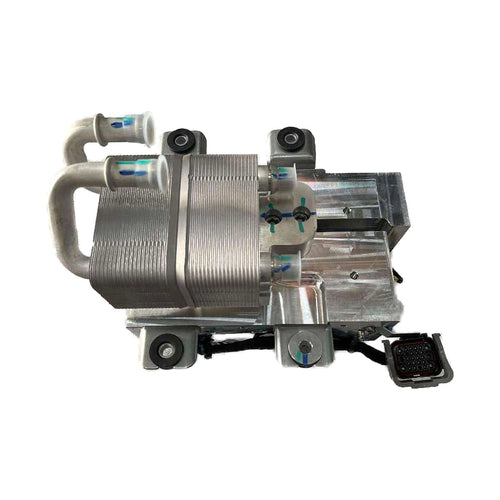
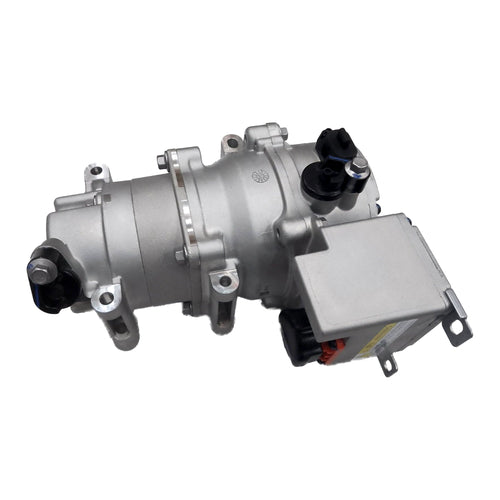
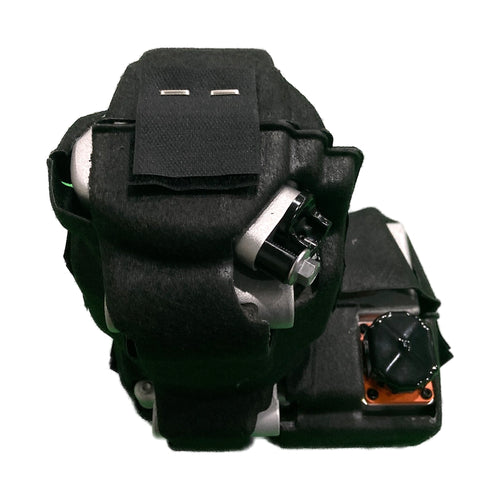
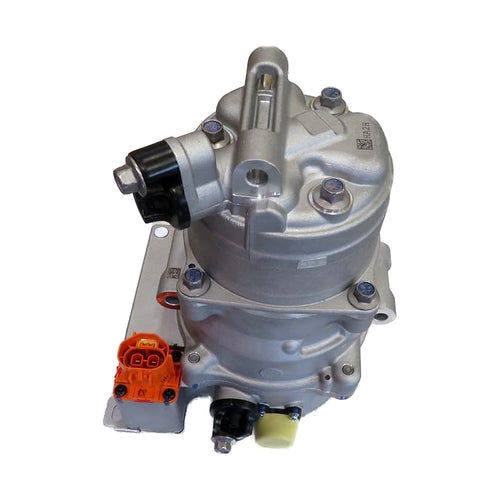
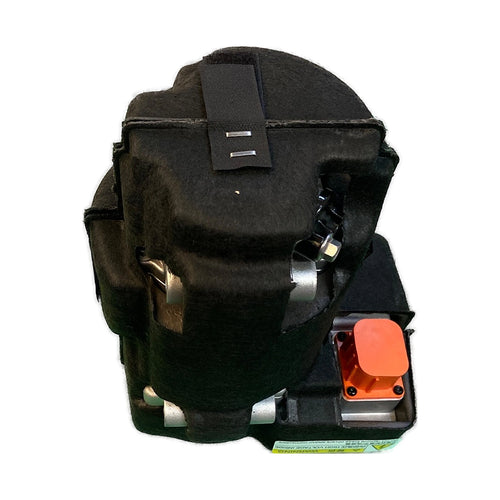
Symptom Finder: What Is Actually Broken?
| What you see or hear | Part to check first |
|---|---|
| Blowing warm with the system switched on | Lost refrigerant charge or the compressor |
| Airflow weak at all fan speeds | Cabin air filter |
| Fan works only on the highest setting | Blower speed control module |
| Cooling weak in traffic and adequate at speed | Condenser airflow or cooling fan |
| Damp carpet in a footwell in warm weather | Evaporator drain blocked |
About HVAC & Climate
Cooling a cabin is a matter of relocating heat rather than manufacturing cold, and four components do it in sequence. A pump squeezes refrigerant vapour until it is hot and dense, a heat exchanger behind the grille lets that heat escape into the air stream so the refrigerant condenses, a metering device releases it into a much lower pressure where it flashes to vapour and becomes bitterly cold, and a second exchanger in the cabin lets warm air surrender its heat to it before reaching the vents. Around that loop sits an air path of filter, blower, ducts and flaps deciding where the air goes and at what temperature. On an electric vehicle the same circuit also cools the traction pack and, in heat pump form, heats the cabin.
What to know before buying HVAC & Climate parts
Have the system leak tested and the charge measured before you order anything. A lost charge gives the same symptom as a failed compressor, at a fraction of the cost.
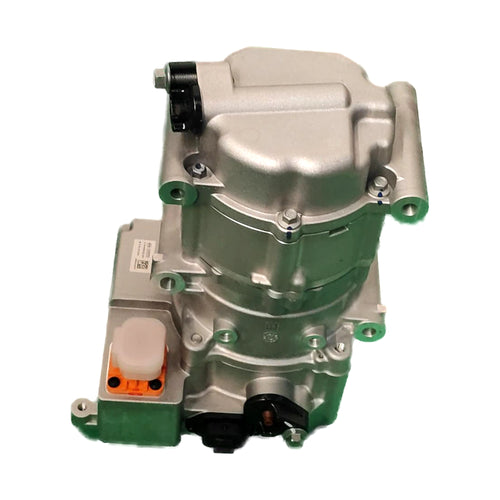
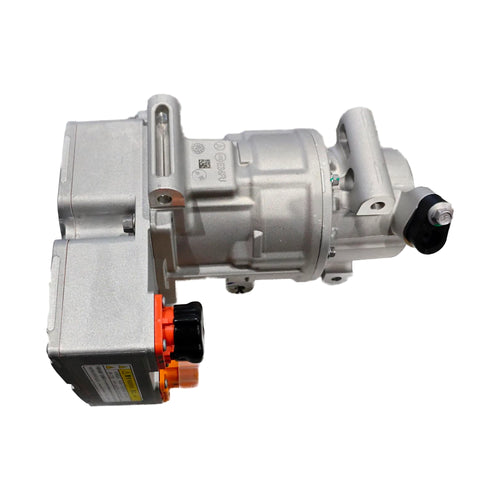
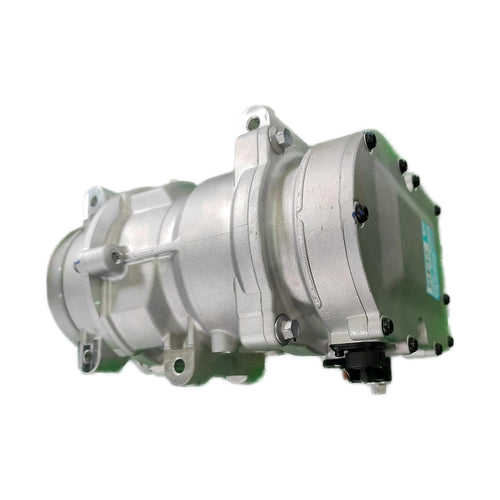
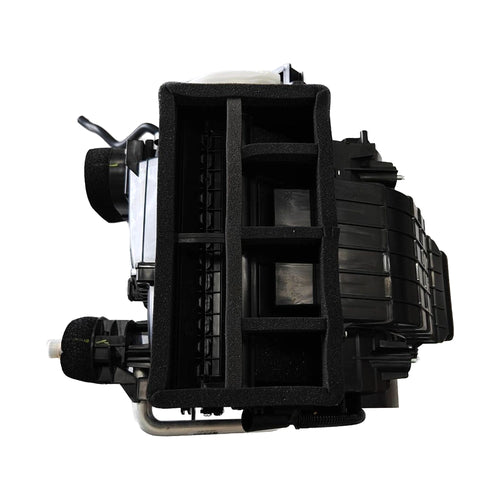
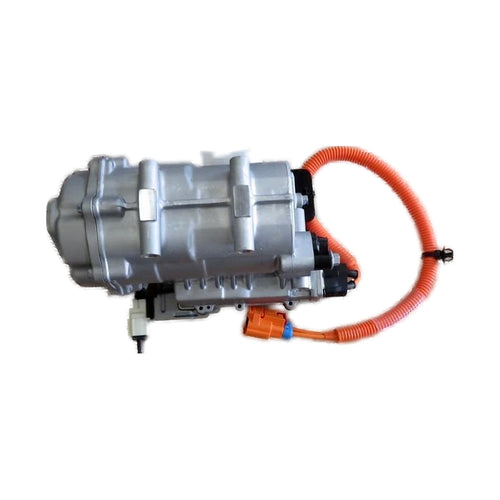
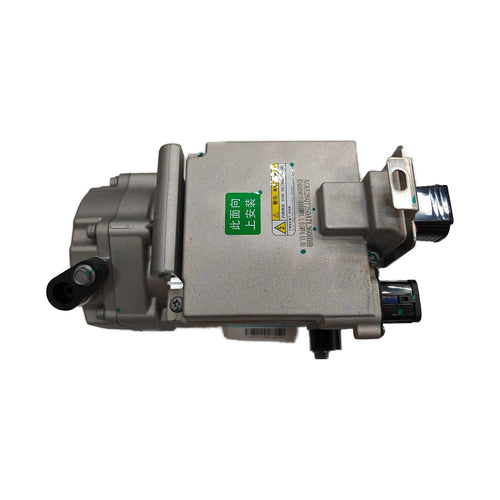
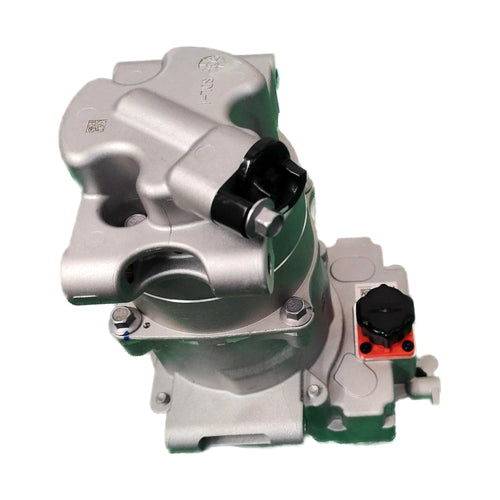
Three child categories cover the system. A/C compressor and condenser holds the pump that drives the loop and the heat exchanger that sheds its heat, in both electric and belt driven forms. Evaporator, blower and heater core holds the cabin side, including the cabin filter behind most airflow complaints.
Hoses, valves and sensors holds the numbered refrigerant lines and the expansion valves that meter the flow.
Before You Order: 5 Checks
- Have the charge measured and the system leak tested before ordering components.
- Change the cabin filter first, since a blocked element explains most airflow complaints.
- Replace the condenser and drier where a compressor has failed internally.
- Use only the specified oil, and never mix conventional oil into an electric compressor.
- Confirm the workshop has recovery equipment matched to your refrigerant type.
What Changed and Why
Air conditioning has become central to how an electric vehicle works rather than a comfort feature, since the same circuit cools the traction pack through a chiller and, in heat pump form, heats the cabin at a fraction of the energy a resistive heater needs, which is why heat pump vehicles hold winter range far better. Refrigerants have moved to lower global warming potential fluids, some mildly flammable, so recovery equipment and procedures are specific to the fluid. Electronic expansion valves have replaced mechanical metering so one circuit can serve several heat exchangers.
HVAC & Climate: Frequently Asked Questions
My air conditioning blows warm. Compressor or gas?
Neither, until someone has weighed what is in the system. Refrigerant escapes through hoses and seals at a slow but steady rate over years, and once the charge falls below a threshold a pressure switch stops the compressor engaging at all, which looks exactly like a dead compressor from the driver's seat. A workshop recovers the charge, weighs it, traces the leak with dye or a sniffer, then recharges by weight. If the charge turns out to be correct and pressures still do not rise when the clutch engages, the compressor is the answer.
Why is my airflow weak?
Nine times in ten it is the cabin filter, and it is the cheapest thing in the system to check. Pull it out and look at it: a filter two years into service is usually dark grey and stuffed with leaf fragments, and it chokes flow at every fan setting while the blower itself spins perfectly. Fit a new one and try again. If that changes nothing, work backwards through the blower motor and its speed control module, the recirculation flap and the ducting, and finally the evaporator, which can ice up or block with debris.
What happens when a compressor fails internally?
The whole circuit is contaminated, which is the part owners underestimate. When the mechanism inside comes apart, aluminium and steel particles are carried around by the oil and refrigerant and end up lodged in the narrow tubes of the condenser and in the expansion device, where they are impossible to flush out completely. Bolt a new compressor onto that and the debris comes straight back to it. Proper practice replaces the condenser, the expansion valve or orifice tube and the drier, flushes the hoses and evaporator where the design allows, and recharges with a measured oil quantity.
Why is the oil different in an electric compressor?
Because in a high voltage compressor the motor is inside the refrigerant circuit, bathed in the same oil that lubricates the mechanism. That oil therefore has to be an electrical insulator as well as a lubricant. Ordinary compressor oil from a belt driven system absorbs moisture and conducts far too readily, and even traces of it left in a recovery machine can be enough to drop insulation resistance and trigger a fault that immobilises the car. Ask the workshop whether its equipment is dedicated to electric systems before it connects anything to your vehicle.
Why does the air conditioning smell musty?
Condensation is the culprit. The evaporator runs below dew point whenever cooling is on, so water forms on its fins and drains away through a tube in the bulkhead, and anything organic that reaches those wet fins finds a dark, damp home. The smell is worst in the first few seconds of the fan running, which is the giveaway. Treatment is a foam or aerosol cleaner applied into the evaporator housing plus a new cabin filter. Check the drain tube is clear while you are there, and switch cooling off shortly before arriving so the core dries.
Could a minor front end knock have damaged my condenser?
Quite possibly. The condenser sits right behind the grille, ahead of the radiator, so even a light nudge or a stone strike can crack a tube or kink a fitting that looks untouched from outside. Look for an oily film on the fins or at the pipe joints, because escaping refrigerant carries compressor oil with it. Bent fins alone reduce performance but seldom leak. A workshop can confirm a leak with dye or an electronic detector before anything is ordered. Read the OE number from the label on the old condenser and enter it in the search box to find the exact match.
Why does the fan only work on the highest setting?
That pattern points to the speed control rather than the motor itself. On older layouts a resistor pack drops the voltage for the lower speeds, and when one of its elements or its thermal fuse burns out, only the full speed circuit still runs because it bypasses the resistor. Newer cars use an electronic module that fails in a similar way. The usual root cause is a tired motor drawing too much current, so spin the fan by hand and listen for a dry bearing before fitting a new controller. Check the OE number printed on the old unit, then search for it.
Do I need a new drier when another part of the circuit is replaced?
In most cases, yes. The drier, or the desiccant cartridge built into many modern condensers, soaks up moisture that would otherwise react with the oil and form acids and sludge. Once the circuit has been opened to the air, that desiccant starts absorbing humidity and soon saturates, so reusing it shortens the life of every new part downstream. Where the drier is built into the condenser, a new condenser brings a fresh one with it. Where it is a separate canister or cartridge, read the OE number on it and order it alongside the main part.
Can the system be topped up with a different refrigerant?
No. Each circuit is designed around one refrigerant, with its pressures, oil type, seals and service port couplings all matched to it, and the grades in current use are not interchangeable. Mixing them contaminates the charge, upsets pressures and cooling, and makes the gas impossible to recover cleanly afterwards. The correct refrigerant type and charge weight are printed on a label under the bonnet, usually on the front panel or near the service ports. Show that label to the workshop, and when a component is replaced, make sure the new part carries the same OE number as the old one.
How do I know if the heater core is leaking?
The signs are distinctive. A sweet smell in the cabin, a greasy film fogging the inside of the windscreen, a damp carpet in the passenger footwell and a coolant level that falls with no visible external leak all point to coolant escaping inside the heater housing. Glycol mist on the glass is unpleasant to breathe and hard to wipe away, so act promptly. The core usually sits deep in the dashboard, and replacing it often means removing much of the fascia, which is work for a qualified mechanic. Ask them to read the OE number from the old core so the replacement matches exactly.
My electric car heats poorly in very cold weather. Is the heat pump faulty?
Not necessarily. A heat pump works by drawing heat from the outside air, and as the temperature falls there is less to extract, so below a certain point the system leans on a resistive high voltage heater to make up the difference. Weak heat in a hard frost can therefore be normal, while weak heat on a mild day is not. Refrigerant loss, a sticking electronic expansion valve or a failed heater element are the usual culprits, and each normally logs a fault code. Have a mechanic with high voltage training read the codes before any part is ordered.
Can an air conditioning fault affect charging or range on an electric car?
Yes, because on most electric vehicles the same compressor and refrigerant circuit also cool the traction battery through a heat exchanger called a chiller. If the charge is low, the compressor fails or the valve feeding the chiller sticks, the car may slow rapid charging or limit power to protect the pack, and a warning can appear even while the cabin still feels cool. Treat any thermal system message as more than a comfort issue. A workshop equipped for high voltage work can read the codes and pressures, and the OE number on the failed part points you to the correct replacement.
What does an A/C pressure sensor do, and how does it fail?
It watches refrigerant pressure and tells the control unit when to run, slow or stop the compressor and when to speed up the cooling fan. If pressure is too low the system stops the compressor running dry, and if it climbs too high it cuts out before a hose or seal is damaged. A failing sensor can report false readings, so the air conditioning switches off intermittently or refuses to start with a perfectly good charge. Many sensors screw onto a valve and can be changed without recovering the refrigerant. Check the OE number on the sensor body before ordering.
Why is there water under the car, or in the footwell?
Water under the car on a warm day is normal. The evaporator condenses moisture from the cabin air and a drain tube releases it beneath the bulkhead, so a small puddle after driving with cooling on shows the system is working. Water inside the car, usually in the front passenger footwell, means that drain is blocked, crushed or disconnected and the housing is overflowing into the cabin. Clearing the outlet often cures it, but a cracked housing or perished drain seal needs replacing. Check the OE number on the old part, or send the details through the quote form and we reply within 24 hours, usually sooner.
Can I replace just one leaking A/C hose?
Yes. The circuit is built from separate hose and pipe sections joined by fittings, so a single leaking section can be changed on its own. Leaks tend to appear at the crimped joint where rubber meets metal, at fittings where the sealing rings have hardened, and where a pipe rubs against a bracket. Every joint that is disturbed should get new sealing rings of the correct material, lubricated with the specified oil. Sections from different model years can look identical yet differ in length or port size, so match the OE number printed on the old hose and enter it in the search box.