Hoses, Valves & Sensors
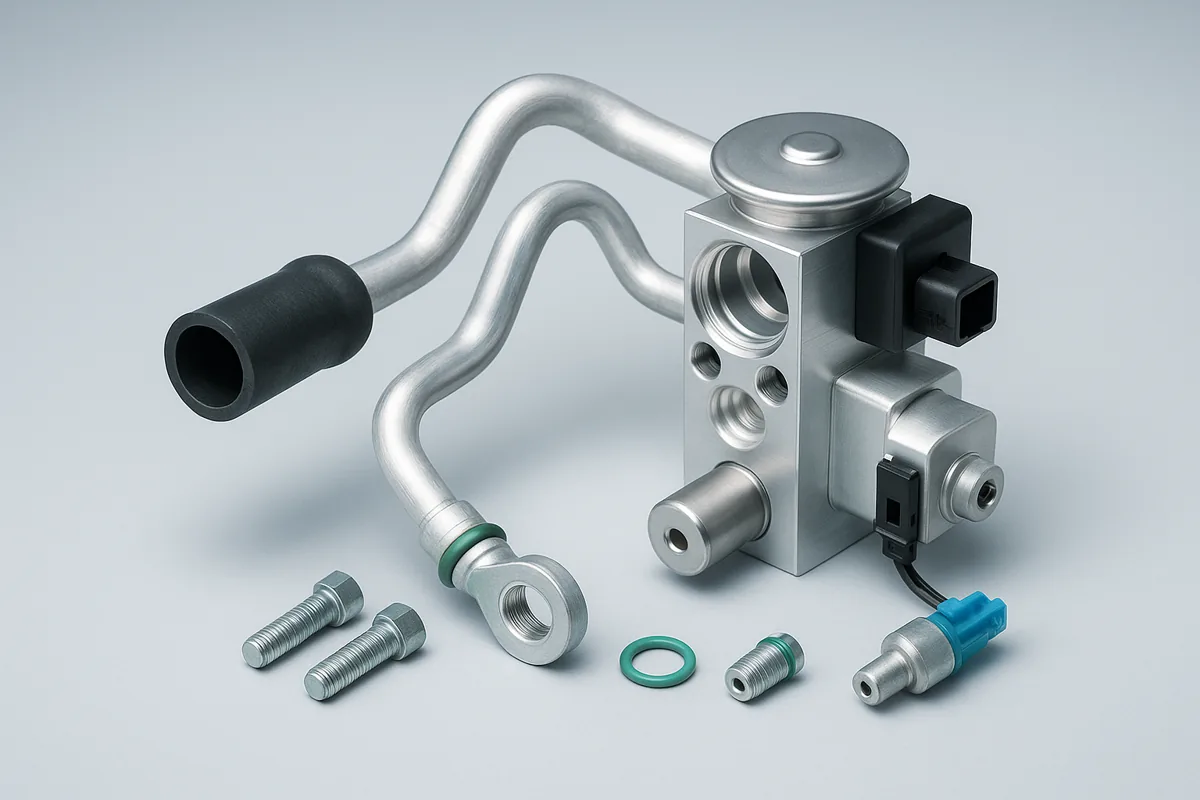
Shop Hoses, Valves & Sensors by Part Type
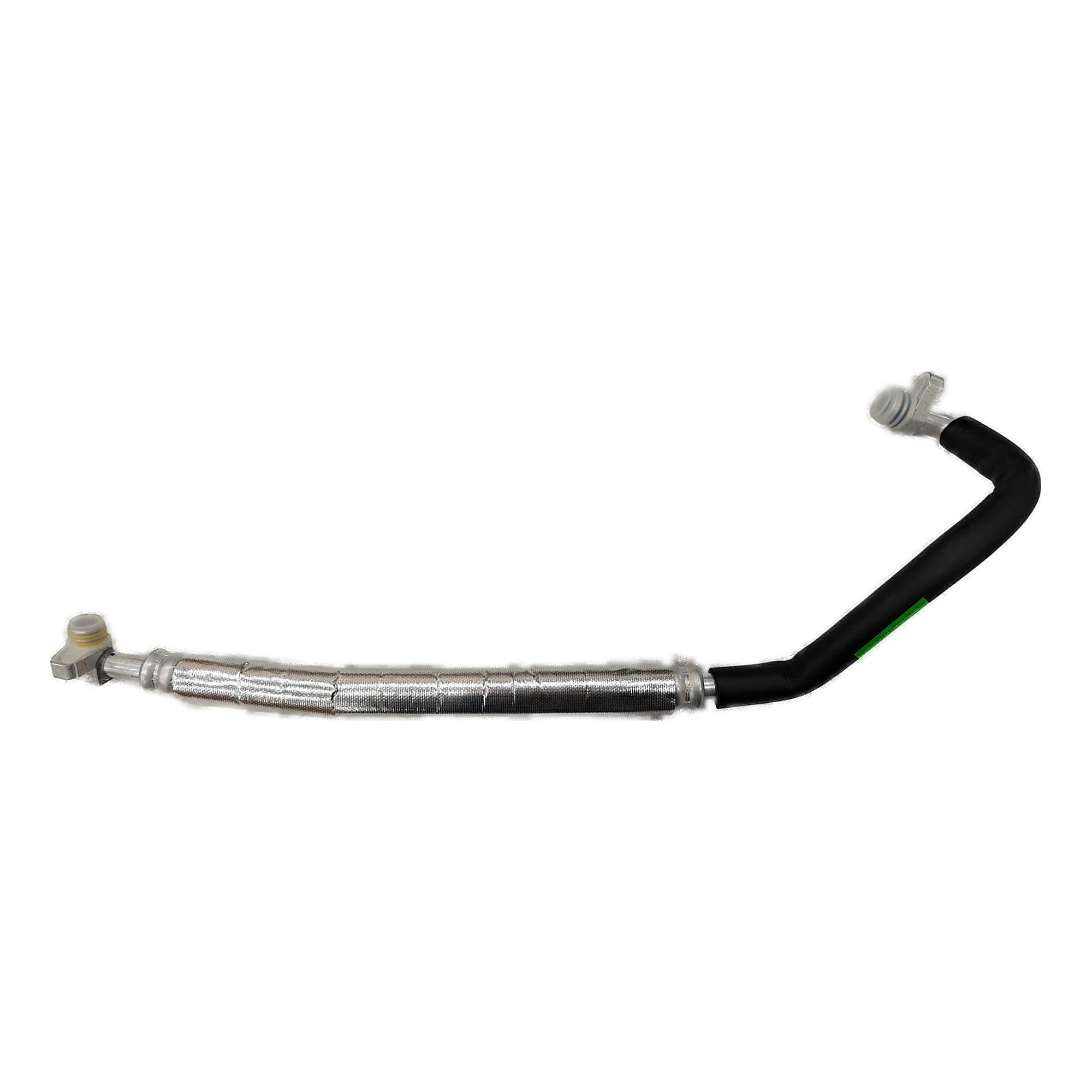
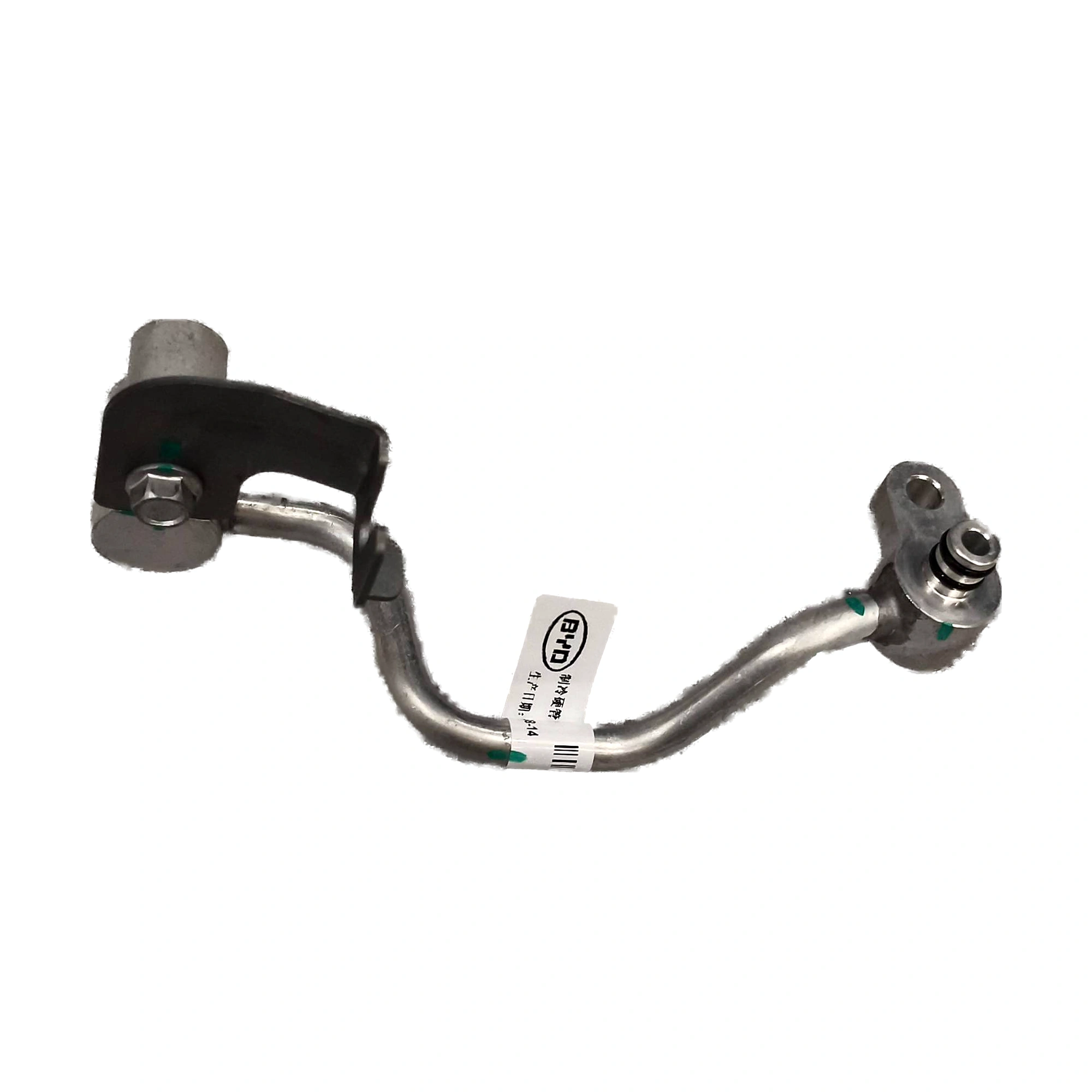
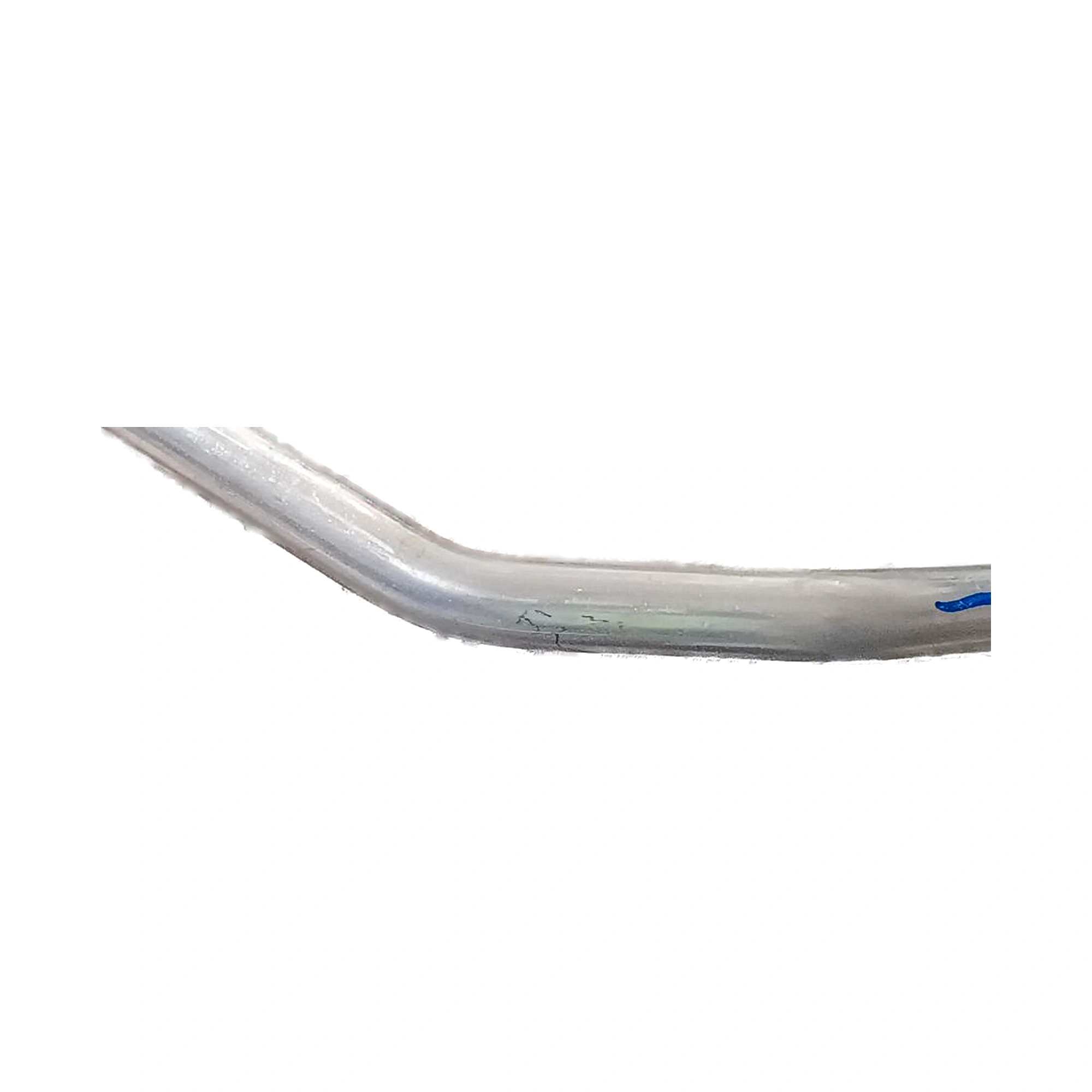
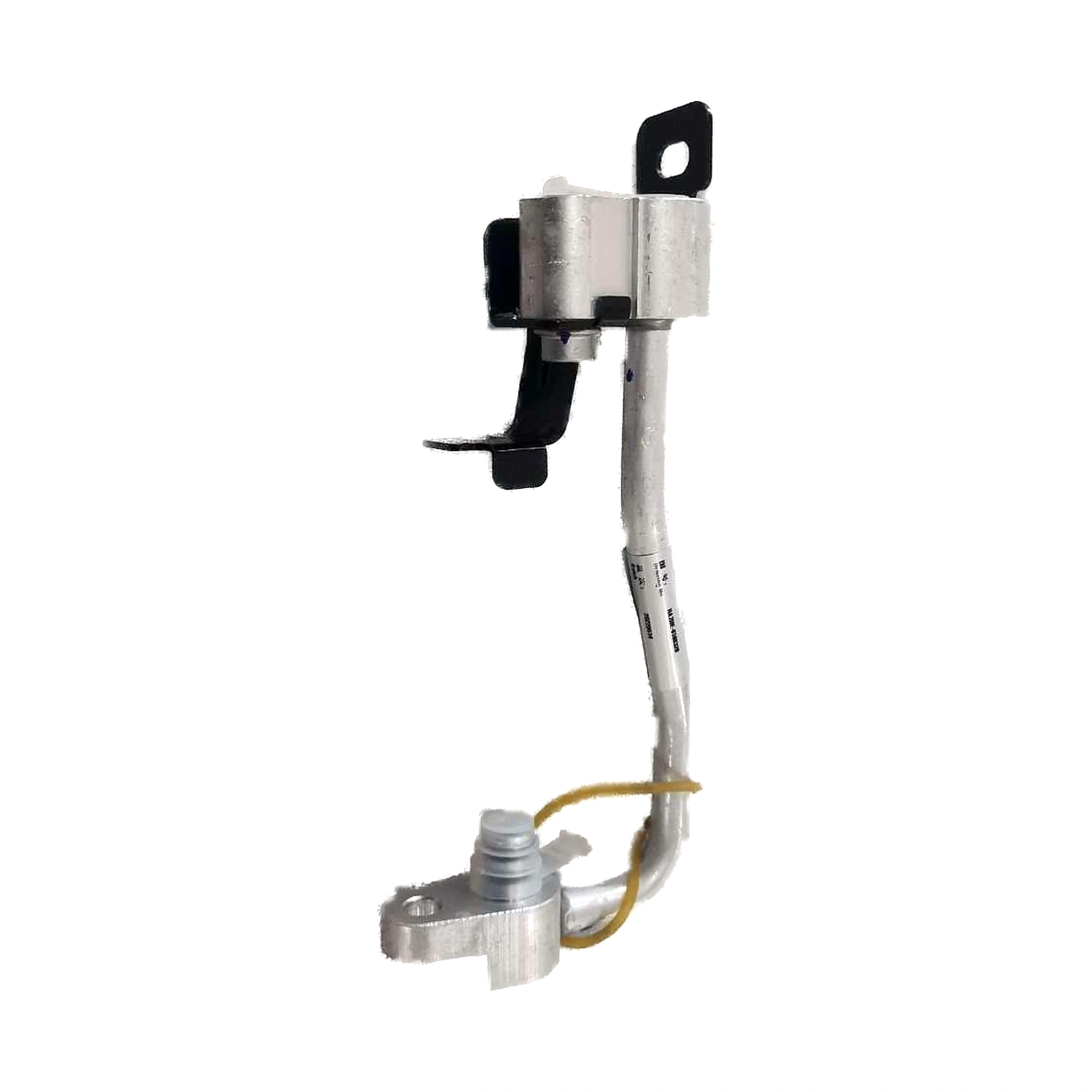
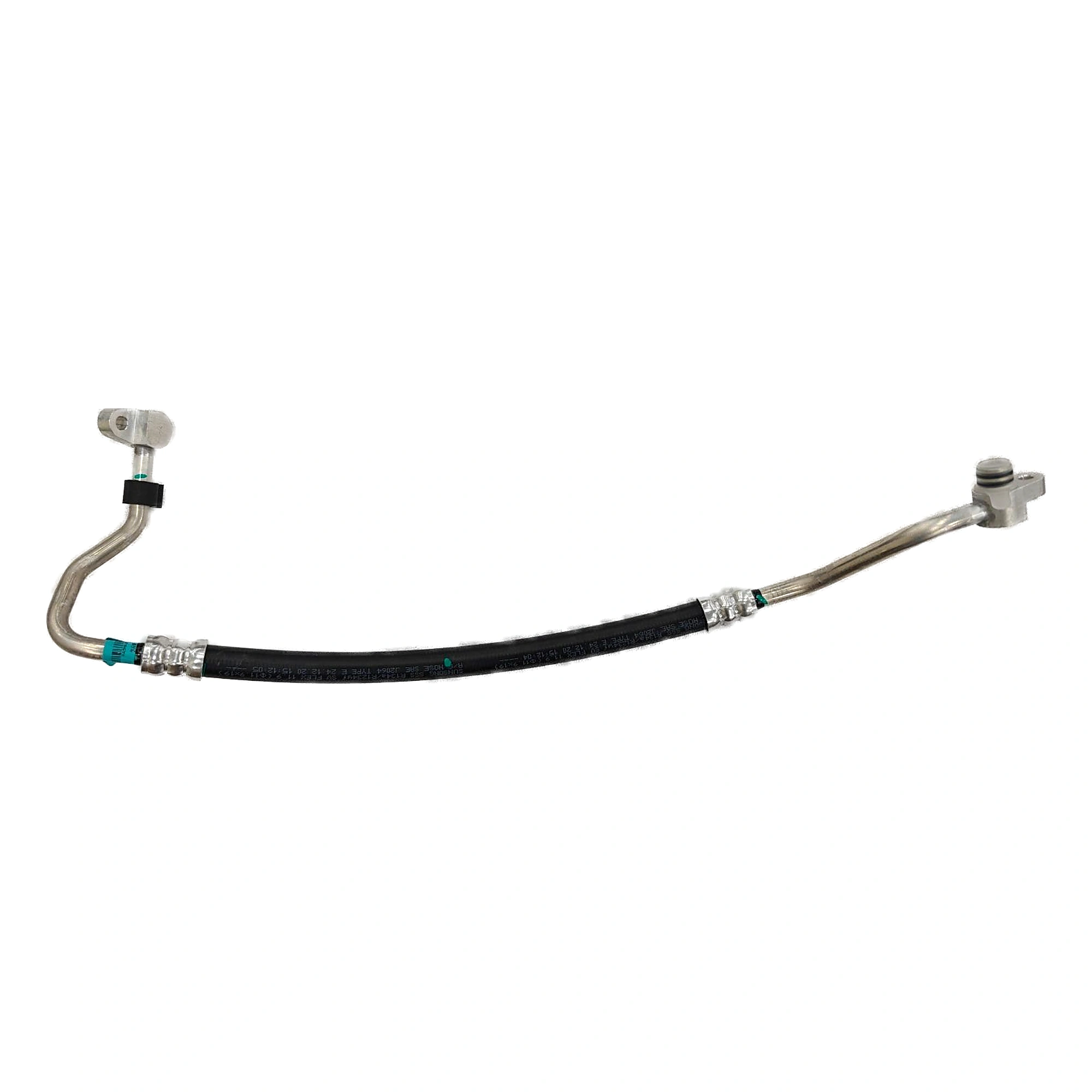
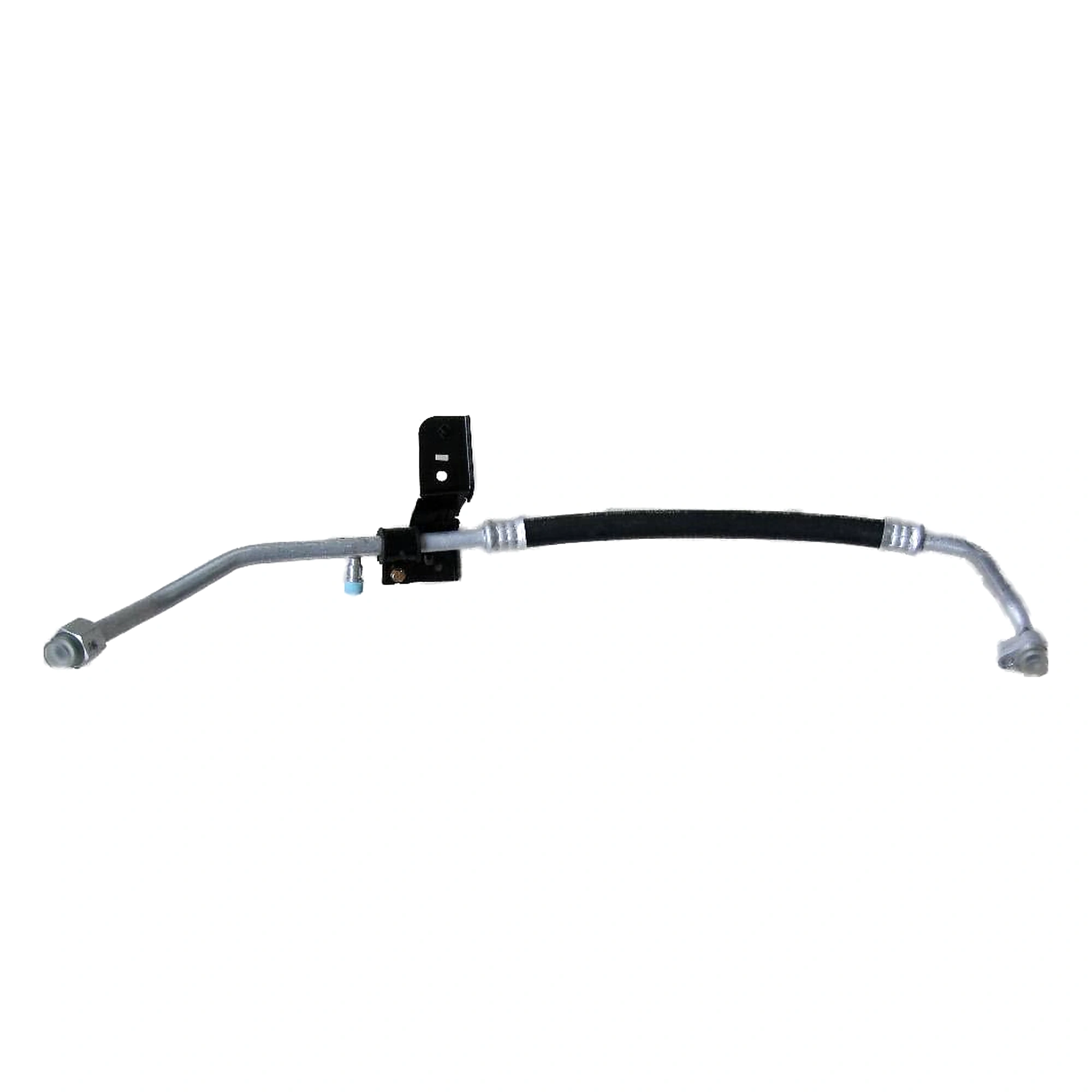
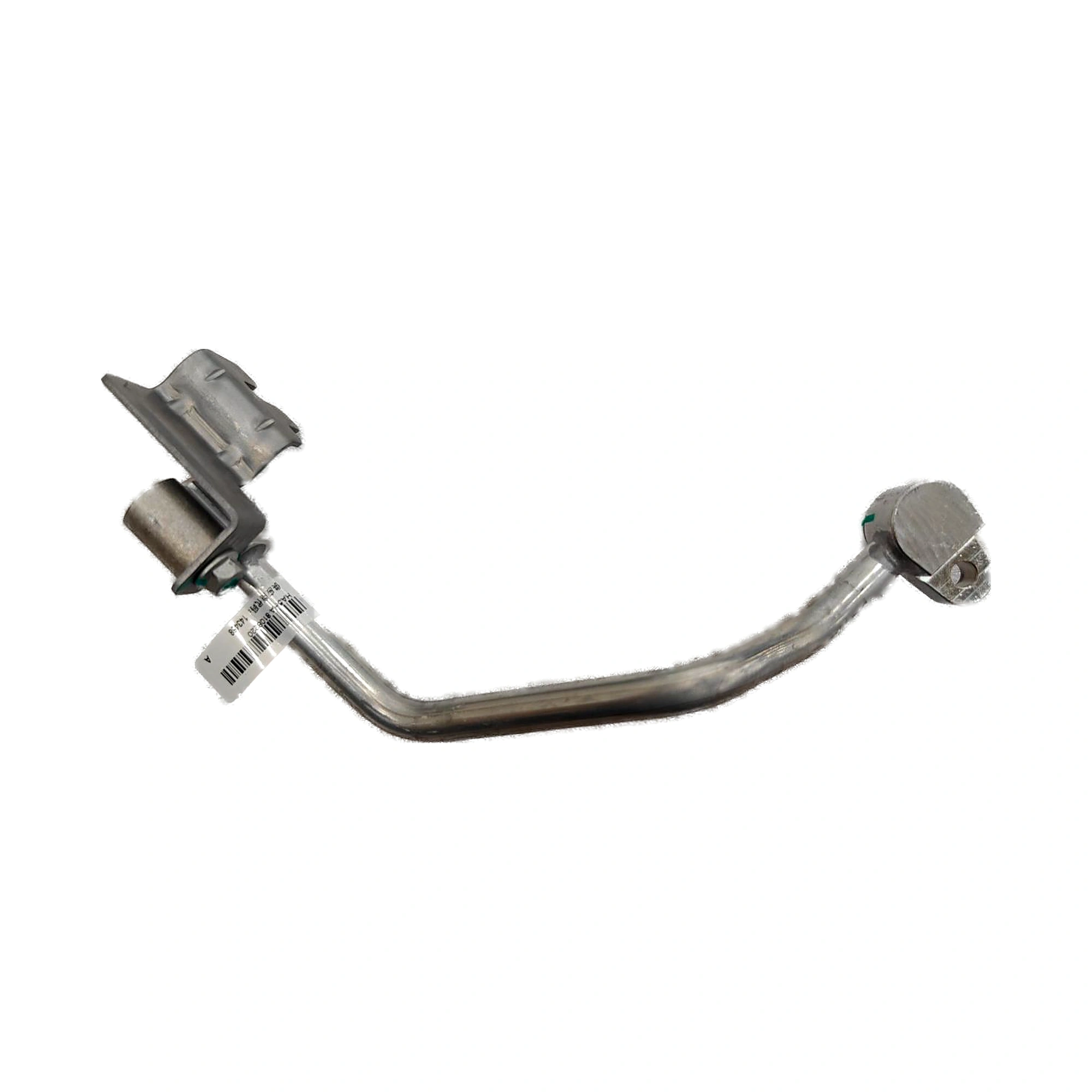
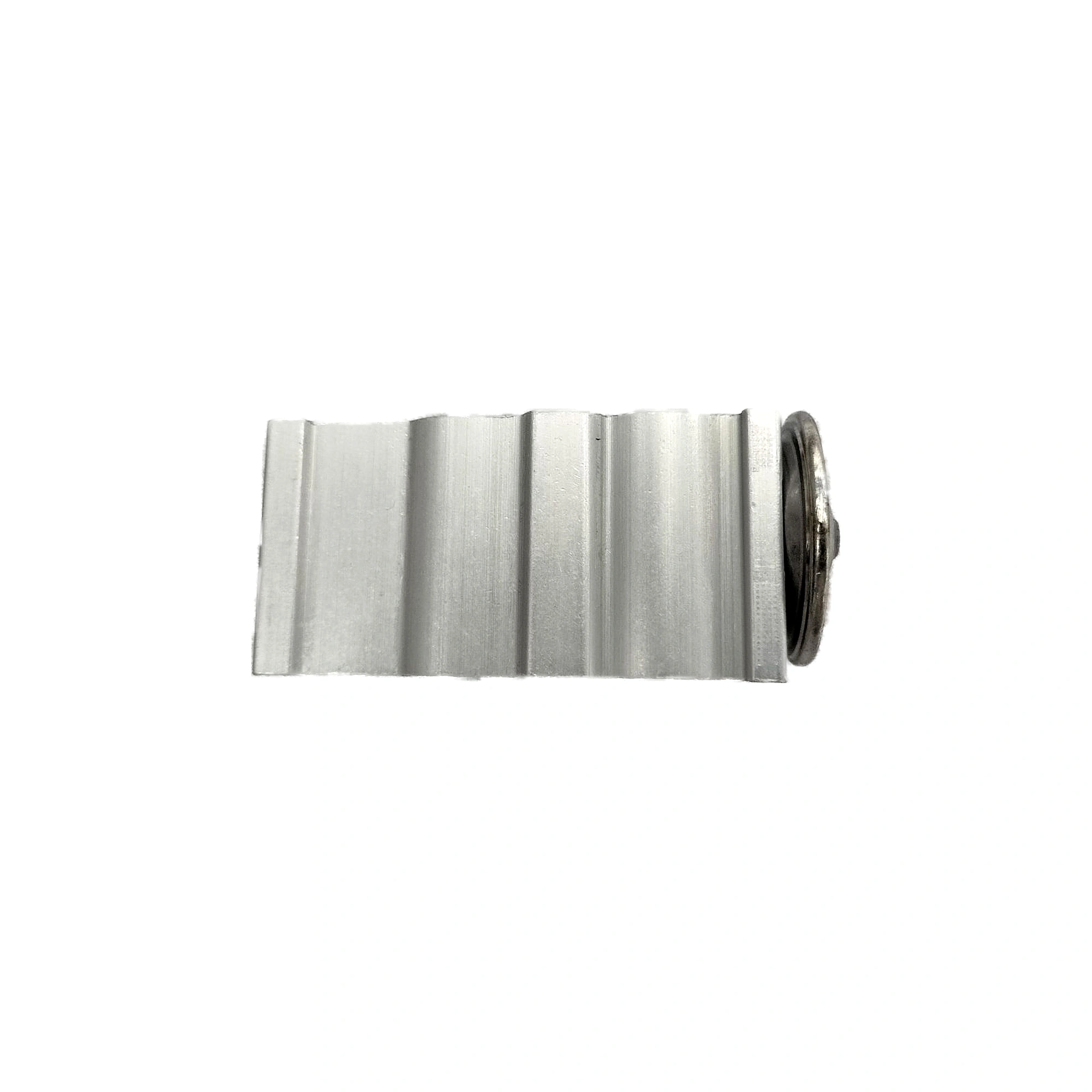
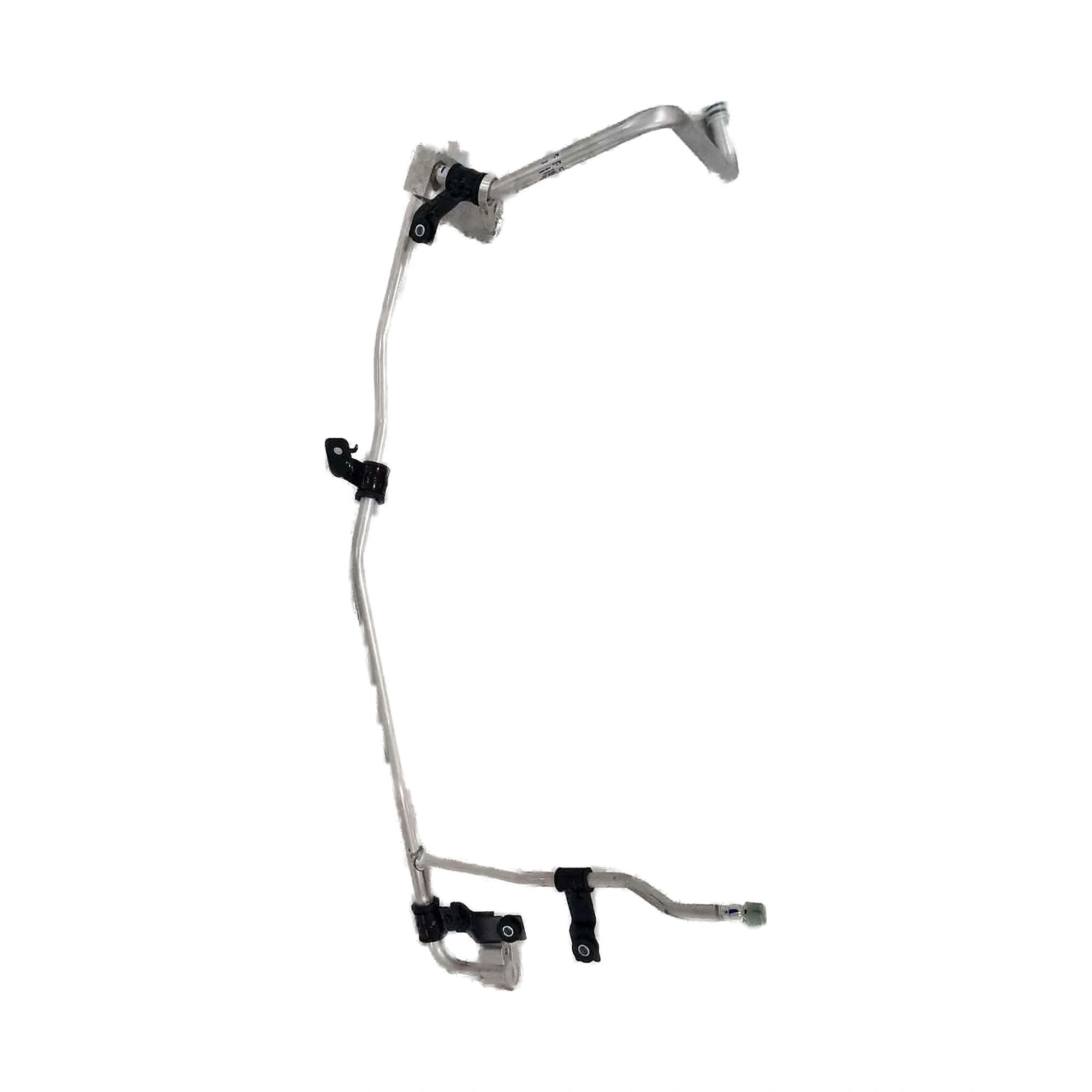
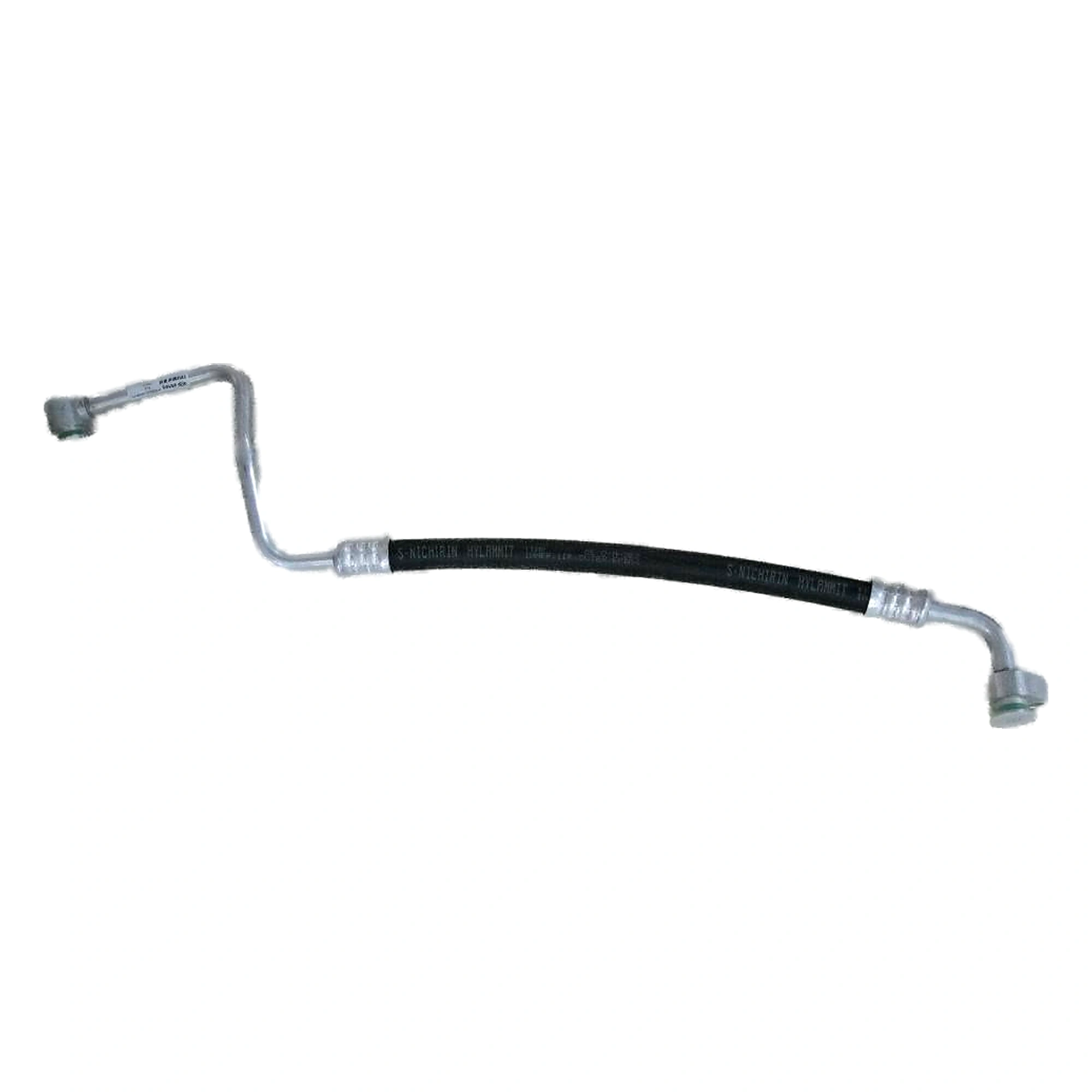
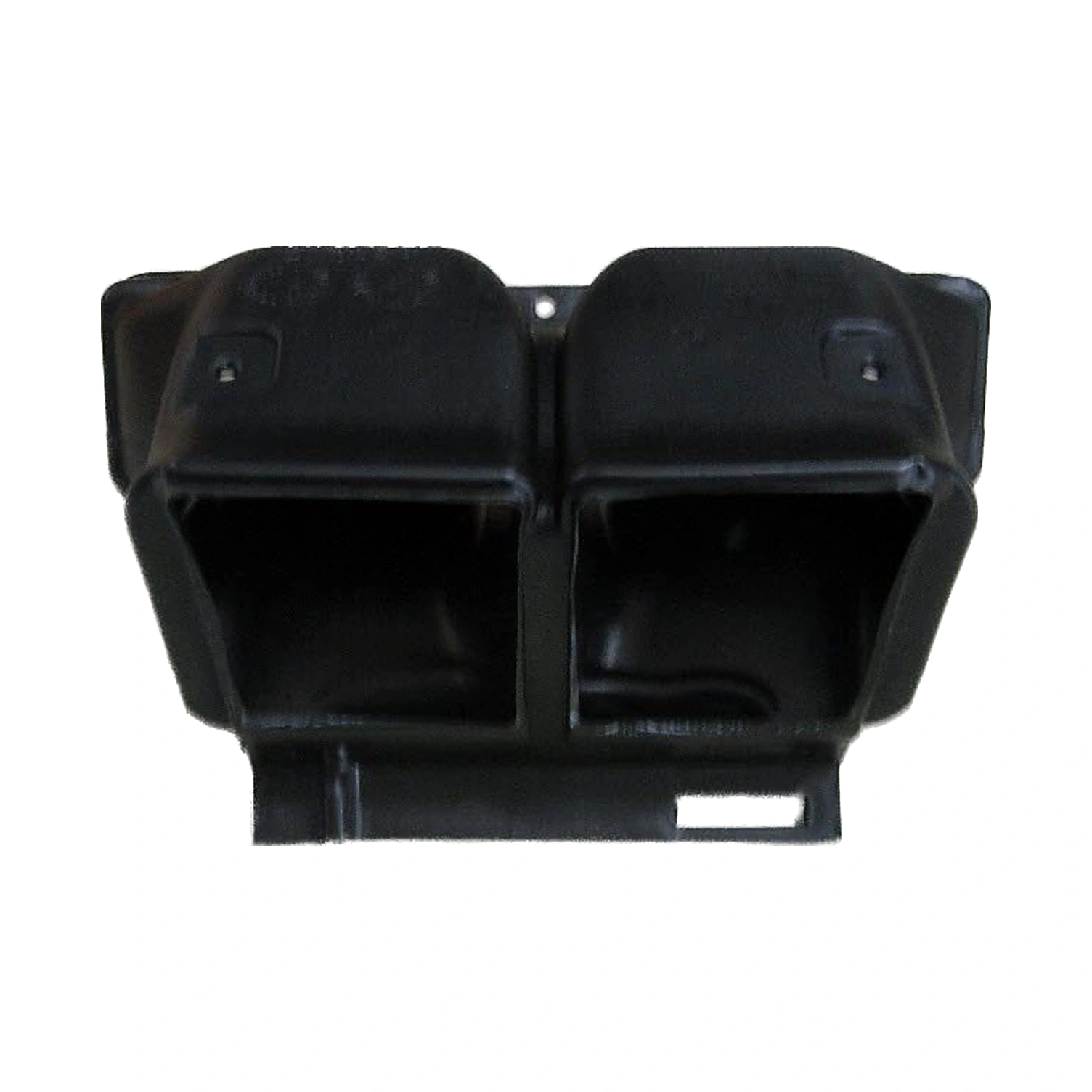
Popular Right Now
scroll for more →
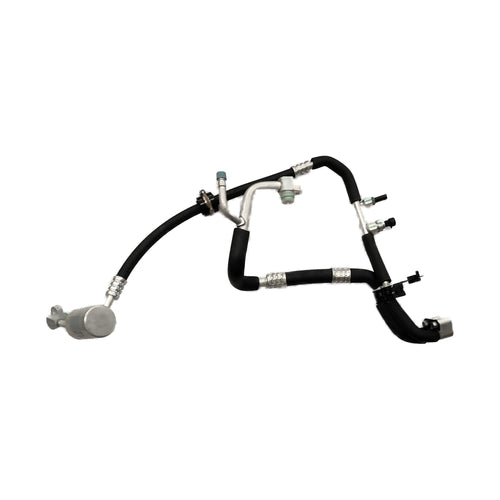
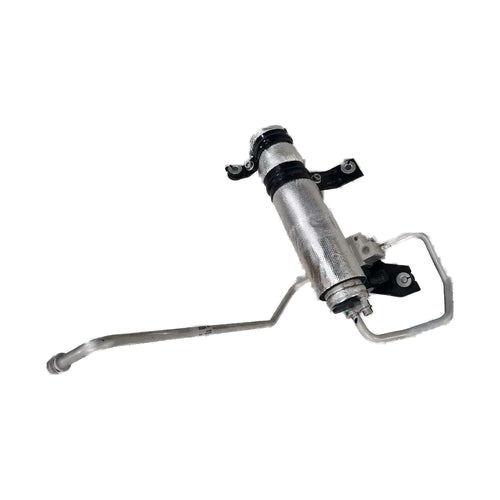
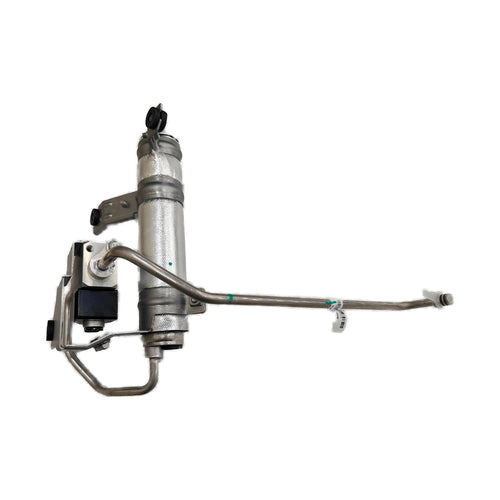
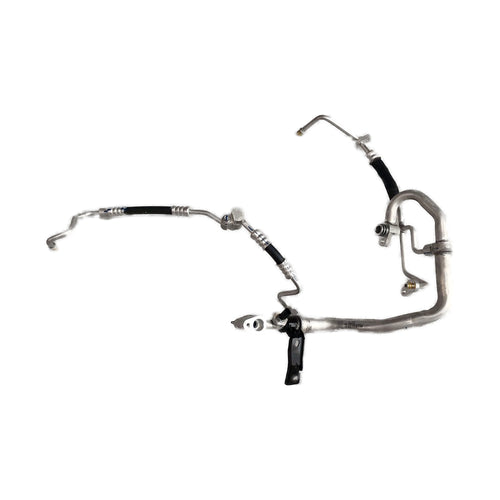
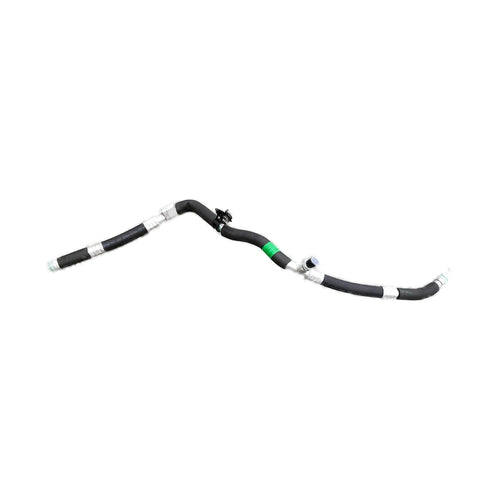
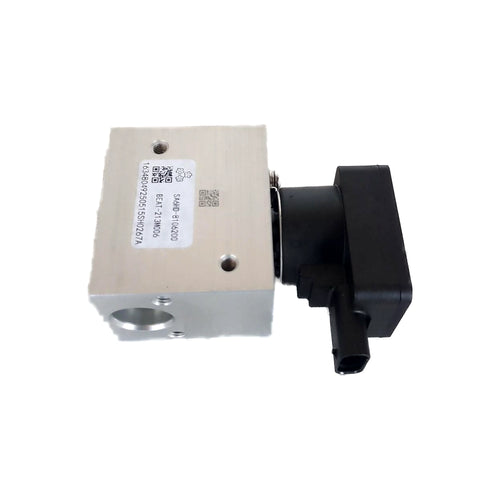
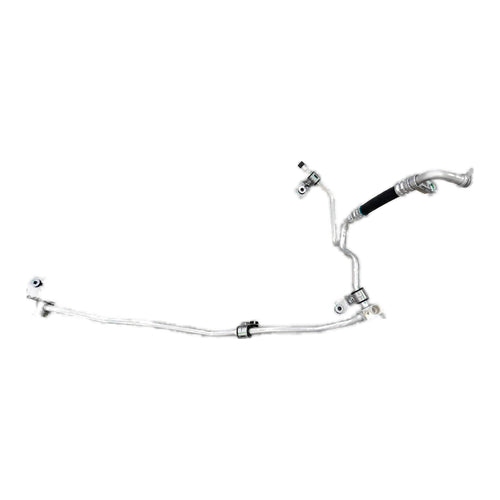
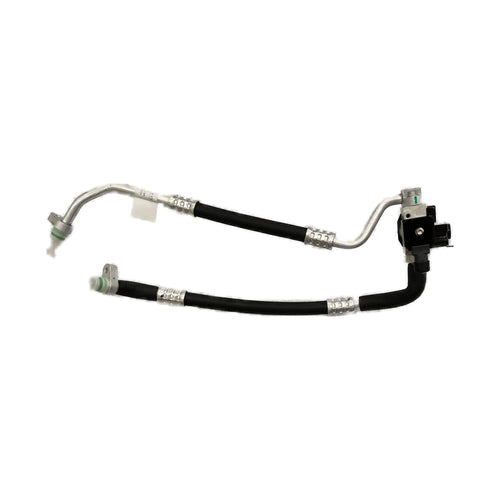
Symptom Finder: What Is Actually Broken?
| What you see or hear | Part to check first |
|---|---|
| Refrigerant charge lost repeatedly over months | Refrigerant line or joint O-ring |
| Oily residue with dye traces at a pipe joint | Refrigerant hard line |
| Cooling weak with correct charge and healthy compressor | Expansion valve |
| Evaporator icing and airflow dropping away | Expansion valve stuck open |
| Hissing from behind the dashboard on shutdown | Expansion valve equalising |
| Chafe mark or rub through on a pipe run | Refrigerant line and its clamp |
About Hoses, Valves & Sensors
A refrigerant circuit is a sealed loop under widely varying pressure, and the pipework has to hold it. The high pressure side runs from the compressor discharge to the expansion device, carrying hot vapour and then liquid at pressures several times higher than a tyre. The low pressure side returns cold vapour from the evaporator to the compressor suction port. Because refrigerant molecules are small, hoses use a barrier layer to stop permeation through the wall, and joints use captive O rings rather than clamps. The expansion device is where the work happens: a sharp pressure drop makes the liquid flash to vapour and become very cold. Electronic expansion valves have replaced mechanical ones on many vehicles, letting a control unit meter flow to several heat exchangers rather than one.
What to know before buying Hoses, Valves & Sensors parts
Never reuse the O rings. Fit new ones, lubricated with the oil specified for the system. Reused seals are the most common cause of a repair that leaks.
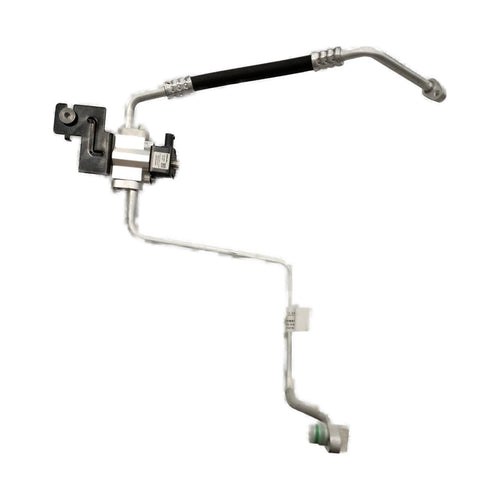
Order by the number read from the old line. Each line is formed to a set route with its own fittings, so the factory number decides what fits. Listings cover the circuit in numbered detail. They include refrigerant hard lines, compressor suction pipes and suction pipe assemblies. Compressor discharge pipes and assemblies are listed, along with expansion valves. A vehicle with a heat pump and a battery chiller carries far more refrigerant plumbing than a conventional car. The sections cannot be told apart from a description.
Request a drier and a set of O rings alongside any line. The circuit is open as soon as the joint is broken, and both are needed before it can be evacuated and recharged. All work requires recovery and recharging equipment matched to the refrigerant.
Where a price is shown, you can order straight away. Anything unpriced is quoted. BYD group models are covered most fully at present, and further brands arrive as more catalogues load.
Before You Order: 6 Checks
- Read the numbered section from the old line, since these pipes are catalogued numerically.
- Match the OE number, because each line is formed to a route with specific fittings.
- Always fit new O-rings, lubricated with the oil specified for your system.
- Have the system recovered before opening any joint, and recharged by weight afterwards.
- Replace the drier whenever the circuit has been open to atmosphere.
- Check clamps and routing, since a chafed line is caused by a missing clip rather than by age.
What Changed and Why
Refrigerant plumbing has multiplied on electrified vehicles. A conventional car needed a loop between compressor, condenser, expansion valve and evaporator. A heat pump vehicle adds an interior condenser, a battery chiller and several electronic expansion valves so the circuit can heat the cabin, cool the pack and cool the cabin in different combinations, which means many more sections and far more control. Refrigerants have also moved to lower global warming potential fluids, and some of those are mildly flammable, so recovery equipment, leak detection and workshop procedures are specific to the fluid in the system.
Hoses, Valves & Sensors: Frequently Asked Questions
My air conditioning loses its charge every year. Where is it going?
Somewhere small, which is why a visual inspection rarely finds it. Slow losses of this kind usually come from a joint O ring that has hardened, a hose that has begun to permeate, or a compressor shaft seal that leaks only when the system is at rest. Refrigerant carries oil with it, so look for an oily film with a dust deposit at joints and fittings. A workshop leak test with a detector or ultraviolet dye finds it far more reliably than looking.
What does the expansion valve do?
It is the boundary between the high and low pressure sides, metering liquid refrigerant into the evaporator through a restriction so that the pressure drops sharply and the liquid flashes to vapour, becoming very cold in the process. A thermostatic valve senses the temperature leaving the evaporator and adjusts flow mechanically. An electronic valve does the same under control unit command. When it sticks, cooling is either weak or the evaporator ices up, both with a correct charge.
Can refrigerant lines be repaired?
Only in specific ways and rarely usefully. Some hose sections can be re ended by a specialist with the correct crimping equipment, which is worthwhile on an unusual or unavailable part. What is not acceptable is any patch, tape or sealant on a line carrying refrigerant at pressure, and sealants added to the circuit contaminate workshop recovery equipment and block components downstream. The formed section listed here arrives with its fittings and its route already correct.
Do I need new O-rings?
Every time a joint is opened, without exception. The rings compress and take a set, so a reused ring is the single most common reason a repaired system leaks within weeks, and they cost almost nothing. Use rings of the correct material for your refrigerant and lubricate them with the oil specified for the system, which for an electric compressor means the electrically insulating grade rather than conventional compressor oil. Never use general purpose grease.
Why does my evaporator ice up?
Because the refrigerant is evaporating too early or too much, which drops the core below freezing so condensate turns to ice and blocks the airflow. A stuck expansion valve is the classic cause, and so is a fault in the temperature sensing that should modulate the system. The symptom is cooling that works well for a while and then fades as airflow disappears, recovering after the system is switched off. Have the pressures and the sensor data read rather than guessing.
What do these parts cost?
O rings and small fittings sit right at the bottom of the range. Expansion valves are modest. Formed hard lines and compressor pipe assemblies cost the most in this category, and to those you must add recovery and recharging, which is a workshop charge that applies whatever the part costs. The live minimum and maximum are shown in the band at the top of this page. Finding the leak precisely before ordering is the main saving available.
Can I do this work myself?
The mechanical part is straightforward and the refrigerant handling is not, and in most markets venting refrigerant is prohibited. The system must be recovered before any joint is opened, evacuated afterwards to remove air and moisture, and recharged by weight with the oil accounted for. That requires a machine matched to the refrigerant type. A sensible arrangement is to order the parts and have a workshop with the correct equipment carry out the recovery, fitting and recharge.
Why do I need a new drier when a pipe is replaced?
Because opening the circuit lets in atmospheric moisture, and the drier contains a desiccant whose capacity is finite. Once saturated it releases moisture back into the system, where it combines with refrigerant and oil to form acids that corrode components from inside and can freeze at the expansion device. Replacing it whenever the system has been open is standard practice for that reason, and it is inexpensive relative to what it protects.
Are refrigerant types interchangeable?
No. Vehicles are designed for a specific refrigerant with specific oil, pressures and seal materials, and the service fittings are deliberately different sizes so that the wrong fluid cannot easily be introduced. Some newer refrigerants are mildly flammable, which changes leak detection and recovery procedures. Retrofitting from one to another is a specialist operation rather than a top up decision. Check the label under the bonnet and use what it states.
Will a line from a related model fit?
Only where the numbered section agrees. Routing follows the packaging of the specific vehicle, fitting types differ between joints, and heat pump vehicles carry sections that conventional versions of the same body do not have at all. A line that is nearly right sits under tension or chafes against structure, and it will fail there. Read the number from the old part, match it, and use the quote form with photographs where the reference brings back nothing.
What causes a chafed refrigerant pipe?
A clip that has broken or been left off, almost always. These lines are secured at intervals so they cannot move against structure, and once a clamp is missing the pipe vibrates against a bracket or an edge and wears through over months. That is why the repair includes restoring the routing and the clips rather than simply fitting the new section. Check every clamp along the run while access is open, since one missing clip creates the next failure.
The part I need shows no price. Can I still order it?
Yes. Refrigerant lines are formed to a single routing and crimped at the factory, so they are ordered by number rather than by description, and the less common ones wait for a quote. Send the reference and say which end of the circuit it serves, suction or discharge, since the two carry different diameters. Ask for the O ring set with it. Every joint you open needs new seals of the correct material, and refrigerant grade rings differ from ordinary rubber. If the system was open to atmosphere for any length of time, add the receiver drier as well.