A/C Compressor & Condenser
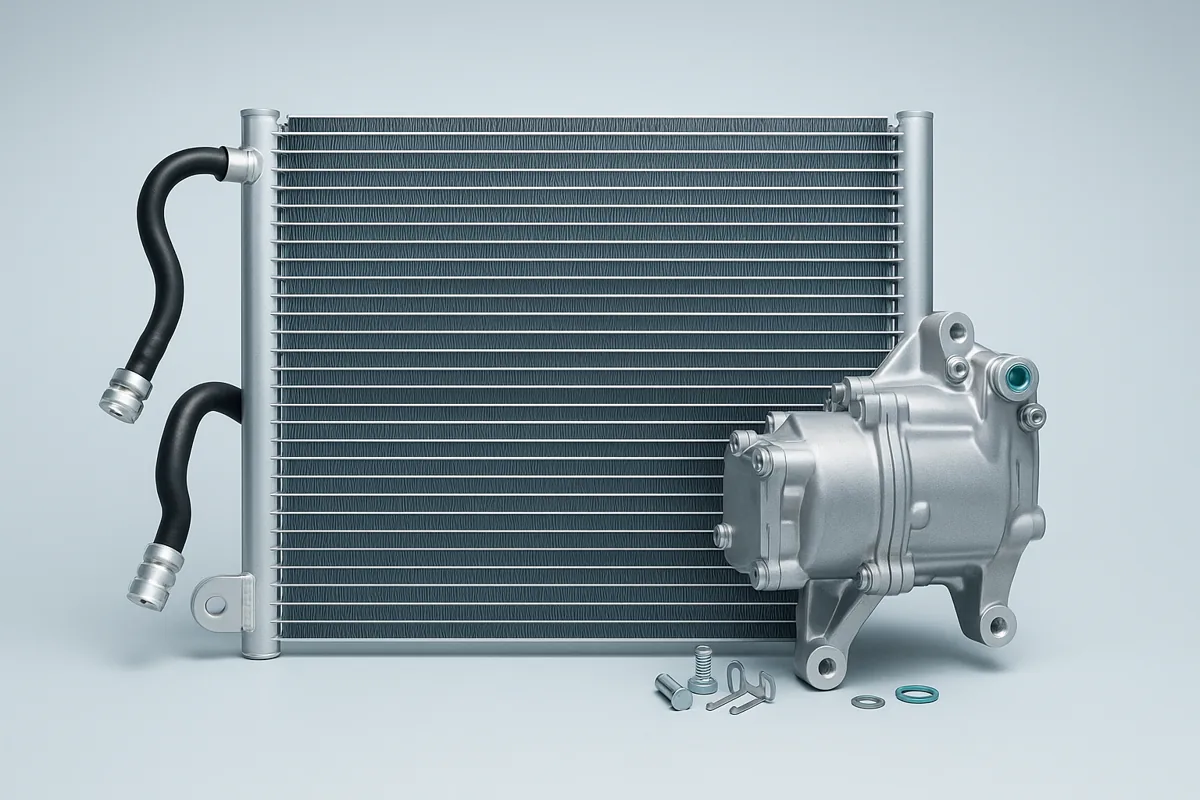
Shop A/C Compressor & Condenser by Part Type
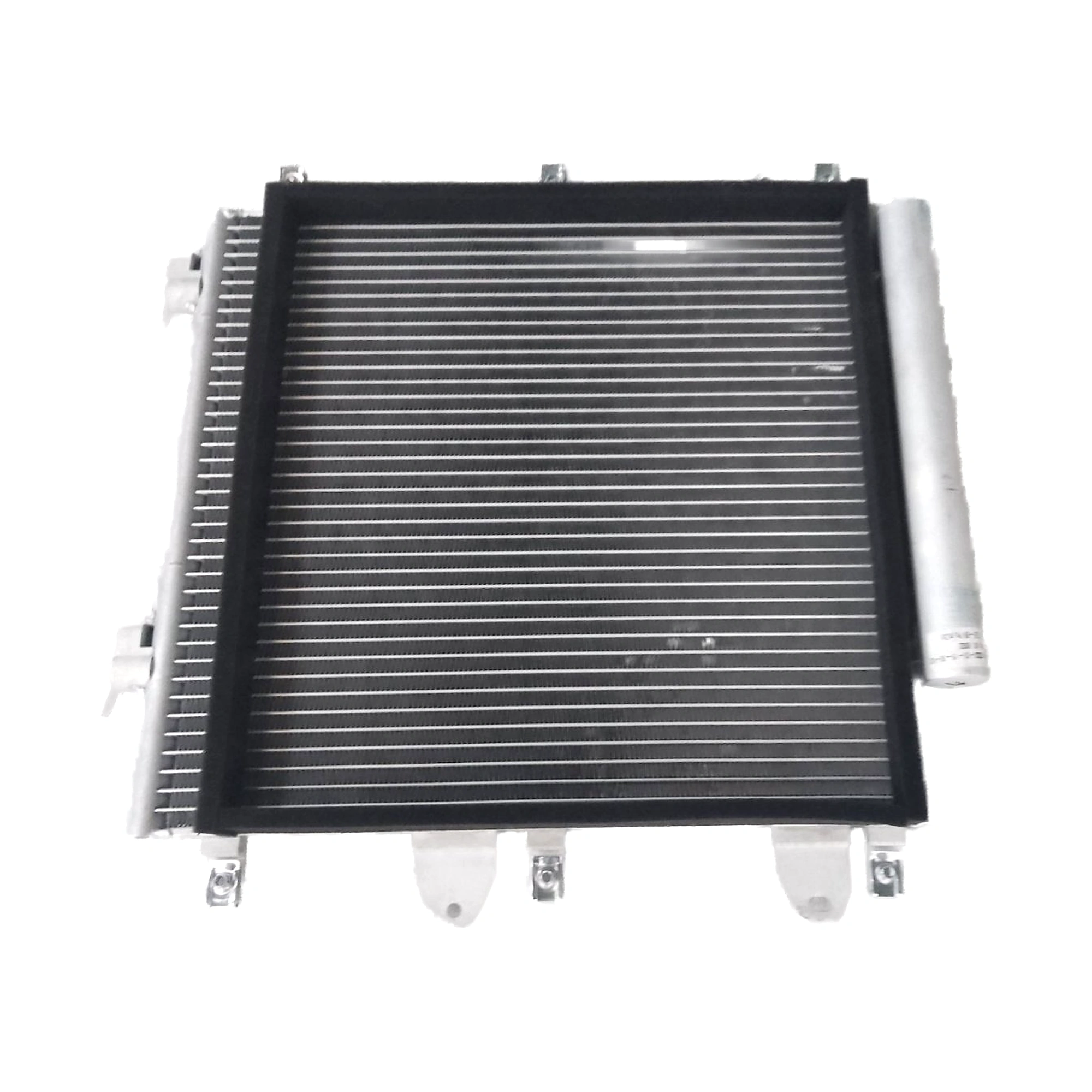
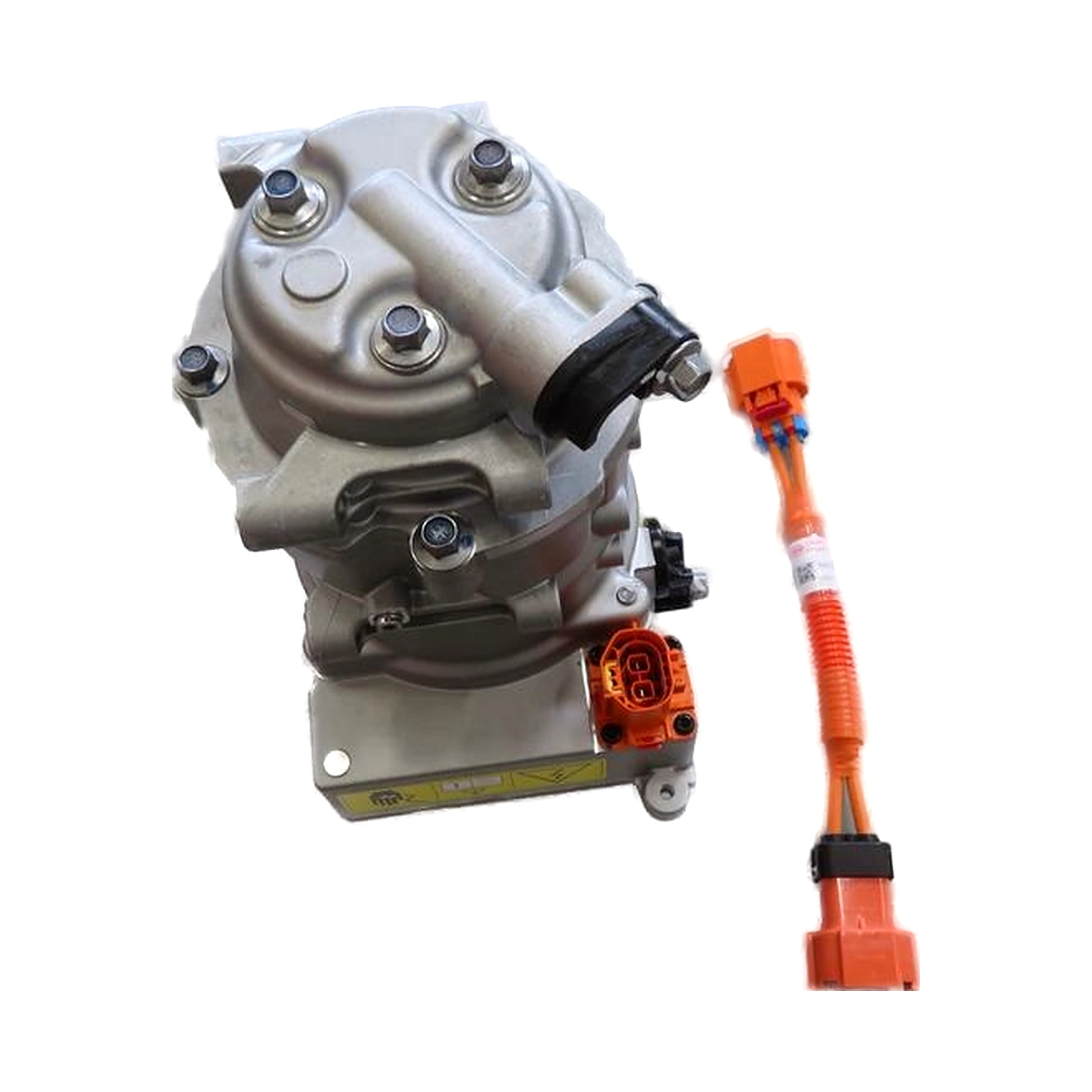
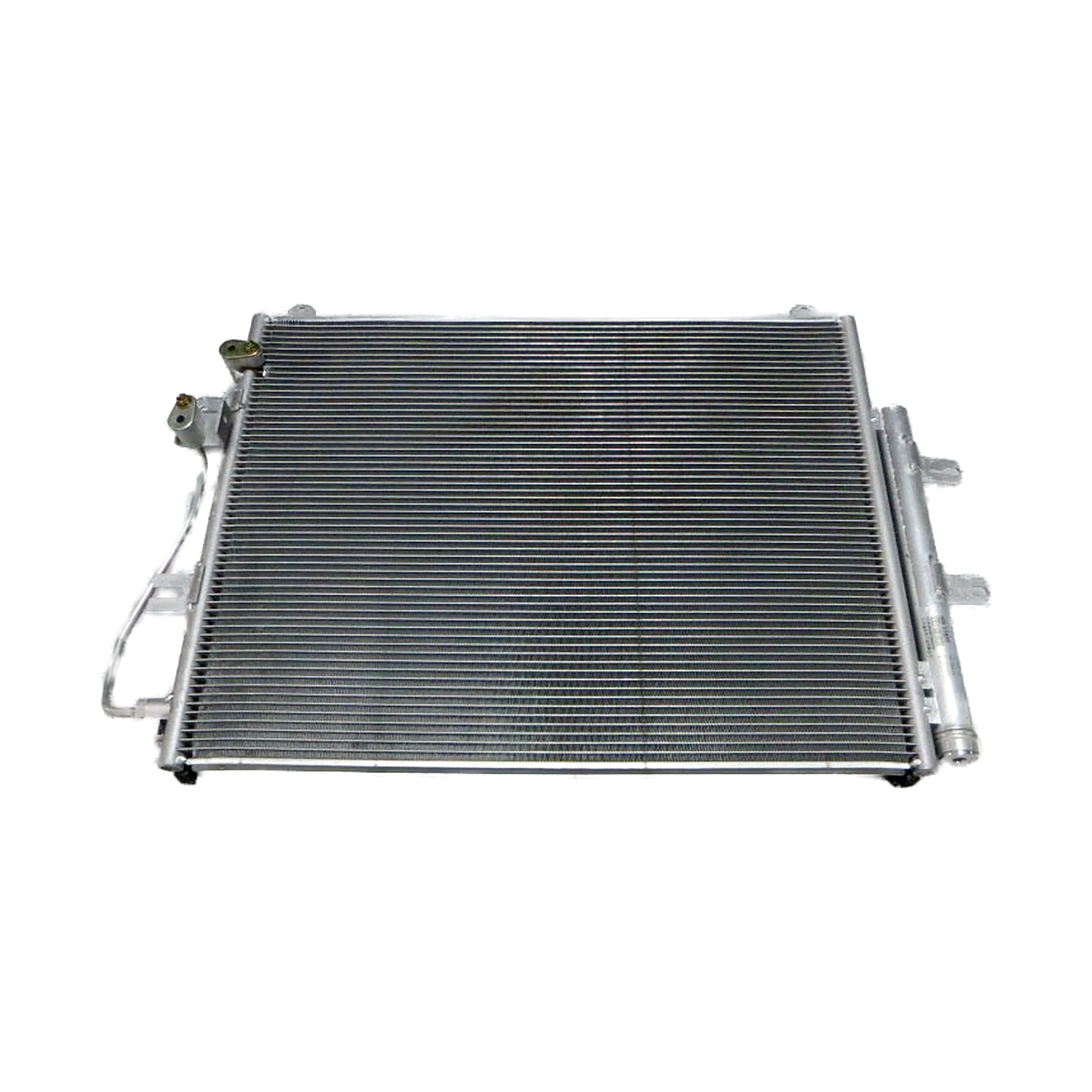
Popular Right Now
scroll for more →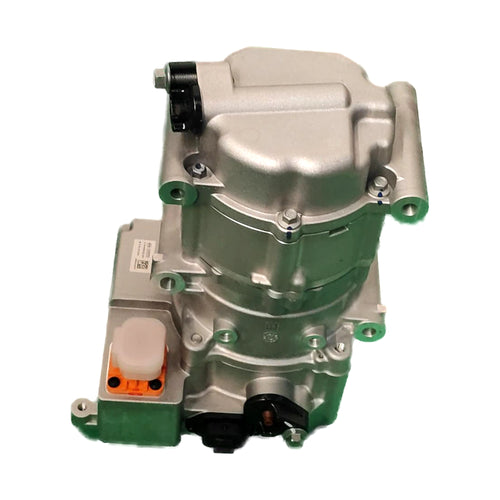
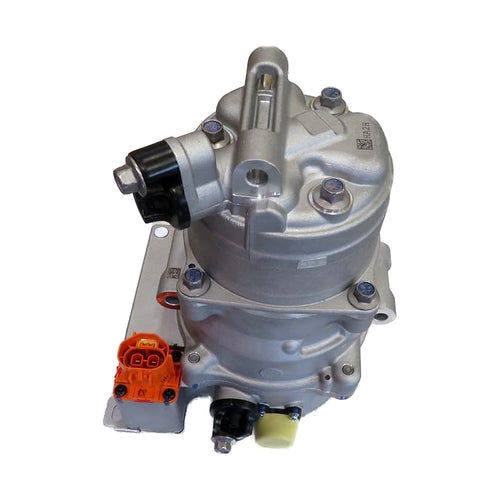
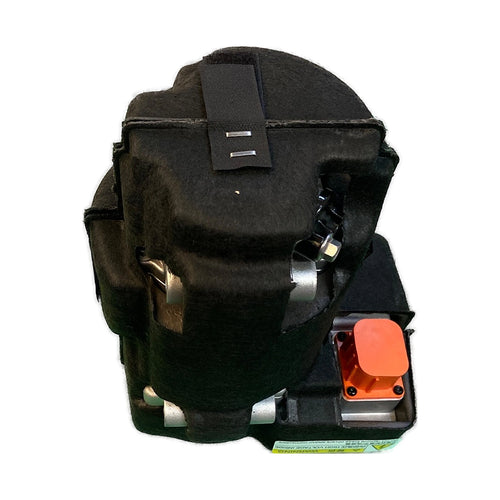
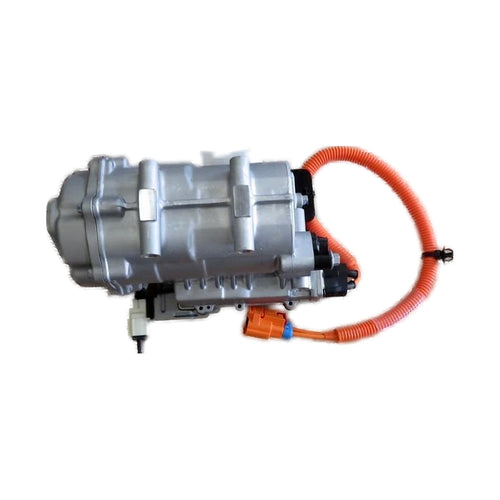
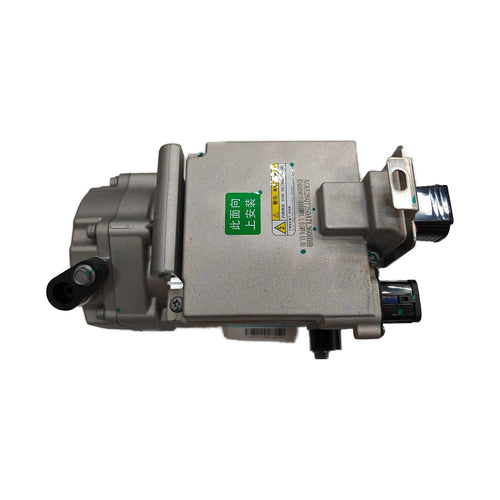
Symptom Finder: What Is Actually Broken?
| What you see or hear | Part to check first |
|---|---|
| Air conditioning blowing warm with the system switched on | Compressor or a lost refrigerant charge |
| Cooling weak in traffic and adequate at road speed | Condenser airflow or cooling fan |
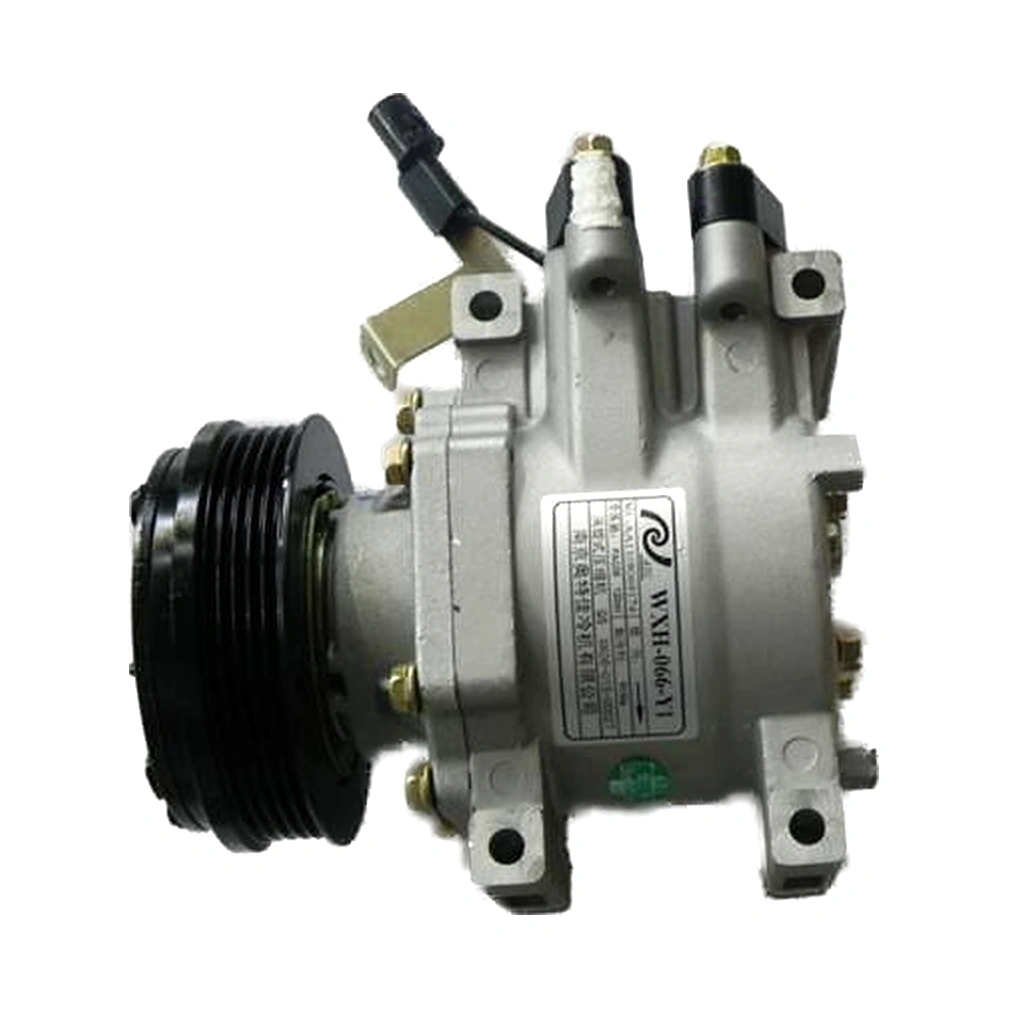
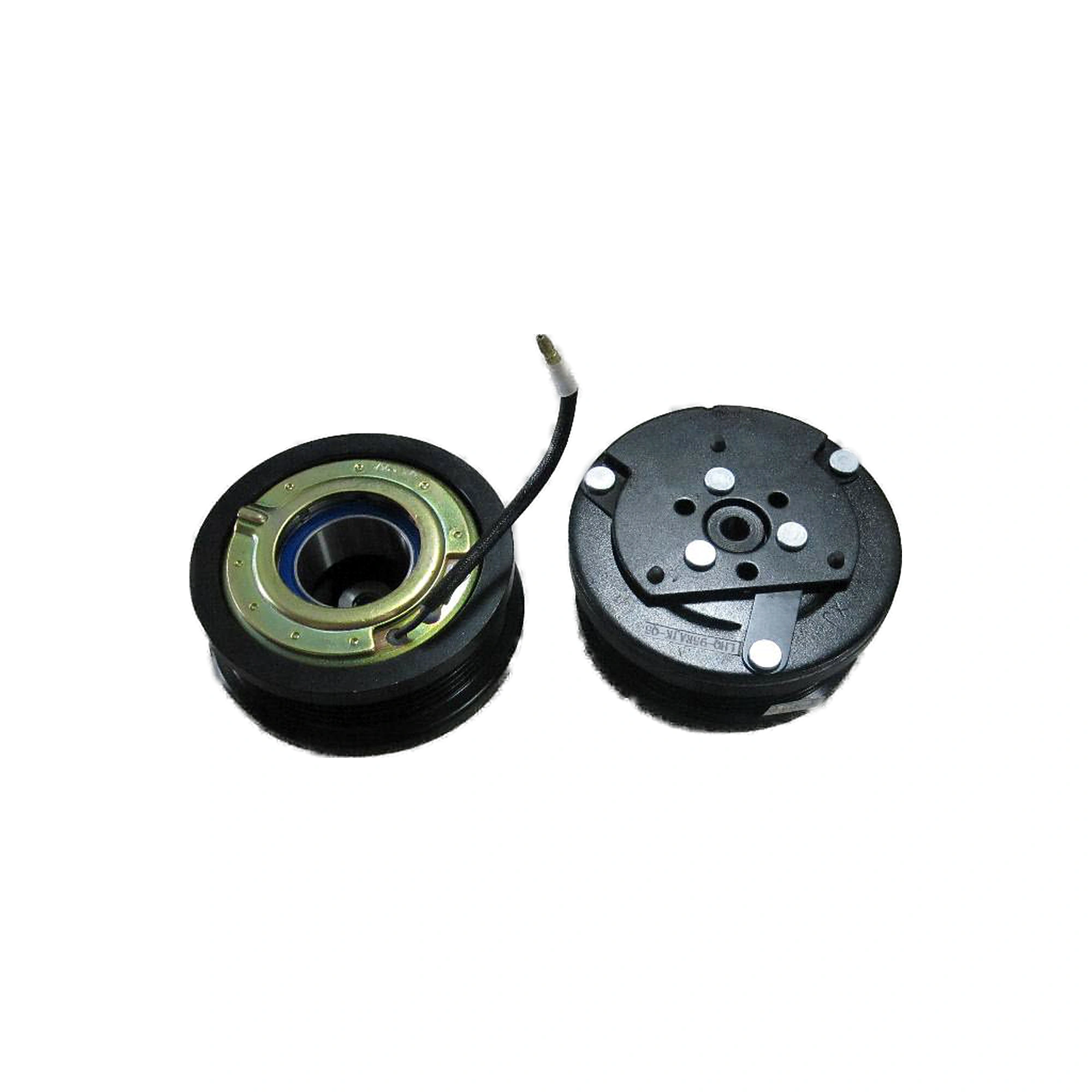
| Noise from the compressor that changes when it engages | Compressor clutch assembly |
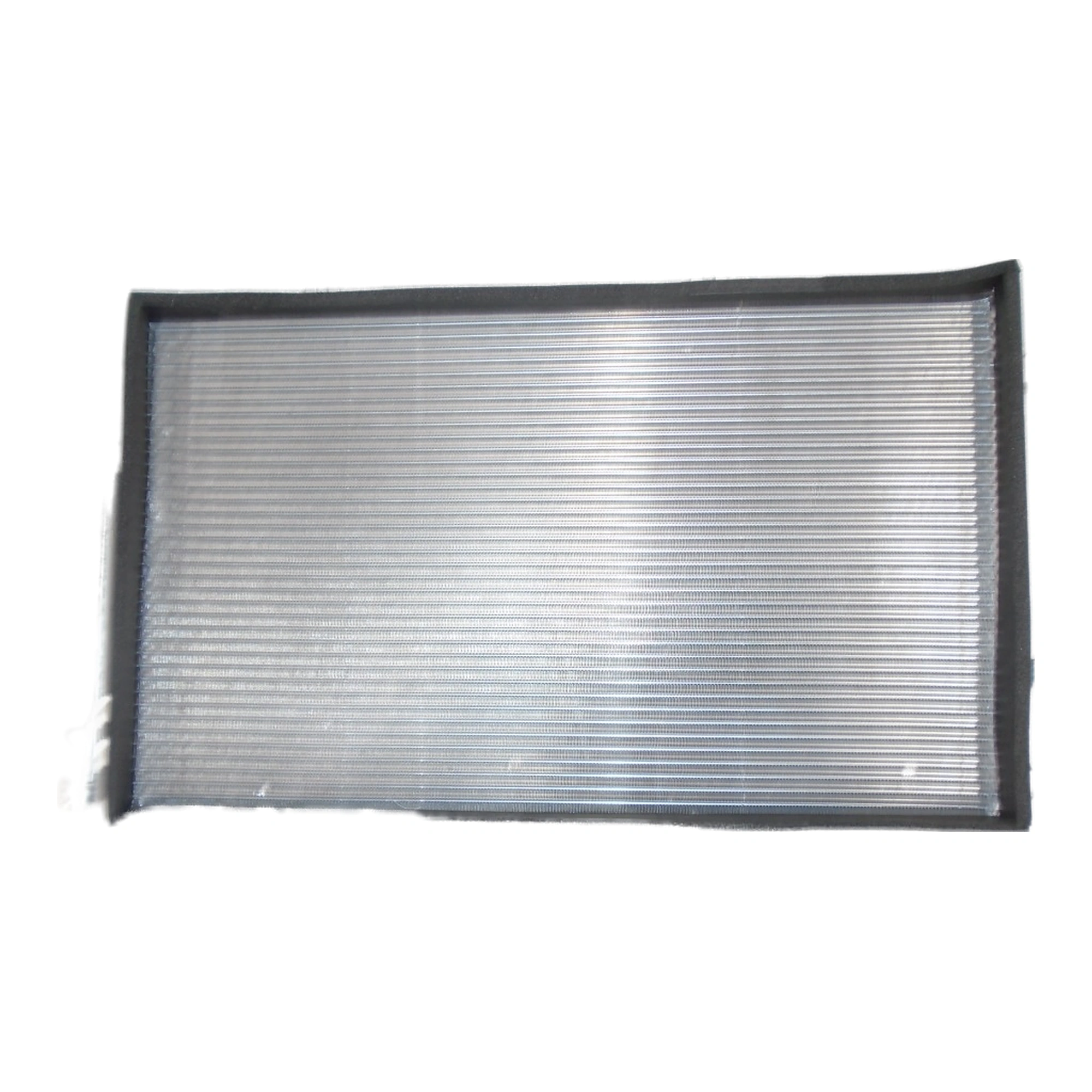
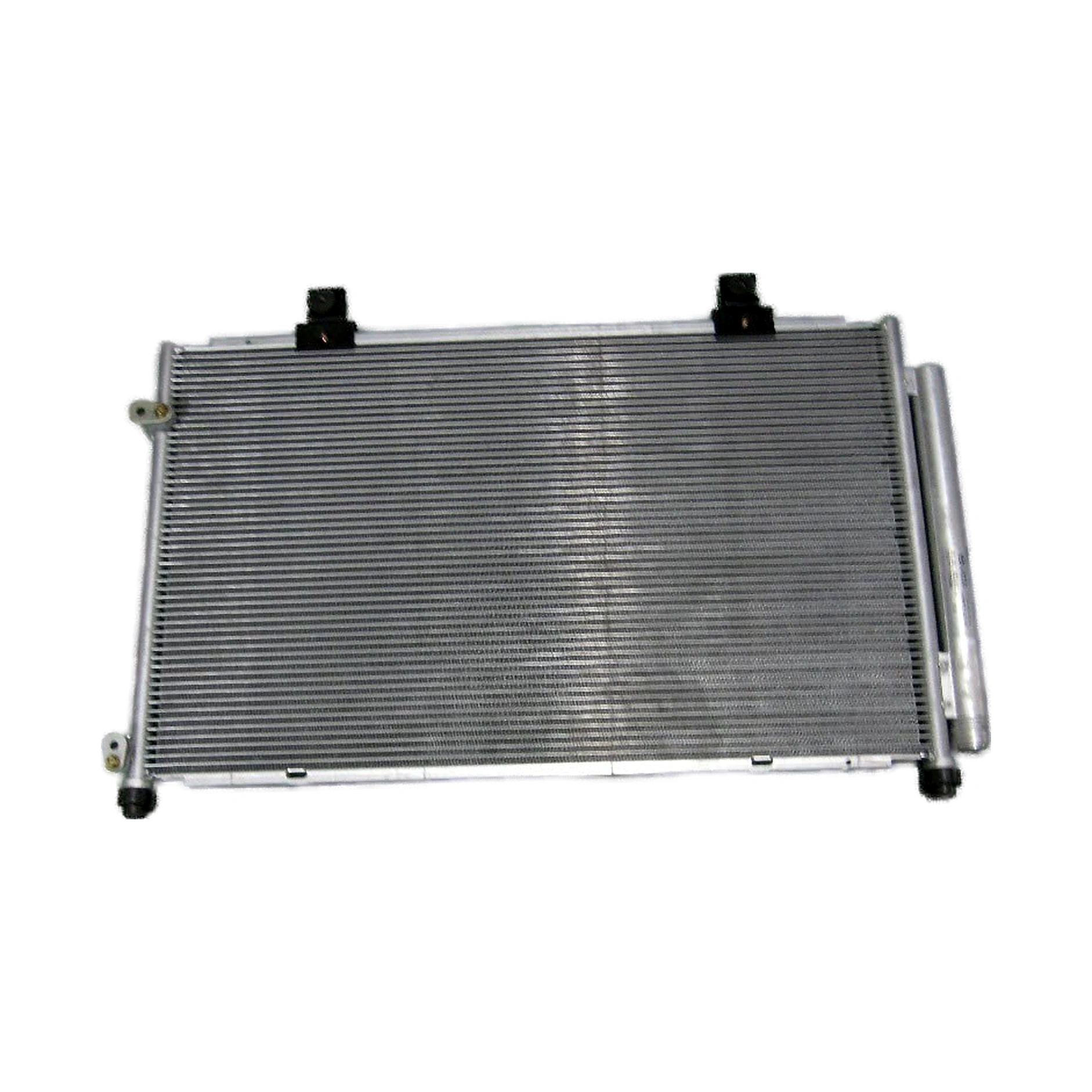
| Oily residue and dye traces around the condenser | Condenser with a leak |
| High voltage fault appearing when climate control is used | Electric A/C compressor |
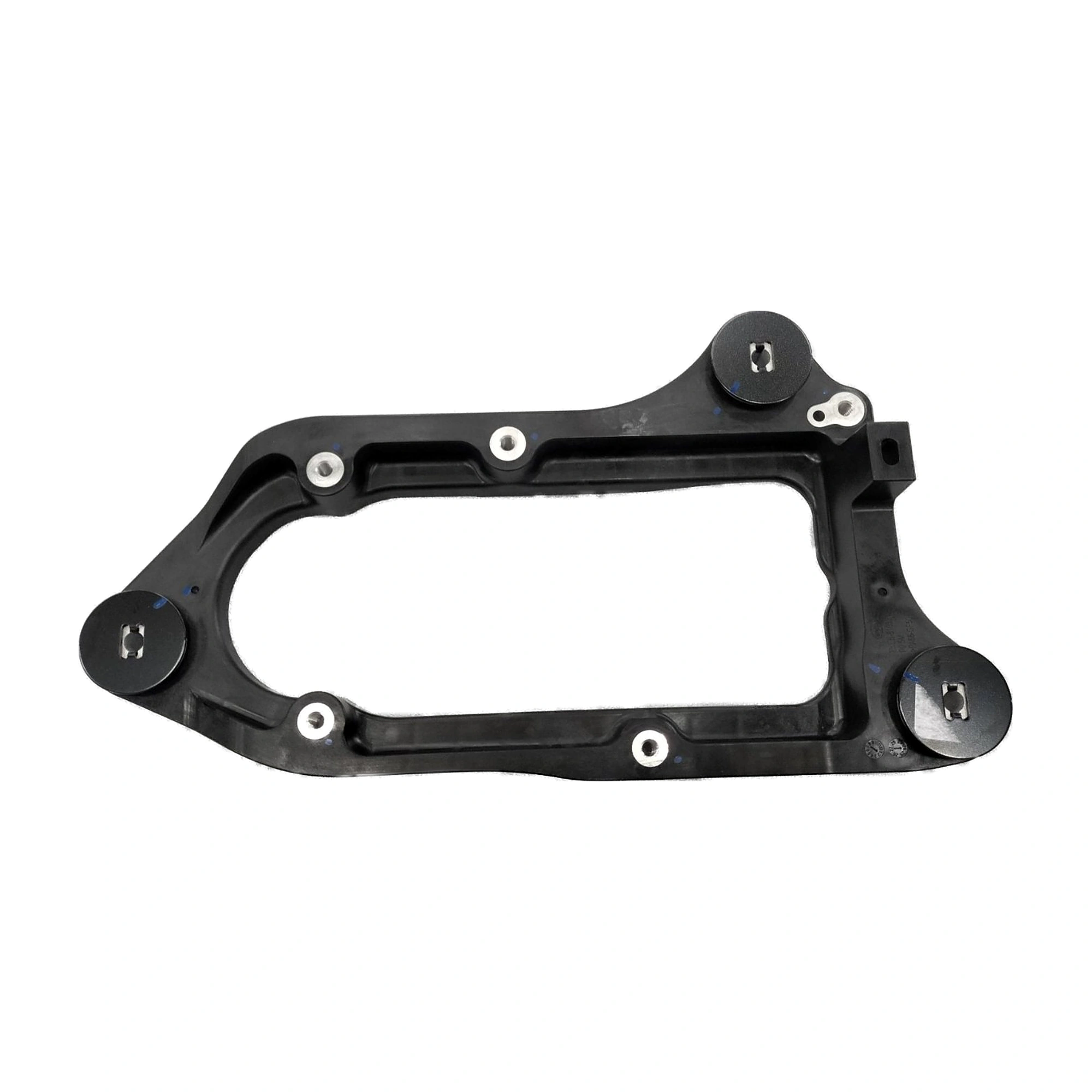
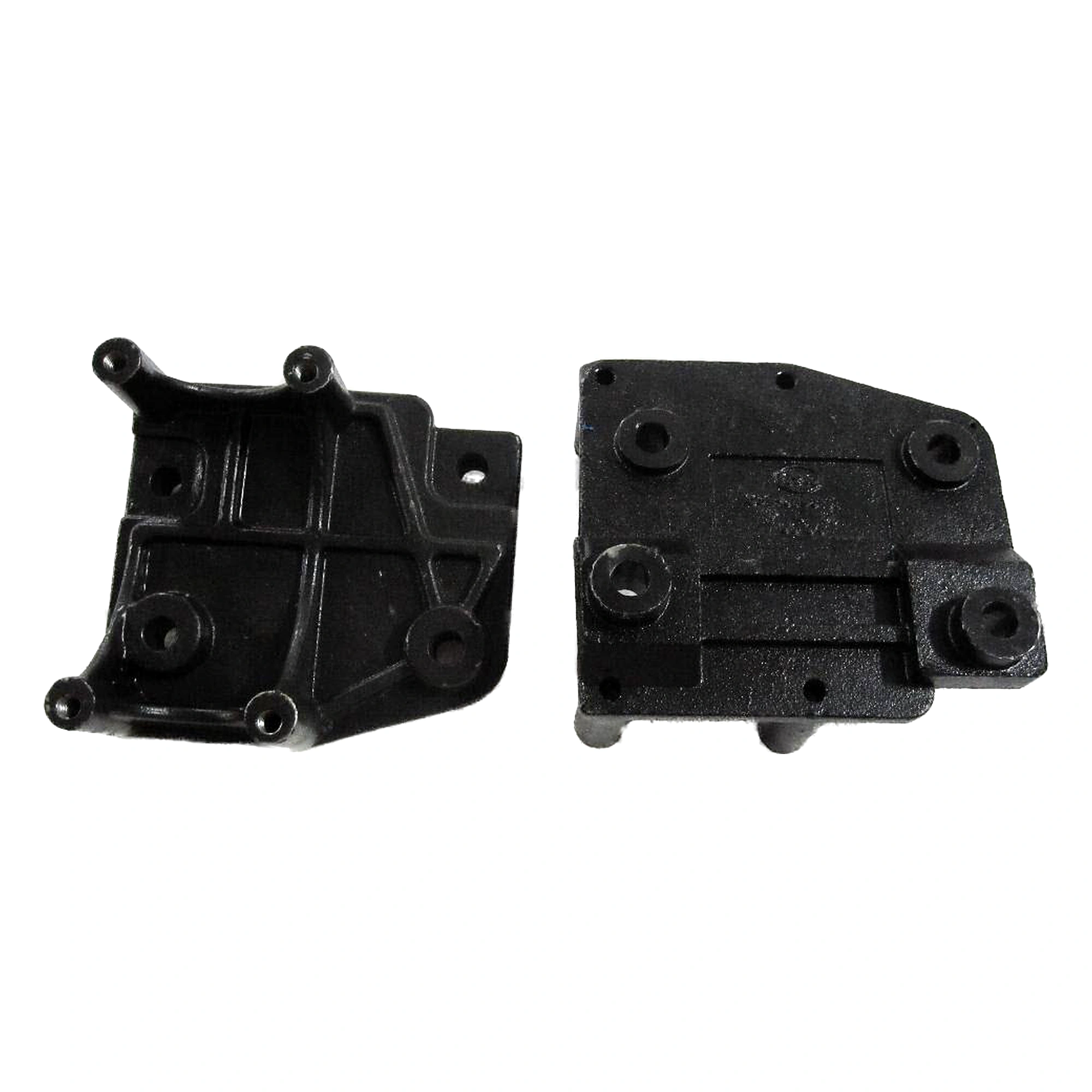
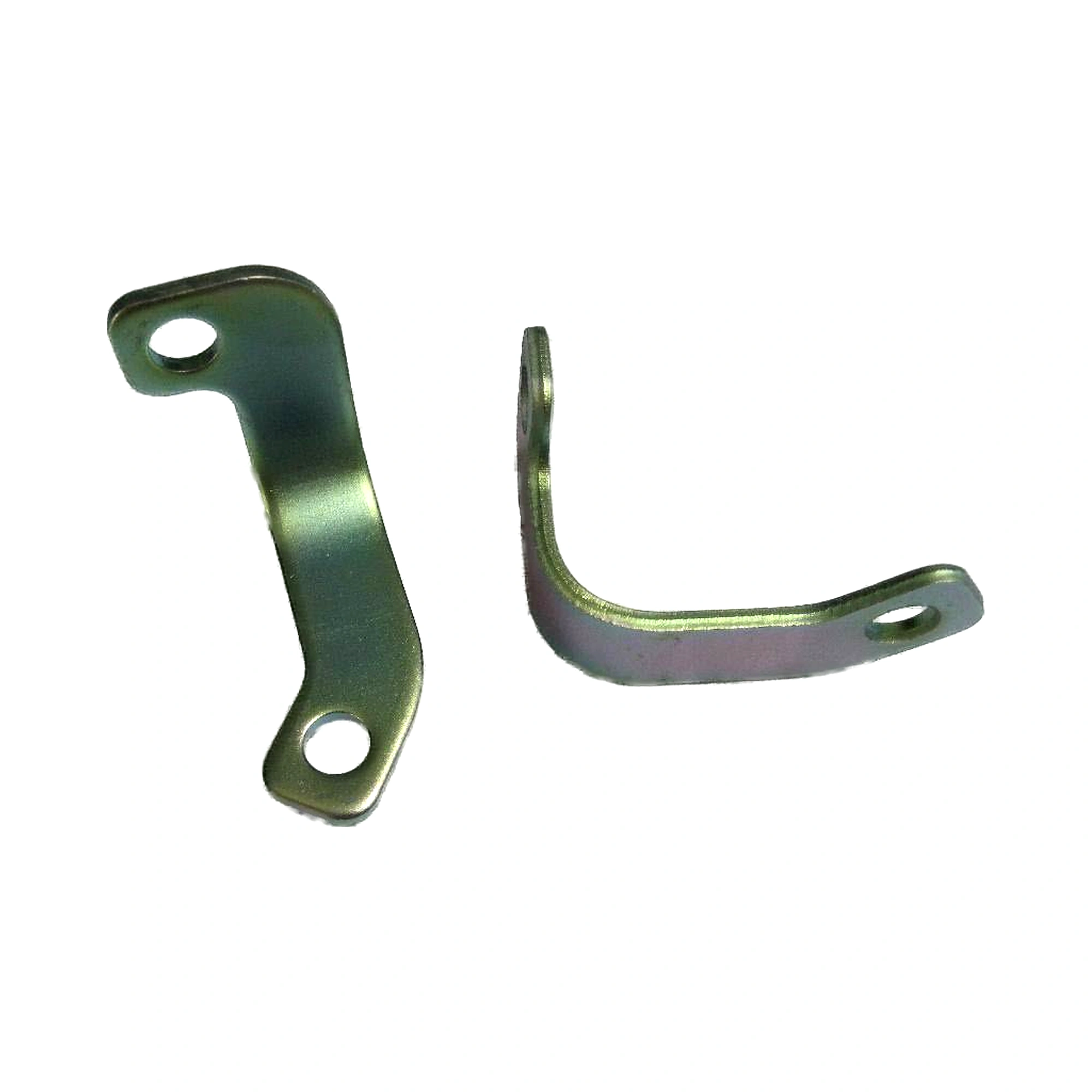
| Vibration or drone from the compressor mounting | Compressor vibration damping bracket |
About A/C Compressor & Condenser
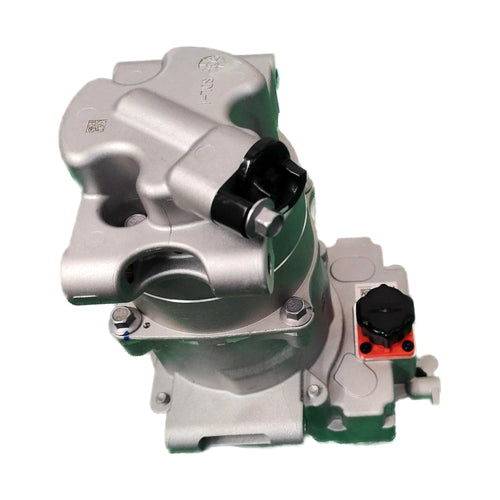
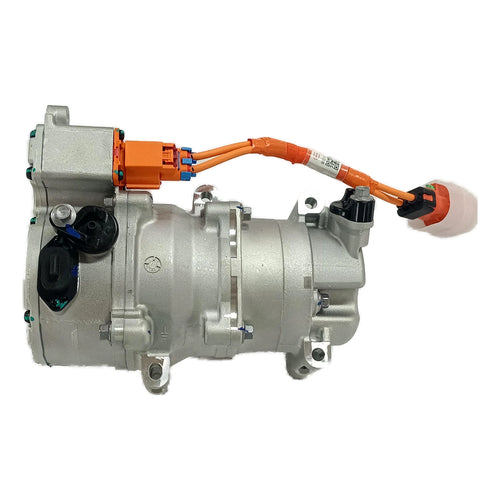
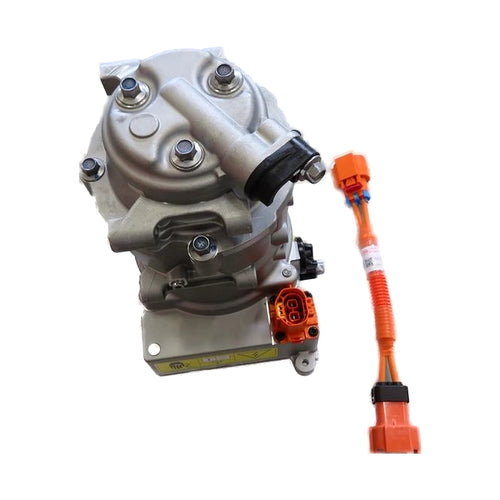
Air conditioning moves heat rather than making cold. A compressor raises the pressure and temperature of refrigerant vapour, the condenser at the front of the vehicle sheds that heat to passing air and the refrigerant becomes liquid, an expansion device drops the pressure sharply so it evaporates and turns very cold, and the evaporator in the cabin lets warm air give up its heat to it. Belt driven compressors run whenever the engine does, engaging through an electromagnetic clutch. Electric compressors, universal on battery vehicles, contain their own motor and inverter running from the high voltage supply, which lets them cool a parked car and, crucially, cool the traction battery. Those units also use a specific electrically insulating oil, which is why servicing one is not the same job as servicing a belt driven system.
What to know before buying A/C Compressor & Condenser parts
Two rules decide most orders here. Electric compressors are high voltage components, so isolate the system before any work. Their oil is a specific electrically insulating grade. Never mix it with conventional compressor oil, because contamination can produce an insulation fault.
The second rule concerns the condenser. Replace it rather than clean it whenever a compressor has failed internally. Debris carried through the system lodges there and destroys the next compressor. Order the condenser and the drier in the same request.
Listed here are electric air conditioning compressors and conventional compressor assemblies, along with compressor clutch assemblies. Condensers, condenser and bracket assemblies, compressor brackets and vibration damping brackets are listed too. Match any of them by the factory part number. Refrigerant work needs recovery and recharging equipment suited to the refrigerant type.
Anything with a price can be ordered from the listing, and anything without one is quoted. BYD group parts are covered most fully at present. A reference that returns nothing today is worth checking through the quote form.
Before You Order: 6 Checks
- Have the system leak tested and the charge measured before ordering any component.
- Match the OE number, since compressor displacement and control follow the vehicle.
- Replace the condenser and the expansion device where a compressor has failed internally.
- Use only the specified oil, and never mix conventional oil into an electric compressor.
- Treat electric compressors as high voltage components, with isolation before any work.
- Confirm the refrigerant type and that your workshop has matching recovery equipment.
What Changed and Why
Air conditioning has become central to how an electric vehicle works rather than a comfort feature. The same refrigerant circuit cools the traction battery through a chiller and, in heat pump systems, runs in reverse to heat the cabin using far less energy than a resistive heater, which is why heat pump equipped vehicles hold their range better in winter. Refrigerants have moved to lower global warming potential fluids, and electronic expansion valves have replaced mechanical ones so the system can control several heat exchangers precisely rather than serving a single evaporator.
A/C Compressor & Condenser: Frequently Asked Questions
My air conditioning blows warm. Is the compressor finished?
Have the system measured before assuming so. The most common cause by a wide margin is a lost charge, since refrigerant escapes slowly through seals and joints over years and a system low on gas will not engage the compressor at all, as a pressure switch protects it. A workshop recovers what is there, weighs it, leak tests and recharges to the correct quantity. Only if the charge is correct and the compressor still does not deliver pressure is the compressor the part.
What happens when a compressor fails internally?
It fills the system with metal debris, and that is why the repair is bigger than the part. Fragments travel with the refrigerant and oil into the condenser, where the narrow passages trap them, and into the expansion device and the drier. Fitting a new compressor into that system feeds the debris straight back through it and destroys it. Correct practice is to replace the condenser and the expansion device, fit a new drier, flush what can be flushed, and recharge with the specified oil quantity.
Why is the oil different in an electric compressor?
Because the compressor's motor windings are in contact with the refrigerant and oil mixture, so the oil must be electrically insulating. Conventional compressor oil used in belt driven systems is hygroscopic and conductive enough to matter, and introducing even a small amount into a high voltage compressor can lower insulation resistance and set a fault that disables the vehicle. Use only the specified grade, and never let a workshop service the system with equipment that has handled conventional oil.
Can I recharge the system myself?
You should not, and in most markets it is regulated. Refrigerant must be recovered rather than vented, the charge is set by weight to within a few grams rather than by pressure, and the oil quantity has to be accounted for. Top up cans sold for the purpose typically overcharge the system, which reduces cooling and stresses the compressor, and many contain sealants that contaminate workshop recovery equipment. Have it done properly with the correct machine for your refrigerant type.
Why does cooling fade in traffic?
Because the condenser needs airflow to shed heat, and at a standstill the fan has to provide it. Weak cooling in traffic that recovers at road speed points at the cooling fan, its control or a condenser face blocked with debris rather than at the compressor or the charge. Check whether the fan runs when the air conditioning is switched on, and inspect the condenser face, remembering that debris packs between it and the radiator where you cannot see it.
What do these parts cost?
Brackets sit at the bottom of the range. Clutch assemblies and condensers are moderate. Electric air conditioning compressors cost the most in this category, since each contains a motor and an inverter, and they sit well above belt driven units. The live minimum and maximum are shown in the band at the top of this page, and refrigerant recovery and recharging is an additional workshop charge that belongs in any estimate.
Is an electric compressor a high voltage component?
Yes, and it is worth stating plainly. It runs from the traction pack through orange cabling, contains its own inverter, and must be isolated and verified at zero volts before any connection is touched. That places replacement in a workshop with the correct training and equipment. It also means a fault in the compressor can present as a high voltage warning rather than as poor cooling, which is a useful clue when climate use coincides with a drive system message.
Does air conditioning affect range?
Yes, in both directions. Cooling costs energy, though usually less than most people assume once the cabin is down to temperature. Heating costs far more where a resistive element does the work, which is why heat pump systems matter: they use the same refrigerant circuit in reverse to move heat rather than generate it, at a fraction of the energy. The same circuit also cools the traction battery, so air conditioning capability affects charging speed as well as comfort.
Should I run the air conditioning in winter?
Running it occasionally is worthwhile whatever the weather, since the refrigerant carries the oil that lubricates the compressor and its seals, and a system left unused for months dries out at the shaft seal and starts to leak. Most vehicles run the compressor automatically when demisting, which achieves the same thing. On a vehicle with a heat pump the circuit is in use through winter anyway, so the concern applies mainly to conventional systems.
Will a compressor from a related model fit?
Only where the OE number agrees. Displacement, control method, connector, mounting and, on electric units, voltage and communication protocol all follow the specific vehicle, and a compressor that mounts but is controlled differently either will not run or will run uncontrolled. Belt driven units differ further in pulley diameter. Read the number from your existing unit, match it, and use the quote form where the reference brings back nothing.
How do I find a refrigerant leak?
With the right equipment rather than by looking. Workshops use an electronic detector, ultraviolet dye already present in the oil, or a nitrogen pressure test, and each finds leaks that a visual inspection misses entirely. Oily residue around a joint or a condenser is a strong clue, since escaping refrigerant carries oil with it and the oil stays behind. Find the leak before recharging, or the new charge follows the old one out.
The part I need shows no price. Can I still order it?
Yes. An unpriced reference is still a live catalogue entry, held under its factory number and waiting for a current figure. Use the quote form on that listing and include the number you are working from. Electric compressors are the usual case here, because the oil charge and the high voltage connector layout differ between climate specifications, so the number decides which unit you receive. Add the receiver drier and the O ring set to the same enquiry, since the circuit has to be opened anyway and both are replaced as a matter of course.