Cooling System
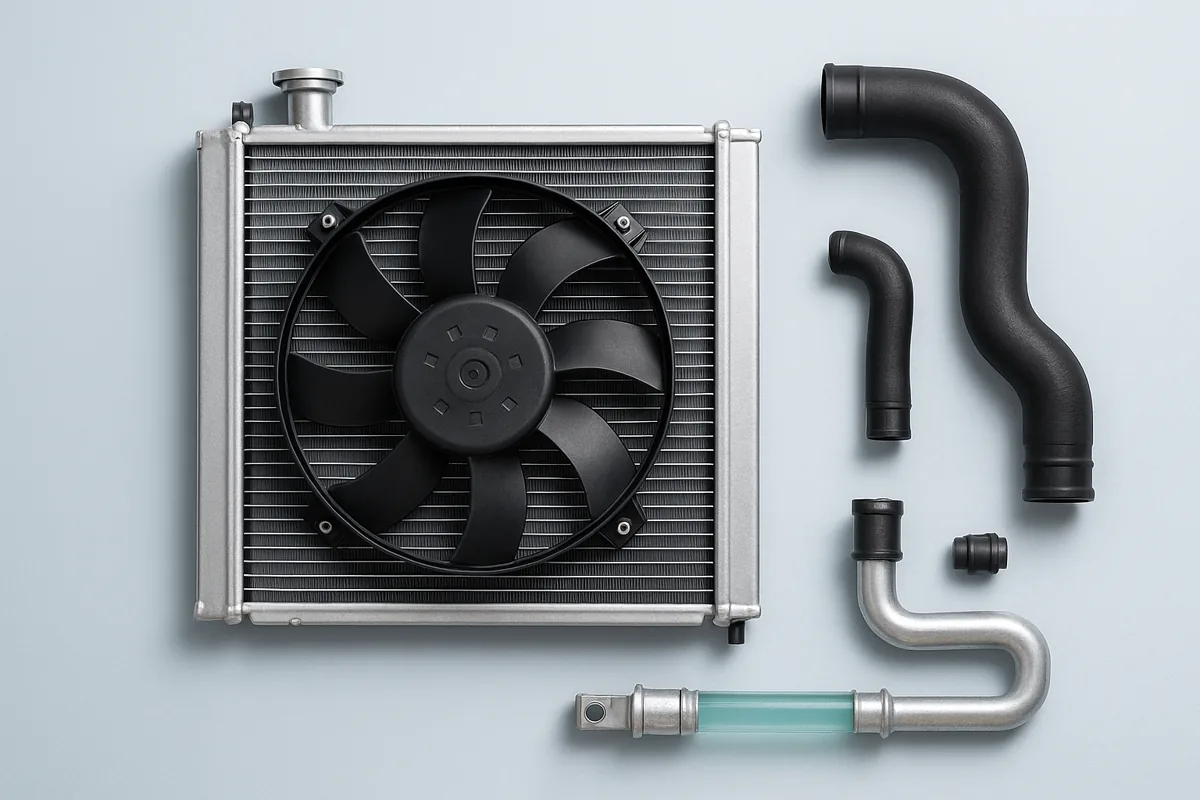
Shop Cooling System by Part Type
Popular Right Now
scroll for more →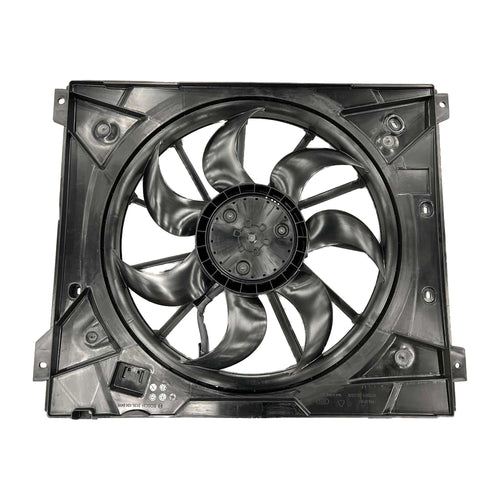
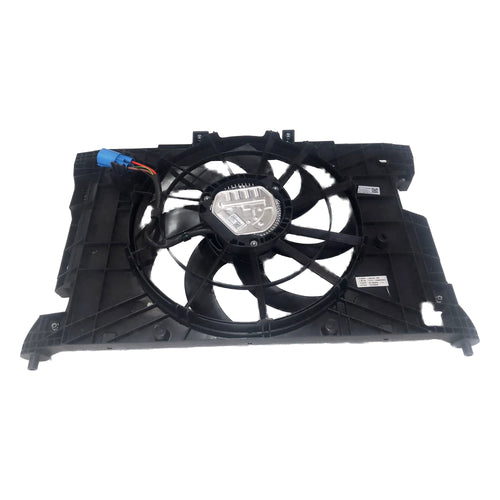
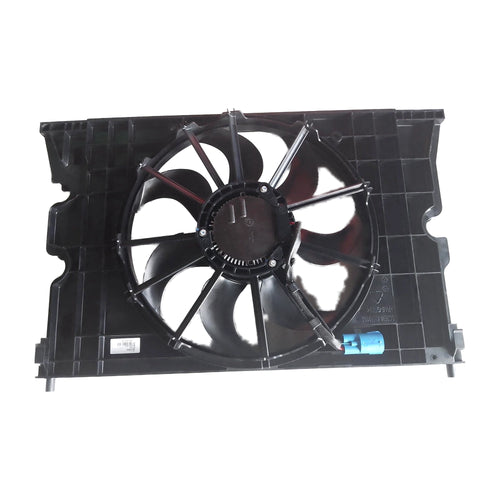
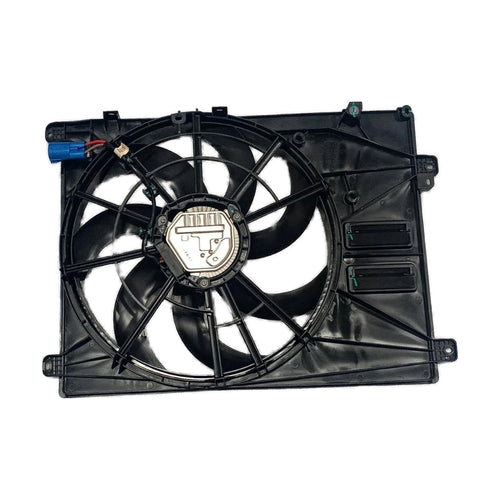
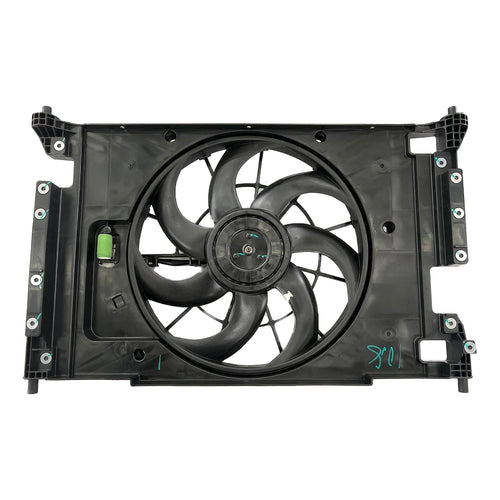
Symptom Finder: What Is Actually Broken?
| What you see or hear | Part to check first |
|---|---|
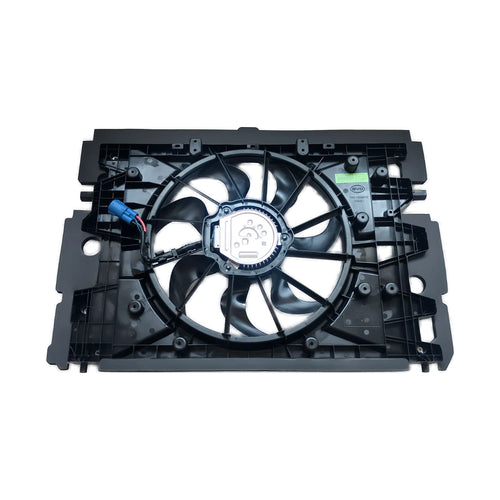
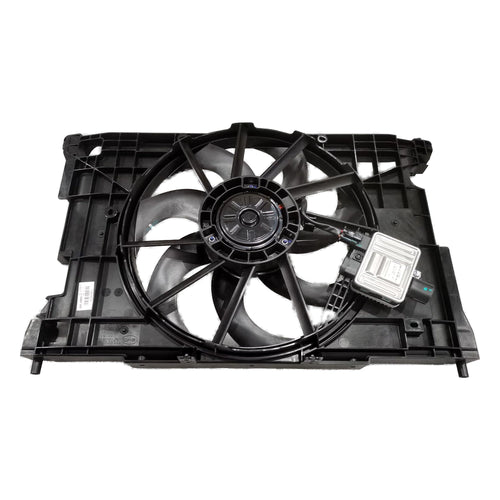
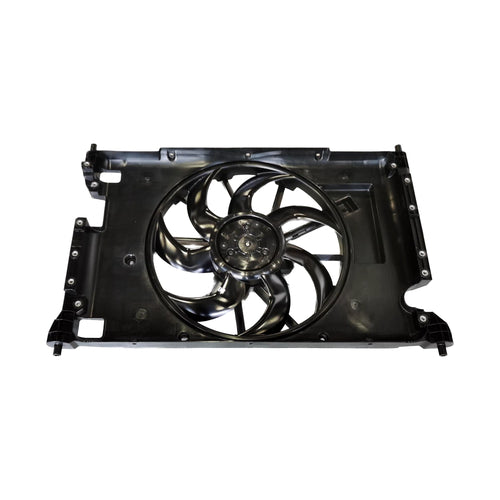
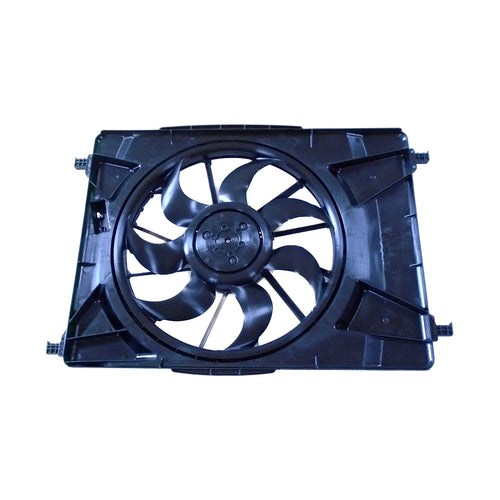
| Temperature climbing in traffic and falling on the move | Electric cooling fan |
| Slow warm up with weak cabin heat | Thermostat stuck open |
| Coolant weeping from a small hole below the pump | Water pump seal |
| Coolant level falling with no visible puddle | Hairline crack in a pipe or expansion tank |
| Overheating after a coolant change | Air trapped in the system |
About Cooling System
Cooling works by keeping a fluid circulating and giving it somewhere to dump the heat it collects, and the whole circuit is sealed and pressurised on purpose. Sealing it raises the temperature at which the fluid would boil, comfortably above anything the system meets in normal service, which is why the filler cap carries a pressure rating and matters far more than its appearance suggests. A pump keeps the fluid moving, a thermostat holds it inside the engine or the drive unit until working temperature arrives, and a radiator hands the heat to passing air with electric fans covering the moments when the vehicle is not moving. Failures are predictable: seals weep, plastic tanks split along their seams, hoses harden, thermostats stick, and air left in the system after a refill blocks flow exactly where it is needed.
What to know before buying Cooling System parts
Read the section number from the old pipe rather than guessing. Order gaskets with any component you replace. If you are chasing a leak, pressure test first, because the part you suspect may be sound.
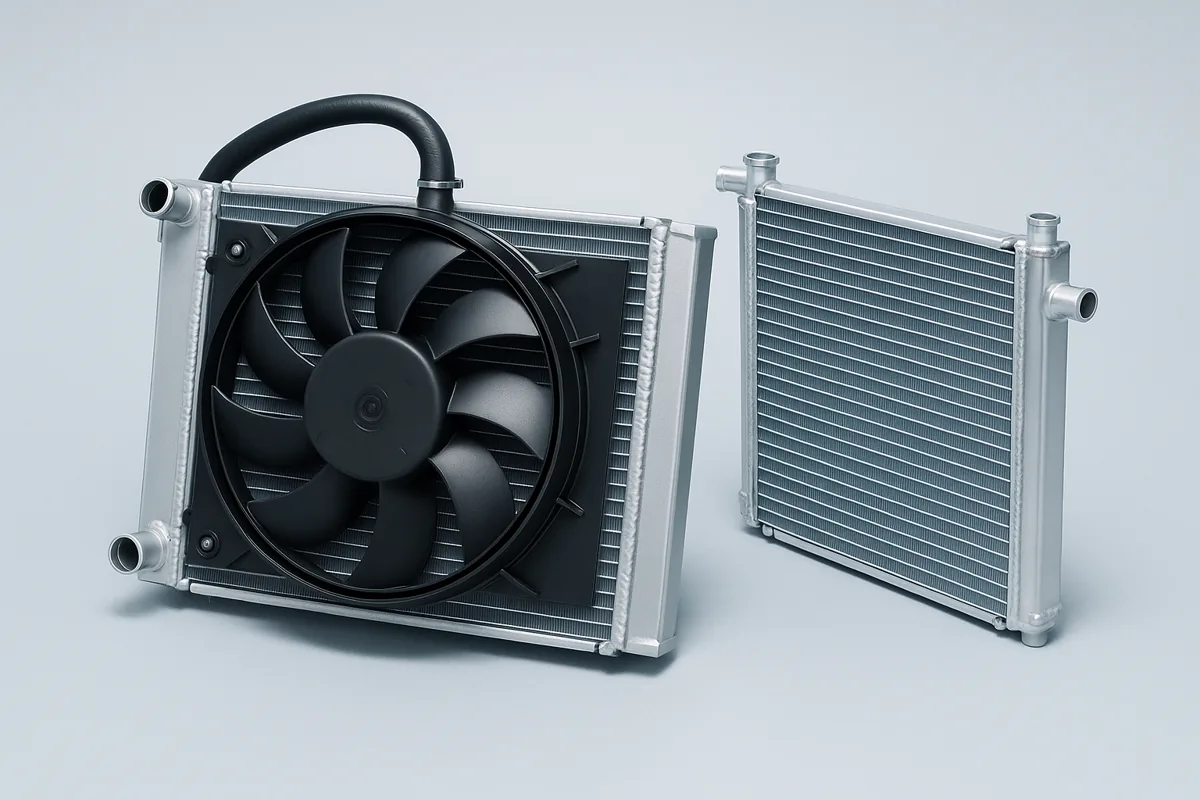
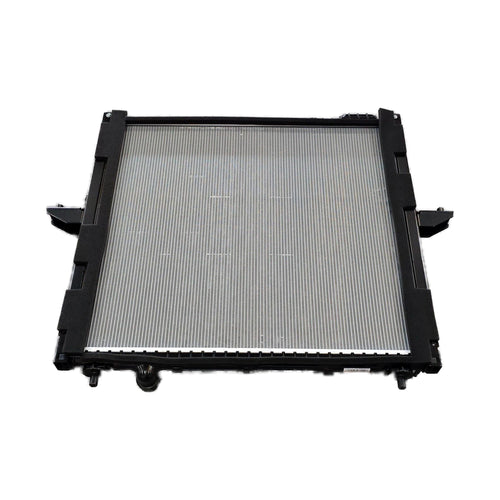
Three child categories divide the system. Radiator and fans holds the heat exchangers and the fans that draw air through them, including the separate motor and inverter radiators that electrified vehicles carry.
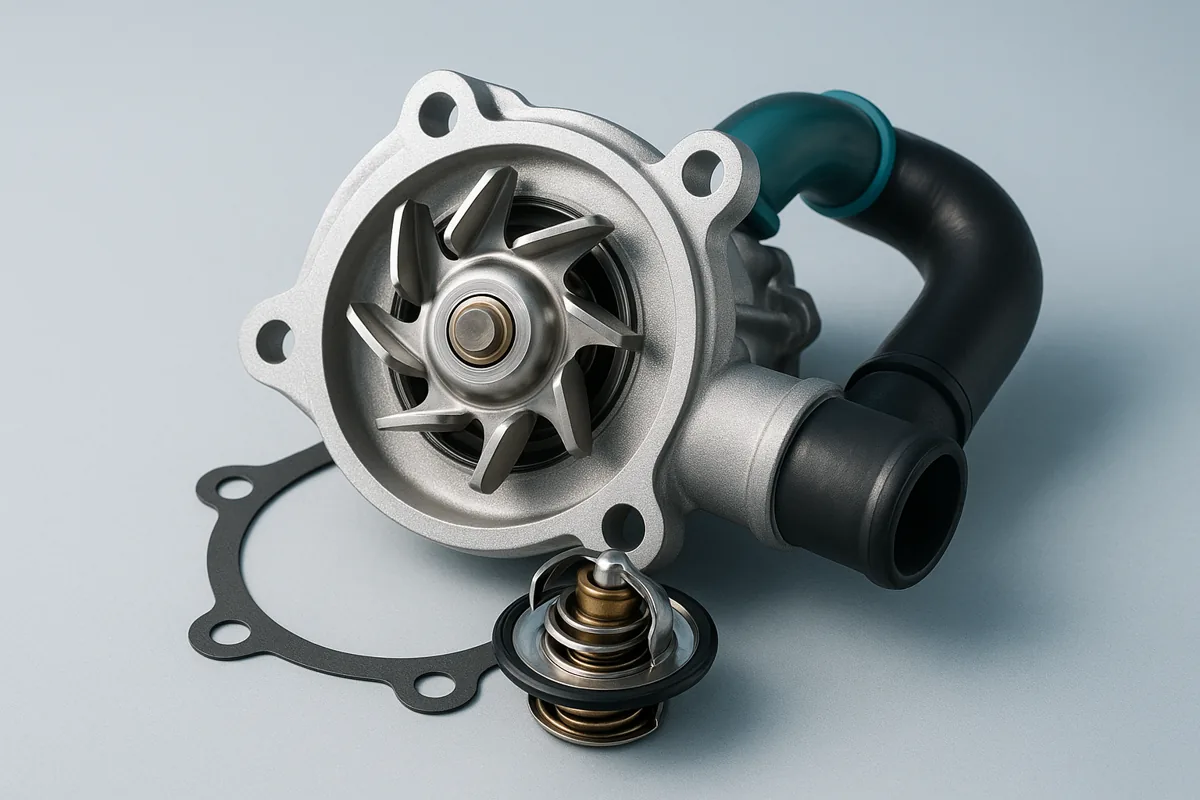
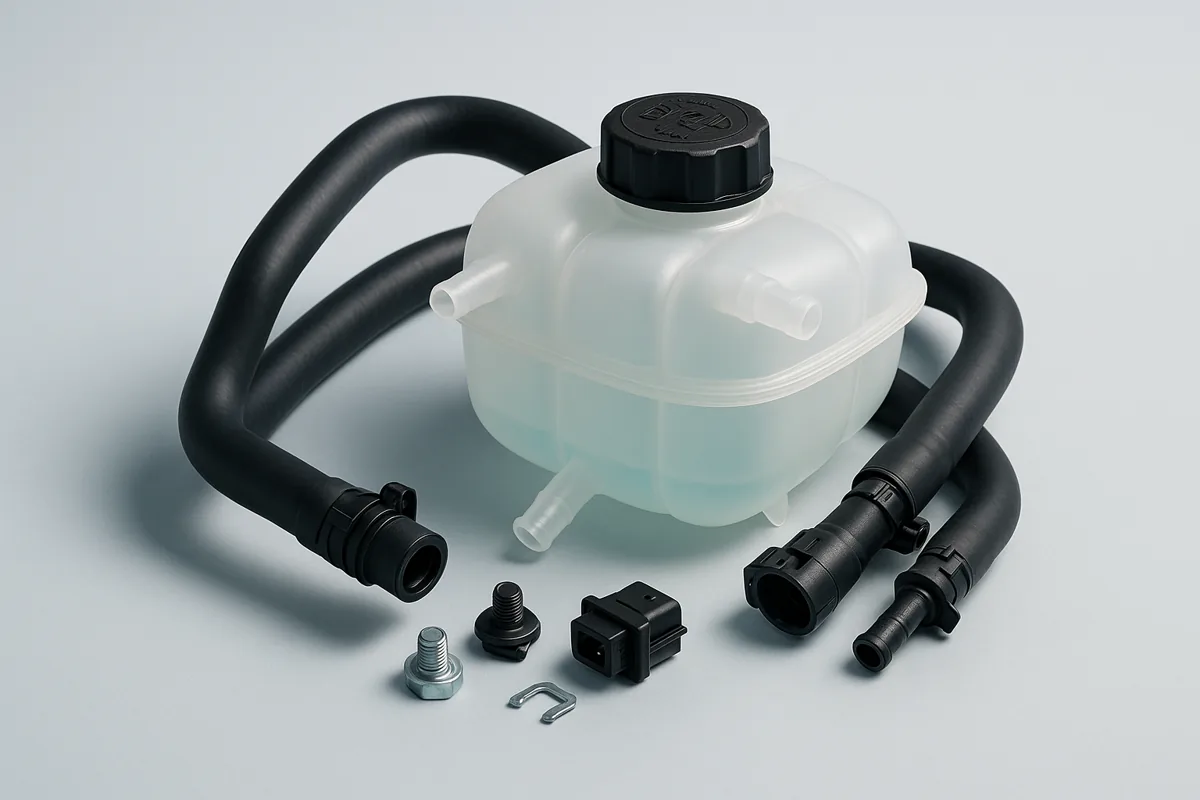
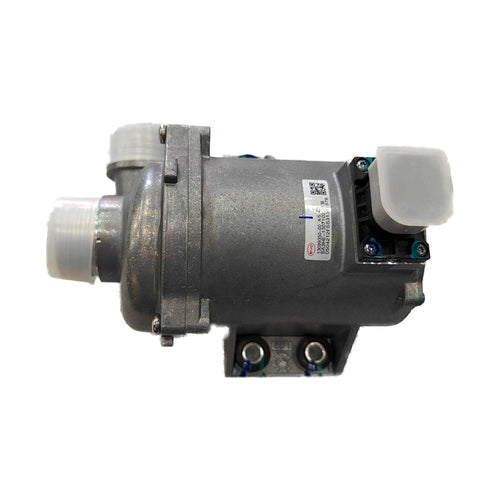
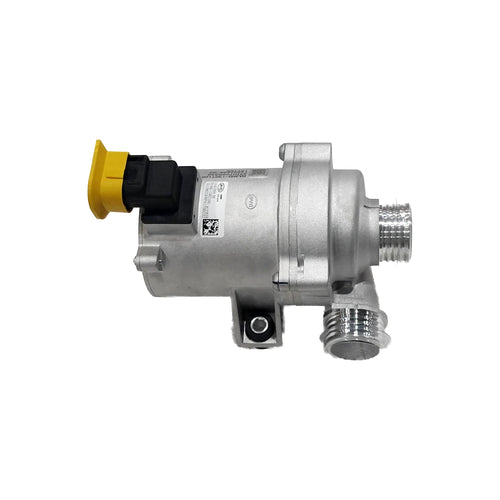
Coolant pump and thermostat holds the pump, the thermostat, their covers and the gaskets that go with each. Hoses, tanks and sensors holds the numbered pipe sections, expansion tanks, caps and sensors.
Before You Order: 5 Checks
- Pressure test before ordering, since a hairline crack only weeps when hot.
- Order gaskets with any pump or thermostat, since none reseals once disturbed.
- Read the section number from a coolant pipe, as these are catalogued numerically.
- Check the cap rating, because a failed cap causes losses that look like a leak.
- Follow the documented bleed procedure after refilling.
What Changed and Why
Cooling circuits have multiplied rather than simplified. A vehicle that once had one loop now frequently has three or more, serving the drive unit and power electronics, the traction pack and the cabin, each with its own pipework, pumps and sometimes its own expansion tank, which is why pipe series in current catalogues run to dozens of numbered sections. Electric pumps and map controlled thermostats have replaced belt drive and wax pellets on many applications, allowing flow to be reduced during warm up and maintained after shutdown to protect components from heat soak.
Cooling System: Frequently Asked Questions
My temperature climbs in traffic and drops when I move. Why?
The pattern itself is the diagnosis. Moving air through the radiator comes from the car's own speed above roughly thirty miles an hour, and from the fan below it, so a problem confined to standstill sits with the fan or whatever tells it to run. Open the bonnet with the engine hot and see whether the fan turns. If it does not, work through the fuse, the relay, the control output and the fan's own supply before condemning the motor. If it does turn, look instead at the radiator core for blockage.
Where is my coolant going with no puddle underneath?
The loss is real even if the floor is dry. On a modern circuit the most common culprits are a plastic pipe with a hairline split that only weeps hot and under pressure, a seam on the expansion tank doing the same, and a cap that releases early and vents to atmosphere every time the system heats up. None of those leaves a pool. Fit a pressure tester to the filler neck when the engine is cold, pump it to the stated figure and watch. If pressure holds and coolant still vanishes, look internally.
How do I know the thermostat is at fault?
Watch the warm up rather than the running temperature. An engine that takes an unusually long time to reach normal, with a heater that blows lukewarm on a cold morning, is telling you the valve is not closing. The opposite fault shows as temperature that climbs steadily while the bottom radiator hose stays cool to the touch, because nothing is being allowed through. A cheap infrared thermometer makes both obvious in a couple of minutes. Rule out low coolant and trapped air first, since both produce readings that mimic a stuck thermostat.
Why does bleeding matter so much?
Because a circuit with air in it cannot be judged. Until the system is properly full, the temperature sensor may be reading vapour, the pump may be cavitating and the gauge may be telling you something that has no relation to what the metal is doing. Workshops see plenty of thermostats and pumps replaced on the strength of readings taken from a system that was never bled. Many modern vehicles need a scan tool routine that drives the pumps and cycles the valves. Run it, let the car cool, then check the level and retest.
Which coolant should I use?
Whatever the handbook specifies, and treat the colour as a label rather than a specification. What separates one product from another is the inhibitor package protecting aluminium, cast iron, solder and rubber inside the same circuit, and those chemistries are not designed to be blended. Mix two and the additives can drop out, forming a sludge that blocks the narrow passages in a heater core or a radiator. If the history of the coolant in the car is unknown, drain and refill with the correct product rather than topping up and hoping.
Should I change the pressure cap at the same time as the tank or radiator?
Usually yes, because the seal and spring in the cap age along with everything else, and a tired cap can undo a new part quickly. A cap that opens too early lets coolant boil sooner and vents fluid every time the system gets hot. One that sticks shut as the system cools leaves a vacuum behind. That shows up as a top hose squashed flat by the morning, or an expansion tank sitting far above its mark. Each cap is made for one pressure rating, so read the OE number on the old cap and search for that.
What happens when an electric coolant pump starts to fail?
An electric pump rarely leaks its way out of service the way a belt driven pump does. More often the brushless motor, its bearing or the control electronics give up, and the pump runs slowly, now and then, or not at all. Symptoms include a heater that suddenly blows cold, a thermal system warning on the dash and reduced power as the car protects the battery or drive unit. Listen for the pump running with the ignition on and read the fault codes before ordering anything. Then match the OE number printed on the pump body.
Why does my car have more than one coolant circuit?
Electrified vehicles usually keep separate loops at different temperatures. The battery works best in a narrow, fairly cool band, the motor and power electronics can take more heat, and an engine, where one is fitted, runs hottest of all. Valves, heat exchangers and extra pumps move heat between those loops. A pump, tank or hose that looks the same as its neighbour may belong to a different circuit, with different connectors or flow. That is why fitting by appearance goes wrong. Note which circuit the old part sits in, then search for the OE number stamped or printed on it.
How can I tell when a coolant hose needs replacing?
Squeeze it when the system is cold. A healthy hose feels firm and springs back. One that feels crunchy, rock hard or spongy, or bulges near the ends, has lost its structure and will fail under heat and pressure. Look closely at the ends, where cracks start, and at plastic quick connectors, whose locking tabs turn brittle and whose O rings flatten with age. White or crusty residue at a joint marks a slow weep. Moulded hoses are shaped for one route only, so take the OE number from the old hose before ordering.
Can a blocked radiator be cleaned, or does it need replacing?
It depends on where the blockage is. Leaves, insects and road dirt packed between the fins can often be rinsed out from the engine side with low pressure water, as long as you take care not to fold the soft aluminium. Internal blockage from mixed coolant or corrosion is harder to shift, and a flush rarely clears the narrow tubes fully. Replace the radiator if cold patches stay on the core while the rest is hot, if the fins crumble when touched, or if the plastic end tanks weep at the crimped seam. Match the OE number on the label or tank.
What does a faulty coolant temperature sensor do?
The sensor tells the control unit how hot the fluid is, and the fans, the pump speed and the warm up all follow that reading. When the sensor drifts or fails, the gauge may swing, stay on cold or jump to hot for no reason. The fans may also run all the time as a safety fallback. Compare the live reading on a scan tool with an infrared thermometer pointed at the same spot. If the two disagree, check the connector and wiring for corrosion before replacing the sensor, then order it by the OE number on the old one.
Should I replace the thermostat when I change the pump?
It usually makes sense. Both jobs mean draining the system and bleeding it again afterwards. On many modern units the thermostat also sits in a plastic housing that turns brittle with heat and can crack when disturbed. Putting a new pump next to a tired thermostat risks a second drain down a few months later. Always fit new seals or gaskets rather than reusing the old ones, and clean the mating faces. Some thermostats are electrically heated and wired into the control unit, so check the OE number on the old part and match it exactly.
Is it normal for the fan to keep running after I switch off?
Yes, within reason. After a hard drive, a hot day or a rapid charging session, the control unit may run the radiator fan and coolant pumps for several minutes to pull heat out of the engine, the battery or the power electronics. The car is designed to do this. It becomes a fault when the fan runs after every trip whatever the conditions, or never stops. That points to a sticking relay, a faulty temperature sensor or a control fault, and it can flatten the low voltage battery. Read the fault codes first, and ask a qualified mechanic if it carries on.
How do I make sure a cooling part fits my car?
Go by the OE number on the old part, not by how it looks. Pumps, tanks, fans and hoses often change partway through production, gaining a different connector, mounting point or port size while looking almost the same in photos. The number is usually moulded into the plastic, printed on a label or stamped on a metal flange, and you may need to clean the part to read it. Where a part is split by build date, check the date on the identification plate as well. Type the number into the search box, or send it through the quote form. We reply within 24 hours, usually sooner.