Hub Caps & Centring Rings
Shop Hub Caps & Centring Rings by Part Type
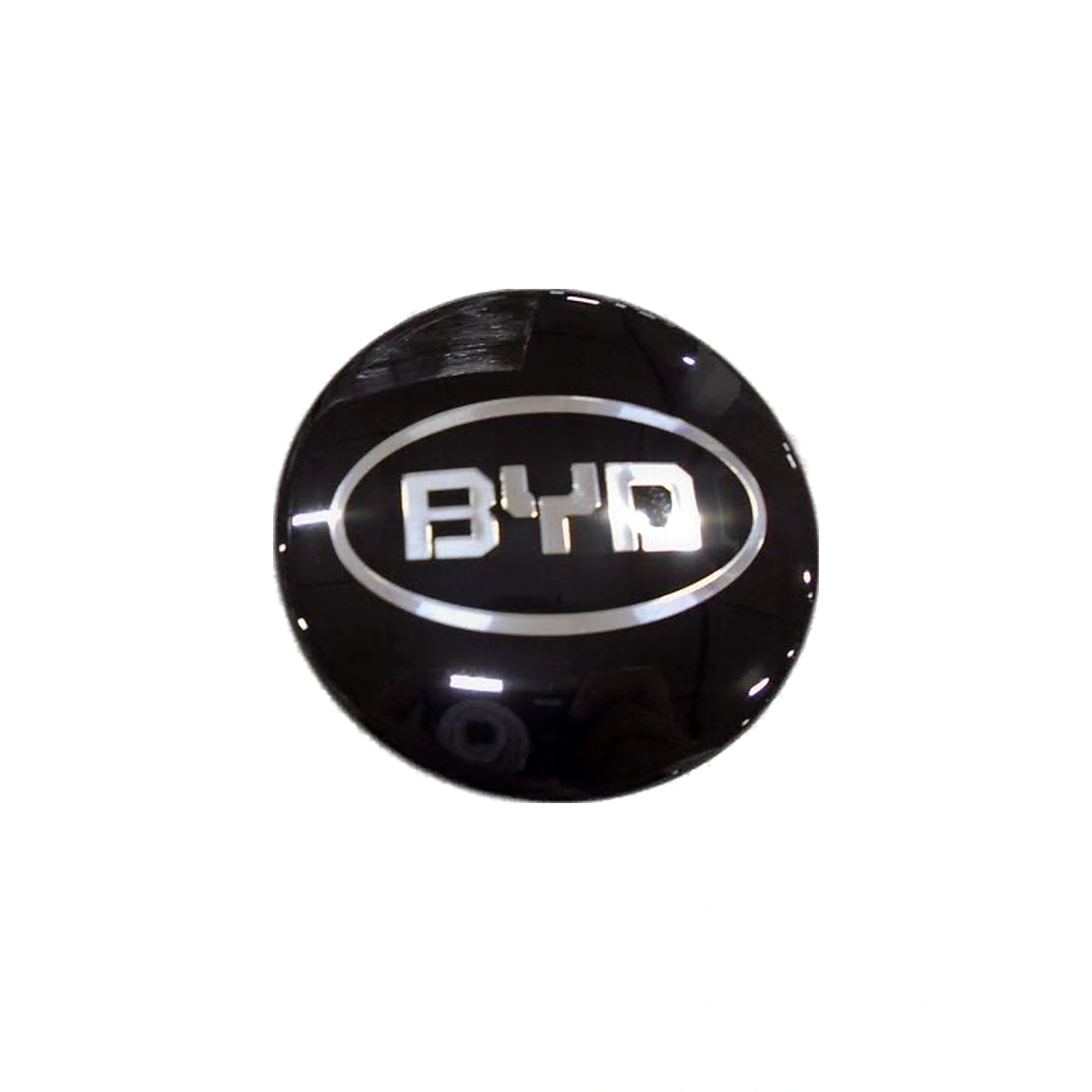
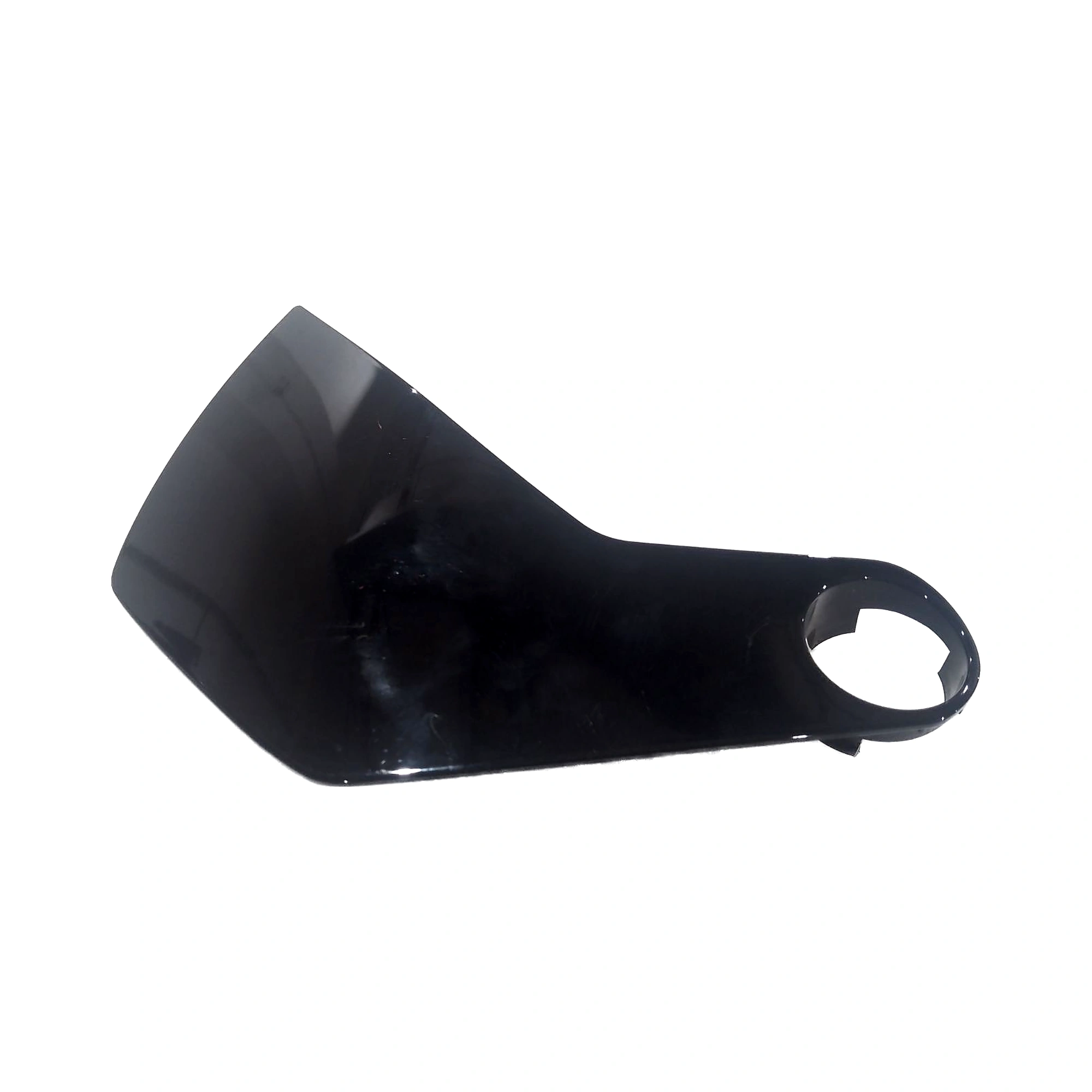
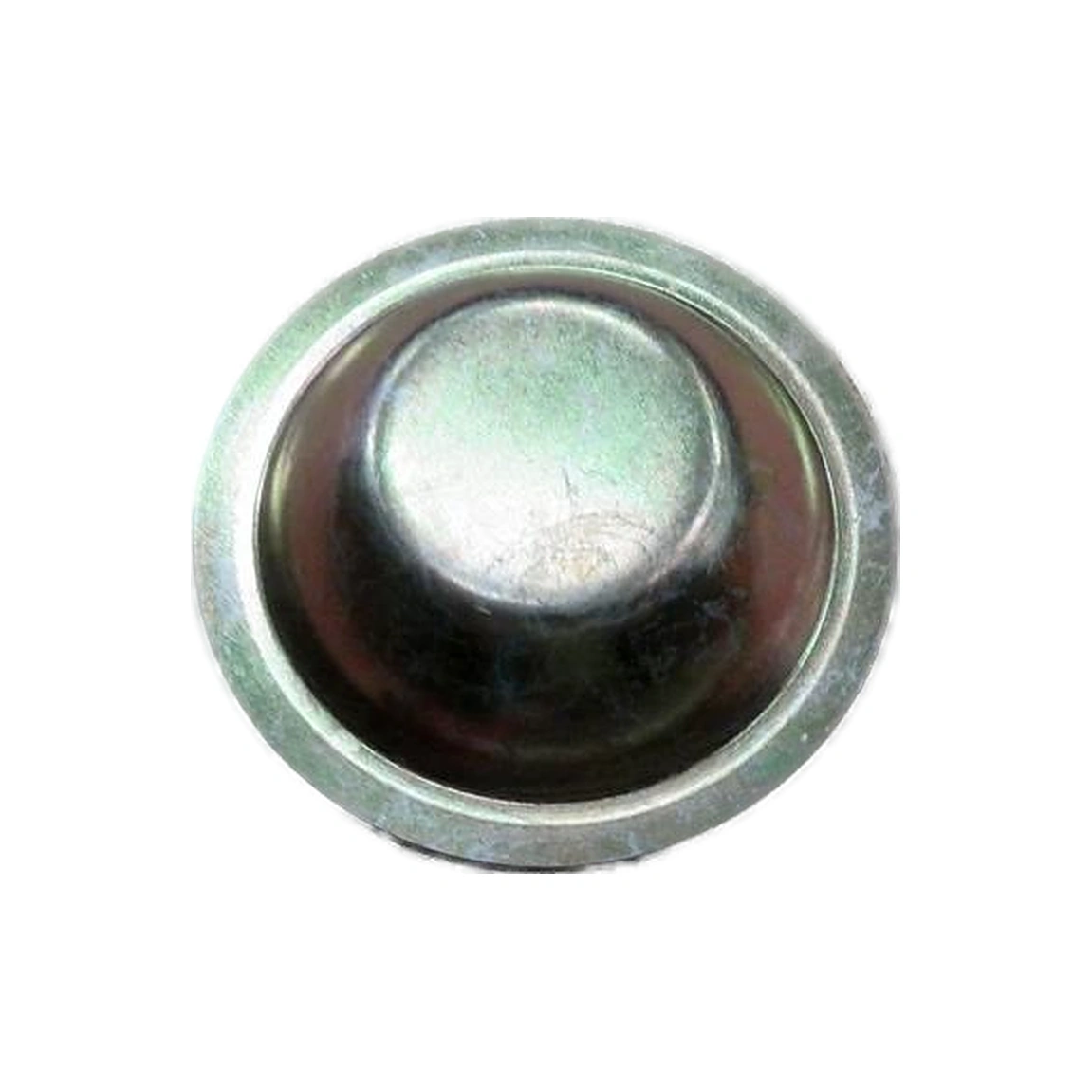
Popular Right Now
scroll for more →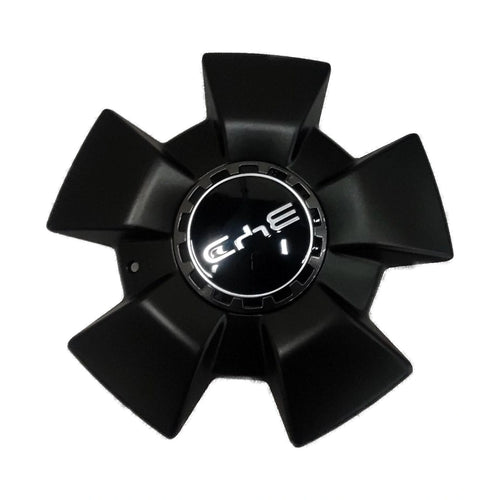
Symptom Finder: What Is Actually Broken?
| What you see or hear | Part to check first |
|---|---|
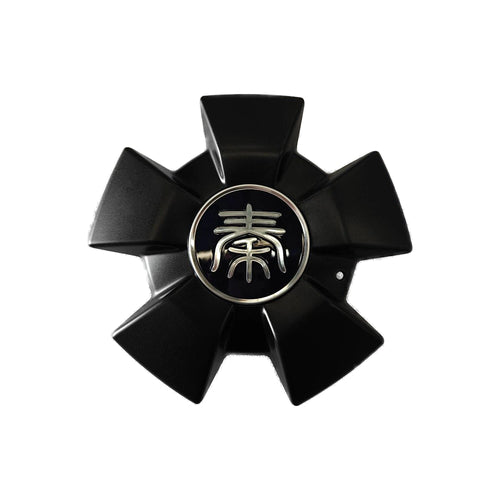
| Centre cap missing after a pothole or a wheel change | Wheel centre cap |
| Cap rattles or sits proud of the wheel face | Wheel centre cap with broken clips |
| Faded, peeling or scratched finish on the cap face | Wheel centre cap in the matching finish |
| Trim cover cracked or lost from a steel wheel | Wheel trim cover |
| Corrosion visible in the exposed wheel centre bore | Hub cap |
| Insert loose in a multi-part wheel face | Wheel trim insert |
About Hub Caps & Centring Rings
A wheel centre cap looks purely decorative and does a small amount of useful work. It closes the centre bore of the wheel, keeping water, grit and salt away from the hub spigot and the exposed end of the hub or driveshaft, which is what stops an alloy wheel corroding onto the hub and becoming almost impossible to remove years later. On steel wheels a full trim cover does the same job across the whole face while also hiding the wheel nuts. Fixings vary more than the parts suggest: some caps clip into the wheel from behind with sprung tabs, some press into the bore from the front, and some are retained by the wheel nuts themselves. Diameter matters as much as appearance, since the same badge design is produced in several sizes for different wheels within one range, and a cap that is a couple of millimetres out will not stay in place.
What to know before buying Hub Caps & Centring Rings parts
Order by the OE number rather than by how the badge looks. Diameter and clip pattern change between wheel designs even when the visible face looks identical. Finishes such as piano black and satin are separate references.
Listings here stay simple. They cover wheel centre caps and centre cap assemblies, hub caps, wheel trim covers and wheel trim inserts. Finish specific versions such as piano black centre caps are listed on their own. These are among the cheapest parts on the site and among the most often lost. A cap prised off with a screwdriver rarely clips back securely, and it departs at the first pothole.
It is worth ordering a full set when one has gone. Finishes weather at different rates, so a single new cap can look obviously newer than its three companions.
Priced entries need nothing beyond a basket. Anything unpriced can be quoted against the same factory number, which is common for individual finishes. BYD group models are covered most fully at present, and further brands arrive as more catalogues load.
Before You Order: 6 Checks
- Measure the outside diameter of the old cap before ordering, since one badge design exists in several sizes.
- Match the finish named on the listing, because piano black, satin and chrome versions are separate references.
- Check the fixing type: some caps clip from behind, some press in from the front, some are held by the wheel nuts.
- Order a full set where the existing caps have weathered, so the finishes match.
- Remove caps with a plastic tool from behind where possible, rather than levering the face.
- Clean corrosion from the wheel bore and apply a smear of anti-seize before refitting.
What Changed and Why
Centre caps have become a design feature rather than a plain cover, with illuminated and self levelling versions appearing on premium models and flat aerodynamic covers spreading on efficiency focused electric vehicles, where the wheel face is designed to keep airflow attached rather than to show the spokes. Finishes have multiplied alongside, so a single wheel design may be catalogued with gloss black, satin and machined variants that share a diameter and nothing else. That makes the part number, rather than the photograph, the only reliable way to order.
Hub Caps & Centring Rings: Frequently Asked Questions
Do centre caps do anything useful?
More than they look capable of. The cap closes the centre bore of the wheel, which keeps water, grit and road salt away from the spigot and the exposed hub or driveshaft end. That matters because an alloy wheel sitting on a corroded steel spigot bonds itself in place, and a wheel that will not come off at the roadside with a puncture is a genuine problem. The cap also keeps spray off the wheel nuts, which makes them easier to undo years later.
How do I know which cap fits my wheel?
Measure the outside diameter of the old cap, or the diameter of the recess in the wheel if the cap is gone, and match that against the listing before considering the badge. Manufacturers produce the same design in several sizes across a wheel range, and a cap that is two millimetres oversize will not seat while one that is undersize will fall out. The OE number resolves it in one step, and it is usually moulded into the back of the old cap.
My cap keeps falling out. What is wrong?
The retaining clips have almost certainly been damaged. Caps are usually held by sprung plastic tabs or a metal spring ring, and prising the cap out from the front, which is how most people remove them, breaks or splays those tabs so the cap never grips properly again. Once that has happened, replacement is the only reliable cure. When fitting the new one, push it home evenly with the heel of your hand rather than tapping one edge.
What is the correct way to remove a centre cap?
From behind wherever the design allows it. With the wheel off the car, most caps push out from the inside with steady thumb pressure or a plastic drift, which leaves the clips intact. Where the cap has to come out from the front, use a plastic trim wedge rather than a screwdriver, work at several points around the circumference rather than levering at one, and protect the wheel face with tape. A screwdriver marks the alloy and bends the clips in one movement.
What is a centring ring and do I need one?
It is a plastic or aluminium ring that fills the gap between a wheel's centre bore and the vehicle's hub spigot, used where an aftermarket wheel has a larger bore than the hub. Its job is to locate the wheel concentrically while the nuts are tightened, which prevents the vibration that an off centre wheel produces. Factory wheels are made to the correct bore and need no ring. If you are fitting wheels from another vehicle, the rings are essential rather than optional.
What do wheel caps and trims cost?
They are among the cheapest parts on the site. Centre caps, trim inserts and hub caps sit right at the bottom of the range, and full wheel trim covers for steel wheels are only slightly above them. The live minimum and maximum are shown in the band at the top of this page. Because they are small and light they are also cheap to ship, which makes ordering a full matching set a reasonable proposition rather than an extravagance.
Should I replace one cap or all four?
Consider the age of the others. Gloss black and machined finishes weather with ultraviolet light and wheel cleaner, so a single new cap alongside three that have spent years on the road frequently looks obviously newer, which is more noticeable than the missing cap was. If the existing caps are recent and undamaged, replacing one is fine. If they are faded or lightly crazed, ordering a set gives a better result for a small extra cost.
Can I use a cap from a different model?
Only if diameter, depth and clip pattern all agree, and the badge is the least important part of that. Manufacturers reuse a badge design across a whole range while changing the cap diameter and the retention arrangement to suit each wheel, so a cap that looks correct in a photograph may sit proud, rock in its recess, or refuse to clip. Match the OE number from the back of the old cap, and use the quote form if it returns nothing.
Why does my alloy wheel stick to the hub?
Galvanic corrosion between the aluminium wheel and the steel hub face, accelerated by water sitting in the centre bore, which is precisely what a missing centre cap allows. The remedy is to clean both mating faces properly when the wheel is off and apply a thin smear of a suitable anti seize compound to the spigot, keeping it away from the stud threads and the seating faces of the nuts. Refitting the centre cap stops the water getting back in.
Are trim covers and centre caps the same thing?
No, and the listings separate them. A wheel trim cover is a full face plastic disc used on steel wheels, covering the whole wheel including the nuts, and it is usually retained by a wire spring ring around its circumference. A centre cap covers only the middle of an alloy wheel. Trim inserts are different again, filling a recess in a multi part wheel face. Check which one the listing describes before ordering, since the diameters are not comparable.
Will a cap fit an aftermarket wheel?
Rarely without adaptation. Aftermarket wheels use their own recess diameters and retention designs, and factory caps are made to the manufacturer's dimensions. Where a wheel came with its own caps, the wheel maker is the source. If you are trying to fit a factory badge to an aftermarket wheel, measure both the recess and the depth carefully before ordering, and accept that a cap that fits loosely will be lost at the first serious pothole.
The cap I need shows no price. Can I still order it?
Yes. Caps and trims exist in a surprising number of finishes for the same wheel, and the rarer colours are the ones that sit without a figure. Give the number moulded into the back of the old cap, since the visible face tells you very little. Order all four together where you can. A single fresh cap next to three weathered ones is more obvious than most people expect, and the difference does not fade out. Centring rings are a different matter: those are sized by bore and hub diameter, so measure rather than guess before asking.