Wheels & Tyres
Shop Wheels & Tyres by Part Type
Popular Right Now
scroll for more →
Symptom Finder: What Is Actually Broken?
| What you see or hear | Part to check first |
|---|---|
| Vibration through the steering at a set speed | Wheel out of balance or buckled |
| Slow deflation with a sound tyre and valve | Alloy wheel corroded at the bead seat |
| Pressure warning with all four tyres correct | Pressure monitoring sensor battery |
| One tyre shoulder wearing far faster | Alignment fault rather than the tyre |
| Wheel nuts working loose after fitting | Nut with the wrong seat shape |
About Wheels & Tyres
Acceleration, braking and cornering all reach the road through four small rubber footprints, which makes this the least forgiving group of parts on the vehicle. A wheel is load bearing hardware that happens to be decorative, and five dimensions decide whether it belongs on your vehicle, and offset causes the most trouble of them because it sets where the tyre sits and how the bearing is loaded. Tyres are defined by size and, just as importantly, by load index and speed rating, which is where heavy vehicles catch people out. Pressure monitoring watches all of it, using sensors inside the wheels or, on simpler systems, comparing wheel rotation speeds to infer that one tyre is losing air.
What to know before buying Wheels & Tyres parts
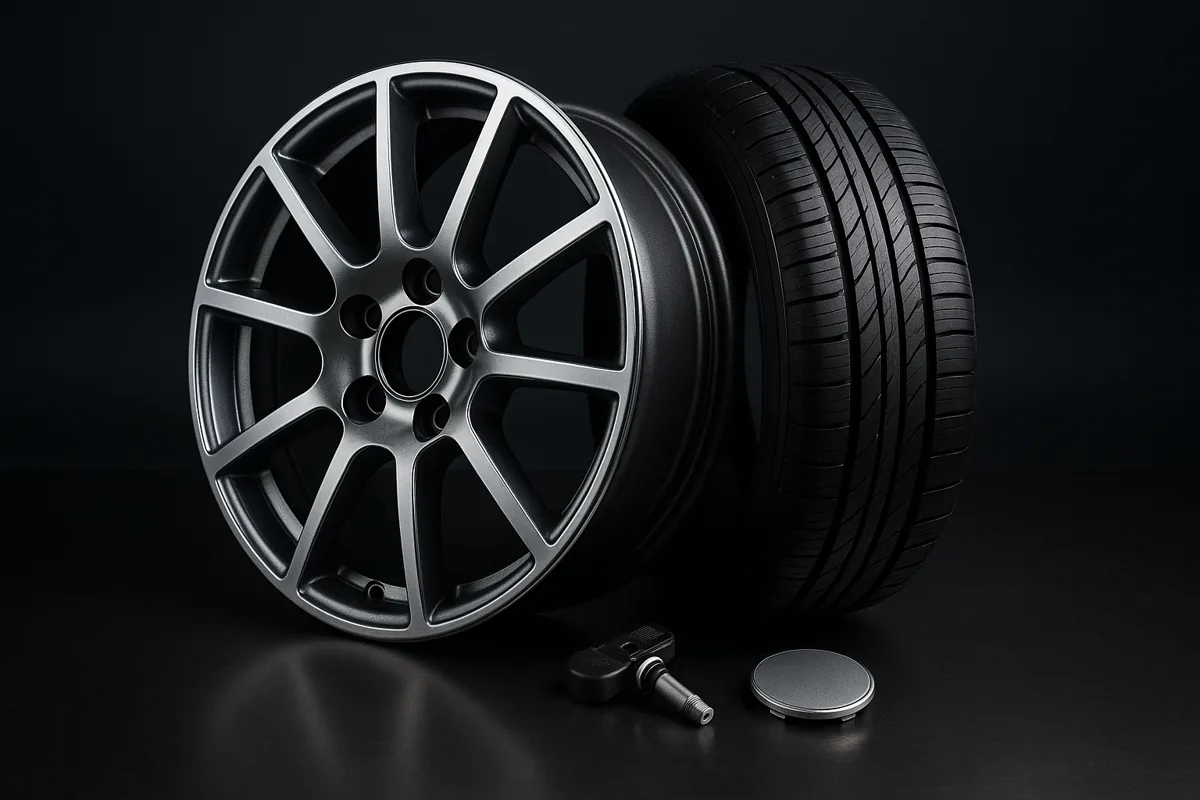
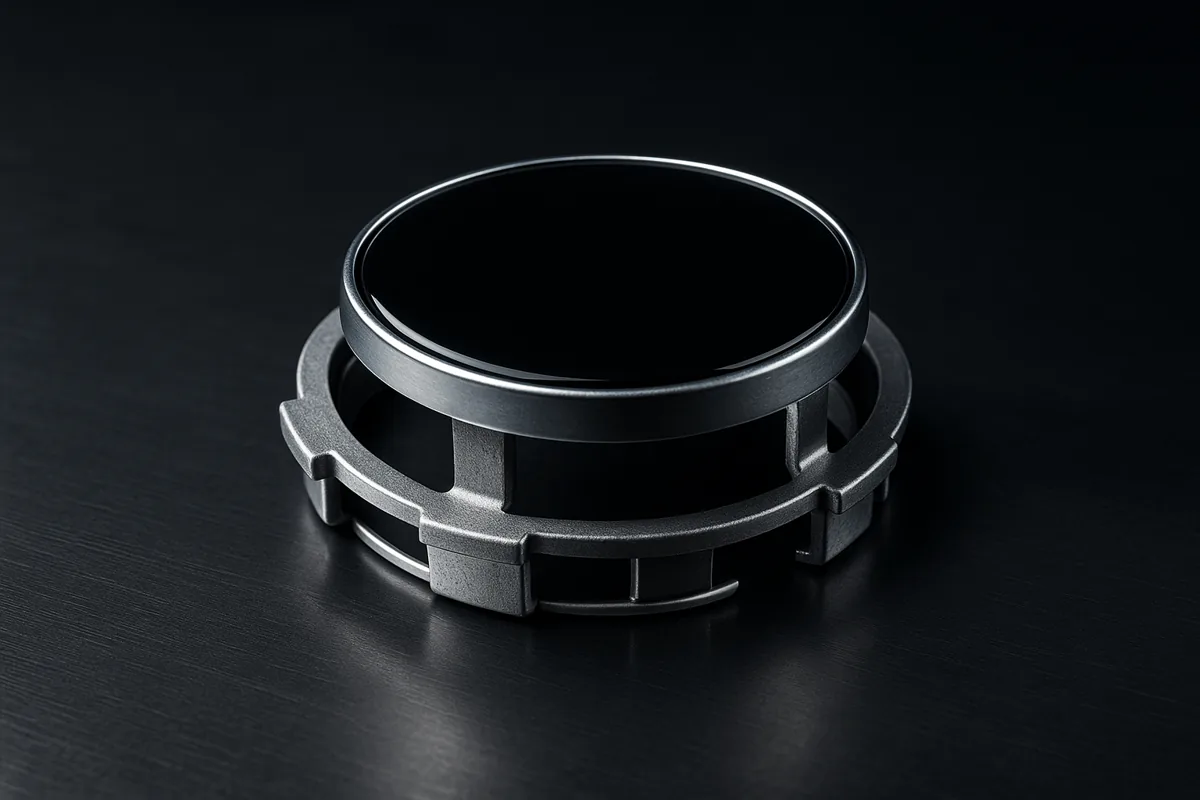
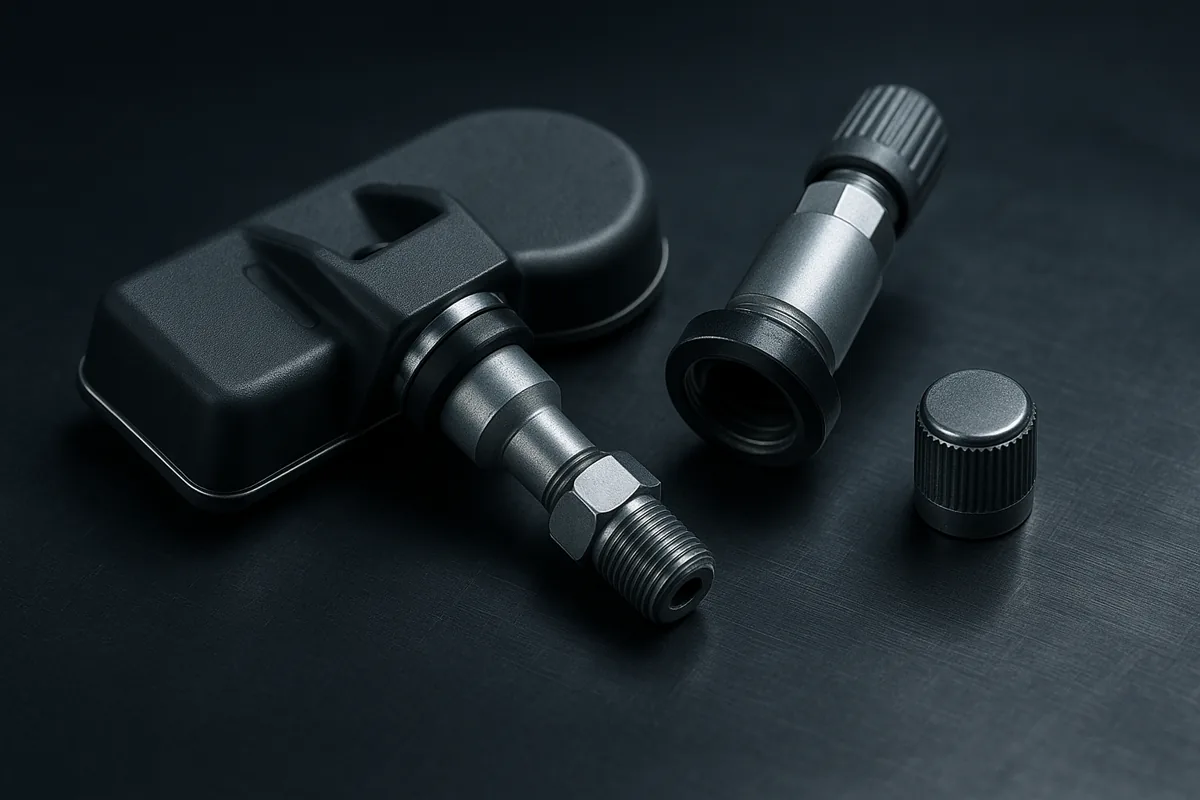
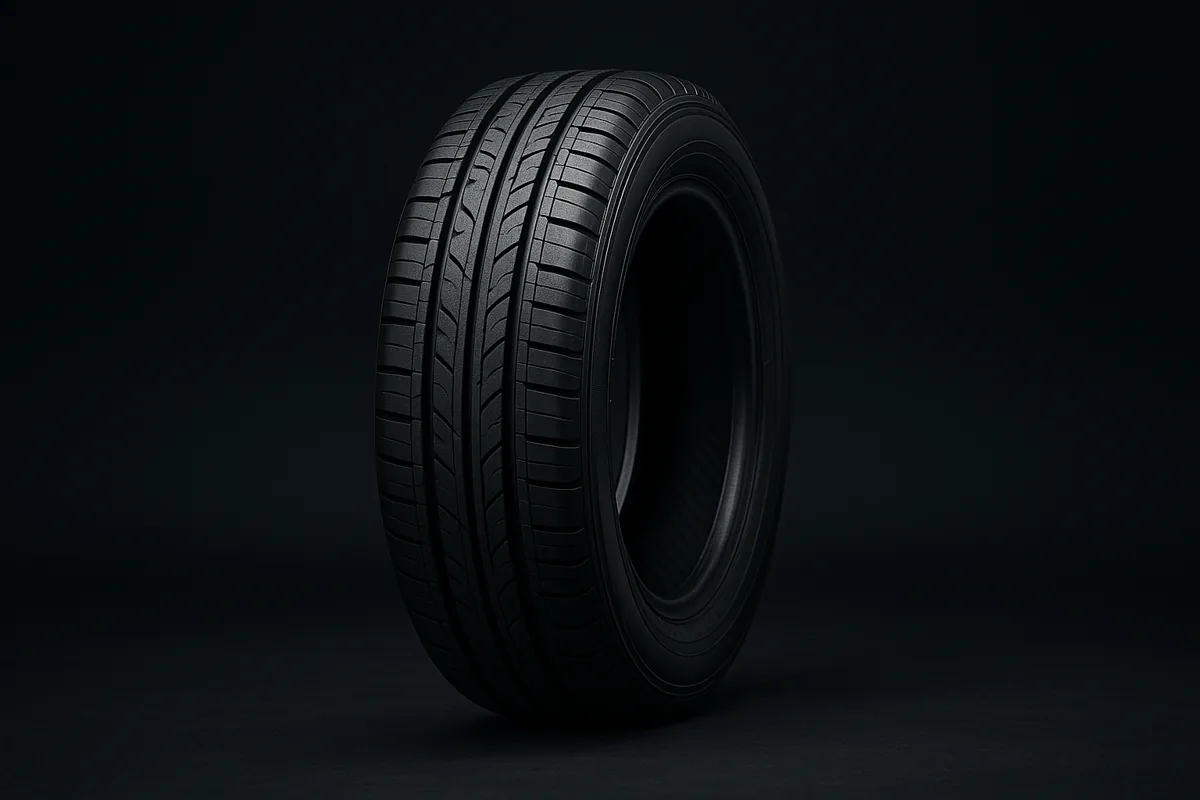
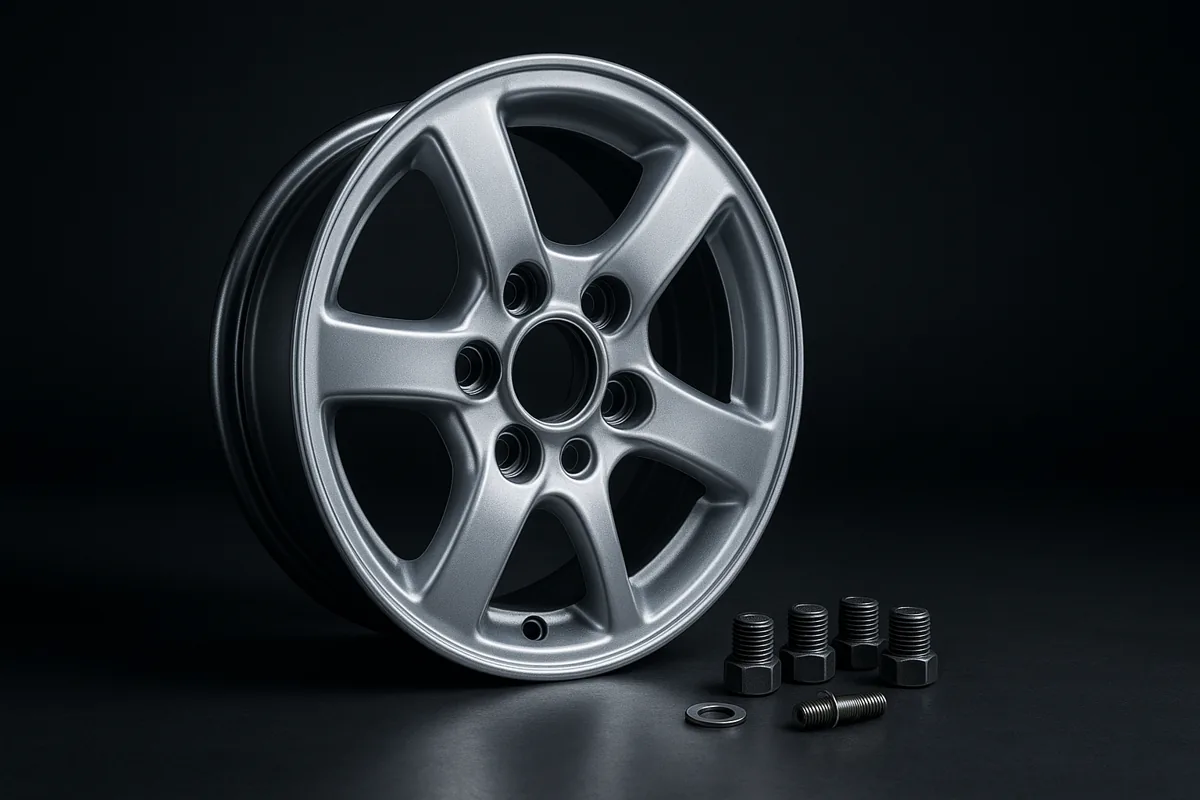
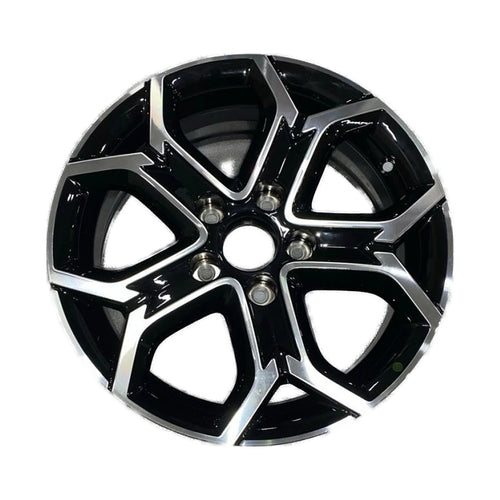
Four child categories cover the group. Wheels and wheel sets holds alloy and steel wheels with their nuts and the spare wheel carrier. Tyres holds radial tyres listed by exact size and rating. TPMS and valves holds pressure monitoring modules and valve hardware. Hub caps and centring rings holds the centre caps, trims and inserts. These finish the wheel and keep water out of the hub bore.
Match tyres to the placard on the door pillar rather than to what is fitted now. Match wheels on all five dimensions. Any sensor change or wheel swap needs a relearn before the system will report correctly.
Before You Order: 5 Checks
- Take tyre size, load index and speed rating from the placard on the door pillar.
- Match wheels on diameter, width, offset, centre bore and bolt pattern rather than diameter alone.
- Check wheel nut seat shape as well as thread pitch.
- Plan a pressure monitoring relearn after any sensor change or wheel position swap.
- Fit tyres in axle pairs and keep the same make and pattern across each axle.
What Changed and Why
Vehicle weight has changed what these parts must do. Battery packs push many vehicles beyond what standard tyre construction supports at normal pressures, which is why reinforced and high load markings appear on placards where they never used to, and why matching the rating rather than only the size has become essential. Wear rates on electric vehicles commonly run twenty to thirty per cent higher because of weight, instant torque and low rolling resistance compounds. Wheel design has turned back towards closed faces and aerodynamic covers, since turbulence around the spokes costs real range.
Wheels & Tyres: Frequently Asked Questions
Why does the load index matter more than it used to?
Because vehicles have got heavier. A battery pack adds several hundred kilogrammes, and many electric vehicles now require reinforced or high load tyre construction to carry that weight at normal inflation pressures, which a standard tyre of the same size cannot do. Fitting the wrong rating overloads the casing, builds heat and risks failure, and in many markets invalidates insurance. Take the load index and speed rating from the placard on the door pillar rather than from what happens to be fitted.
My car vibrates at one particular speed. Wheel or tyre?
A vibration tied to a single speed band almost always comes from something rotating out of true, and the assembly is the place to look. Start at a tyre shop with a balancing machine that also reads runout, because that one visit answers both questions: whether the weights have thrown, and whether the rim or the tyre carcass is out of round. Kerb damage bends a rim in a way that balance weights cannot compensate for. A tyre with a shifted belt shows the same signature. If both check out, move on to hubs, driveshafts and mounts.
Why does my alloy wheel lose air slowly?
Corrosion at the rim flange is the usual answer, and the tyre is often blameless. Aluminium oxidises where it meets the steel bead wire and the road salt, and the powdery layer that forms breaks the airtight contact between rubber and metal, letting pressure fall over days. Winter wheels suffer most. The fix is to break the bead, wire brush the seat back to clean metal, apply a bead sealer and refit. Where pitting has gone deep enough to leave a groove, the wheel is beyond saving. Check the valve stem and core at the same time.
Do I need a relearn after changing wheels?
On any vehicle with direct pressure monitoring, yes. The system needs to know which sensor identity sits at which wheel position, so swapping wheels between corners or fitting a second set requires a relearn, performed with a tool that triggers each sensor, by driving above a set speed for a period, or through a menu depending on the vehicle. Without it the system either reports the wrong corner or refuses to report at all.
Do pressure monitoring sensors wear out?
Their batteries do, and they are sealed so replacement means a new sensor. Life is typically several years, and because sensors fitted at the same time reach the end together, a set often starts failing within a short period of one another. That is why many owners replace the set during a tyre change rather than paying for tyre removal repeatedly. The symptom is a warning lamp with all four pressures correct, which is worth checking with a gauge before ordering.
Where do I find the size and specification of my existing wheel?
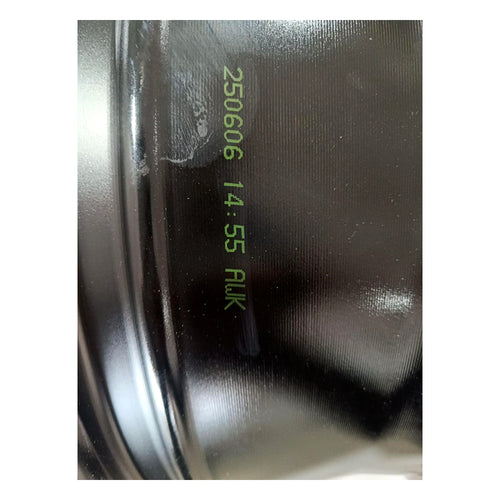
Most alloy wheels have their data cast or stamped on the back of the spokes or inside the barrel. Look for the width and diameter, such as 8Jx19, the offset marked ET followed by a figure in millimetres, and often the part number itself. The bolt pattern and centre bore are rarely marked, so measure them or confirm them from the part number. Take the wheel off and clean the inner face before you read it, because brake dust hides the characters. Once you have the OE number, type it into the search box to find the matching wheel.
Do OE wheels need hub centring rings?
Normally not. A genuine wheel is machined with a centre bore that matches the hub spigot exactly, so the hub centres the wheel and carries its weight while the bolts clamp it. Rings fill the gap when a wheel with a larger bore is fitted, usually one designed for another vehicle. Without that snug fit the wheel is centred only by the bolt seats and can run slightly off centre, which shows up as a steering shimmy at motorway speed. If a ring came off your old wheel, check its markings and the wheel's OE number before ordering a replacement.
Can I reuse my wheel bolts on different wheels?
Only if the seat matches. Wheel bolts clamp through either a tapered seat or a rounded ball seat, and the seat on the bolt must match the seat machined into the wheel. With a mismatch the bolt only touches a thin ring of metal instead of the full face, so clamping force drops and the bolts can work loose. Shank length matters too, because a bolt that is too short grips too few threads. Tighten to the vehicle's specified torque with a torque wrench, never an impact gun, and check again after a short drive. A qualified mechanic can confirm the correct bolt.
Should the valve be replaced when a tyre is changed?
Yes, and on a wheel with a sensor it matters even more. Snap in rubber valves harden and crack with heat, ozone and road salt, and a stem that looked fine can split after the new tyre goes on. Clamp in metal valves on pressure sensors use a nut, grommet, core and cap that are meant to be renewed at every tyre change, because the grommet takes a set and the nut can corrode onto the stem. Always replace like with like. A sensor designed for a metal stem should not be fitted with a rubber one. Check the OE number on the sensor body before ordering a service kit.
Can a tyre with foam inside be repaired after a puncture?
In most cases yes, provided the damage is in the central tread area and the tyre has not been driven flat. Many tyres for quiet vehicles have a band of open cell foam bonded inside the casing to absorb cavity resonance. To repair one properly, the fitter cuts away a section of foam around the damage, inspects the inside, fits a combined plug and patch, and then bonds the foam back. The foam is not a sealant, so it will not stop air escaping on its own. Check the sidewall for markings that show foam or sealant, and tell your tyre fitter before they start work.
Is a self sealing tyre the same as a run flat?
No, and the difference matters when you choose a replacement. A self sealing tyre has a sticky layer on the inside of the tread that closes around a small nail or screw and holds the air in, so the driver may never notice the puncture. A run flat has stiffened sidewalls that carry the vehicle for a limited distance with no pressure at all. Neither helps with a cut in the sidewall. Mixing types on one axle changes the handling, and a vehicle without a spare relies on the right construction being refitted. Read the sidewall marking on the old tyre and match it when you search.
Why do tyres wear faster on a heavy electric vehicle?
Weight and instant torque. A heavier vehicle presses harder on the contact patch, and full torque from a standstill scrubs the tread whenever the driver pulls away briskly, especially on the driven axle. Regenerative braking puts extra load through the same axle. Tyres designed for these vehicles use harder wearing compounds and stiffer construction to cope. Keep pressures at the placard figure, because underinflation speeds up shoulder wear on heavy vehicles, and rotate front to rear where the tyre sizes allow it. When replacing, match the load index and construction printed on the sidewall of the old tyre.
How old is my tyre, and does age matter?
The sidewall carries a date code after the letters DOT, and its last four digits give the week and year of manufacture. Rubber ages whether the tyre is used or not, because the oils that keep it supple migrate out and ozone attacks the surface. Fine cracking in the sidewall or between the tread blocks is the warning sign, and it matters most on spare wheels and on vehicles that sit unused for long periods. Tread depth alone does not tell you everything. If your tyres look cracked or hardened, have a qualified tyre fitter inspect them before a long journey.
My centre caps keep falling out. What causes that?
Usually the retaining clips have lost their grip. Most centre caps push into a recess in the wheel and are held by plastic or metal tangs. These tire with heat from the brakes and at every tyre change, when caps are often levered out carelessly. The cap may also be the wrong diameter for that wheel, since caps look alike across different wheel designs. Measure the recess and check the part number moulded on the back of the old cap. Then enter that OE number in the search box, or send it through the quote form and we reply within 24 hours, usually sooner.