BYD Tang EV Parts
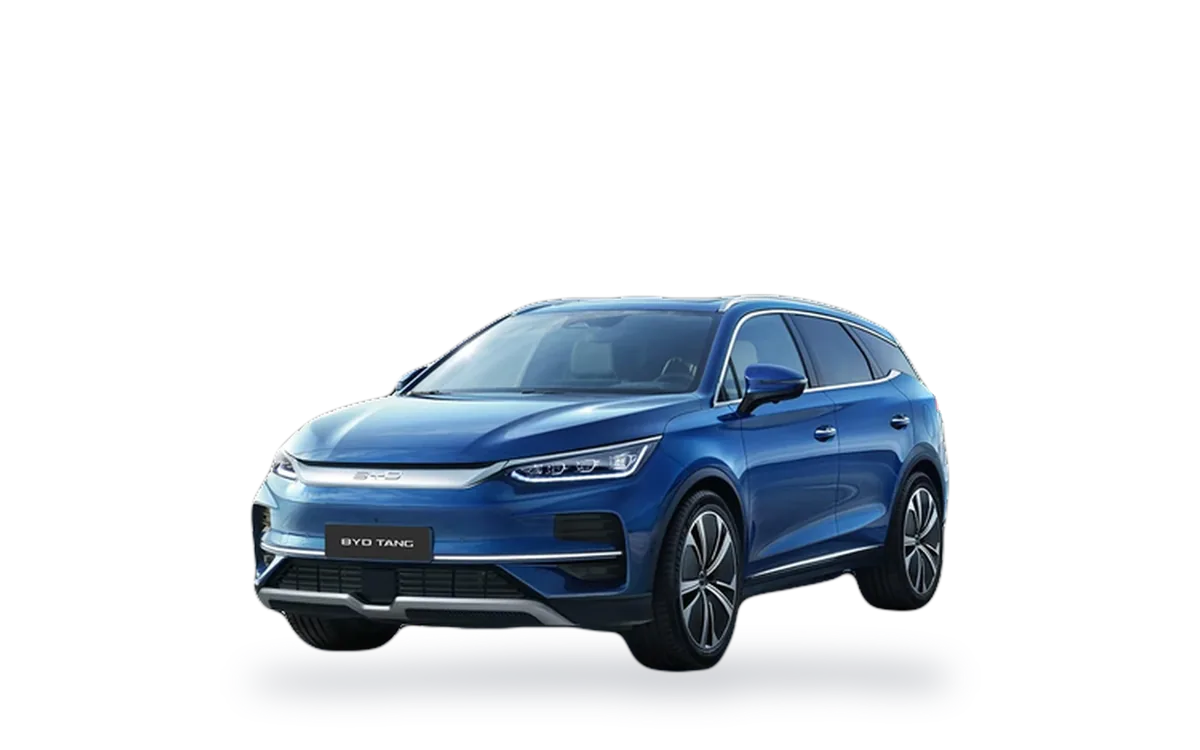
Shop BYD Tang EV Parts by Category
Popular for the BYD Tang EV
scroll for more →
Symptom Finder: Known Weak Points
| What you see or hear | Check first |
|---|---|
| Brake judder, squeal or uneven pedal feel | Pads and discs. Calipers vary by trim, so check the caliper fitted to the car and order pads to suit it by OE number. |
| Coolant warning or a falling coolant level | Hoses, the expansion tank and temperature sensors. The car cools a battery and one or two motors, so trace the leak to its circuit before ordering. |
| Charging will not start or stops early | Inspect the charging socket, its seal and its cover for damage, and try another charging cable, before ordering socket parts by OE number. |
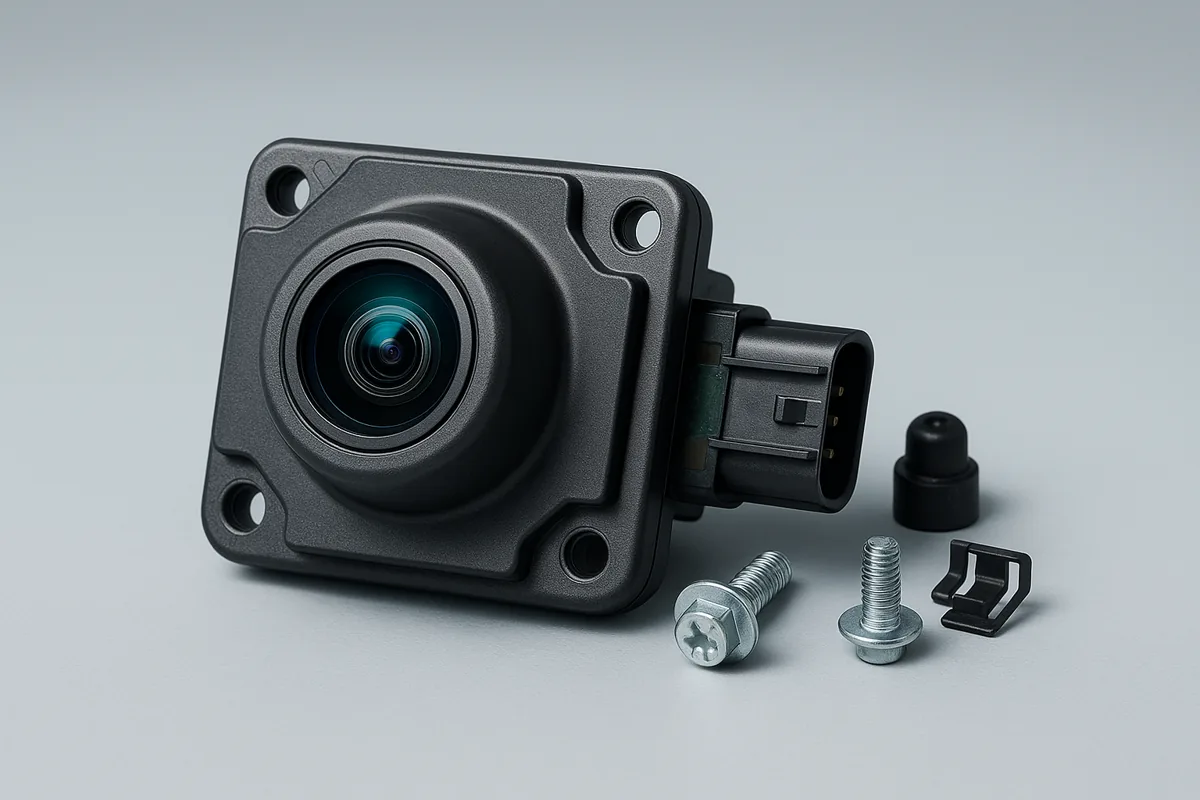
| Parking sensor or driver-assistance warning after a minor knock | The sensors in the bumper and their brackets. Bumpers changed at the April 2022 facelift, so match the bracket and sensor to the front end fitted. |
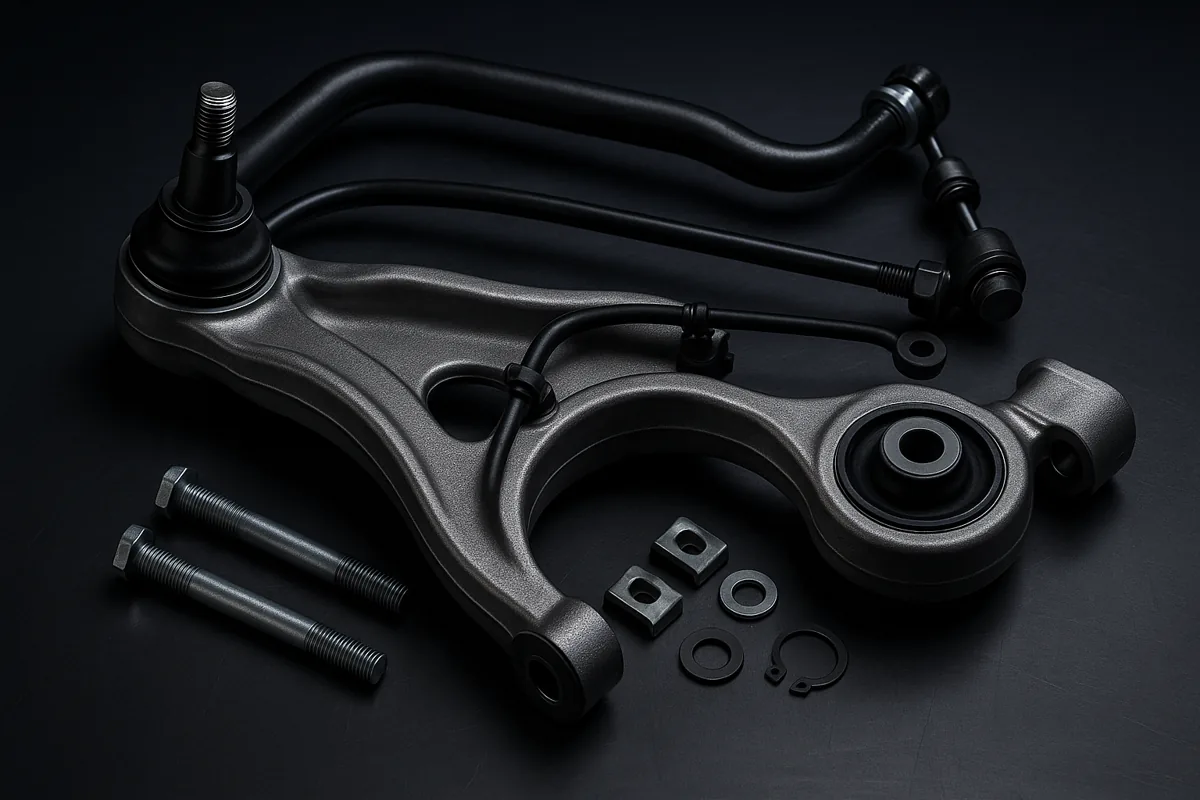
| Knocking from the front over bumps | Anti-roll bar links and suspension bushes, which work hard on a car weighing well over two tonnes. Order by side and by OE number. |
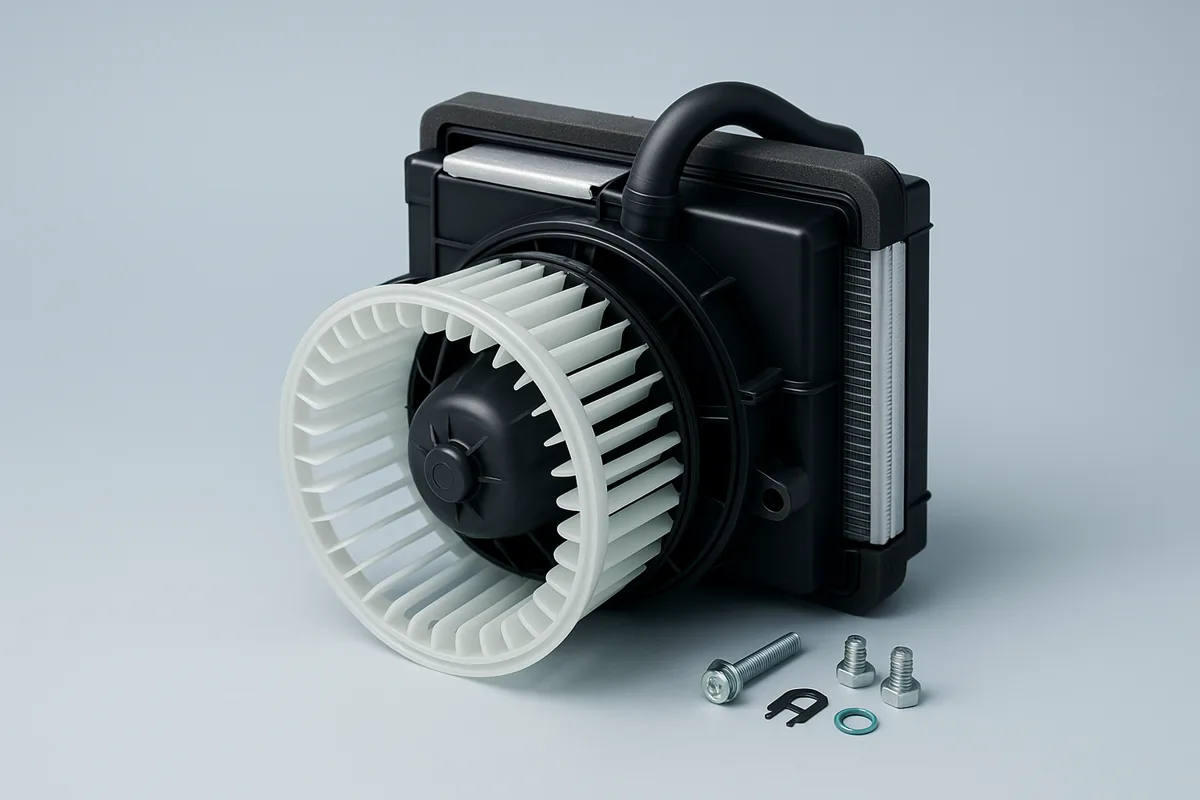
| Windows mist up or cabin airflow is weak | Start with the cabin filter, then the blower. Match the filter by the OE number on the old element. |
Most Replaced Parts on the Tang EV
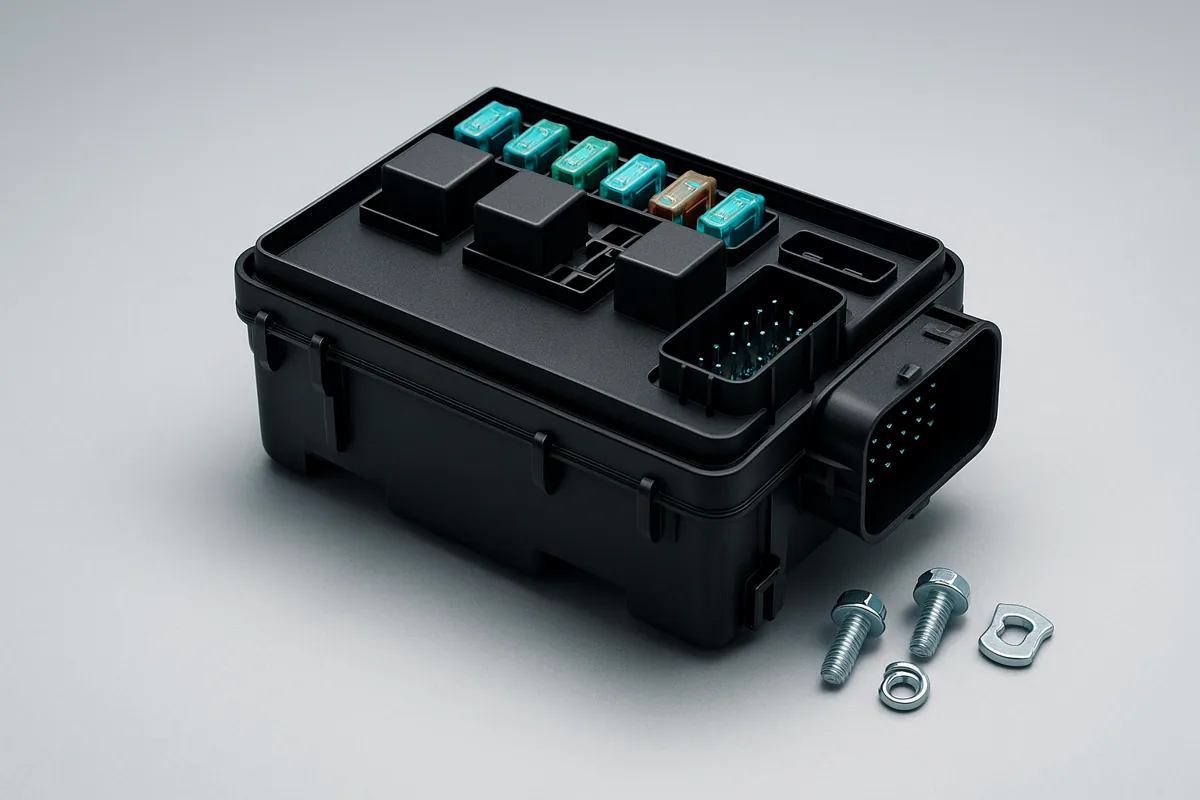
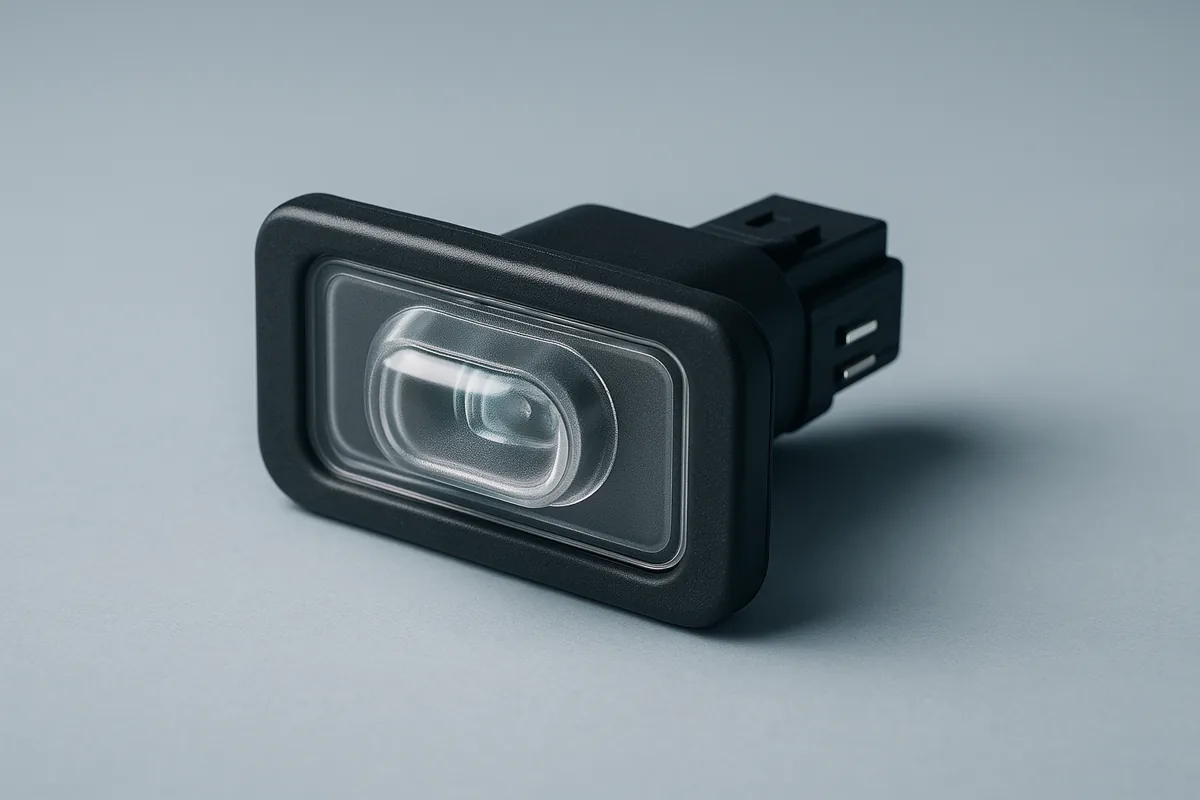
- Switches, relays and fusesThe low-voltage side runs lighting, seats and body controls on a large seven-seat SUV
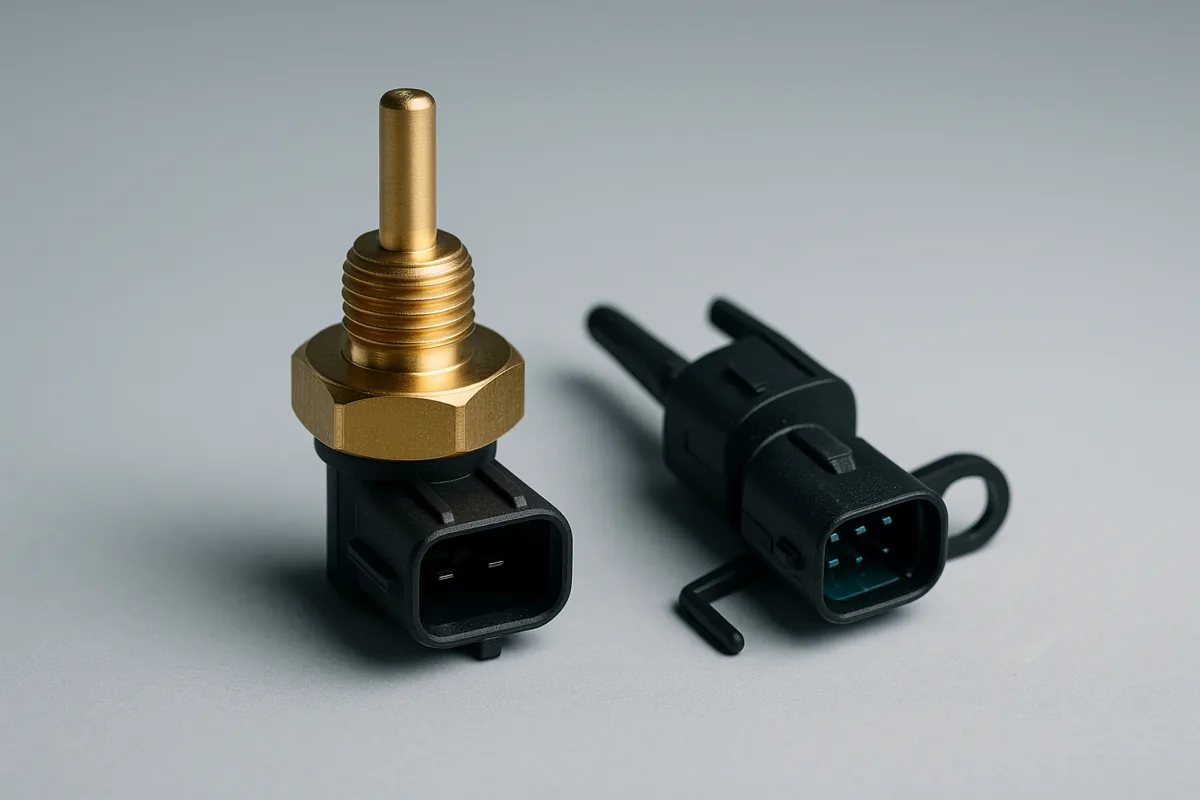
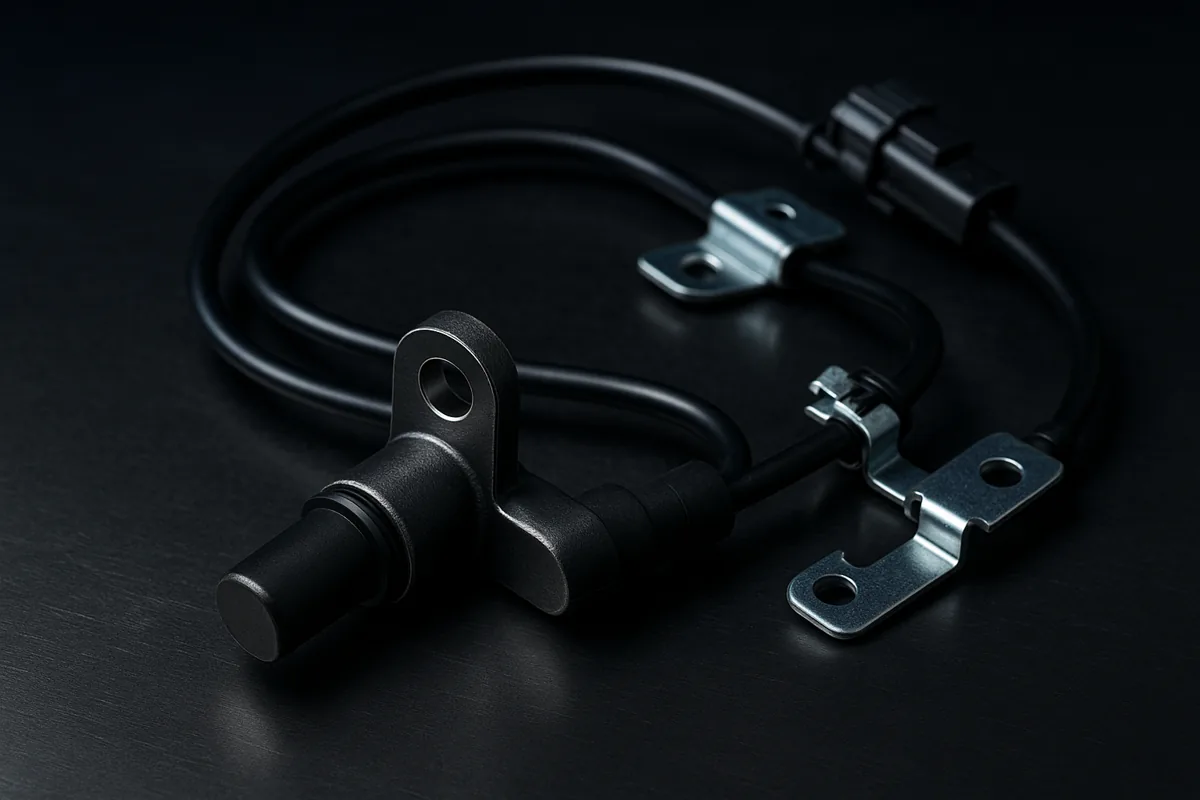
- Temperature, pressure and position sensorsBattery, motor and coolant temperatures are all monitored, so these sensors cover a lot of ground
- Body fasteners, clips and adhesivesTrim and panel hardware, with the front end changed at the April 2022 facelift
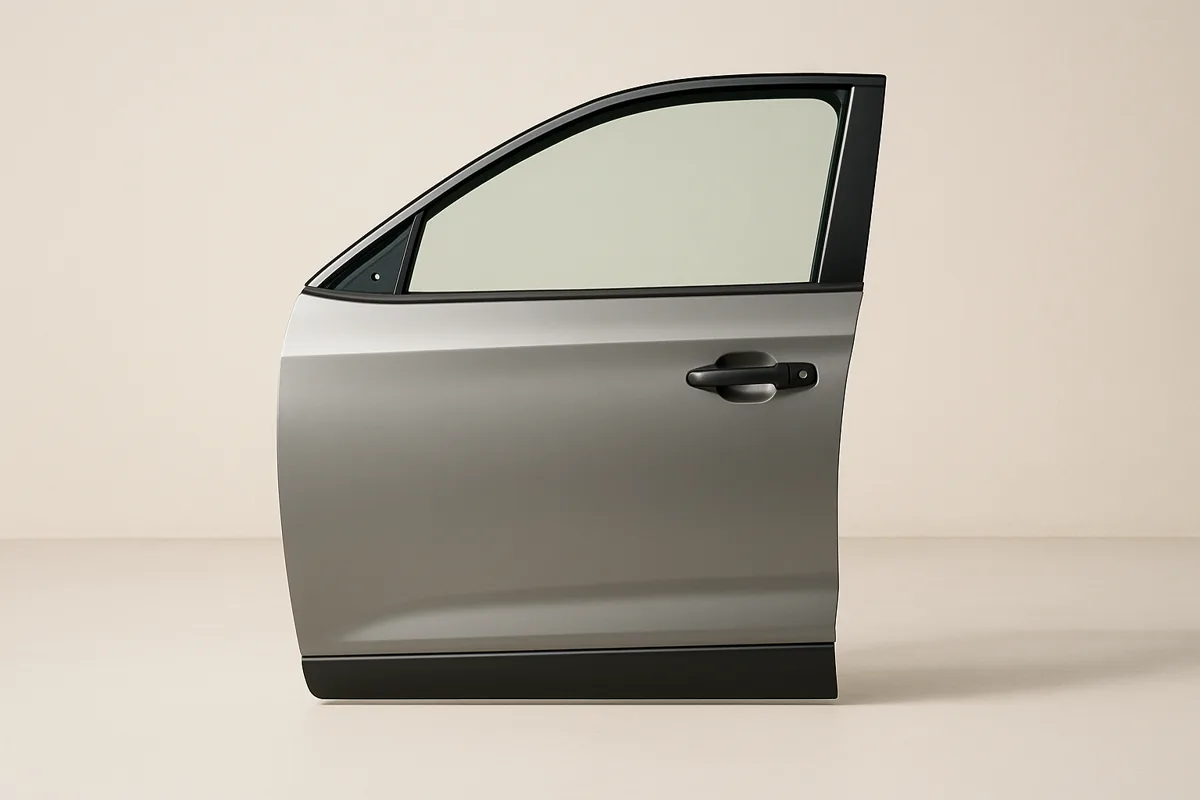
- Door skins, hinges and check strapsFour heavy doors and a tailgate on a family car in daily use
- Cabin filtration and climate hardwareClimate hardware for a large three-row cabin, matched to the car by OE number
About BYD Tang EV Parts
The BYD Tang EV is the fully electric version of the second-generation Tang, a large SUV with seven seats, or six on some later cars. It arrived in March 2019 and was built until 2025 on a 2,820 mm wheelbase. Single-motor cars drive the front wheels. Dual-motor cars add a rear motor for all-wheel drive, with 360 kW combined from two 180 kW motors on the 2019 to 2020 EV600D and 380 kW from the 2021 model year, when the rear motor grew to 200 kW. There is no engine, so the car needs no oil filter, spark plugs or exhaust sensors. Its parts needs centre on the battery and its cooling, the drive motors, the brakes and suspension of a heavy three-row SUV, the cabin climate hardware and the low-voltage electrics. The Tang EV shares its body with the Tang plug-in hybrids, but its drive and battery hardware is its own. Every part on this page is listed by its OE number, and matching the number on your old part is the surest way to confirm it fits.
What to know before buying BYD Tang EV parts
Start by making sure the car is a Tang EV. It shares its body with the Tang DM and Tang DM-i plug-in hybrids, and from the side the cars look much the same. The quickest check is the fuel filler. The Tang EV has none, and there is no engine under the bonnet. Body panels and glass may carry the same OE numbers across the three cars. The battery, drive motors, cooling circuits and underbody hardware of the Tang EV are its own, so never carry those across because the bodywork matches.
Next, work out which half of the run the car belongs to. The facelift was first shown on 1 April 2022, pre-sales opened later in April, and it officially went on sale in China on 1 June 2022. It brought the Dragon Face front end with sharper headlights and grew the body from 4,870 mm to 4,900 mm. The 2,820 mm wheelbase, 1,950 mm width and 1,725 mm height did not change, so the extra length sits at the ends of the car. Bumpers, grilles and headlights differ between the two, and the front end is the fastest way to tell them apart.
The battery changed more often than the body. The car launched with an 82.8 kWh ternary lithium pack. It moved to an 86.4 kWh Blade lithium iron phosphate pack for the 2021 model year and took 90.3 kWh or 108.8 kWh Blade packs with the facelift. Pack, mounting, cooling and charging parts follow those dates, so read the build date on the identification plate first.
Several things vary from car to car within the same year. Some cars have one motor and others have two, and the rear drive unit, its shafts and its cooling are only fitted to dual-motor cars. Tyres were fitted in 255/50 R20 across the run, in a 22-inch size as an option on early all-wheel-drive cars, and in 265/45 R21 on higher facelift trims. Read the sidewall rather than going by the year. Brake calipers also vary by trim. From June 2022 the car could have six seats instead of seven, which changes the second-row seats and trim.
Finally, be careful with names. Outside China the Tang has also been sold as the Sealion 8. BYD also now sells newer, separate large SUVs such as the Tang L, the Sealion 08 and the Da Tang EV. None of those is this car, so match every part by the OE number on the old one.
Before You Order: 6 Checks
- Look at the front end to tell an early car from the facelift. The Dragon Face front and the 4,900 mm body arrived with the facelift, shown in April 2022 and on sale from June 2022, so order bumpers, grilles and headlights to match.
- Match the OE number on the part you are replacing to the OE number on the listing before you order.
- Read the build date on the identification plate before ordering battery, pack mounting or cooling parts. The pack changed from 82.8 kWh to 86.4 kWh, and then to 90.3 or 108.8 kWh.
- Read the tyre size on the sidewall before ordering tyres or rims, since 20, 21 and 22-inch wheels were all fitted.
- Check whether the car has a rear drive motor before ordering drive, cooling or rear axle parts.
- Order painted panels by the colour code on the car rather than by colour name.
Generations and Facelifts
The Tang EV belongs to the second-generation BYD Tang, which was shown at Auto China in April 2018 and first sold as a plug-in hybrid. The electric version followed in March 2019 in two versions. The EV600 had front-wheel drive and a 180 kW motor, and the EV600D added a rear motor for all-wheel drive. Both used an 82.8 kWh ternary lithium pack. The standard tyre size was 255/50 R20, with 22-inch wheels offered on the all-wheel-drive car.
For the 2021 model year BYD fitted its Blade lithium iron phosphate battery at 86.4 kWh. Any pack, mounting or battery cooling part therefore depends on which side of that change the car was built. In 2021 the plug-in hybrid sibling moved to BYD's DM-i system and kept sharing the Tang EV's body.
The facelift was first shown on 1 April 2022, pre-sales opened later in April, and it officially went on sale in China on 1 June 2022. It brought the Dragon Face front end, a body 30 mm longer at 4,900 mm on the same wheelbase, and Blade packs of 90.3 kWh and 108.8 kWh. It was offered with a single front motor of 168 kW with the 90.3 kWh pack or 180 kW with the 108.8 kWh pack, or as a 380 kW dual-motor car, with a new six-seat option and 265/45 R21 tyres on higher trims.
Outside China it has also been sold in Europe from 2021.
Production of the Tang EV ended in 2025. Later BYD SUVs such as the Tang L and the Da Tang EV, launched in June 2026, are separate models, and their parts should not be assumed to fit. Before ordering battery, charging or front-end parts, read the build date on the identification plate.
BYD Tang EV Parts: Frequently Asked Questions
How do I make sure a part fits my BYD Tang EV?
Match the OE number. Every part on this site is listed under the OE number printed on the original part, and if the number on the part you are replacing matches the listing, the part fits. That check matters on the Tang EV because it was built for six years with several battery sizes, two front-end designs and a choice of one or two motors, so the model name alone is not enough. If the old part is missing or its number cannot be read, send a photo through the quote form and we will reply within 24 hours, usually sooner.
How can I tell an early Tang EV from the facelift?
Look at the front. The facelift, first shown on 1 April 2022, brought BYD's Dragon Face front end with sharper headlights and a new bumper, and it grew the body from 4,870 mm to 4,900 mm. The wheelbase stayed at 2,820 mm, and the width and height did not change, so the difference is at the ends of the car rather than between the wheels. Bumpers, grilles and headlights therefore differ between the two. If the front end has been replaced, read the build date on the identification plate, then confirm each part by OE number.
Which battery does my Tang EV have?
It depends on when the car was built. Cars from the March 2019 launch used an 82.8 kWh ternary lithium pack. For the 2021 model year BYD moved to its Blade lithium iron phosphate battery at 86.4 kWh. The April 2022 facelift brought 90.3 kWh and 108.8 kWh Blade packs. Packs, mounts and cooling lines are matched to the pack fitted rather than to the badge, so read the build date on the identification plate and order by the OE number on the old part.
What tyre sizes does the Tang EV use?
Several sizes were fitted. 255/50 R20 was the standard size on both the early cars and the facelift. Early all-wheel-drive cars could be ordered with 22-inch wheels, and higher facelift trims run 265/45 R21. The size follows the trim and options chosen for each car rather than the model year alone, so read the size on the sidewall of the tyres already fitted before you order. Match rims the same way, by the size and the OE number on the wheel you are replacing.
Do Tang DM or Tang DM-i parts fit the Tang EV?
Some will and many will not. The Tang EV shares its body with the Tang plug-in hybrids, first the Tang DM and later the Tang DM-i, so body panels, glass and some cabin trim may carry the same part numbers. The battery, drive motors, cooling circuits, underbody and much of the chassis are specific to the electric car, and the hybrids add an engine with all its own parts. Do not assume a part fits because the cars look alike. Compare the OE number on your old part with the listing before you order.
Is my Tang EV single-motor or dual-motor, and does it matter?
It matters for anything in the drivetrain. Single-motor cars drive the front wheels only. The early EV600 produced 180 kW. After the facelift there were two single-motor versions, 168 kW with the 90.3 kWh pack and 180 kW with the 108.8 kWh pack. Dual-motor cars add a rear motor, with 360 kW combined on the 2019 to 2020 EV600D and 380 kW from the 2021 model year. A dual-motor car has a rear drive unit, rear drive shafts and extra cooling and wiring, and none of these exist on a single-motor car. Look under the rear of the car for the drive unit and shafts, then order drive and cooling parts by OE number.
Does a Tang EV need an oil filter or spark plugs?
No. The Tang EV has no engine, so it needs no engine oil, oil filter, spark plugs or exhaust sensors. That is the main difference from the Tang DM and DM-i plug-in hybrids that share its body. The parts a Tang EV gets through in normal use are brake pads and discs, tyres, wiper blades, the cabin filter, coolant for the battery and motor circuits, and parts for the low-voltage electrics. If you look after several Tangs, confirm which version is in front of you before ordering service parts.
What brakes does the Tang EV use?
Every Tang EV has disc brakes front and rear, but the calipers are not the same across the range. Higher trims were built with Brembo front calipers, so the model name does not tell you which caliper is fitted. Look at the caliper on the car and note any maker's name cast into it, then read the OE number on the old part. Order discs, calipers and pads as a matched set for the car in front of you, and match the pads to the caliper actually fitted.
How much did the Tang EV change during its production run?
It changed several times, so the build date matters. The car launched in March 2019 with an 82.8 kWh ternary lithium pack. For the 2021 model year it moved to an 86.4 kWh Blade lithium iron phosphate pack. The facelift that went on sale in June 2022 brought the Dragon Face front end, a body 30 mm longer, 90.3 kWh and 108.8 kWh Blade packs and a new six-seat option. Production ended in 2025. Read the build date on the identification plate, then match each part by OE number.
Are the Sealion 8, Tang L and Da Tang the same car as the Tang EV?
Not necessarily. Outside China the Tang has also been sold as the Sealion 8, so a car with that badge may take Tang parts. BYD also sells newer, separate large SUVs, including the Tang L, the Sealion 08 unveiled in April 2026 and the Da Tang EV launched in June 2026 on a 3,130 mm wheelbase. These are different cars with different dimensions, so do not assume their parts fit a Tang EV. Whatever the badge says, check the OE number on the old part before you order.
What should I check before towing with a Tang EV?
Check the towing and roof load ratings for the car itself, since ratings may differ between cars sold in different markets. If you are fitting or repairing a tow bar, the bracket, wiring and socket must suit the car, so order each part by the OE number on the old one. If no tow bar is fitted yet, send the car's details through the quote form and we will reply within 24 hours, usually sooner.
Is the Tang EV always a seven-seater?
No. Most Tang EVs have seven seats in three rows. The facelift that went on sale in June 2022 added a six-seat version with two captain's chairs in the second row, and both layouts stayed on sale. Second-row seats, their mechanisms and the trim around them differ between the two, so count the seats before you order anything for the cabin behind the front row. Then match each seat part and trim piece by the OE number on the part you are replacing, and quote the trim colour where it applies.
Safety Recalls Affecting This Model
If you have been told this model is subject to a recall, check the source names an actual UK or European notice against this car's model code, not against the Tang DM-i or the first-generation Tang. A recall on the DM-i does not carry across, since the rear brake, subframe and pack split the two cars even though they share the same bodyshell. If the notice names a 2015 to 2017 car, it is not this one either.