Body & Exterior
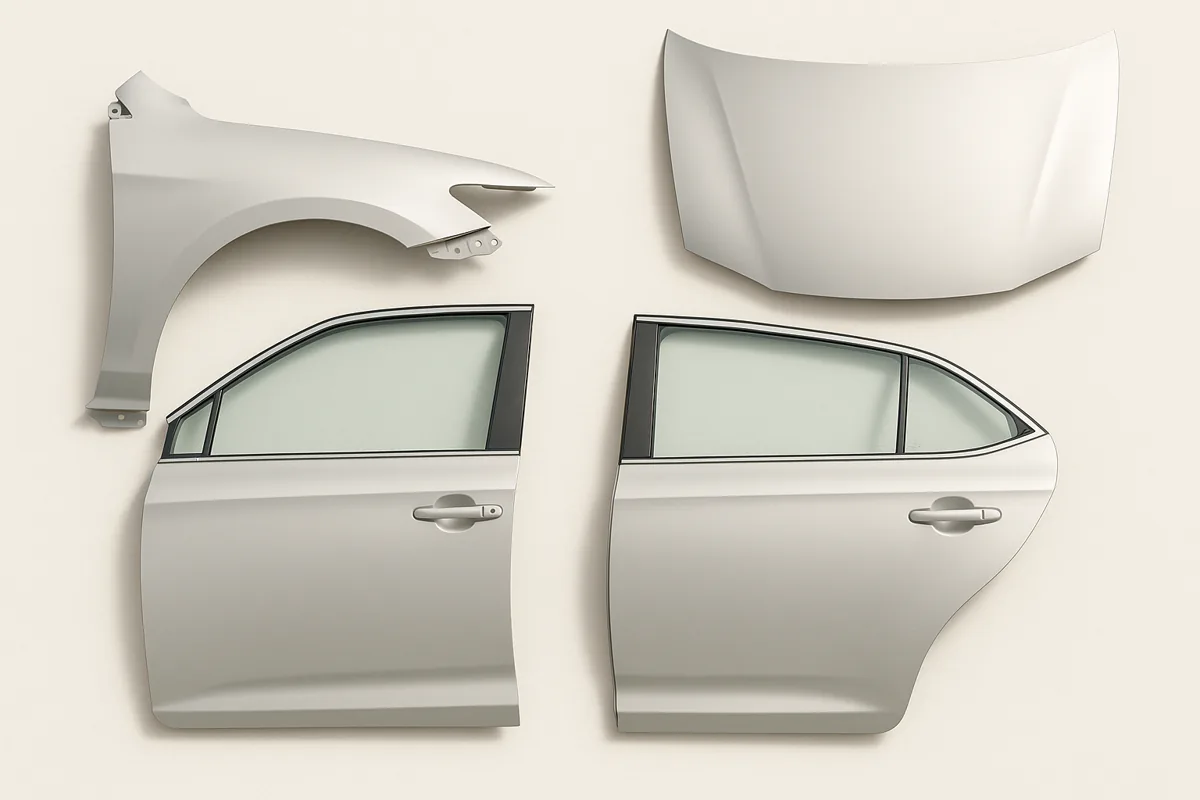
Shop Body & Exterior by Part Type
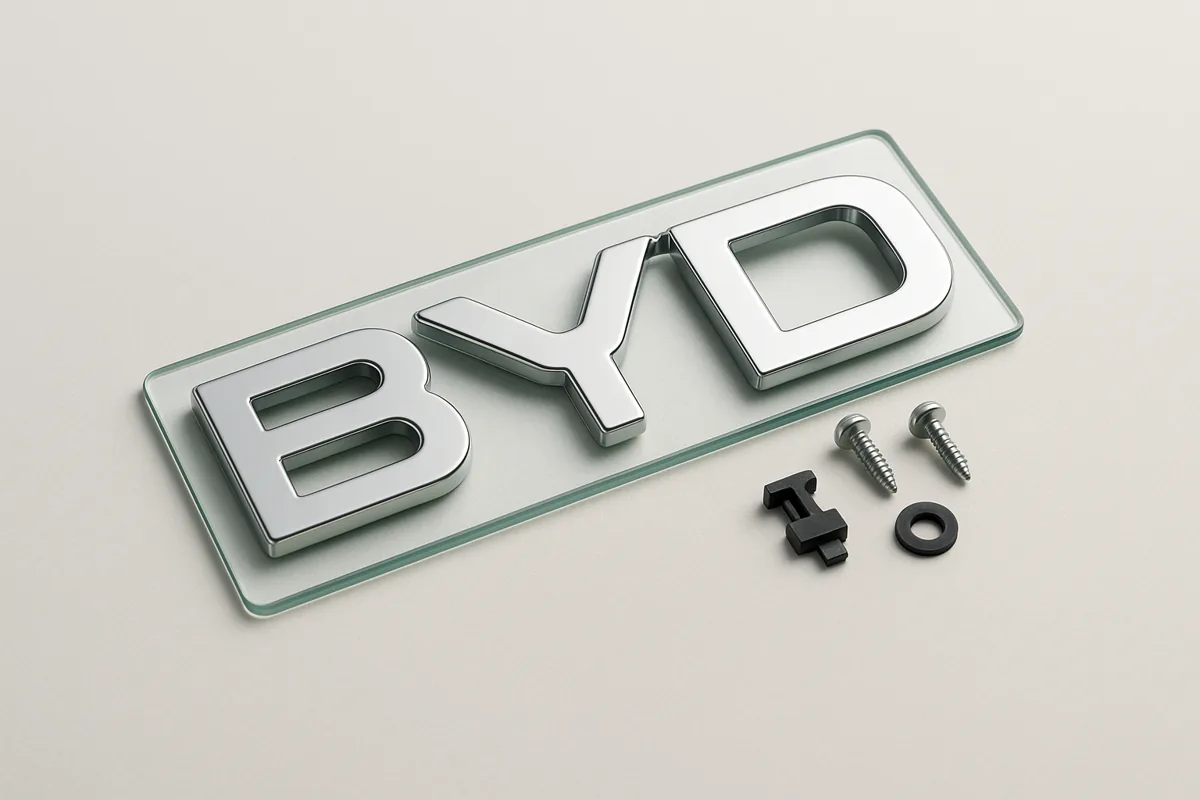
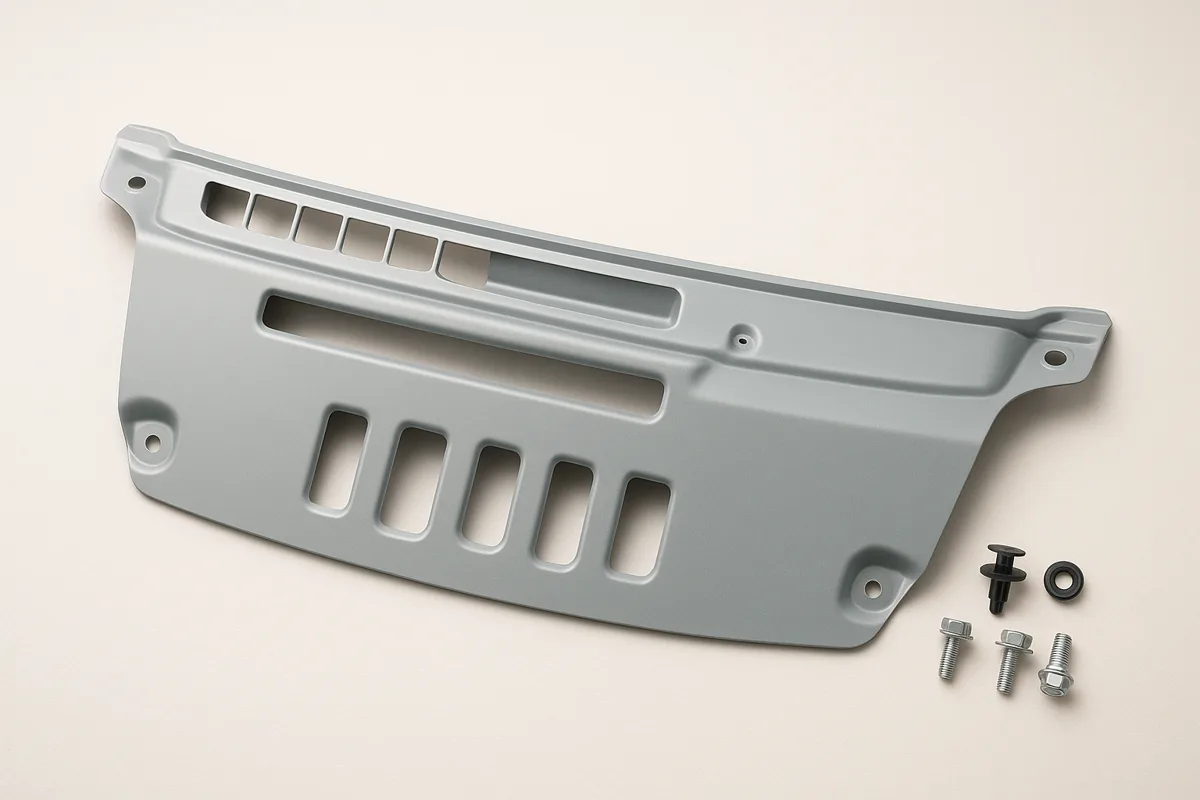
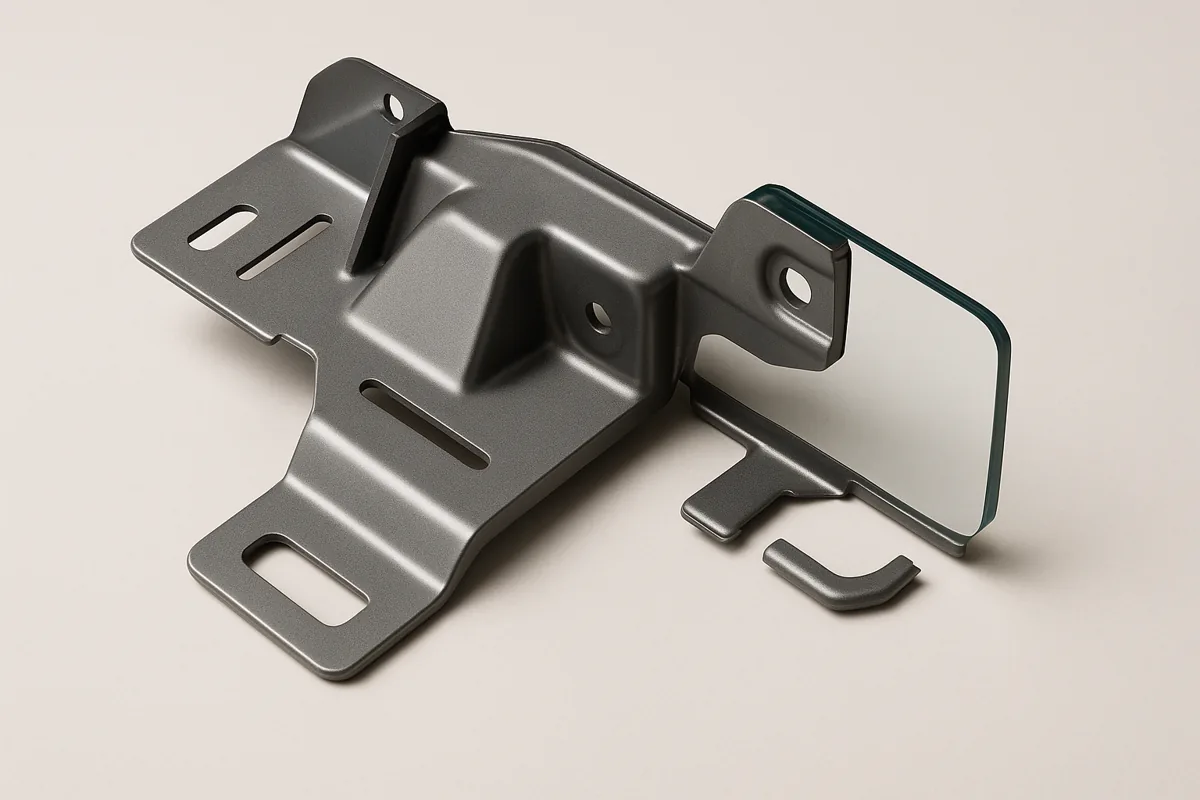
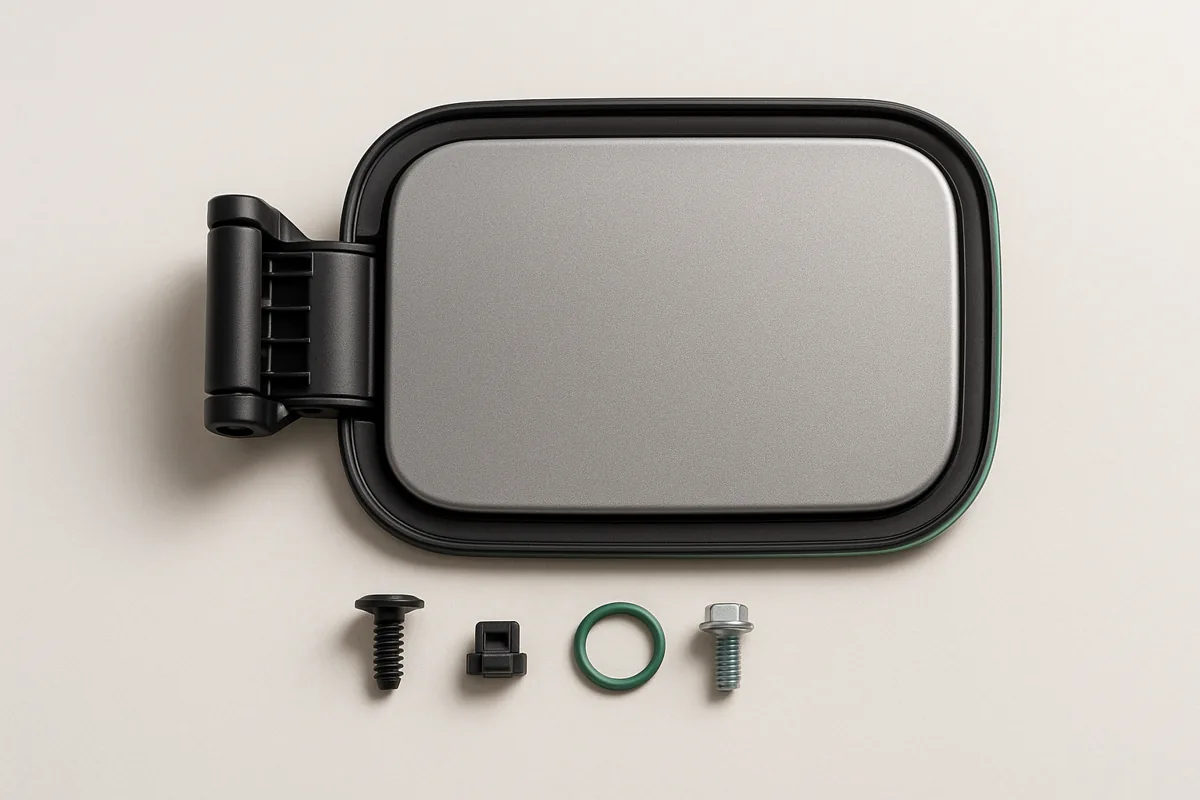
Popular Right Now
scroll for more →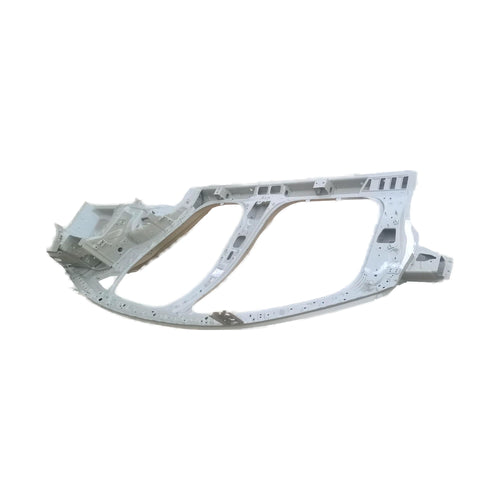
Symptom Finder: What Is Actually Broken?
| What you see or hear | Part to check first |
|---|---|
| Corner of a bumper sagging or sitting proud | Bumper bracket or clip set |
| Door dropping when opened | Door hinge |
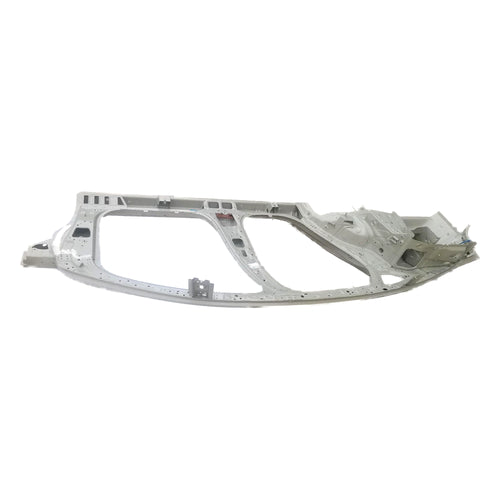
| Uneven panel gaps after an impact | Structural section requiring measurement |
| Rattle from a wheel arch at speed | Arch liner or splash shield |
| Flap or latch refusing to release | Actuator or latch assembly |
About Body & Exterior
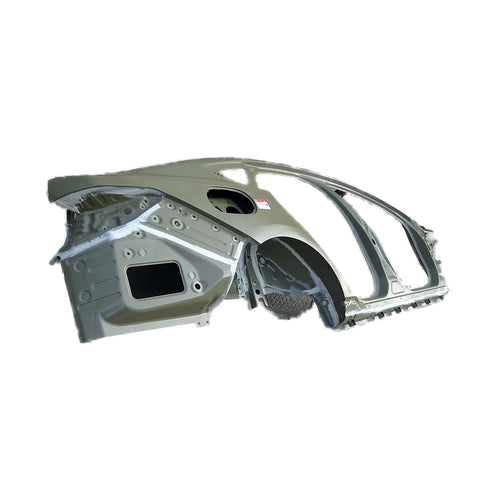
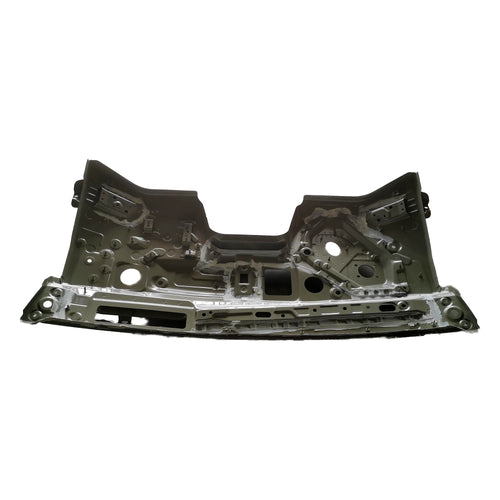
The exterior of a vehicle is three things at once, and confusing them leads to expensive ordering mistakes. There is the structure, meaning rails, sills, cross members and the shell they form, which carries crash loads in a designed sequence and is welded rather than bolted. There is the bolt on layer, meaning wings, bonnets, doors, tailgates and bumper assemblies, which can be unbolted and painted and which absorbs most low speed damage. And there is the detail layer of trims, badges, arch liners and mirrors, which is where the majority of orders actually come from because those parts break first and cost least. Modern construction complicates the first group, since hot formed steels cannot be heated or straightened and are replaced at published sectioning points instead.
What to know before buying Body & Exterior parts
Match every exterior part by OE number. Facelifts changed panel profiles and fittings mid generation without changing the silhouette. Option content also decides which connectors appear on mirrors, handles and lamps.
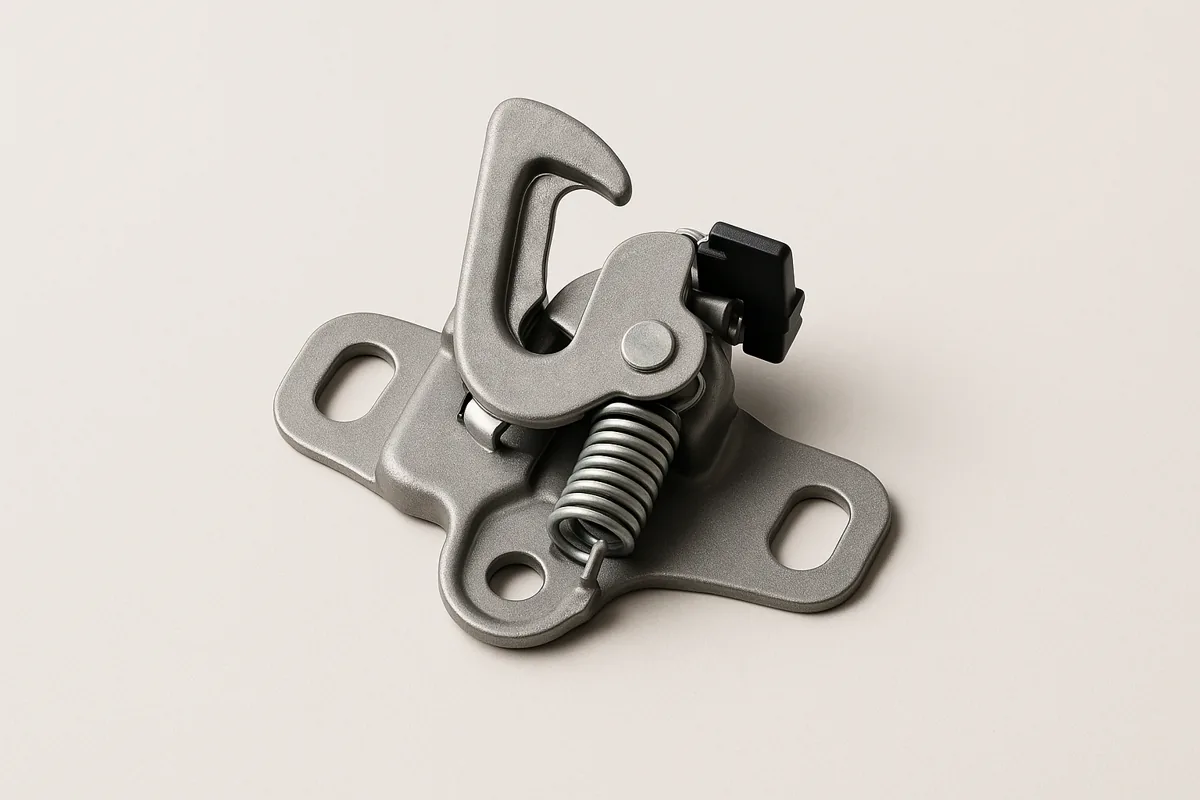
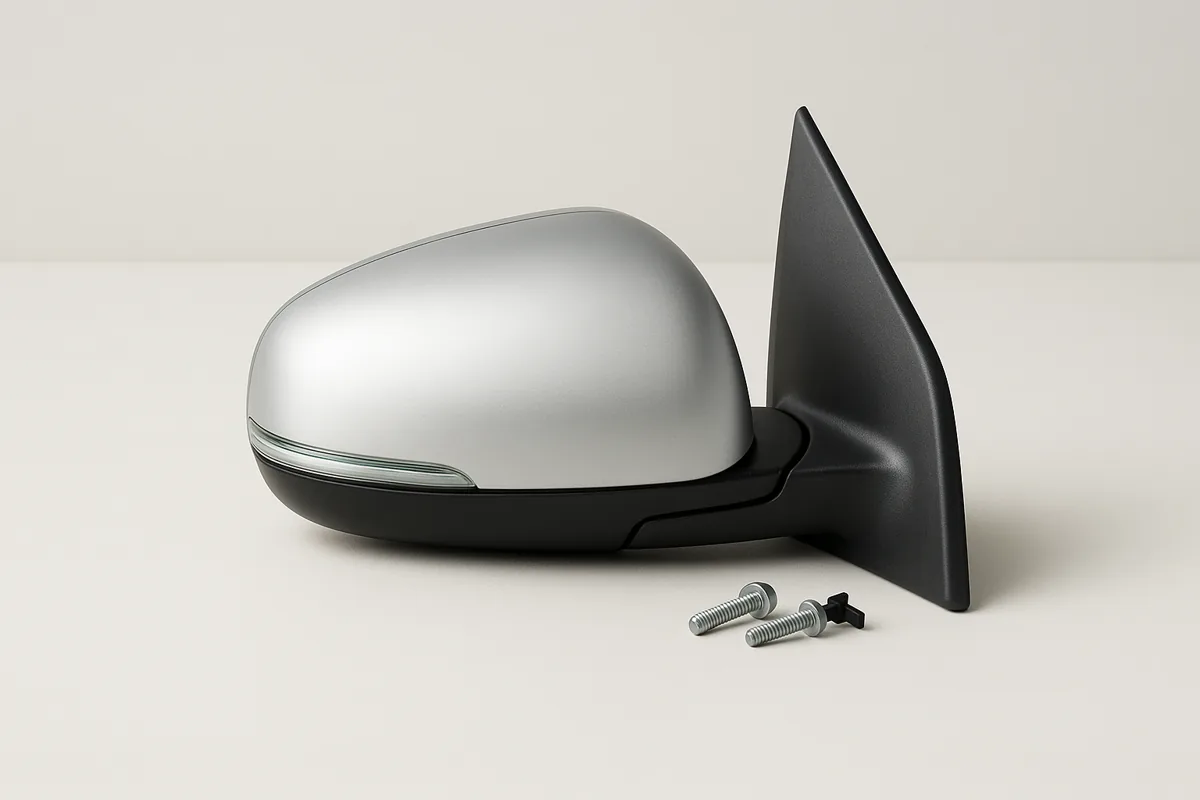
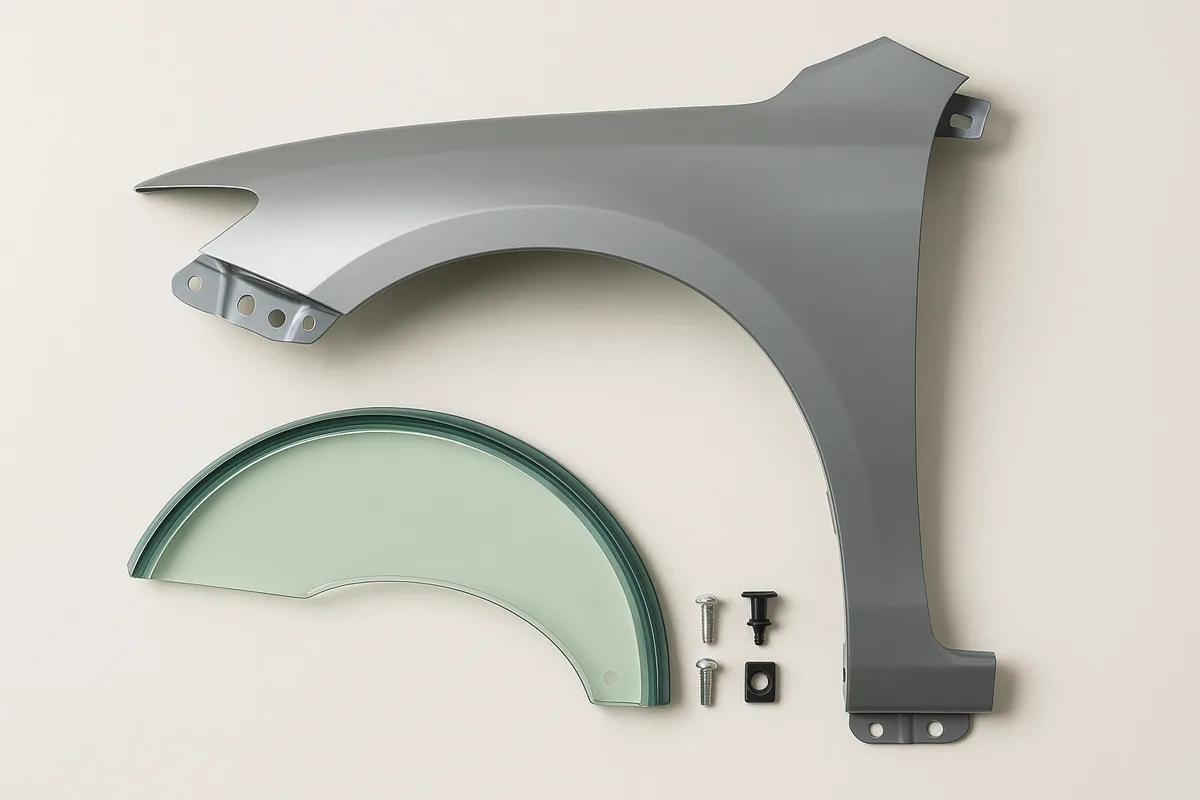
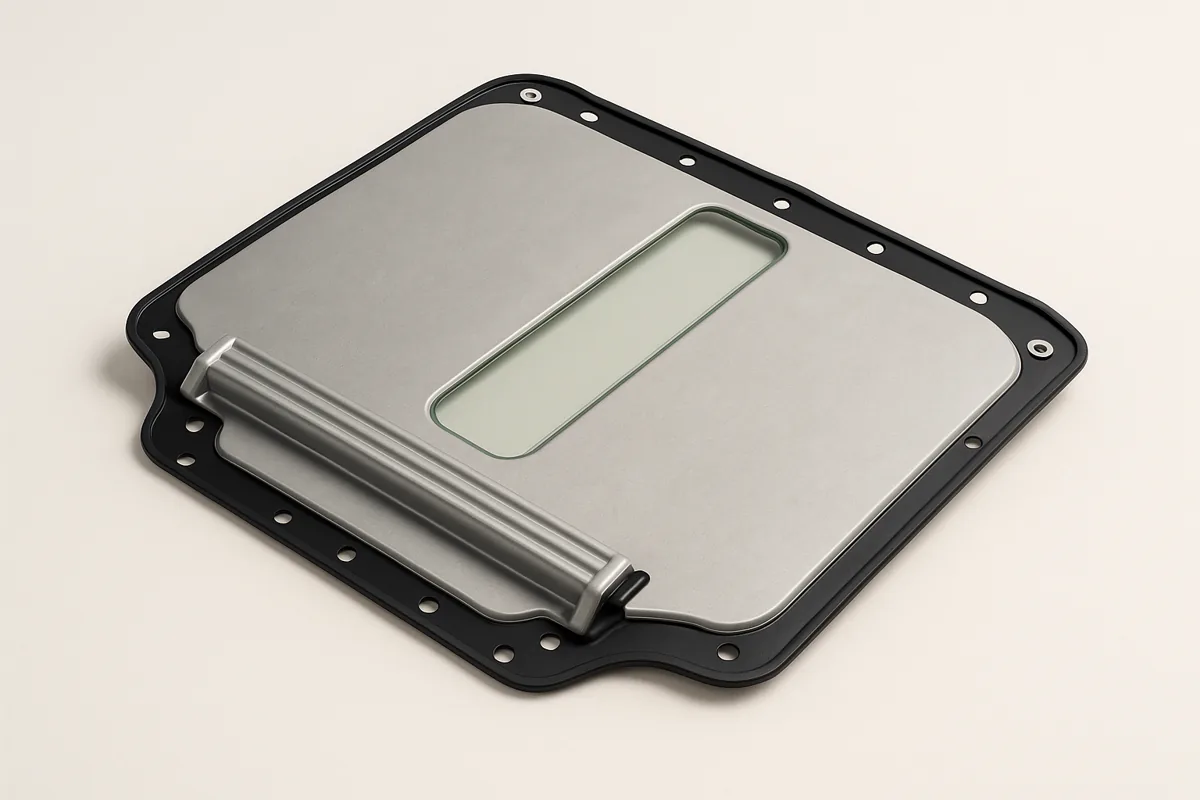
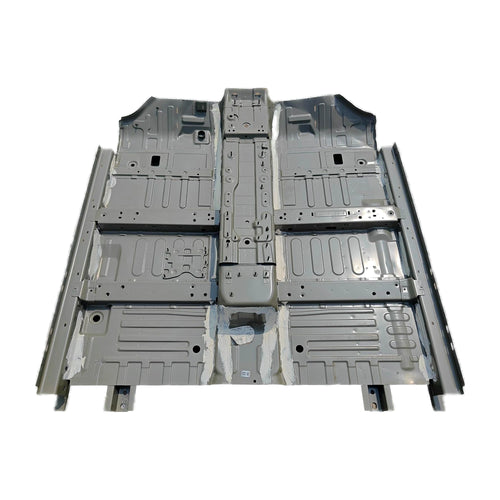
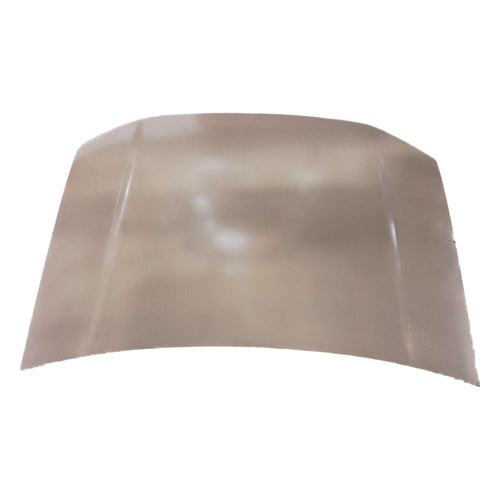
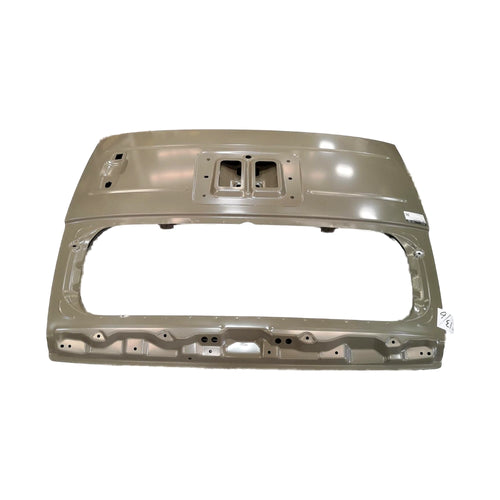
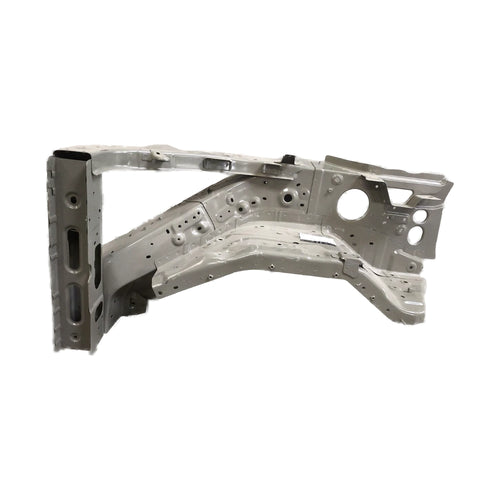
Eleven child categories divide the exterior along the lines a repair actually follows. Bumpers and trim, fenders, hoods and lids, doors and components, and body panels and structure cover the panels themselves. Frame and subframe covers the welded skeleton. Mirrors, badges, locks and latches, mud flaps and arch trim, charge port door and underbody battery guard cover the fittings around them.
You can order any priced listing straight away. Where no price is shown, ask for a quote. Our cover is strongest across the BYD group.
Before You Order: 5 Checks
- Establish whether the part is bolt on or welded before ordering, since the two are entirely different jobs.
- Match the OE number, because facelifts changed profiles without changing the outline.
- Have the shell measured after any impact hard enough to move a panel gap.
- Expect panels to arrive primed and to need painting to the colour code on the vehicle plate.
- Order clips and fasteners with every panel, since the originals rarely survive removal.
What Changed and Why
Body construction has become mixed material, with hot formed boron steel in sills, pillars and cross members that cannot be heated or straightened, and aluminium spreading into bonnets, tailgates and front lower arms for weight reasons. Manufacturers now publish sectioning points and joining methods per panel, and insurers audit repairs against them. Battery electric platforms add a further constraint, since the pack forms part of the floor structure and sill repairs sit directly against high voltage components, which changes how a routine side impact repair is planned.
Body & Exterior: Frequently Asked Questions
How do I know whether my damage is structural?
Look at how the car goes together and how it drives, rather than at the dent. Panel gaps that have changed, a bonnet that no longer sits level, a door that needs a shove to latch, a car that tracks straight with the wheel off centre, or new wind noise at speed are all signals that something behind the skin has moved. Tyre wear that appears within a few hundred miles is another. Confirmation comes from a jig measurement against factory control points, and that measurement should happen before a single panel is ordered.
Which category do I need for a rattle at the front of the car?
Work outward from the cheapest possibility. A rattle over bumps at low speed is most often bumper brackets or clips, listed under bumpers and trim. A flapping noise at speed is usually an arch liner or a splash shield, under mud flaps and arch trim. A tinny rattle from the engine bay that changes with speed is a heat shield, listed under interior insulation. All three are inexpensive parts, and all three are frequently misdiagnosed as something structural.
Do exterior panels arrive painted?
They arrive primed, in grey undercoat ready for paint, which is standard practice across the industry because paint plants match colour codes far more precisely than a warehouse holding stock in every shade could. Take the code from your vehicle identification plate to a body shop and budget for blending into the adjacent panels. Textured black parts such as arch trims, lower valances, tow hook covers and most arch liners are supplied to be fitted exactly as delivered.
Why does the OE number matter so much on body parts?
Because facelifts changed panel profiles, lamp shapes and mounting points mid generation without changing anything visible in a listing photograph, and because option content determines the connectors on mirrors, handles and lamps. Two cars of the same model and year can take different bumper covers, different mirrors and different door handles. Reading the number from the old part, or having it pulled from the vehicle identification number, removes the guesswork that produces most returns in this group.
Can I fit exterior parts myself?
Many of them, yes. Bumper covers, arch liners, mirrors, badges, trims and light units are within reach with trim tools, patience and a set of new clips. Doors, wings and tailgates are heavier and need careful alignment, and anything welded belongs in a body shop with measuring equipment. The practical dividing line is whether the part bolts or clips on: if it does, it is a home job with paint as the only likely obstacle, and if it is welded, it is not.
Why won't my charge port door open, and do I need the whole assembly?
Most stuck flaps come down to the small locking actuator behind the door, which pushes a pin in and out when the car locks and unlocks. Cold and moisture make it seize, and a worn motor stops moving. Before ordering, try locking and unlocking the car a few times while pressing on the door, and check for an emergency release pull behind the trim. If the actuator has failed, the hinge, spring or housing is cracked, or the door no longer springs open, read the OE number from the old parts and search for them, since some cars list the actuator separately and others only as a full assembly.
My underbody battery guard is scraped. Does it need replacing?
The guard is a sacrificial layer that takes stone strikes and grounding so the sealed battery casing behind it does not. Light scuffing is normal and harmless. Replace it when it is cracked, split or sagging, when a section scrapes or flaps at speed, or when fixing points have torn out, because a loose guard traps water and debris against the pack. A hard impact is a different matter: dents or deep gouges in the metal casing need inspection by a qualified high voltage technician before anything else. For the guard itself, take the OE number from the old panel and enter it in the search box.
Can I replace just the mirror glass, or do I need the whole mirror?
If the housing is intact and the motor still moves the mirror, the glass alone is usually enough. It clips onto a backing plate on the motor and can be levered off once it has been warmed. Check the back of the old glass first: two small terminals mean it is heated, and a thicker, tinted glass with extra wiring usually means auto dimming. Fitting a plain glass in place of either loses that function. A cracked housing, a failed fold motor or a broken indicator lens points to the complete unit or that individual component. Read the OE number from the old part and search for that item.
My flush door handle will not pop out. Which part has failed?
A deploying handle has a small motor or solenoid, a microswitch or touch sensor, and a gearing link that pushes the handle outward. Ice, a failed motor, corroded switch contacts or a snapped plastic or cast gear are the usual causes, and a fault on one door with the others working points to that handle rather than the car's electronics. Handles are usually listed as a complete module because the internals are rarely serviced separately. Know where the manual release inside the car is before you need it. Match the OE number on the old module, as handles differ by door position and keyless entry specification.
Will my parking sensors and radar transfer to a new bumper cover?
Usually yes, but the cover has to be the right variant. Sensor holes, radar windows and camera apertures are moulded or cut at the factory to suit the option pack, so a cover for a car without sensors will not accept them. Sensors sit in clip on brackets bonded or heat staked to the inside of the cover, and those brackets often break when the old cover is removed, so check them before reassembly. Paint over a radar zone must stay within specified thickness, and driver assistance sensors usually need calibration after refitting. Take the OE number from the old cover and have a qualified mechanic handle calibration.
How do I remove an old badge and fit a new one straight?
Most exterior badges are held by foam adhesive tape, sometimes with locating pins that pass through holes in the panel. Warm the badge with a hairdryer, then saw through the adhesive with fishing line or a plastic trim tool rather than prising against the paint. Remove residue with an adhesive remover safe for paint, then clean the area with isopropyl alcohol. Before peeling the backing, mark the position with masking tape using the panel edges as reference, and fit in mild weather, as adhesive grips poorly in the cold. Search by the OE number on the back of the old badge, since lettering and finish vary by trim.
Can I reuse the old clips and fixings when refitting trim?
Plastic push clips, arch liner rivets and bumper retainers are designed to deform as they seat, so they lose grip after removal and many break on the way out. Reusing them is a common cause of a panel that buzzes, sits proud or detaches at motorway speed a few weeks later. Treat them as single use, count what comes off before you start, and order fresh ones at the same time as the panel. Clips differ in head size, stem length and hole diameter even on the same car, so note the number moulded on the old clip and enter it in the search box.
Water is coming in around the sunroof. Is the seal or the glass at fault?
Usually neither. A sunroof is designed to let some water past the seal into a tray with drain tubes running down the pillars, and blocked or disconnected drains are the commonest cause of wet headlining, damp footwells or water on the A pillar trim. Pour a little water into the tray and watch whether it exits behind the front wheels or below the sills. If it does not, clear the drains gently with trimmer line rather than compressed air, which can pop the tubes off. A seal that is torn, shrunk or lifting is the next suspect. Read the OE number from the old seal before ordering.
After a kerb strike the car pulls and alignment will not correct it. Could the subframe be bent?
It could. When the tracking cannot be brought into specification, or the adjusters run out of range, something fixed has moved, and a subframe, control arm or steering knuckle are the usual candidates. A subframe that has shifted on its mounts may simply need realigning with locating pins, while one that is bent must be replaced, as cast and pressed subframes are not straightened. On electric cars the subframes often carry the drive motors, so distortion can also show up as clunks under acceleration. Have a qualified mechanic measure it against factory dimensions, then order by the OE number stamped or labelled on the old subframe.
A door will not open from the inside or will not latch. Is it the lock or the handle?
Test each path separately. If the door opens from outside but not from inside, the interior handle, its cable or the child lock is the likely culprit. If neither handle works, the latch or the central locking motor inside it has failed. A door that bounces back instead of catching usually has a sticky latch or a striker that has moved, which cleaning, lubrication and a small adjustment can cure. Latches are handed and vary with child lock, soft close and keyless options, so read the OE number on the old latch and, if unsure, send it through the quote form. We reply within 24 hours, usually sooner.