BYD Xia Parts
Shop BYD Xia Parts by Category
Popular for the BYD Xia
scroll for more →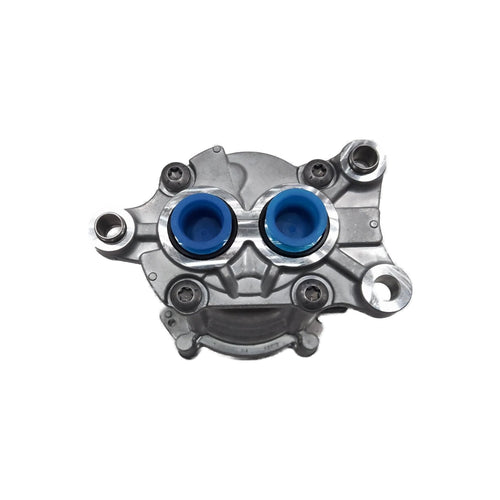
Symptom Finder: Known Weak Points
| What you see or hear | Check first |
|---|---|
| Front tyres wearing on the inner or outer edge | Wheel alignment first, then the front strut mounts, lower arm bushes and track rod ends. Replace worn parts by OE number before fitting new tyres. |
| Harsh or floaty ride, or a suspension warning | On a car with DiSus-C, check the adaptive dampers and their wiring. Confirm the car has DiSus-C before ordering, since lower export trims may not. |
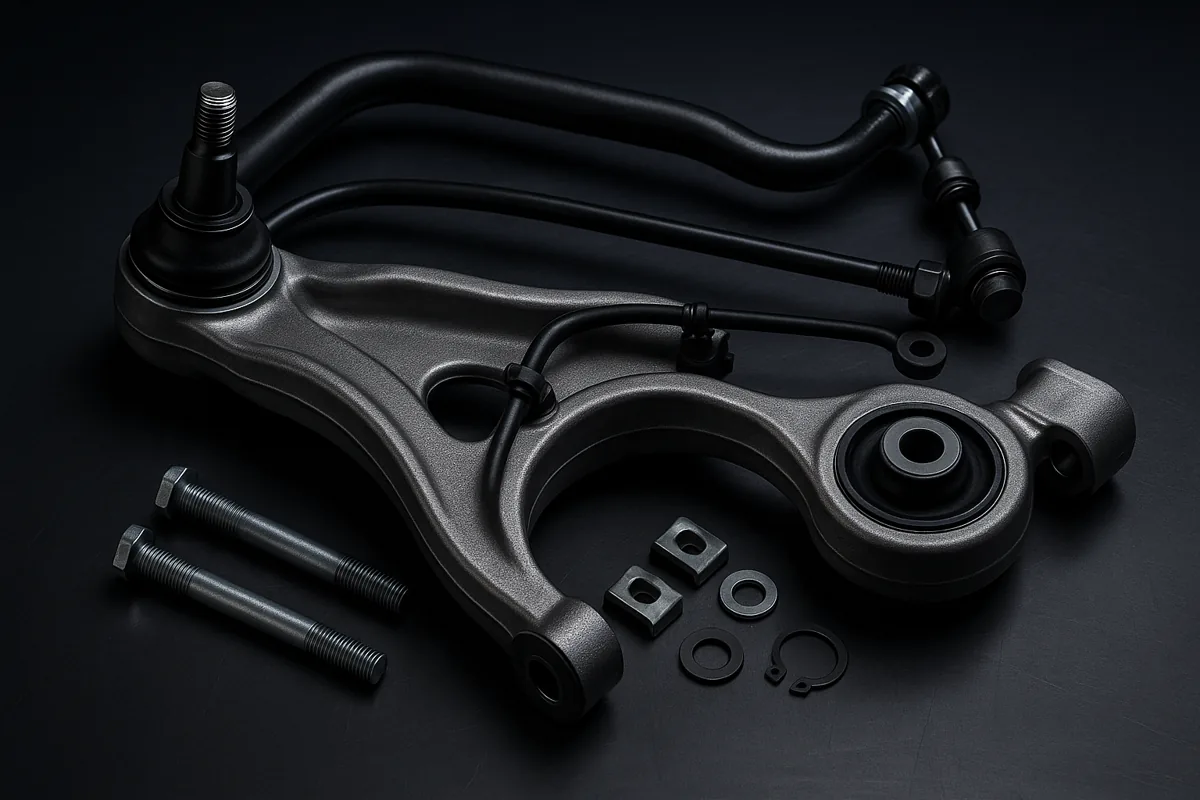
| Knocking from the rear over bumps | The multi-link rear suspension arms, their bushes and the anti-roll bar links. Order each arm by the OE number on the old one and by side. |
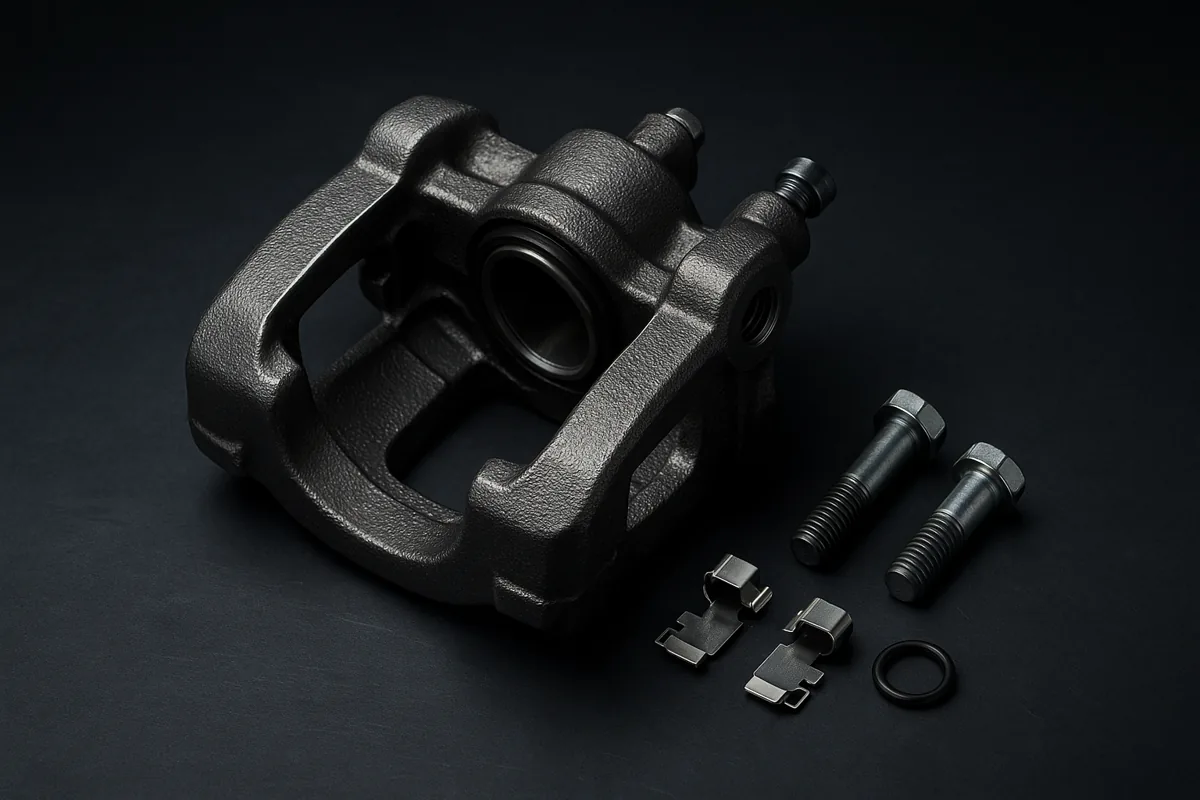
| Electric parking brake will not apply or release | The actuator on the rear caliper and its connector. Order a replacement caliper of the electric parking brake type, matched by OE number and side. |
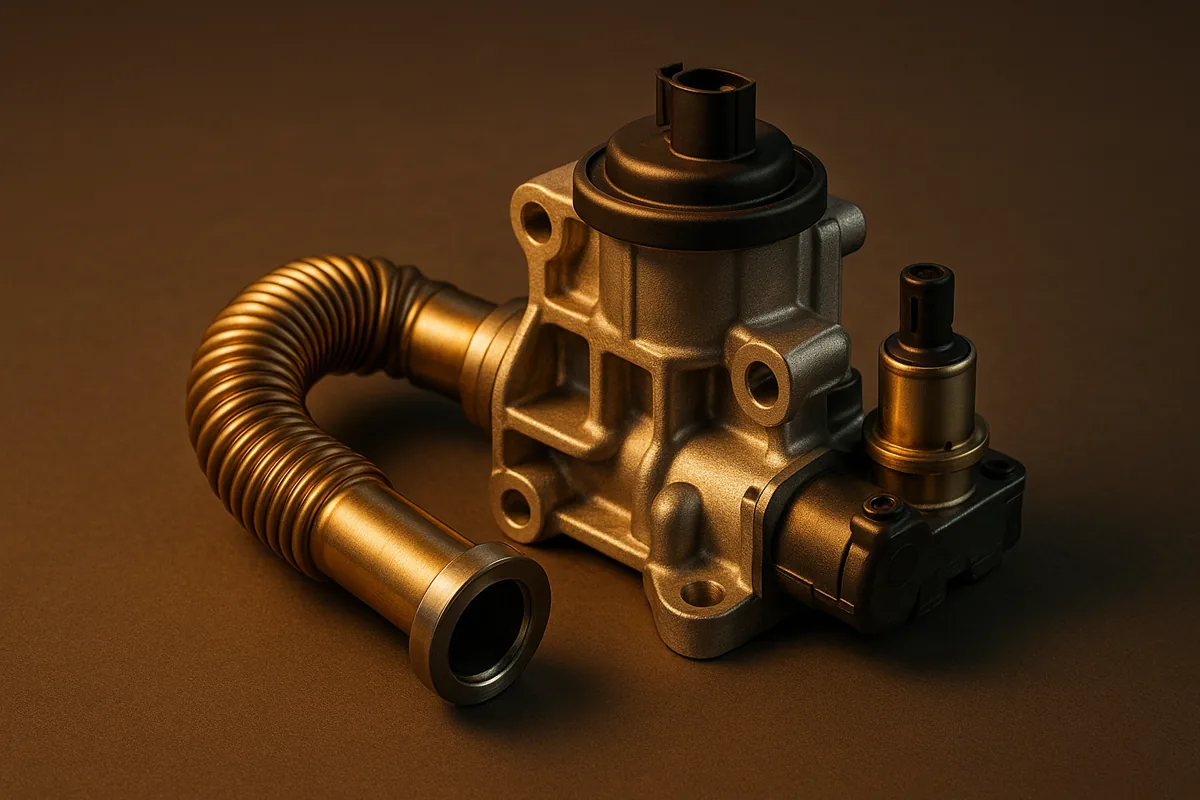
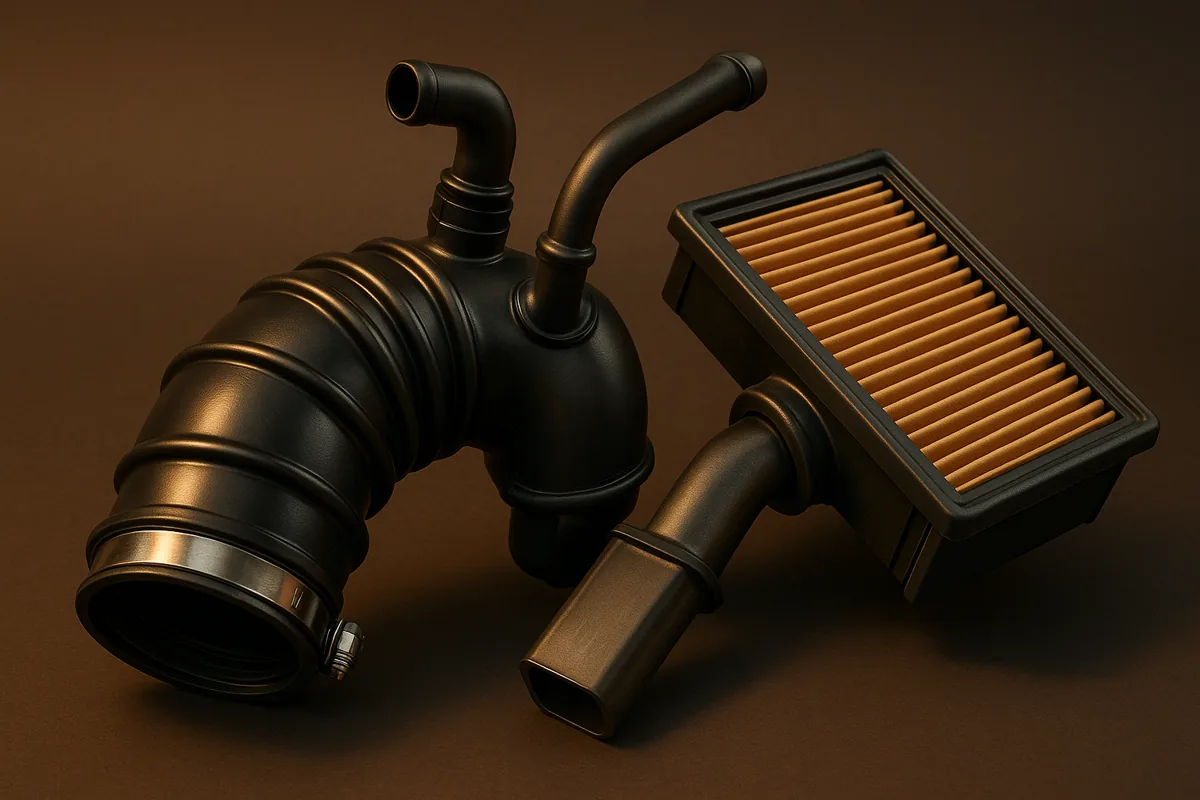
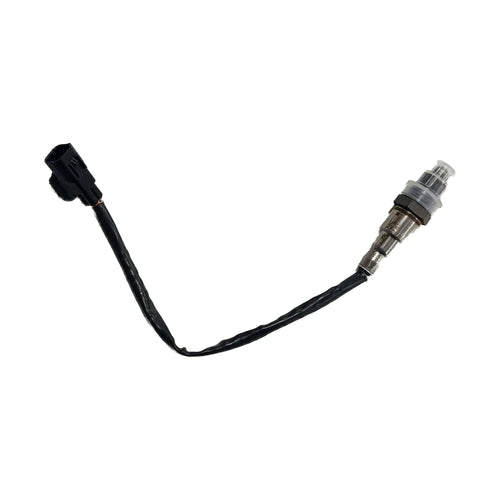
| Engine warning light while the engine is running | Start with the lambda and emission sensors and the turbo intake pipes on the 1.5-litre engine, then order by OE number. |
| Parking sensor or driver-assistance warning after a minor knock | The ultrasonic sensors and radar brackets in the bumpers. On a top 2026 trim, check the roof lidar and its mounting as well. |
| Sliding door slow, noisy or sticking | The door rollers and rail first. If the door is powered, check the drive unit too, and order parts for the correct side. |
Most Replaced Parts on the Xia
- Fuel tank, lines and filtersA 50 litre tank feeding the same 1.5-litre turbo engine on every trim
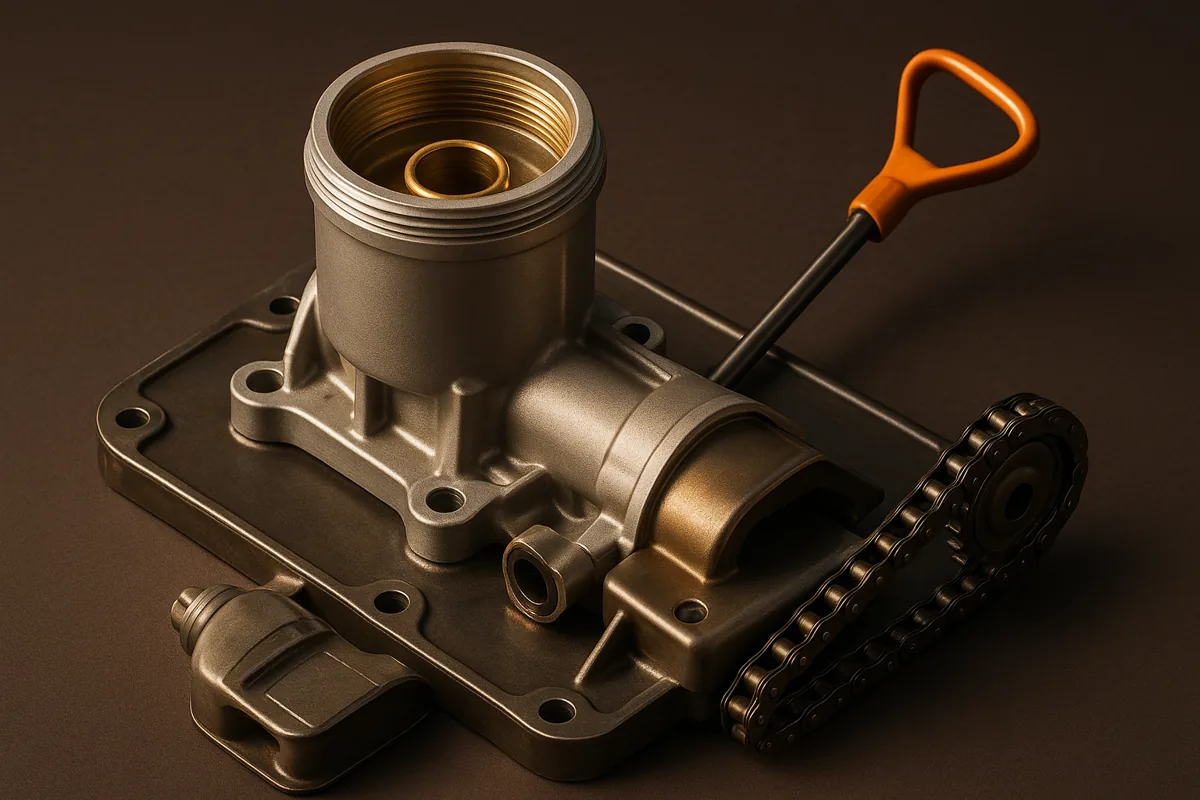
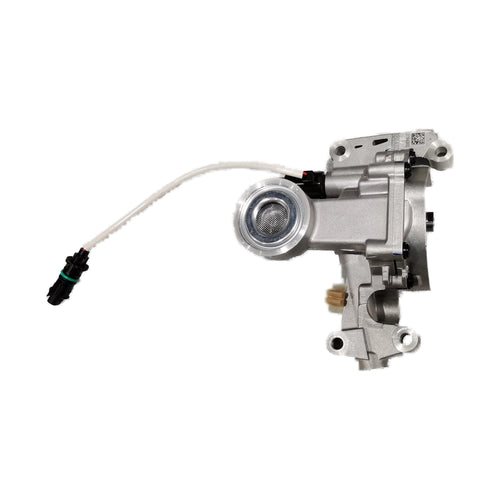
- Oil pump and sump circuit partsOne engine across the range, so oil circuit parts do not split by battery
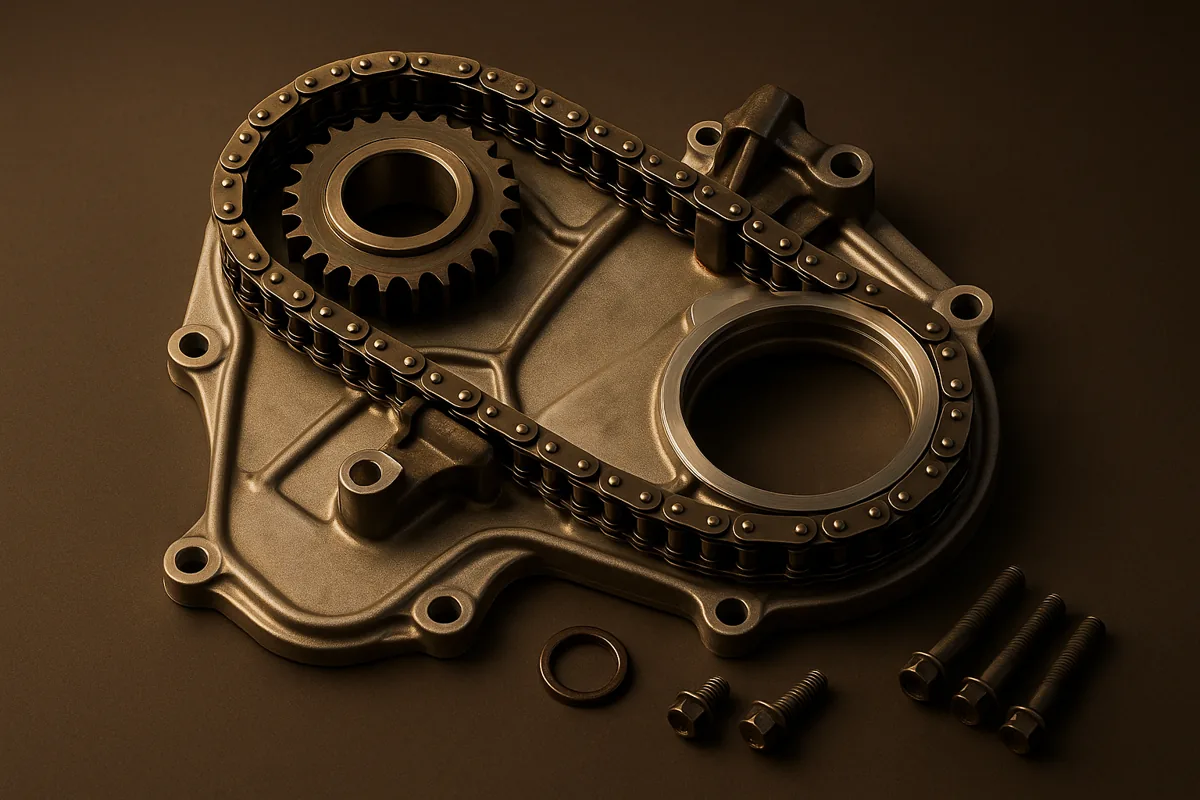
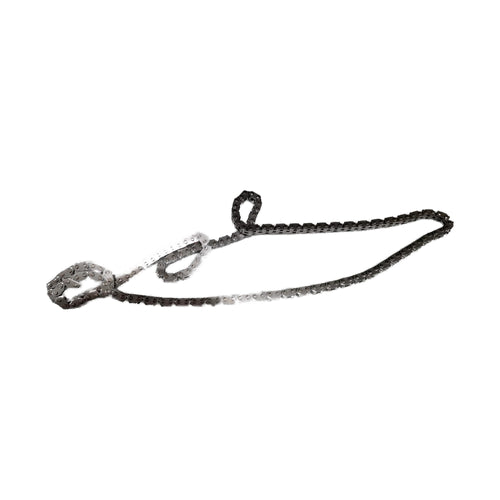
- Timing drive componentsThe same engine on every trim, so timing parts do not split by pack
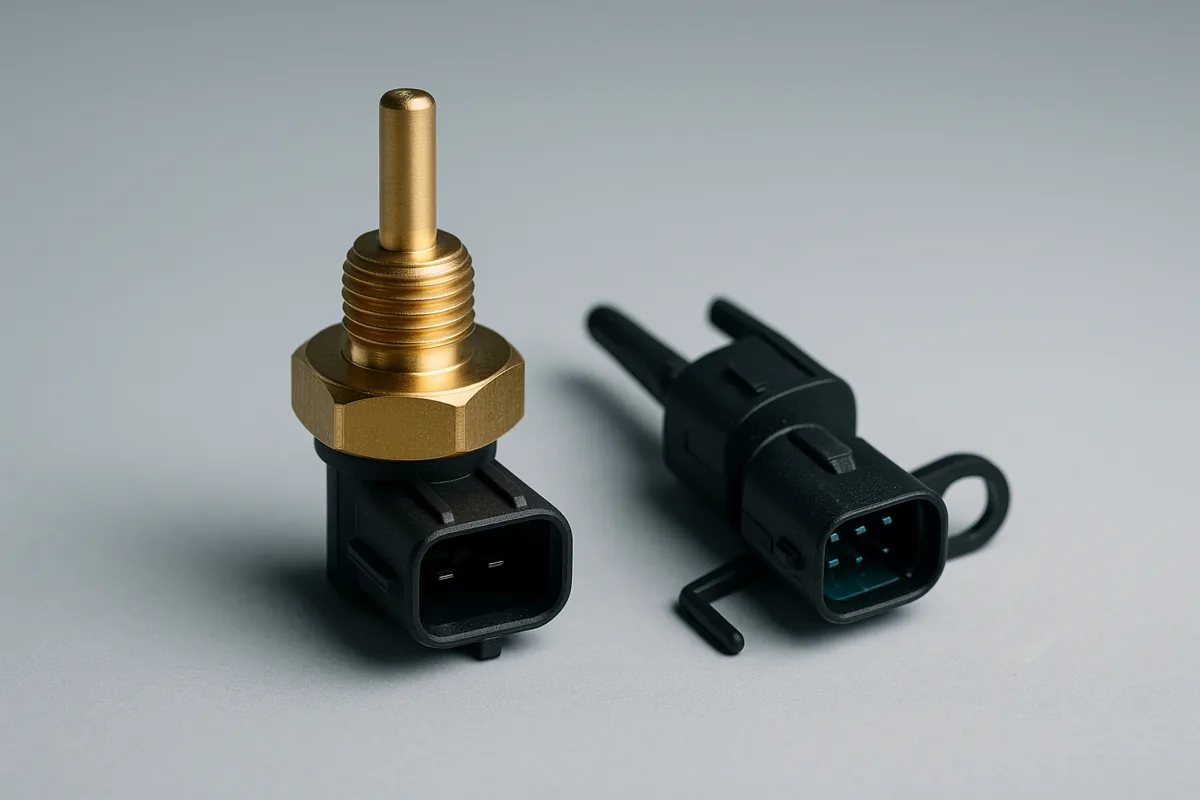
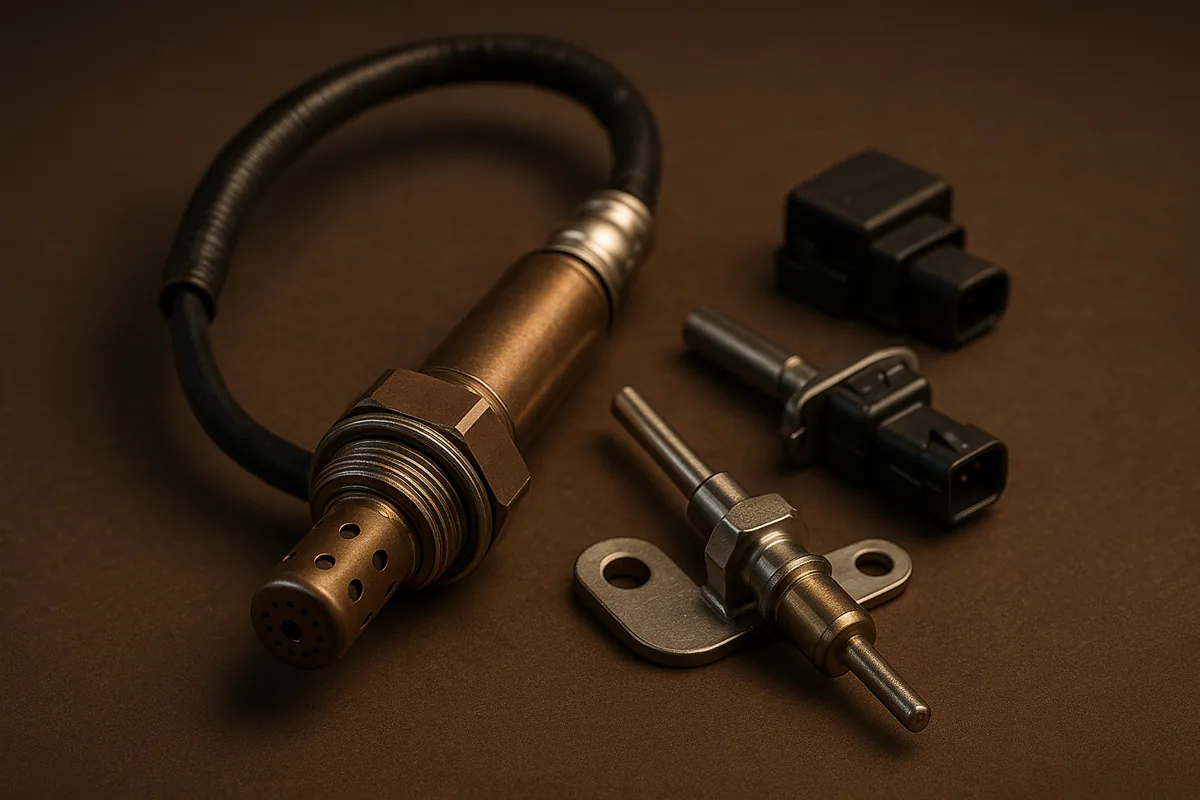
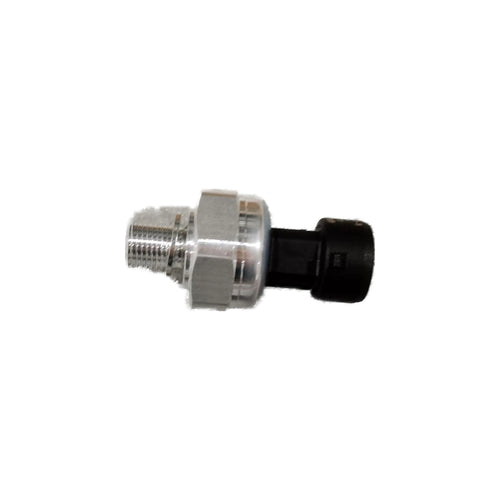
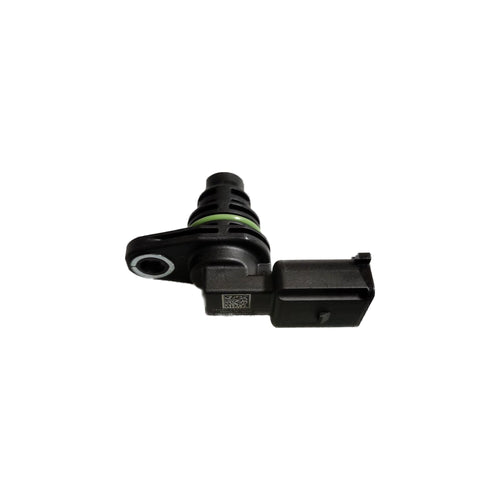
- Temperature, pressure and position sensorsSensors for an engine, a turbo, an electric motor and a battery pack
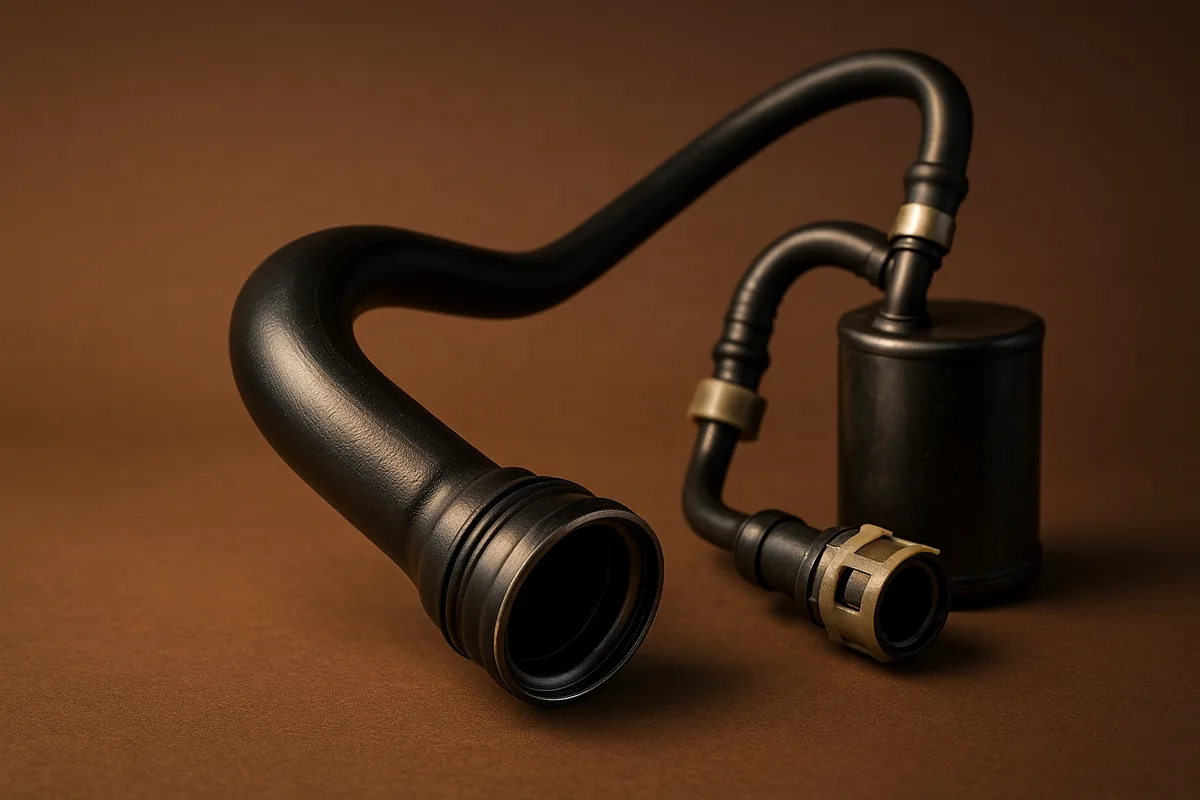
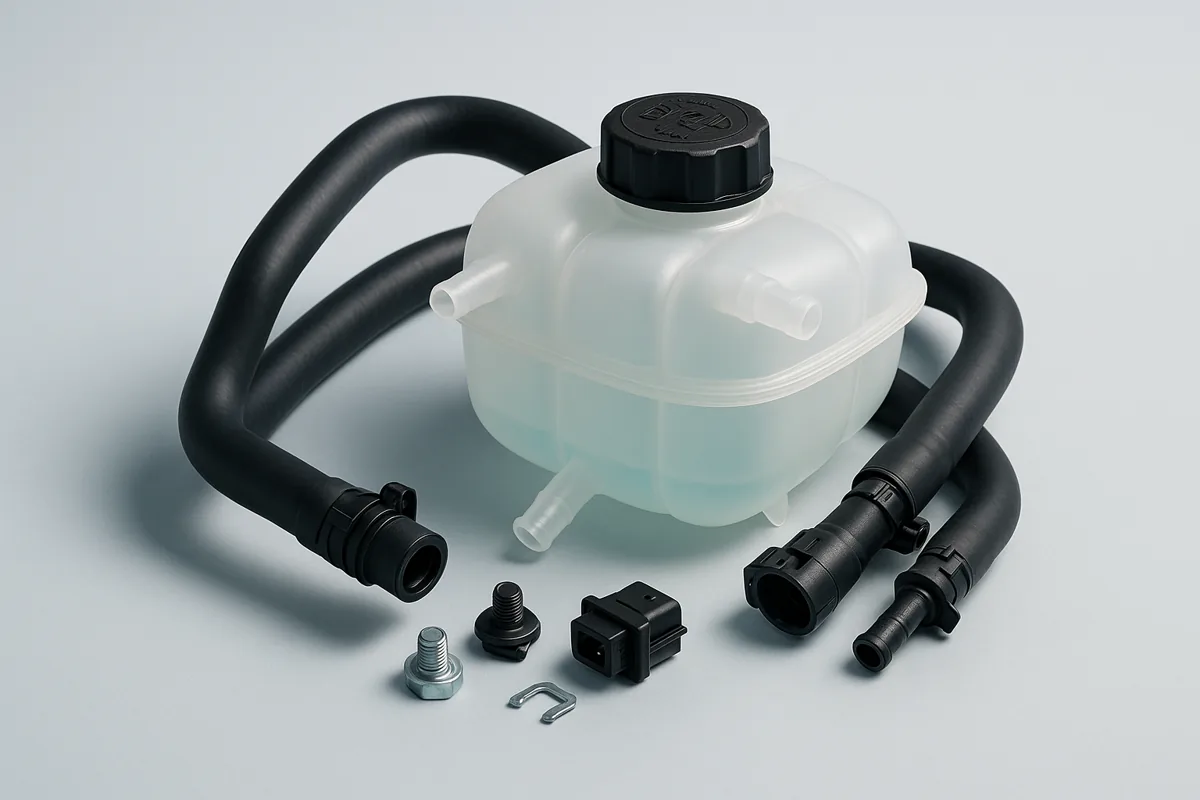
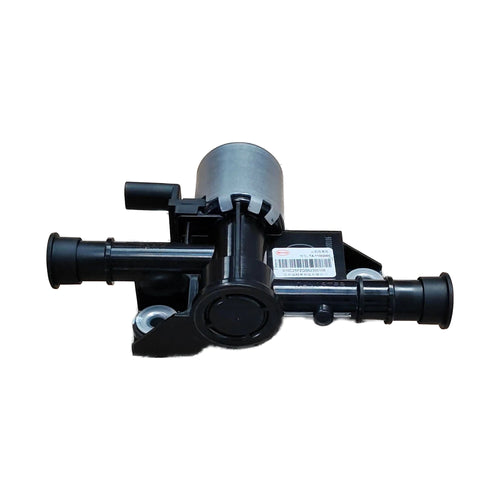
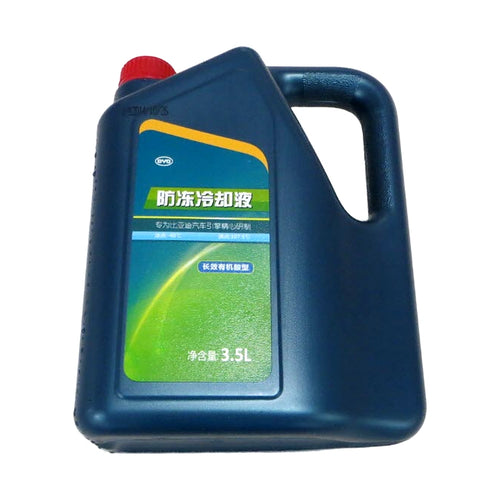
- Coolant hoses, valves and sensorsCooling for the engine, battery and drive electronics, so trace any leak first
About BYD Xia Parts
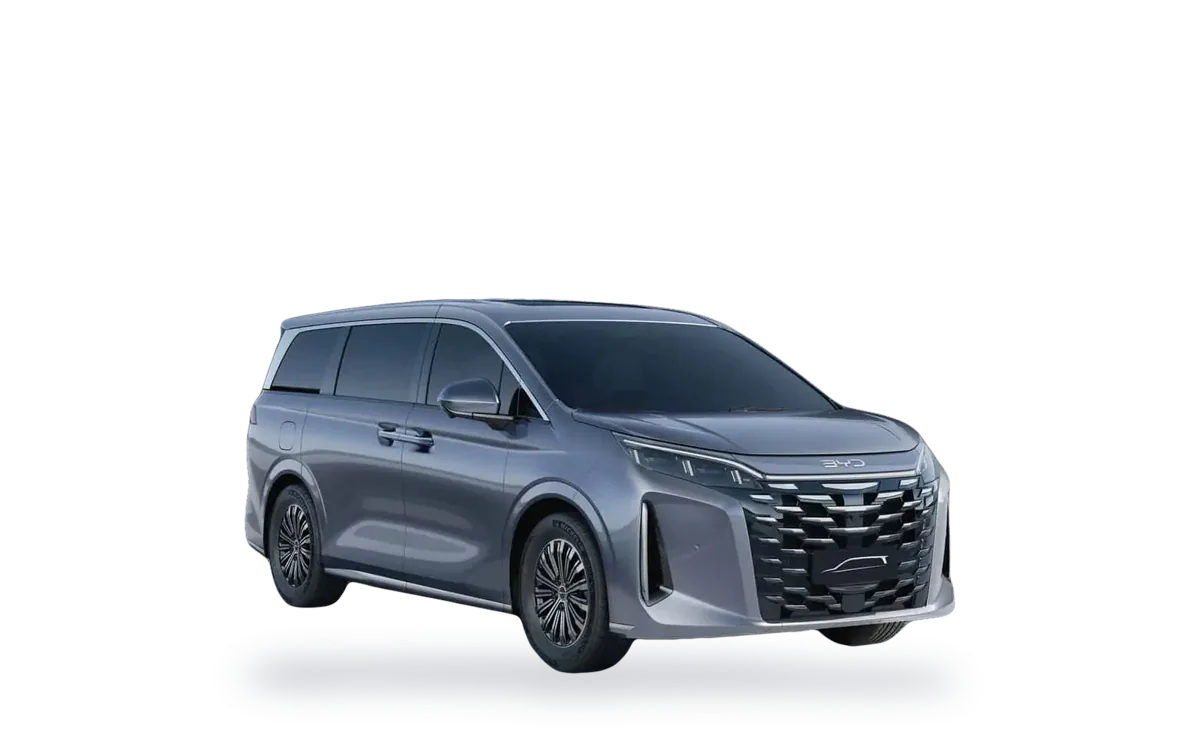
The BYD Xia is a large seven-seat plug-in hybrid MPV, launched in China on 8 January 2025. It measures 5,145 mm long on a 3,045 mm wheelbase, has sliding rear doors and drives its front wheels only. Power comes from BYD's fifth-generation DM system, with a 1.5-litre turbocharged petrol engine of 115 kW, a 200 kW electric motor and a Blade battery of 20.39 kWh or 36.6 kWh. So the car needs two kinds of parts. The engine needs oil, filters, timing and fuel system parts. The hybrid drive needs battery, cooling and electronic hardware. The brakes and suspension carry a car weighing up to 2,650 kg. Every part on this page is listed by its OE number, and matching the number on the old part is the surest way to confirm a fit.
What to know before buying BYD Xia parts
Start with the battery, because it is the main split between cars. Lower trims carry a 20.39 kWh pack and weigh 2,470 kg. Upper trims carry the 36.6 kWh pack and weigh 2,650 kg. The engine, motor and front-drive layout are the same on both, so engine and motor parts do not split by pack. The extra 180 kg does bear on the springs, dampers and brakes, so match chassis parts by the OE number on the old part rather than by trim name. On a 2026 car the range figure will not tell you which pack is fitted. The large pack stayed at 36.6 kWh but its rated range rose from 180 km to 218 km.
Next, check which car you actually have. Outside China the same vehicle is also sold as the M9 or the eMax 9 DM-i. BYD's Linghui brand, aimed at ride-hailing fleets, has also used the M9 name since January 2026, so the badge alone does not settle it. The larger Denza D9 is a separate MPV with its own body, so do not order D9 panels for a Xia. Chinese-market cars are left-hand drive, and steering, dashboard and headlamp parts must match the drive side.
Some equipment changes with the trim. DiSus-C adaptive damping is standard in China, but a lower export trim may run conventional dampers. Look at what is fitted before ordering a damper. The Chinese entry car does not list second-row side airbags as standard, so check the seat before ordering seat trim or airbag parts. The Chinese entry trim lists manually operated sliding doors, so check whether a door is powered before ordering door drive parts.
The 2026 model went on sale in China on 4 November 2025, and it splits sensor parts. Body, wheelbase, engine, both packs and the 235/60 R18 tyre size carried over. The top trim alone gained a roof-mounted lidar with the God's Eye B driver-assistance system, while the other trims kept the camera-based God's Eye C. Before ordering a windscreen, roof part or sensor bracket, read the build date on the identification plate and look for the lidar on the roof.
The rest of the running gear is common to the range. Every Xia has MacPherson struts at the front, multi-link rear suspension, ventilated discs on both axles and an electric parking brake, so rear calipers must be the electric parking brake type. No spare wheel is listed. For painted panels, order by the colour code on the car, since new colours were added for 2026.
Before You Order: 8 Checks
- Match the OE number on the part you are replacing to the OE number on the listing, since the Xia, M9 and eMax 9 DM-i names cover the same car.
- Find out which battery pack the car carries, 20.39 kWh or 36.6 kWh, before ordering springs, dampers or brake parts, then confirm each by OE number.
- Look at the dampers before ordering one, since DiSus-C adaptive damping is standard in China but lower export trims may run conventional dampers.
- Read the build date on the identification plate and look for a roof lidar before ordering a windscreen, roof part or sensor bracket.
- Order rear calipers and pads to suit the electric parking brake, which every Xia uses on the rear axle.
- Read the size on the tyre sidewall before ordering tyres, expecting 235/60 R18, and check the load index at the same time.
- Check which side the steering wheel is on before ordering steering, dashboard or headlamp parts, since Chinese-market cars are left-hand drive but right-hand-drive cars are sold in some export markets.
- Order painted panels by the colour code on the car rather than by colour name, since new colours were added for 2026.
Generations and Facelifts
The Xia was first shown at the Chengdu Motor Show in August 2024 and went on sale in China on 8 January 2025, built in Hefei. It is the BYD-branded large MPV, smaller than the Denza D9, with seven seats in a 2+2+3 layout, sliding rear doors and a front-drive plug-in hybrid system. Four versions were offered at launch. Two had the 20.39 kWh pack and 100 km of CLTC electric range, and two had the 36.6 kWh pack and 180 km.
Outside China it is also sold as the M9 or the eMax 9 DM-i in some markets. In January 2026 BYD's Linghui fleet brand announced a car under the M9 name as well.
The 2026 model launched in China on 4 November 2025. The body shape, dimensions and powertrain did not change, and neither did the battery capacities. The large pack is now rated at 218 km, fuel use fell slightly, and new paint colours were added. The top trim gained a roof-mounted lidar and the God's Eye B driver-assistance system, while the other trims kept the camera-based God's Eye C. For parts, the lidar is the change that matters, because roof, windscreen and sensor parts on that trim can differ from other cars. Colour codes also changed for the new paints.
The Xia has had no facelift. Before ordering roof, glass or sensor parts, check the build date on the identification plate and look at the roof.
BYD Xia Parts: Frequently Asked Questions
How do I make sure a part fits my BYD Xia?
Match the OE number. Every part on this site is listed under the OE number printed on the original part, and if the number on the part you are replacing matches the listing, the part fits. That check matters on the Xia because equipment changes with the battery, the trim and the model year, and the same car is sold under more than one name. If the old part is missing or its number cannot be read, send a photo through the quote form and we will reply within 24 hours, usually sooner.
Is the BYD M9 the same car as the Xia?
Yes. Outside China the Xia is also sold as the M9, or as the eMax 9 DM-i in some markets. The body is the same, 5,145 mm long on a 3,045 mm wheelbase, with the same 1.5-litre turbo plug-in hybrid drive. BYD's Linghui brand, which serves ride-hailing fleets, has also used the M9 name since January 2026, so the badge alone does not prove which car you have. Match every part by the OE number on the old part rather than by the name on the tailgate.
Which battery packs does the Xia use, and how do I tell them apart?
There are two LFP Blade packs, 20.39 kWh on the lower trims and 36.6 kWh on the upper trims. At launch they gave 100 km and 180 km of CLTC electric range. On the 2026 model the large pack kept its 36.6 kWh capacity but is rated at 218 km, so range figures are a poor guide to which pack is fitted. Kerb weight is a better one, at 2,470 kg with the small pack and 2,650 kg with the large one. Match battery and charging parts by OE number.
Why does the battery matter for brakes and suspension?
Because it sets the weight. The engine, the 200 kW motor and the front-wheel-drive layout are the same on every Xia, but the 36.6 kWh car weighs 180 kg more than the 20.39 kWh car, and that load sits on the springs, dampers and brakes. Both versions use MacPherson struts at the front, multi-link rear suspension and ventilated discs on both axles, but spring and damper part numbers can still differ. Confirm which pack is fitted, then order each chassis part by the OE number on the one you are replacing.
Is DiSus-C damping fitted to every Xia?
Not every one. DiSus-C, BYD's adaptive damping system, is standard on Chinese-market cars, including the 2026 model. Outside China it is not fitted to every trim, so lower export trims may run conventional dampers. The two kinds of damper are different parts. Look at the damper on the car, or read the OE number on it, before ordering a replacement, and do not rely on a Chinese specification sheet for an export car.
What engine does the Xia use, and does it change between trims?
Every Xia uses the same 1.5-litre turbocharged four-cylinder petrol engine, rated at 115 kW and 225 Nm, with a 50 litre fuel tank. It works with a 200 kW electric motor as part of BYD's fifth-generation DM plug-in hybrid system. Engine parts therefore do not split by battery or trim. The engine still needs oil, filters, spark plugs and sensors like any petrol engine, even if the car spends much of its time on electric power. Plan servicing to the engine's own schedule and order each part by OE number.
What changed on the 2026 Xia?
The 2026 model went on sale in China on 4 November 2025. The body, dimensions and powertrain carried over, as did the 235/60 R18 tyre size. The large pack stayed at 36.6 kWh but is now rated at 218 km, fuel use fell slightly and new paint colours were added. The top trim gained a roof-mounted lidar with the God's Eye B driver-assistance system, while the other trims kept the camera-based God's Eye C. Check the build date on the identification plate before ordering roof, windscreen or sensor parts.
I need a windscreen or roof part. What should I check?
Look at the roof first. Only the top 2026 trim carries the roof-mounted lidar. Every earlier car, and the lower 2026 trims, rely on cameras mounted behind the windscreen instead. Roof trim and sensor brackets on a lidar car can differ from those on other cars, and the camera mountings on the glass must suit the system fitted. Read the build date on the identification plate, confirm whether the lidar is there, and match the windscreen by the OE number on the old glass or its bracket.
Is every Xia left-hand drive?
No. Chinese-market cars are left-hand drive, but right-hand-drive cars are sold in some export markets. The body dimensions and powertrain are the same, but steering, dashboard, pedal box, wiper and headlamp parts follow the drive side. Before ordering any part for the steering or the front of the cabin, check which side the steering wheel is on, and confirm the part by the OE number on the old one.
What brakes does the Xia use?
Ventilated discs front and rear, with an electric parking brake on the rear axle. A replacement rear caliper must therefore be the electric parking brake type. The brakes stop a car of up to 2,650 kg, and the electric motor also slows the car when it recovers energy, so the discs may do less work than the weight suggests and can corrode if they are rarely used hard. Check the disc surface and the caliper type on the car, then order pads and discs by OE number.
Does the Xia have a spare wheel, and what tyres does it use?
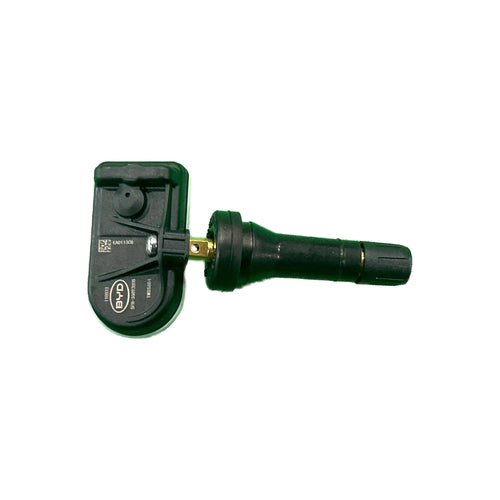
No spare wheel is listed. The car uses 235/60 R18 tyres front and rear. Chinese 2026 cars list a high-speed flat tyre stability system, which helps control the car after a sudden deflation and does not replace a spare. Read the size and load index on the sidewall of the tyres fitted before ordering, and check the tyre pressure sensors in the wheels whenever the tyres are changed.
Do Xia parts interchange with other BYD models?
Some may. The Xia uses BYD's fifth-generation DM plug-in hybrid system, which other BYD models also use, so some engine and electrical parts can be shared. Its body, sliding doors, glass and interior are its own, and the larger Denza D9 MPV is a different car with different panels. Treat a shared system as a lead only. Order every part by the OE number on the one you are replacing, and if you are unsure, send the number through the quote form and we will reply within 24 hours, usually sooner.