Chassis
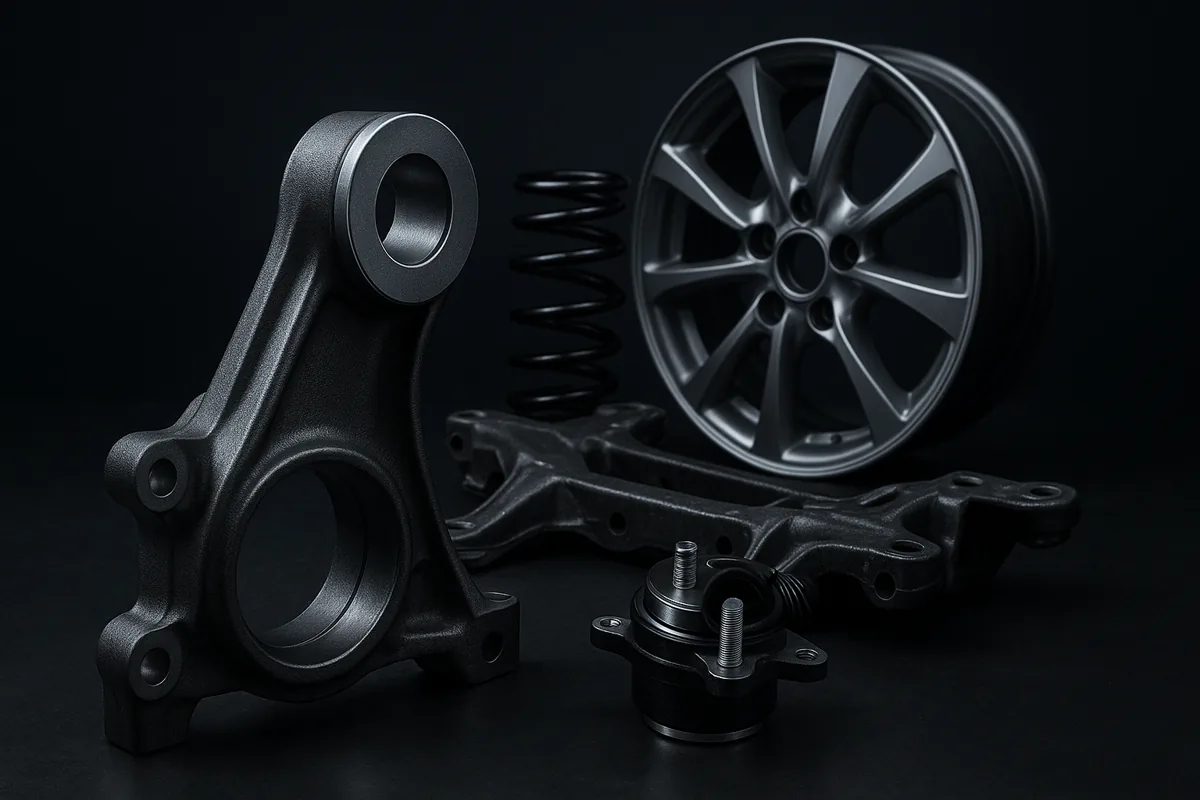
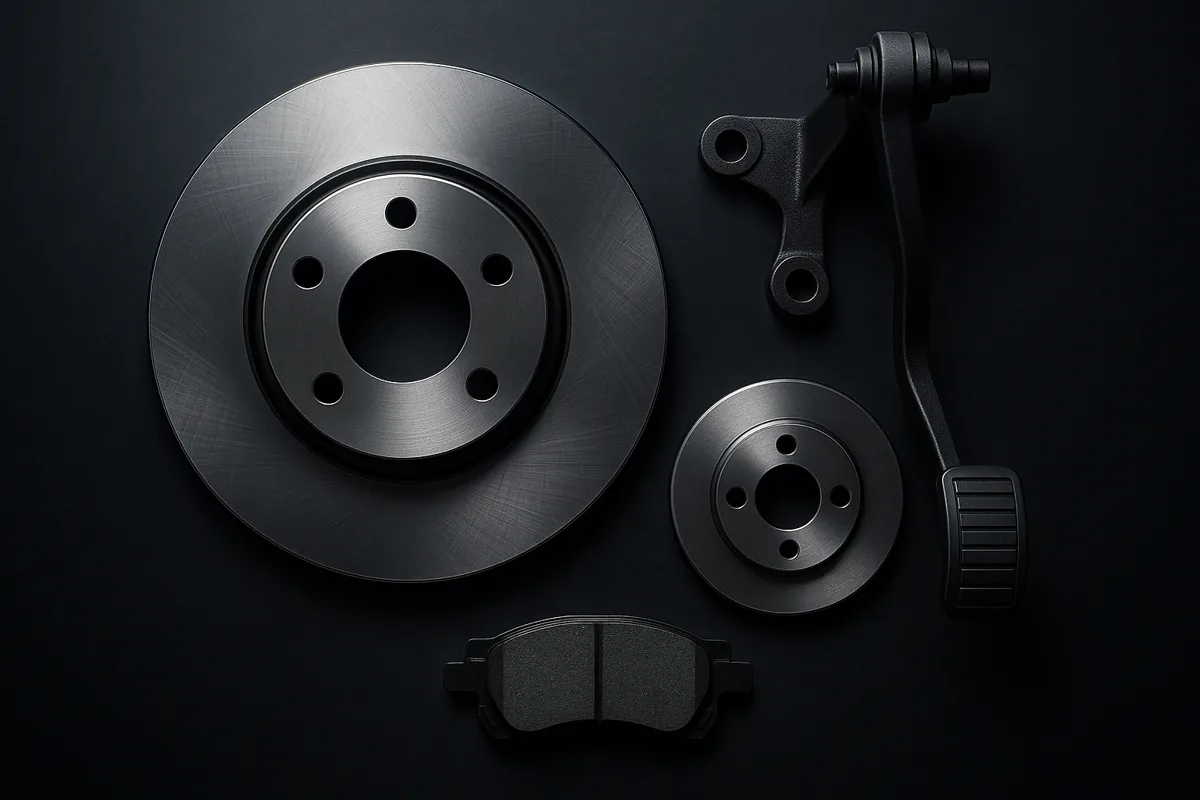
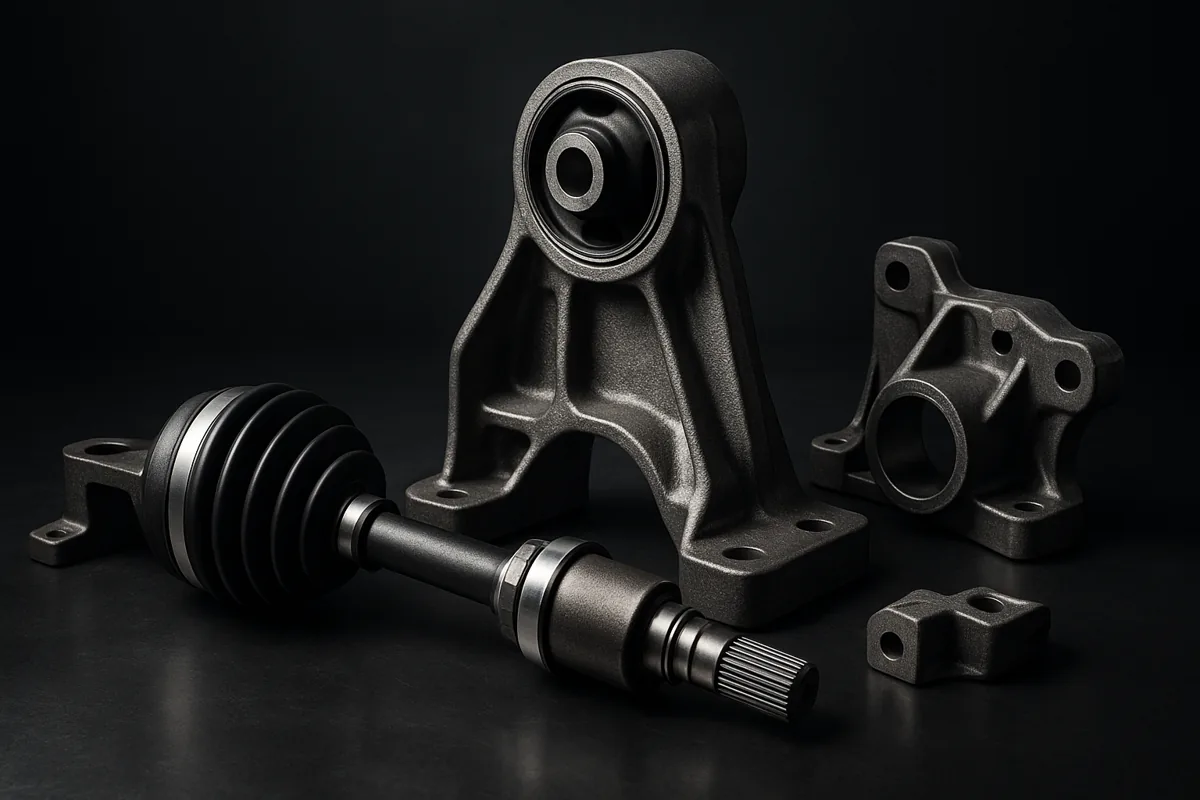
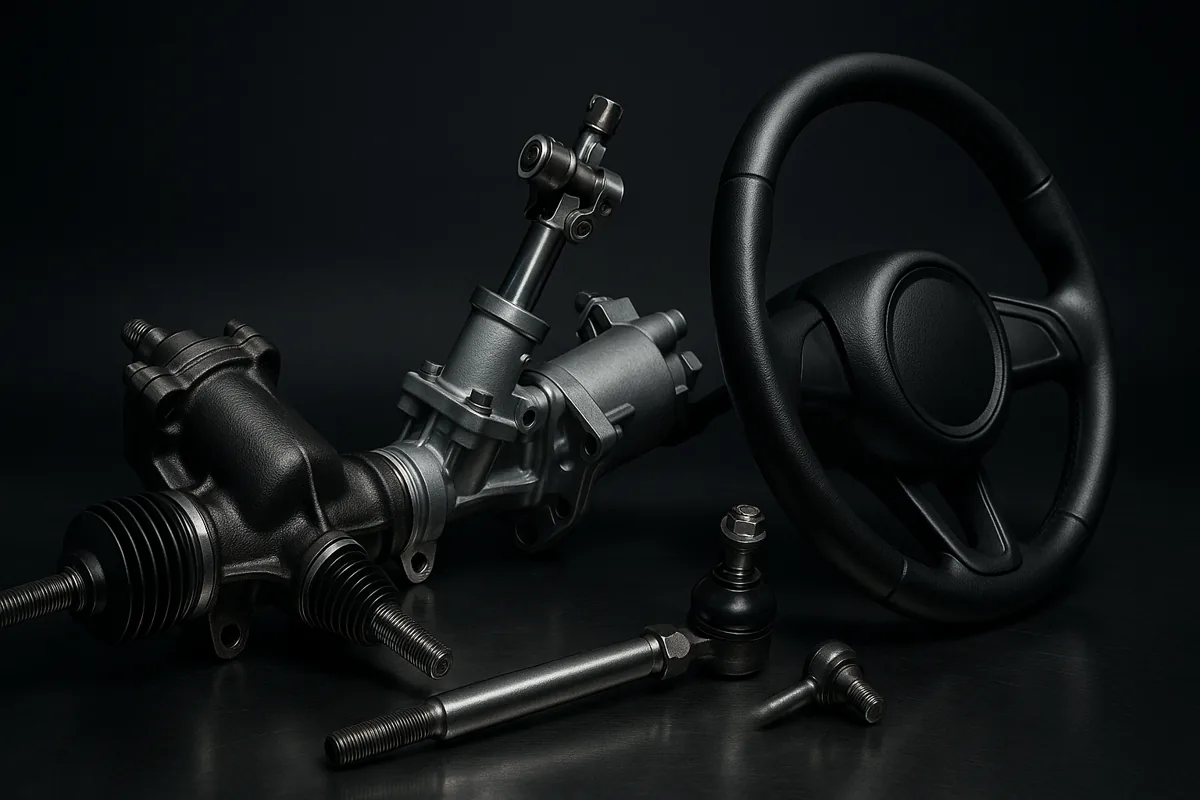
Shop Chassis by Part Type
Popular Right Now
scroll for more →
Symptom Finder: What Is Actually Broken?
| What you see or hear | Part to check first |
|---|---|
| Rattle over small bumps at low speed | Anti-roll bar link |
| Pulsing through the pedal under braking | Brake disc thickness variation |
| Humming that rises with road speed | Wheel hub unit |
| Tyre wearing on one shoulder | Alignment fault from a worn joint |
| Vibration at one particular speed | Wheel balance or a buckled rim |
About Chassis
The chassis is where a vehicle's behaviour is decided. Suspension holds the tyres down on a surface that keeps trying to throw them off, while filtering what the body is allowed to feel, steering translates driver intent into wheel angle without introducing play, brakes turn motion into heat under electronic supervision, and wheels and tyres carry all of it through four contact patches. These systems are more interconnected than their separate categories suggest: worn suspension bushes change alignment, incorrect alignment ruins tyres, tired dampers cup tyre tread, and a failing wheel bearing lights the antilock warning because its encoder feeds the same sensor. That is why diagnosis here rewards looking one component upstream of the symptom rather than replacing the part that is making the noise.
What to know before buying Chassis parts
Order friction parts, dampers and springs in axle pairs. Match everything by OE number, because rates and sizes follow the specification rather than the model name. Book an alignment after any work that disturbs the geometry.
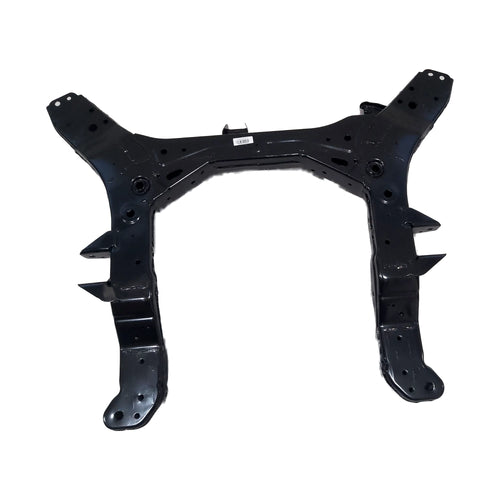
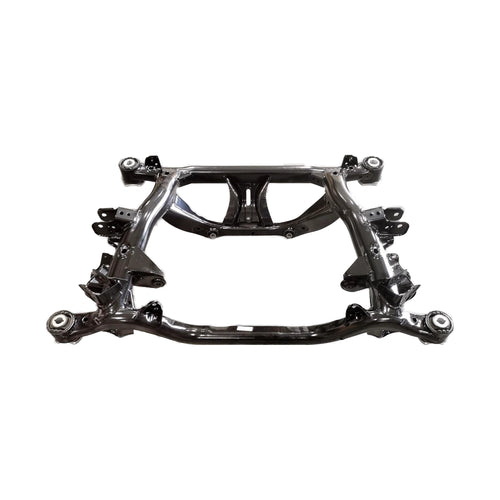
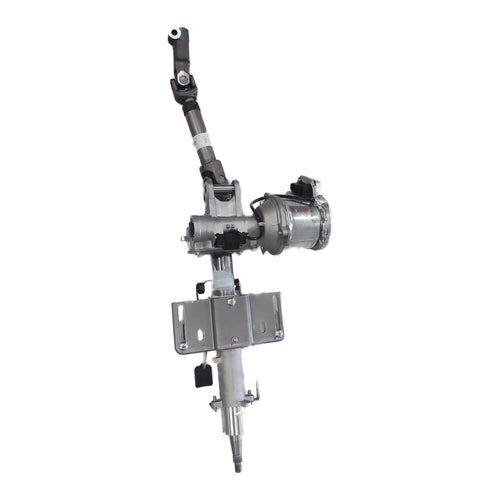
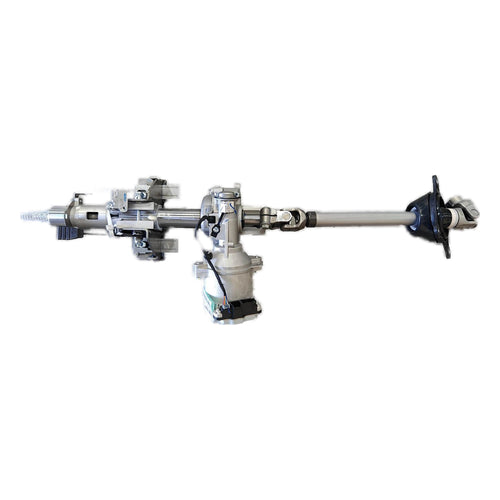
The chassis group covers five areas. Braking holds the friction parts, the hydraulics, the electronic layer and the parking brake. Suspension holds arms, dampers, springs, hubs and subframes. Steering holds racks, columns, assistance and joints. Wheels and tyres holds wheels, tyres, pressure sensors and caps. Driveline and axles holds the shafts, joints and mounts that deliver torque to the road.
Before You Order: 5 Checks
- Look one component upstream of the symptom, since these systems interact.
- Replace friction parts, dampers and springs in axle pairs.
- Match by OE number, because rates, sizes and valving follow specification rather than the model.
- Book an alignment after any work that disturbs arms, knuckles, racks or subframes.
- Torque bush fixings at normal ride height rather than with the suspension hanging.
What Changed and Why
Weight is the common factor across the whole chassis. Battery packs have added several hundred kilogrammes, raising spring rates, damper valving, bushing sizes, bearing capacities and tyre load requirements, and pushing adaptive damping and reinforced tyre construction into the mainstream. Braking has moved the other way, since regenerative braking does most of the routine slowing so pads last far longer while discs corrode from disuse. Steering and stability now share hardware with driver assistance, which makes calibration a routine part of chassis work rather than a specialist extra.
Chassis: Frequently Asked Questions
Why does a chassis fault so often affect something else?
Because these systems share loads and share sensors. A worn suspension bush lets the arm move, which changes alignment, which scrubs a tyre out within a few hundred miles. A failing wheel bearing damages the encoder that feeds the antilock sensor, so a rumbling corner lights the brake warning. A collapsed brake hose makes one caliper drag, which heats a wheel and pulls the steering. Looking one component upstream of the symptom is more productive than replacing whatever is making the noise.
How do I decide what to replace in pairs?
Anything whose behaviour must match side to side. Brake pads and discs, dampers, springs and anti roll bar links all fall into that group, since a new one alongside a tired one changes how the car behaves under braking or cornering in a way you notice at the worst moment. Control arms, hubs and tie rods can be replaced individually where one has failed, though inspecting the opposite side is worthwhile since both have covered the same roads.
When is an alignment necessary?
After anything that disturbs a suspension arm, a knuckle, a subframe, a tie rod or a steering rack, because those components define camber, caster and toe and bolts through slotted mountings will not return to exactly the same position. It is also worth doing after fitting new tyres if the old ones showed uneven wear, since that wear was telling you something. On vehicles with driver assistance, expect a steering angle calibration to follow the alignment.
Why do brake discs corrode on an electric vehicle?
Because the friction brakes spend most of their life idle. The motor does the slowing under normal driving, so the pads seldom touch the discs hard enough to scrub the surface or raise its temperature, and the film of rust that forms overnight is never removed. Left long enough it eats into the face and produces a rough, noisy brake with plenty of pad remaining. Manufacturers now fit coated discs on many electric models for this reason. Owners can help by using the brake pedal firmly on a quiet road from time to time.
What has vehicle weight changed in this area?
Almost everything. Heavier vehicles need firmer springs and damping without the harshness firmness usually brings, larger bushes and bearings, and tyres with reinforced construction that a standard casing of the same size cannot match. Wear rates on tyres commonly run twenty to thirty per cent higher than a comparable combustion car, and brakes see less use while carrying more mass when they are used. Matching the specification rather than the size matters more than it once did.
Where do I find the OE number on a chassis part?
Most chassis parts carry it stamped, cast or printed on a label. Look on the flat face of a control arm, the body of a damper near the top, the casting of a caliper or knuckle, and the label on a steering rack. Many arms, knuckles and calipers are handed, so the left and right numbers differ by a digit or a suffix. Where a part changed during production, the build date on the identification plate decides which version fits. Type the number into the search box, or send a photo through the quote form if the marking has worn away.
Why has the ABS light come on after fitting a new wheel bearing?
On most modern hubs the magnetic encoder ring that the wheel speed sensor reads is built into the bearing seal. If the bearing is pressed in the wrong way round, the encoder faces away from the sensor and the signal disappears. The encoder can also be weakened by a magnetic tool or contaminated with metal swarf, and the sensor itself is easily cracked if it is left in the knuckle while the hub is pulled. Check that the encoder side faces the sensor, clean the sensor tip and inspect its lead before condemning anything. If the sensor has broken, search its OE number from the old part.
Can I replace rear brake pads on a car with an electric parking brake?
Yes, but the caliper piston is driven by a small motor and spindle, so it cannot simply be wound or pushed back. The parking brake must first be put into service mode with a diagnostic tool, or on some vehicles through a menu or pedal and switch sequence, which retracts the mechanism fully. Forcing the piston without doing this strips the spindle or damages the motor. After fitting, the system is closed and calibrated so it learns the new pad thickness. Match the pads by the OE number on the old set, and ask a qualified mechanic if you lack the tool.
How do I tell which part is causing a clunk over bumps?
Timing is the clue. A knock over small, sharp bumps at low speed usually points to an anti roll bar link or its bushes. A clunk or creak when turning the wheel on the spot suggests a top mount bearing. A thud when braking or pulling away hints at a control arm bush letting the arm shift. A ball joint knock often comes with vague steering and needs attention quickly, since a separated joint drops the wheel. With the car safely raised, a pry bar on each joint shows the movement. Then search the OE number on the worn part.
What does a clicking noise when turning and accelerating mean?
It is the classic sign of a worn outer constant velocity joint on a driveshaft. The balls ride in grooves that wear once grit gets past a split boot, and the click grows louder under load. Electric drive delivers full torque from a standstill, so a joint that would survive for a while behind an engine can deteriorate faster. Check both boots for splits and flung grease on the inside of the wheel. A split caught early can sometimes be fixed with a boot kit, but a joint that already clicks needs a replacement shaft or joint matching the OE number on the old one.
What is involved in replacing an electric power steering rack?
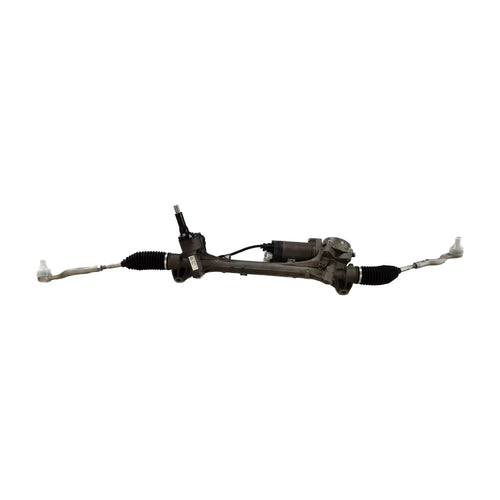
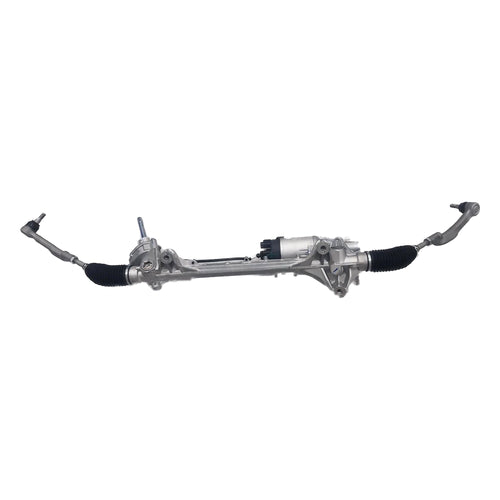
The rack carries its own motor, torque sensor and often a control unit, so the job is part mechanical and part electronic. Once fitted, the unit usually needs coding to the vehicle and the steering angle and torque sensors calibrated, otherwise the assistance may be reduced or warnings stay on. Lane keeping and parking assistance rely on the same rack, which is another reason the software step matters. A full alignment follows, because tie rod lengths set toe. Racks differ by drive side and assistance level, so match the OE number on the label of the old unit, and have the coding done by a qualified mechanic.
Do I need new tyre pressure sensors when I change tyres?
Not usually. The sensor is mounted on the wheel at the valve, so it stays with the rim when only the tyre changes. The valve seal, nut and core are worth renewing each time the tyre comes off, and a sensor whose internal battery is failing will start dropping out intermittently. Take care with tyres that have an acoustic foam lining, since foam that has come unstuck can batter the sensor at speed. A replacement sensor must usually be learned to the car before the warning clears. Read the OE number printed on the old sensor body and search for it.
My car has adaptive dampers or air suspension. Does that change what I order?
Yes. An adaptive damper has a valve worked by a control unit and a connector on its body, and an air spring or air strut is fed by a compressor that also sets ride height. A passive damper of the same length will fit the mounts but leaves a fault warning and changes how the car rides. Air springs usually fail slowly, so a corner that sinks overnight is the typical first sign, and a tired spring overworks the compressor. Look for the connector or air line on the old part, then search the OE number printed on it.
Why does the steering wheel shake when I brake?
Usually because the front discs have developed thickness variation, so the pads grip unevenly as each disc turns and the pulse reaches the steering. It commonly starts with pad material left in patches on a disc that sat hot, or with corrosion building up unevenly on a car that brakes rarely. Shaking that appears at steady speed without braking points instead to wheel balance, a damaged tyre or a buckled rim. Rusty hub faces and wheel bolts tightened unevenly rather than to torque also cause it. Replace discs and pads as an axle set, matching the OE numbers on the old parts.