Combustion Powertrain
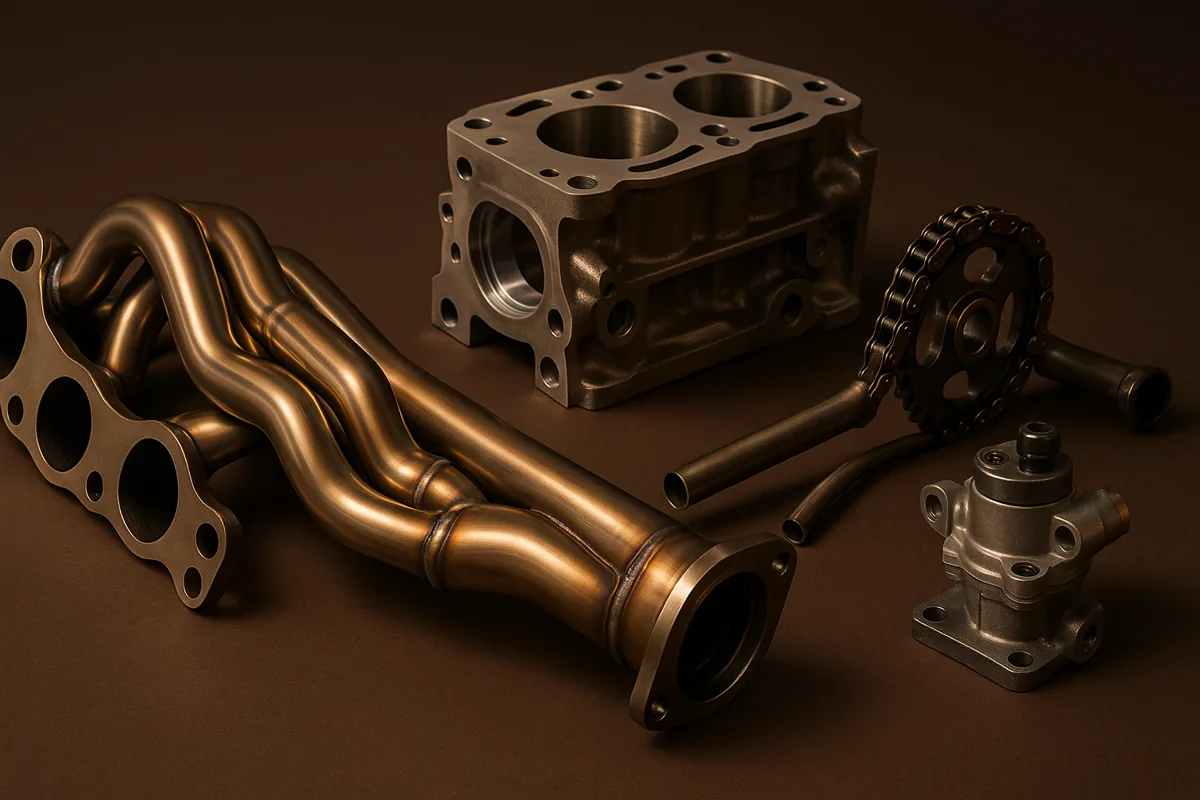
Shop Combustion Powertrain by Part Type
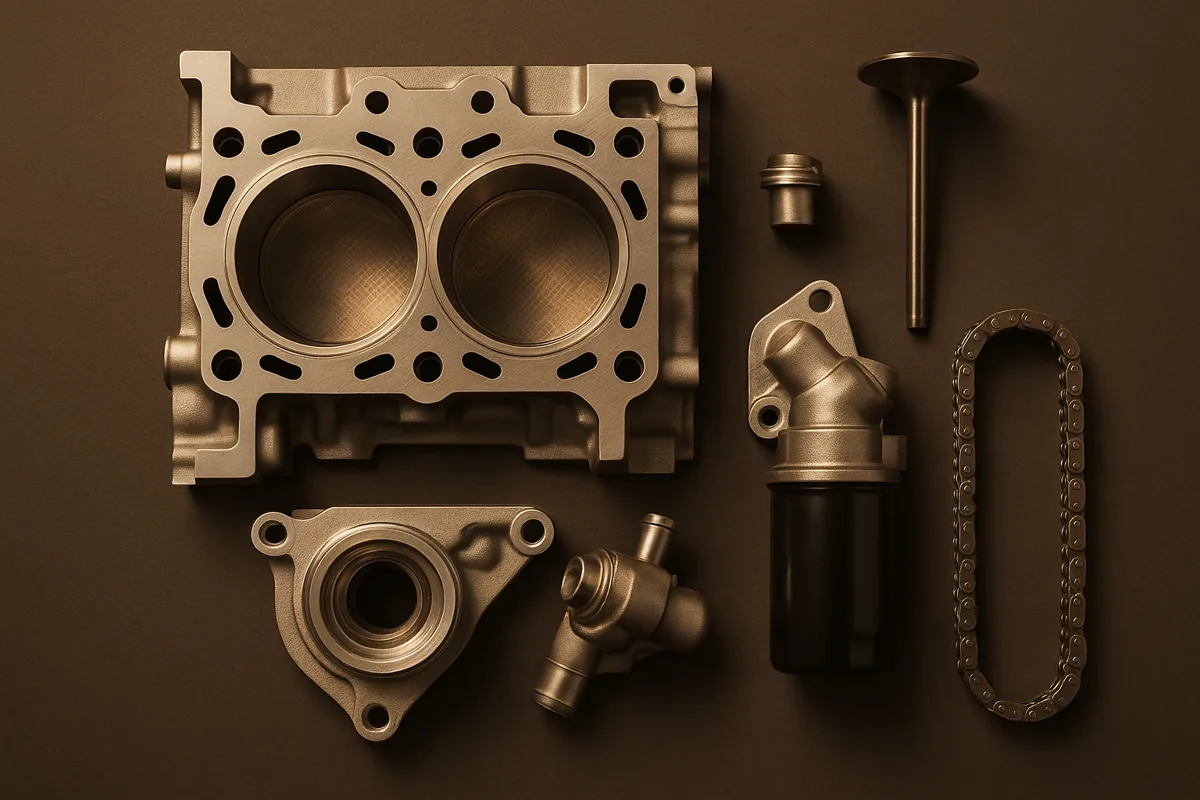
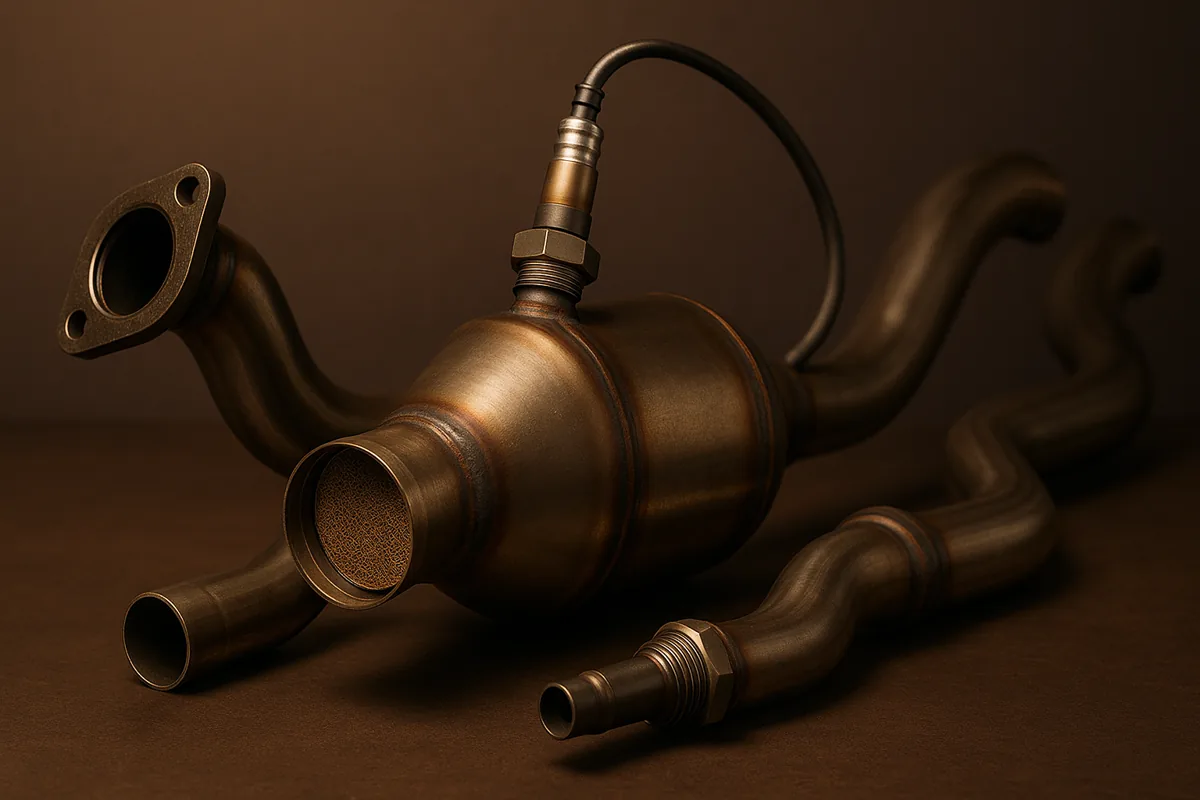
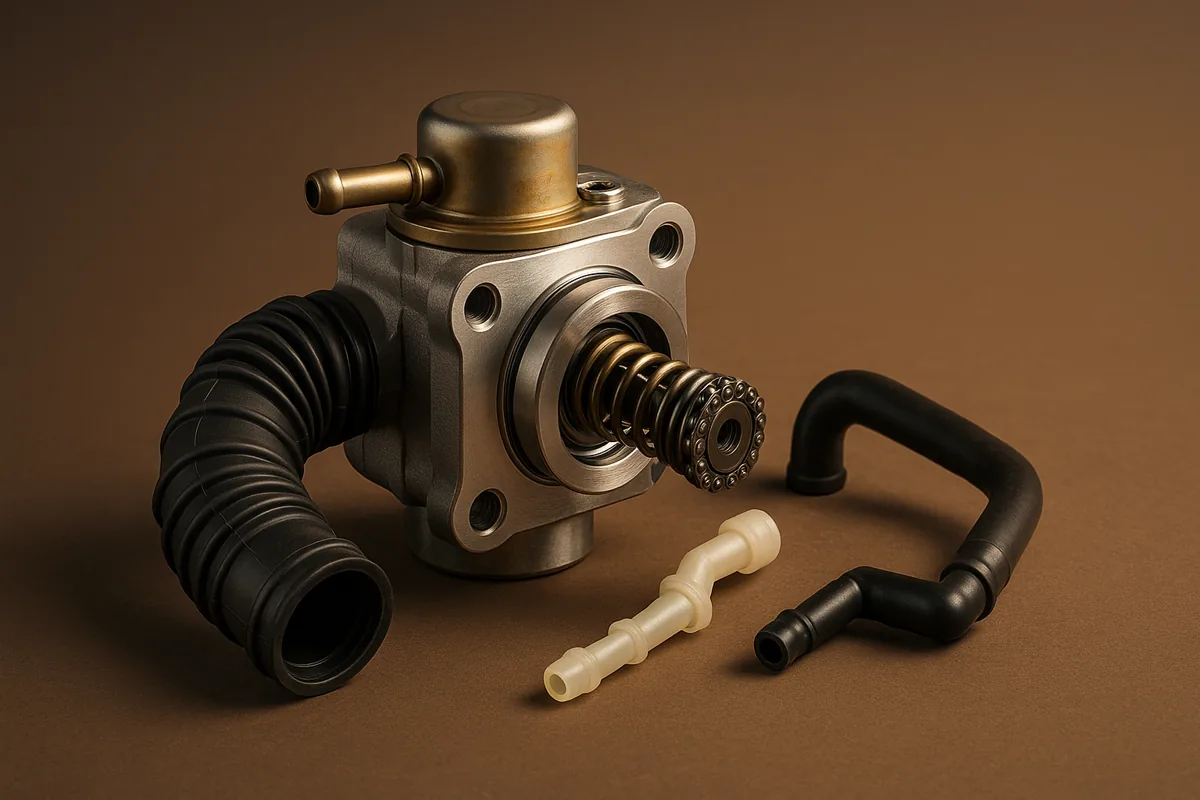
Popular Right Now
scroll for more →
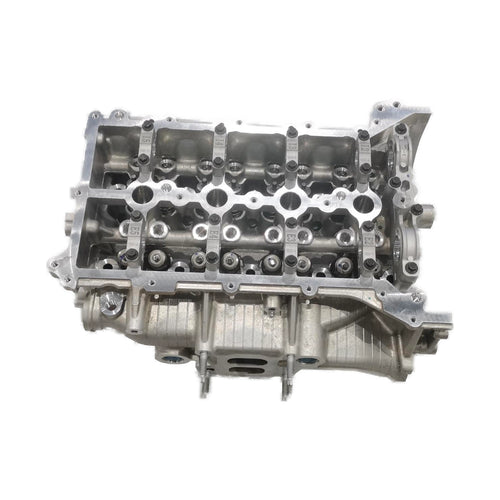
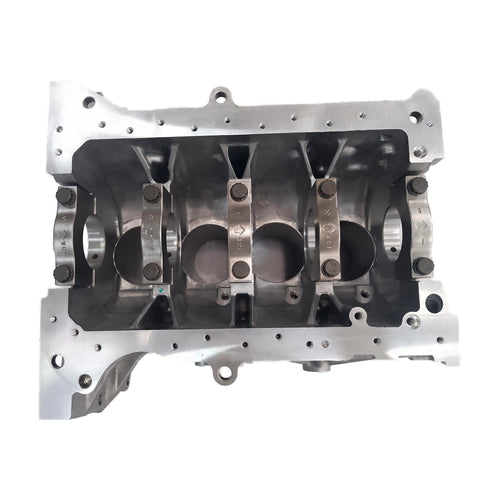
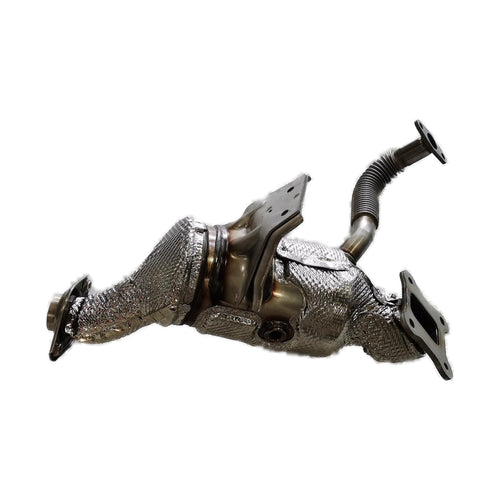
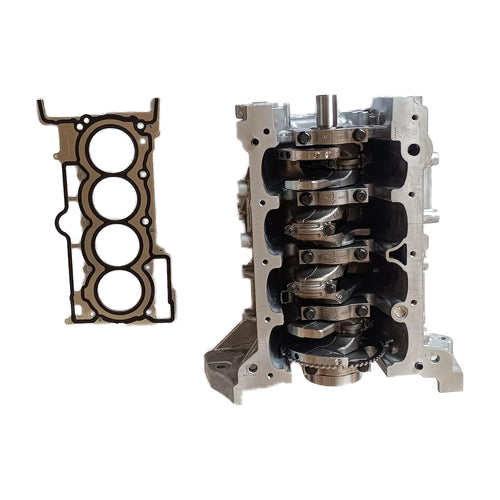
Symptom Finder: What Is Actually Broken?
| What you see or hear | Part to check first |
|---|---|
| Misfire confined to one cylinder | Ignition coil, plug or injector |
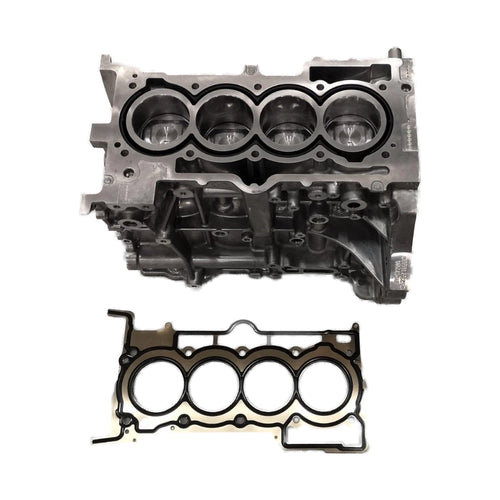
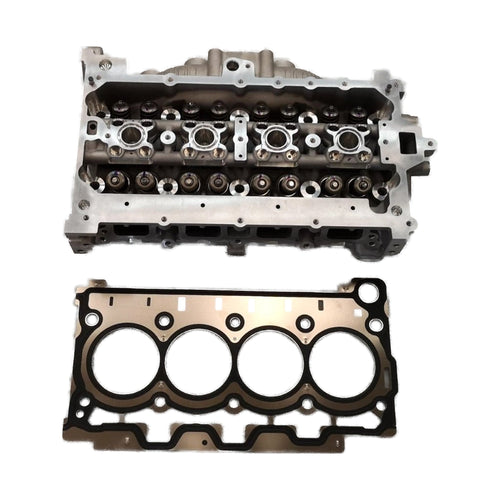
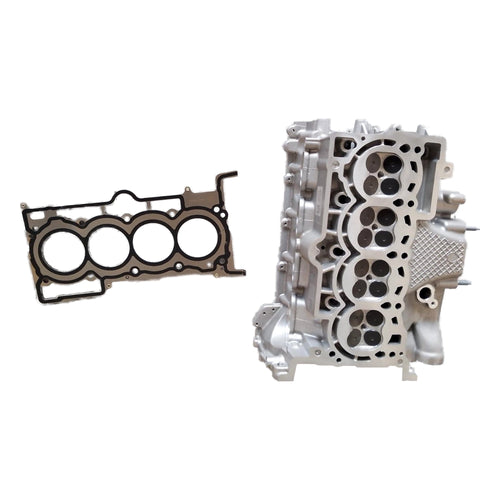
| White exhaust smoke with coolant loss | Cylinder head gasket |
| Rough idle with fuel trim running lean | Split intake or ventilation hose |
| Rattle for a second on cold start | Timing chain and tensioner |
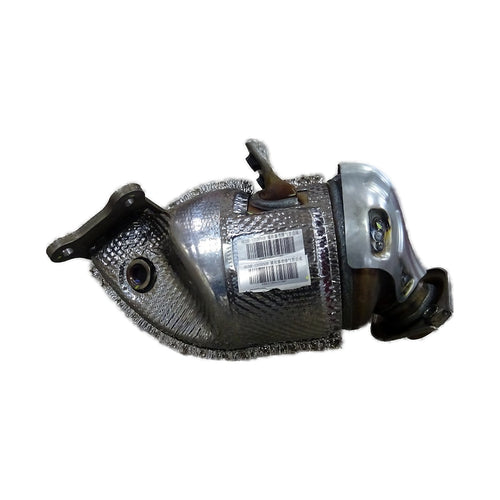
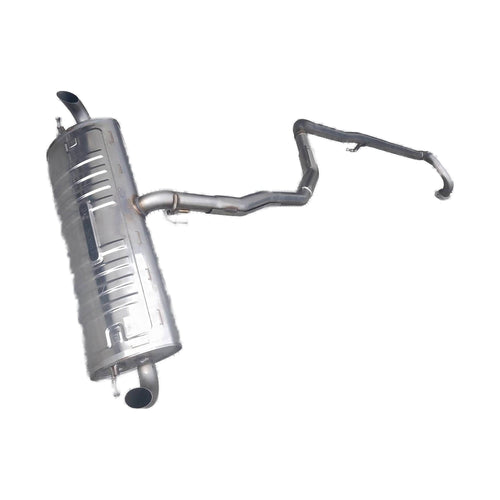
| Catalyst efficiency fault with normal driveability | Oxygen sensor or the catalyst |
About Combustion Powertrain
A combustion powertrain is four systems working to a single rhythm. The engine converts a controlled burn into rotation and depends on lubrication, sealing and timing being right, since a failure in any one of those rarely stays local. Fuel and air supply measures what goes in and meters it to within a few per cent, which is why a split hose or a fouled injector shows up as a fuelling fault rather than an obvious mechanical one. Ignition supplies a spark measured in tens of thousands of volts at exactly the right instant, cylinder by cylinder. Exhaust and emissions control handles what leaves, using a catalyst that needs heat to work and sensors that keep the mixture where the chemistry requires. Diagnosis across all four rewards data over assumption.
What to know before buying Combustion Powertrain parts
Order the small consumables at the same time as the large parts. Gaskets, seals, stretch bolts and clips are what stop a repair being done twice. Match everything by OE number, because engine variants that share a family name differ in ways you cannot see.
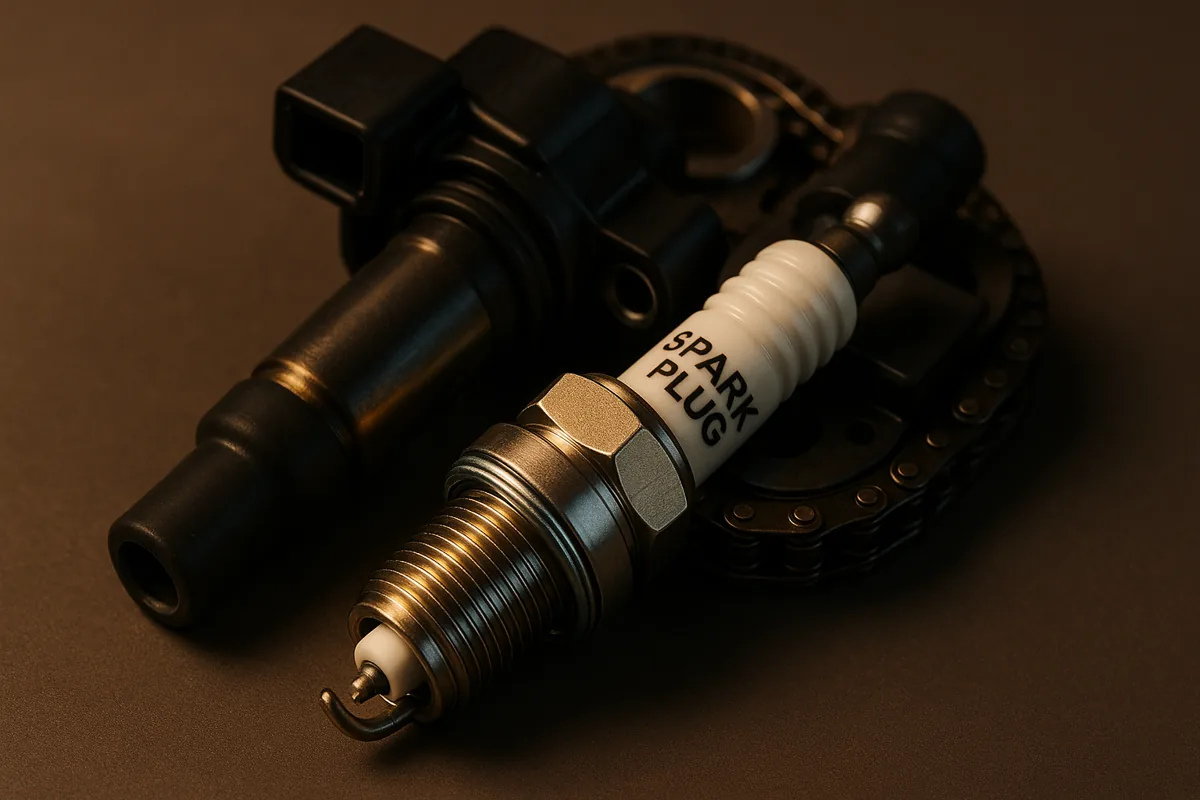
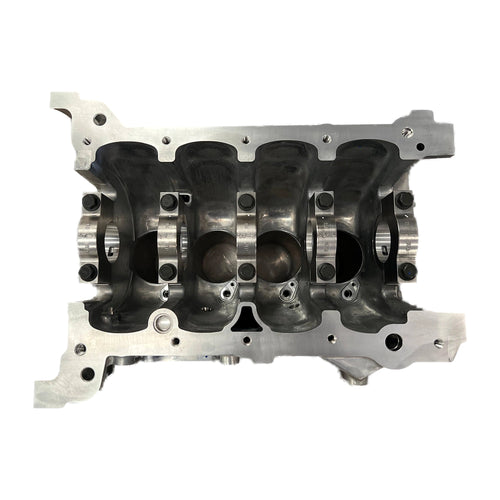
The powertrain group covers four areas. Engine holds the block, head, timing drive, valvetrain, bottom end, oil circuit and gaskets. Fuel and air supply holds intake, throttle, pumps, injectors, tanks and lines. Ignition holds coils and spark plugs. Exhaust and emissions holds manifolds, catalysts, sensors, recirculation and evaporative hardware, and the pipework behind them.
Before You Order: 5 Checks
- Read fault codes, fuel trim and rail pressure data before ordering, since faults across these systems present alike.
- Order gaskets, seals and stretch bolts with any component that opens a joint.
- Match the OE number, because engine variants sharing a family name differ invisibly.
- Find the cause before replacing a catalyst or a head gasket, since both are usually casualties.
- Replace plugs and friction consumables as sets rather than individually.
What Changed and Why
Combustion engines in this catalogue increasingly serve as range extenders and hybrid units rather than as sole propulsion, which changes both duty and failure modes. Long periods at light load, frequent stop start operation and short journeys favour deposits, crankcase condensation and interrupted particulate filter regeneration. Direct injection has removed the fuel wash from intake valves, making carbon build up a service item on some engines, while timing chains have proved sensitive to extended oil intervals in a way the promise of lifetime durability did not anticipate.
Combustion Powertrain: Frequently Asked Questions
Where should diagnosis start on a combustion fault?
With data rather than symptoms, because these four systems produce overlapping complaints. A misfire can be ignition, fuelling or compression. A lean reading can be an intake leak, a fuel supply problem or an exhaust leak upstream of the sensor, and a catalyst code can be the sensor rather than the catalyst. Fault codes, fuel trim values, per cylinder misfire counters and rail pressure readings separate them quickly, and every one of those is cheaper to obtain than the part they prevent you buying.
Why do catalysts and head gaskets so often fail twice?
Because both are usually casualties rather than causes. A catalyst is destroyed by a misfire dumping unburnt fuel into it or by oil consumption poisoning the coating, and a head gasket fails because the engine overheated for a reason that has not gone away, whether a thermostat, a pump, a radiator or a fan. Fitting the replacement without addressing the underlying fault schedules the next failure. Investigate the cause as part of planning the repair rather than afterwards.
Which small parts should I order with a big one?
Everything the job opens. Gaskets, seals and O rings for every joint, stretch bolts wherever the procedure calls for angle tightening, clips and hose clamps that will not reseal once disturbed, and the filter or fluid the work consumes. These items cost very little individually and are the usual reason a job stops with the vehicle in pieces. Where you are unsure what a repair disturbs, list the parts in one enquiry rather than ordering in stages.
Do hybrid engines need different maintenance?
They need more attention to the same things. An engine that starts and stops frequently, runs at light load and covers less distance than the odometer suggests is more prone to deposits and crankcase condensation than one used for steady journeys, so oil condition, crankcase ventilation and spark plug health matter more rather than less. Follow the manufacturer's intervals by time as well as distance, and treat an occasional longer run as genuinely useful rather than optional.
How much combustion work is realistic at home?
More than people expect on the top end and less on the bottom. Timing chains, head gaskets, valvetrain work, ignition, intake and exhaust repairs are all achievable with a manual, correct locking tools, a torque wrench and patience. Bottom end work depends on measurement with a micrometer and a bore gauge, and an assembly that feels perfect can destroy itself within a few thousand miles if clearances are wrong. Order parts by OE number and hand the measuring to a specialist if you lack the tools.
Should I replace one ignition coil or the whole set?
On engines with a coil on each plug, a single failed coil can be replaced on its own. First confirm the fault by moving the suspect coil to another cylinder and checking whether the misfire counter follows it. If it does, the coil is at fault. If the misfire stays with the cylinder, look at the plug, the injector or the compression. On a high mileage engine where every coil is the same age and hard to reach, replacing the set can save doing the job twice. Read the OE number printed on the coil body before ordering.
Are upstream and downstream oxygen sensors interchangeable?
Usually not. The sensor ahead of the catalyst controls fuelling, and on many modern engines it is a wideband type with its own connector and signal. The sensor after the catalyst mainly checks that the catalyst is storing oxygen. The two can share a thread size but differ in plug, lead length and internal design. A fault code shows which bank and position has failed, so replace that sensor rather than guessing, and check for exhaust leaks and damaged wiring first. The OE number is stamped on the sensor body or printed on its lead, so read it before you order.
What does a rattle for a few seconds at start up mean?
On a chain driven engine it often points to timing chain wear. Overnight the hydraulic tensioner loses oil pressure, so a stretched chain or worn guide slaps about until pressure builds and the noise fades. If the rattle lasts longer from week to week or carries on when the engine is warm, the chain may be close to jumping a tooth, and on many engines that lets valves strike pistons. Camshaft to crankshaft correlation codes support the diagnosis. Order the chain, guides, tensioner and seals together by OE number, and have a qualified mechanic look at it promptly.
Will new injectors cure misfires on a direct injection engine?
Not if the cause is carbon on the intake valves. Direct injection sprays fuel straight into the cylinder, so fuel never washes the valves, and oil vapour from the crankcase ventilation bakes onto them. The result is misfires after a cold start, a rough idle and hesitation that look like an injector fault. A borescope inspection through the intake port shows the deposits, and cleaning them off is the fix. Injectors do fail too, usually by leaking or spraying badly, and a balance test or a comparison of fuel trims shows it. Confirm which fault you have with a qualified mechanic before ordering injectors by OE number.
Do replacement injectors need coding to the engine?
Many modern injectors do. Each one is flow tested at manufacture and carries a trim or correction code on its body, which tells the engine control unit how to allow for small differences in flow. A new injector fitted without its code entered can run slightly rich or lean on that cylinder and may set fuel trim or misfire faults. The job needs a diagnostic tool that supports injector coding. Replace the sealing washers, combustion seals and any clamps at the same time, and match the OE number on the old injector when ordering.
Should new spark plugs be gapped before fitting?
Check the gap but do not adjust it. Plugs with iridium or platinum tips are normally set correctly at the factory, and bending the earth electrode against the fine centre tip can crack it. Check the gap with a wire gauge, because a coin style gauge can damage the tip. Fit plugs to a cold engine, start the threads by hand and tighten to the specified torque. Overtightening can strip the thread in an aluminium head, and undertightening stops the plug shedding heat properly. Match the OE number on the old plug, because heat range matters.
What are the signs of a failed crankcase ventilation valve?
The usual signs are a whistle or squeal at idle, lean fuel trims at idle, rising oil use, oil in the intake and oil forced past seals. The valve or diaphragm controls how much crankcase gas is drawn into the intake, and a split diaphragm behaves like an unmetered air leak. A quick check is strong suction at the oil filler cap with the engine idling. On many engines the valve is built into the rocker cover, so the cover itself is the replacement part. Read the OE number on the cover or valve before ordering.
What causes a ticking noise from the exhaust manifold?
Usually a leak at the manifold gasket or a cracked manifold. The noise pulses in time with the engine and is loudest from cold, before the metal expands and closes the gap. Broken or loose studs are a common cause, and soot trails around the joint show where the leak is. The leak also affects fuelling, because air drawn in ahead of the upstream sensor makes the mixture read lean, so the engine adds fuel it does not need. Plan on new gaskets, studs and nuts, since old ones rarely survive removal, and match the OE numbers on the parts you take off.
Can a dirty or oiled air filter affect the air flow sensor?
Yes. The mass air flow sensor measures intake air with a heated element. Oil or dust settling on that element makes it under read, so the engine runs lean and may hesitate, lose power or set lean codes. Over oiled performance filters are a known cause, and so is a filter that does not seal in its housing. Fit the correct filter, check the housing and ducting after the sensor for splits, and clean the element only with a dedicated sensor cleaner. If the sensor still reads wrongly, order a replacement by the OE number on its body.