Exhaust & Emissions
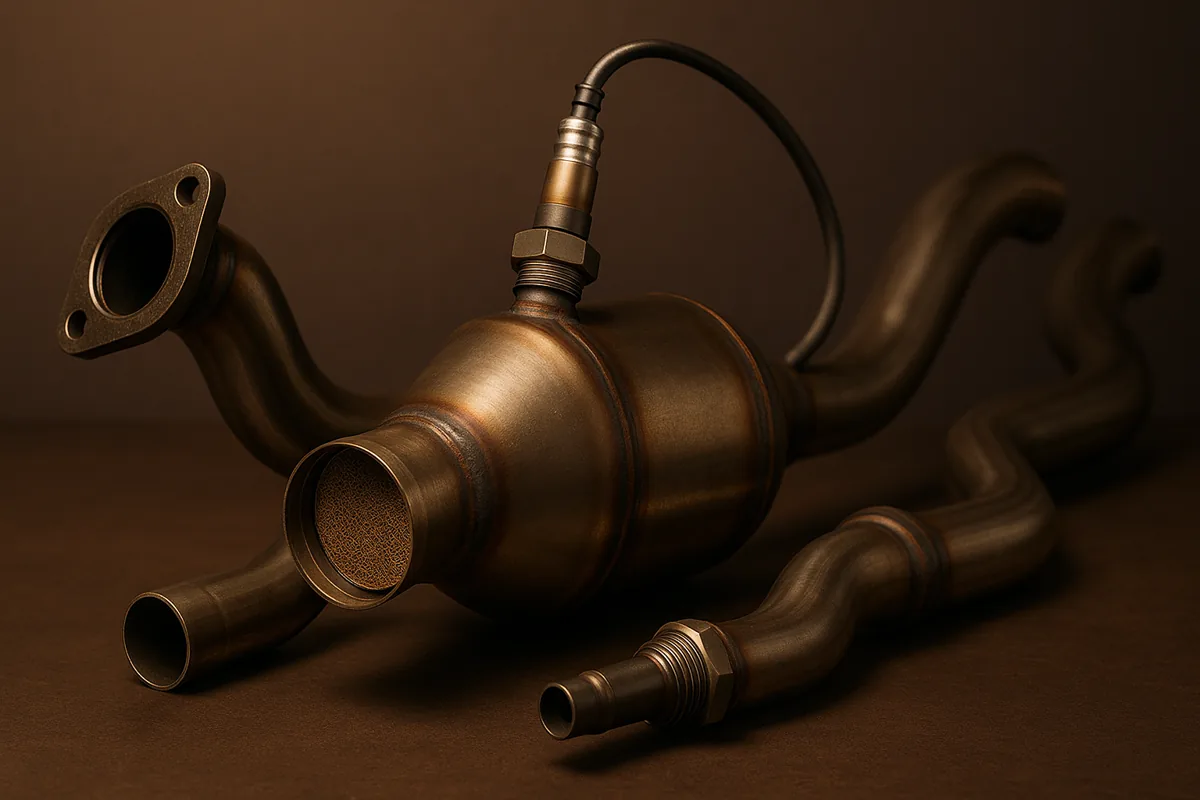
Shop Exhaust & Emissions by Part Type
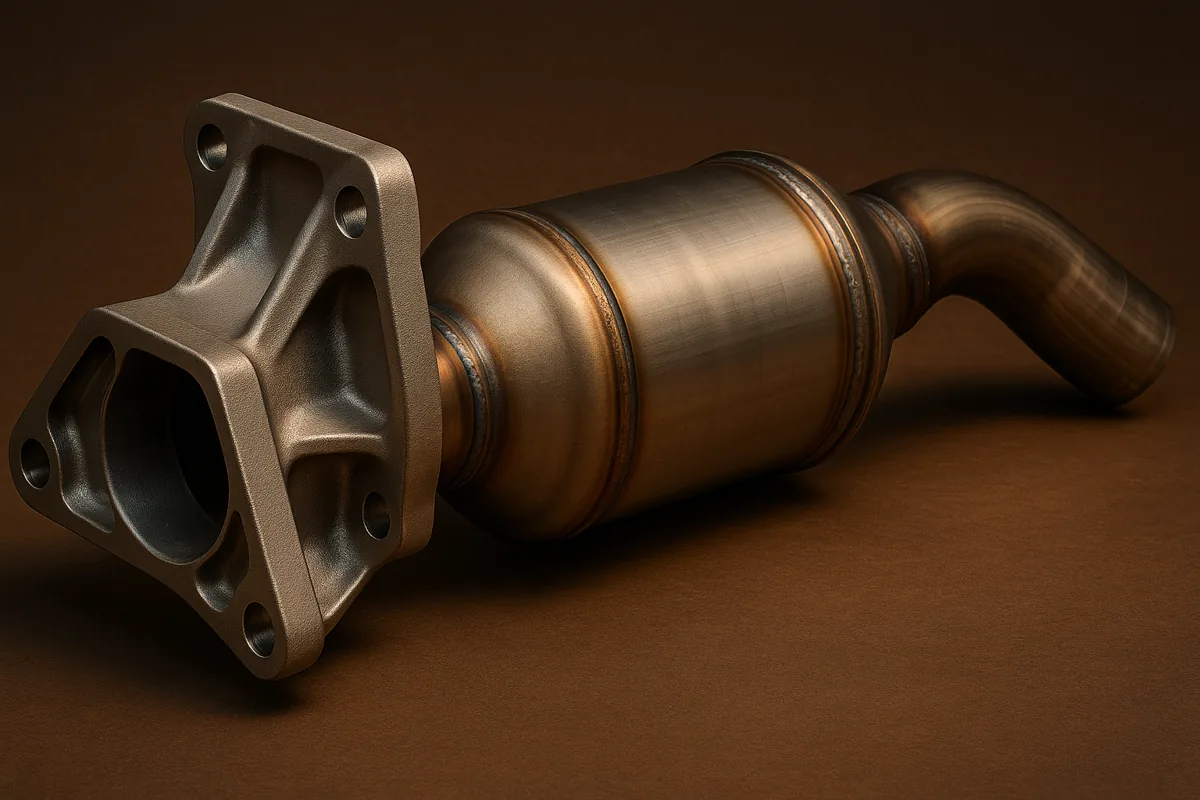
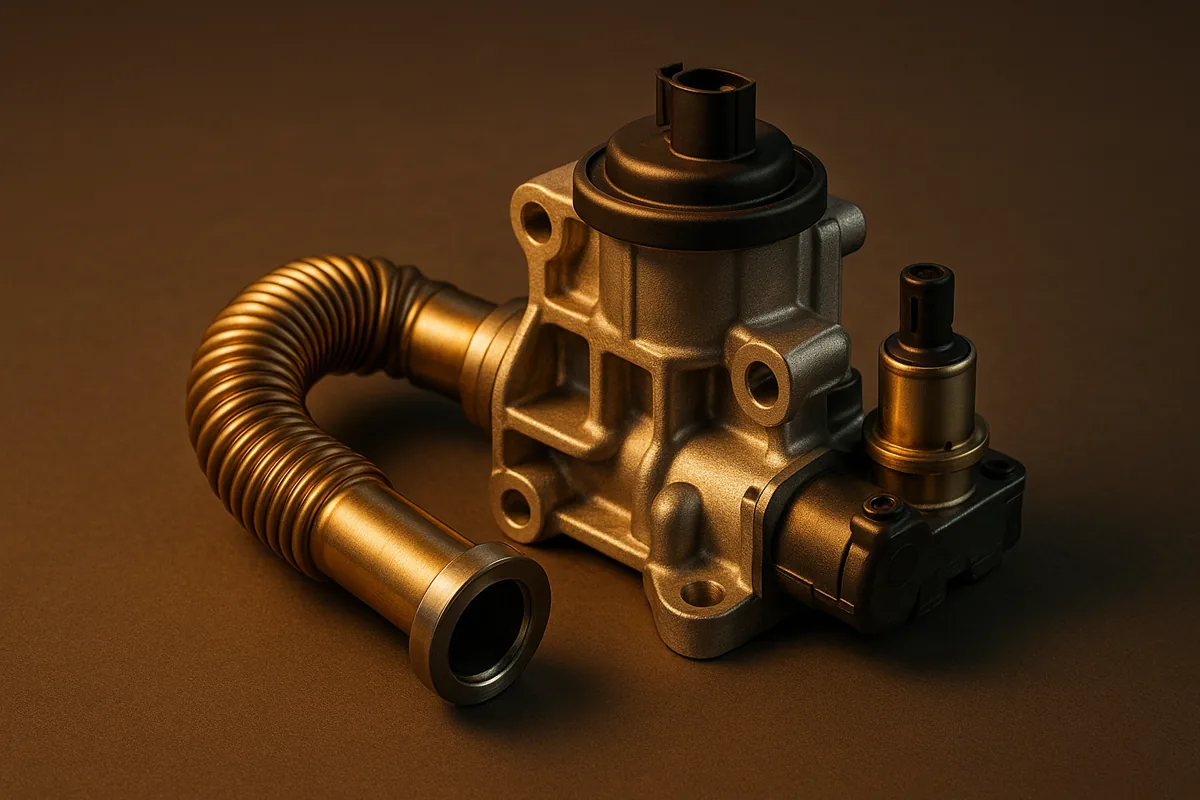
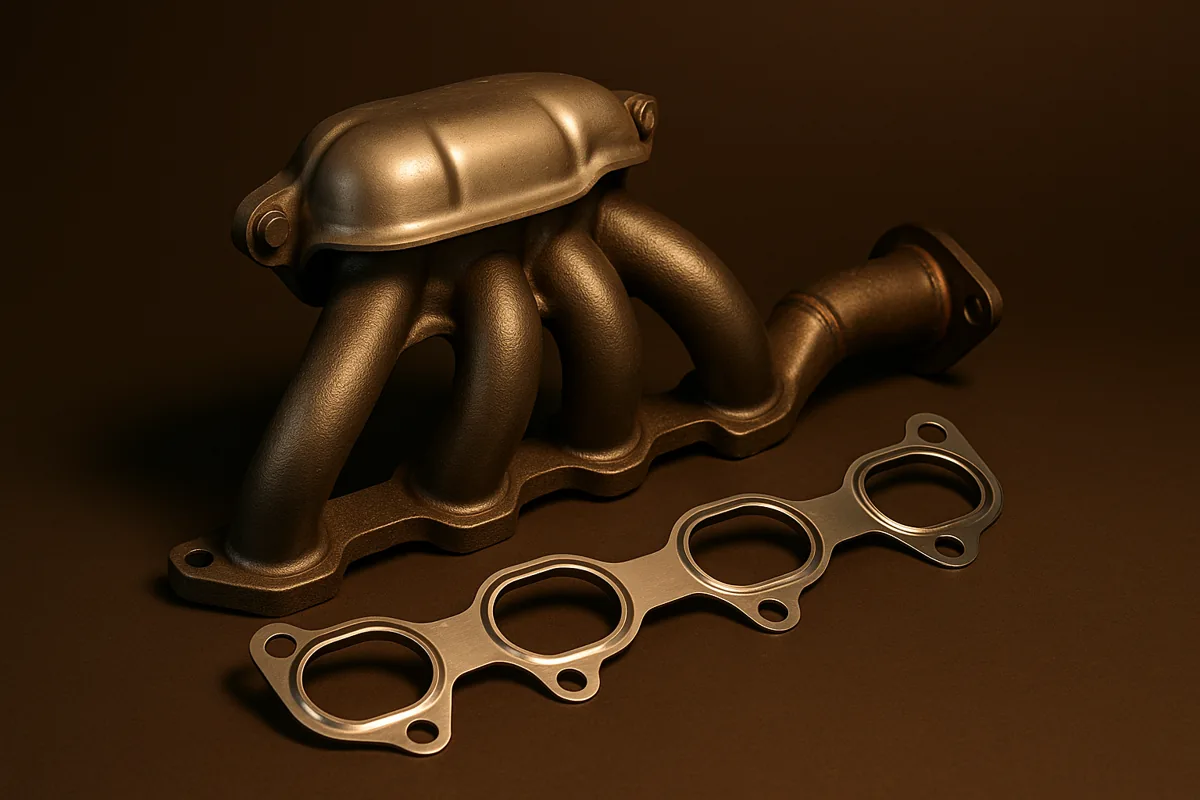
Popular Right Now
scroll for more →
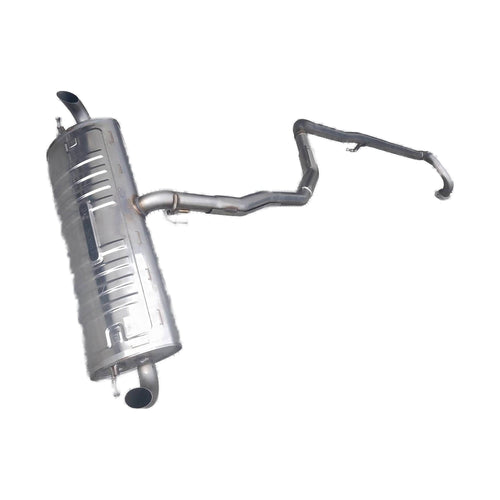
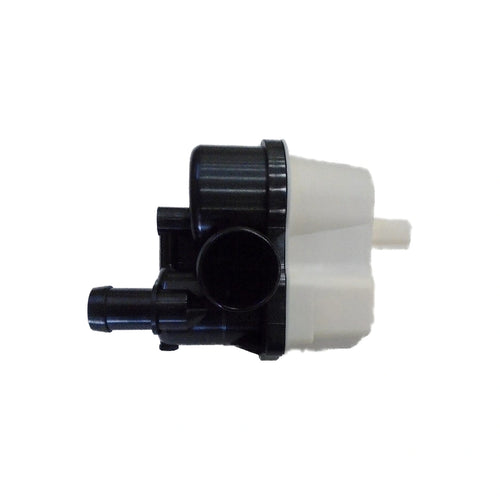
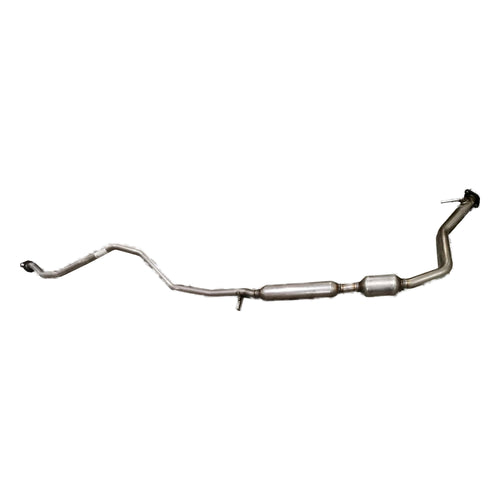
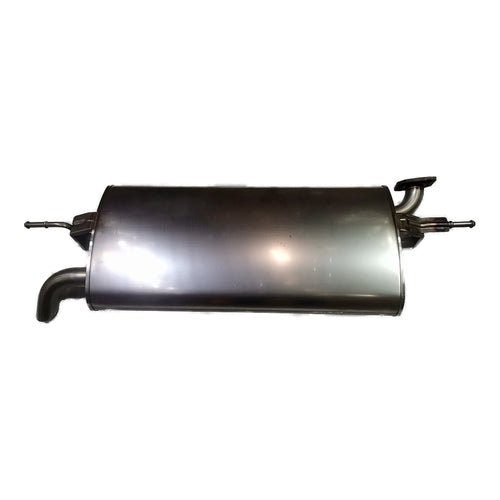
Symptom Finder: What Is Actually Broken?
| What you see or hear | Part to check first |
|---|---|
| Catalyst efficiency fault with normal driveability | Rear oxygen sensor or the catalyst |
| Ticking from the front of the engine when cold | Exhaust manifold gasket |
| Booming or drone that appeared gradually | Exhaust rubber hanger |
| Small evaporative leak code with a fuel smell | Filler cap or an evaporative hose |
| Rough idle with a recirculation flow fault | EGR valve or its pressure sensor |
About Exhaust & Emissions
The exhaust system does far more than carry gas away. Immediately after the valves, the manifold merges the flow and delivers it hot to a catalyst, which needs that heat to work at all, and that requirement dictates where the catalyst is mounted and why a car used only for brief errands is unkind to it. Inside the catalyst three reactions happen almost simultaneously, and each depends on the mixture being held very near the ideal ratio, which is the job of the sensors placed before and after it. Recirculation and evaporative control sit alongside, one lowering combustion temperature to limit oxides of nitrogen, the other trapping fuel vapour so it is burnt rather than released. Behind all of that, silencers and pipework manage noise and route what remains rearwards.
What to know before buying Exhaust & Emissions parts
Diagnose before you order. A lazy sensor, an exhaust leak and a worn catalyst can all produce the same fault code, so confirm the cause first. Order new gaskets, seals and fasteners for anything you disturb.
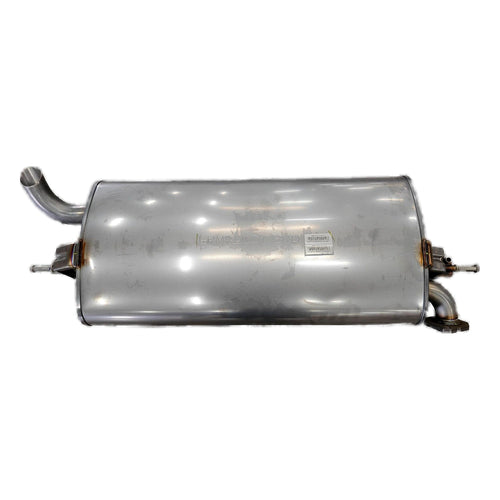
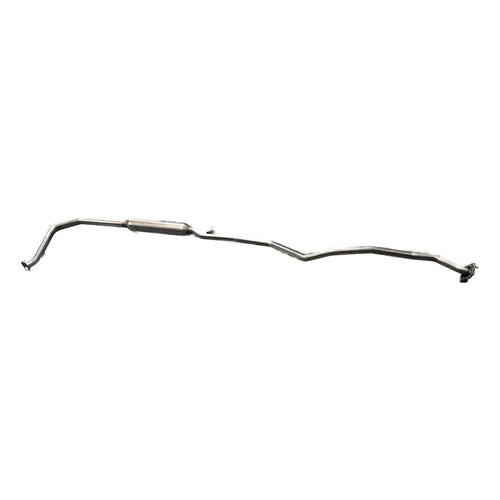
The group splits by section. Exhaust manifold and downpipe covers the hottest part of the system along with its gaskets and heat shields. Catalytic converter and DPF covers the catalyst and its brackets. Mufflers and pipes covers sections, hangers and joint seals.
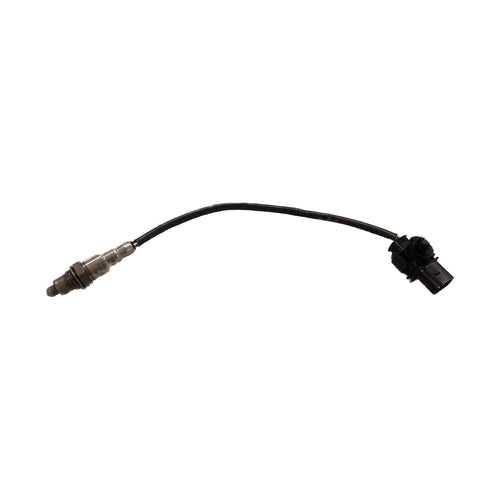
Sensors and emissions hardware sit in their own sections. Lambda and emission sensors covers the oxygen, temperature and pressure sensors the control unit relies on. EGR system and emissions control covers recirculation and evaporative hardware.
Before You Order: 5 Checks
- Rule out exhaust leaks and sensor faults before replacing a catalyst.
- Find the cause of a catalyst failure, since misfires and oil consumption destroy the replacement too.
- Order oxygen sensors by position, as front and rear differ in cable, connector and technology.
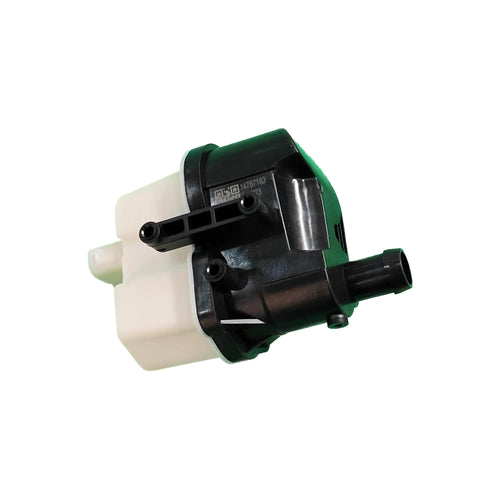
- Check the filler cap and visible hoses before ordering an evaporative leak detection module.
- Fit new gaskets, seal rings, springs and fasteners on any joint you open.
What Changed and Why
Emissions monitoring has become continuous and precise, which changes how faults arrive. Catalyst health is judged by comparing upstream and downstream oxygen sensor signals, evaporative systems are actively leak tested with a pump or vacuum decay so a pinhole is detected, and recirculation valves report the difference between commanded and actual position. Petrol particulate filters have been fitted alongside catalysts since particulate limits tightened for direct injection engines, adding their own temperature sensing and a regeneration strategy that short journeys and hybrid operation both interrupt.
Exhaust & Emissions: Frequently Asked Questions
I have a catalyst efficiency code. Do I need a converter?
Treat that code as a starting point rather than a verdict. It is generated by comparing two oxygen sensor signals, so anything that distorts either signal produces it: a tired rear sensor, an exhaust leak drawing air in ahead of the sensor, a misfire, or fuelling that has drifted. Any of those is cheaper than the converter. Work through them in order, clear the memory and drive the monitoring cycle again. If the rear sensor still swings in step with the front one on a healthy engine, the substrate really has gone.
Why did my catalyst fail in the first place?
Catalysts do not really wear out. They get killed. The usual killers are all upstream. Raw fuel from a misfire ignites inside the substrate and melts it. Oil past worn stem seals or rings leaves a coating that stops the reaction. Coolant from a failed head gasket poisons the surface with silicates. Occasionally the ceramic simply cracks from a kerb strike or from water hitting a hot unit. Find and fix the upstream cause first. A compression test and an honest look at oil consumption should come before any converter is ordered.
Which category covers a droning exhaust?
Look under mufflers and pipes, and start with the cheapest item in it. Drone at one specific engine speed is usually a mounting problem rather than a corroded silencer: the rubber hangers that isolate the system from the body harden with age, and once they stop absorbing vibration the whole exhaust becomes a tuning fork bolted to the floorpan. Grab the tailpipe when the system is cold and see how much the whole assembly moves. Fresh hangers cost very little and cure a surprising share of the boom complaints workshops receive.
Where do I start with a small evaporative leak code?
At the top of the tank and work down, cheapest first. The filler cap is responsible for a large share of these codes, so borrow or buy a known good one before anything else. Next look at the nylon and rubber lines that run along the floor, especially where they bend around the tank straps and where they push onto connectors, because the plastic embrittles with age. Then the purge and vent valves, which stick open or closed. A smoke machine at a workshop pinpoints the escape in minutes and stops the parts cannon.
Can I remove or blank emissions equipment?
No, and beyond the legality it is poor engineering. Blanking a recirculation valve raises combustion temperature exactly as intended, increasing oxides of nitrogen and thermal load on the valves and pistons, and the control unit logs a flow fault regardless. Removing a catalyst or a particulate filter fails inspection, is an offence in most markets and invalidates insurance. Where these systems cause problems, the answer is a clean intake and working components, both of which are listed here.
Are the front and rear oxygen sensors interchangeable?
Usually not, even when the threads and plugs look identical. The sensor ahead of the catalyst controls fuelling, so it is often a fast wideband type that reports the exact mixture. The one behind it is typically a simpler switching sensor that only judges how well the catalyst stores oxygen. Cable length, connector keying, heater rating and calibration all differ, and a swapped sensor can set heater or response codes or upset the fuelling. Read the OE number stamped on the body or printed on the cable of the old sensor and enter it in the search box.
Why does a plug-in hybrid seem so hard on its exhaust parts?
Because the engine often starts cold, runs briefly and stops again. A catalyst does very little until it reaches working temperature, so the control unit retards the ignition and enriches the mixture to heat it quickly. Repeated cold starts also leave more condensation in the silencers and more fuel and water in the oil, so sensors and valves spend more of their lives wet and sooty. Letting the engine reach full temperature regularly, for example by holding charge on a longer run, helps a great deal. If a part does need renewing, match the OE number on the old one.
What does the particulate filter warning mean, and can I clear it myself?
It means soot has built up faster than the filter can burn it off. On a steady run the exhaust normally gets hot enough for the soot to oxidise on its own, and when it cannot, the control unit raises exhaust temperature deliberately. Short, stop start journeys interrupt that process. The usual first step is a sustained drive at a steady motorway speed with the engine fully warm, which often clears the light. If it stays on, or power drops into limp mode, stop trying and have a qualified mechanic read the soot load and pressure sensor data before anything is replaced.
What causes a ticking noise that fades once the engine warms up?
That pattern points strongly at the exhaust manifold or its gasket. A small crack or a blown gasket lets gas escape in pulses that match the firing order, and as the metal expands with heat the gap closes and the tick quietens. Look for grey or black soot tracks around the joint face, and check for broken or stretched studs, which often go with a leaking gasket. Left alone, a crack usually grows. Take the OE number from the manifold casting or the old gasket, and fit fresh studs and nuts at the same time.
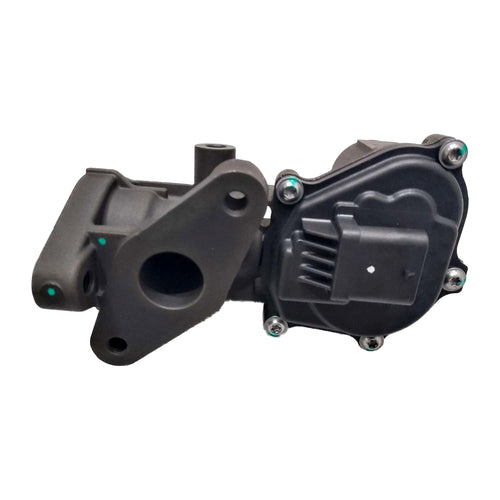
My recirculation valve has stuck. Should I clean it or replace it?
Clean it if carbon is the only problem. Recirculated gas carries soot and oil vapour that bake onto the valve seat and stem. A valve held slightly open gives a rough idle that smooths out under load, while one stuck shut raises combustion temperature and can bring on pinking. If the motor, position sensor or housing has failed, or the valve sticks again soon after cleaning, replace it, because the electronics cannot be cleaned back to health. Always fit a new gasket. Check the OE number on the valve body label, and ask a qualified mechanic to run the adaptation afterwards.
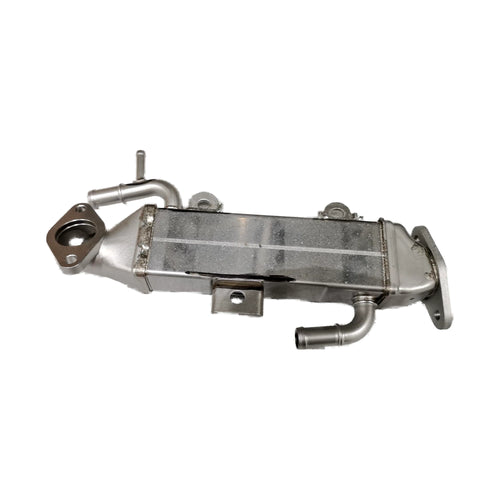
How do I know if the recirculation cooler is leaking?
The telltale is coolant loss with no drip under the car. The cooler passes hot exhaust gas through a small heat exchanger surrounded by engine coolant, and when an internal tube cracks, coolant is drawn into the gas stream and burnt. Signs include thick white smoke with a sweet smell, often worst at start up, a header tank that needs regular topping up, and sometimes a rough cold start. A cooling system pressure test confirms it. Coolers cannot be repaired internally, so the unit is replaced whole. Have a mechanic rule out the head gasket, then match the OE number on the old cooler.
Do I need new gaskets and fasteners when refitting exhaust parts?
Yes, as a rule. Exhaust gaskets crush on first tightening and rarely seal a second time, and the layered steel types at the manifold and catalyst are especially unforgiving. Studs and nuts that have been through years of heat cycles stretch and corrode, and one snapped in the cylinder head turns a simple job into a drilling exercise. Soak old fasteners in penetrating oil the day before, use high temperature anti seize on plain threads while keeping it well away from sensor tips, and tighten in the specified sequence. Search each gasket and fastener by the OE number in the parts diagram or on the old item.
What kills oxygen sensors early?
Healthy sensors last a long time, so an early failure usually has a cause. Silicone from the wrong sealant used during engine work, coolant from a leaking gasket and ash from burning oil all coat the ceramic element and slow its response. Heater circuits fail when wiring chafes against the hot pipe. Handling matters too: dropping a sensor can crack the element, and grease or cleaner sprayed on the tip ruins it. New sensors usually arrive with thread compound already applied, so add nothing else. Cure the contamination source first, then order by the OE number on the old sensor.
Why is the rear silencer rusting from the inside out?
Condensation. Burning fuel produces plenty of water vapour, and on short trips the rear box never gets hot enough to drive it off, so acidic water pools in the lowest chamber and attacks the steel from within. The first signs are often a pinhole along the bottom seam, water dripping from the tailpipe, or a rattle as internal baffles break loose. Regular longer drives that heat the whole system slow the damage. Order the replacement by the OE number on the old section's label or stamp, and if that has corroded away, send photos through the quote form. We reply within 24 hours, usually sooner.