Frame & Subframe
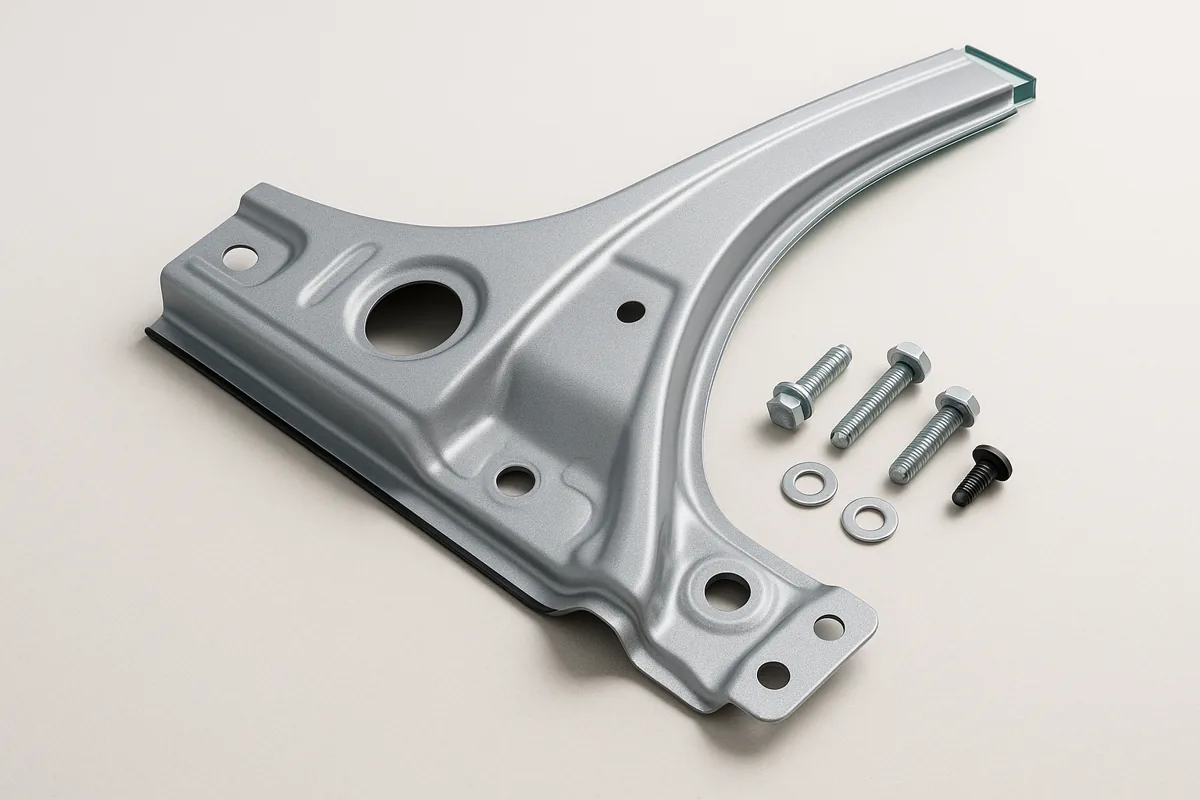
Shop Frame & Subframe by Part Type
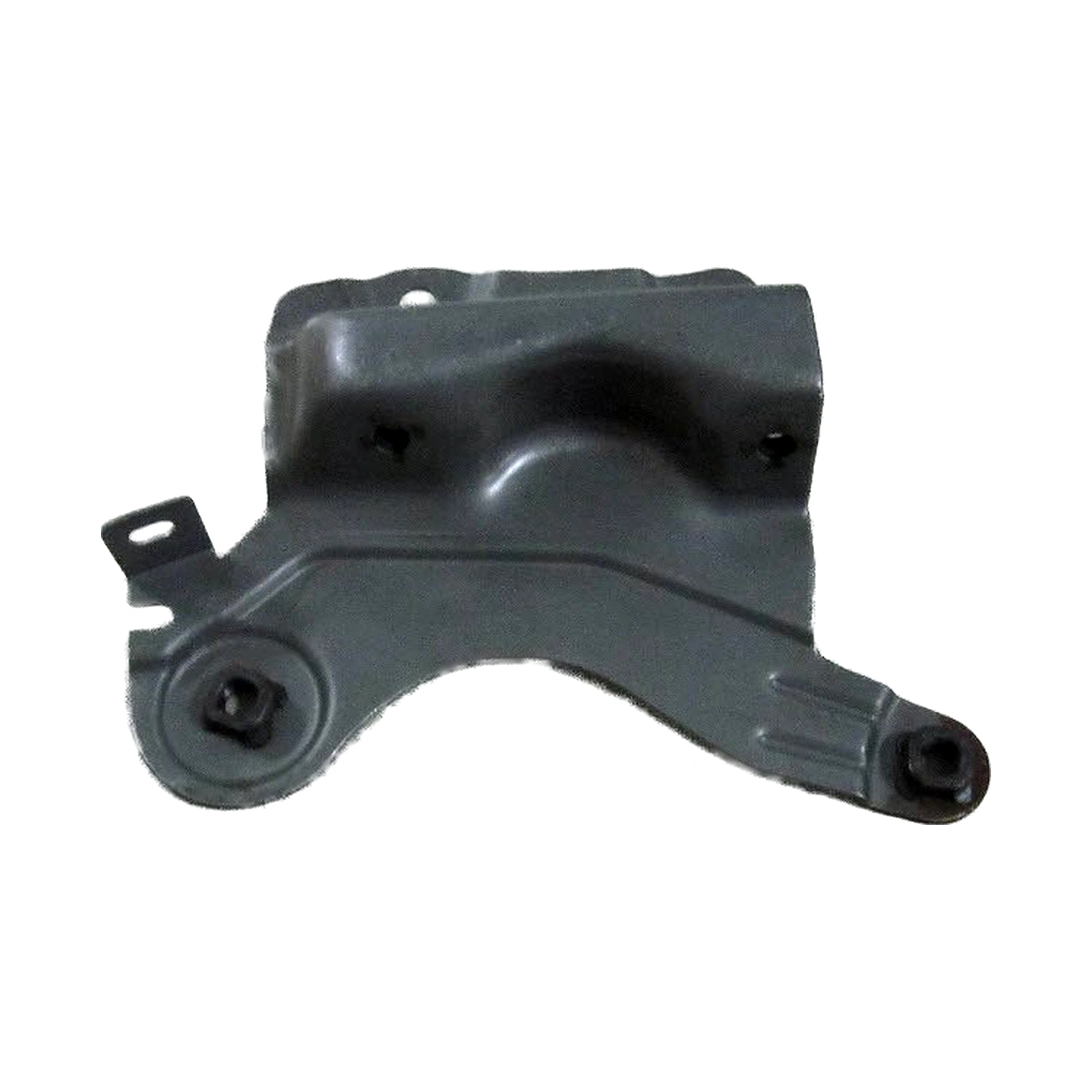
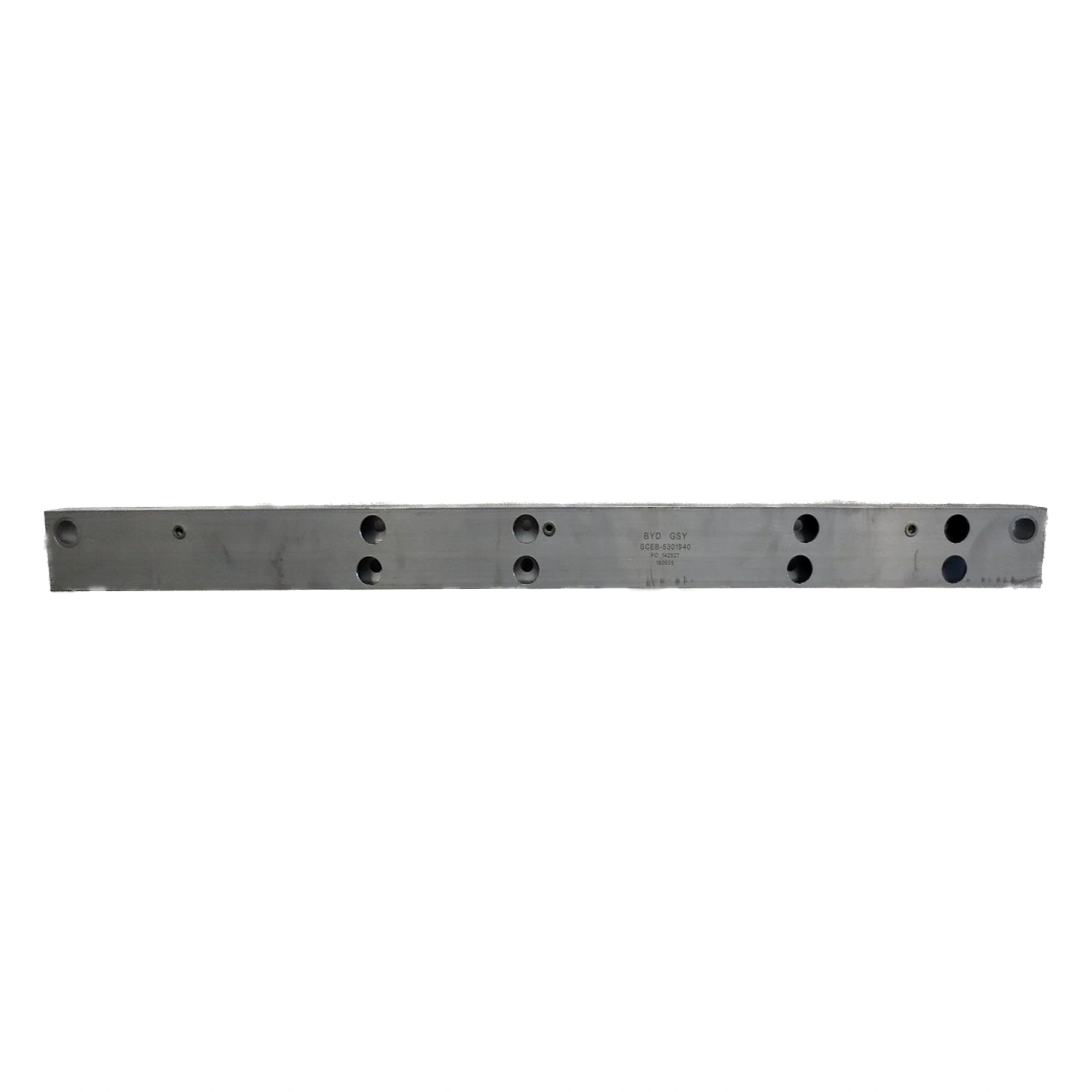
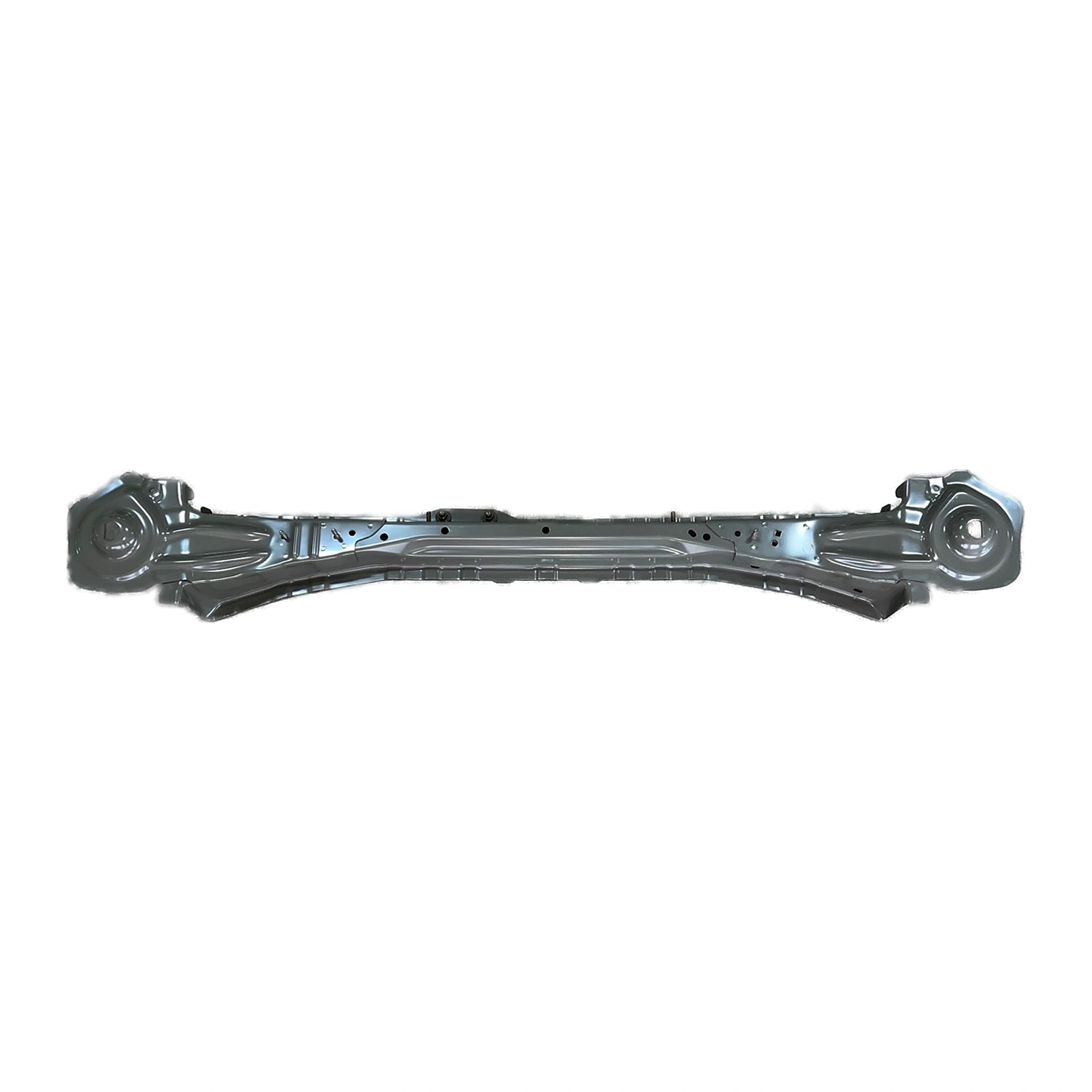
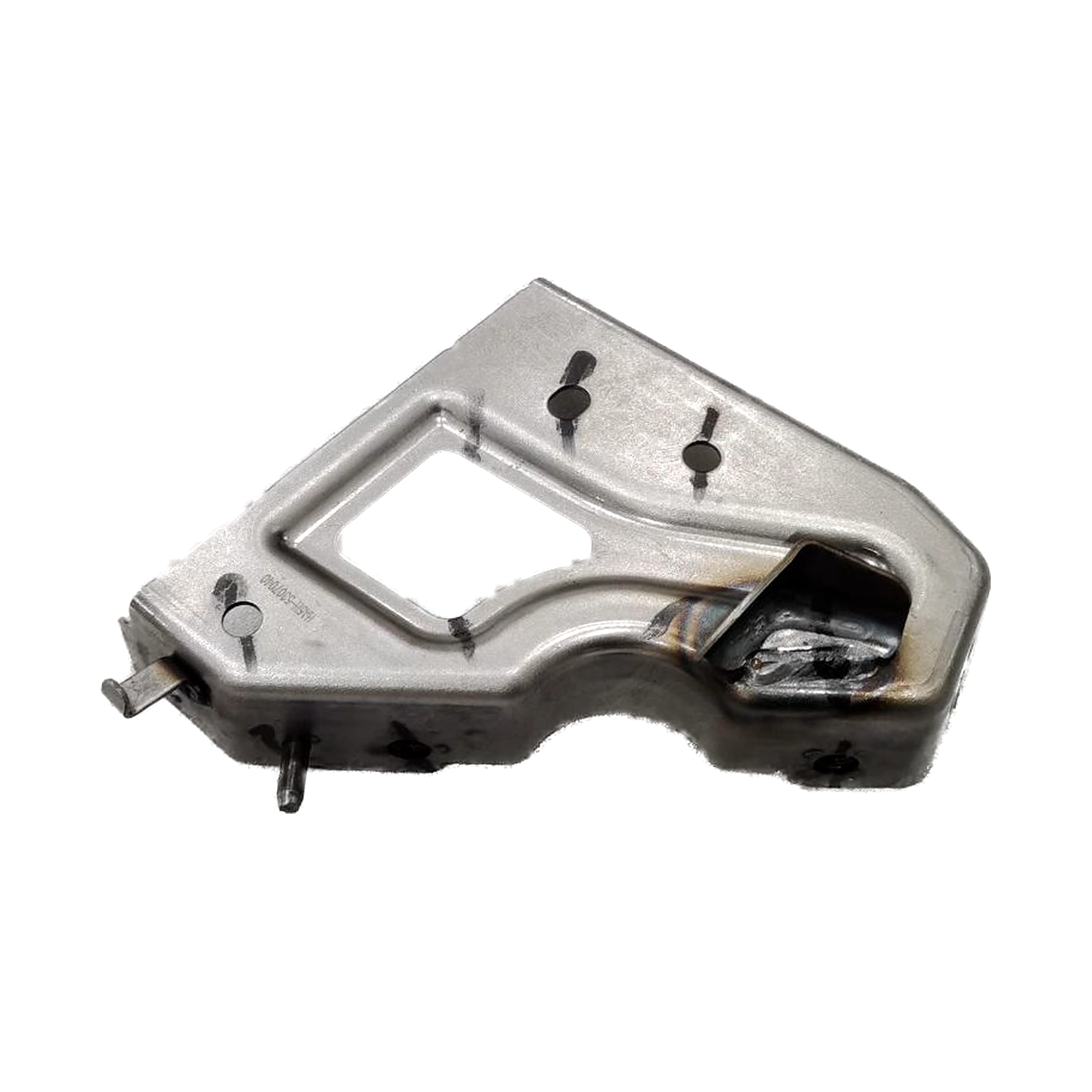
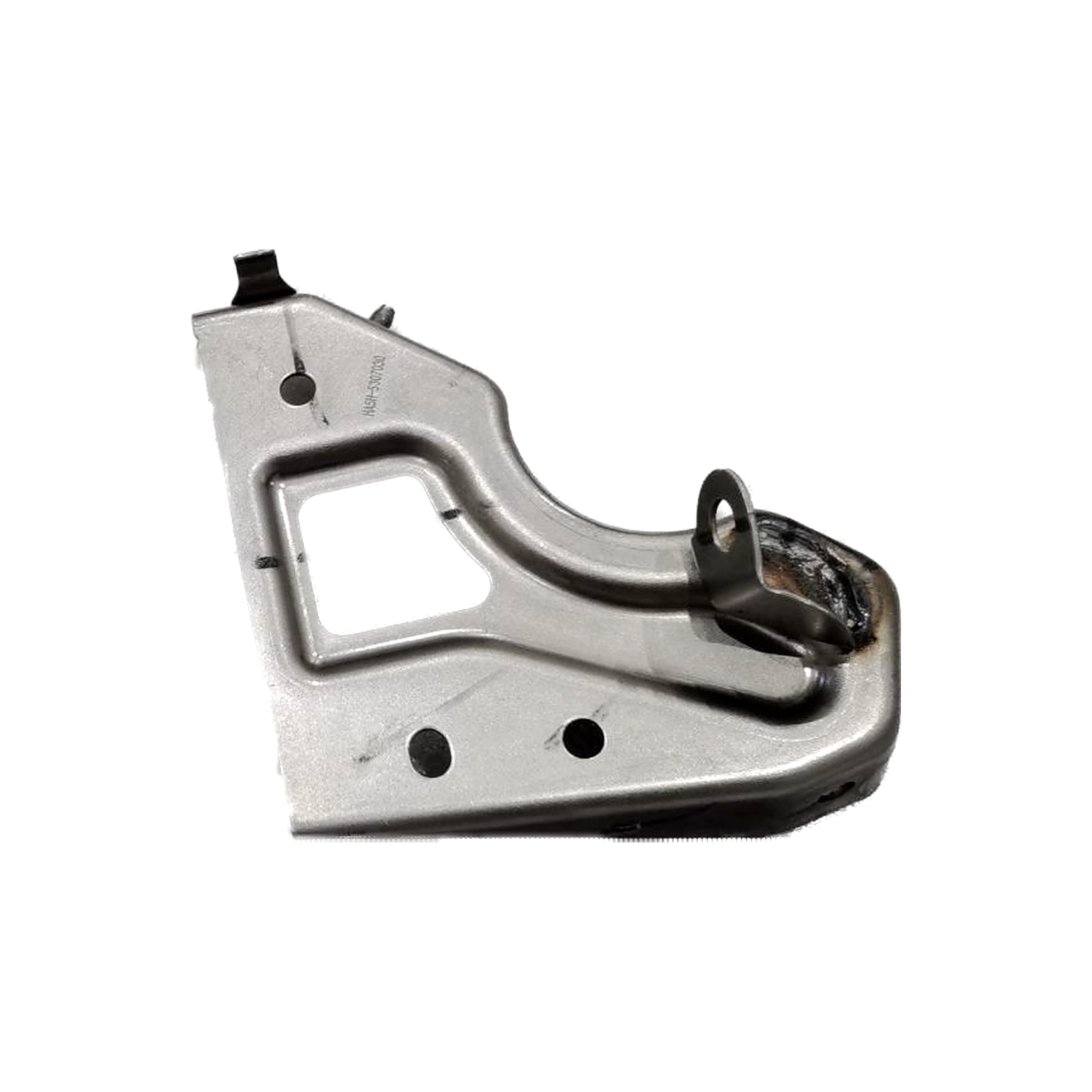
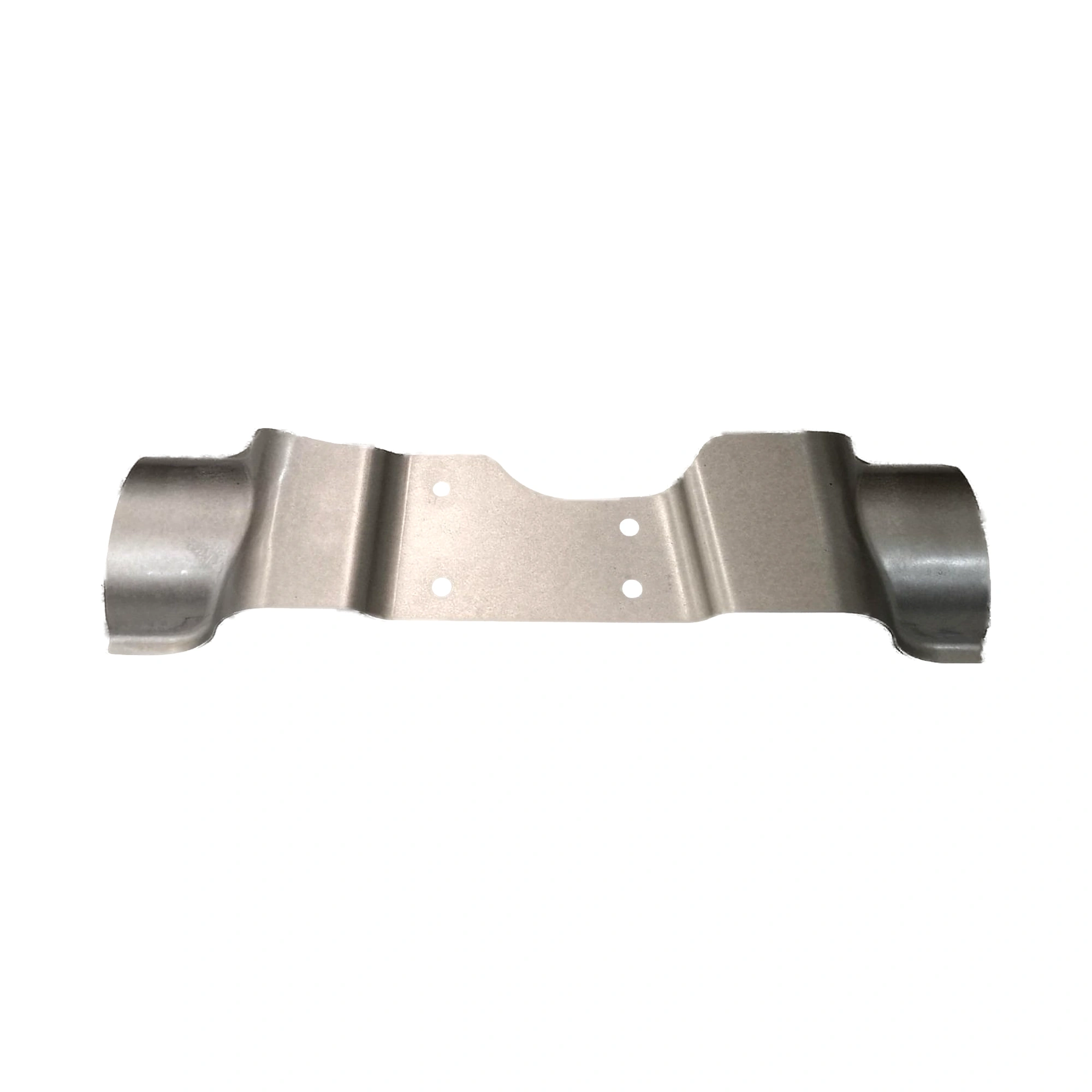
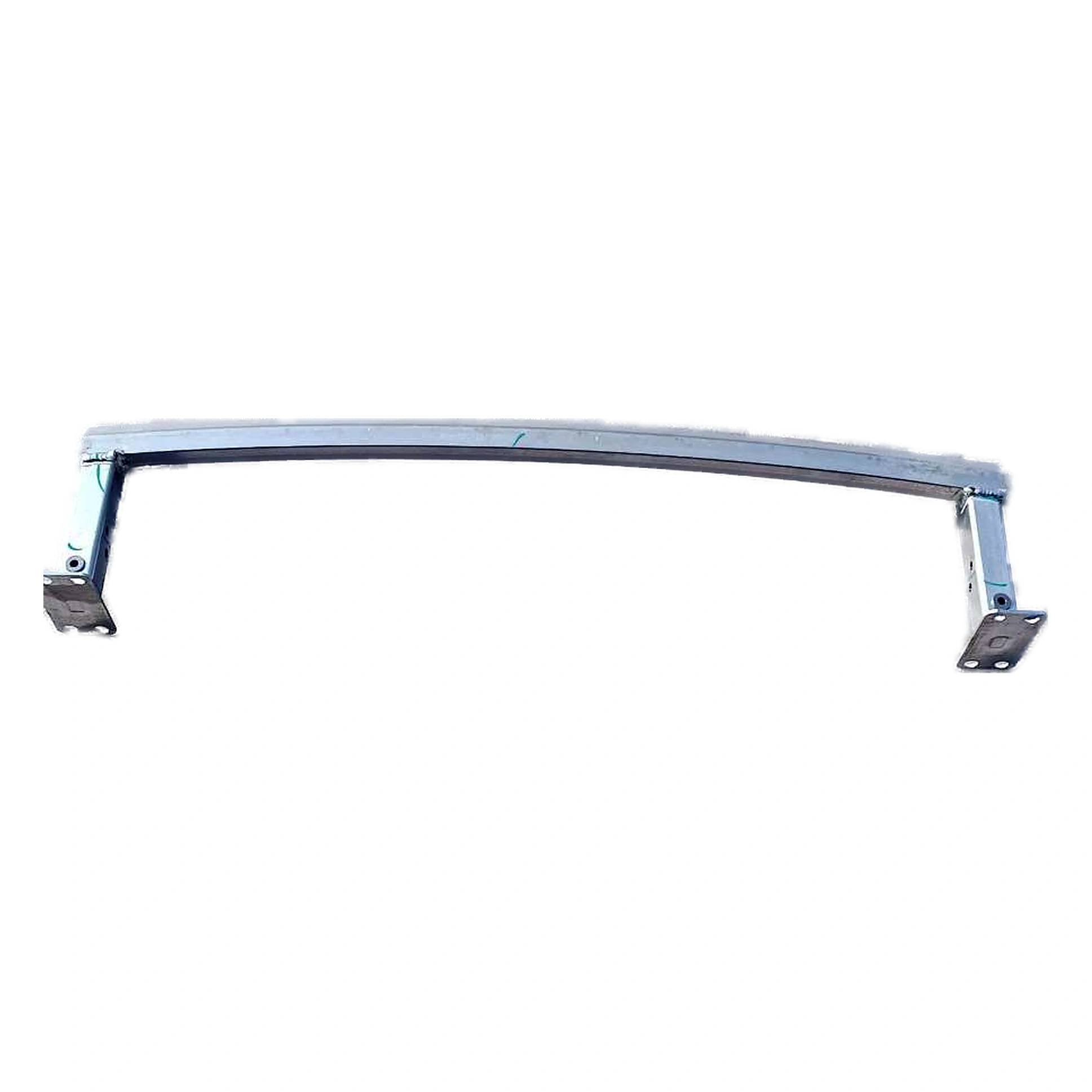
Popular Right Now
scroll for more →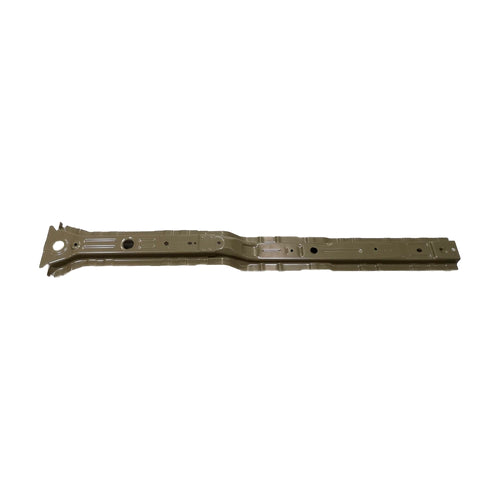
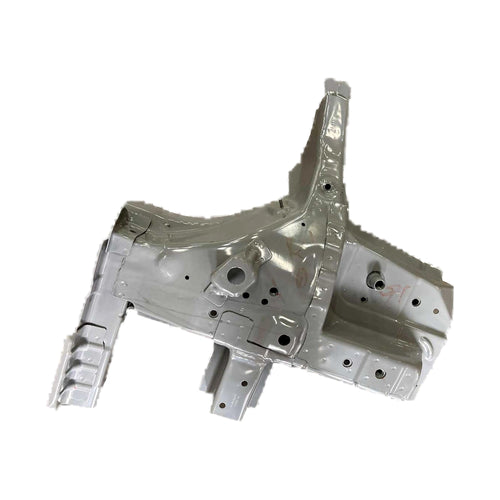
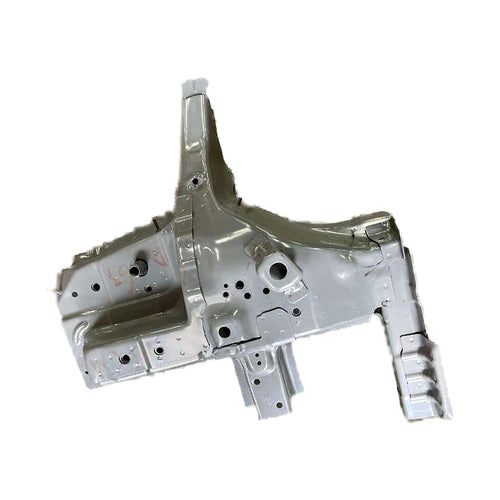
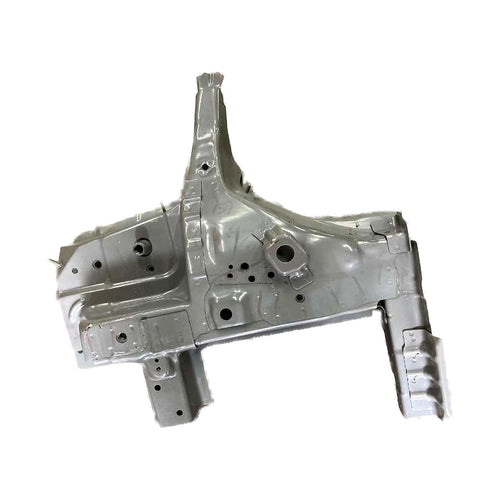
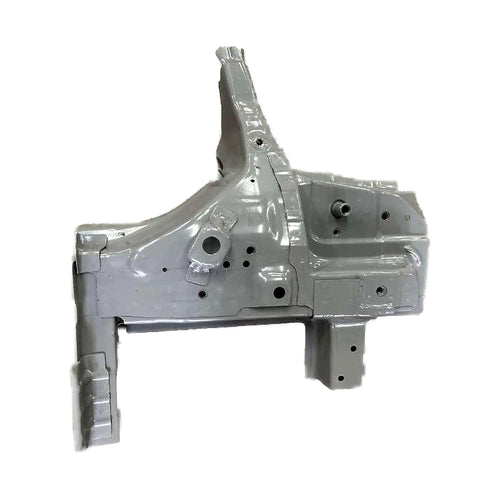
Symptom Finder: What Is Actually Broken?
| What you see or hear | Part to check first |
|---|---|
| Door and bonnet gaps uneven after a front impact | Front rail section |
| Car tracks off line or steering wheel sits crooked after a shunt | Front rail or floor cross member |
| Knocking from the dashboard and a steering column that feels loose | Cross car beam mounting |
| Corrosion or crush damage under the floor pan | Floor cross member or lower longitudinal rail |
| Recovery eye stripped or torn from its mounting | Ladder frame tow hook |
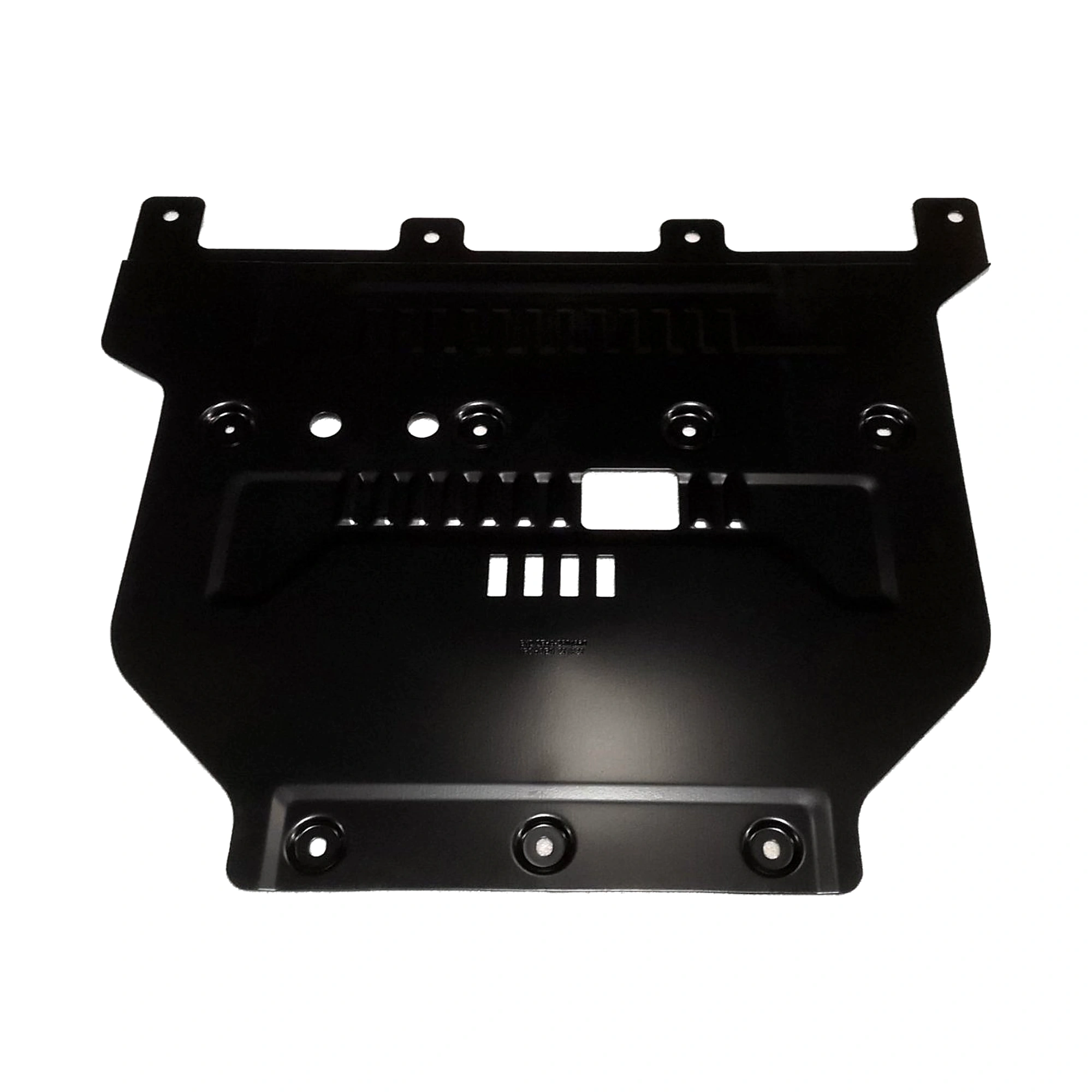
| Heat damage or scorching on underfloor panels | Underbody heat shield |
About Frame & Subframe
Everything a car does mechanically is resolved into the frame. Suspension loads, powertrain torque, braking forces and the weight of the occupants all arrive at a lattice of pressed and welded sections, and in a crash that same lattice has to fold in a designed order so the cabin stays intact. Longitudinal rails run fore and aft at each corner and are drawn with crush initiators, deliberate weak points that make the rail concertina rather than buckle sideways. Cross members tie the rails together and stop the structure moving out of square. Across the base of the windscreen sits the cross car beam, a tube carrying the steering column, the airbag and the instrument panel, located by mountings on both sides of the body. Ahead of everything is a pedestrian protection cross member, a low bar designed to sweep legs rather than trap them. On ladder framed vehicles the same functions appear as numbered cross members bolted between two full length rails.
What to know before buying Frame & Subframe parts
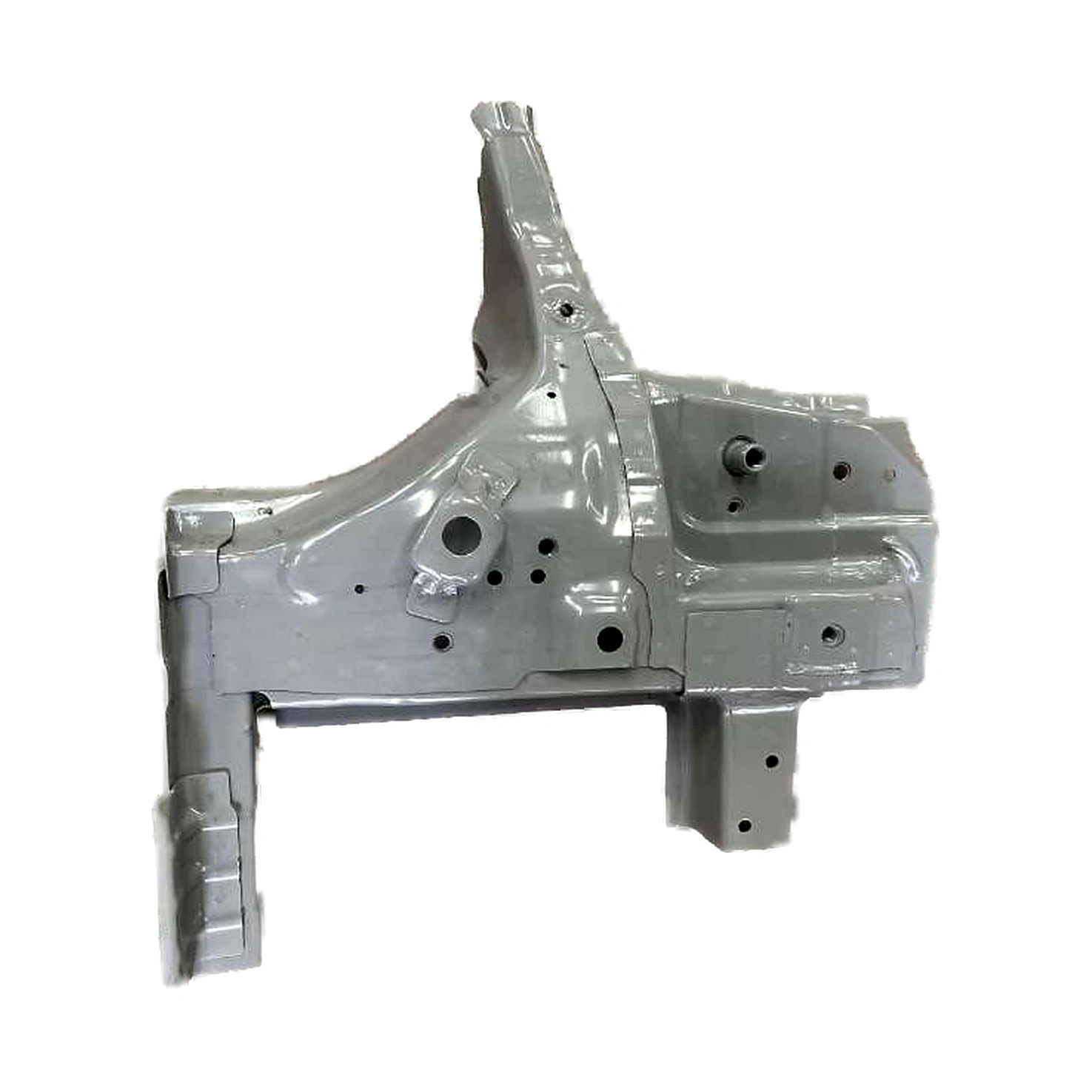
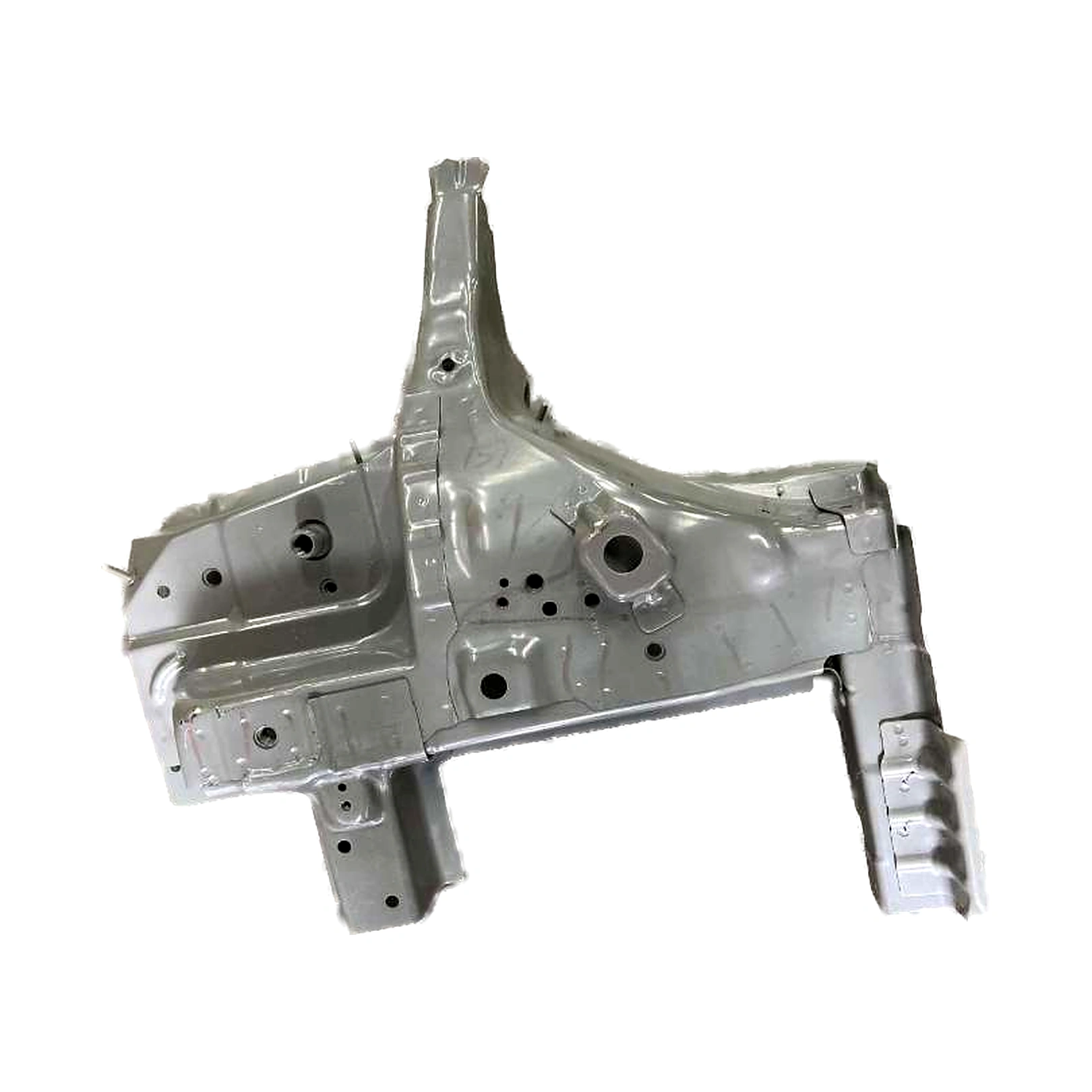
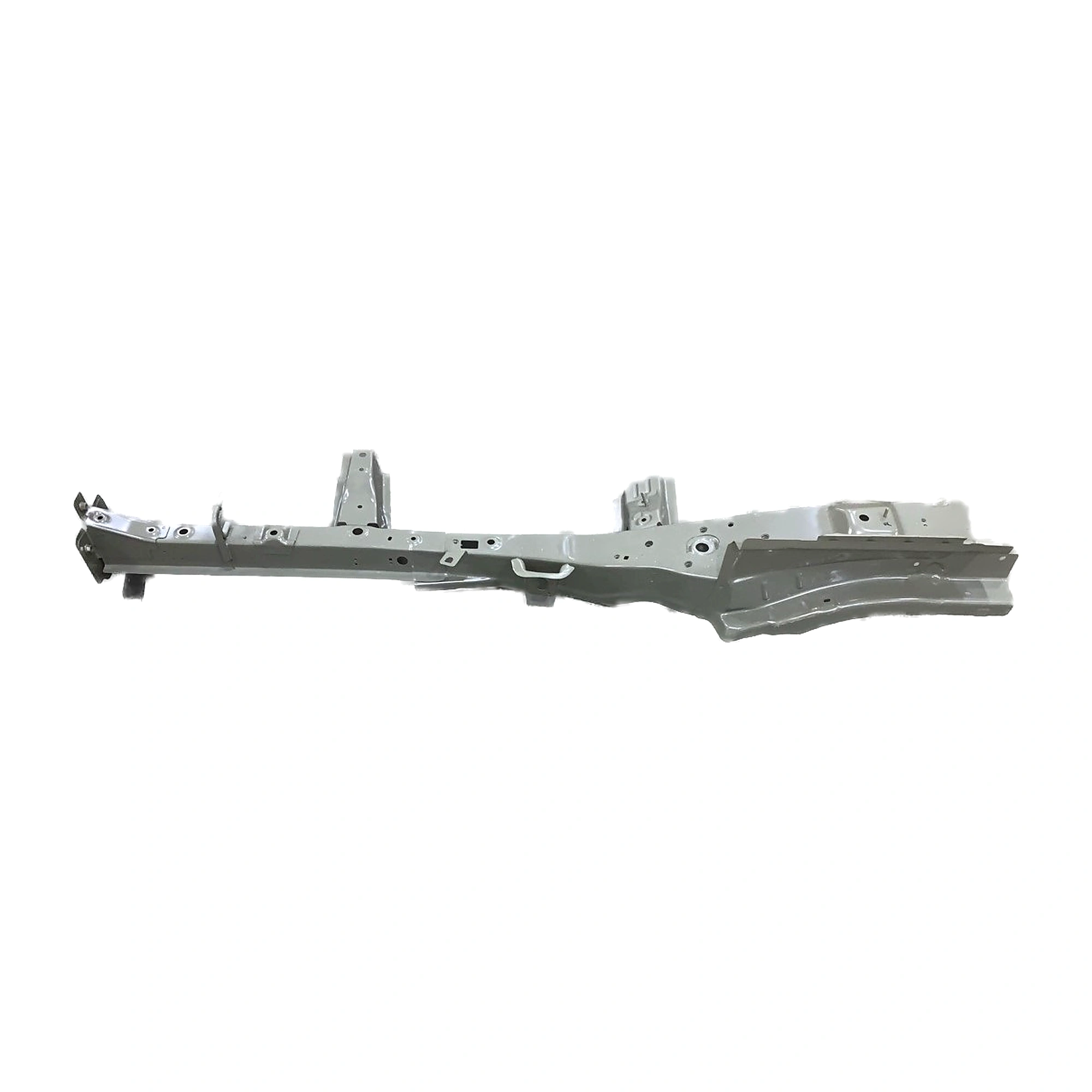
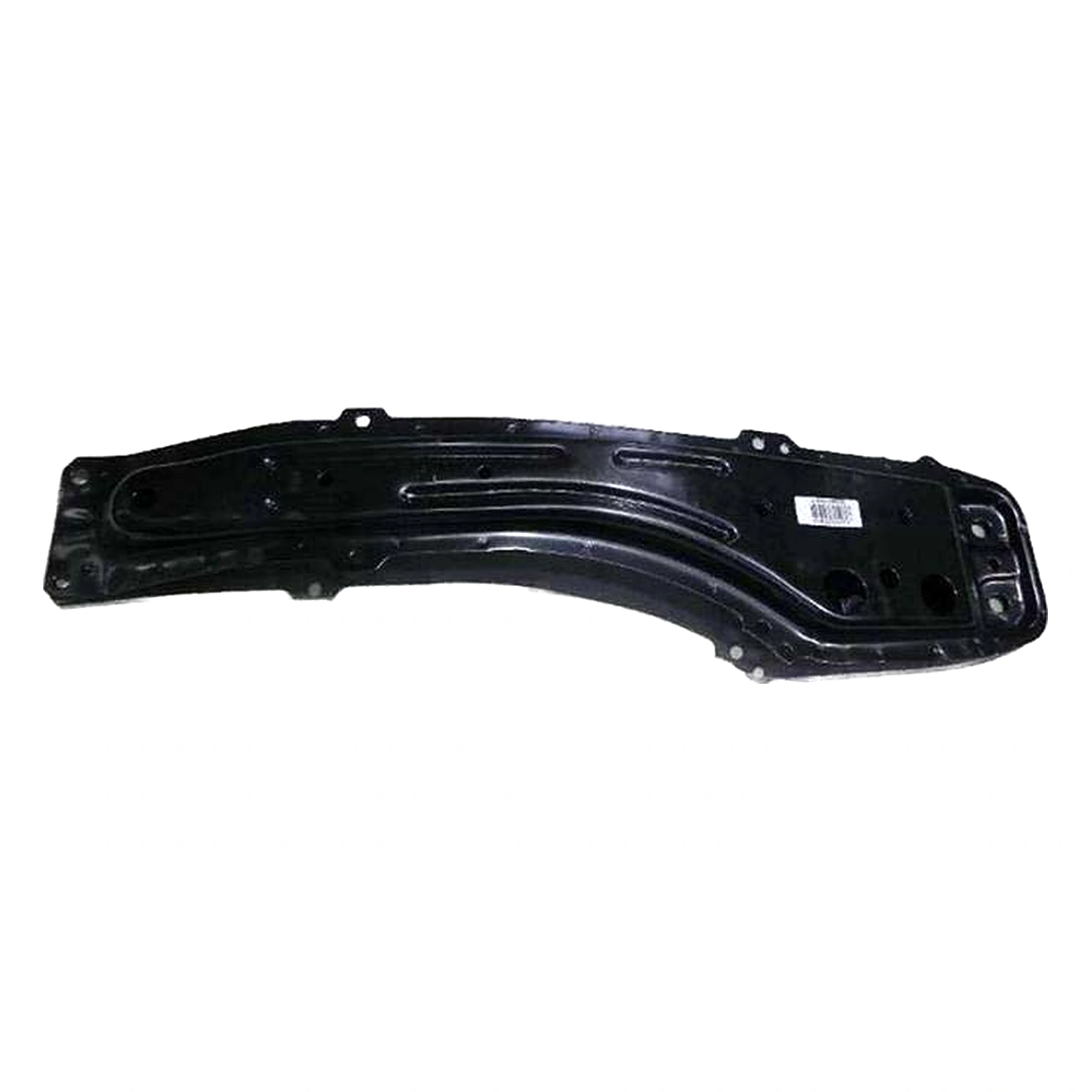
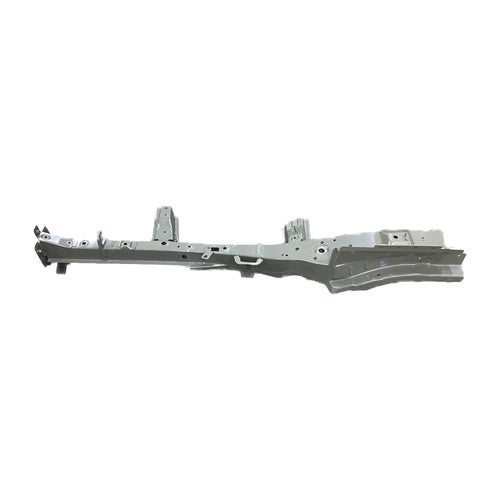
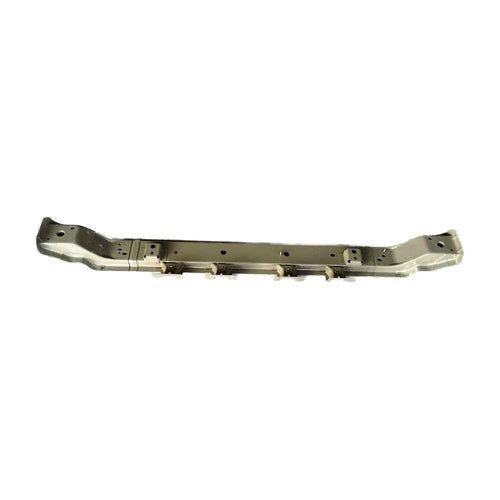
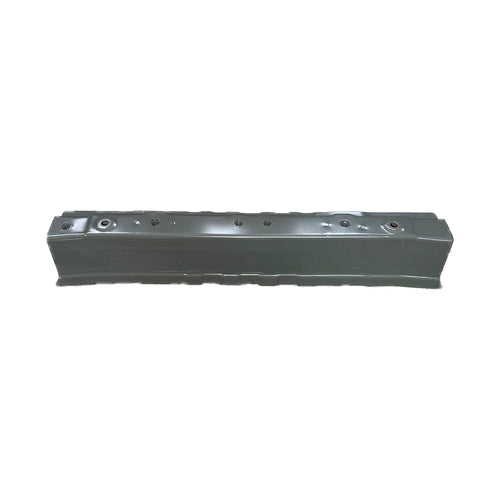
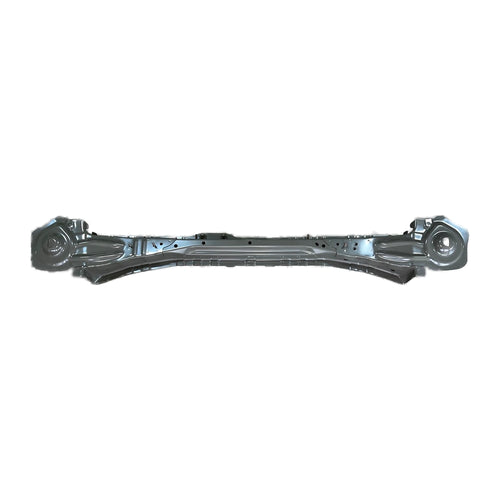
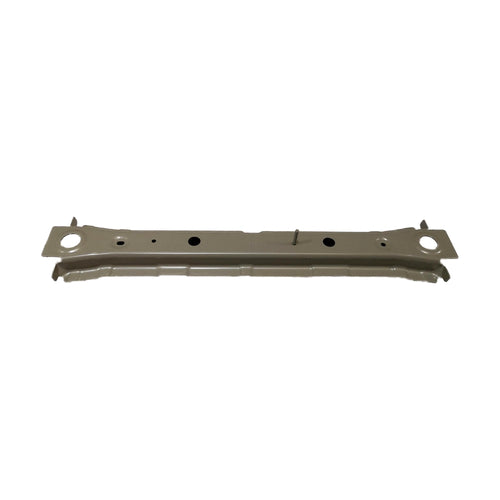
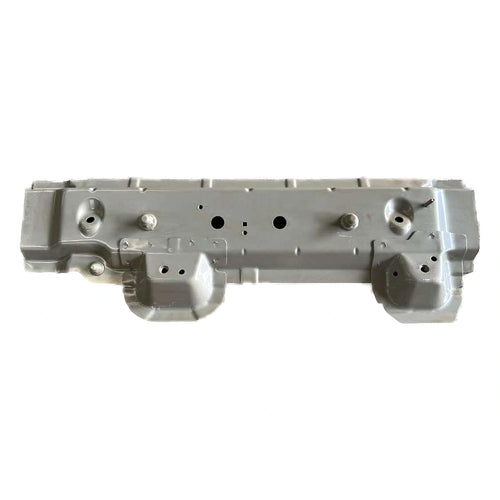
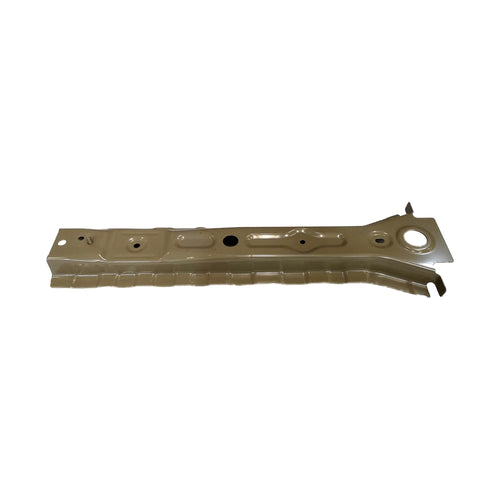
This is a body shop category and the listings reflect it. Front rail rear sections appear for left and right, alongside rear rails and engine longitudinal rail welded assemblies. Engine bay lower cross members, floor cross members for the centre and rear, and lower longitudinal rails follow. You will also find reinforcement rods, cross car beam mountings for the left and right sides, and front pedestrian protection cross members. Engine bay underbody panels, heat shields and ladder frame tow hooks complete the group.
Almost none of these are do it yourself parts. Fitting them means cutting, measuring to factory data and welding.
Order by the OE number, because precision is the whole point here. Rail and cross member sections were revised within model runs with no visible change. Battery electric versions of the same body carry entirely different floor structures.
Sections with a price can be bought straight away. The larger low volume weldments are usually quoted, which also gives you a delivered freight figure. The BYD group is covered most fully.
Before You Order: 6 Checks
- Have the shell measured on a bench before ordering. Buy the section the measurement calls for rather than the one that looks bent.
- Match the OE number exactly. Sections were revised within model runs with no visible change.
- Left and right are given as seen from the driver's seat facing forward.
- Confirm the manufacturer's sectioning points before cutting. Hot formed steel members must not be heated or straightened.
- Sections arrive bare or primed and need weld through primer, seam sealer and cavity wax during fitting.
- On battery electric platforms, confirm high voltage isolation before any welding near the floor.
What Changed and Why
Two forces are reshaping this category. Hot formed boron steel now appears throughout rails, cross members and pillars, and because its strength comes from heat treatment rather than thickness, manufacturers prohibit heating and straightening and publish exact sectioning points instead. At the same time battery electric platforms have turned the floor into a structural tray around the pack, which shifts crash load paths outward into the sills and cross members and puts high voltage components directly alongside any repair. Insurers and manufacturers now audit structural repairs against published joining methods rather than accepting a technician's judgement.
Frame & Subframe: Frequently Asked Questions
How do I know whether my car has structural damage?
The clues are behavioural rather than visual. Uneven door and bonnet gaps, a steering wheel that sits off centre while the car goes straight, tyres wearing unevenly within a few hundred miles, or wind noise that appeared after an impact all point at a shell that has moved. The only definitive answer is a measurement on a bench against factory data, which compares control points across the underbody. Get that done before ordering any part in this category, because the measurement tells you which section is actually out and which merely looks damaged.
Can a bent rail be pulled straight?
Sometimes, and only in mild steel with limited deformation and no tearing. Hot formed boron steel sections cannot be straightened at all, because heating destroys the microstructure that gives them their strength, and manufacturers specify replacement or sectioning at defined points instead. Since the two look identical, the decision belongs to a repairer working from published data for your vehicle, not to a visual judgement. Where the answer is replacement, order the exact section by OE number rather than the full rail, which is often more than the repair requires.
What is a cross car beam and why would it need a mounting?
The cross car beam is the tube running behind the dashboard from one A pillar to the other. It carries the steering column, the passenger airbag, the heater box and the instrument panel, and it braces the body across its widest unsupported point. The mountings at each end tie it into the body sides. When one loosens or cracks, the whole dashboard develops a knock over bumps and the column can feel less solid than it should. The left and right mountings are listed here as separate parts.
Are these parts something a home mechanic can fit?
A few are. Underbody panels, heat shields, reinforcement rods and bolt in tow hooks are within reach of anyone with a jack, stands and patience. The rails, cross members and welded assemblies are not, because they are joined to the shell by spot and structural welds, they must be positioned against measured control points, and the joining method is specified by the manufacturer. Fitting one of those without a bench and the data sheet produces a car that looks repaired and behaves unpredictably in the next impact.
What is the pedestrian protection cross member for?
It is a low bar mounted ahead of the main structure, positioned to strike a pedestrian below knee height so the legs are swept rather than the body being pulled under the car. It is a regulated feature rather than a styling element, and it is one of the first things bent in a kerb strike or a low speed impact, often without any visible damage to the bumper cover above it. Check it after any front knock, because a distorted one changes how the car behaves in the situation it was designed for.
How do I identify the correct section for my car?
Read the OE number where it is legible on the old part, or have it pulled from your vehicle identification number. Structural sections are revised constantly and quietly: gauge changes, added reinforcement, altered attachment points, none of which show in a photograph. Battery electric versions of a body frequently carry a completely different floor and rail structure to the combustion version sold alongside them. Where your number returns no result, send it through the quote form so the factory catalogue is checked properly rather than approximated from the model name.
What has to be done after welding a structural section in?
Restore what the factory applied. Weld through primer on the mating faces before joining, seam sealer replicating the original bead shape afterwards, cavity wax injected into every closed section that was opened, and underbody coating on exposed surfaces. Clear any drain holes blocked during the work. Miss those steps and corrosion starts inside the new section within a couple of winters, hidden from view until it matters. On a battery electric platform, confirm the high voltage system is isolated and stays isolated for the duration of the work.
What do frame and subframe parts cost?
The spread is very wide. Small items such as reinforcement rods, heat shields, tow hooks and underbody panels sit at the low end of the category. Complete welded rail assemblies and large floor cross members sit at the top, since they are heavy, awkward to pack and shipped as freight rather than parcels. The live minimum and maximum are shown in the band at the top of this page. For the larger weldments, a quote is worth requesting because it returns the delivered figure including transport.
Is a subframe the same as the frame?
No, and mixing the two causes ordering mistakes. The frame is the load bearing shell structure: rails, cross members and floor sections, which on a unibody car are welded into the body. A subframe is a separate bolt in cradle that carries the suspension and often the powertrain, isolated from the body by bushes so vibration does not reach the cabin. Subframes and their crossmembers are listed under suspension, while this category covers the body structure itself. Check which one your repair actually needs before ordering.
My tow hook stripped when the car was recovered. Which part is it?
On a ladder framed vehicle the recovery point is a bolted or welded hook on the frame rail, listed here as its own part. On unibody cars a screw in eye threads into a captive socket behind a bumper cover cap, which sits in the bumper category instead. Either way, a stripped fitting is replaced rather than repaired, and it is worth inspecting the mounting behind it, since a hook that tore out under load has usually distorted the structure it was fixed to.
Why do rails have deliberate weak spots?
Because a rail that resists everything transmits everything. Crush initiators, the pressed dimples and notches you can see along a front rail, make the section fold concertina fashion in a controlled sequence, absorbing energy over distance rather than passing a spike into the cabin. This is why straightening a folded rail is not a repair even when it looks straight afterwards: the initiators have done their single job and the metal is work hardened. Replacement restores the designed behaviour, which is the only version that has been crash tested.
The section I need shows no price. Can I still order it?
Yes. Every reference exists in the factory catalogue under its OE number, and structural weldments frequently carry no standing price because they move in small numbers and freight varies by destination. Press request a quote on the listing and you receive a current figure matched on the same number, including packing and transport for a long steel part, before committing. Because these repairs are planned around a body shop booking, it is worth requesting the quote as soon as the measurement report identifies the section.