Fuel Pump & Injection
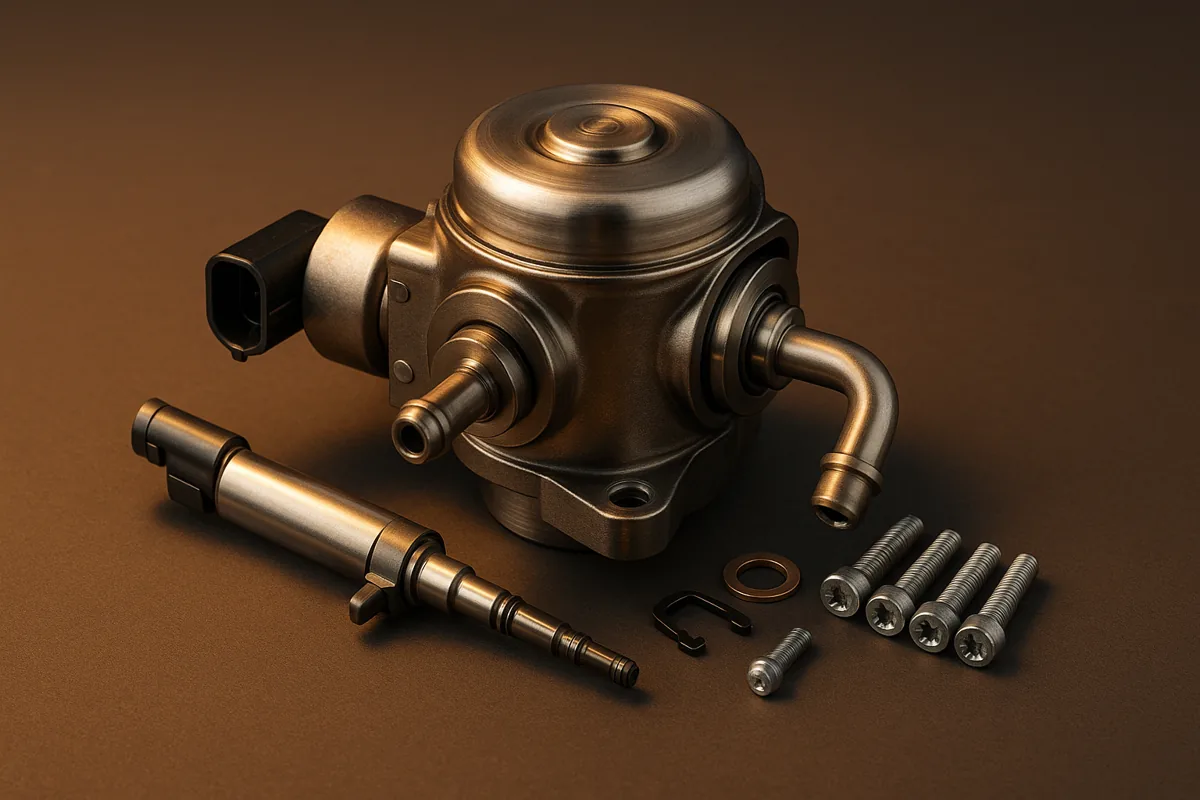
Shop Fuel Pump & Injection by Part Type
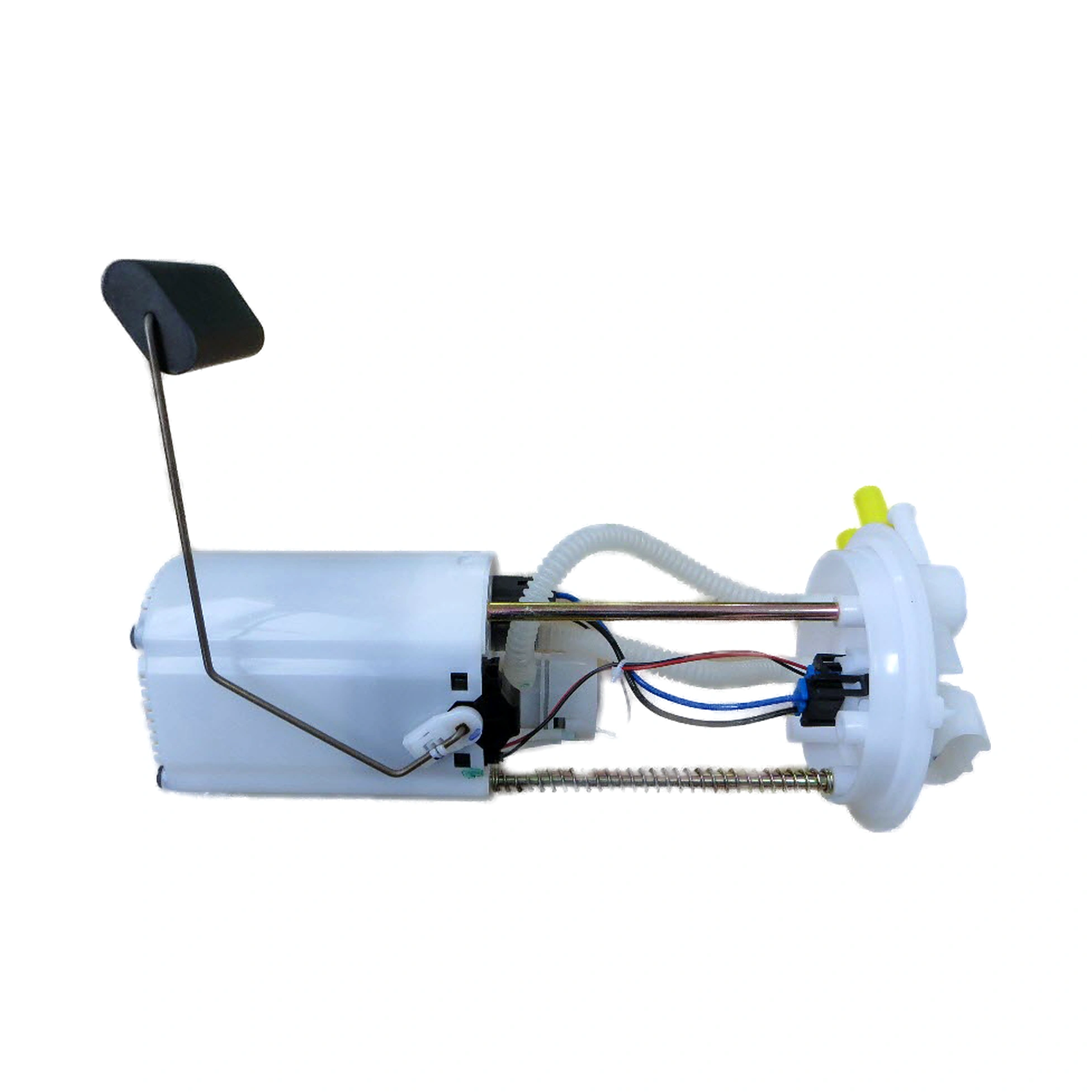
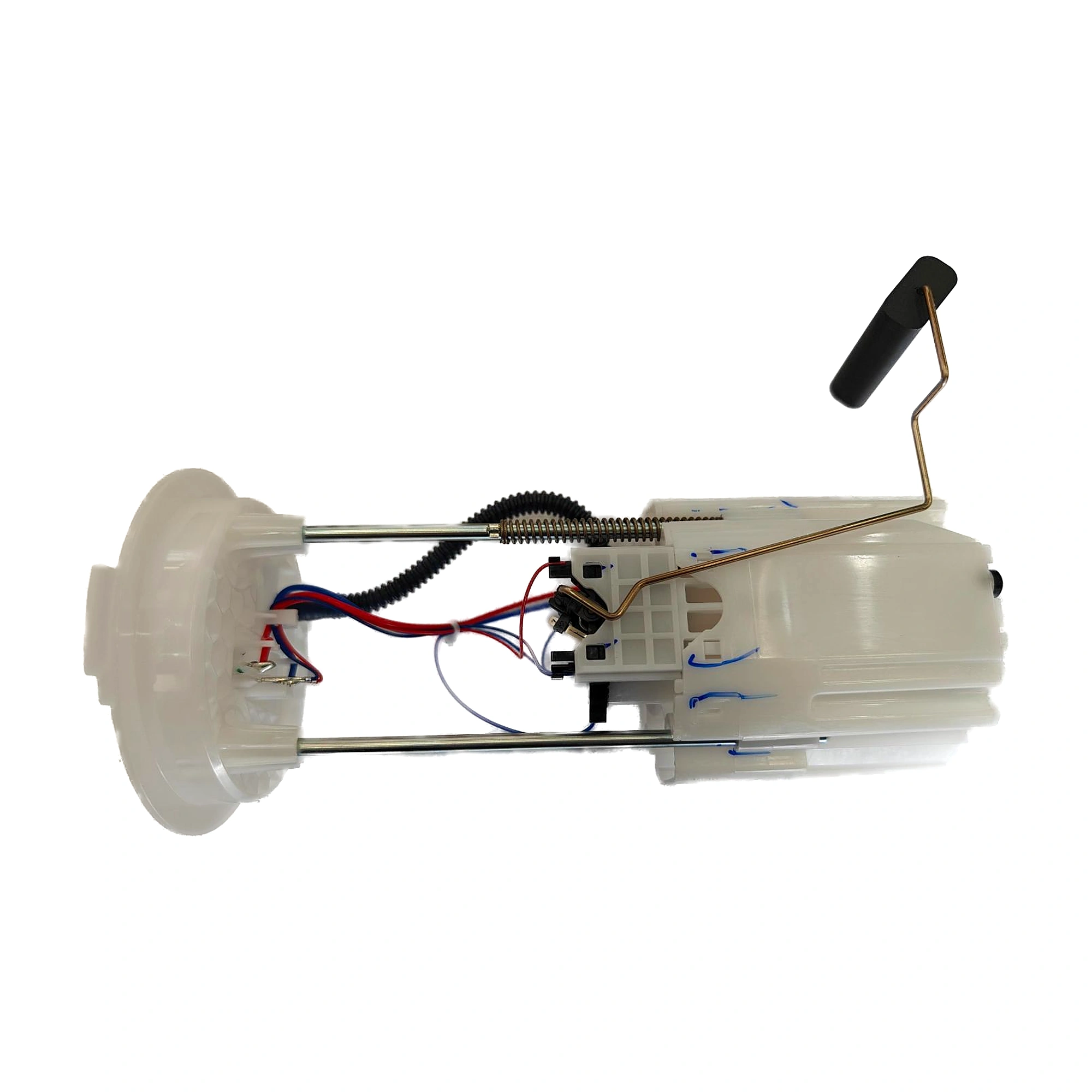
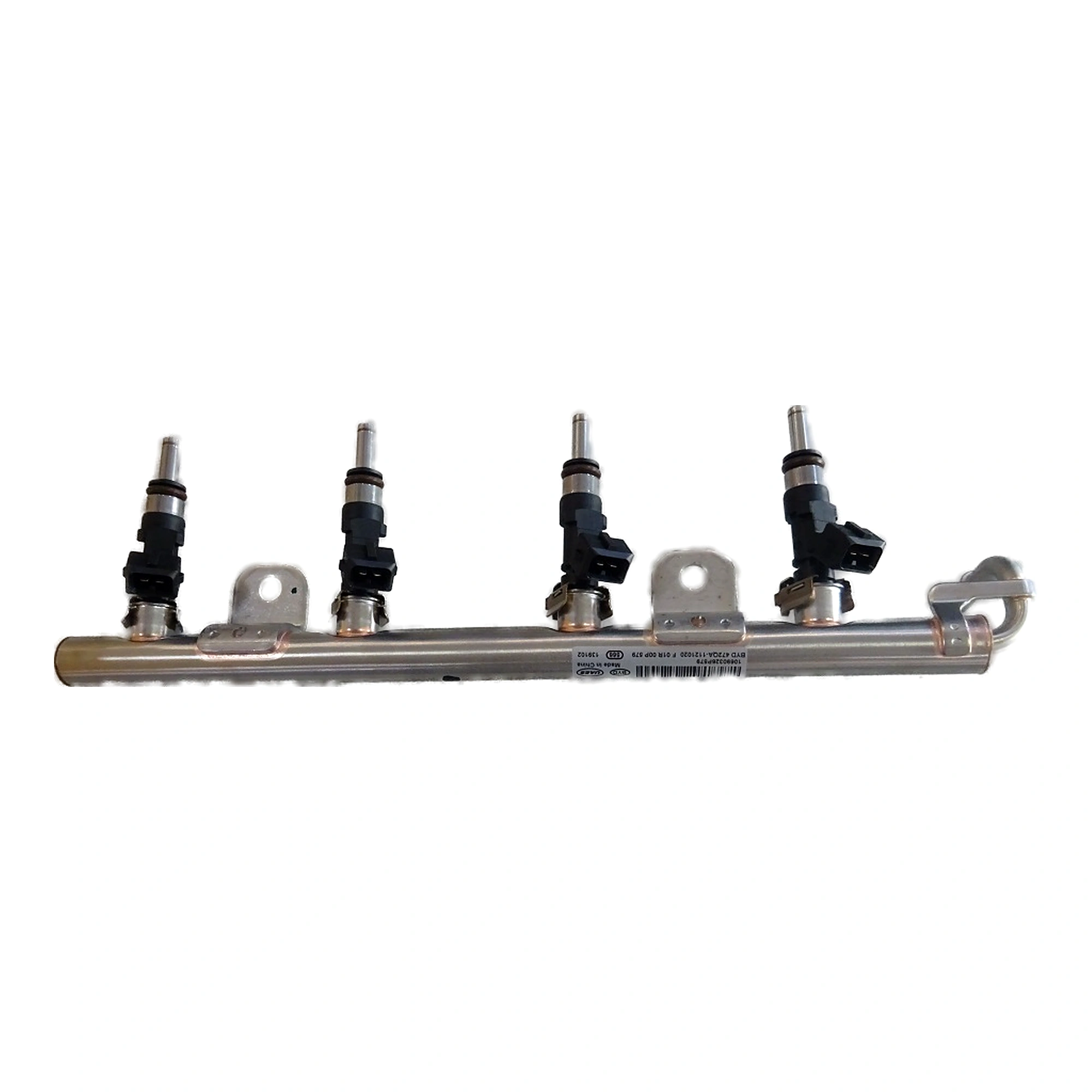
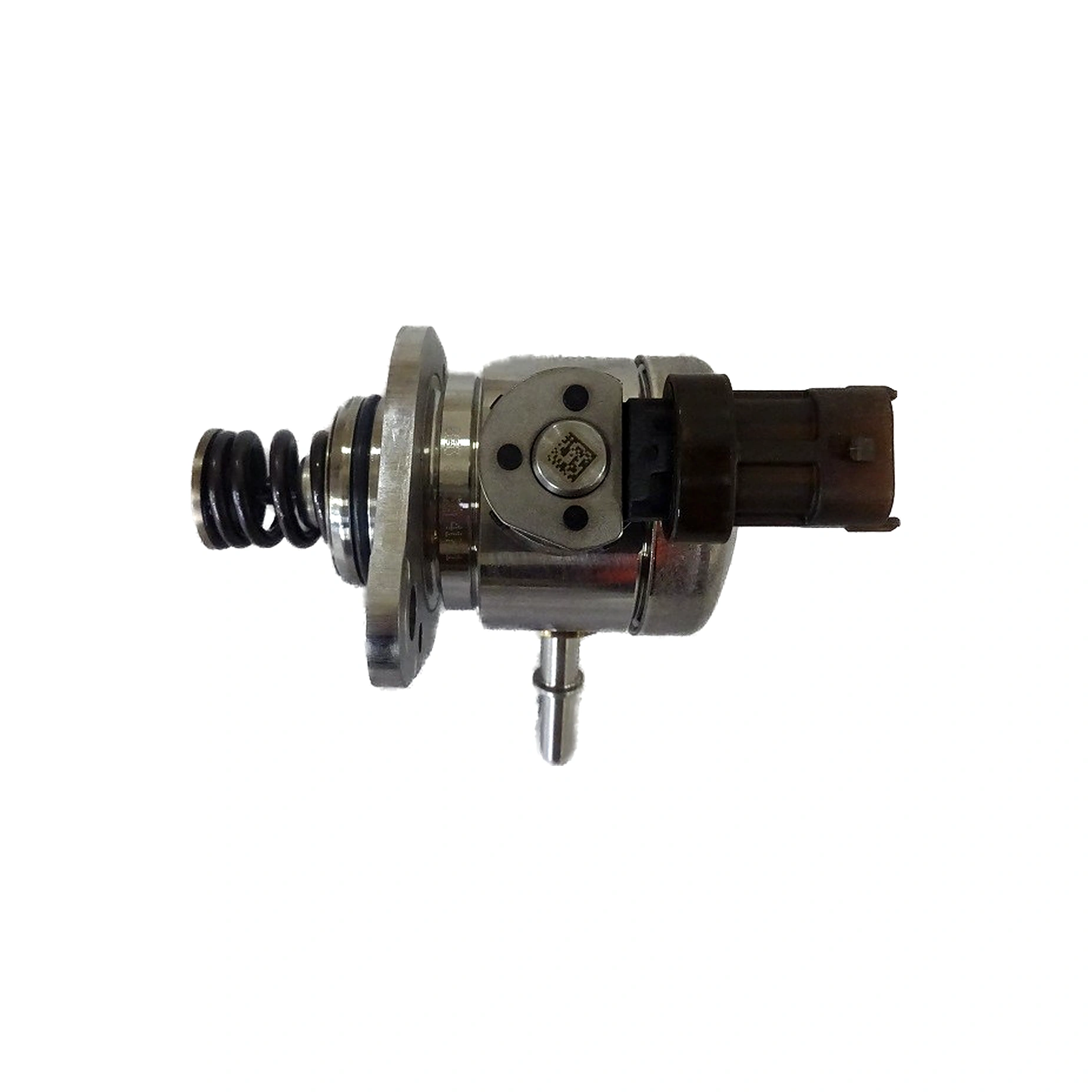
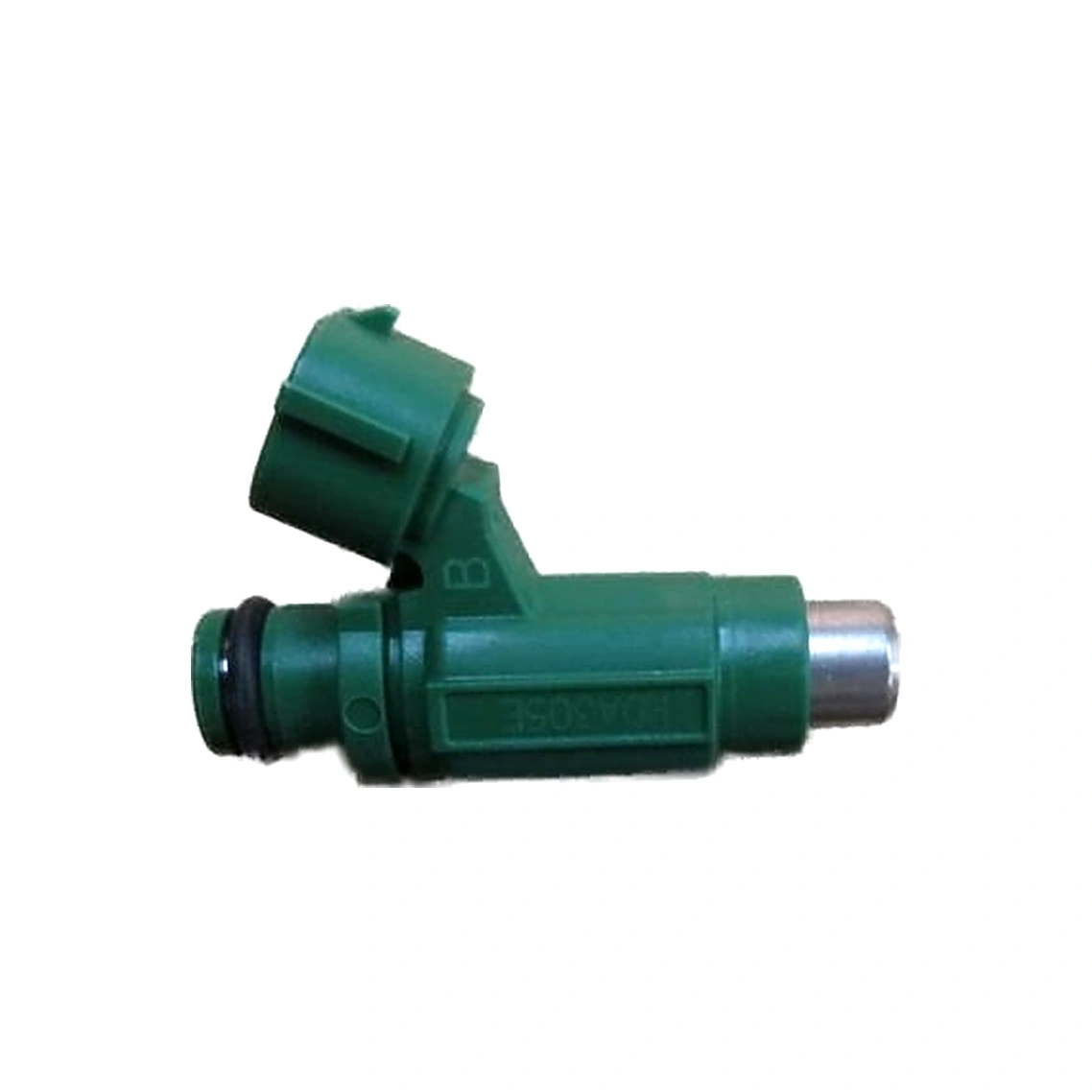
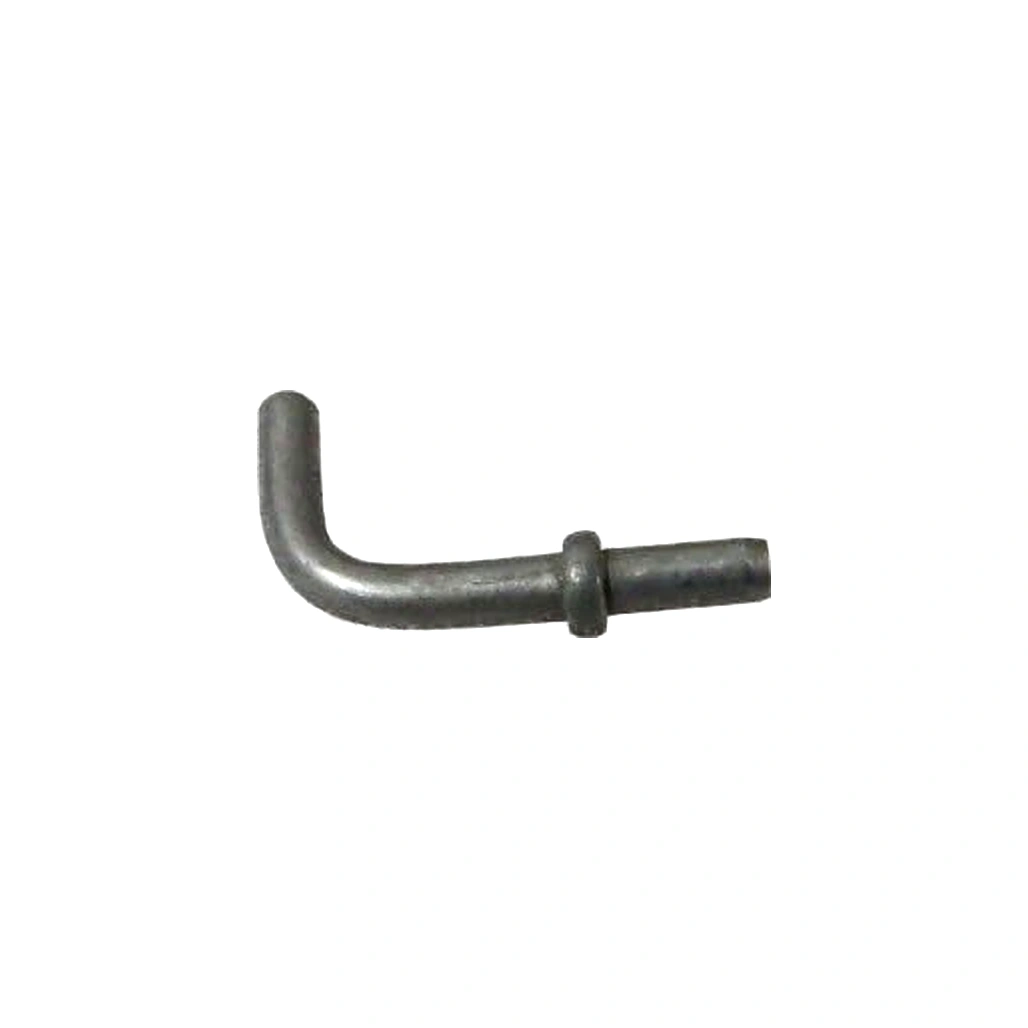
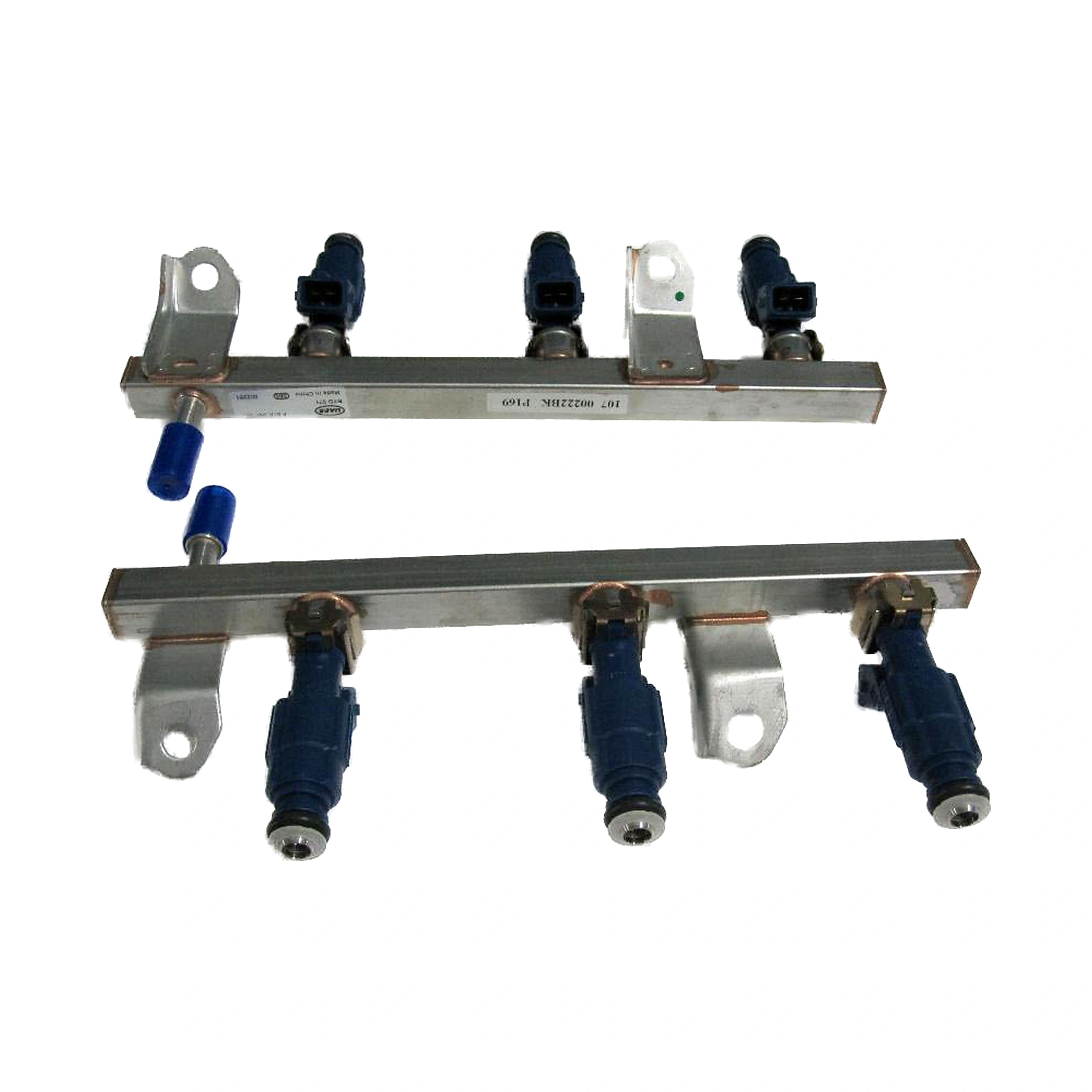
Popular Right Now
scroll for more →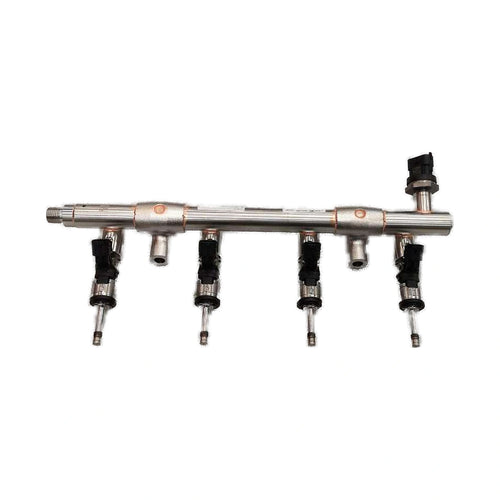
Symptom Finder: What Is Actually Broken?
| What you see or hear | Part to check first |
|---|---|
| Long cranking before the engine starts | Fuel pump assembly losing prime |
| Misfire and rough running on one cylinder | Fuel injector assembly |
| Loss of power under load with a rail pressure fault | High-pressure fuel pump |
| Fuel smell with damp residue around a rail joint | Fuel injection pipe or rail seal |
| Engine cuts out at low fuel level | Fuel pump assembly with a blocked strainer |
| Rough idle after refuelling from an unfamiliar source | Fuel injectors affected by contamination |
About Fuel Pump & Injection
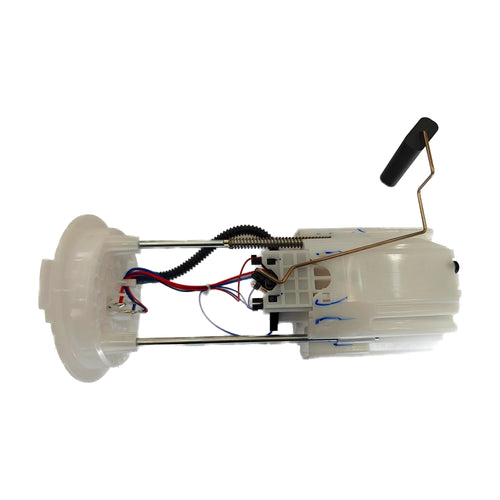
Fuel delivery on a current petrol engine happens in two stages. A low pressure pump inside the tank, integrated with the level sender and a strainer, lifts fuel and sends it forward at a few bar. A high pressure pump driven from the camshaft then raises that to something in the region of two hundred bar for direct injection, feeding a common rail that acts as an accumulator so pressure stays steady between injection events. The injectors themselves are solenoid or piezo valves opening for fractions of a millisecond, spraying directly into the cylinder in a pattern designed for the chamber shape. Precision at that level explains the failure modes: deposits on the tip alter the spray, a worn high pressure pump cannot hold rail pressure under load, and contaminated fuel damages both. Everything depends on fuel that is clean and free of water.
What to know before buying Fuel Pump & Injection parts
Diagnose before you order. A weak lift pump, a worn high pressure pump and a fouled injector share symptoms, and the parts differ widely in cost. Rail pressure data from a scan tool separates them quickly. A rail that cannot reach commanded pressure under load points at supply or the high pressure pump. A single cylinder misbehaving points at one injector.
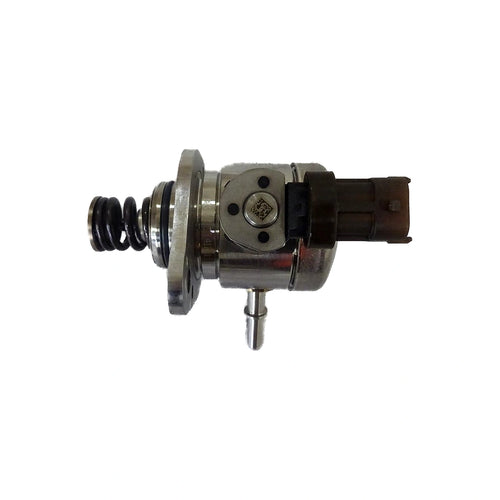
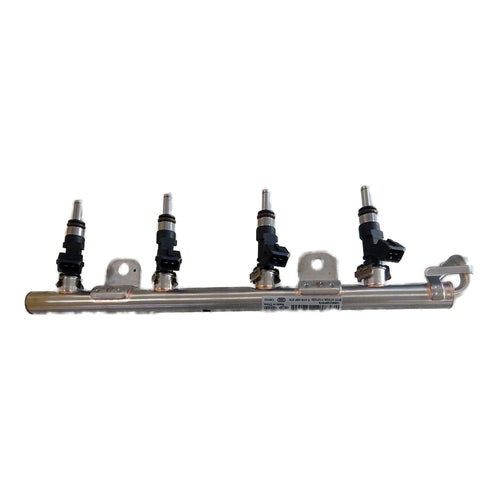
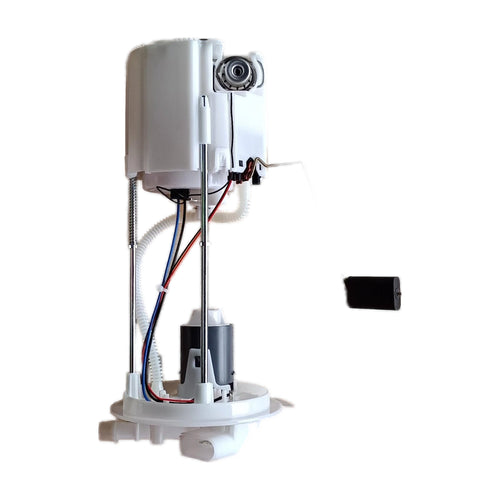
The listings follow the two stages. In tank fuel pumps and fuel pump assemblies sit alongside high pressure fuel pumps. Fuel rails and rail assemblies, fuel injector assemblies and fuel injection pipes complete the group.
Check the OE number, since injector flow rates and spray patterns are calibrated to the chamber. Order new high pressure pipes and seals wherever a rail joint is opened. The sealing cones deform on first fitting, and a reused pipe leaks under pressure rather than at rest.
A visible figure means the reference is ready to buy. Anything without one is quoted against the same factory number, which is the usual route for injectors and high pressure pumps. The BYD group is covered most fully, and further catalogues are still loading.
Before You Order: 6 Checks
- Read rail pressure data before ordering, since supply, pump and injector faults present similarly.
- Match the OE number, because injector flow rate and spray pattern are calibrated to the chamber.
- Replace high-pressure injection pipes rather than reusing them, since the sealing cones deform on first fitting.
- Order new injector seals and combustion washers with any injector removal.
- Depressurise the system and observe cleanliness discipline before opening any fuel joint.
- Check whether your vehicle requires injector coding after replacement.
What Changed and Why
Direct injection has raised pressures and tightened tolerances, and it brought a consequence that port injection did not have: without fuel washing over them, intake valves accumulate carbon from crankcase and recirculation gases, which is why walnut blasting has become a routine service on some engines. Injectors have moved from solenoid to piezo actuation on higher specification units to allow multiple injection events per cycle, and many now carry a calibration code that must be entered into the control unit after replacement so that the delivered quantity matches the map.
Fuel Pump & Injection: Frequently Asked Questions
How do I tell a pump fault from an injector fault?
Rail pressure data separates them in minutes. Watch commanded against actual pressure under load: if actual falls short, the problem is on the supply side, meaning the in tank pump, a blocked filter or a worn high pressure pump. If rail pressure holds correctly and one cylinder misbehaves, the fault is that injector or its circuit. Misfire counters per cylinder complete the picture. Ordering a pump because the car misfires, without that data, is the most expensive guess in this category.
Can injectors be cleaned rather than replaced?
Sometimes, and the results vary with the deposit. Ultrasonic cleaning by a specialist, which also flow tests the injector and replaces its seals, restores injectors fouled by deposits and gives you a measured result rather than a hopeful one. In tank additives are much weaker and cannot help an injector that is electrically faulty or mechanically worn. If cleaning is offered with a flow test report, it is worth trying before buying. If it is offered as a bottle, expect little.
Why does my engine crank for a long time before starting?
Usually because the system is losing prime overnight, so the first seconds of cranking are spent refilling the rail rather than starting the engine. The causes are a check valve in the in tank pump that no longer holds, a leaking injector letting pressure bleed into a cylinder, or a small external leak. Measure pressure decay after switching off: a rapid drop confirms it and, combined with which cylinder is wet or smoky on start, tells you where.
Do new injectors need coding?
On many direct injection engines, yes. Each injector is measured at manufacture and given a correction code, printed on its body, which the control unit uses to fine tune the opening time so all cylinders deliver the same quantity. Fitting an injector without entering its code leaves that cylinder rich or lean and can produce a rough idle that no amount of further replacement will cure. Check whether your vehicle uses coding before ordering, and record the code before fitting.
Is the in-tank pump replaced as an assembly?
Usually, and that is generally the sensible choice. The module inside the tank combines the pump, a strainer, a check valve, the level sender and often a pressure regulator, and the parts age together in the same environment. Some references are available as the bare pump for use inside an existing housing. Read the listing, and remember that access means dropping the tank or lifting an access hatch, so doing the job twice for the sake of one component is a poor trade.
What does running low on fuel do to the pump?
It shortens its life in two ways. The pump is cooled and lubricated by the fuel around it, so a habitually low tank leaves it running hotter than it was designed to. And the strainer sits at the very bottom, where sediment and water collect, so a low tank means the pump is drawing from the dirtiest part of it. An engine that cuts out at low level and runs normally when filled is telling you the strainer or the pump is already struggling.
What do fuel system parts cost?
Injection pipes and seals sit at the lower end of the range. In tank fuel pumps and pump assemblies are moderate. High pressure pumps and injectors sit at the top of this category, since both are precision assemblies working at very high pressure. The live minimum and maximum are shown in the band at the top of this page. Because the expensive parts are the ones most often ordered speculatively, the case for reading rail pressure data first is a financial one.
Can I fit injectors myself?
On a port injected engine, often yes. On direct injection, treat it as a job with rules: depressurise the system properly, work with clinical cleanliness because a speck of debris in a two hundred bar circuit is a failure waiting to happen, replace the combustion washer and the seals rather than reusing them, torque the clamps correctly, and never reuse high pressure pipes since their sealing cones deform on first fitting. Then enter the coding where required. Any shortcut here shows up as a leak or a misfire.
What damages a high-pressure pump?
Contaminated fuel above everything else, since the pump relies on the fuel itself for lubrication and any water or particulate goes straight through the very fine clearances. Fuel starvation from a failing lift pump or a blocked filter does the same by leaving the pump running dry. Once a high pressure pump fails internally, metal debris travels forward into the rail and the injectors, which is why a pump failure often becomes a whole system job. Change filters on schedule.
Will injectors from a related engine fit?
Only where the number agrees. Flow rate, spray pattern, spray angle and physical length are all matched to a specific combustion chamber and piston crown, and two injectors that look identical can deliver measurably different quantities. Fitting the wrong flow rate leaves the control unit trimming continually and can wet the bore. Read the number from your existing injectors, match it exactly, and use the quote form where the reference brings back nothing.
Should I replace all the injectors together?
Not automatically. Where one has failed electrically or mechanically on a low mileage engine, replacing that one is reasonable. Where deposits or contamination have affected the fuel supply as a whole, or the engine has covered a high mileage and one injector has failed, replacing the set gives consistent delivery across the cylinders and avoids repeating an awkward job. A flow test on the removed injectors tells you which case you are in more reliably than mileage does.
The part I need shows no price. Can I still order it?
Yes. Injectors and high pressure pumps are the references most likely to need an enquiry here, since they are built to one calibration and are ordered in ones and twos. Send the number and say how many you need. If you are replacing more than one injector, order them together, because a matched set behaves more predictably than a mixture of ages. Ask whether the parts you are quoted require coding, as many injectors arrive with a calibration code that has to be entered into the control unit before the engine will run properly on them.