Heating & Cooling
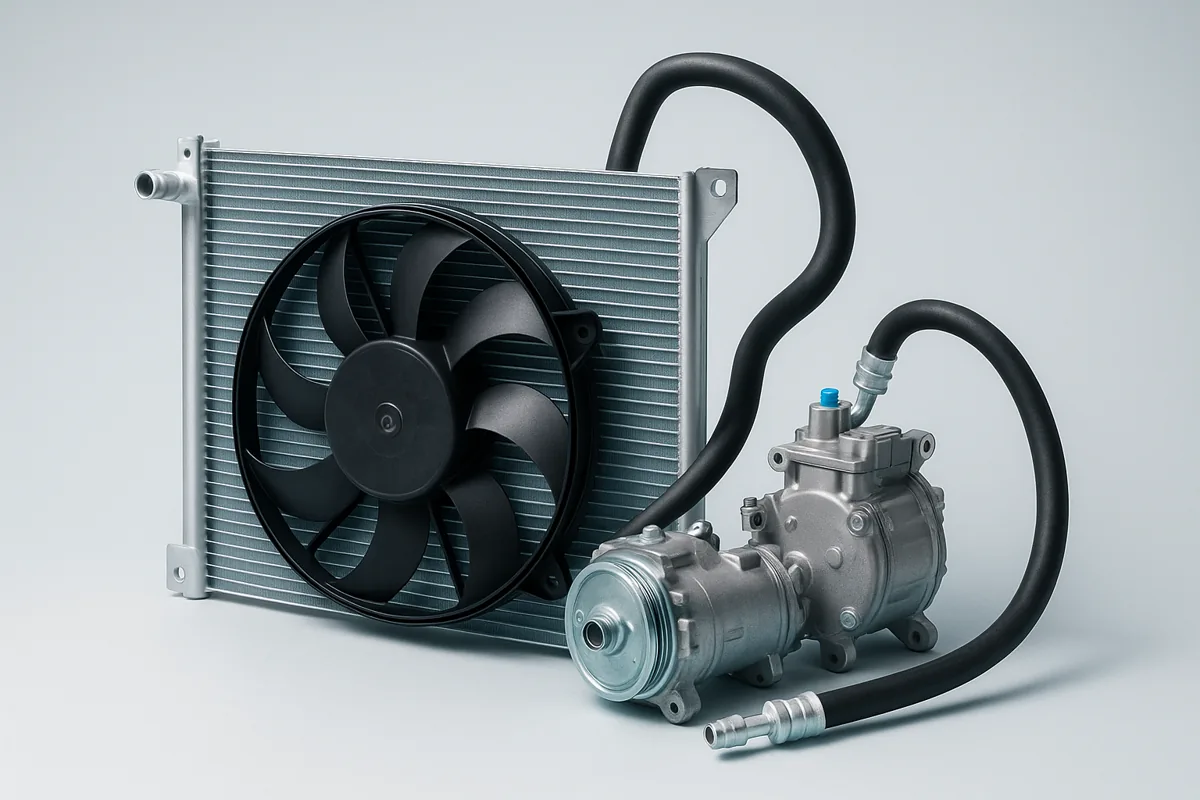
Shop Heating & Cooling by Part Type
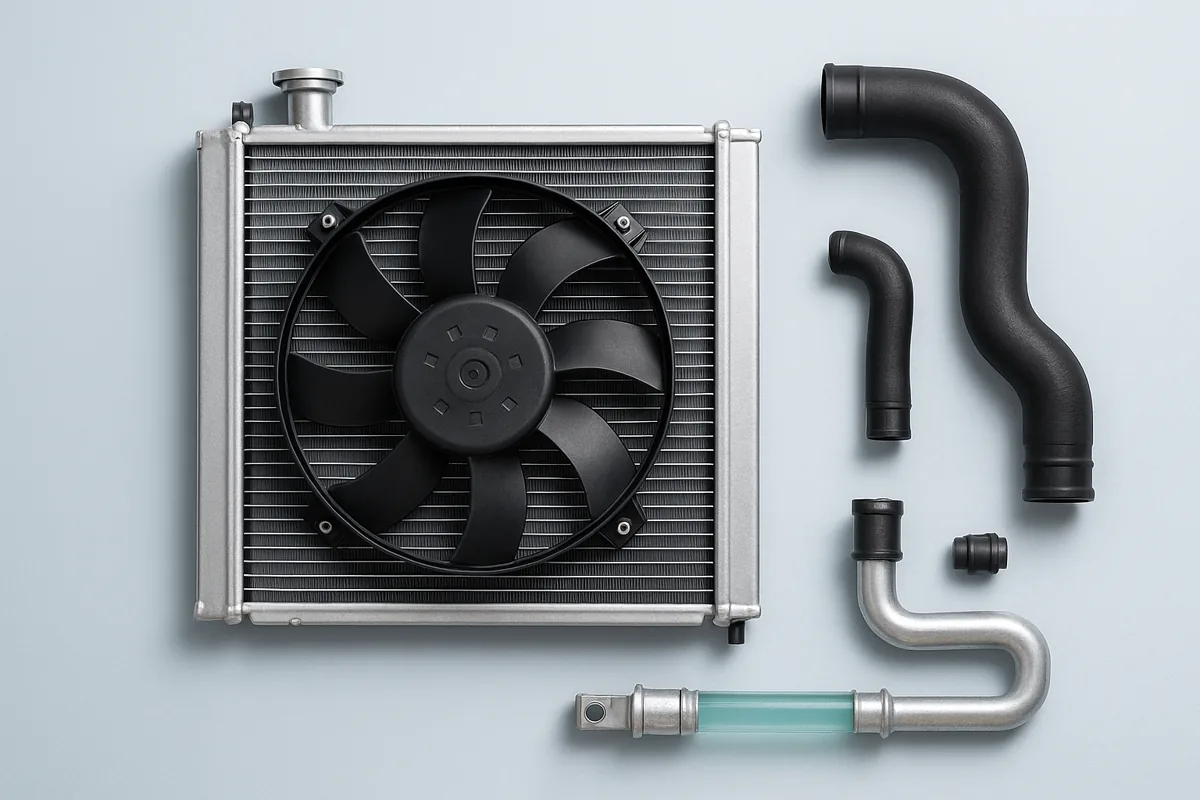
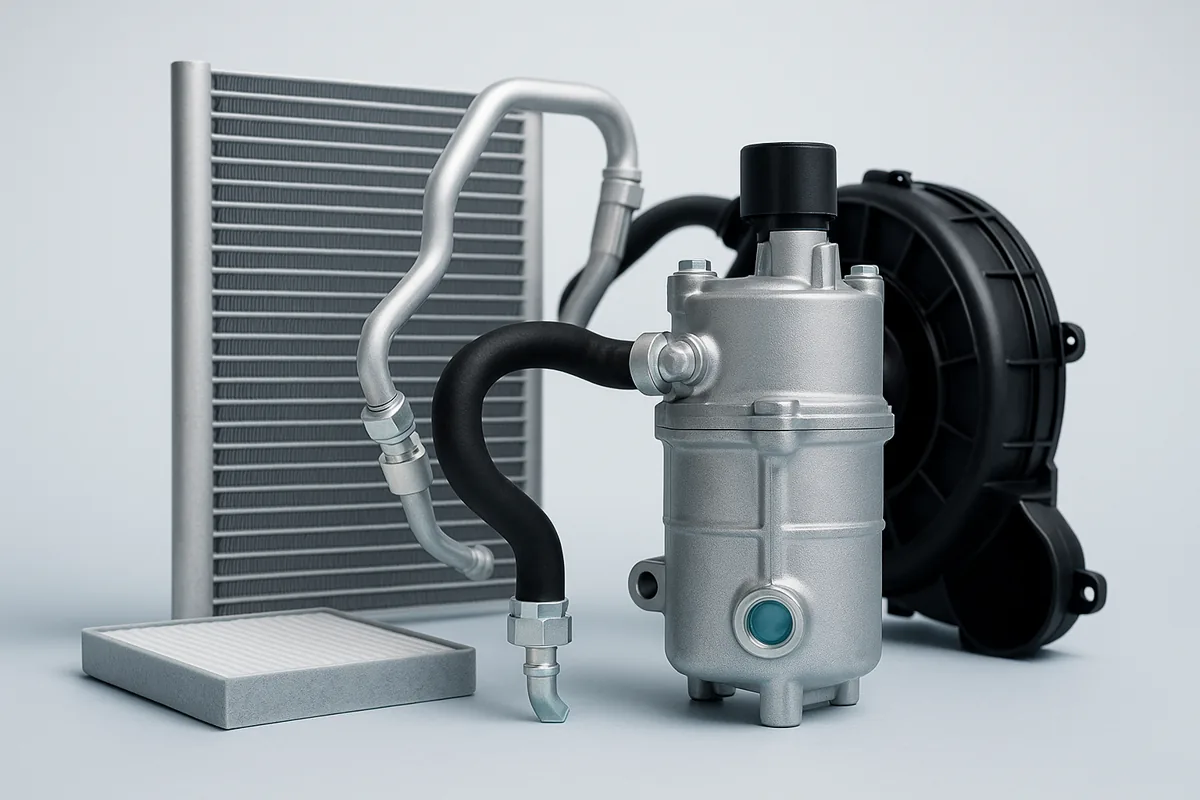
Popular Right Now
scroll for more →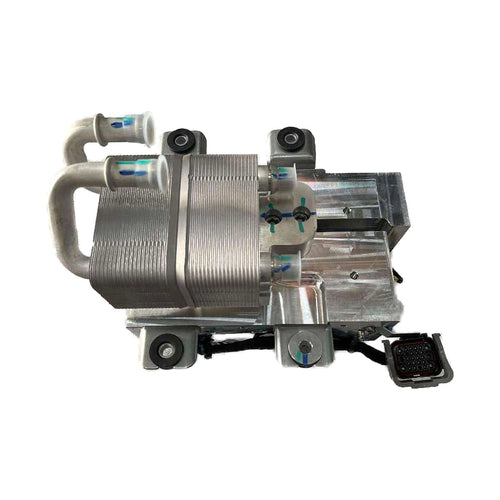
Symptom Finder: What Is Actually Broken?
| What you see or hear | Part to check first |
|---|---|
| Temperature climbing in traffic and falling on the move | Electric cooling fan |
| Air conditioning blowing warm | Lost refrigerant charge or the compressor |
| Airflow weak at all fan speeds | Cabin air filter |
| Coolant level falling with no visible puddle | Hairline crack in a pipe or tank |
| Overheating after a coolant change | Air trapped in the system |
About Heating & Cooling
Thermal control on a vehicle runs through two separate loops that increasingly cooperate. A coolant circuit carries heat away from whatever is producing it, using a pump to circulate, a thermostat or valves to decide where the fluid goes, and a radiator that releases it into the air stream, with electric fans supplying that stream once the vehicle stops moving. A refrigerant circuit moves heat in the other direction, taking it out of cabin air and, on electrified vehicles, out of the traction pack through a chiller, and in heat pump systems reversing to bring warmth into the cabin at a fraction of the energy a resistive element needs. Both are sealed and pressurised, both are ruined by the wrong fluid, and both produce faults that air trapped during a refill can imitate exactly.
What to know before buying Heating & Cooling parts
Diagnose the fault before you order from this group. A lost refrigerant charge, a blocked cabin filter, a dead fan and trapped air all produce symptoms that resemble far more expensive failures.
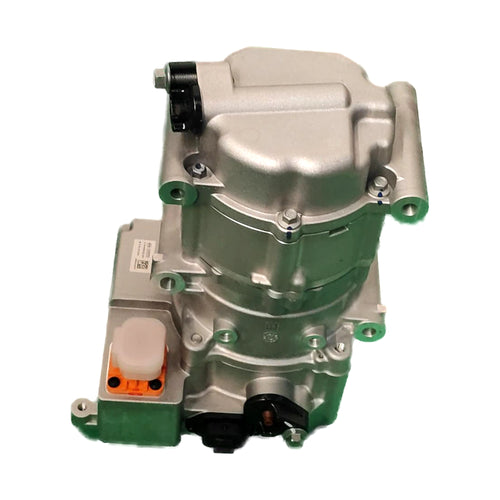
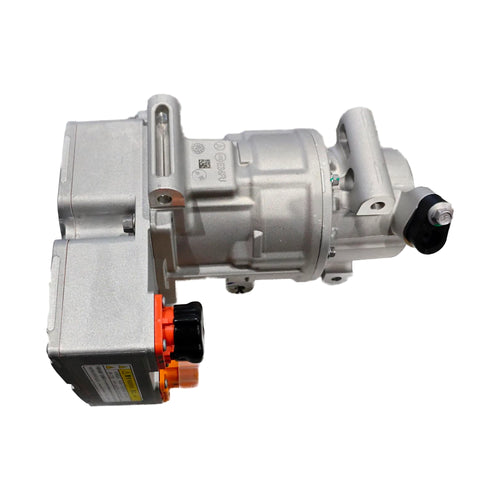
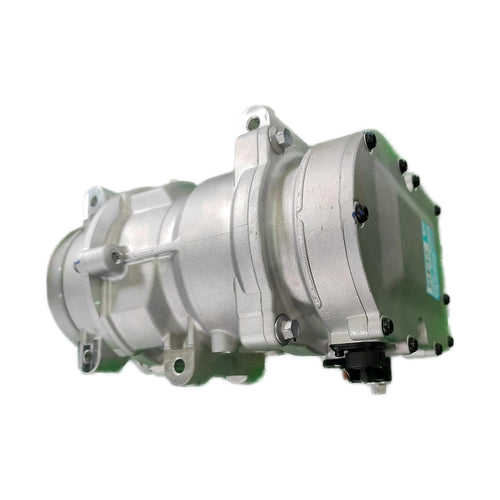
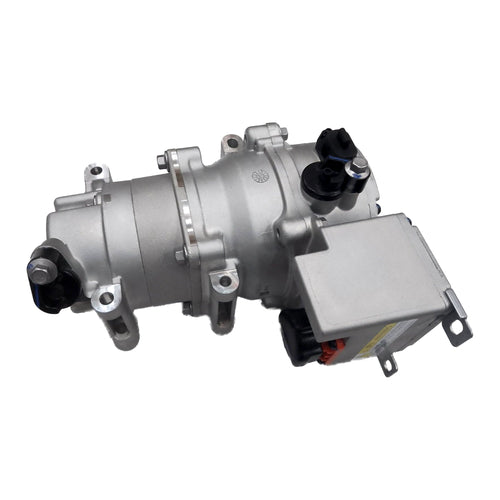
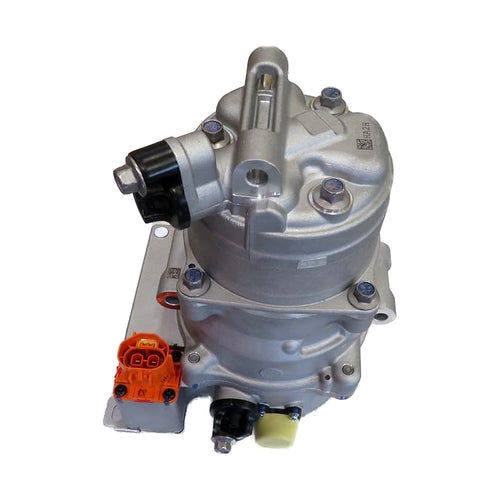
Cooling system holds radiators and fans, water pumps and thermostats, and the numbered coolant pipes, expansion tanks and sensors that connect them. HVAC and climate holds compressors and condensers, evaporators, blowers, cabin filters, refrigerant lines and expansion valves.
Use only the specified fluids. Expect refrigerant work to need recovery equipment matched to the fluid already in your system.
Before You Order: 5 Checks
- Diagnose before ordering, since cheap faults imitate expensive ones in both circuits.
- Use only the specified coolant and compressor oil, particularly near high voltage components.
- Pressure test the coolant circuit and leak test the refrigerant circuit to locate faults.
- Follow the documented bleed procedure after any coolant refill.
- Confirm the workshop has recovery equipment matched to your refrigerant type.
What Changed and Why
Thermal management has become a performance system rather than background plumbing on electrified vehicles, since pack temperature governs charging speed, winter range and battery life. Circuits have multiplied, with separate loops for drive unit, pack and cabin linked by electrically controlled valves, and heat pumps are spreading because moving heat costs a fraction of generating it. Refrigerants have moved to lower global warming potential fluids, some mildly flammable, which makes recovery equipment and workshop procedures specific to the fluid in the system.
Heating & Cooling: Frequently Asked Questions
Why do both circuits produce faults that imitate expensive failures?
Because in each case flow is what matters and several cheap things stop it. In the coolant circuit, air trapped after a refill, a dead fan or a blocked radiator face all produce overheating that looks like a pump or a thermostat failure. In the refrigerant circuit, a lost charge, a blocked cabin filter or a condenser packed with debris all produce weak cooling that looks like a failed compressor. Testing first is worth more here than in almost any other group.
Where is my coolant going with no puddle underneath?
Coolant that disappears without a mark on the drive is leaving in one of three ways. It can be escaping as vapour from a joint that only opens under pressure, in which case you will find a dried white or coloured crust around the fitting rather than a wet patch. It can be going into the cabin through the heater core, which shows as a greasy film on the inside of the windscreen and a sweet smell. Or it can be entering the engine. A cold pressure test separates the first from the other two quickly.
Can I recharge the air conditioning myself?
It is a job for a workshop with a recovery and charging machine, and in most countries handling refrigerant without certification is an offence. The reasons are practical as well as legal. The charge is specified by weight to within a few grams, and neither a gauge reading nor a can with a trigger can measure that. Compressor oil leaves with the refrigerant and has to be replaced in the right quantity. The sealant included in many top up cans contaminates recovery equipment, which is why several workshops now refuse cars that have had one.
Why do fluids matter so much in these systems?
Because both circuits now run alongside high voltage components on many vehicles. Coolant in a loop near the pack or the drive unit has an electrical conductivity requirement as well as the usual corrosion protection, and the oil in an electric air conditioning compressor must be electrically insulating because it contacts the motor windings. A conventional product of the wrong type can lower insulation resistance and set a fault that disables the vehicle, which is a considerably worse outcome than poor cooling.
Why is bleeding a coolant circuit so important?
Air does not simply reduce flow, it blocks it. A pocket of air rises to the top of a loop and sits there, and the pump cannot push liquid past it, so the branch beyond that point receives nothing at all. Since heater cores and thermal exchangers are usually mounted high, they are exactly where the pocket forms. The car then overheats, or blows cold air, or logs a temperature fault, and every one of those symptoms points at a component that is perfectly healthy. Follow the manufacturer's fill routine and repeat the check when cold.
Why does a heat pump lose heating power in very cold weather?
A heat pump draws warmth from the outside air. As the temperature falls there is less heat to collect, and the outdoor exchanger can ice over. The system then pauses to defrost it, or brings in a resistive heater to help, and that is normal. Heating that fades while cooling still works points somewhere else. A small refrigerant loss shows first as weak heat on cold mornings, and a sticking expansion or switching valve can stop the reversed cycle altogether. Have a workshop check the charge and how the valves are working, then match any failed valve by the OE number on its label.
What causes a musty smell from the vents?
The evaporator behind the dashboard runs cold enough to pull water out of the air, and that water should drain away under the car. Dust caught on the wet fins feeds mould, and the blower carries the smell into the cabin. A strong smell that fades after a minute usually comes from the evaporator itself. One that lasts the whole journey suggests a saturated cabin filter. Replace the filter, make sure the drain tube is clear, and run the fan without cooling for a few minutes before parking. You can find the right filter by the OE number printed on the frame of the old one.
Why is there water in the front footwell?
Clear water with no smell is almost always condensate from the evaporator. It builds up because the drain tube is blocked or has come off its spigot, and it tends to appear after using the air conditioning on a humid day. Liquid that feels slippery, smells sweet or leaves a coloured stain is coolant from the heater core, which is a different repair entirely. Blotting the carpet with white paper and checking the colour settles it quickly. Replacing a heater core usually means removing part of the dashboard, so ask a qualified mechanic to confirm the diagnosis first. Then match the new core to the OE number on the old one.
How do I know an electric coolant pump is failing?
An electric pump has a brushless motor and its own control electronics, so it fails differently from a belt driven pump. Typical signs are a whine or grinding sound that changes with demand, coolant weeping from the pump body, a pump fault code, reduced power, or cabin heat that comes and goes. Many vehicles have several pumps serving different loops. They can look alike but differ in flow rating, connector and software. Read the OE number from the label on the pump you are replacing and enter it in the search box.
Why has rapid charging slowed down in hot weather?
During rapid charging the traction pack produces heat. The refrigerant circuit removes it through the chiller, a small exchanger where refrigerant cools the pack coolant. If the chiller expansion valve sticks, the refrigerant charge is low or the pump for that loop fails, the pack cannot shed heat. The vehicle then deliberately limits charging power to protect it. A thermal warning, or sessions that are noticeably slower on warm days, is the usual clue. A workshop with diagnostic equipment can read the pack and refrigerant temperatures to show which part is at fault. You can then match that part by the OE number on its label.
Is it normal for the fans to keep running after I switch off?
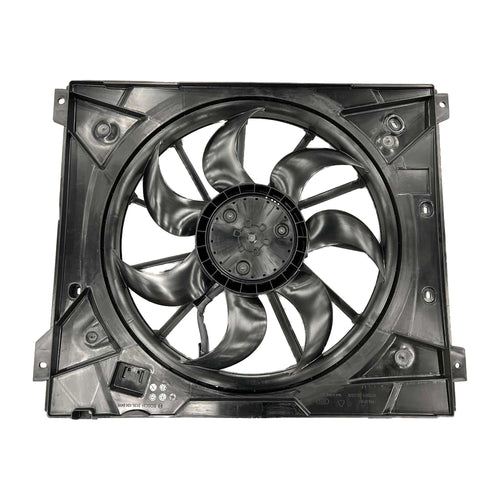
Yes, within limits. After a hard drive, a rapid charge or a hot day, the control unit may keep the radiator fans and a coolant pump running for several minutes to draw heat out of the drive components and the pack. Some patterns point to a fault in a sensor, fan controller or relay instead: fans that run for a long time on a cool day, fans that run constantly, or fans that never start when the temperature climbs. Listen for bearing noise or wobble as well. If a fan assembly needs replacing, check the OE number on its shroud or motor label and use the search box.
Why does the cooling work on the move but fade in traffic?
At speed, air is forced through the condenser and radiator without any help. When the car is stationary, the electric fans have to supply all of that airflow. A fan that runs slowly or not at all therefore shows up first in traffic, as warm air from the vents or a rising temperature. An overcharged refrigerant circuit can cause the same symptom. Check that both fans spin up when the air conditioning is switched on, and look through the grille for leaves or debris packed between the exchangers. A failed fan or controller can be matched by the OE number on its label.
Could a minor front impact have damaged the cooling parts?
Quite possibly. The condenser, the radiator and any separate radiator for the electronics sit stacked behind the bumper, so they are the first things a light knock reaches. The damage is not always visible. A bent bracket can let the condenser slowly rub through, and a hairline crack in a plastic tank may only leak once the system is hot and under pressure. Weak cooling or a sweet smell a few weeks after the repair is the typical sign. Ask the repairer to pressure test both circuits, then match any damaged unit by the OE number on its label.
What else should I replace when fitting a new radiator or pump?
Start with the seals. O rings, gaskets and single use hose clips lose their shape once compressed, and reusing them is the most common cause of a leak straight after a repair. Look closely at hoses that feel soft, swollen or cracked near their ends, because a fresh pump raises flow and pressure that a tired hose may not cope with. On the refrigerant side, opening the circuit normally means fitting a new receiver drier or desiccant cartridge and new seals at every joint disturbed. Send us the OE numbers from the old parts and we reply within 24 hours, usually sooner, through the quote form.