HV Fuses & Service Disconnect
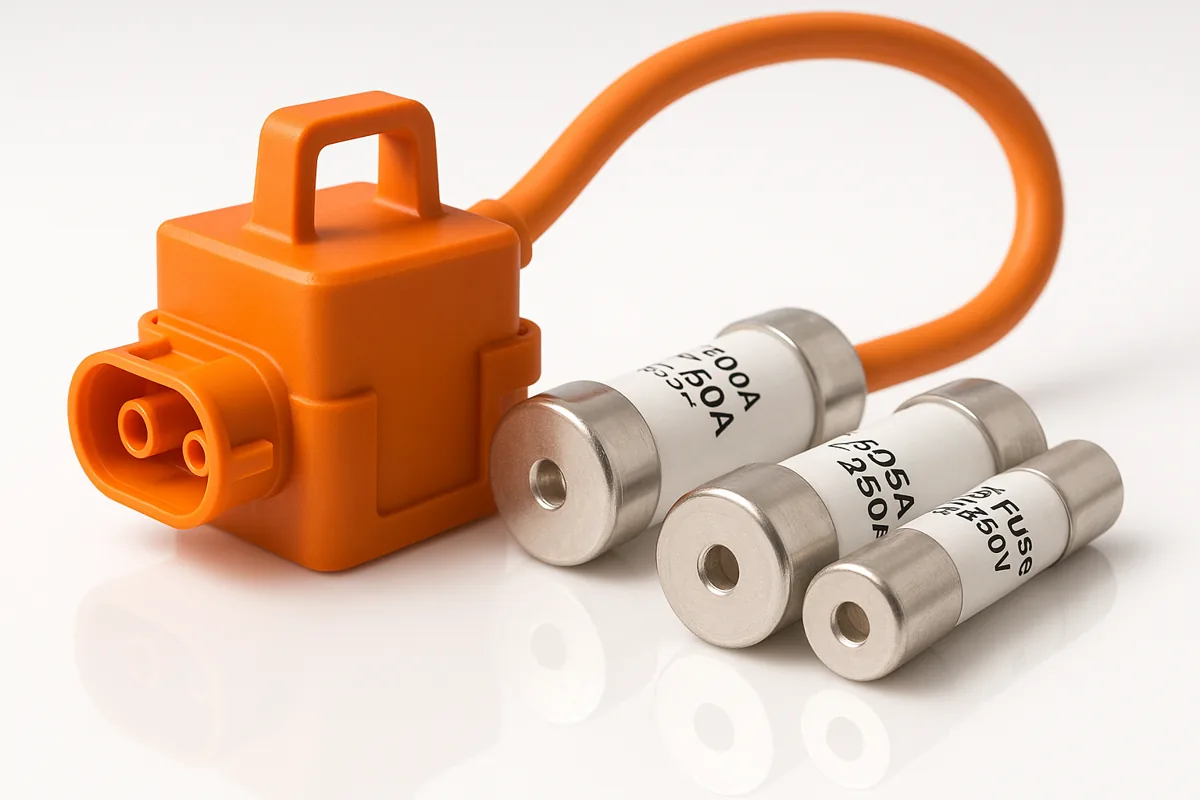
Shop HV Fuses & Service Disconnect by Part Type
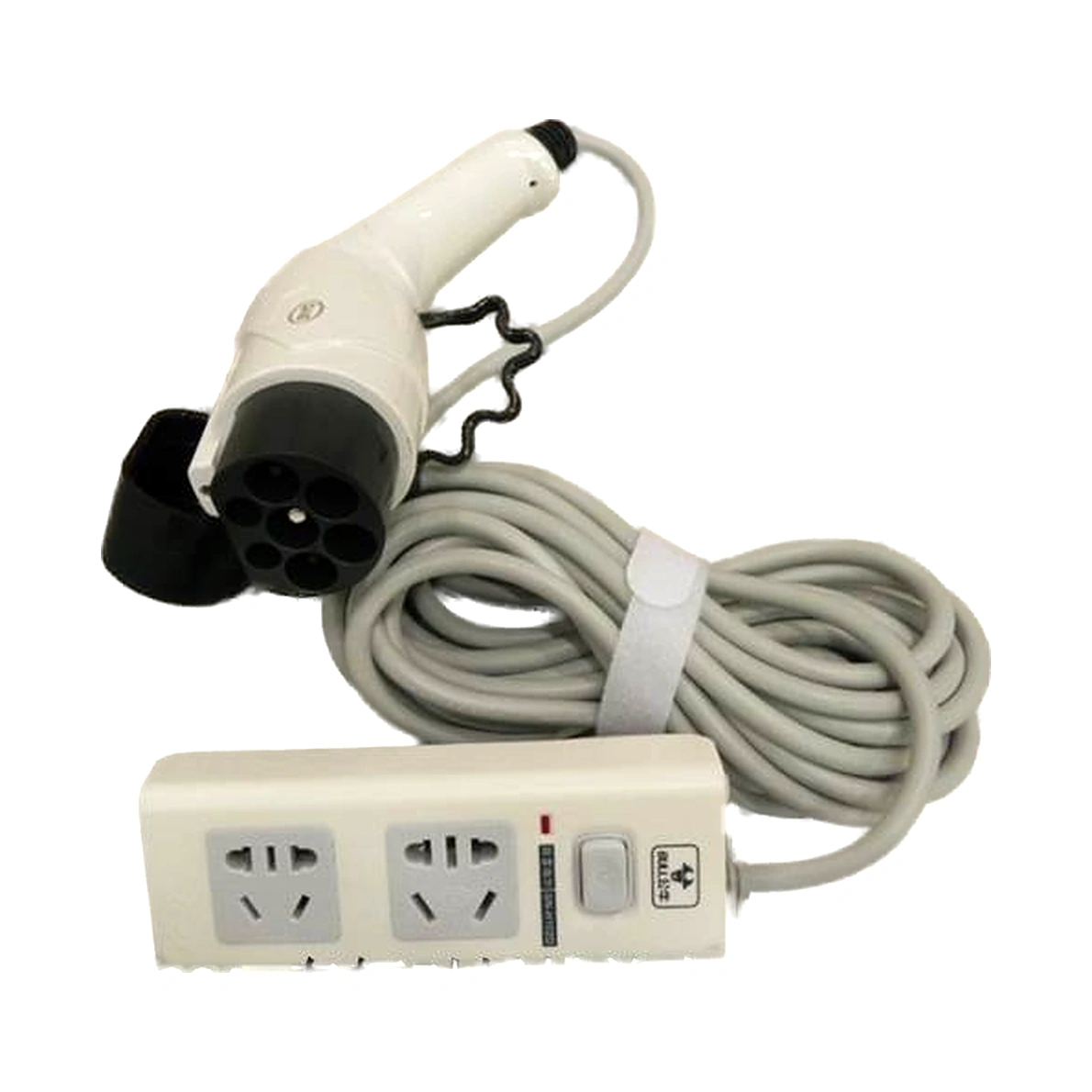
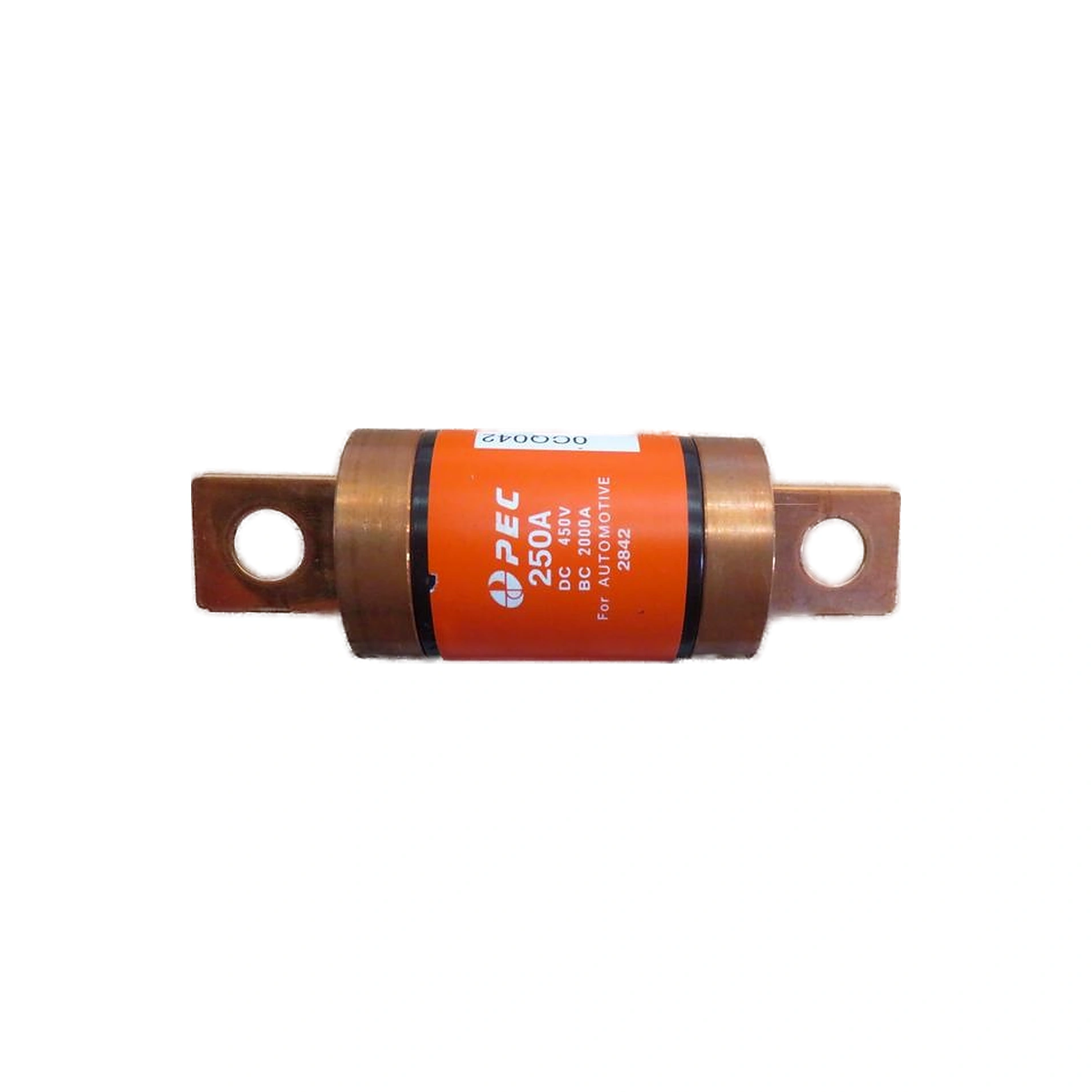
Popular Right Now
scroll for more →
Symptom Finder: What Is Actually Broken?
| What you see or hear | Part to check first |
|---|---|
| Vehicle completely without high voltage after a fault | Non-resettable high-voltage fuse |
| No drive and no charging with the twelve volt system healthy | Main high-voltage fuse |
| One high voltage consumer inoperative while others work | Branch circuit high-voltage fuse |
| Vehicle refusing to power up after service work | Manual service disconnect not refitted or seated |
| Interlock fault stored with the pack reporting open | Manual service disconnect |
| Repeat fuse failure after replacement | Downstream component drawing a fault current |
About HV Fuses & Service Disconnect
Two components in this group exist purely so that a high voltage system fails safely. The manual service disconnect is a physical plug in the pack circuit that a technician removes before working on the vehicle, breaking the pack into two halves so that neither presents a dangerous voltage at the terminals. Removing it is a defined step in every isolation procedure, and on most designs it also opens the interlock loop so the vehicle knows immediately. High voltage fuses do a job that ordinary automotive fuses cannot. Interrupting a direct current fault at several hundred volts is difficult, because unlike alternating current there is no natural zero crossing to extinguish the arc, so these fuses use sand filled bodies and shaped elements that quench the arc as the element vaporises. Their ratings are specific and non negotiable.
What to know before buying HV Fuses & Service Disconnect parts
Check the twelve volt battery and its terminals before you order anything here. The contactors and control units that run the high voltage system depend on that supply. A weak auxiliary battery produces identical symptoms.
Order by the OE number and confirm it against the printed rating. Listings give manual service disconnects and non resettable high voltage fuses by their full rating. That means current, voltage, body diameter, speed and manufacturer. A fuse is defined by all of those together. A part with the same current rating but a lower voltage rating cannot safely interrupt the fault it was fitted to interrupt. Nor can one with a slower characteristic.
A blown high voltage fuse is a symptom rather than a fault, so establish what caused it before fitting another. All work here requires isolation, verified zero voltage and correct equipment.
Where a price is shown, you can order straight away. Anything unpriced is quoted against the same factory reference. BYD group models are covered most fully at present, and more brands are added one by one.
Before You Order: 6 Checks
- Match every parameter on the fuse: current, voltage, body size, speed and manufacturer.
- Never substitute a fuse with a lower voltage rating, whatever its current rating says.
- Find and fix the cause before fitting a replacement fuse.
- Match the OE number for the service disconnect, since designs and interlock arrangements differ.
- Confirm isolation, verified zero voltage and correct equipment before any work.
- Inspect the disconnect housing and seals when refitting, since water ingress causes faults.
What Changed and Why
Protection is becoming electronic as well as thermal. Pyrotechnic disconnect devices, which sever the pack circuit with a small charge on a crash signal in a fraction of the time a fuse takes, are now common alongside conventional fusing, and solid state contactors and protection devices are appearing on newer platforms because they interrupt faults faster and can be reset. Higher voltage architectures raise the difficulty of interrupting direct current faults, which is why fuse ratings and construction have become more specific rather than less, and why substitution is treated so strictly.
HV Fuses & Service Disconnect: Frequently Asked Questions
What does the manual service disconnect actually do?
It splits the battery pack into two halves so that neither presents a dangerous voltage at its terminals, which is what makes the vehicle safe to work on. A technician removes it as a defined step in the isolation procedure, then verifies zero voltage before touching anything. On most designs it also opens the interlock loop, so the vehicle registers immediately that the pack is broken and will not attempt to close its contactors. It is a safety device rather than a switch for convenience.
Can I remove the service disconnect myself?
It is the first step of a procedure, not a procedure in itself, and treating it as a way to make a vehicle safe without the rest is dangerous. Isolation requires the correct sequence, a waiting period for capacitors to discharge, verified zero voltage measurement with a suitable instrument, and appropriate protective equipment. Removing the disconnect alone leaves parts of the system charged. This is work for someone trained and equipped for high voltage, not a preliminary an owner can do.
Why can I not fit a fuse with the same current rating?
Because current is only one of the parameters. A high voltage fuse is also defined by its voltage rating, which determines whether it can interrupt an arc at that potential, by its body size and construction, and by its speed characteristic. Direct current has no zero crossing to help extinguish an arc, so a fuse rated for lower voltage may fail to clear the fault and instead continue conducting through a plasma arc. Match every parameter printed on the original.
My high voltage fuse has blown. Do I just replace it?
Find out why first, because a fuse of this kind does not fail from age. It has interrupted a genuine fault current, and something downstream caused that: a shorted component, a damaged cable, water ingress at a connector, or an inverter failure. Fitting another fuse without finding the cause either blows the new one immediately or, worse, allows a damaged component to continue conducting. Have the system tested for insulation resistance and the affected circuit inspected before ordering.
What is a pyrotechnic disconnect?
It is a device in the pack circuit that severs the conductor with a small explosive charge when the restraint system reports a crash, isolating the pack in a fraction of the time any fuse could manage. Many vehicles carry both, with the pyrotechnic device handling the crash case and conventional fuses handling electrical faults. Once fired it is scrap, like an airbag, and it is a one shot device that must be replaced rather than reset after any deployment event.
What do these parts cost?
High voltage fuses are moderate for what they are, with the larger current ratings costing more than small branch circuit fuses. Manual service disconnects sit at a similar level. The live minimum and maximum for the category are shown in the band at the top of this page. The parts are rarely the expensive part of the job here: the diagnosis that establishes why a fuse cleared, and the repair of whatever caused it, is where the cost sits.
Why will my car not power up after service work?
Check that the service disconnect was refitted and fully seated. It is the single most common cause of a vehicle that was working, went in for work, and now shows no high voltage at all, because a disconnect that is present but not latched leaves the interlock loop open and the vehicle will refuse to close its contactors. The fault code usually names the interlock circuit directly. Inspect the housing and its seals at the same time, since water ingress causes the same symptom later.
Are high voltage fuses the same as normal automotive fuses?
No, and the difference is fundamental rather than a matter of size. An ordinary blade fuse is designed to interrupt a fault at twelve volts, where an arc extinguishes readily. A high voltage fuse must interrupt several hundred volts of direct current, so it uses a sand filled body and a shaped element engineered to quench the arc as the element vaporises. They are not interchangeable in either direction, and the ratings printed on the body are the specification rather than a guide.
Can a service disconnect fail?
Yes, usually mechanically or through contamination rather than electrically. The contacts inside can corrode where a seal has failed and water has entered, the latch can break so the plug no longer seats fully, and the interlock switch inside it can fail independently of the power contacts. The symptoms are a vehicle that will not close its contactors or an intermittent high voltage fault. It is listed here as its own part and is replaced rather than repaired.
Is the twelve volt system involved in any of this?
Yes, more than owners expect. The contactors that connect the pack are held closed by the twelve volt supply, and the control units that manage the whole high voltage system run on it, so a flat or failing auxiliary battery produces symptoms that look exactly like a high voltage fault: no drive, no charging, multiple warnings. Check the twelve volt battery condition under load before pursuing anything in this category, because it is by far the most common cause.
Will a fuse from another vehicle fit?
Only where every parameter matches, and that is the point of the detailed descriptions in the listings. Two fuses with the same current rating can differ in voltage rating, body diameter, speed characteristic and manufacturer, and each of those affects whether the device clears a fault safely. Match the OE number, then confirm against the rating printed on the fuse you removed. Where the reference brings back nothing, use the quote form rather than approximating.
The part I need shows no price. Can I still order it?
Yes. Service disconnects and high voltage fuses are safety rated components with a defined breaking capacity, and they are ordered against the number rather than against a current rating alone, which is why several appear here without a price. Ask through the form with that number. There is no sensible substitution in this group. A fuse of the same nominal rating but a lower breaking capacity looks identical and fails dangerously under a real fault current. Pyrofuses are a separate case again, since they contain a small charge and are ordered and shipped under conditions the quote will set out.