HV Cabling & Connectors
Shop HV Cabling & Connectors by Part Type
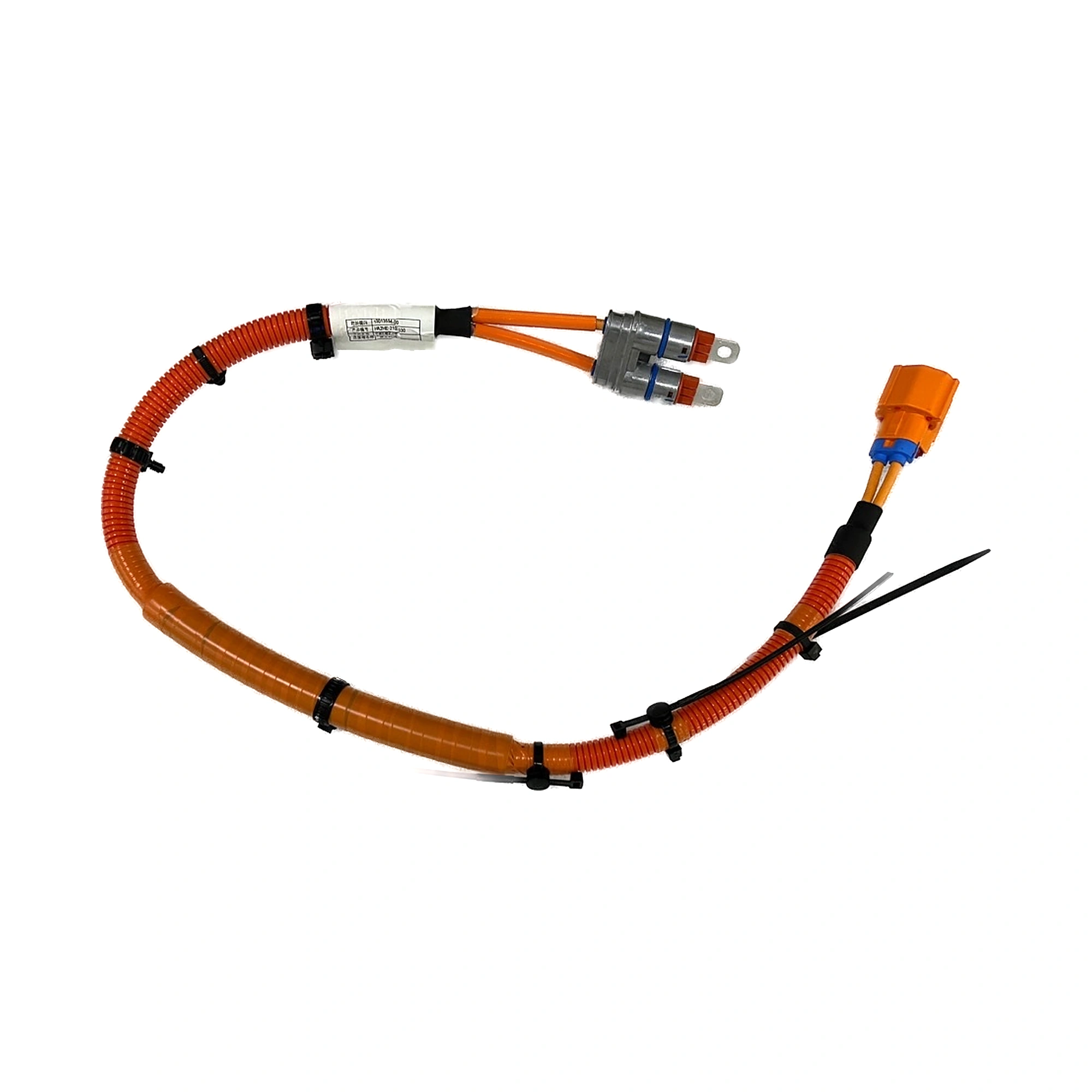
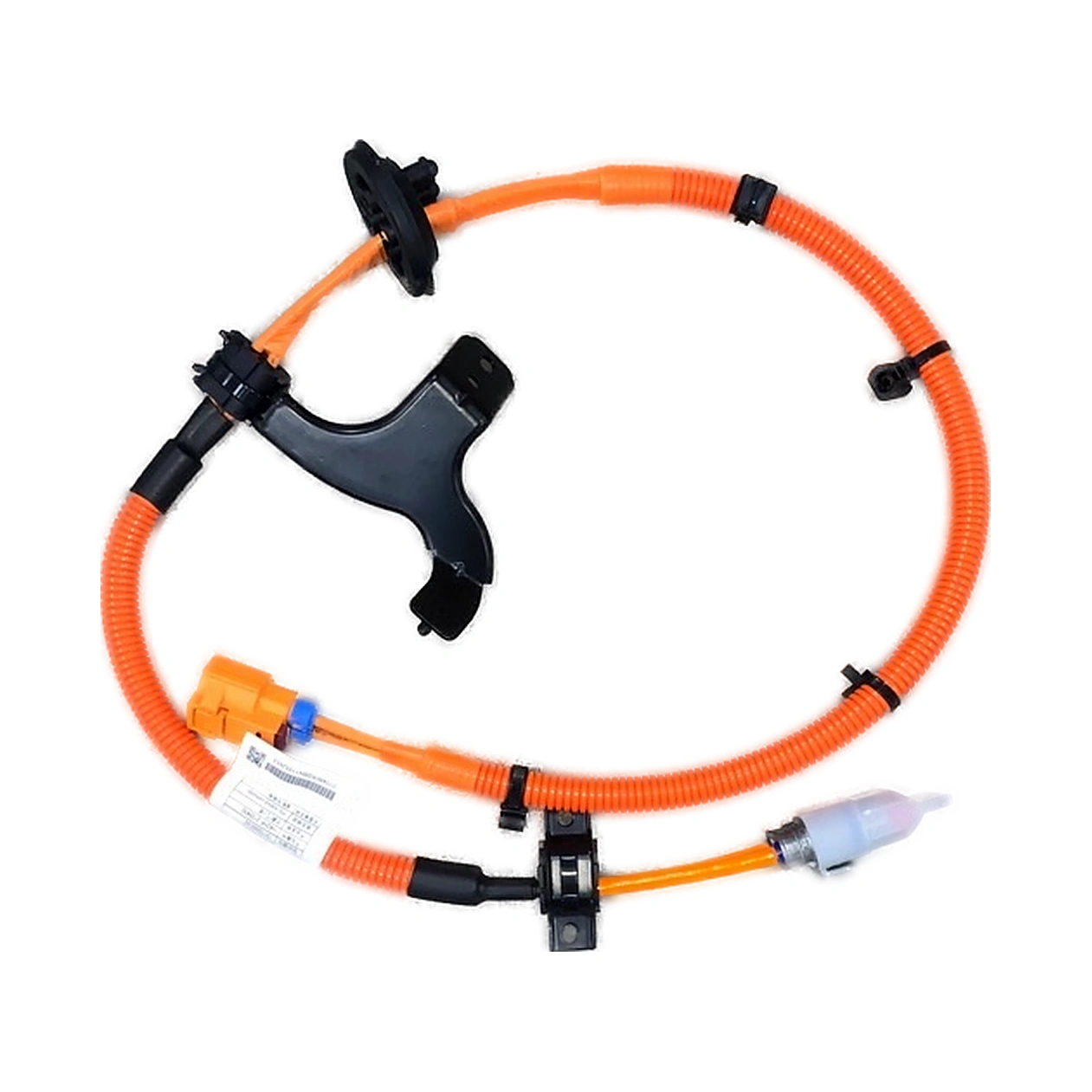
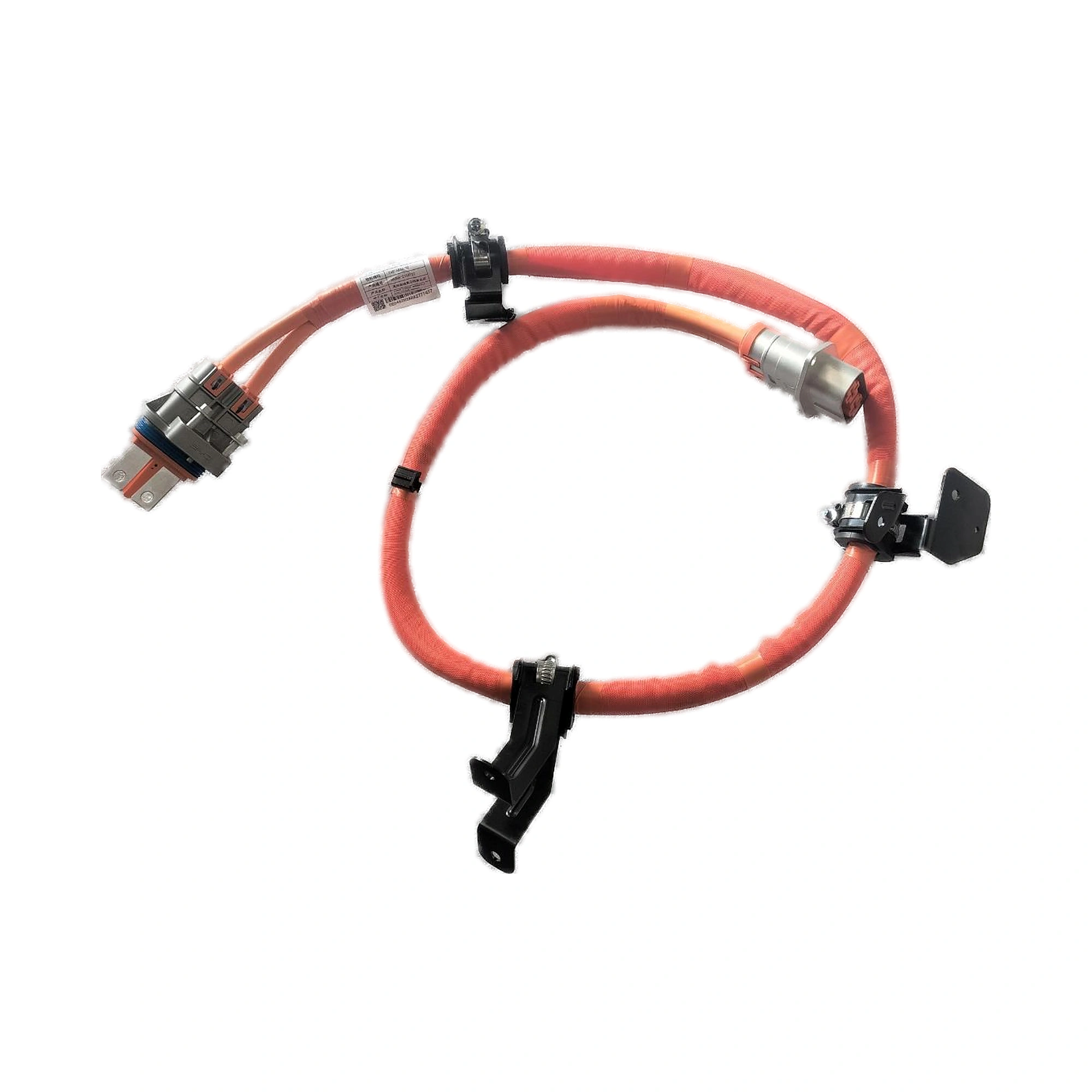
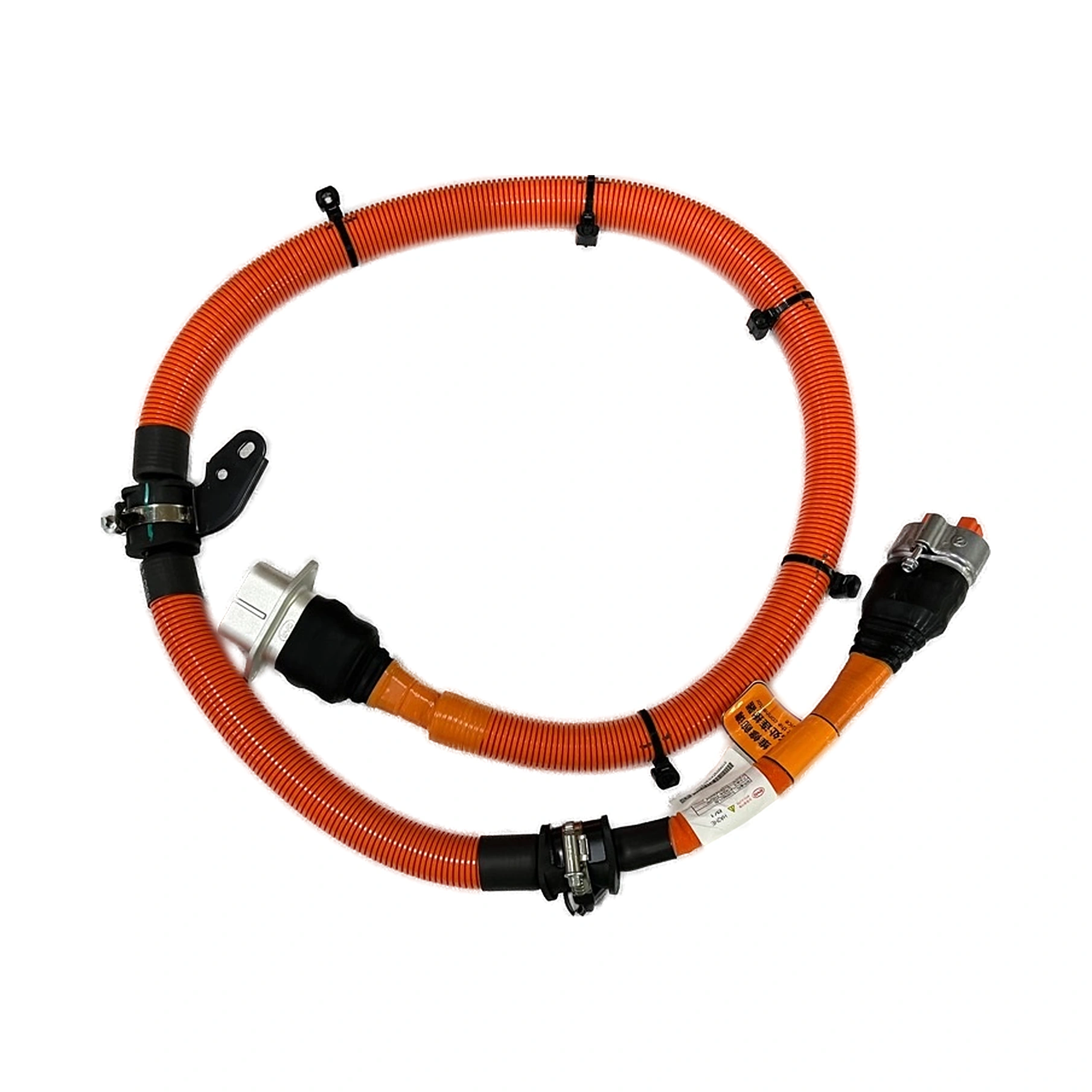
Popular Right Now
scroll for more →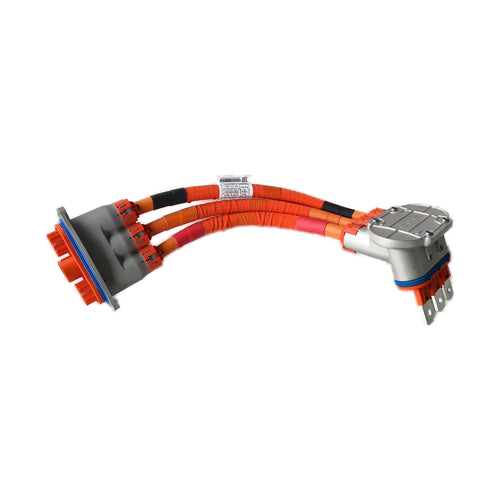
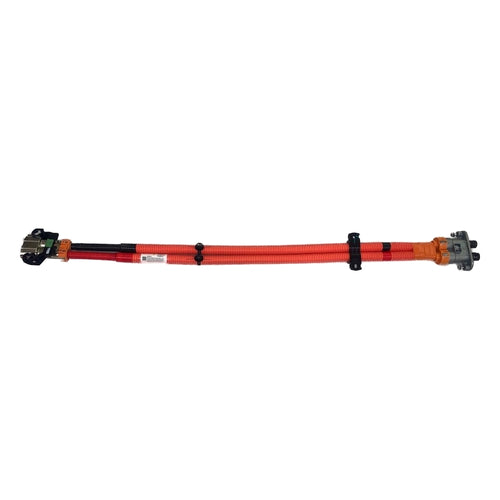
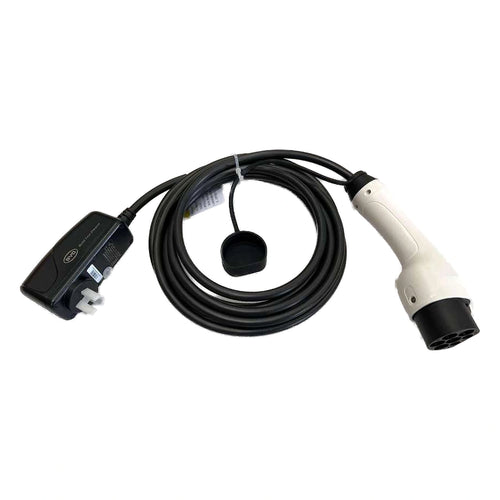
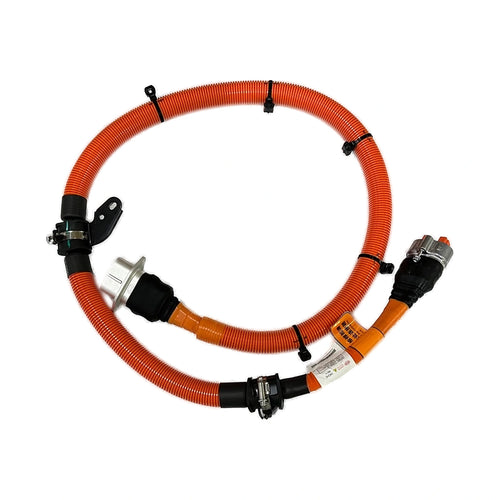
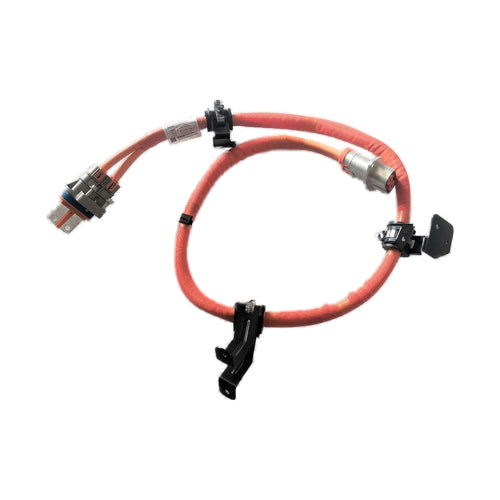
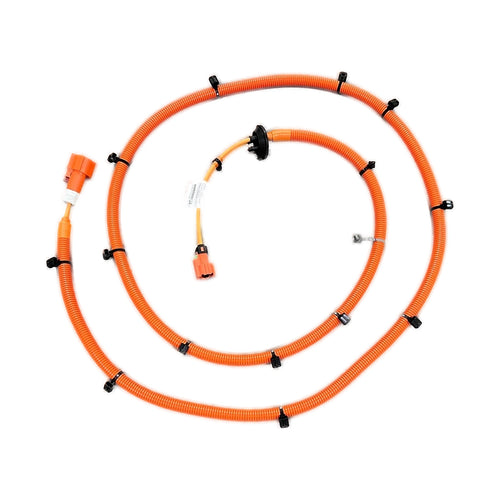
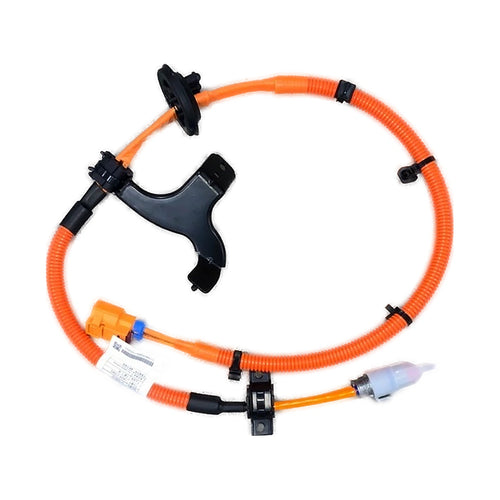
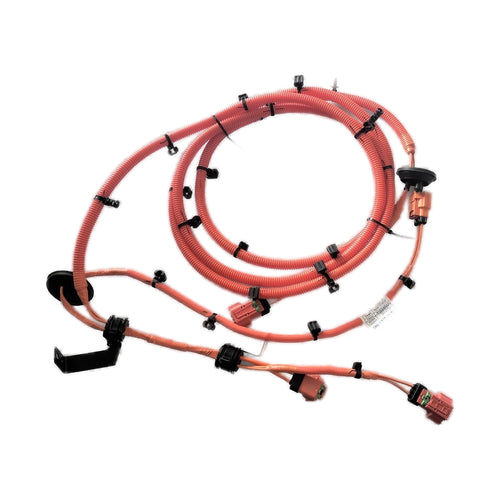
Symptom Finder: What Is Actually Broken?
| What you see or hear | Part to check first |
|---|---|
| Insulation resistance fault disabling drive | High-voltage cable assembly with damaged insulation |
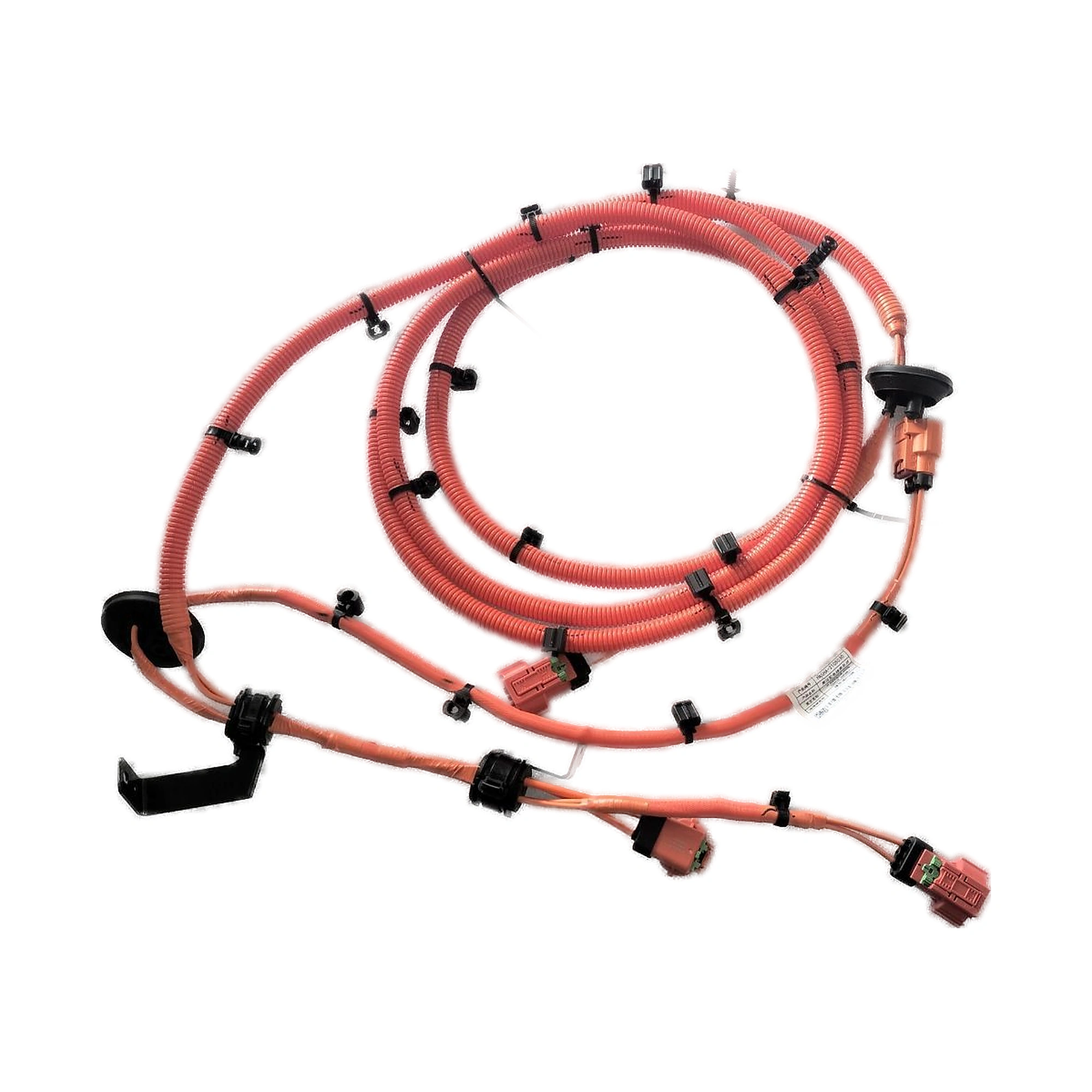
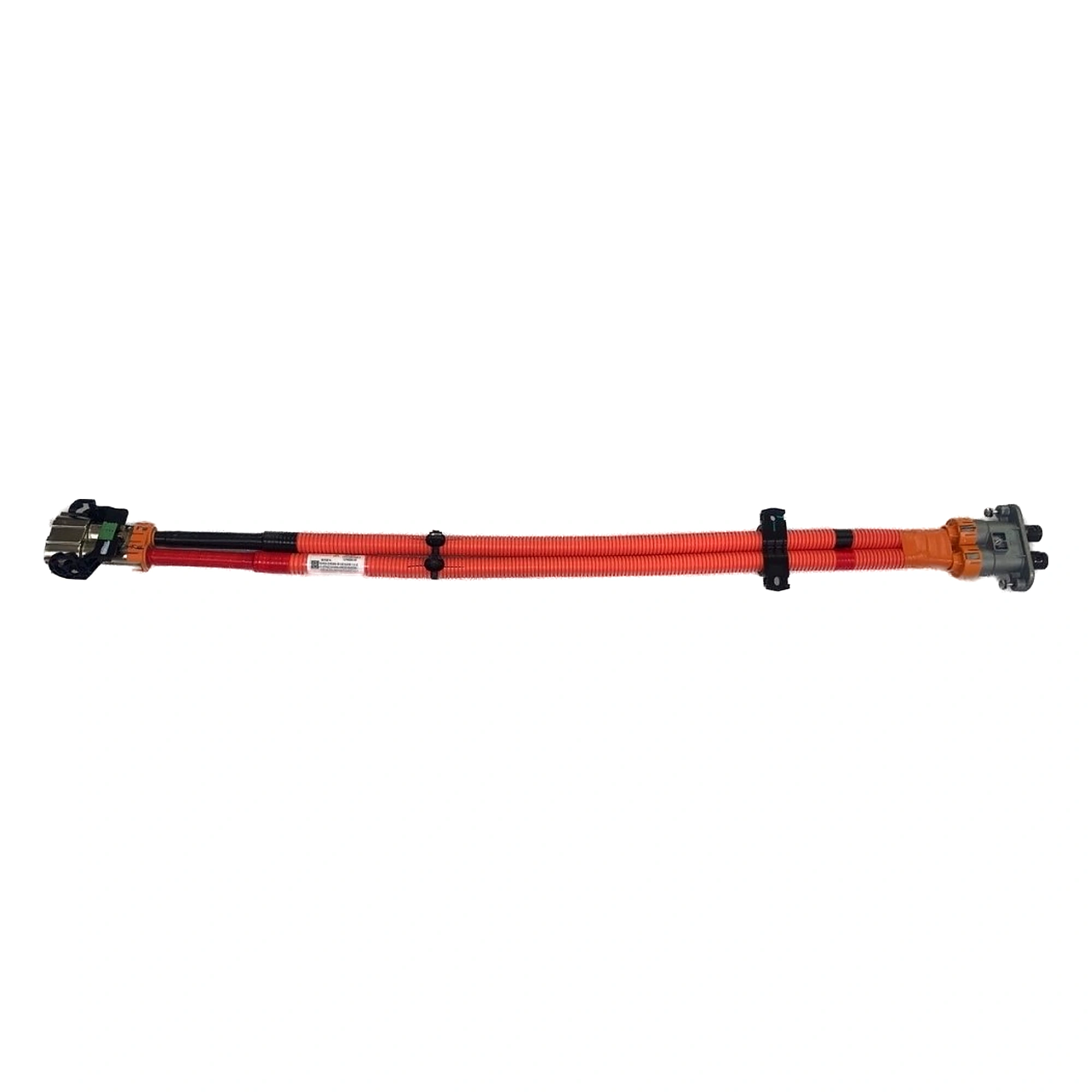
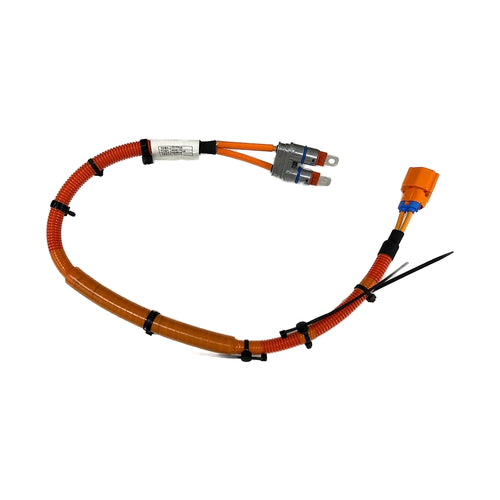
| Fault appearing after underbody impact or road debris | High-voltage power distribution harness |
| Intermittent drive fault that changes with vehicle movement | High-voltage connector or conduit clamp |
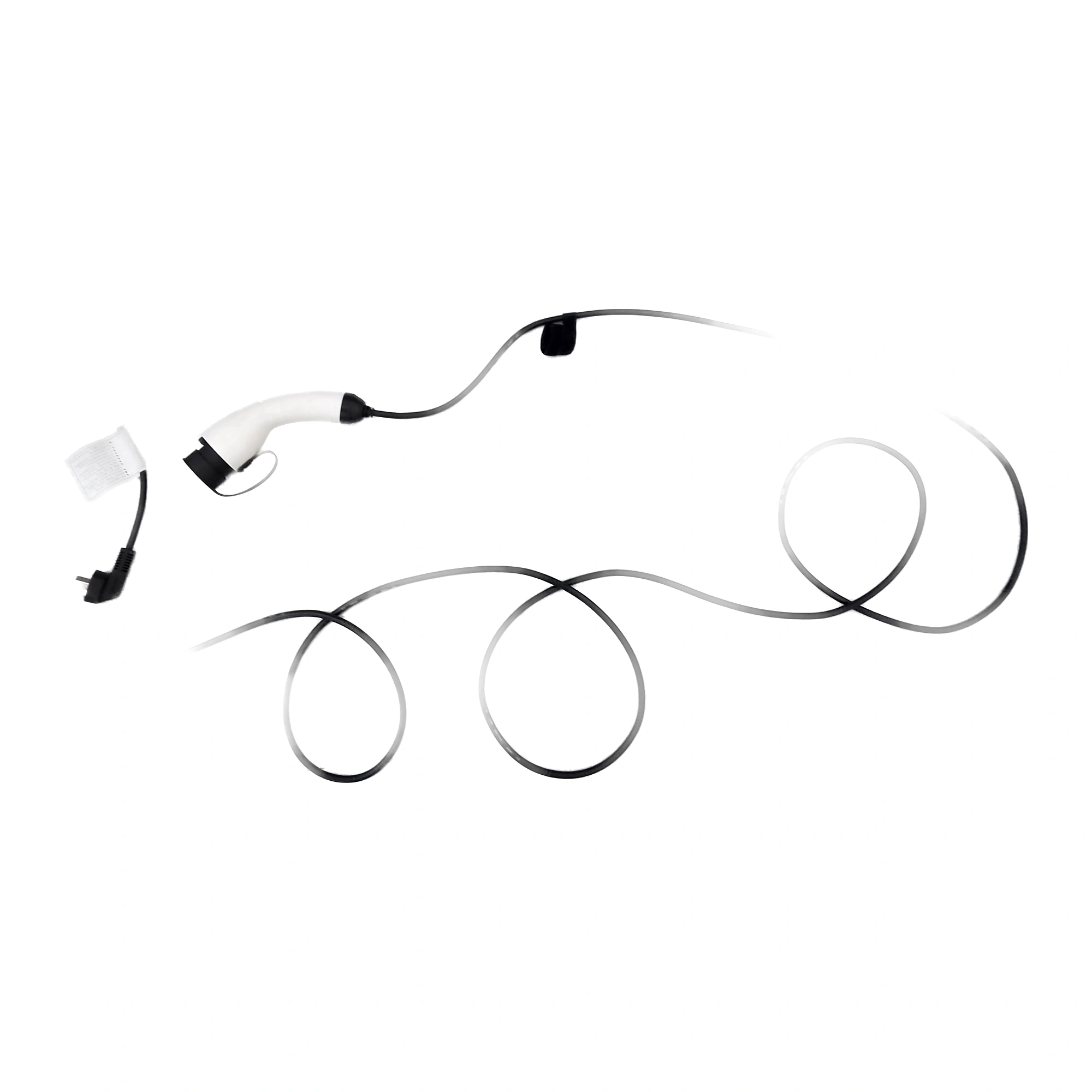
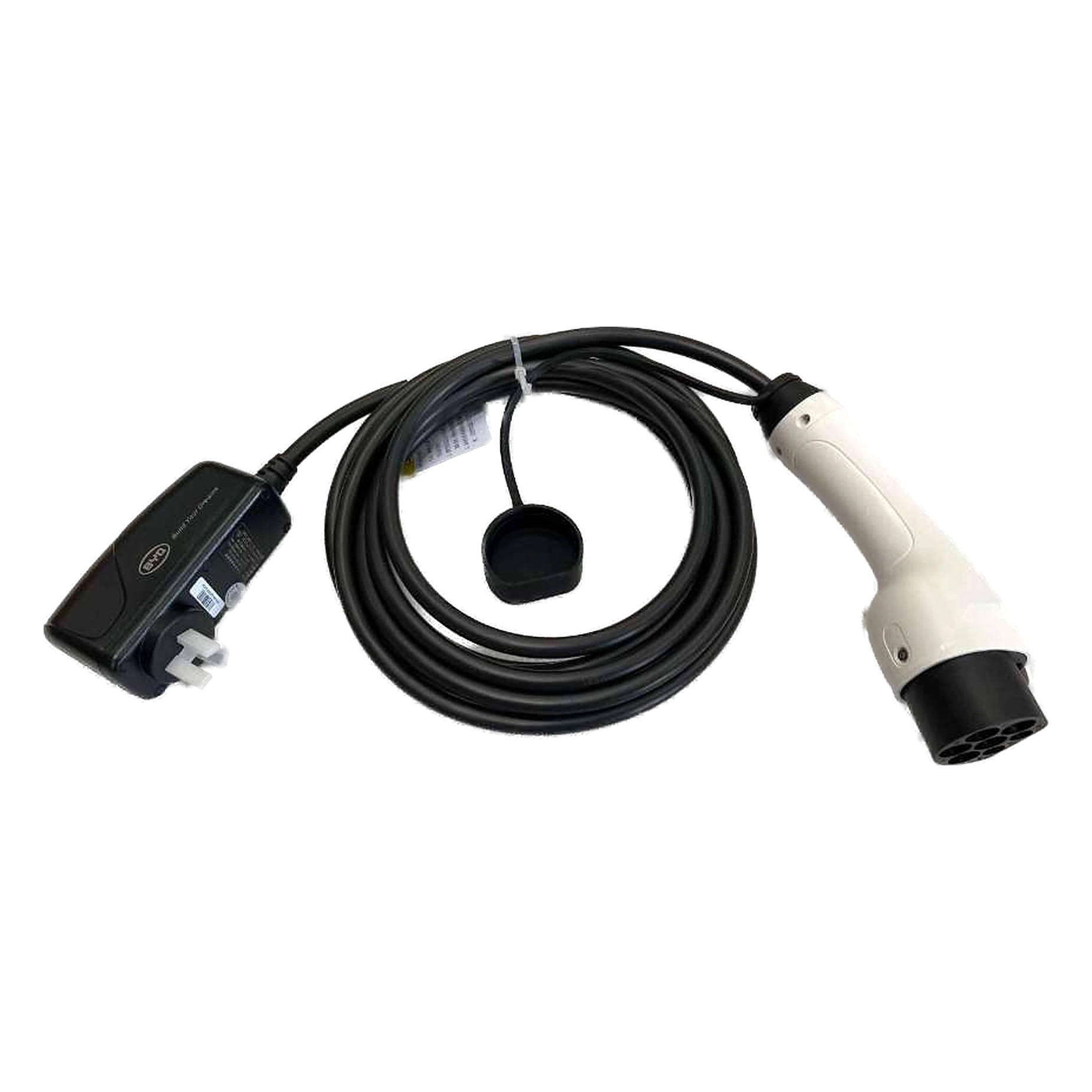
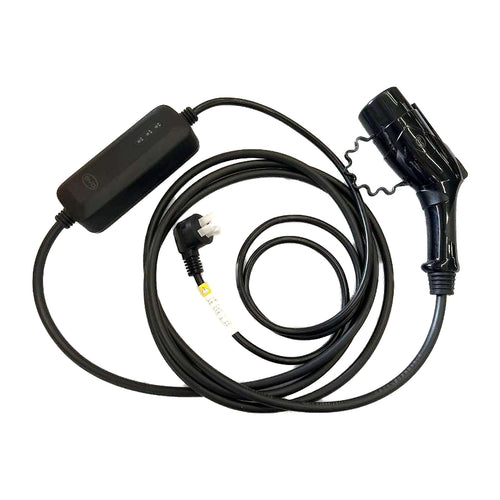
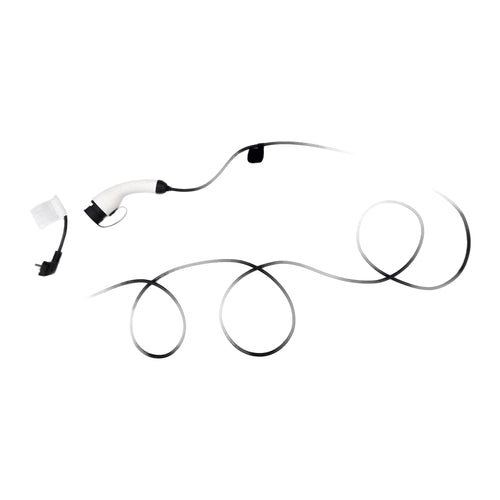
| Charging refuses to start with the inlet reporting normally | AC charging connection device |
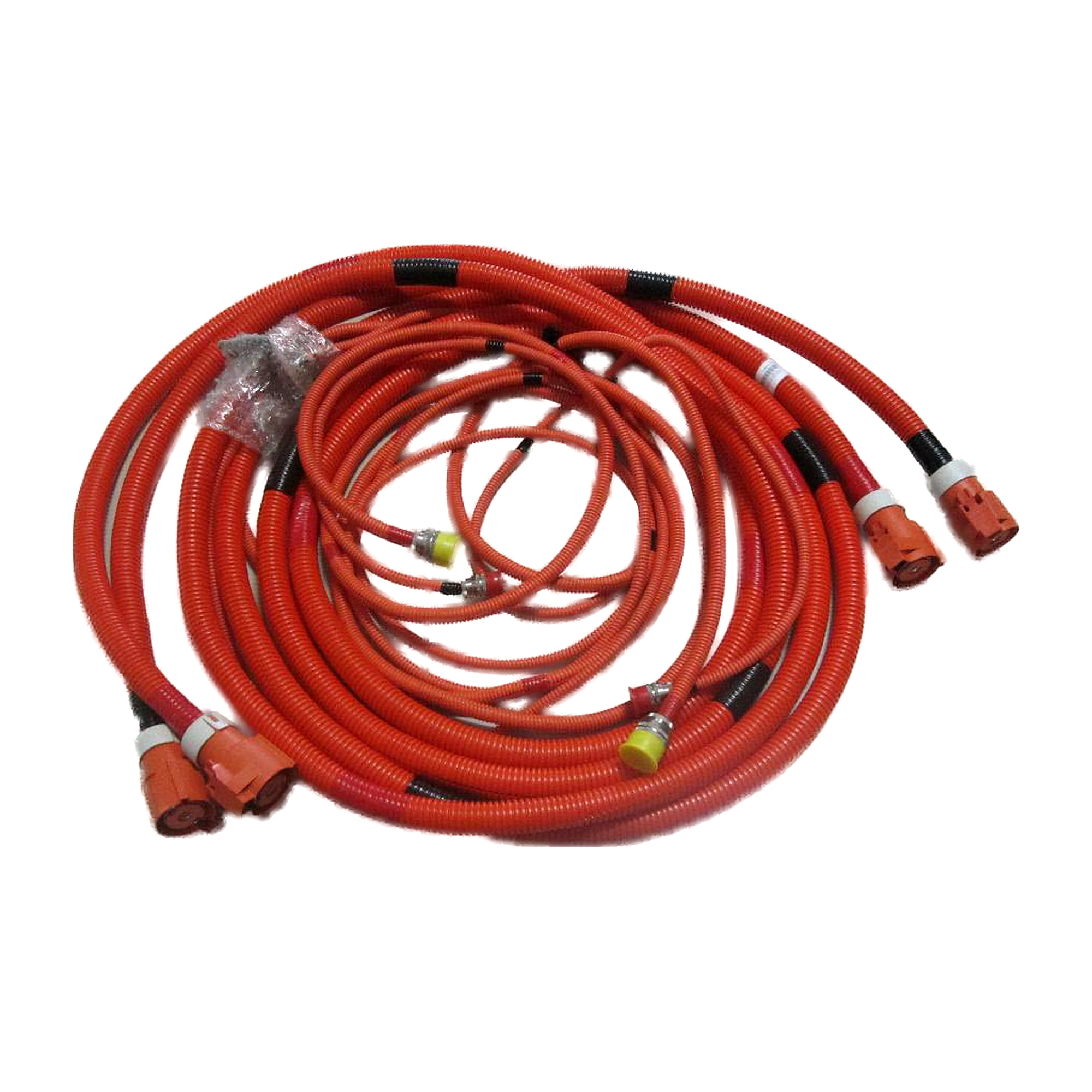
| Air conditioning inoperative with a high voltage fault | A/C compressor sub-harness |
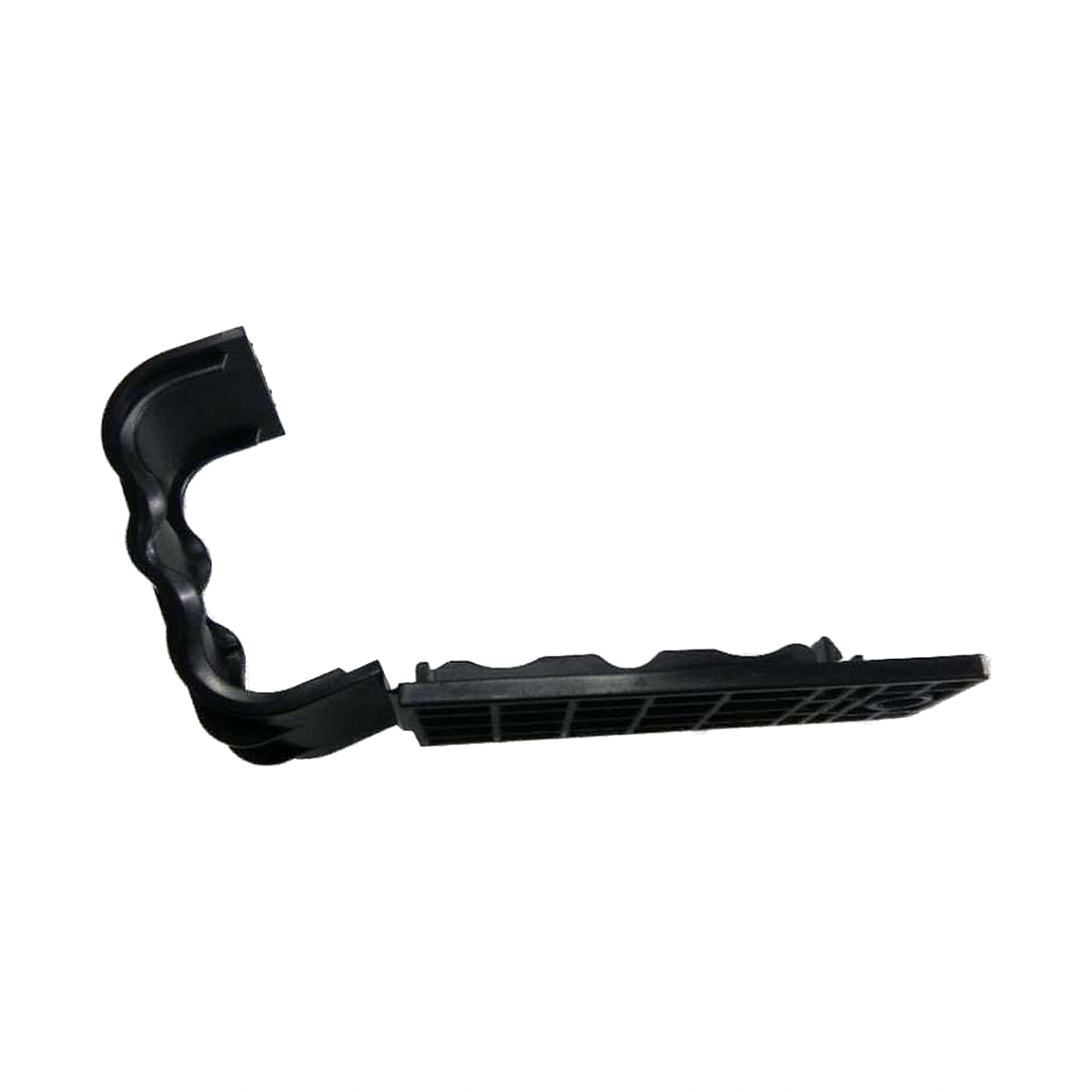
| Cable chafing visible where a clamp has broken away | High-voltage cable conduit clamp |
About HV Cabling & Connectors
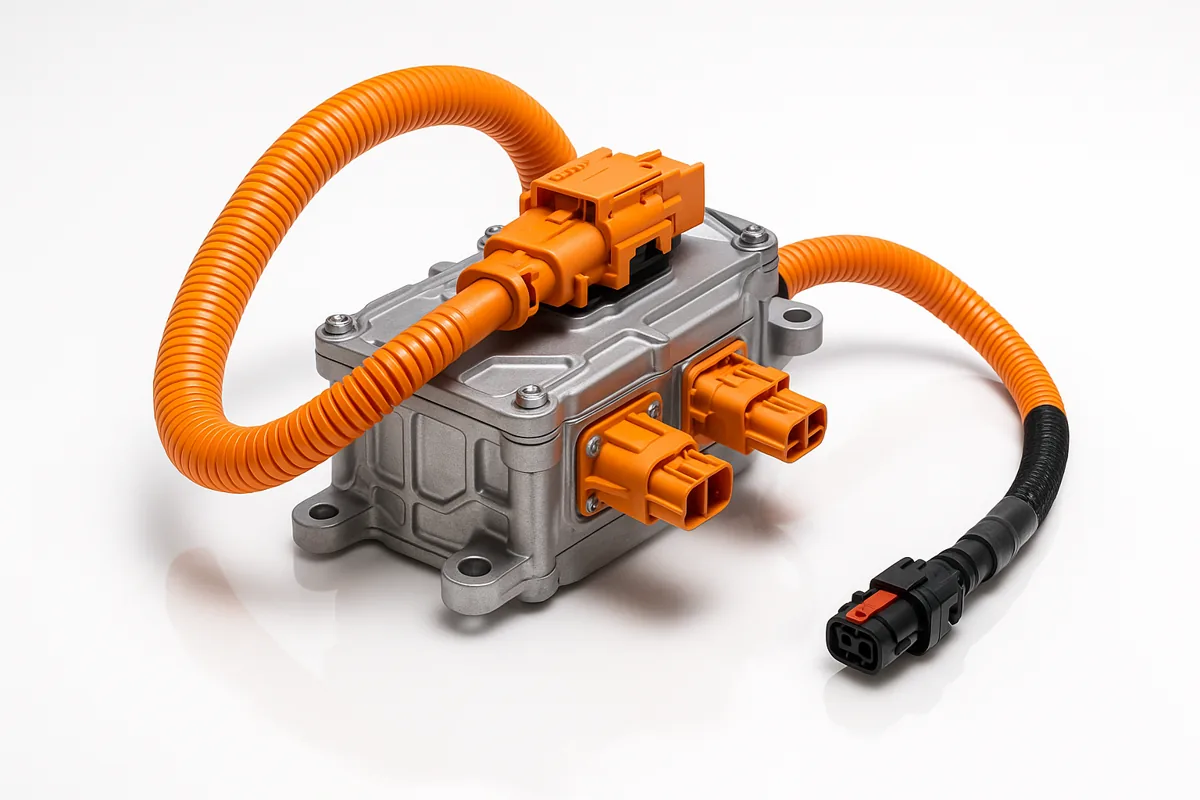
High voltage cabling is the most heavily engineered wiring on any vehicle. It carries hundreds of volts at currents that would melt ordinary automotive wire, so conductors are large, insulation is thick and every cable is shielded to contain the electromagnetic noise that fast switching in the inverter produces. Connectors are interlocked, meaning a low voltage loop runs through them that the vehicle monitors continuously, so unplugging one tells the system immediately and it opens the pack contactors before anything is exposed. Orange sheathing is a convention rather than decoration: it marks every conductor that can be live at pack voltage. Busbars do the same job as cable where the run is short and the current high, using solid rectangular conductors bolted at each end. All of it is monitored for insulation resistance to earth.
What to know before buying HV Cabling & Connectors parts
Never work here without isolating the system, verifying zero voltage and using the correct equipment. Order by the OE number, since every harness is specific to a vehicle and drivetrain layout. Harnesses arrive formed to route, with connectors and shielding terminated at the factory. Neither can be reproduced reliably in the field.
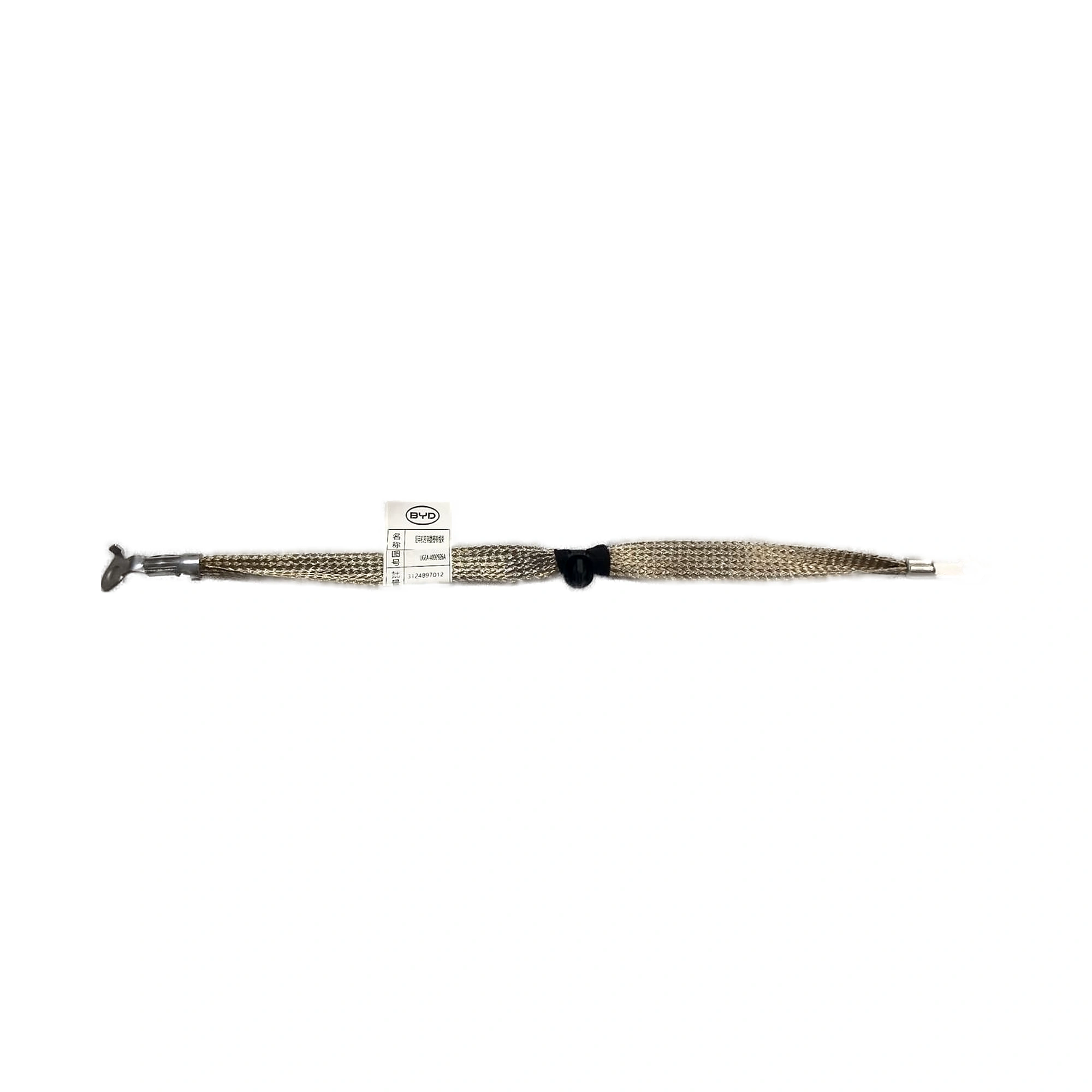
Listings follow the factory breakdown. They cover high voltage power distribution harness assemblies and sub assemblies. Direct current busbar harnesses and dual inverter busbars are listed separately. So are motor controller ground cables, air conditioning compressor and heater sub harnesses, and high voltage cable assemblies. Alternating current and mode two charging connection devices appear here, along with high voltage cable conduit clamps.
Order conduit clamps and retainers alongside any harness. A chafed cable almost always begins with a clamp that let go. Replacing the harness without restoring its routing simply starts the same process again.
Where a price is shown, you can order straight away. Anything unpriced is quoted against the same factory number. BYD group models are covered most fully at present, and further brands arrive as more catalogues load.
Before You Order: 6 Checks
- Have the fault located by a workshop with high voltage diagnostic equipment before ordering.
- Match the OE number, since every harness is formed to a specific route and drivetrain layout.
- Never attempt a field repair or splice on a high voltage cable.
- Replace conduit clamps and retainers, since a chafed cable usually starts with a missing clamp.
- Confirm isolation, verified zero voltage and correct equipment before any work begins.
- Inspect connector seals and interlock loops when a harness is disturbed.
What Changed and Why
Voltage is rising. Eight hundred volt architectures have moved from premium models into the mainstream because they halve the current needed for a given power, which allows thinner cable, less heat and much faster charging. That has consequences for this category: cables become lighter while insulation and clearance requirements become stricter, and the safety margin around any damage narrows. Integration is pulling the other way, with motor, inverter and reduction gear sharing one housing so that several high voltage connections disappear entirely, which removes some of the most common failure points from the vehicle.
HV Cabling & Connectors: Frequently Asked Questions
What does an insulation resistance fault mean?
That the vehicle has measured leakage between a high voltage conductor and the chassis, which should be effectively infinite. It monitors this continuously precisely because the system is designed to be isolated from the body, so a fault means an insulation path has degraded somewhere: a chafed cable, moisture in a connector, or a failing component. The vehicle usually limits or disables drive rather than allowing the condition to continue. It requires a workshop with the correct instruments to locate, and it is not a fault to drive through.
Can a high voltage cable be repaired?
No, and this is one of the clearest rules in vehicle repair. These cables carry lethal voltages, their insulation is specified to a thickness and material that a repair cannot reproduce, and the shielding must be continuous and terminated correctly at each connector to do its job. A splice or a tape repair produces a cable that appears to work and has no margin left. Replace the harness with the factory assembly, which arrives formed to route with its connectors already terminated.
Why is the cabling orange?
Because it is a convention adopted across the industry to mark conductors that can be live at pack voltage, and it exists so that anyone working on or recovering a vehicle can identify the hazard instantly without a wiring diagram. Treat every orange cable as live until the system has been isolated and verified at zero volts by someone qualified to do so. Blue is used for intermediate voltages on some vehicles. The colour is a warning, not a decoration.
What is the interlock loop for?
It is a low voltage circuit routed through every high voltage connector, and its purpose is to detect disconnection before exposure can occur. When a connector is unplugged, the loop opens, the vehicle sees it immediately and commands the pack contactors open so the cabling is no longer live. That is why a partially seated connector produces a drive fault rather than an intermittent power problem. It also means a damaged interlock circuit will prevent the vehicle operating even when the power path is perfect.
How do these harnesses fail?
Mechanically more often than electrically. Underbody impact and road debris damage cables running along the floor, a broken conduit clamp lets a harness move and chafe against structure, moisture finds its way into a connector after damage or a poor reassembly, and rodents occasionally do the rest. What follows is either an insulation fault or an interlock fault. Inspecting the clamps and the routing whenever the underbody is exposed is the most useful preventive step available.
What do high voltage harnesses cost?
Conduit clamps and small retainers sit right at the bottom of the range. Sub harnesses for compressors and heaters are moderate. Main power distribution harnesses and busbar assemblies cost the most in this category, since each is a large formed assembly with terminated shielded connectors. The live minimum and maximum are shown in the band at the top of this page. Locating the fault precisely before ordering matters, since these are not parts to buy speculatively.
Can I do any of this work myself?
Not on the high voltage side. Isolation, verified zero voltage measurement, insulated tooling and the correct personal protection are all required, and the capacitors in the inverter hold charge after shutdown. What an owner can reasonably do is visual: look for damaged orange sheathing, missing clamps and chafe marks after underbody contact, and report what you find. Everything beyond looking belongs to a workshop trained and equipped for high voltage work.
What is a mode two charging connection device?
It is the portable charging cable supplied with many vehicles for use with a domestic socket, with a control box partway along that provides the safety and communication functions a dedicated charge point would otherwise supply. It is listed here because it is part of the charging path and is replaced as an assembly. If yours has been damaged or its control box has failed, replace it rather than repairing it, since its protective functions are exactly what a domestic socket does not provide.
Does a busbar differ from a cable?
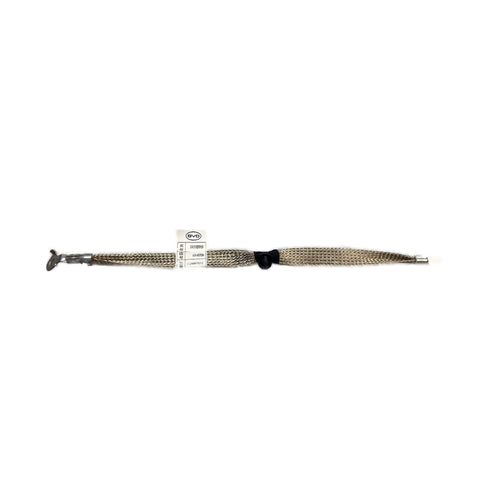
In form rather than function. A busbar is a solid rectangular conductor bolted at each end, used where the run is short and the current high, which describes the link between a pack and an inverter or between the two halves of a dual inverter. It handles heat better than cable of equivalent capacity and takes up less space, and it has no flexibility, so it is used only where nothing moves. Torque at the bolted joints is critical, since a loose joint generates heat.
Will a harness from a similar vehicle fit?
Only where the number agrees. Harnesses are formed to a specific route with specific lengths, connector types and shielding terminations, and vehicles that share a body frequently differ in drivetrain layout, motor count and pack voltage. A harness that reaches but is routed differently will chafe, and one with a different connector will not seat. Read the number from the existing assembly and have it confirmed against your vehicle identification number before anything is dispatched.
What should I do after underbody damage?
Have the vehicle inspected before driving it further if there is any chance the high voltage cabling or the pack was reached. Damage to an orange cable may not produce an immediate fault, and insulation compromised but not breached can fail later, in the wet. A workshop can measure insulation resistance and inspect the routing and clamps directly. That inspection is inexpensive relative to the consequences of leaving a compromised cable in service.
The part I need shows no price. Can I still order it?
Yes. High voltage harnesses are made to length with moulded connectors at each end, and there is no cutting or joining them afterwards, so each routing is its own reference and many are quoted. Send the number and the vehicle identification number together, because harness routings change during a production run more often than most parts do. Confirm the interlock arrangement while you are asking. A cable assembly with the wrong interlock circuit will fit mechanically and leave the vehicle refusing to close its contactors, which reads as a pack fault to anyone looking at the codes.