Power Distribution Unit (PDU)
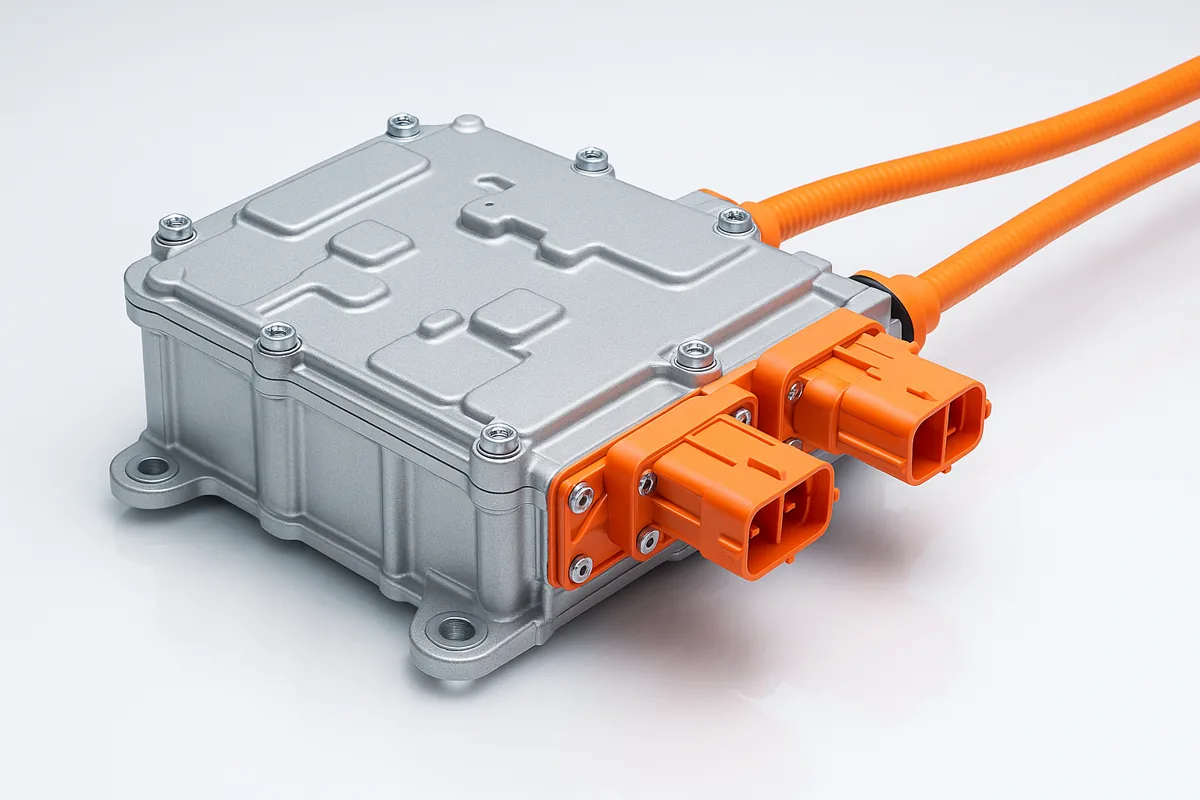
Shop Power Distribution Unit (PDU) by Part Type
Popular Right Now
scroll for more →
Symptom Finder: What Is Actually Broken?
| What you see or hear | Part to check first |
|---|---|
| Vehicle will not power up with a healthy twelve volt battery | High-voltage distribution box contactor |
| Clicking from the pack area with no drive available | Contactor failing to hold in the distribution unit |
| Precharge fault stored on start-up | High-voltage distribution box precharge circuit |
| Rapid charging unavailable while drive works normally | DC charging distribution box |
| One high voltage consumer dead with others working | Branch fuse within the distribution box |
| Intermittent high voltage faults over rough roads | Distribution box mounting bracket or connection |
About Power Distribution Unit (PDU)
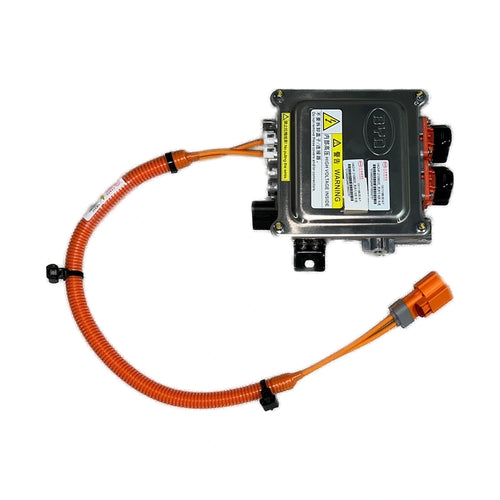
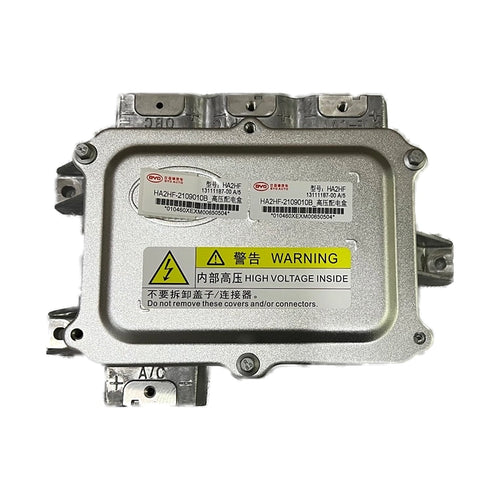
Everything that runs on pack voltage has to be connected to the pack, protected, and switched on and off in a controlled order. That is what a power distribution unit does. Inside its housing sit busbars linking the pack input to each output, fuses sized for each branch, contactors that make and break the main connections, and a precharge circuit whose job is easy to overlook: closing the main contactor straight onto the large capacitors in an inverter would draw an enormous inrush current, so a resistor path charges them first and the main contactor closes only once the voltages match. Current sensing sits here too, feeding the pack management system. Increasingly the whole assembly is combined with other electronics into a single module, which reduces connections and cabling at the cost of making one unit responsible for more.
What to know before buying Power Distribution Unit (PDU) parts
Diagnose before you buy. Contactor faults, precharge faults and a simple twelve volt supply problem all look alike from the driver's seat. In each case the vehicle will not power up. Check next whether your vehicle uses a discrete distribution box or a combined module. The two cannot be swapped.
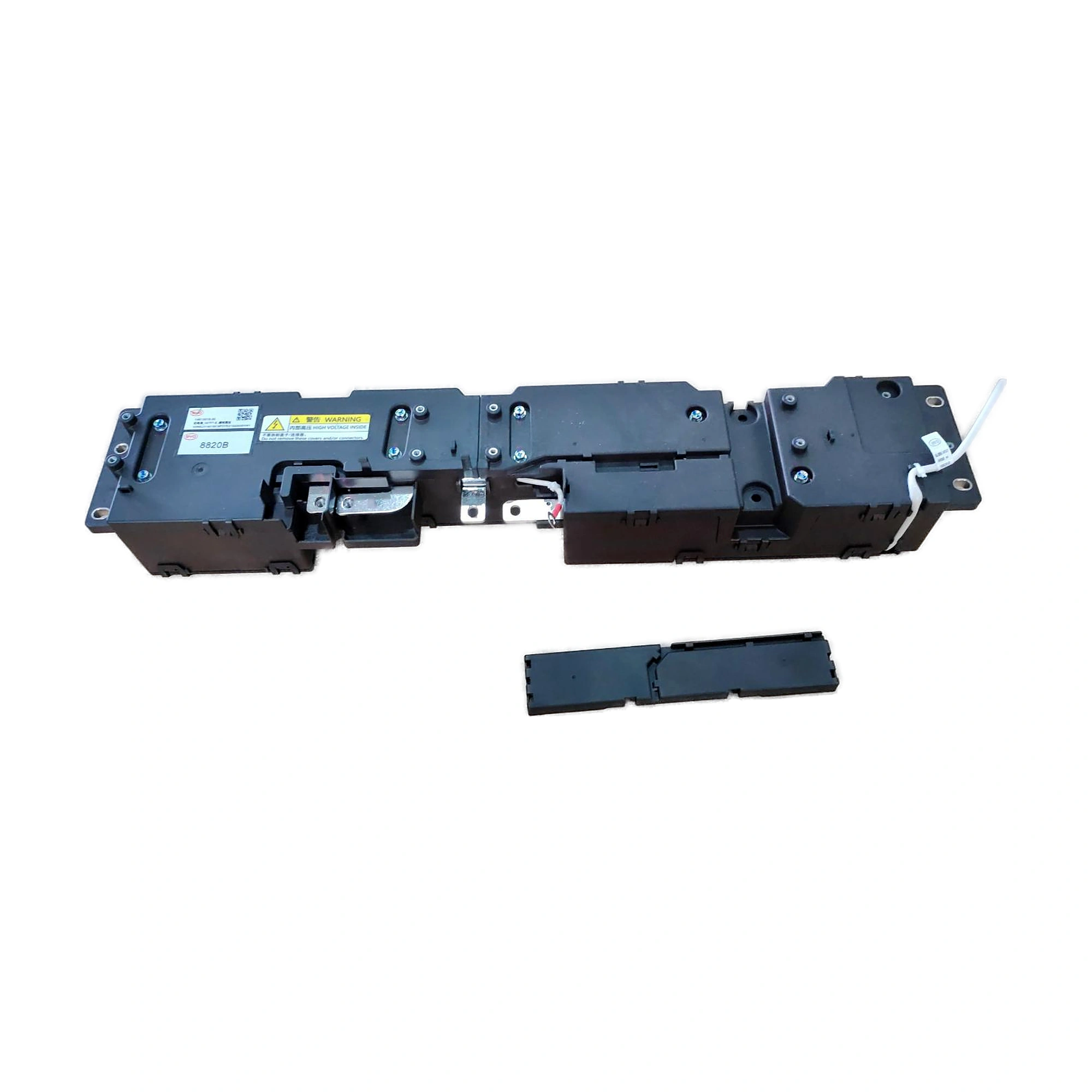
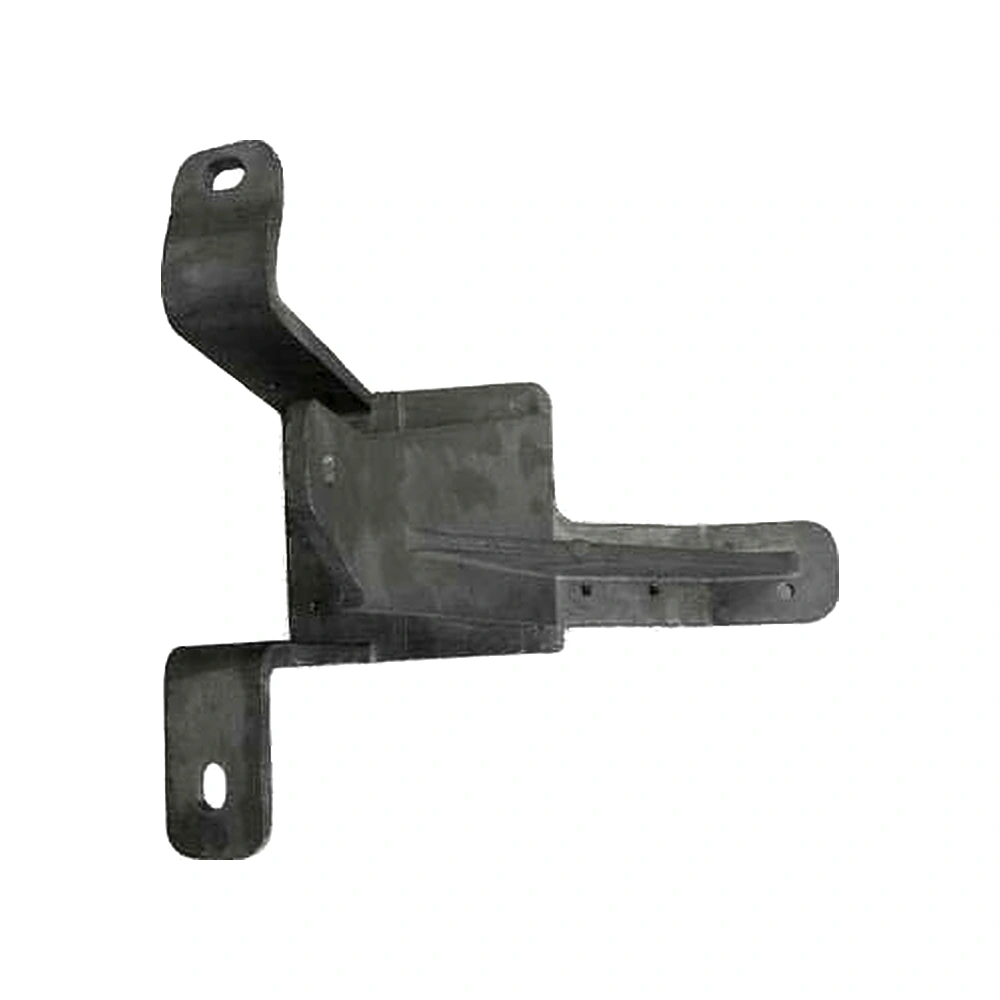
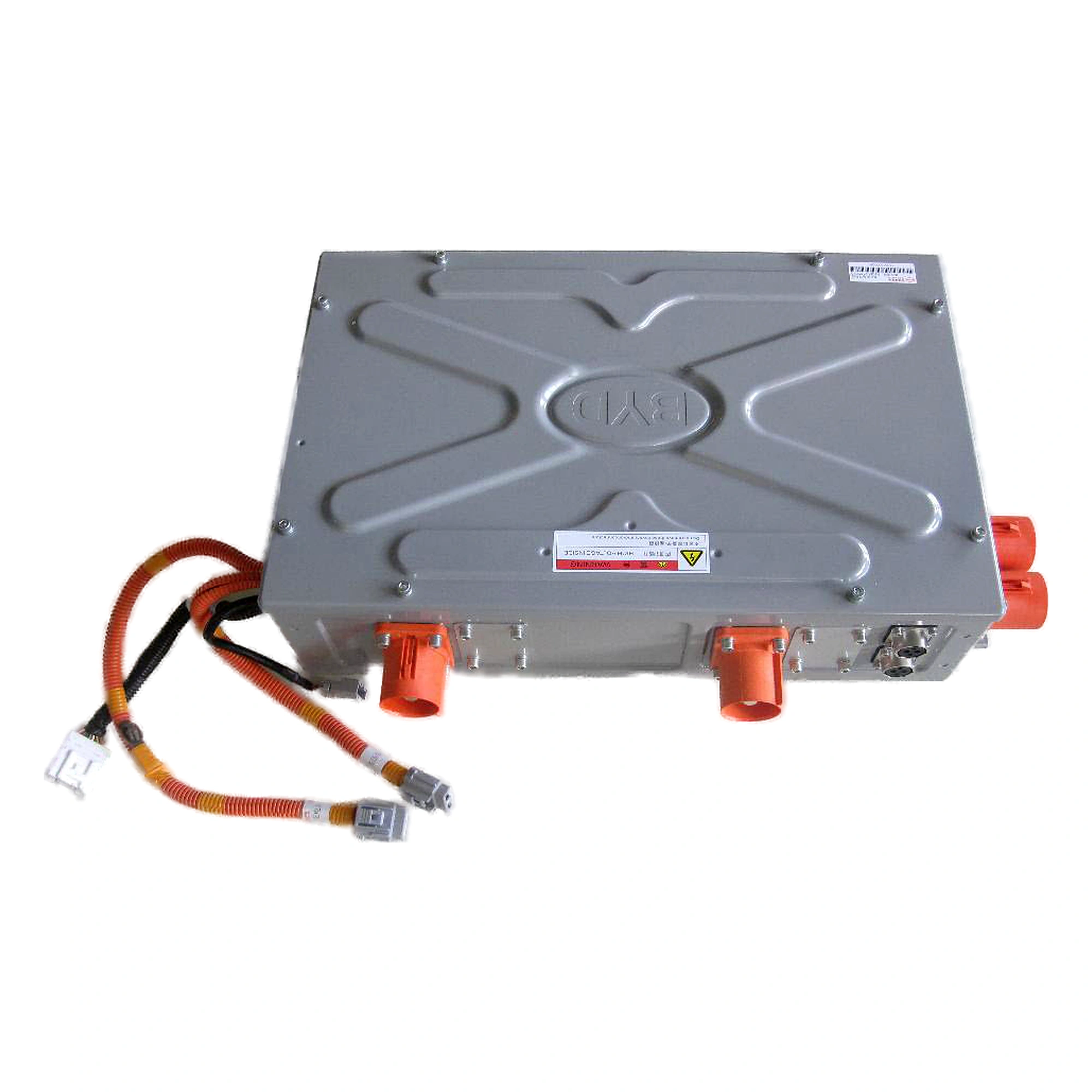
Listings cover high voltage distribution boxes and distribution box assemblies. There are direct current charging distribution boxes and bolt mounted power distribution boxes. Three in one modules combine distribution with other functions, and the mounting brackets are listed as well.
Order by the OE number, because fit is confirmed against the part number. Internal fusing, contactor configuration and communication all follow the specific build. Combined modules differ between vehicles that otherwise look identical. All of this is high voltage work, so it needs isolation and verified zero voltage.
Anything showing a price can be ordered directly. Anything without a price is quoted with availability. The BYD group is covered most fully, and more brands follow as further catalogues load.
Before You Order: 6 Checks
- Check the twelve volt supply first, since contactors are held closed by it and a weak battery mimics a distribution fault.
- Have the fault codes read with high voltage diagnostic access before ordering.
- Match the OE number and confirm against the vehicle identification number, since internal configuration follows the build.
- Establish whether your vehicle uses a discrete box or a combined module, as they are not interchangeable.
- Confirm isolation, verified zero voltage and correct equipment before any work.
- Confirm coding requirements with the workshop before the part is ordered.
What Changed and Why
Consolidation is the dominant trend. Combined modules that bring distribution, the direct current converter and the on board charger into one housing are replacing separate boxes, which removes high voltage connections and saves weight and volume, and makes diagnosis a matter of identifying which function within a module has failed rather than which box. Solid state contactors and protection devices are beginning to appear alongside conventional electromechanical contactors, offering faster fault interruption and the ability to reset without replacement, though electromechanical designs remain the norm in production.
Power Distribution Unit (PDU): Frequently Asked Questions
My car will not power up. Is the distribution unit at fault?
Check the twelve volt battery first, because it is by far the most common cause and costs nothing to exclude. The contactors that connect the pack are held closed by the low voltage supply and the control units that command them run on it, so a weak auxiliary battery produces exactly the symptoms of a high voltage failure. If the twelve volt system is healthy and the vehicle still refuses to close its contactors, the distribution unit or its interlock circuit becomes the candidate.
What is a precharge circuit and why does it fail?
The inverter contains large capacitors, and closing the main contactor directly onto them would draw a huge inrush current that would weld the contacts. A precharge circuit routes current through a resistor first, bringing the capacitor voltage up until it matches the pack, then closes the main contactor into a balanced condition. The resistor and its relay do this on every start, and either can fail, producing a precharge fault and a vehicle that will not power up despite everything else appearing healthy.
I can hear clicking from the pack but the car will not drive.
That usually means the system is trying to close its contactors and something is preventing it holding. The candidates are a low twelve volt supply that cannot maintain the coil current, a contactor whose contacts have degraded, a precharge fault that means the voltage never matches, or an interlock circuit reporting open somewhere in the vehicle. It is a diagnostic job for a workshop with high voltage access, since the fault codes distinguish these quickly and guessing does not.
Can a distribution box be repaired?
Occasionally at component level by a specialist, since fuses and sometimes contactors are replaceable within some designs, and generally the manufacturer route is the assembly. Where a branch fuse inside the box has cleared, that may be serviceable with the correct part. Where a contactor has welded or a precharge resistor has failed, whether it can be replaced depends entirely on the design. Any of this is high voltage work, so it is a workshop question rather than an owner one.
Why is rapid charging unavailable when everything else works?
Because direct current charging usually has its own path and its own protection within the distribution system, separate from the drive path. A dedicated charging distribution box or a branch within the main unit connects the inlet's direct current pins to the pack through its own contactors and fusing, so a fault there disables rapid charging while leaving drive and alternating current charging unaffected. That symptom pattern points at the charging distribution path rather than the pack or the inlet.
What does a distribution unit cost?
Brackets and small hardware are trivial. A direct current charging distribution box is a moderate purchase. The main unit, and the combined modules that fold several functions into one housing, are among the higher value items on the vehicle. Current figures are shown in the band at the top. What decides your bill is often whether the failed element is serviceable. On designs where the branch fuse or the contactor can be renewed separately, the repair is a fraction of a replacement unit, so ask that question before anything is ordered.
What is a three-in-one module?
It is a housing that combines several high voltage functions, typically distribution together with the direct current converter and the on board charger, in one assembly with shared cooling and a single set of connections. The benefit is fewer high voltage joints, less cabling and lower weight. The consequence is that a failure of one function usually means replacing the whole module, and that a vehicle built with a combined module cannot take the discrete components from a vehicle built without one.
Does a replacement need coding?
Plan on it. A distribution unit reports current, monitors isolation and controls the contactors, and the vehicle needs to know which variant it is dealing with and what limits apply before it will allow the pack to connect. Fit one without that step and the car typically refuses to go ready and logs an isolation or contactor fault. Some units also carry serial linked data that has to be written by the diagnostic tool. Check that your workshop holds the right access and the current software release before the part is ordered rather than afterwards.
Is any of this safe to inspect myself?
Visual inspection from outside is reasonable: look for damaged orange cabling, corrosion at the housing, missing brackets or evidence of water. Everything else is not, because the unit sits directly on the pack output, its housing contains live busbars, and even after shutdown parts of the connected system retain charge. Opening a distribution box without isolation, verified zero voltage and the correct equipment is genuinely dangerous rather than merely inadvisable.
Will a unit from a similar vehicle fit?
Only where the OE number agrees and the vehicle identification number confirms it. Internal fusing values, contactor configuration, communication protocol and the presence or absence of combined functions all follow the specific build, and two vehicles of the same model year can differ. A unit that mounts and connects but is configured differently either refuses to code or protects the wrong circuits at the wrong values. Have the reference confirmed before anything is dispatched.
How do contactors fail?
Mostly through contact degradation. Every closure and opening carries an arc, small if the precharge circuit did its job and severe if it did not, and over many cycles the contact surfaces erode or, in the worst case, weld closed. A welded contactor is a serious fault because the pack cannot be disconnected, and vehicles detect and report it. Coil failures and low supply voltage produce the opposite symptom, a contactor that will not close or will not hold.
The part I need shows no price. Can I still order it?
Yes. Distribution units combine contactors, a precharge circuit, busbars and branch fuses in one sealed housing, and the internal arrangement follows the pack and the charging specification, so they are quoted rather than priced. Ask with the number from the unit and your vehicle identification number. Get the diagnosis confirmed first. A welded contactor, a blown branch fuse and a failed precharge resistor all stop the vehicle in similar ways, and on some designs the fuse is a serviceable item while on others the whole unit is the repair. The reply will tell you which applies.