Service & Accessories
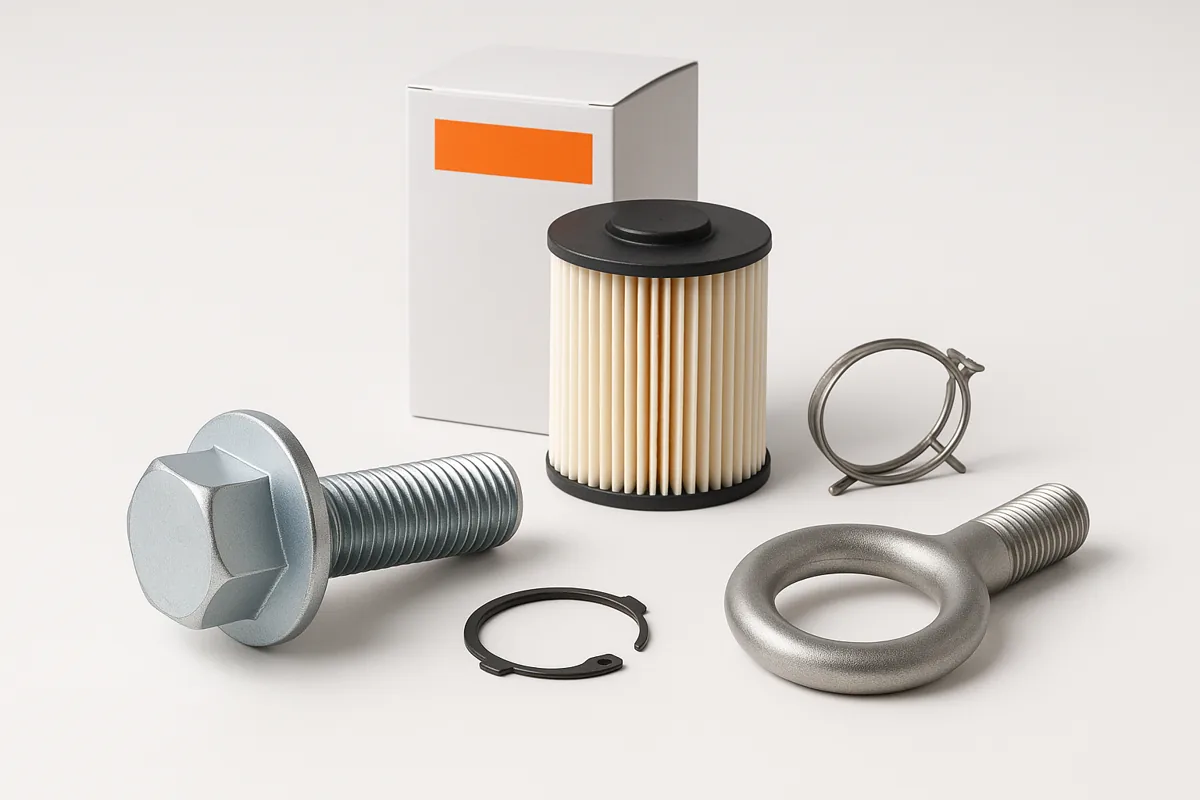
Shop Service & Accessories by Part Type

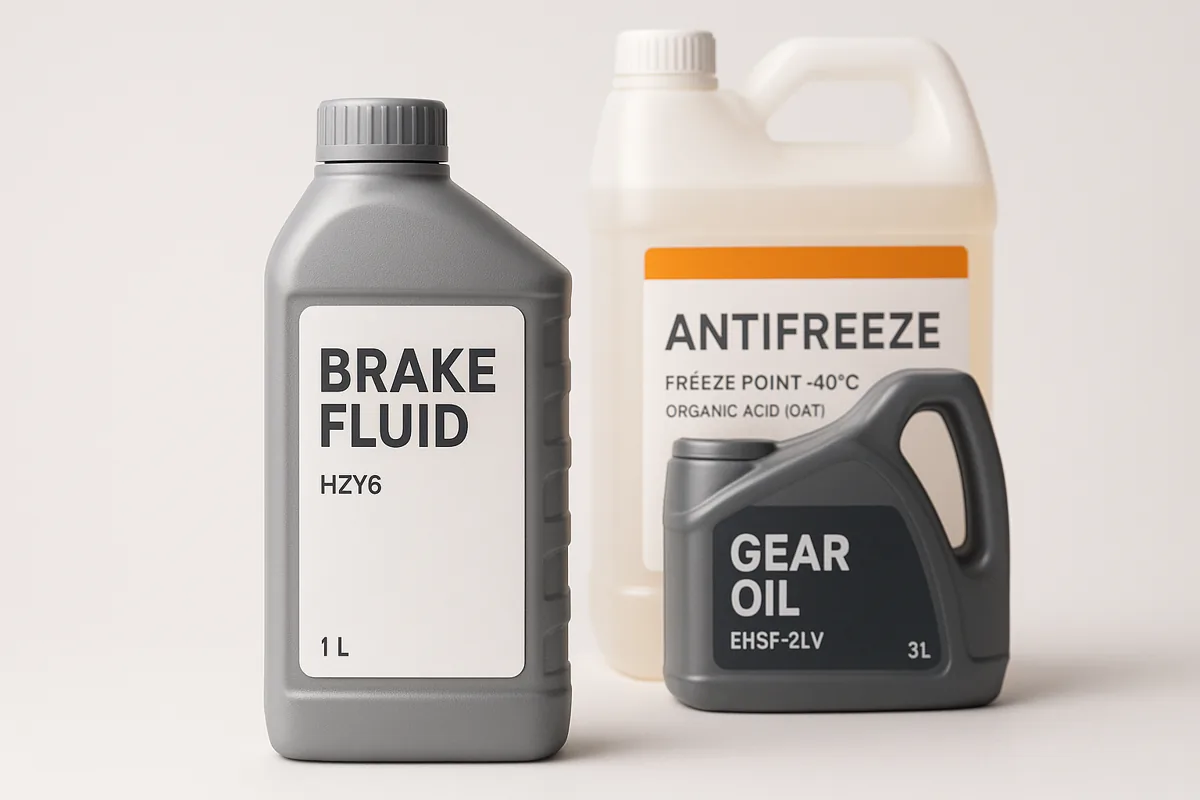
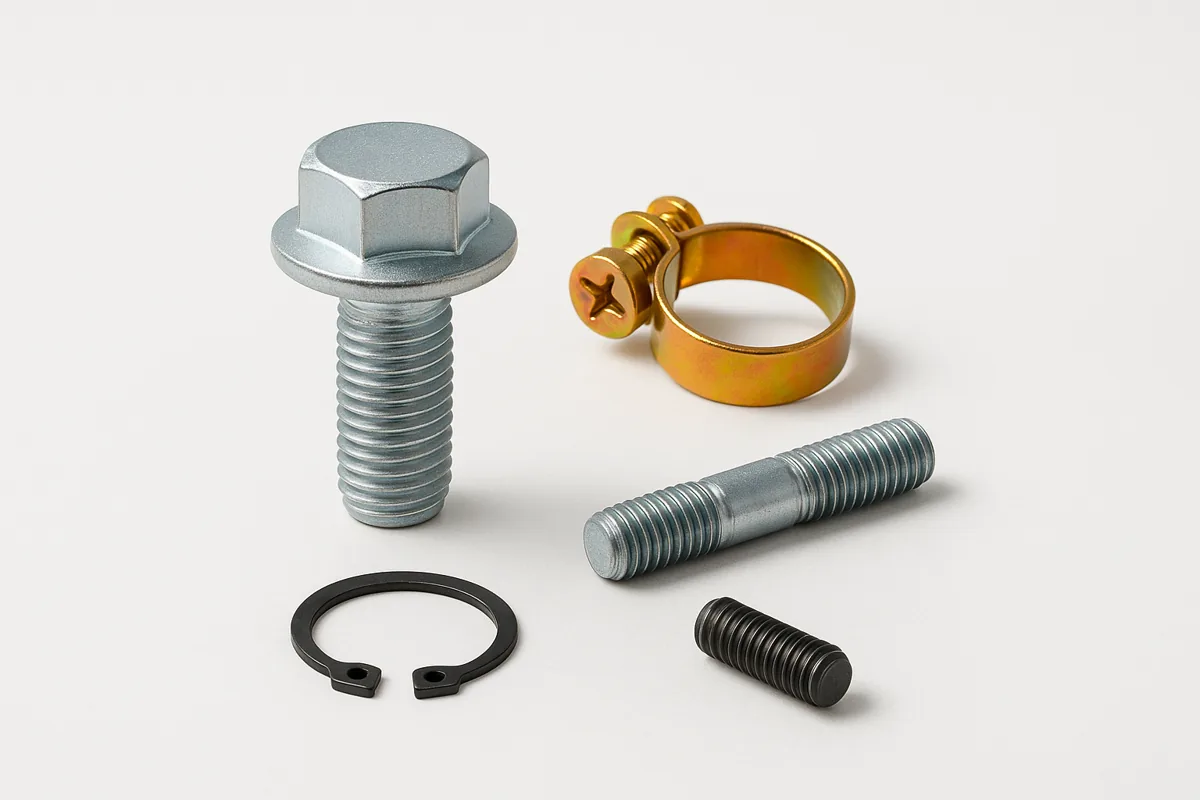
Popular Right Now
scroll for more →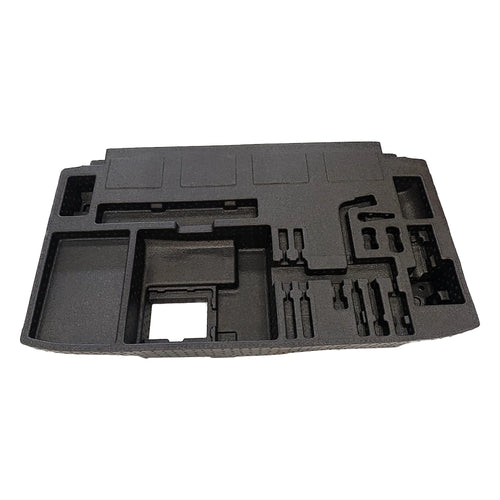


Symptom Finder: What Is Actually Broken?
| What you see or hear | Part to check first |
|---|---|
| Brake pedal going soft after sustained braking | Brake fluid past its useful life |
| Blocked passages after a coolant top up | Incompatible coolant chemistry |
| Trim panel loose after being refitted | Trim clips |
| Joint weeping after reassembly | Sealing washer or a reused single use bolt |
| Tow hook missing when recovery is needed | Tow hook |
About Service & Accessories
Nothing in this group is glamorous and most of it decides whether the expensive parts survive. Fluids come first: brake fluid whose boiling point falls as it absorbs moisture, coolant whose inhibitors deplete and whose chemistry must not be mixed, and gear oil whose additive package rather than its viscosity does the protecting. Fasteners and clips come next, specified by grade and pitch rather than by appearance, with many designed to be used once. Filters follow, where the medium and the seal decide whether anything is actually filtered. Last is the equipment that lives in the vehicle: a recovery eye that only matters on the day it is missing, warning equipment that is a legal requirement in many countries, and the liners that keep a load area worth having.
What to know before buying Service & Accessories parts
Order the small items with the job rather than after it. A workshop slot lost to one clip or one washer costs more than the whole order.
Three child categories cover the group. Fluids and chemicals holds brake fluid, antifreeze and factory specification gear oil. Order these by reference, because compatibility rather than grade governs the choice.
Maintenance and hardware holds fasteners, clips, hose clamps and service filters. Order them by OE number, since grade and media are invisible.
Accessories holds tow hooks, tool boxes, warning equipment, boot liners and storage boxes.
Before You Order: 5 Checks
- Order fluids by factory specification rather than by grade or colour.
- Never mix coolant chemistries, even for an emergency top up.
- Match fasteners by OE number, since grade and pitch are invisible on the part.
- Order clips, washers and filters with the job, not after it.
- Check what warning equipment your destination countries require before travelling.
What Changed and Why
Specifications have tightened across the board as systems have become more precise and more electrified. Fluids near or inside high voltage components must behave electrically as well as mechanically, brake by wire units tolerate moisture laden fluid poorly, and joining methods on mixed material bodies are specified by the manufacturer rather than chosen by the repairer. Filtration standards have risen for direct injection engines, and cabin filtration has become a specified air quality feature. The direction of travel throughout is that the correct product matters more than it used to, and substitution matters more too.
Service & Accessories: Frequently Asked Questions
Why do fluid specifications matter more than they used to?
Because fluids now sit alongside or inside high voltage components. Coolant in a loop near the pack or the drive unit has an electrical conductivity requirement, and oil sharing a housing with an electric machine must be compatible with winding insulation, so a product that lubricates or cools perfectly well can still lower insulation resistance and set a fault that disables the vehicle. Add brake by wire units with fine clearances and the tolerance for approximate substitution has largely disappeared.
Which fasteners are single use?
Anything the manual asks you to tighten by angle, plus most sealing washers, split pins, locking nuts with a nylon insert and self tapping trim screws. The angle tightened ones matter most, because that method deliberately stretches the fastener beyond its elastic limit to hold a very even clamp load, and a stretched bolt cannot do it twice. Copper and aluminium sealing washers work by deforming, so they seal once. Keep a small stock of the common sizes in the workshop, since running out mid job is what tempts people to reuse them.
Why not clean and reuse an air filter?
Because the medium works by holding particles inside its depth, and cleaning attacks exactly that. Blowing air backwards through the paper opens the pores and pushes trapped dust further in, so the element looks better and performs worse. Washing does more harm again, since a wetted paper element loses its resin stiffening and the pleats collapse. The particles that get through afterwards are the fine ones that score bores and wear turbocharger bearings. Given how little an element costs against that outcome, fitting a new one at the stated interval is the only sensible policy.
How much fluid should I order for a job?
Work from the procedure rather than the system capacity, because the two rarely agree. Flushing a brake circuit pushes clean fluid through until what comes out at each bleed nipple runs clear, and that takes noticeably more than the reservoir holds. A coolant change leaves old fluid in the heater core and the block unless the routine drains them, so the refill quantity is larger than the figure in the handbook. Add a margin for spillage. A part bottle left on the shelf is cheaper than stopping the job to wait for a delivery.
Is the roadside equipment really necessary?
In many European countries it is a legal requirement rather than a suggestion, with details varying by country, and drivers crossing borders are expected to carry what each requires. Beyond the law, the recovery eye is the part you cannot improvise: suspension arms and bumper beams are not towing points, and on an electric vehicle the underbody is occupied by the traction pack. All of it costs very little and none of it can be sourced at the moment you discover it is missing.
How can I tell when brake fluid is due for a change?
Time matters more than distance, because brake fluid draws moisture from the air through the hoses and the reservoir vent whether the car is used or not. An electric vehicle that does most of its slowing through regeneration still ages its fluid at the same rate. A handheld moisture meter or a boiling point tester gives an objective reading, whereas dark fluid is a late sign rather than an early one. Water in the circuit corrodes the fine valves inside the stability control unit. If a test shows the fluid is past its best, check the grade on the reservoir cap and use the search box.
Is all DOT 4 brake fluid the same?
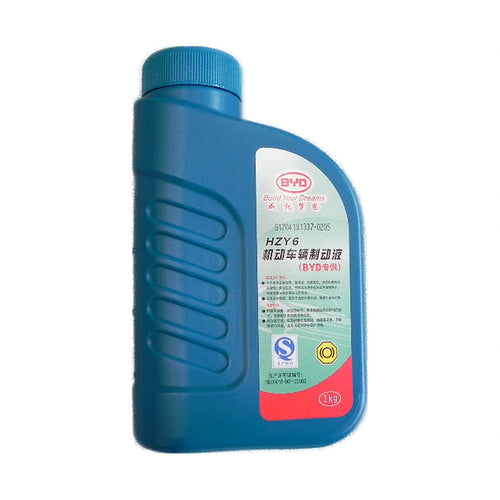
No. Low viscosity DOT 4 meets the same boiling point standard but flows far more freely when cold, and the pump and valves in a stability control unit are calibrated around that flow. Topping up a low viscosity system with standard DOT 4 thickens the mixture and can slow the unit's response on a winter morning. The two blend without any visible reaction, which is exactly why the mistake is so common. Silicone DOT 5 is a different chemistry altogether and must never enter a glycol system. Read the specification on the reservoir cap before ordering, then search for the matching fluid.
Can I top up with any coolant that is the same colour?
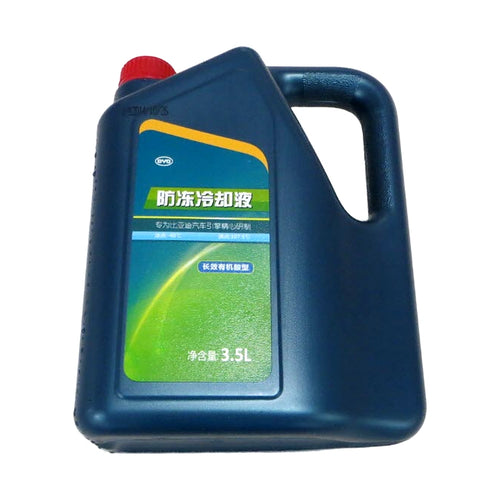
No, because colour is only a dye and manufacturers use it inconsistently. What matters is the inhibitor chemistry. Mixing an organic acid coolant with a silicate or phosphate based one can drop the additives out of solution as gel or sludge, and the narrow channels in a battery cold plate or a plate heat exchanger block far sooner than an old radiator would. Protection against corrosion falls at the same time. If the wrong product has already gone in, drain and flush rather than diluting the problem. Order by the OE number on the old coolant container.
Does the reduction gearbox on an electric vehicle need its oil changed?
Yes, far less often than an engine does, but the oil is not there for life. The oil in a single speed reduction gearbox collects fine metal as the gears bed in, and repeated heat cycles slowly wear out the additive package that protects the tooth faces and bearings. Many units have a magnetic drain plug, and the amount of paste on it is a useful health check. The drain and filler plugs seal with crush washers, so order new ones with the oil. Find the interval in the service schedule, then order by the OE number on the old parts.
Why do trim clips break on removal, and can I refit the old ones?
Plastic clips harden with age, heat and sunlight, and turn most brittle in the cold, so breakages on an older vehicle are normal. A forked tool placed right beside the clip saves most of them. Refit a clip only if its legs are straight, its barbs intact and its grip still firm. Clips near curtain airbags are usually specified as new on every refit. Lookalike clips differ in head size and panel thickness, so order by OE number, or send a photo of the old clip through the quote form and we reply within 24 hours, usually sooner.
Can I fit any wheel bolt with the right thread?
Thread diameter and pitch are only part of it. The seat where the bolt meets the wheel may be conical, spherical or flat, and a mismatched seat touches on a thin ring that lets the bolt loosen. Length matters as well, since a short bolt engages too little thread and a long one can foul the hub or brake parts behind it. Tighten in a star pattern with a calibrated torque wrench, keep threads dry unless the manual says otherwise, and recheck after a short drive once the seats have bedded. Compare against the old bolt and order by its OE number.
How often should the cabin filter be changed?
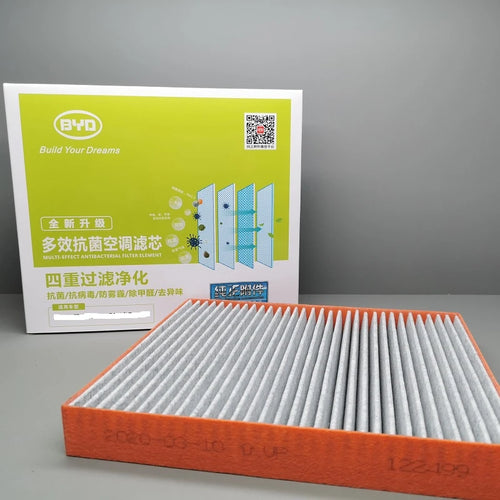
Follow the service schedule, but treat it as a maximum in dusty or humid conditions. A clogged element cuts airflow, slows demisting and gives a musty smell as moisture and trapped debris feed mould. The activated carbon layer in odour filters saturates long before the paper looks dirty. On an electric vehicle, heating and cooling draw on the traction battery, so a restricted filter makes the system work harder and costs range. Fit the new element with its airflow arrow pointing the right way, and order by the OE number printed on the old filter's frame.
Which way does the recovery eye screw in?
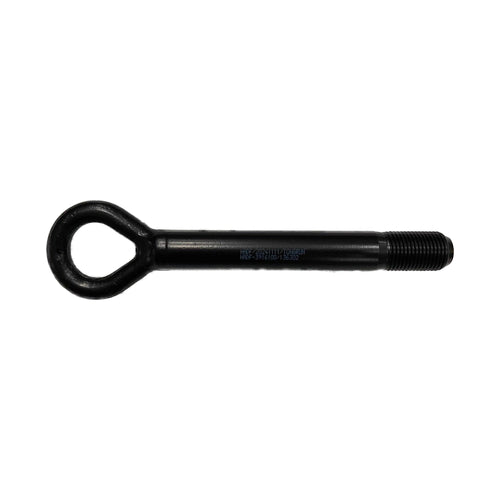
On many vehicles it has a left hand thread, so it screws in anticlockwise. Wind it in by hand until the shoulder seats fully, then snug it with a bar through the eye, because a partly engaged eye can strip its thread or bend under load. Thread size varies between models, so an eye borrowed from another car may barely engage. On an electric vehicle, check the handbook for the tow or transport mode first, since dragging the driven wheels can damage the drive unit. If yours is missing, ask through the quote form and we reply within 24 hours, usually sooner.
Will a floor mat or boot liner fit if the dimensions look close?
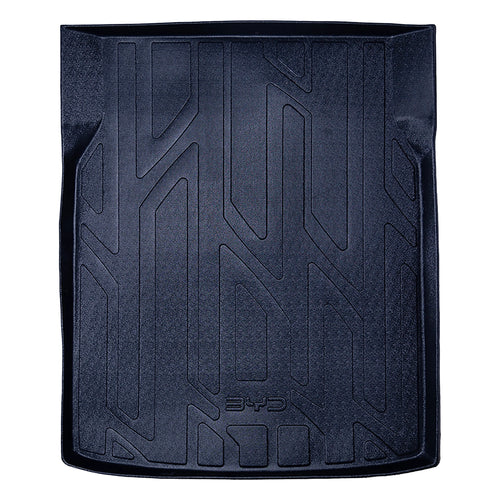
Rarely well. Moulded liners follow the floor contours, seat rails and wheel arch shapes of one body, and a near match rides up at the edges and lets water or spilled liquids reach the carpet. The driver's mat matters most, because it locates on fixing hooks or clips in the floor, and one that slides forward can trap the pedals. Mats also differ between left and right hand drive vehicles. Remove the old mat before fitting a new one rather than stacking them. Check the OE number on the label underneath the old mat or liner, then use the search box.
Does an opened bottle of fluid keep?
Brake fluid does not keep well once the seal is broken, because it starts absorbing moisture straight away, even with the cap refitted. Plan the job so an opened bottle gets used up, and keep any spares sealed. Coolant and gear oil store far better if kept cool and tightly capped. Where coolant comes as a concentrate, dilute it with deionised or distilled water, since the minerals in tap water form scale and use up the inhibitors. Premixed coolant avoids the question entirely. Check the specification or OE number on the old container before ordering, then use the search box.