Badges, Emblems & Decals
Shop Badges, Emblems & Decals by Part Type
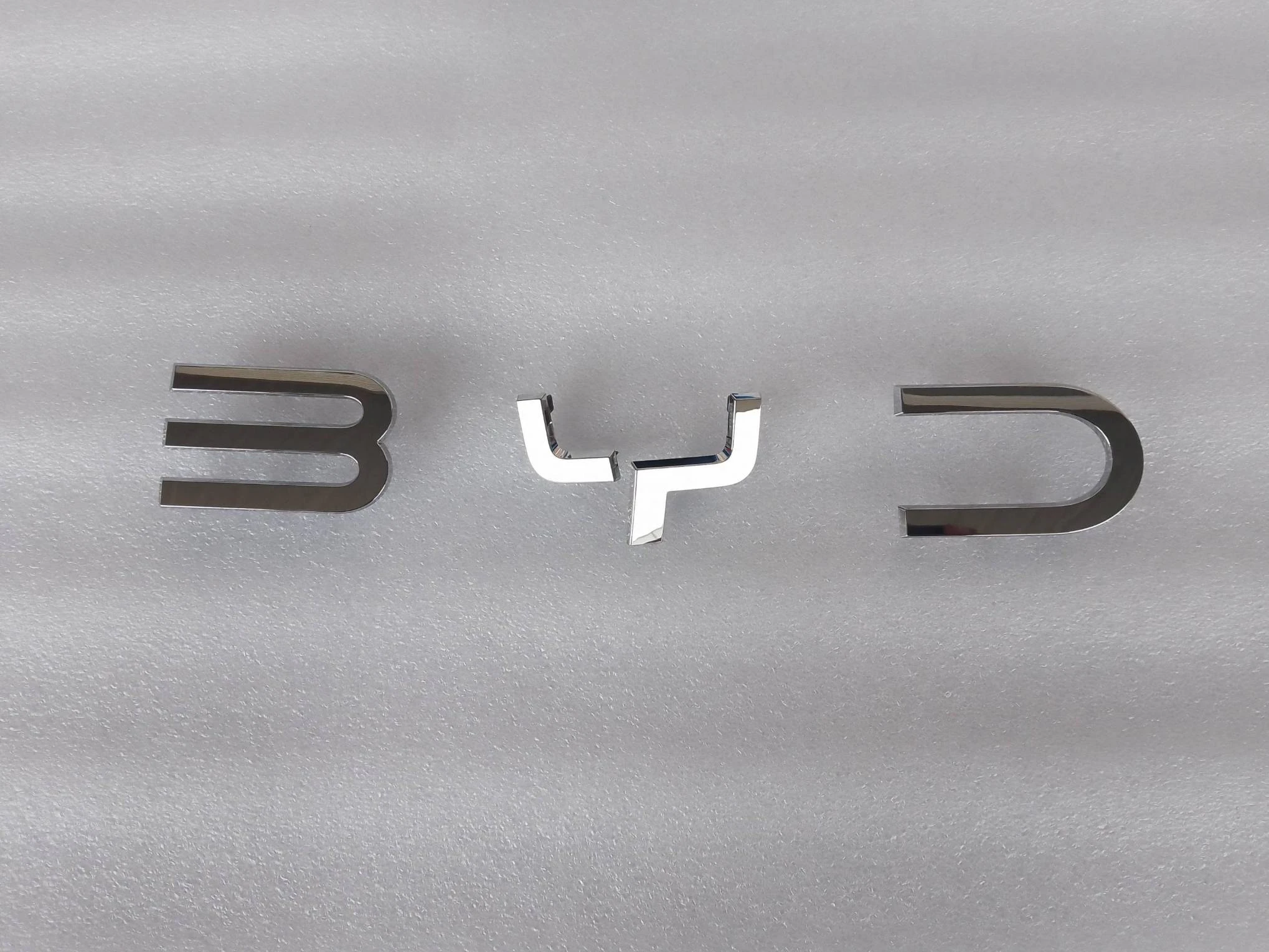
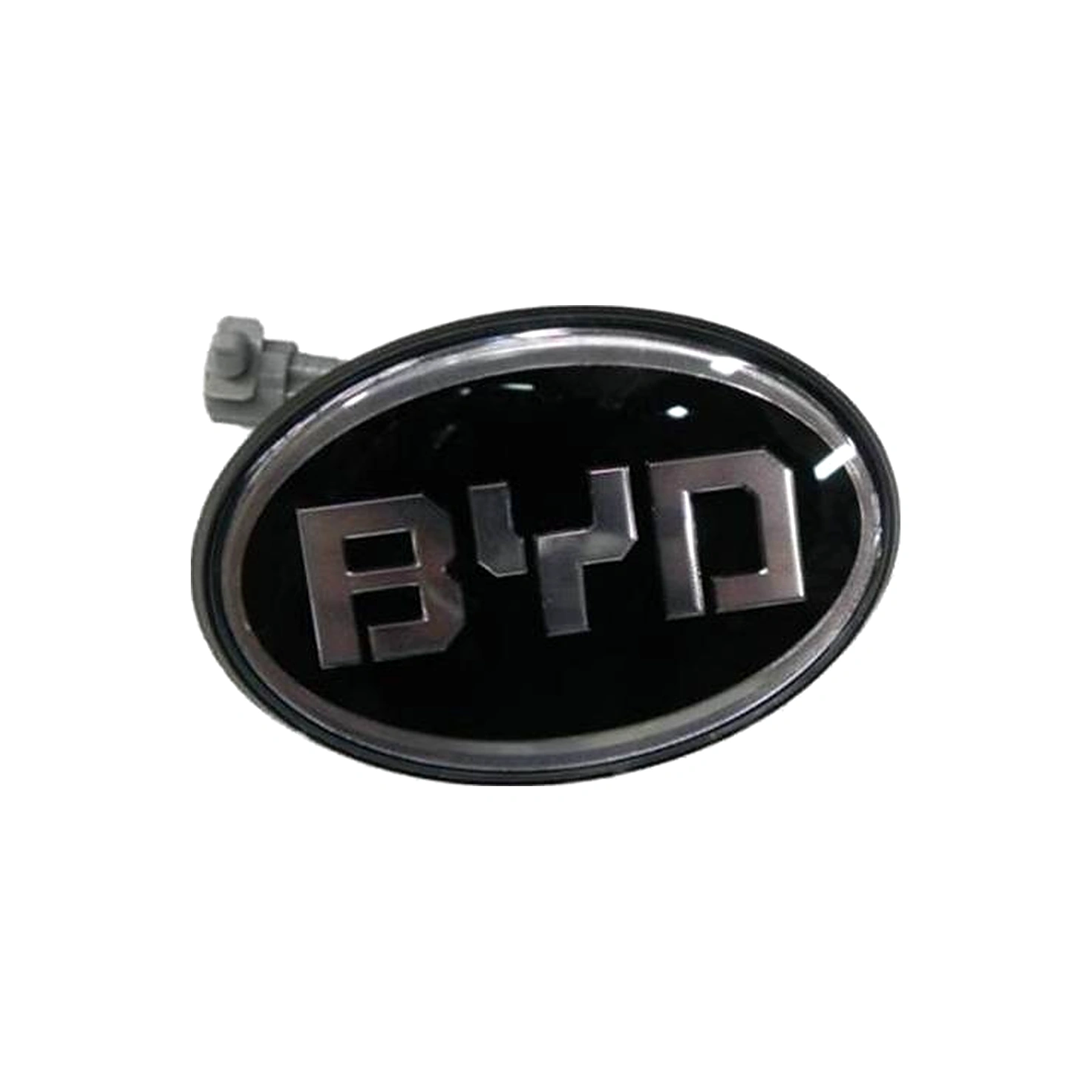
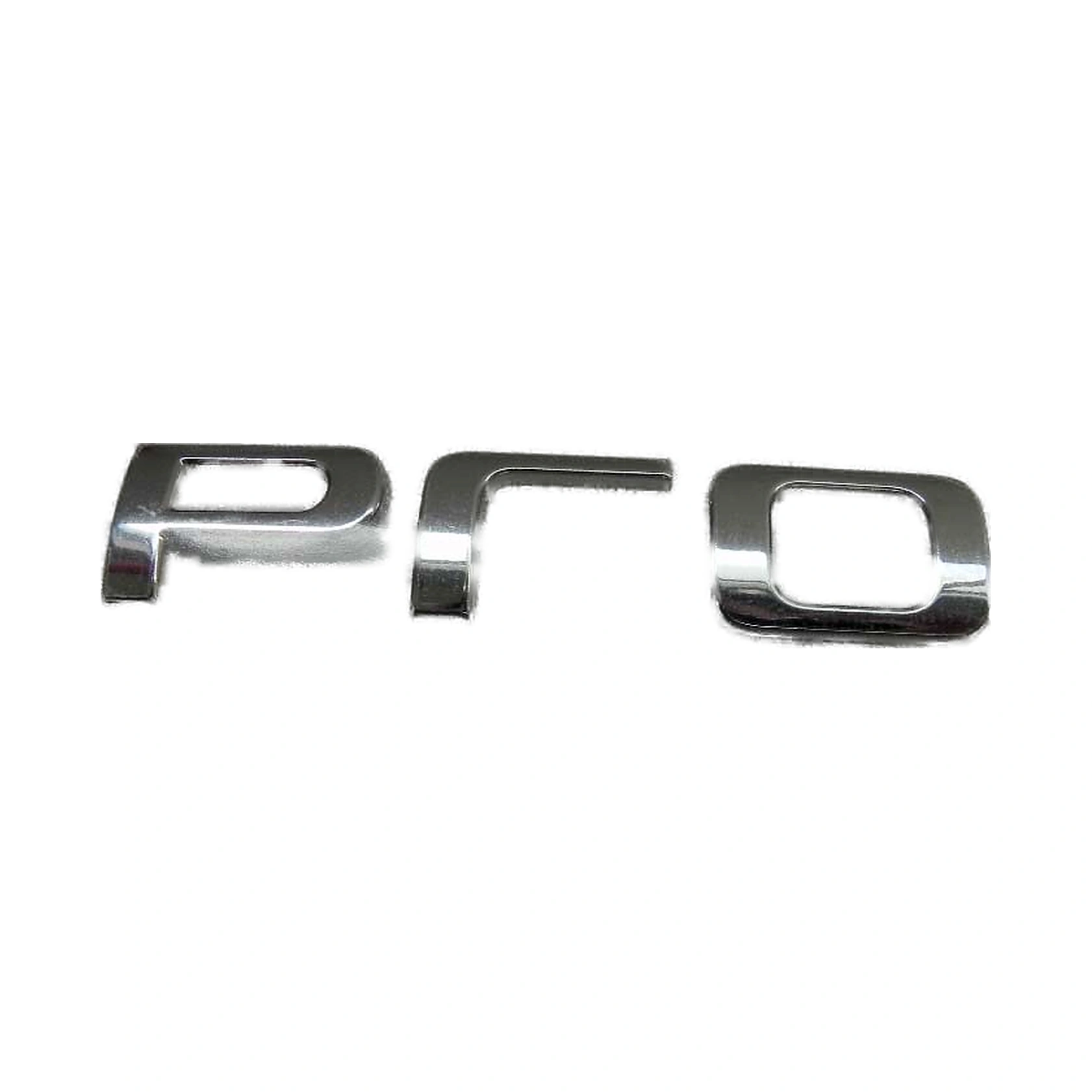
Popular Right Now
scroll for more →

Symptom Finder: What Is Actually Broken?
| What you see or hear | Part to check first |
|---|---|
| Badge lifting at one edge or hanging by a peg | Front badge assembly or tailgate wordmark |
| Chrome pitted, bubbled or gone milky | Front logo or model script |
| Badge missing entirely after a car wash or theft | Front badge assembly |
| Illuminated rear emblem partly dark | LED rear badge |
| Radar or cruise fault after front end repair | Front badge assembly with radar aperture |
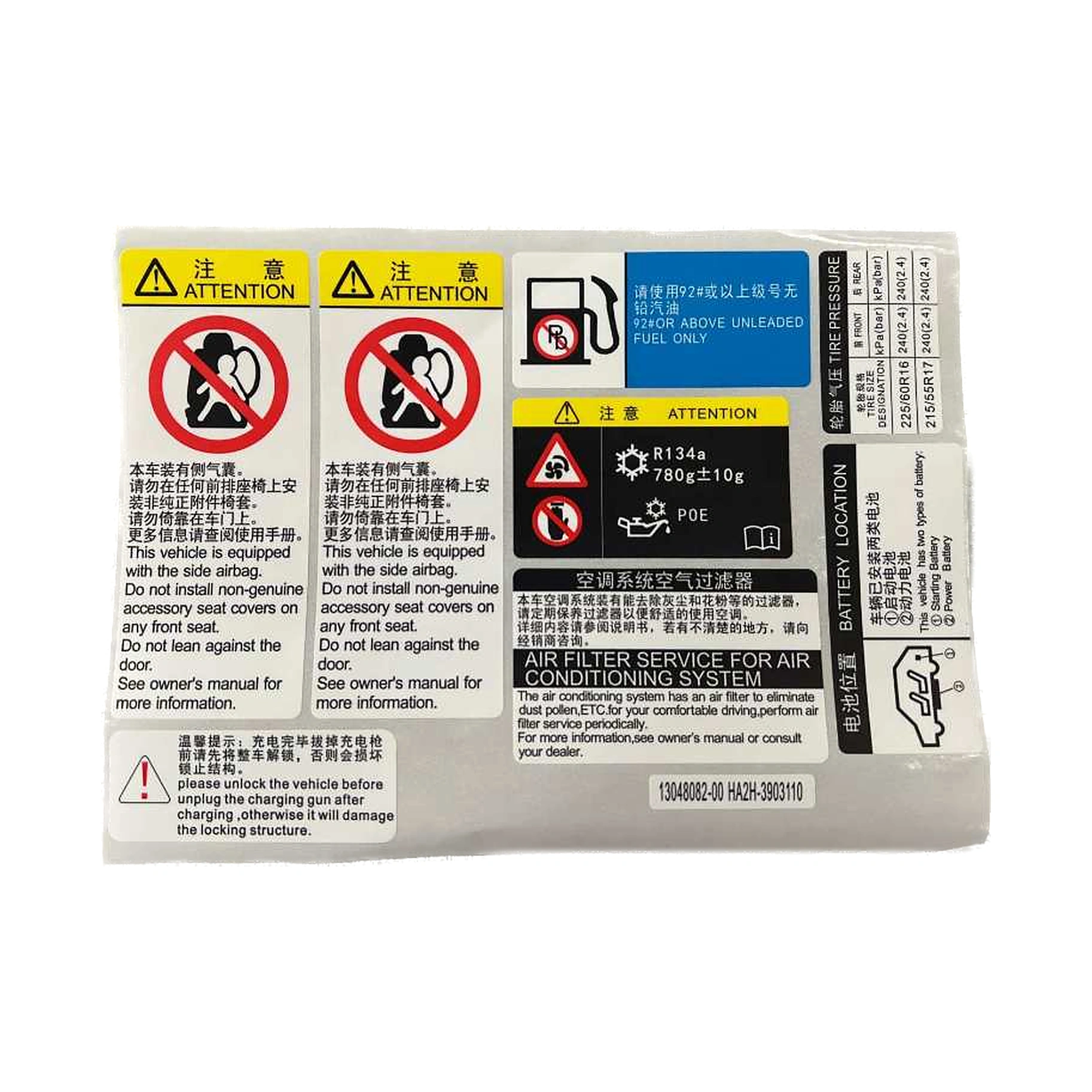
| Identification label unreadable at inspection | Vehicle compliance label |
About Badges, Emblems & Decals
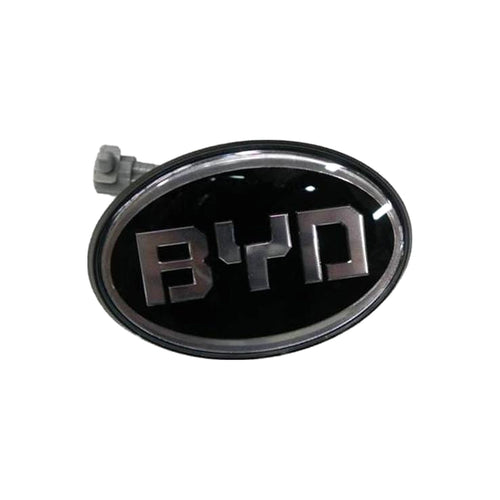
Badging looks like the simplest thing on a car and turns out to be one of the fiddliest to order. A single vehicle can carry six or seven separate emblems: the maker mark on the grille or bonnet, a matching one on the tailgate, the model name in script, a powertrain suffix, a trim level tag, and sometimes a performance figure. Most attach with pre-applied acrylic foam tape and two or three locating pegs that pass through holes in the panel, which means the badge and the panel are a matched pair. A badge with pegs cannot be fitted to a smooth panel and vice versa. Front logos increasingly hide something useful behind them, since a radar sensor mounted in the grille needs a badge that is transparent at millimetre wavelengths. Illuminated versions add a wiring tail and a driver. Compliance and identification labels sit in the same catalogue group because they are also factory printed parts with their own numbers.
What to know before buying Badges, Emblems & Decals parts
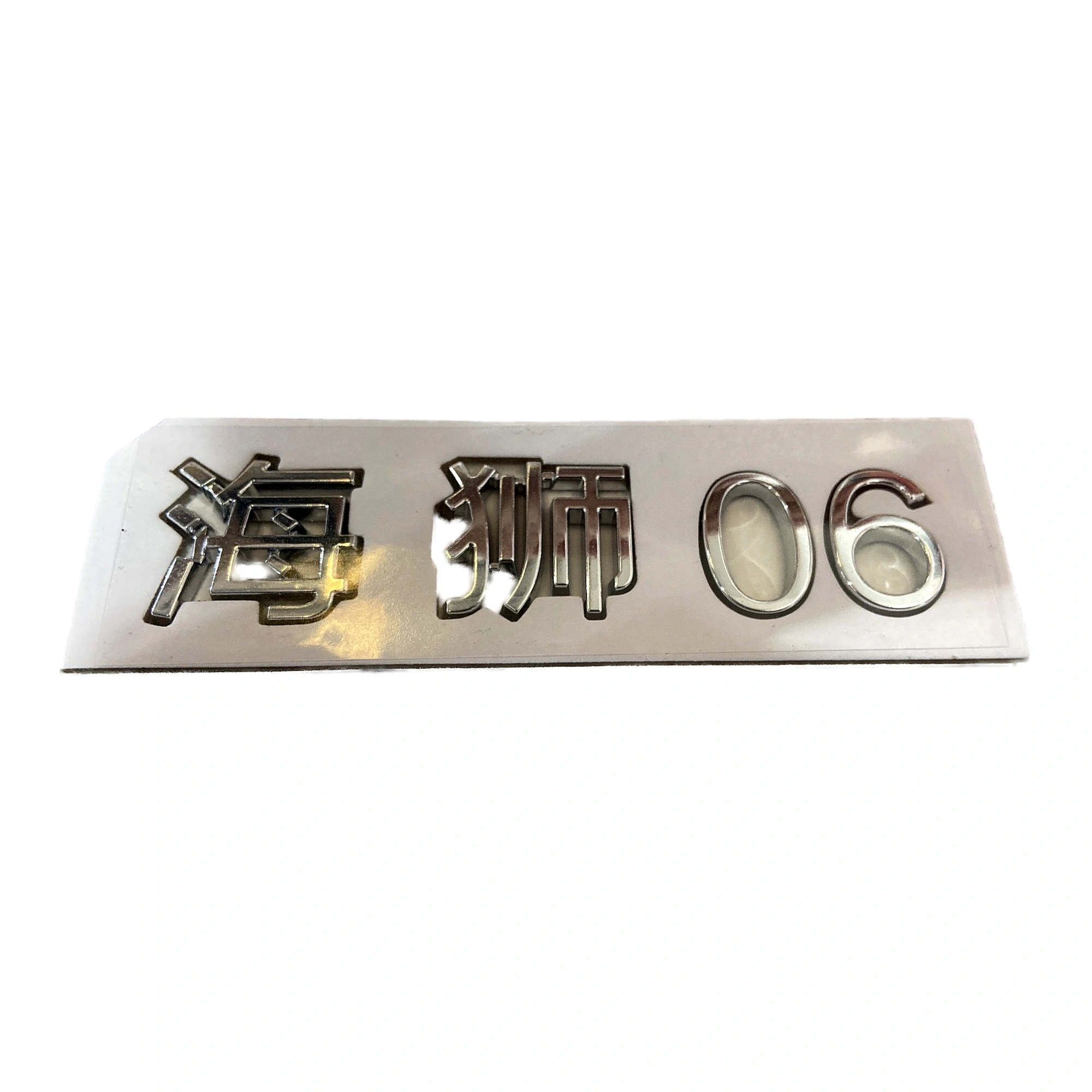
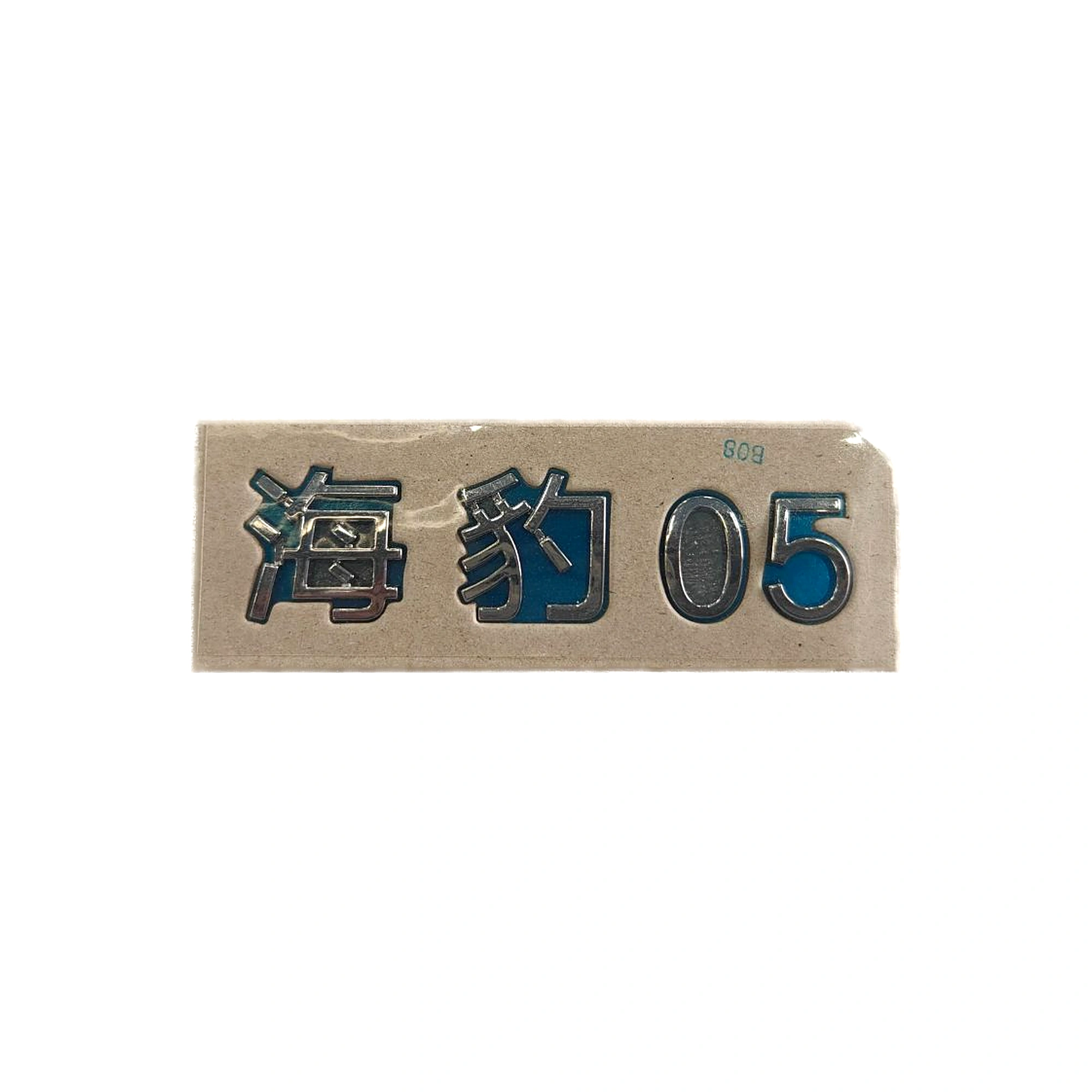
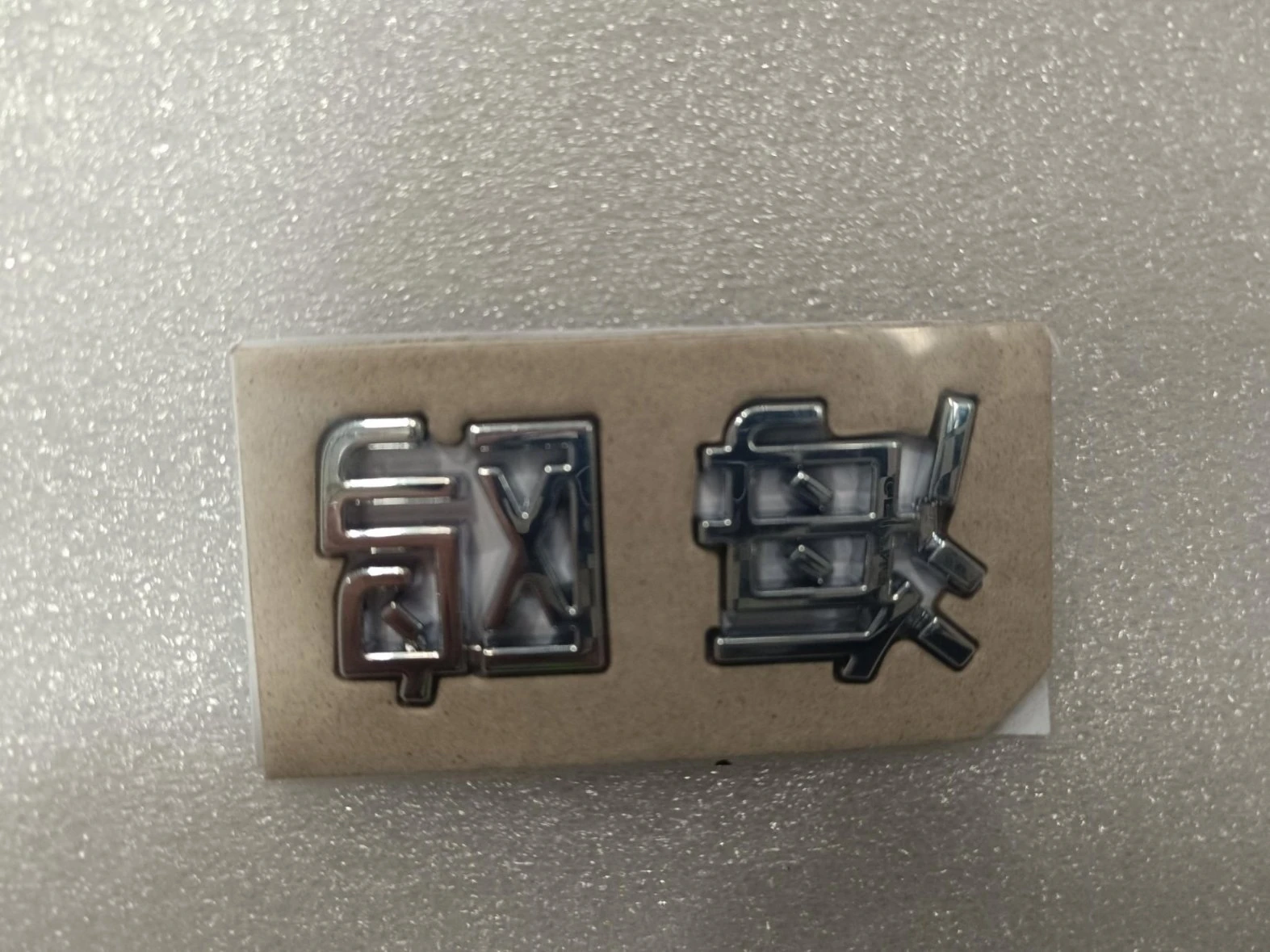
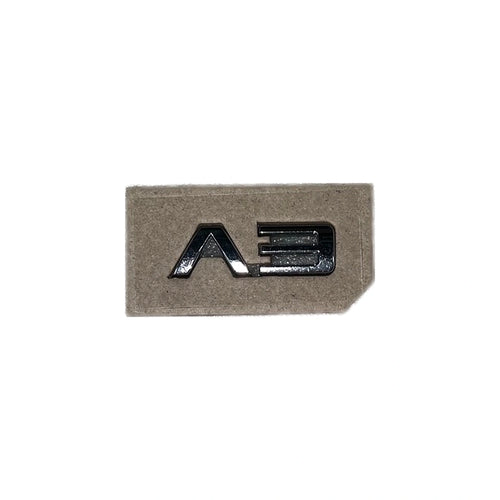
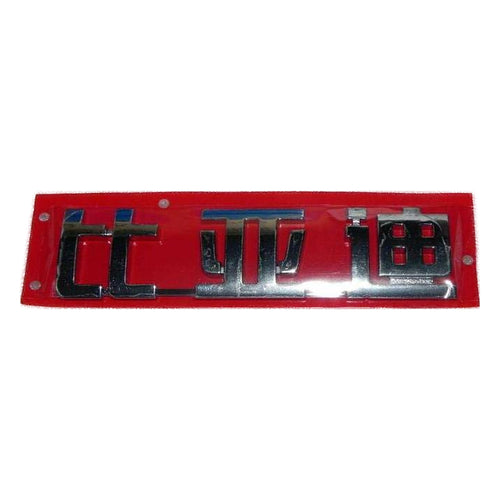
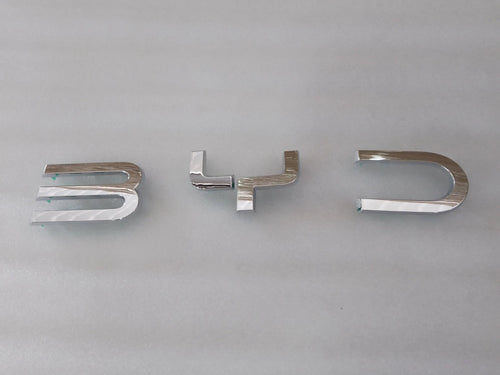
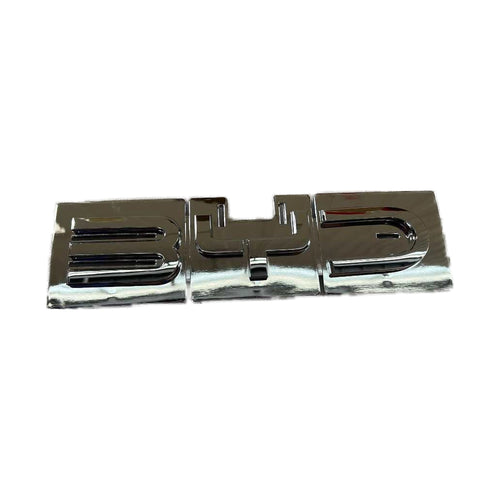
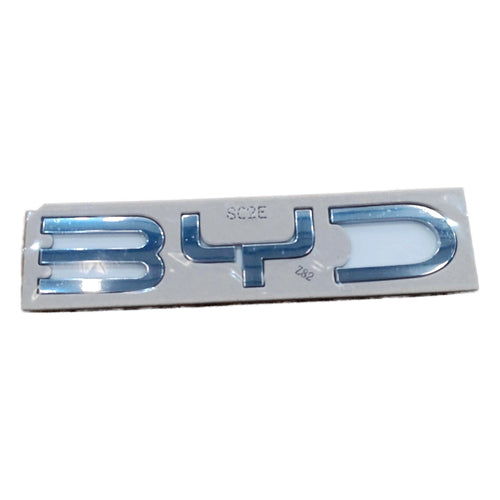
Emblems are listed the way they leave the factory. That covers front badge assemblies, front logos, bumper badges, tailgate wordmarks and LED rear badges. Model name script includes Seagull, Seal 05, Sealion 06, Yuan PLUS and Qin PLUS. You will also find trim tags including Pro, powertrain wordmarks such as DM, and vehicle compliance labels.
Because badges are cosmetic, buyers try to match them from photographs. That is where the trouble starts. The same script comes in chrome, gloss black and body colour finishes. The same wordmark exists in two sizes, one for saloon tailgates and one for estate. The peg pattern also changed at facelifts.
The OE number settles all three at once, and it is normally moulded into the back face of the old badge. Priced items can be ordered straight from the listing, and anything unpriced can be quoted against the same number.
Coverage is strongest across the BYD group, including sub brands, and extends as further catalogues load. Live pricing for the category sits in the band at the top of this page.
Before You Order: 6 Checks
- Read the OE number moulded into the back of the old badge before you throw it away.
- Check the finish named on the listing. Chrome, gloss black and body colour versions share a shape and not a number.
- Count the locating pegs and match the pattern. Peg badges and adhesive only badges are different parts.
- For front emblems, confirm whether yours sits in front of a radar sensor. Those versions are specific and cannot be substituted.
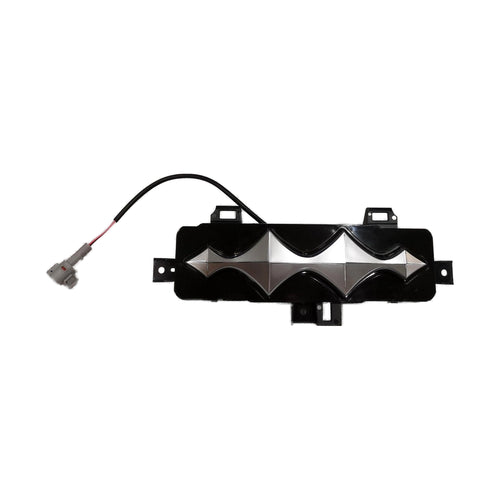
- Illuminated badges carry a connector. Check the wiring tail and the number of pins against your loom.
- Order a fresh adhesive pad or primer where the listing does not include one, and fit above fifteen degrees Celsius.
What Changed and Why
Front emblems stopped being decorative once radar arrived. Cruise and emergency braking sensors are commonly mounted behind the grille badge, so the badge is moulded from a radar transparent polymer with a metallised layer thin enough to pass millimetre waves, and a normal chromed replacement can blind the sensor. Two further shifts are visible across current model ranges: gloss black badging supplied as a factory option rather than a dealer accessory, and illuminated logos, which regulators in several markets restrict while the vehicle is moving. Both mean more part numbers per vehicle than a car of ten years ago carried.
Badges, Emblems & Decals: Frequently Asked Questions
How do I know which badge fits my car?
Take the number moulded into the back of the old badge and search that. Emblems are among the worst parts to match by eye, because a single script is produced in several finishes and often in two sizes for different body styles, all sharing the same outline in photographs. The reference on the back separates them in one step. If the badge is long gone, you can send what you know through the quote form and have it checked against the factory catalogue.
Are badges glued on or clipped on?
Both, and the difference decides whether a part will fit. Many emblems use pre-applied acrylic foam tape alone. Others have two or three moulded pegs that pass through matching holes in the panel, with the tape holding the face flat. A pegged badge cannot go onto a panel without holes, and an adhesive only badge sitting over open holes will let water into the panel. Look at your old badge and at the panel behind it before ordering, and match the listing to what you actually have.
My badge fell off. Can I just reuse it with new tape?
If the badge itself is undamaged, yes, and that is often the cleanest fix. Peel the old foam off the badge and the panel, clean both with isopropyl alcohol, apply automotive grade acrylic foam tape cut to the badge outline, and press it home firmly for a minute. Do the work above fifteen degrees Celsius or the adhesive will never reach full strength. Where the badge has cracked around a peg, or the chrome has lifted, replace it instead. The tape will hold a broken badge exactly as badly as the last one held.
Why has my chrome badge gone cloudy or bubbled?
Most badges are chrome plated plastic, not solid metal. The plating is thin, and once moisture finds a path under it through a stone chip or a crack around a mounting peg, it lifts the layer from beneath and you see bubbling, pitting or a milky haze. Polishing does not bring it back, because the damage is under the surface rather than on it. Replacement is the only cure. If your car sees salted roads, the gloss black versions of the same emblem tend to survive better than the plated ones.
There is a radar sensor behind my front badge. Does that change the part?
Completely. Where the cruise and emergency braking radar sits behind the grille emblem, the badge is moulded from a radar transparent polymer with an extremely thin metallised layer, and it usually carries a heating element as well. Fitting an ordinary chromed badge in front of that sensor attenuates the signal and you get intermittent faults, unavailable cruise control, or a sensor blocked message in cold weather. Match the OE number exactly and never substitute a visually identical part from a non radar version of the same car.
Can I remove a badge and leave the car debadged?
Mechanically it is easy: warm the badge with a hot air gun, work fishing line or dental floss behind it in a sawing motion, then lift the residue with an adhesive eraser wheel and finish with a solvent that is safe on paint. The catch is what lies underneath. Pegged badges leave holes that must be plugged, and years of sun exposure leave a faint ghost outline in the paint that only polishing or respraying removes. Check for pegs before you commit to the look.
What is an illuminated badge and can I fit one?
An LED badge has a light guide and a driver behind the face, wired into the rear lighting circuit so the logo glows with the side lights. Where the factory fitted one, it is listed here as its own part with its connector. Retrofitting to a car that never had one is a bigger job than it appears, since the panel needs the aperture, the loom needs a feed, and several markets restrict illuminated emblems on a moving vehicle. Check local lighting rules before you order rather than after.
What does a badge or emblem cost?
Emblems are among the cheapest parts on the site. Small model scripts, trim tags and powertrain wordmarks sit right at the bottom of the range, and even large front badge assemblies stay modest unless they carry electronics or a radar aperture, which push them higher. The live minimum and maximum for the category are shown in the band at the top of this page. Because the parts are small and light, they are also the cheapest things here to ship, which makes ordering the correct one twice less painful than usual.
Do model name badges differ between trim levels?
Frequently. The script naming the model stays constant while everything around it changes: a Pro tag, a powertrain wordmark, a performance figure on the boot, or a different finish on the same lettering for a sportier grade. Each is a separate reference. Work through the badges on your car one at a time, note the numbers, and order the exact set rather than assuming one listing covers the rear of the vehicle. Photographs of your own tailgate before removal save a great deal of guesswork later.
Where do I find the vehicle compliance label if mine is damaged?
The identification label normally lives on the B pillar behind the driver's door, in the engine bay, or under the boot floor near the spare wheel well. It carries the vehicle's identifying details, the permitted weights and the paint code, and inspectors expect it to be legible. Replacement labels are factory printed parts with their own references, listed in this category. Because the label is tied to a specific vehicle, expect to supply documentation when ordering one, and never fit a label carrying another vehicle's data.
Will a badge from a similar model fit mine?
Only where the numbers agree. Manufacturers reuse a logo shape across an entire range while changing its size, curvature and peg spacing to suit each panel, so a badge from the boot of one car can sit proud, rock on its pegs, or refuse to follow the curve of another. The back of the part carries the number that resolves it. If your reference returns nothing, send it through the quote form and the factory catalogue is checked directly rather than approximated from photographs.
How should I prepare the panel before fitting a new badge?
Remove every trace of the old foam, using an adhesive eraser wheel on a low speed drill and finishing with isopropyl alcohol. A residue you can barely feel is enough to stop new tape bonding. Mark the position with low tack masking tape before you peel the liner, because acrylic foam grabs immediately and does not forgive a second attempt. Fit in a warm garage rather than outdoors in winter, press for a full minute along the whole badge, and leave the car dry for a day before washing it.