EGR System & Emissions Control
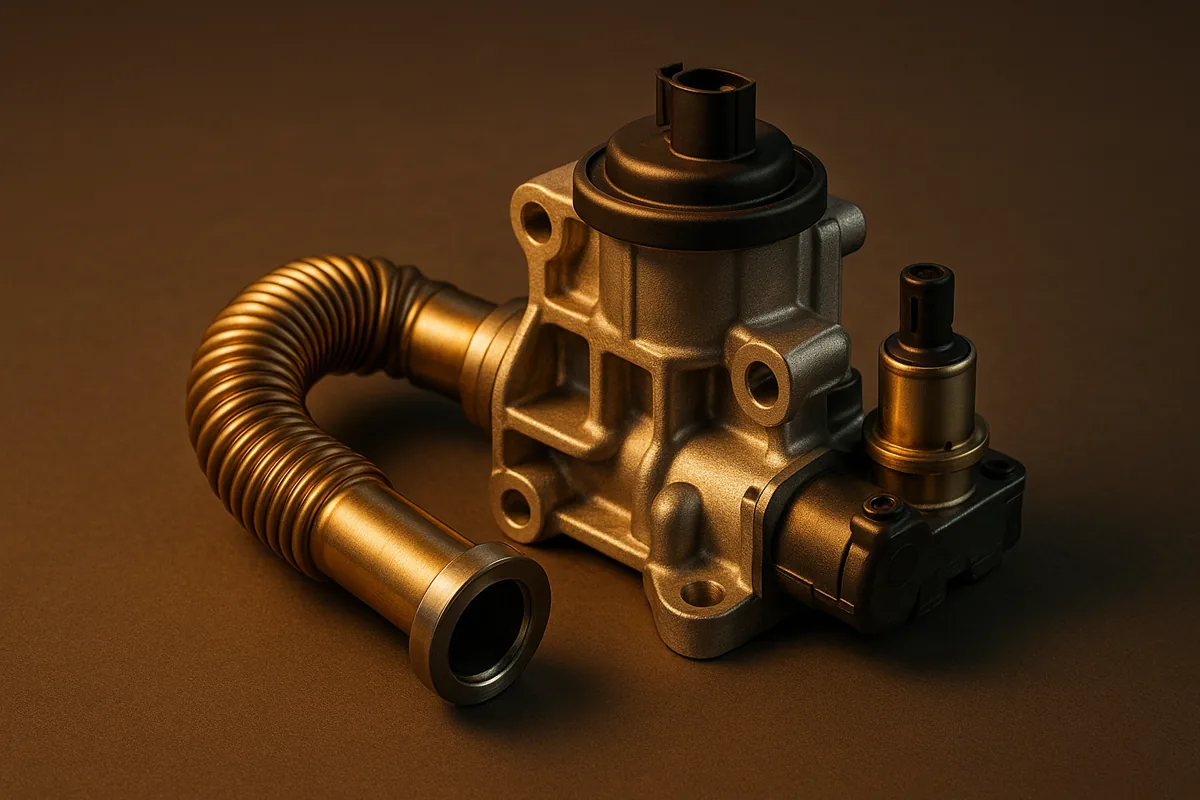
Shop EGR System & Emissions Control by Part Type
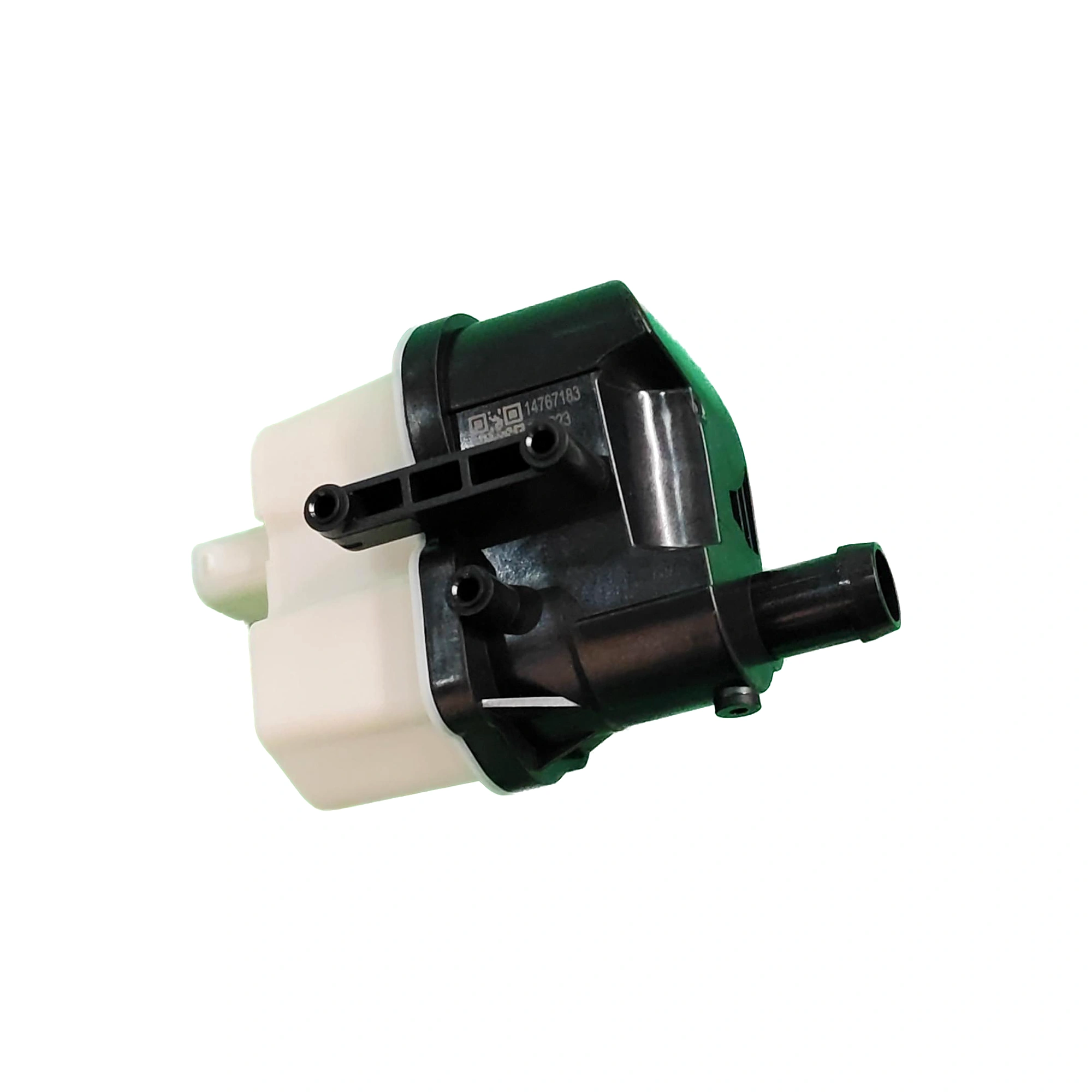
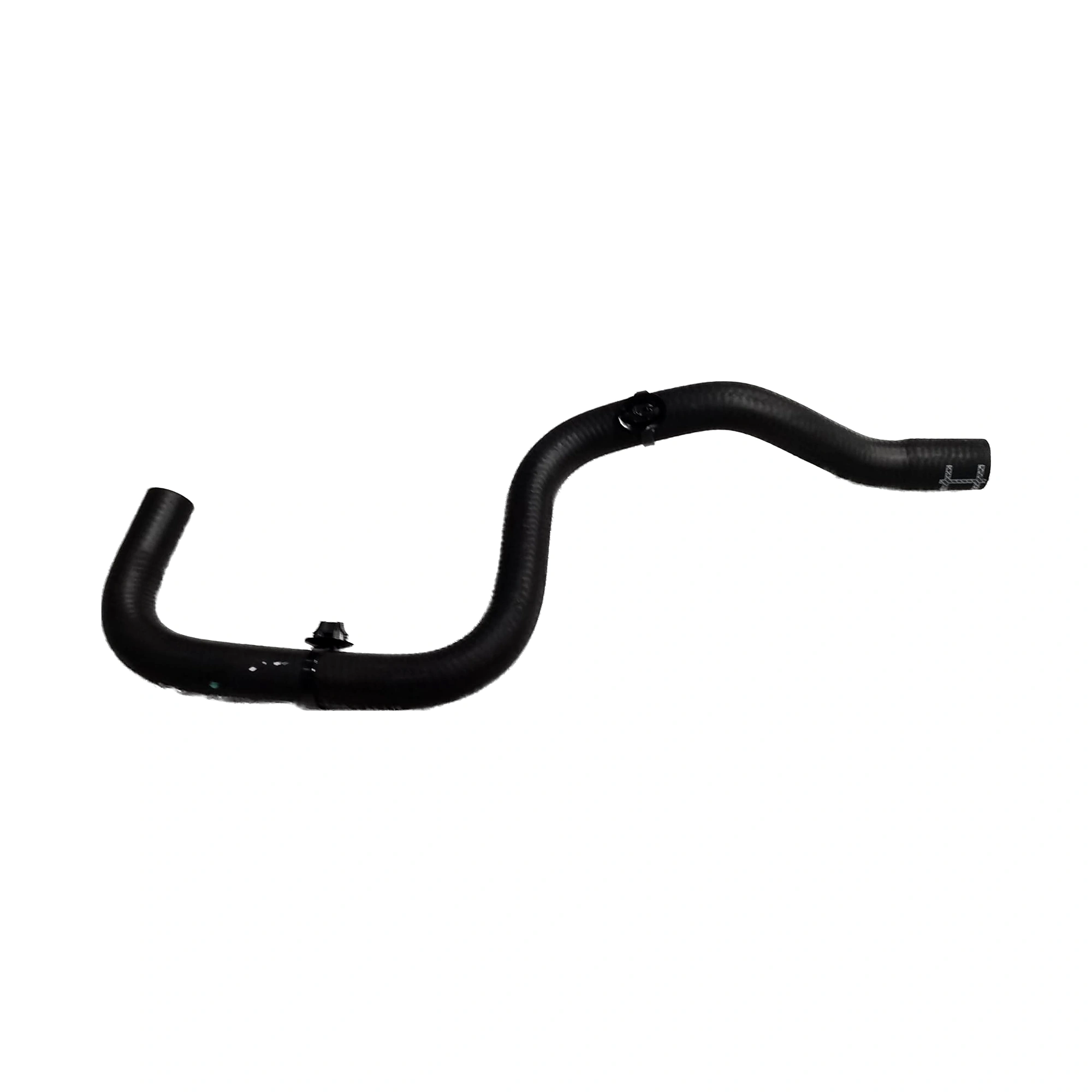
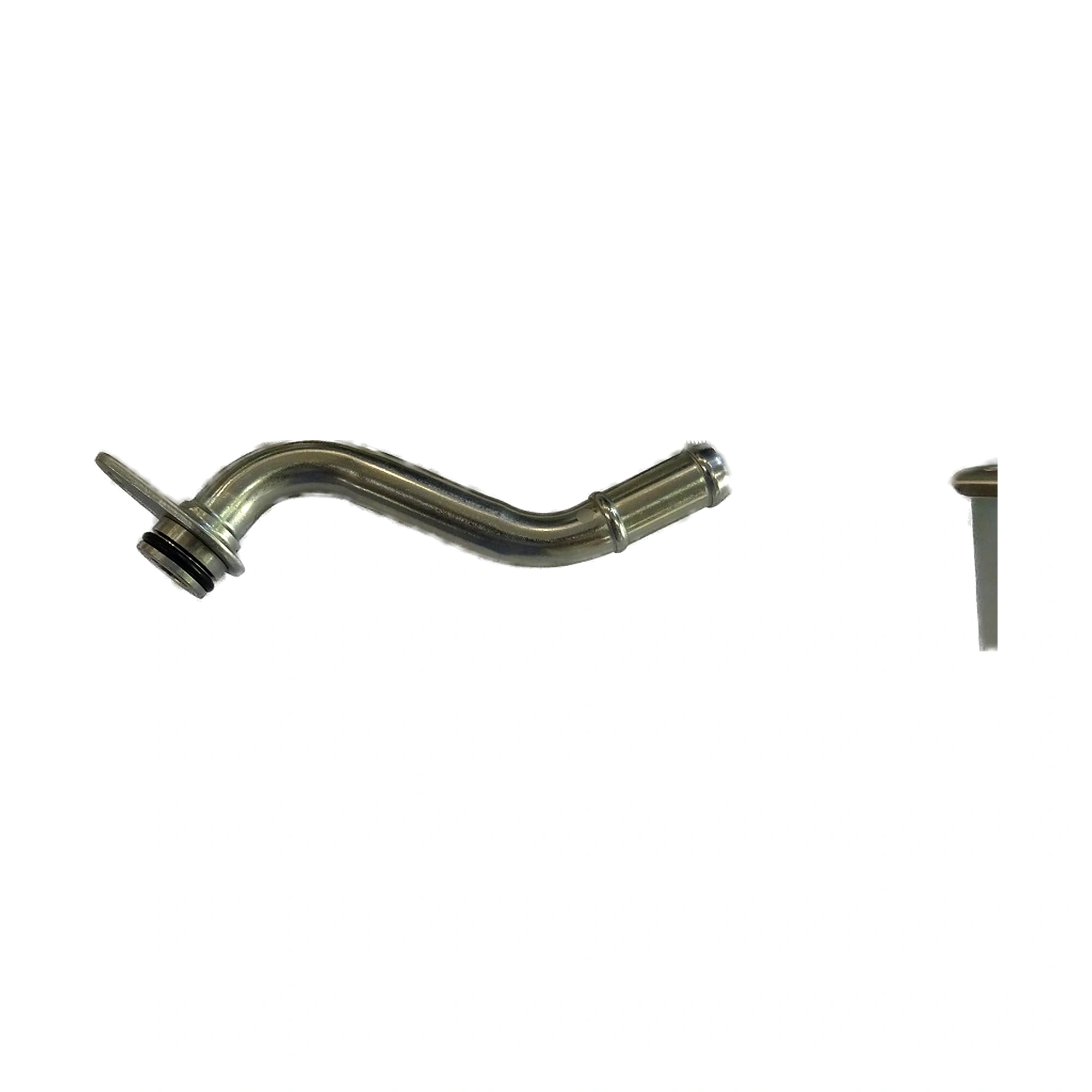
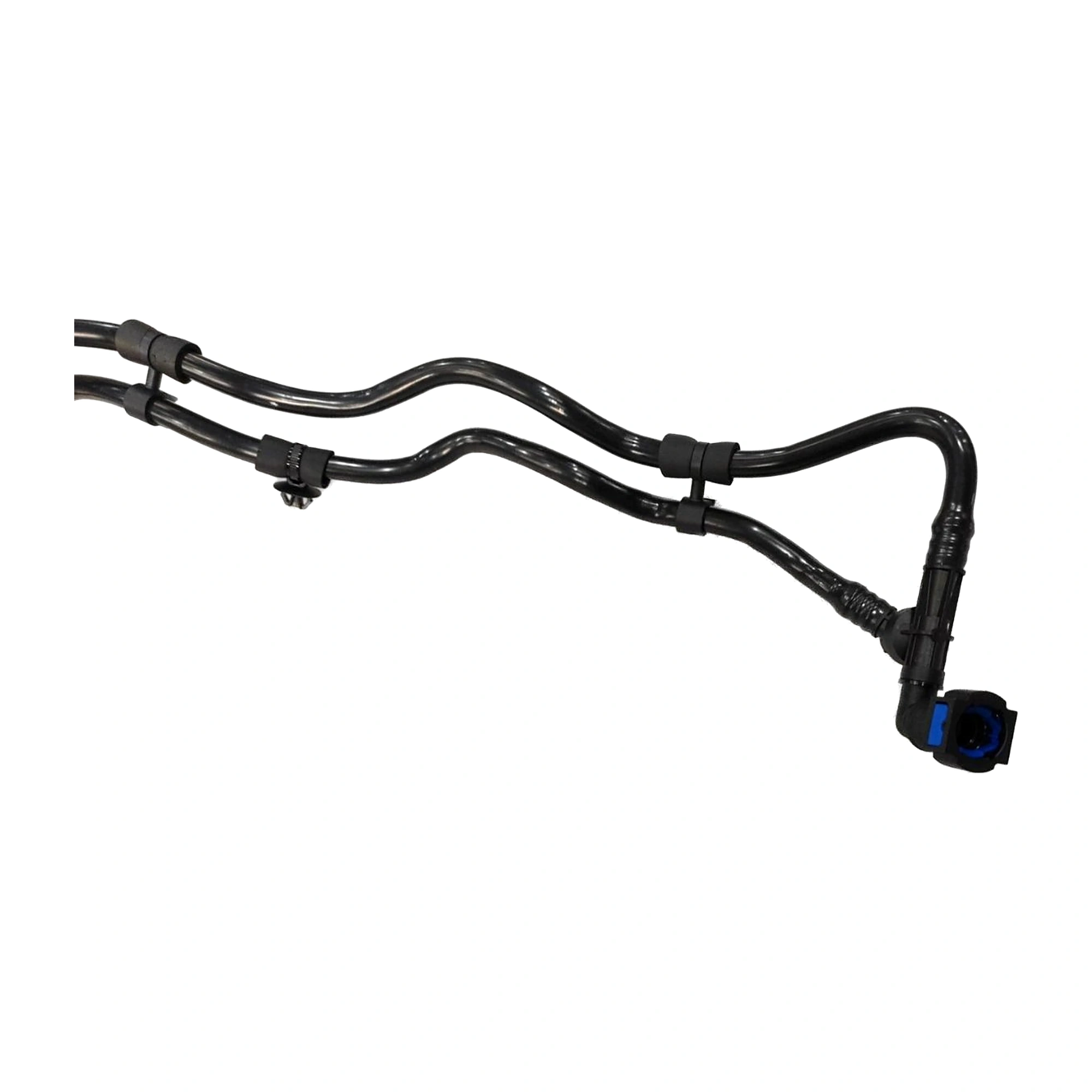
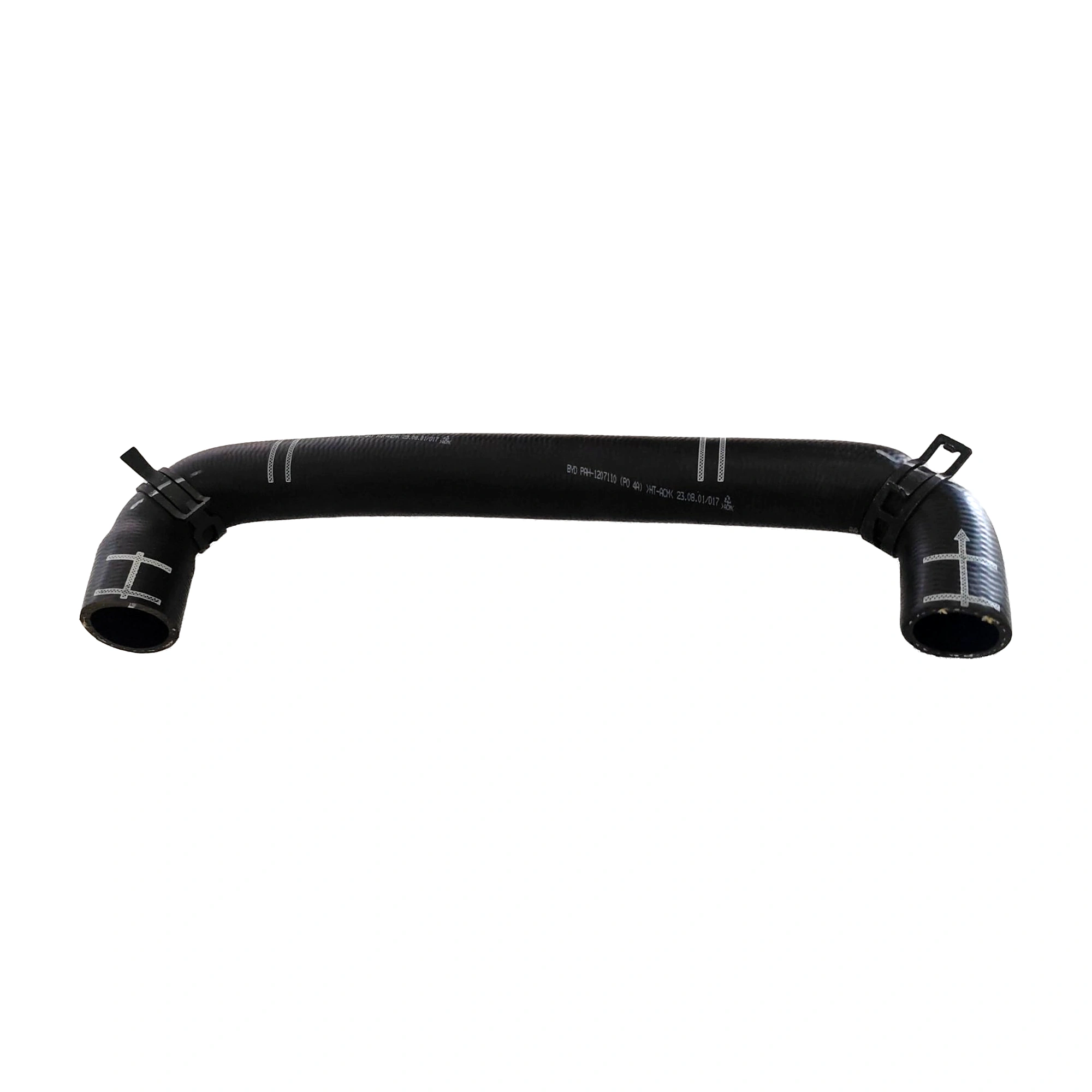
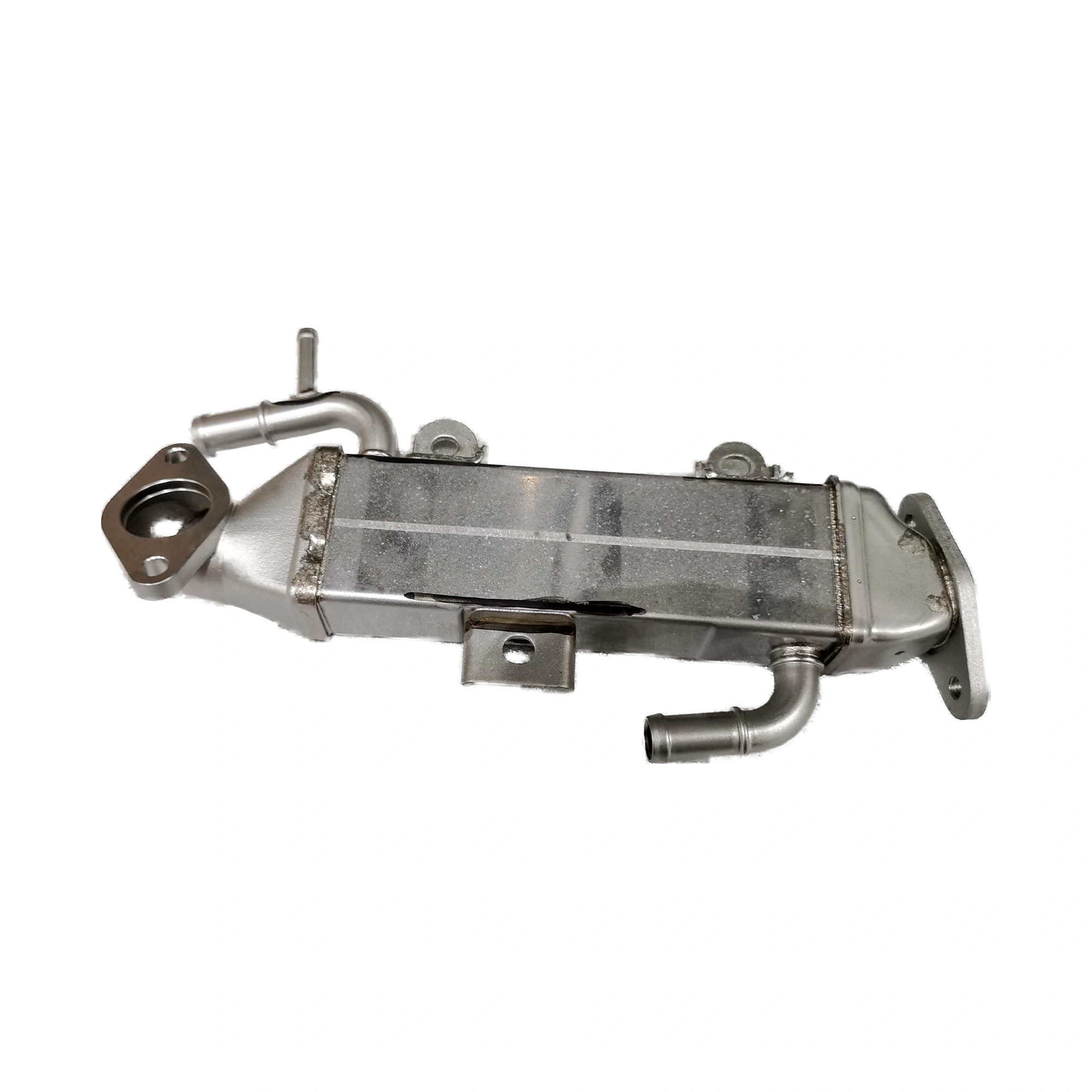
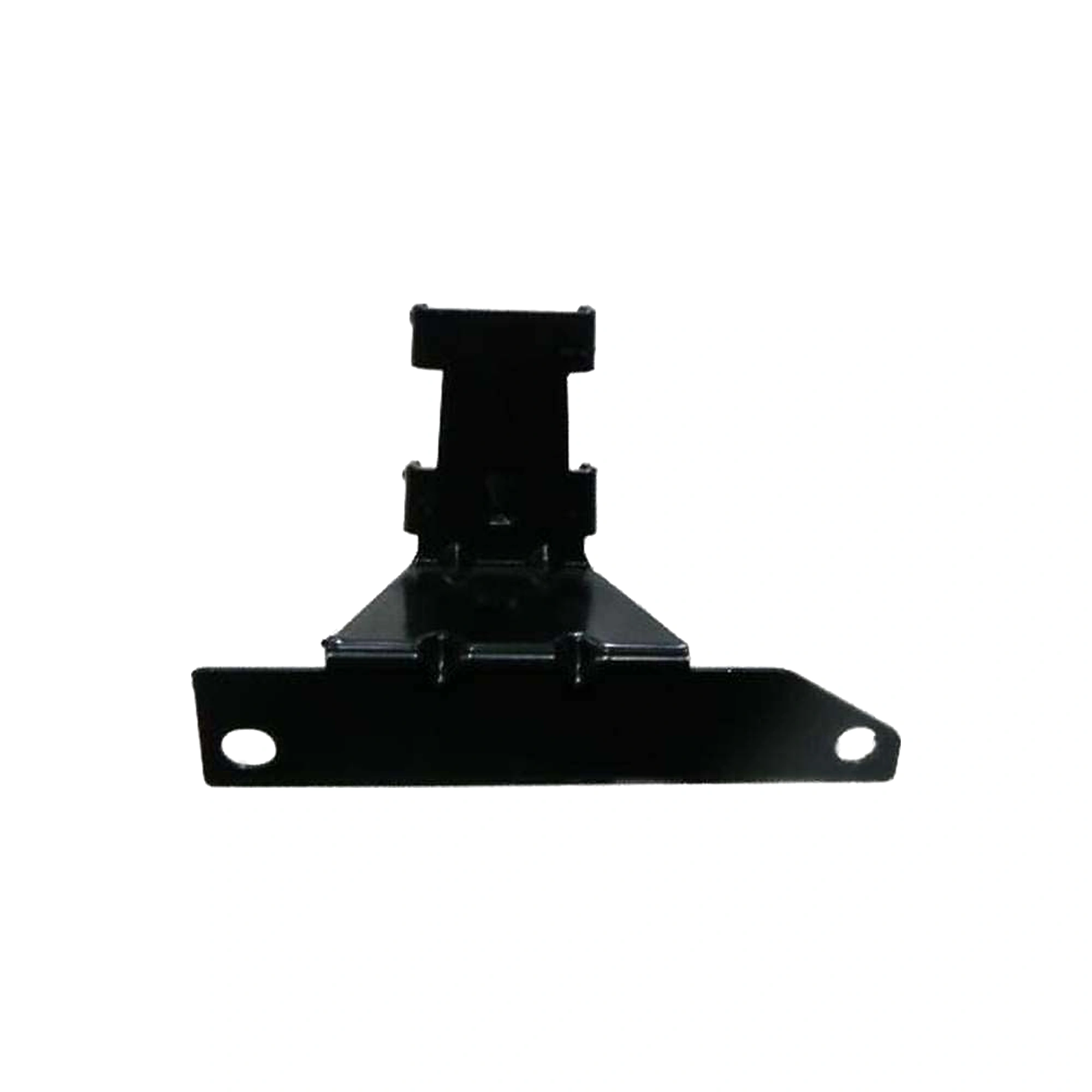
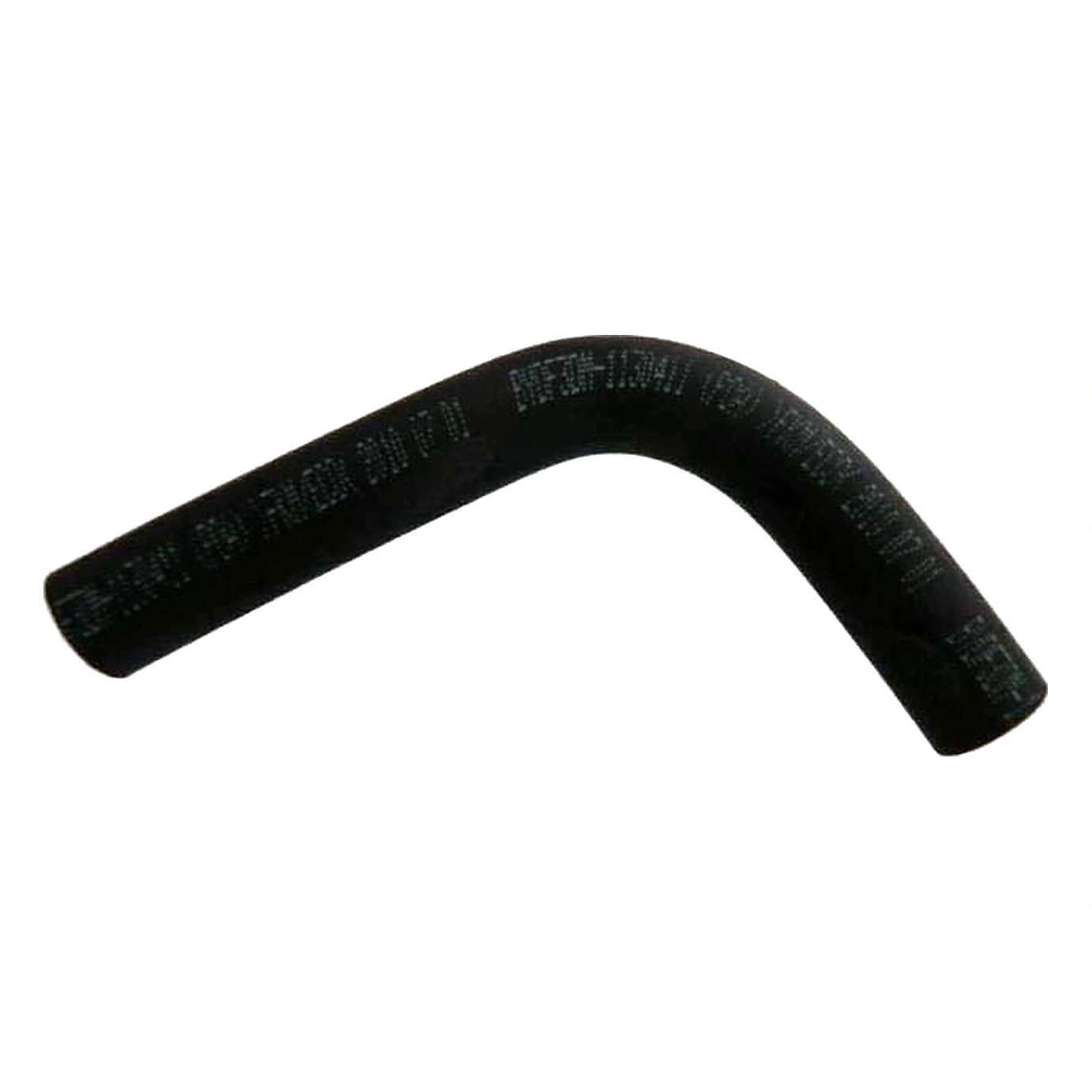
Popular Right Now
scroll for more →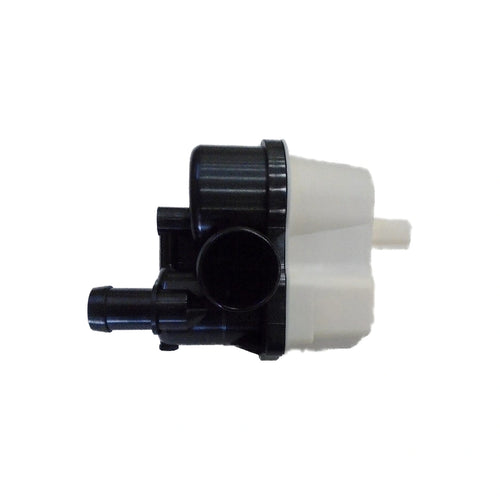
Symptom Finder: What Is Actually Broken?
| What you see or hear | Part to check first |
|---|---|
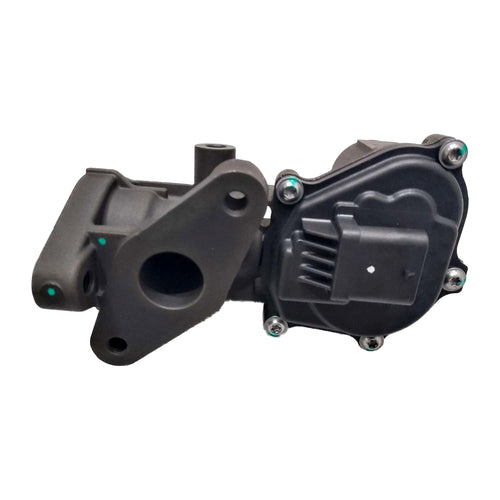
| Rough idle and hesitation with a recirculation flow fault | EGR control valve |
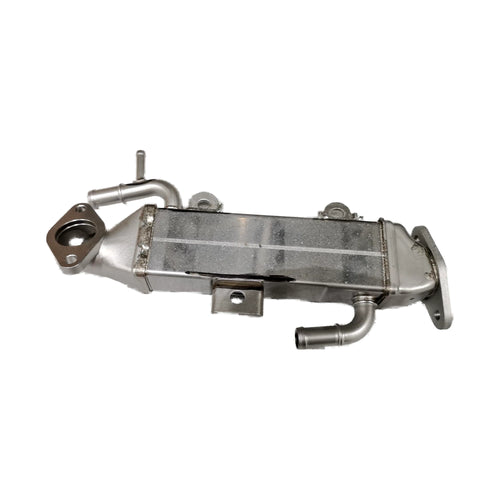
| Coolant loss with white smoke and no head gasket fault | EGR cooler |
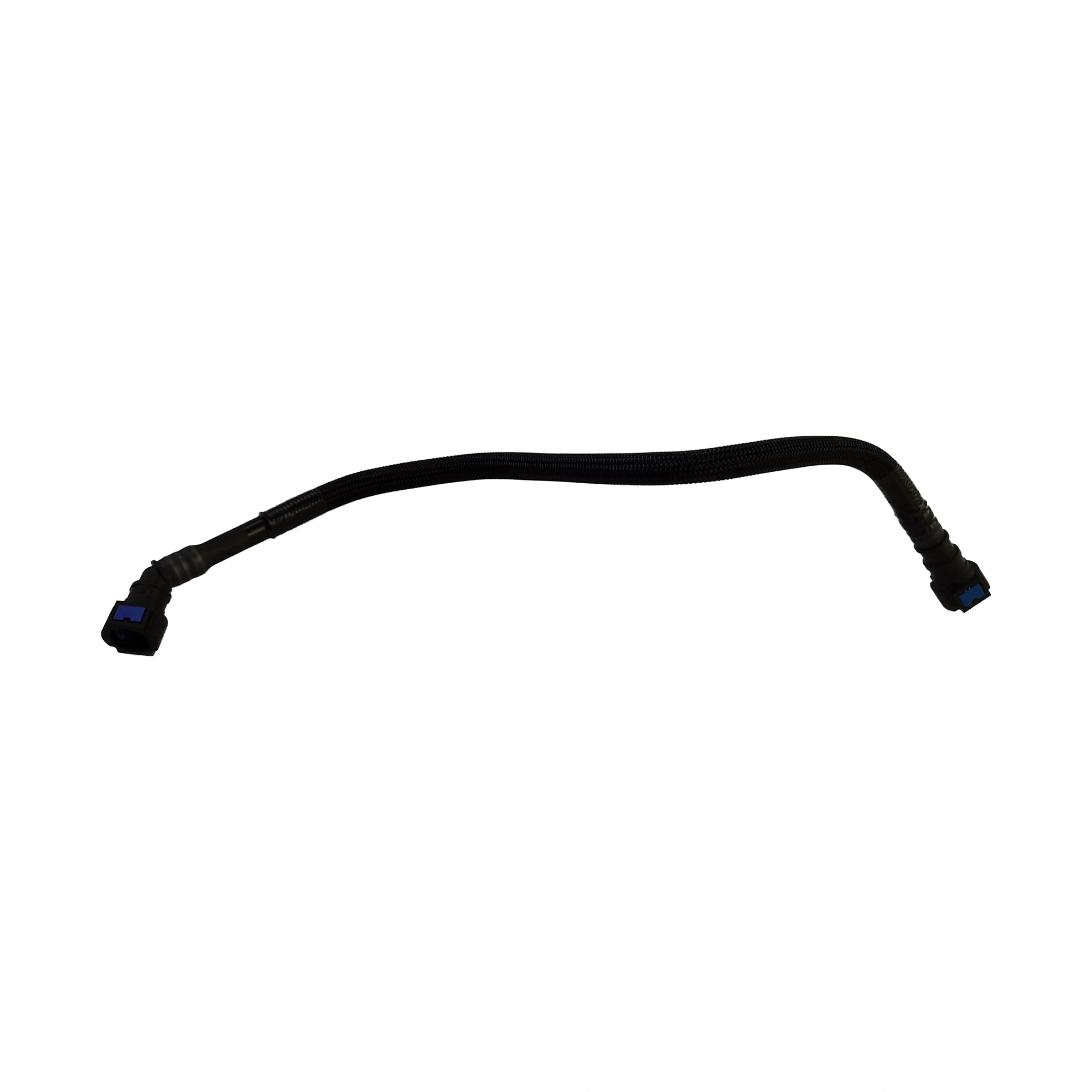
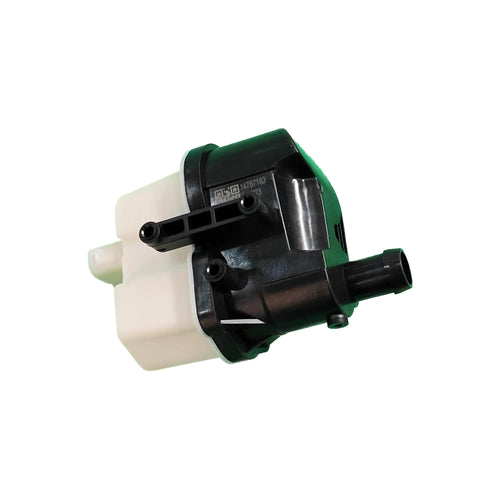
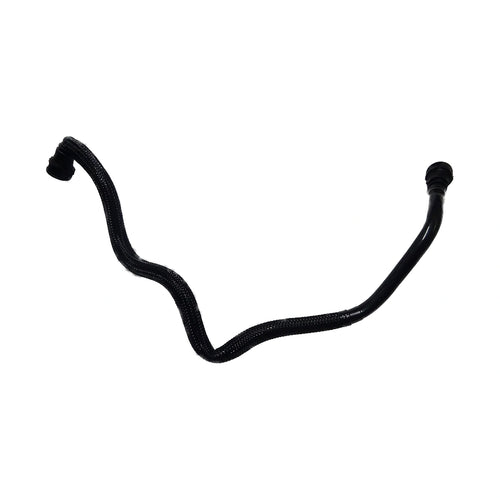
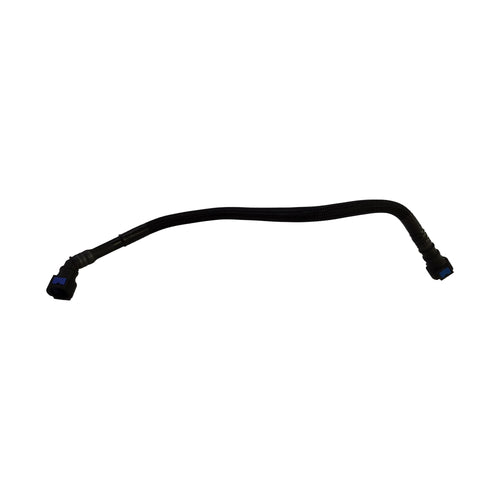
| Small evaporative leak code with a faint fuel smell | Fuel evaporative emission hose |
| Filler nozzle clicking off repeatedly during refuelling | Charcoal canister or vent valve |
| Evaporative system fault immediately after refuelling | Filler cap or leak diagnosis module |
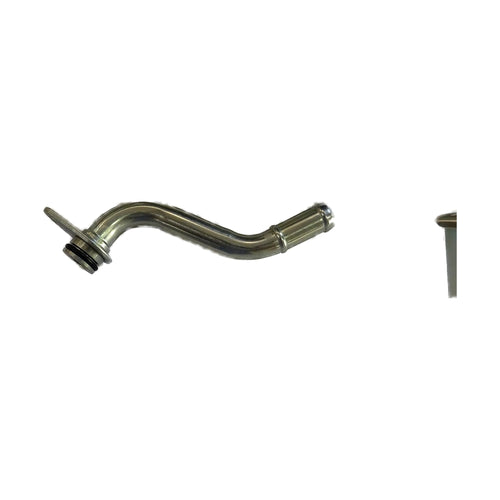
| Oil in the intake and crankcase pressure | PCV vent pipe |
About EGR System & Emissions Control
Two separate systems share this category because both exist to keep unwanted emissions out of the air. Exhaust gas recirculation feeds a metered quantity of inert exhaust gas back into the intake, which lowers peak combustion temperature and cuts the formation of oxides of nitrogen, since those form above a temperature threshold rather than in proportion to fuel burnt. A cooler between the exhaust and the intake makes the recirculated gas denser and colder, improving the effect. Evaporative emission control handles a different problem: petrol evaporating in the tank. Vapour is routed to a canister of activated charcoal that adsorbs it, and the engine later purges the canister into the intake to be burnt. A leak diagnosis module tests the whole sealed system periodically, which is why a loose filler cap sets a fault code.
What to know before buying EGR System & Emissions Control parts
Diagnose before you order. The symptoms overlap, and the parts differ enormously in cost. A small evaporative leak is often a cap or a cracked hose rather than a module. A recirculation fault is more often carbon in the valve than a failed cooler.
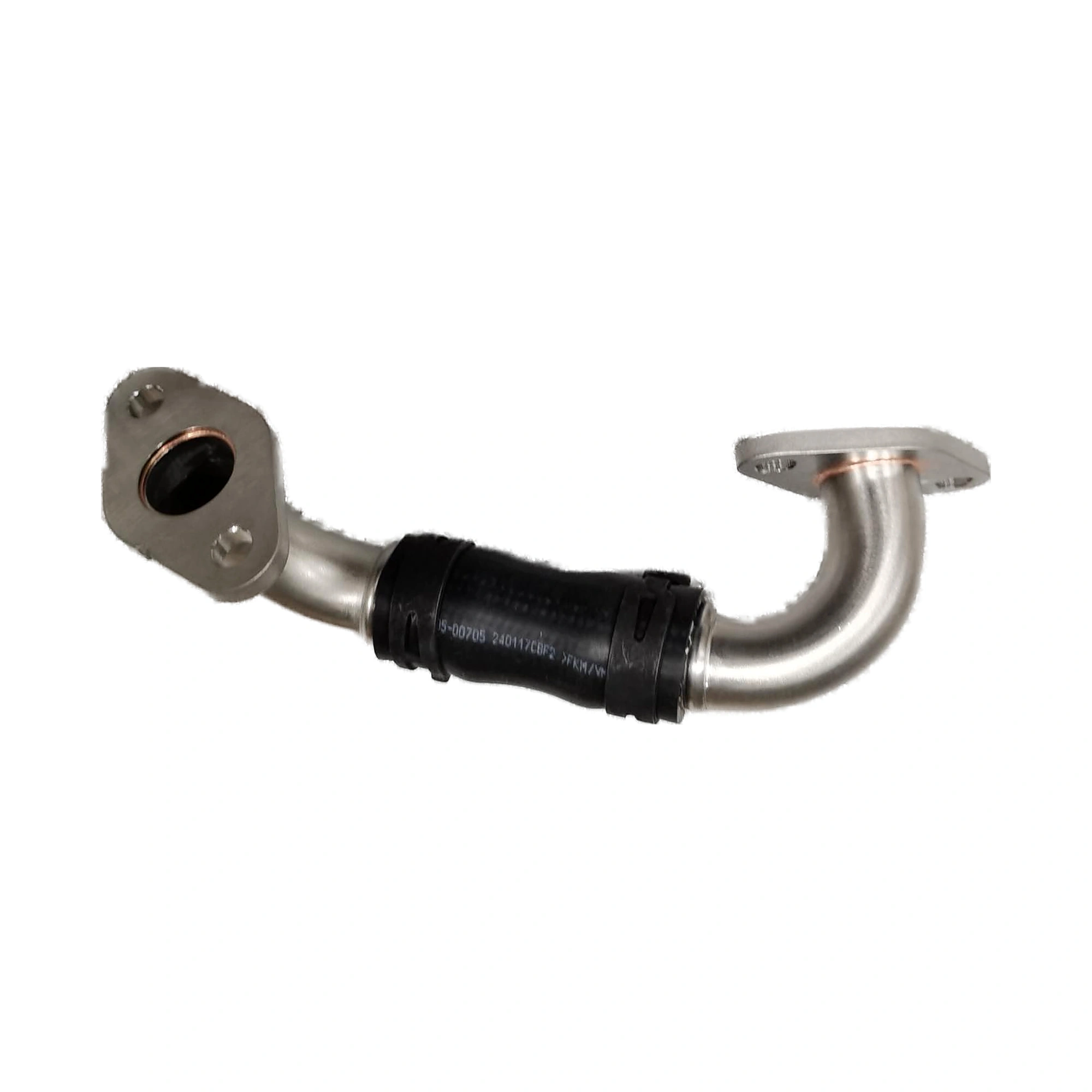
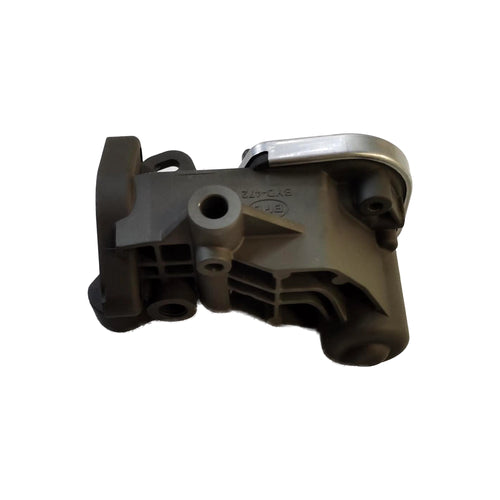
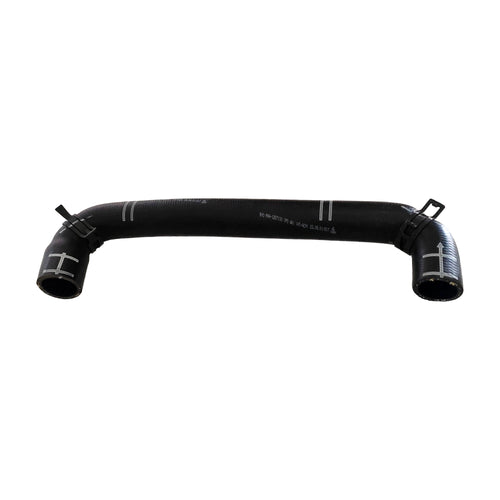
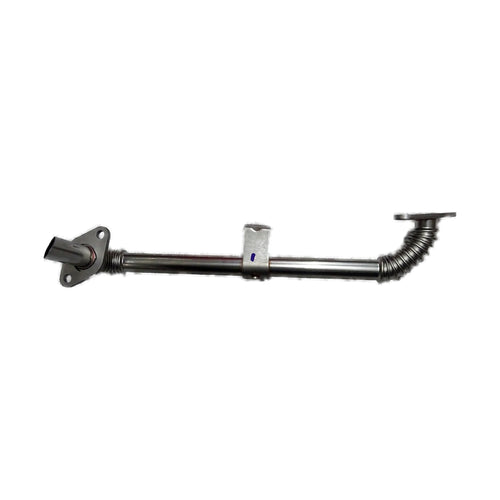
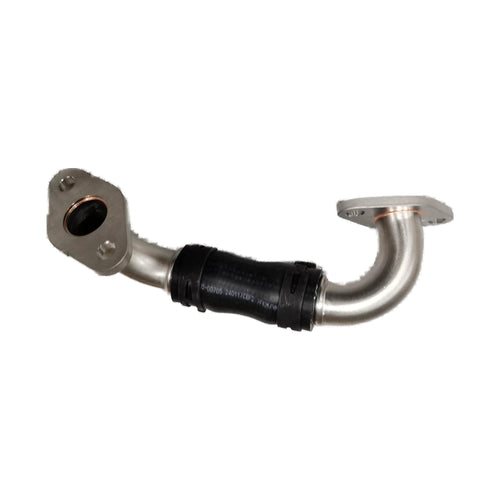
On the recirculation side you will find EGR control valves and EGR coolers. Cooler coolant inlet pipes and outlet hoses are listed, along with EGR outlet pipes and outlet air hoses.
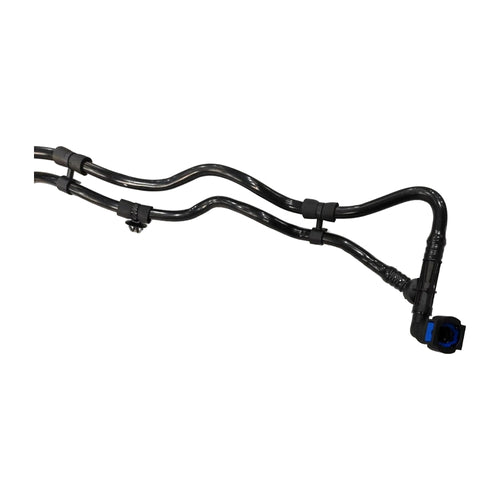
The vapour side covers fuel evaporation lines and hoses in numbered sections, plus fuel evaporative emission hoses. Charcoal canister mounting brackets and two way valve mounting brackets are listed. So are fuel EVAP leak diagnosis modules and crankcase ventilation vent pipes.
Match the OE number, since valves and coolers follow the emissions certification rather than the engine size. Order fresh gaskets with any valve or cooler. Treat the nylon evaporative lines as consumables once they have been disturbed. Priced listings go straight to checkout, and unpriced ones are quoted. BYD group cover is the widest and grows brand by brand.
Before You Order: 6 Checks
- Read the exact fault code, since evaporative and recirculation faults have several possible sources.
- Check the filler cap and the visible hoses before ordering a leak diagnosis module.
- Match the OE number, since valves and coolers differ between engine variants sharing a family.
- Order new gaskets with any EGR valve or cooler, because the originals are never reusable.
- Inspect the intake for carbon build up when replacing a recirculation valve.
- Handle nylon evaporative lines carefully, since they become brittle with age and crack at bends.
What Changed and Why
Both systems have become more heavily monitored as emissions legislation has tightened. Recirculation is now controlled by position feedback rather than vacuum, so a valve that sticks reports its own disagreement between commanded and actual position and sets a code before the driver notices anything. Evaporative monitoring has moved towards active leak detection using a pump or a vacuum decay test, which finds leaks small enough to be invisible. On hybrid vehicles the engine runs intermittently, which limits the opportunities to purge the charcoal canister and makes canister sizing and control strategy more demanding.
EGR System & Emissions Control: Frequently Asked Questions
What does an EGR valve actually do?
It lets a measured amount of inert exhaust gas back into the intake, which displaces some of the incoming air and lowers peak combustion temperature. Since oxides of nitrogen form above a temperature threshold rather than in proportion to how much fuel is burnt, cooling the burn is the most effective way to reduce them. The valve is closed at idle and under full load and opens at part throttle, which is why a stuck open valve gives a rough idle and a stuck closed one gives no symptom until the code appears.
My recirculation valve is clogged with carbon. Clean or replace?
Try cleaning if the valve is a simple design and the carbon is soft, since the deposit rather than the mechanism is usually the problem. What decides the outcome is whether the valve still moves freely through its full travel afterwards and reports its position accurately. A valve with a worn position sensor or a seat that no longer closes cleanly will set the same code again. Clean the intake manifold at the same time, because that is where the deposit collects.
Can an EGR cooler cause coolant loss?
Yes, and it is a failure worth knowing about because it mimics a head gasket. The cooler passes exhaust gas through a coolant jacket, and when its internal seal or core cracks, coolant enters the exhaust or the intake and disappears with no external leak and no oil contamination. The symptoms are white smoke, a falling coolant level and a sweet smell. If a head gasket test comes back clean and coolant is still vanishing, the cooler deserves a look.
I have a small evaporative leak code. Where do I start?
With the cheapest possibilities, in order. The filler cap seal is the single most common cause, so inspect it and try a known good one. Then check the visible evaporative hoses for cracks, particularly at bends and connectors where nylon lines become brittle with age. Then the purge and vent valves, which stick. Only after those is the leak diagnosis module a sensible purchase. A smoke test at a workshop finds the leak in minutes and saves ordering parts speculatively.
The fuel nozzle keeps clicking off when I fill up. Why?
Because the tank cannot vent. During refuelling, displaced vapour has to flow through the charcoal canister and out, and if the canister is saturated with liquid fuel or the vent valve is stuck closed, pressure builds in the filler neck and trips the nozzle. Overfilling the tank is the usual cause of a flooded canister, since liquid fuel is drawn into charcoal designed only for vapour. Stop filling at the first click, and replace the canister if it has been flooded.
What do these parts cost?
Nothing in this group is expensive by engine standards. Vent pipes, hoses, brackets and evaporative lines are the cheapest items. Purge valves, recirculation valves and leak diagnosis modules are modest. Coolers and charcoal canisters cost the most, and a canister is the one part here that can be genuinely awkward to reach. Live figures appear in the band above. Since a canister is usually ruined by overfilling the tank rather than by age, replacing one without changing the filling habit tends to produce the same fault again.
Can I block off or remove the recirculation system?
No, and beyond the legality it is a poor engineering decision. Blanking the valve raises combustion temperature exactly as intended, which increases oxides of nitrogen and adds thermal load to the valves and pistons, and the control unit will log a flow fault regardless. In most markets removing emissions equipment is an offence, fails inspection and invalidates insurance. Where recirculation is causing problems, the answer is a clean intake and a working valve, both of which are listed here.
What is the leak diagnosis module for?
It tests the sealed fuel and vapour system for leaks, either by pressurising it with a small pump or by applying vacuum and watching for decay, then reporting a result to the control unit. That is how a vehicle detects a leak as small as a pinhole and sets a code. The module itself can fail, and it can also report a genuine leak accurately, which is why the code alone does not identify the part. Test the system before replacing the tester.
Does the PCV system belong here?
The vent pipes do, since they carry crankcase gases into the intake and form part of the emissions control path. A blocked or collapsed vent pipe raises crankcase pressure, which pushes oil past seals and can produce oil in the intake, and a split pipe becomes an unmetered air leak that upsets fuelling. Both are cheap parts with expensive symptoms. Inspect the pipes whenever you are chasing an oil leak or an idle fault rather than assuming the seals are at fault.
Why do these faults appear after refuelling?
Because refuelling is when the evaporative system is most stressed and most often disturbed. A cap left loose or cross threaded breaks the seal, a canister flooded by overfilling stops working, and the monitor typically runs shortly after a fill when tank conditions suit the test. If your fault appears reliably after fuel stops, start at the filler neck and the cap before looking anywhere else. It is the most common answer and costs nothing to check.
Will a valve from a related engine fit?
Only if the reference agrees, and on emissions parts that is stricter than usual. Two engines from the same family certified to different standards run different recirculation rates, so the valve flow area, the actuator type and the position feedback calibration all change even where the flange bolts up. Fit the wrong one and the control unit sees a position it does not expect and logs a fault immediately. Read the number from the old valve rather than working from the engine code alone, and where nothing comes back, send it as an enquiry.
The part I need shows no price. Can I still order it?
Yes. Emissions hardware is where regional specification bites hardest, because a charcoal canister or a leak diagnosis module built for one market has no equivalent in another. That is why several references here wait for an enquiry instead of showing a figure. Quote the number and say which market your vehicle was supplied to. If you are chasing a purge valve fault, get the fault confirmed before ordering, since a leaking valve, a cracked evaporative line and a loose filler cap all raise the same code and only one of them costs anything to fix.