Catalytic Converter & DPF
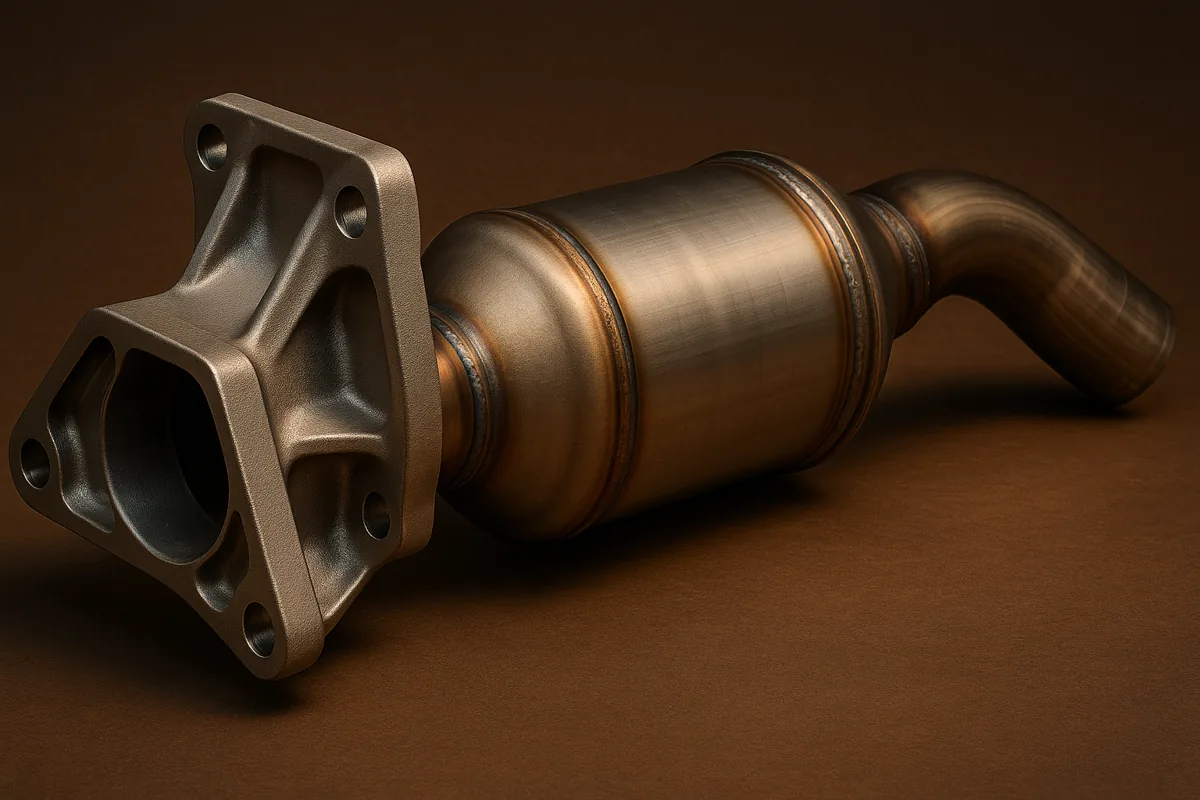
Shop Catalytic Converter & DPF by Part Type
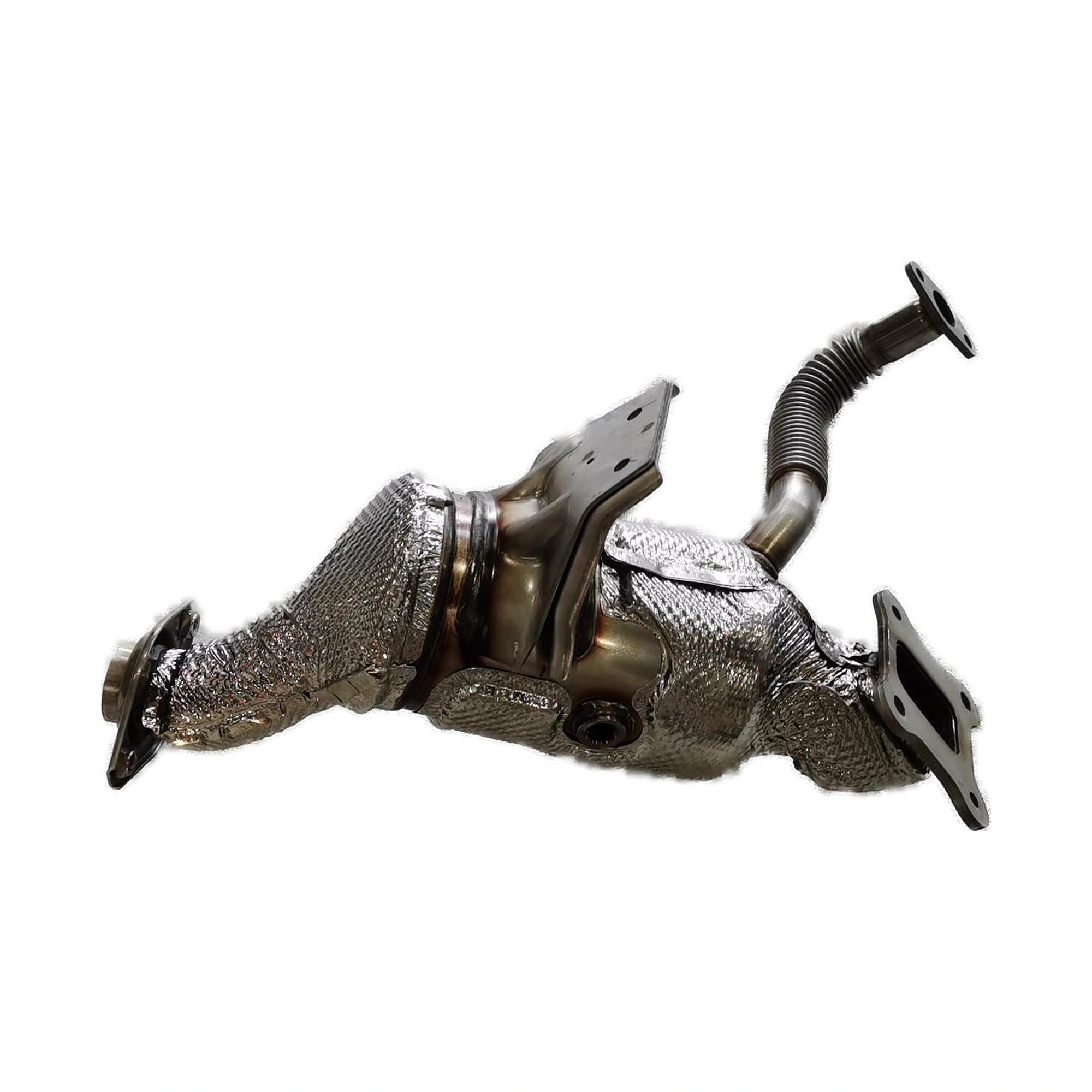
Popular Right Now
scroll for more →
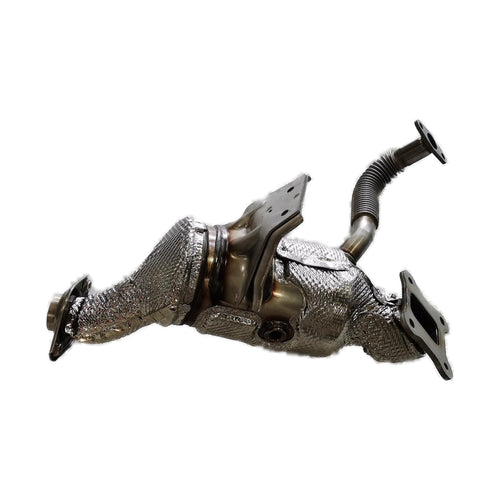
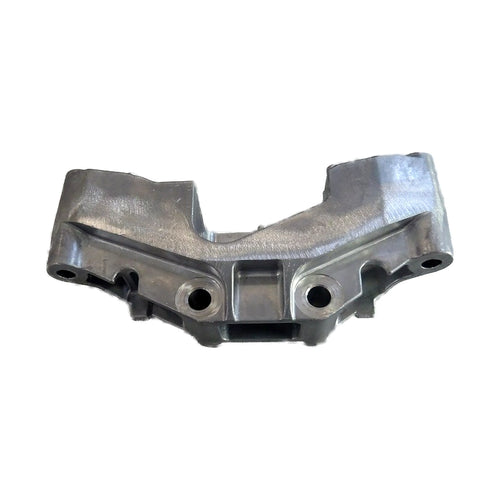
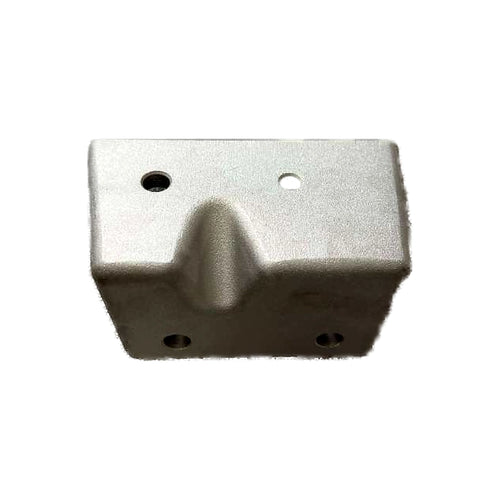
Symptom Finder: What Is Actually Broken?
| What you see or hear | Part to check first |
|---|---|
| Catalyst efficiency fault code stored with no other symptom | Catalytic converter or oxygen sensor |
| Rotten egg smell from the exhaust | Catalytic converter |
| Loss of power at higher engine speeds with high back pressure | Catalytic converter blocked internally |
| Rattle from underneath that changes with engine speed | Catalytic converter with a broken substrate |
| Converter knocking against the underbody | Catalytic converter bracket |
| Blue smoke and a converter that failed early | Catalytic converter poisoned by oil consumption |
About Catalytic Converter & DPF
A catalytic converter is a chemical reactor with no moving parts. Inside its shell sits a ceramic honeycomb coated with a washcoat carrying platinum, palladium and rhodium, and as exhaust gas passes through, three reactions happen almost simultaneously: carbon monoxide is oxidised to carbon dioxide, unburnt hydrocarbons are oxidised to carbon dioxide and water, and oxides of nitrogen are reduced back to nitrogen. All three depend on the engine running close to the chemically correct air to fuel ratio, which is what the oxygen sensors either side of the converter exist to maintain. The converter also needs heat, which is why it sits close to the engine and why short journeys are hard on it. Particulate filters work differently, trapping soot in porous walls and burning it off periodically once the temperature is high enough.
What to know before buying Catalytic Converter & DPF parts
Before you order, establish why the old converter failed. An engine fault that destroyed one converter will destroy the next. Add new flange gaskets, nuts and studs to any converter order, because exhaust fasteners rarely survive removal intact. A weeping joint upstream of the sensor also distorts the readings you are trying to fix.
Converters here are supplied with their exhaust pipe section and the brackets that mount them. That saves you separating a corroded flange or cutting a welded joint. The flex section and the sensor bosses arrive in the correct positions.
Order by the factory number. Converter volume, cell density and precious metal loading are matched to the engine and to the emissions standard it was certified against. None of that shows from outside.
References with a price go into the basket as they stand. Anything without a price is quoted against the same factory number, which is the usual route here, because precious metal content moves the cost. BYD group cover is widest, and it widens further as more catalogues load.
Before You Order: 6 Checks
- Find and fix the cause of failure first, since misfires and oil consumption destroy converters.
- Match the OE number, because volume, cell density and coating are matched to the engine and emissions standard.
- Check whether the listing includes the exhaust pipe section and the sensor bosses.
- Order new flange gaskets, nuts and studs, since the originals rarely survive removal.
- Confirm the oxygen sensors are healthy before blaming the converter for an efficiency code.
- Keep the paperwork, since converter specification is checked at emissions testing in many markets.
What Changed and Why
Converters have become a theft target in many countries because of the value of the rhodium, palladium and platinum in the washcoat, which has pushed manufacturers and workshops towards marking, cages and alarms. On the technical side, petrol particulate filters have been fitted alongside the converter since the Euro 6 standards tightened particulate limits for direct injection engines, adding a filter that regenerates by burning off trapped soot and its own temperature sensor. Hybrid applications complicate that further, since an engine that stops frequently spends less time at regeneration temperature.
Catalytic Converter & DPF: Frequently Asked Questions
I have a catalyst efficiency code. Do I need a new converter?
Not necessarily, and this is the most expensive assumption in the category. The control unit judges converter health by comparing the upstream and downstream oxygen sensor signals, so a lazy or failing downstream sensor produces the same code as a worn converter. Check the sensors first, along with exhaust leaks ahead of the sensor, misfires and fuel trim values, all of which distort the reading. Only when those are clean and the downstream sensor still mirrors the upstream one is the converter genuinely the fault.
Why did my converter fail?
Almost always because of something else. A misfire dumps unburnt fuel into the converter, where it ignites and melts the substrate. Oil consumption from worn valve stem seals or rings coats the washcoat and poisons it. Coolant entering through a head gasket does the same with silicates. Physical impact cracks the ceramic. Fitting a new converter without addressing the cause simply destroys the new part too, which is why any converter job should start with a compression check and a look at oil consumption.
Can a blocked converter be cleaned?
Chemical cleaners sometimes help a converter that is merely inefficient, and nothing restores one whose substrate has melted or collapsed. The test is back pressure: measure it at the upstream sensor boss, and if it is well above specification at higher engine speeds, the core is restricted and the converter is finished. A rattle when you tap the shell with a rubber mallet means the ceramic has broken up, and that is conclusive. Replacement is the only cure in both cases.
Is it safe to drive with a converter fault?
For a short period with an efficiency code, yes, though the vehicle will fail emissions testing and in many markets that is an offence rather than an inconvenience. A physically blocked converter is different: back pressure robs power, overheats the exhaust valves and can damage the engine, so a car that will not pull above a certain speed with a hot exhaust manifold should be dealt with promptly. A converter that is rattling is also shedding ceramic into the pipe behind it.
What does a converter cost?
Brackets sit at the bottom of the range and are inexpensive. Catalytic converters supplied with their exhaust pipe section sit at the top of this category, because the precious metals in the washcoat carry real commodity value and the assembly is bulky. The live minimum and maximum are shown in the band at the top of this page. Given the cost, it is worth spending on a proper diagnosis before ordering rather than replacing a converter that turned out to be healthy.
Why is the converter sold with a pipe attached?
Because that is how the factory supplies it, and because it removes the worst part of the job. Separating a converter from a corroded pipe usually means cutting, and the flange bolts on an exhaust of any age often shear rather than undo. Supplied as an assembly, the sensor bosses, the flex section and the flange positions all arrive correct, so there is no measuring or welding. Check the listing for exactly what is included before ordering.
Can I fit a universal converter instead?
It is a poor idea on a modern vehicle even where it is legal. Converter volume, cell density and precious metal loading are matched to the engine and the emissions standard it was certified against, and a generic unit frequently fails to satisfy the efficiency monitor, leaving the fault code lit after all. Many markets also require a converter that carries the correct documentation for testing. Fit the correct factory reference, matched by OE number, and the monitor is satisfied.
What is a petrol particulate filter and do I have one?
It is a filter that traps soot particles from the exhaust of a direct injection petrol engine, fitted since particulate limits tightened under the later Euro standards. It sits in or immediately after the converter and burns off its trapped soot when exhaust temperatures are high enough. If your vehicle is recent and direct injected, assume you have one. Short journeys hinder regeneration, so an occasional longer run at sustained load does more good than any additive.
Why does my exhaust smell of rotten eggs?
That is hydrogen sulphide, produced when the converter cannot fully process the sulphur compounds in fuel, and it usually means the converter is running rich or is past its best. A persistent smell alongside an efficiency code points at the converter. An occasional smell after a hard drive or with a particular fuel is less conclusive. Check fuel trim values first, since a fuelling fault that runs the engine rich produces the smell and will also shorten the life of a new converter.
How do I stop my converter being stolen?
Physical and practical measures rather than parts. Park in a way that makes access underneath difficult, use a cage or shield where one is available for your vehicle, have the shell marked and registered so a stolen unit is traceable, and consider a tilt sensitive alarm. Hybrids and higher vehicles are common targets. If yours has been stolen, order the correct factory reference rather than a cheaper substitute, since the replacement will need to satisfy the same efficiency monitor.
Will a converter from a similar engine fit?
Only where the OE number agrees. Two engines of the same size can be certified to different emissions standards, and the converter's volume, coating and sensor positions follow that certification rather than the displacement. A converter that bolts up but has the wrong loading will trip the efficiency monitor within a few hundred miles. Read the number from your existing unit or your vehicle documents, and use the quote form where the reference brings back nothing.
The converter I need shows no price. Can I still order it?
Converters are the category where a quote is normal rather than exceptional. Platinum, palladium and rhodium content sets much of the cost and those metals move constantly, so a standing figure would be out of date within weeks. Send the factory number and the reply reflects the price on the day. Include your emissions approval requirement if the vehicle has to pass a test, and mention whether the flange gasket and the studs are being replaced. Studs shear far more often than they release cleanly, and finding that out with the old converter already off wastes the workshop slot.