Lambda & Emission Sensors
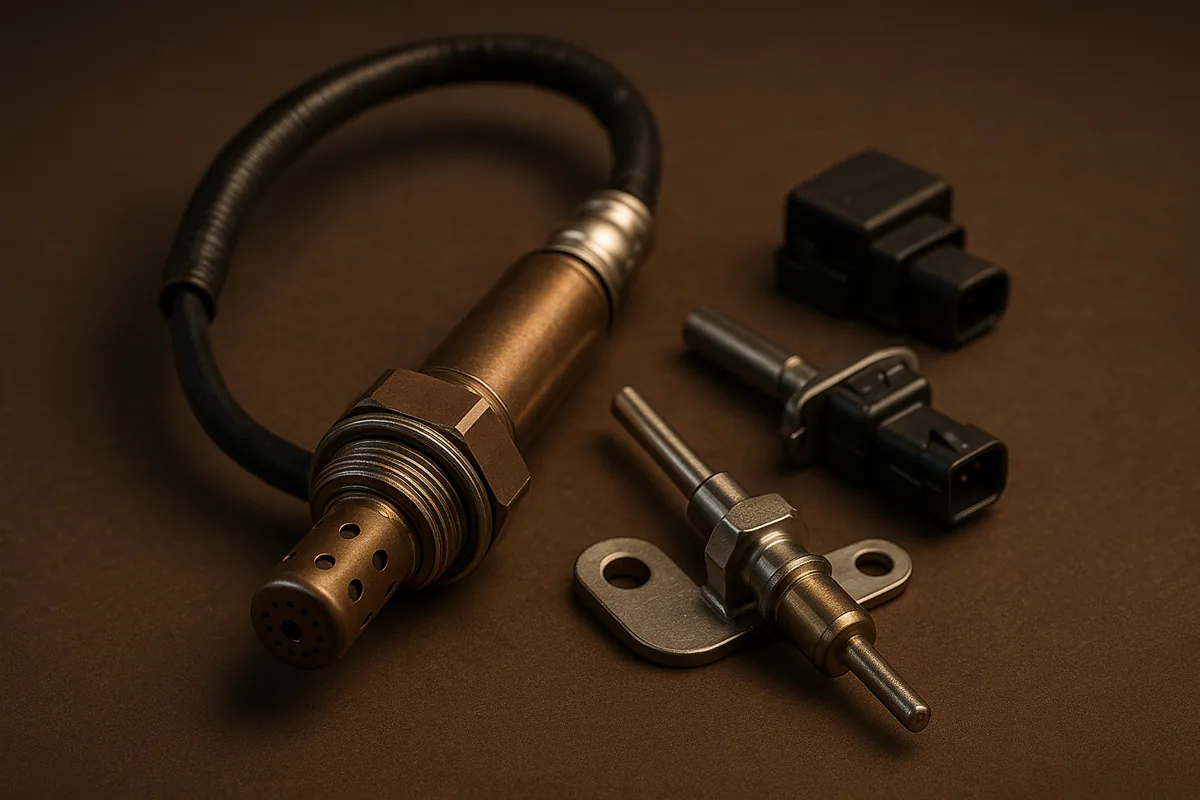
Shop Lambda & Emission Sensors by Part Type
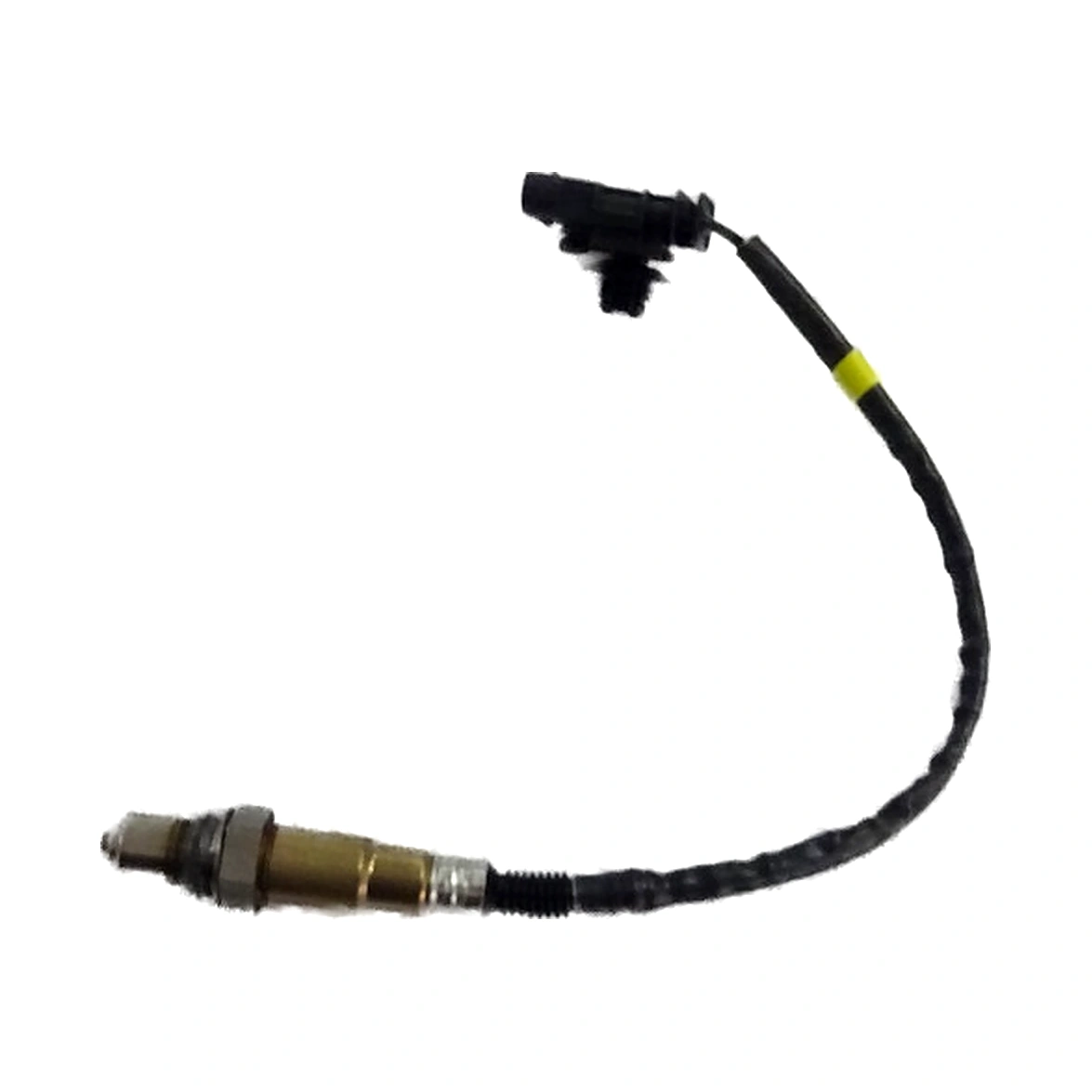
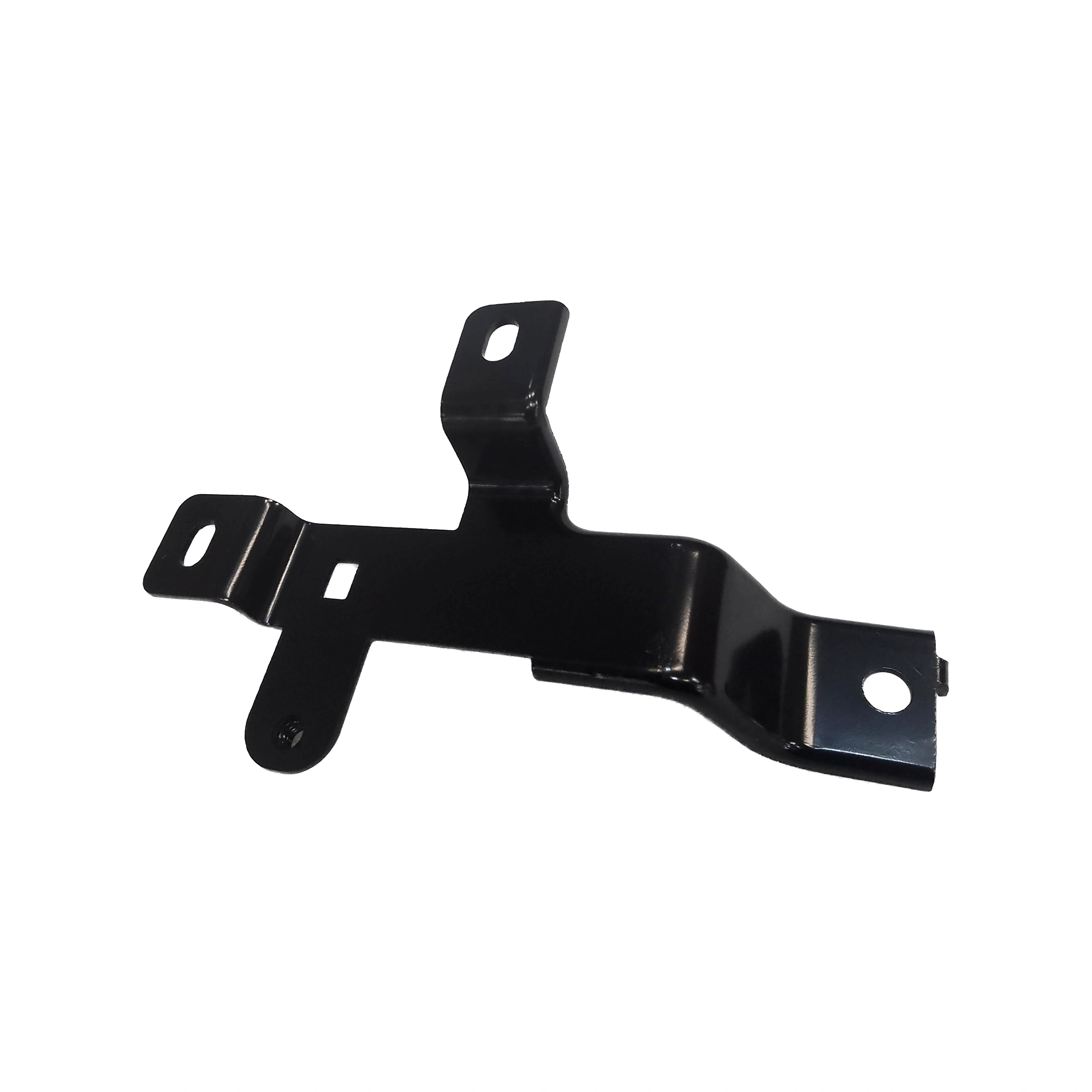
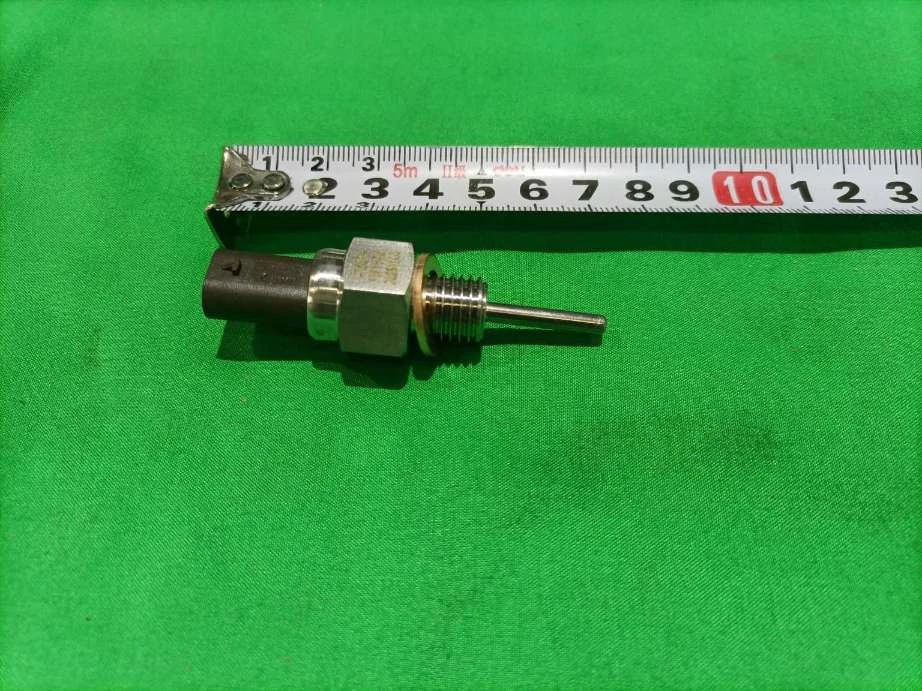
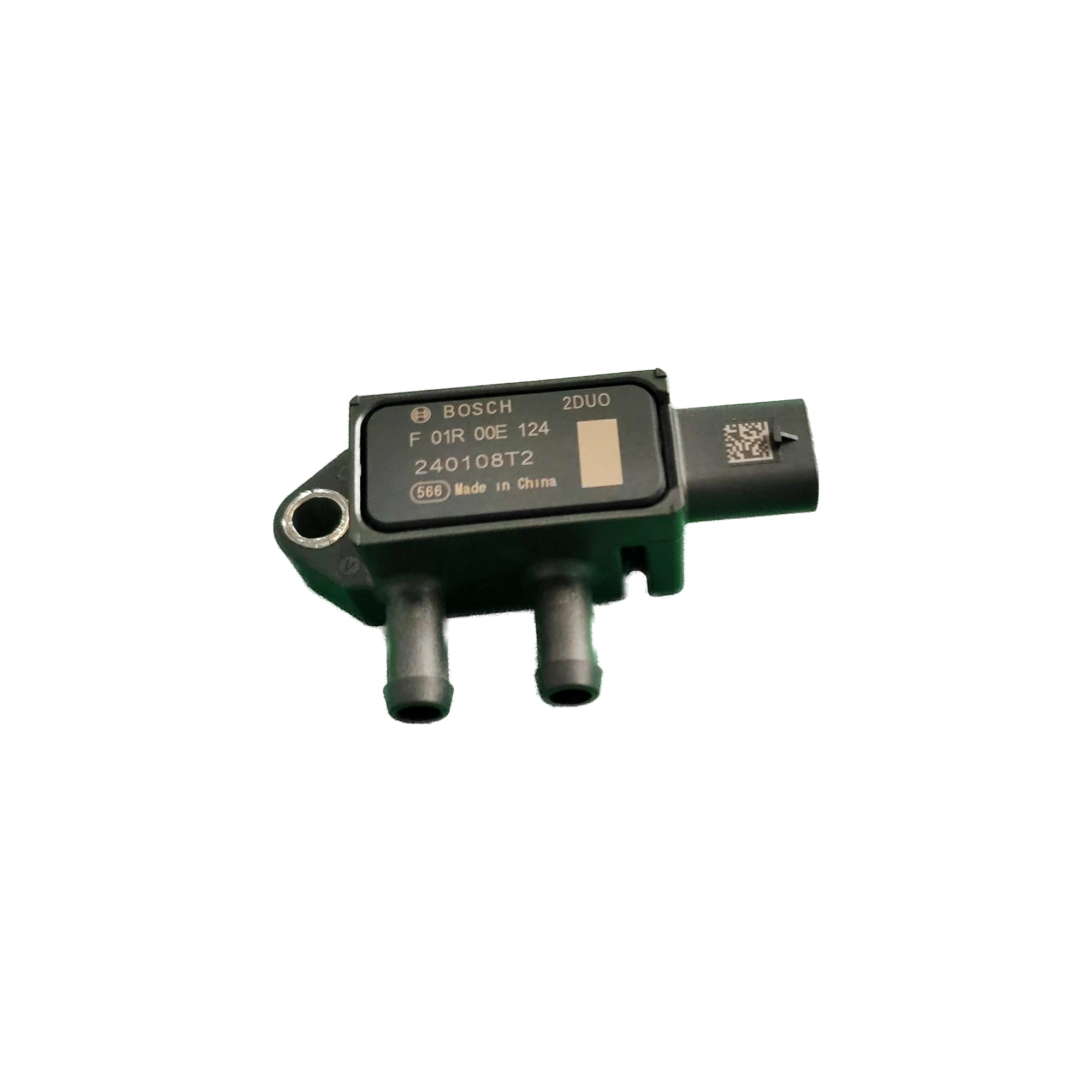
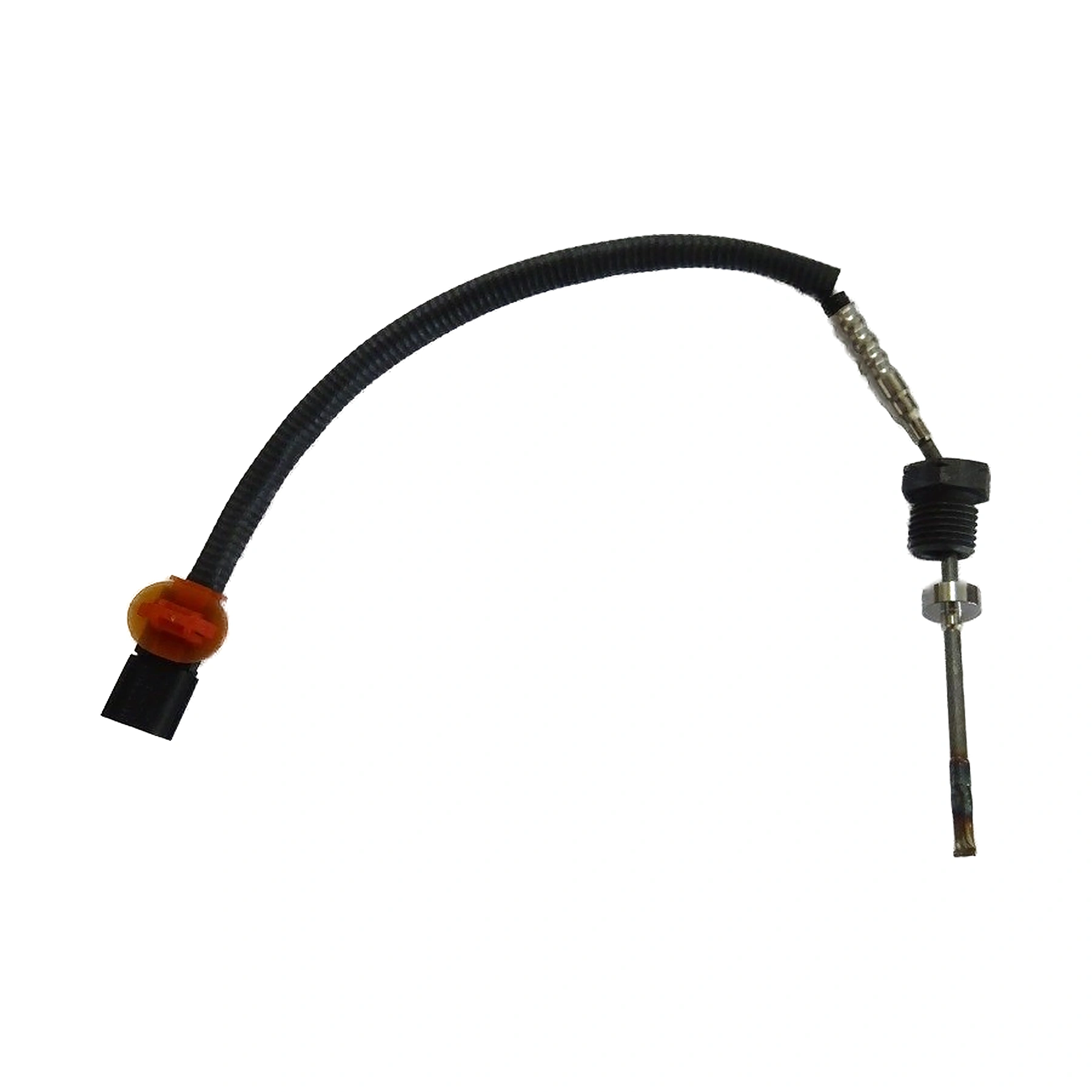
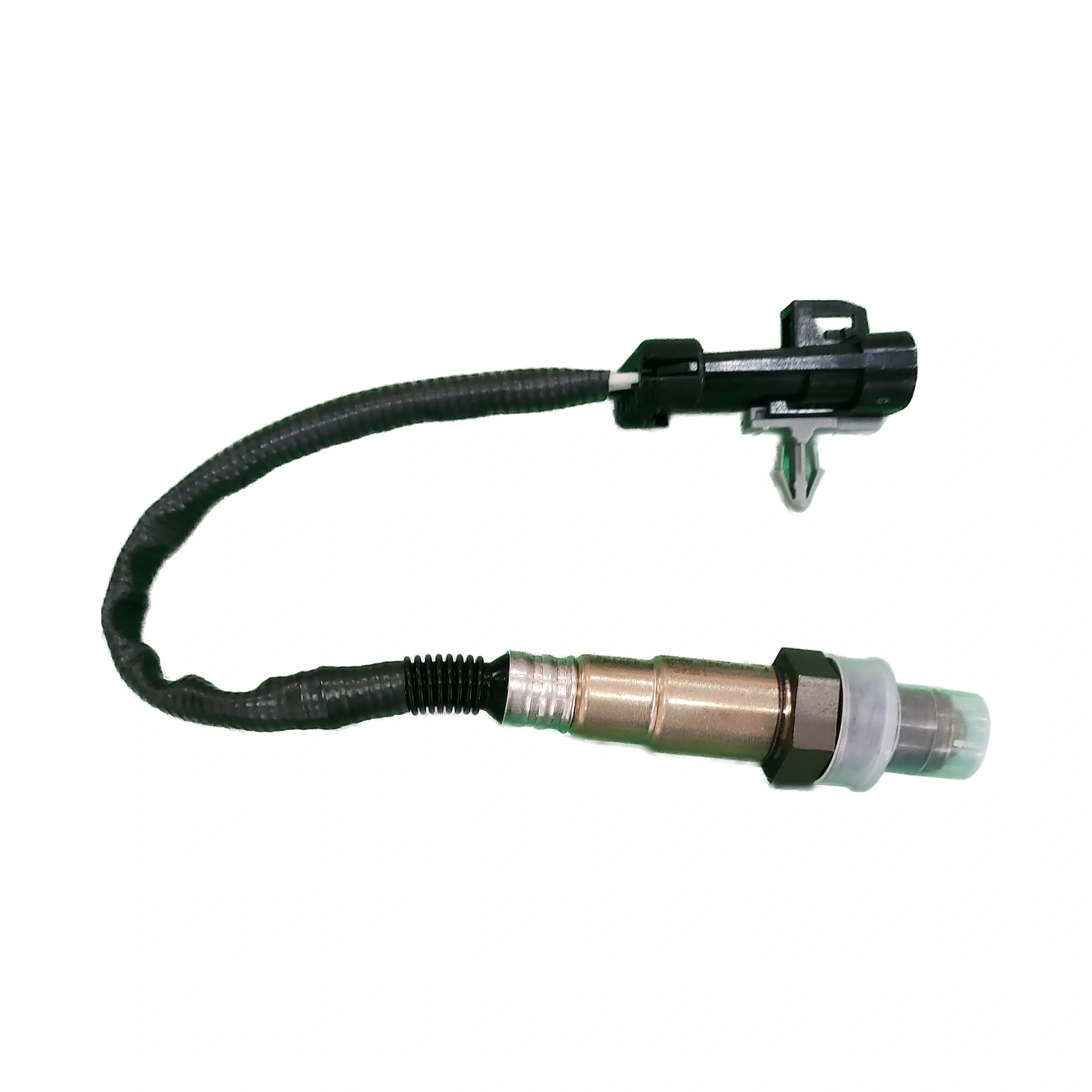
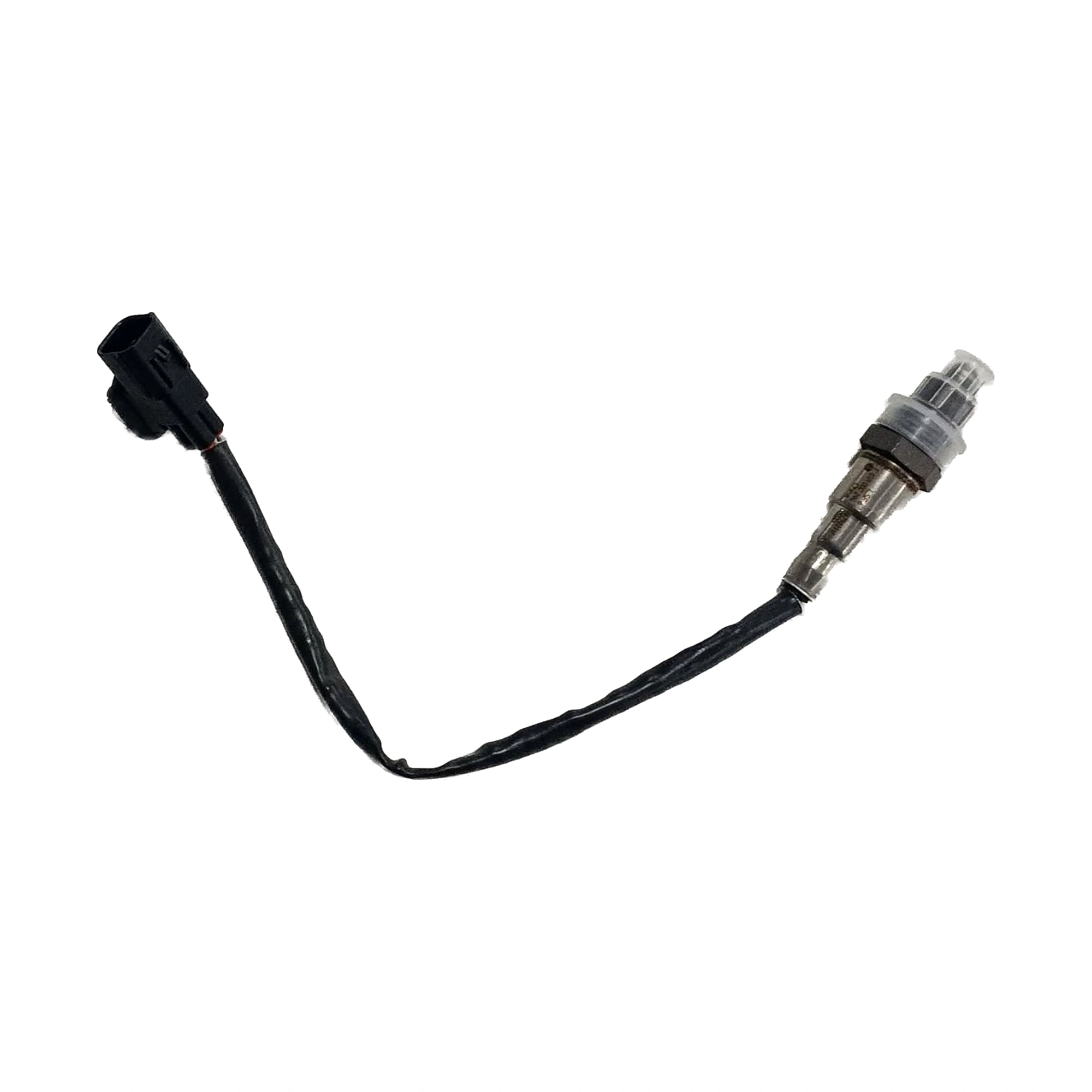
Popular Right Now
scroll for more →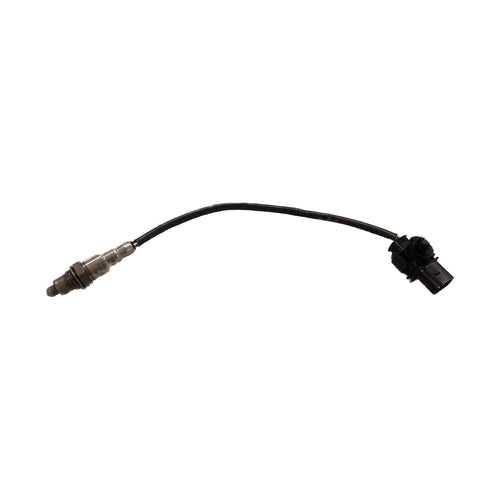
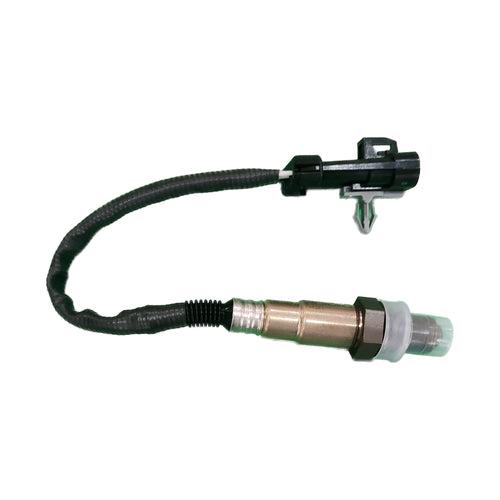
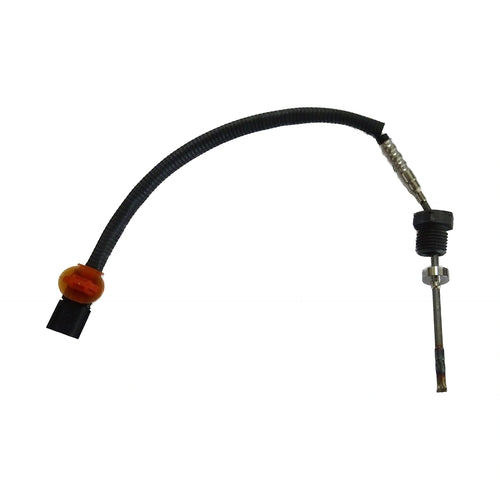
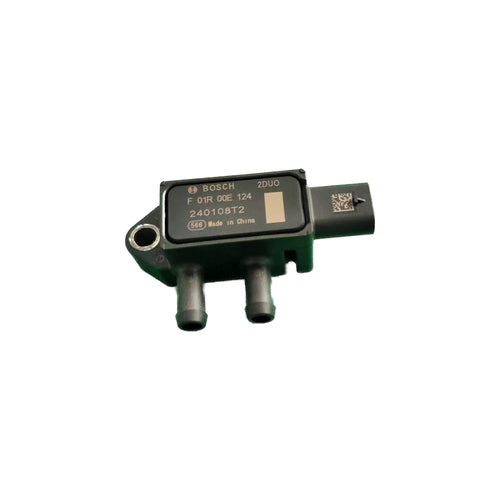
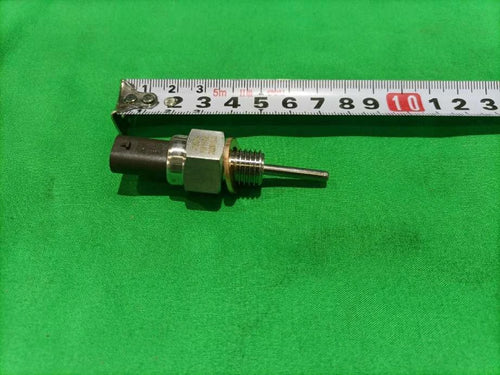
Symptom Finder: What Is Actually Broken?
| What you see or hear | Part to check first |
|---|---|
| Catalyst efficiency fault with normal driveability | Rear oxygen sensor |
| Poor economy and fuel trim drifting rich | Front oxygen sensor |
| Slow response fault stored against the upstream sensor | Front oxygen sensor |
| Heater circuit fault code for a sensor | Oxygen sensor with a failed heater |
| Recirculation flow fault with a valve that moves freely | EGR temperature or pressure sensor |
| Particulate filter regeneration not completing | GPF temperature sensor |
About Lambda & Emission Sensors
An engine cannot measure how much fuel it burnt, so it measures what came out. An oxygen sensor in the exhaust compares the oxygen content of the gas against ambient air and reports whether the mixture was rich or lean, and the control unit adjusts injection accordingly, correcting many times a second. The upstream sensor does that job. The downstream sensor, after the catalyst, has a different purpose: by comparing its signal with the upstream one, the control unit judges whether the catalyst is still storing and releasing oxygen as it should. Wideband sensors go further, reporting the actual air to fuel ratio across a range rather than simply switching either side of the ideal point. Alongside them sit temperature and pressure sensors that tell the control unit what the recirculation system and the particulate filter are doing, since both depend on conditions rather than commands.
What to know before buying Lambda & Emission Sensors parts
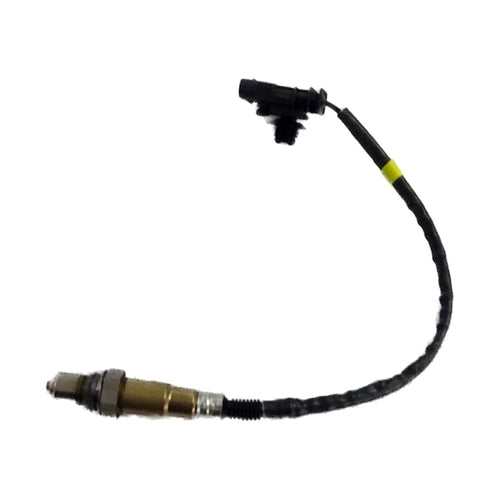
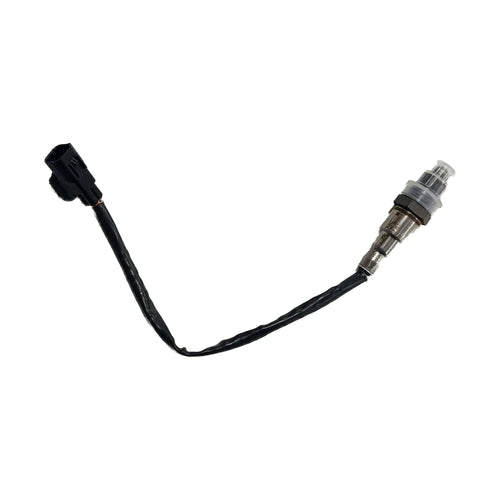
Order by position, not by the general description. Front and rear oxygen sensors have different cable lengths and different connectors. They often use different technologies as well. Getting the position wrong is the most common mistake in this category.
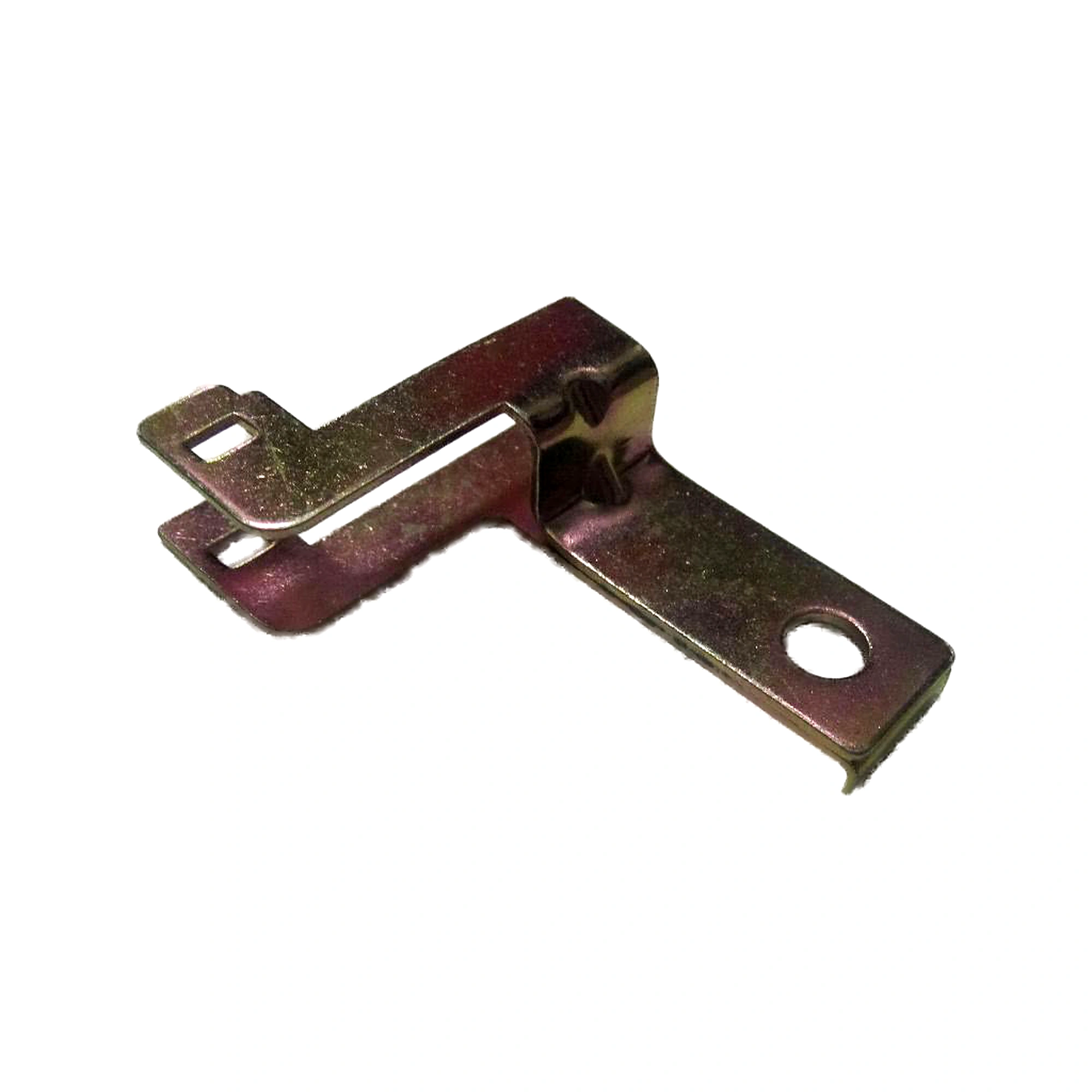
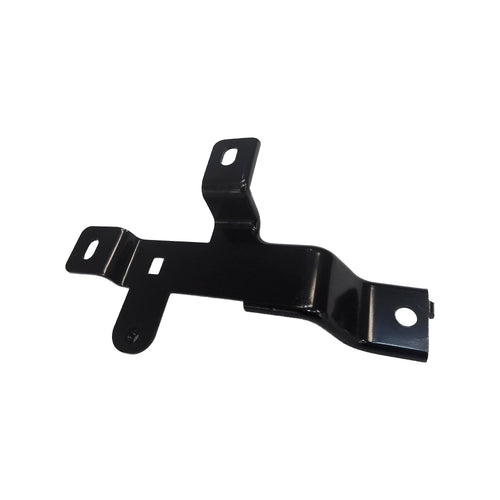
Listed here are front and rear oxygen sensors with their brackets and bracket weldments. The range also covers EGR temperature and pressure sensors and GPF temperature sensors. Match the OE number, because heater circuit resistance and signal type must suit what the control unit expects.
Confirm the sensor is at fault and not the exhaust. A leak upstream of a sensor gives exactly the readings that condemn it. Order anti seize rated for exhaust temperature, unless the sensor arrives with compound already on its threads. Add the bracket where the old one has corroded, since an unsupported sensor will chafe its cable through.
Priced lines are bought in the usual way, and anything without a price is quoted against the same factory number. Our BYD group listings are the fullest and grow brand by brand.
Before You Order: 6 Checks
- Order by position, since front and rear sensors differ in cable length, connector and technology.
- Match the OE number, because heater resistance and signal type must match the control unit.
- Rule out an exhaust leak upstream of the sensor before condemning it.
- Use the correct sensor socket, and apply anti seize to the threads only, never the sensor tip.
- Avoid touching or cleaning the sensing element, and never use silicone sealant nearby.
- Clear the fault memory after fitting and check that fuel trim returns to normal.
What Changed and Why
Sensor count in the exhaust has risen with every tightening of emissions legislation. Wideband upstream sensors have largely replaced switching types because they report an actual ratio rather than a threshold crossing, which allows finer control during warm up and under load, and particulate filters have brought their own temperature sensors to manage regeneration. On hybrid applications the engine starts and stops frequently, so heater circuits work harder to keep sensors at operating temperature, and heater failures have become a more common reason for replacement than the sensing element wearing out.
Lambda & Emission Sensors: Frequently Asked Questions
How do I know which oxygen sensor has failed?
Read the code and then the live data, since the code names a circuit rather than proving the part. An upstream sensor that has aged responds slowly, showing lazy switching or a signal that no longer swings as it should, and fuel trim drifts to compensate. A downstream sensor fault usually appears as a catalyst efficiency code or a heater circuit fault. Before ordering either, look for exhaust leaks ahead of the sensor, since air drawn in gives exactly the readings that condemn a healthy sensor.
Can an oxygen sensor be cleaned?
No, and attempts usually finish the job that age started. The sensing element is a ceramic coated with a very thin platinum layer, and solvents, wire brushes and heat all destroy it. Contamination from oil, coolant or silicone sealant fumes poisons the element irreversibly, which is why silicone products should never be used anywhere near an engine's intake or exhaust. If a sensor is contaminated or slow, replace it and find the source of the contamination.
Are front and rear sensors interchangeable?
Rarely, and it is the most common ordering error here. Cable lengths differ because the sensors sit in different places, connectors differ, and on many vehicles the upstream sensor is a wideband type while the downstream is a simple switching sensor, so they are entirely different devices sharing a shape. Fitting the wrong one either will not reach or will report on the wrong scale. Order by position as stated in the listing, matched by OE number.
Do oxygen sensors have a service life?
They wear rather than fail outright, and the ageing is gradual enough that most owners never notice the fuel it costs. Response slows as the element ages and the heater circuit weakens, so a sensor that still works can be reporting late enough to hurt economy and emissions. Many manufacturers suggest replacement intervals in the region of a hundred thousand miles. If a vehicle of that age has drifting fuel trim and no other fault, an upstream sensor is a reasonable suspect.
Why does a heater circuit fault matter?
Because a sensor only reads accurately once it is hot, and the internal heater brings it there within seconds of starting rather than waiting for exhaust heat. With a failed heater the control unit stays in open loop for far longer, running a preset fuelling map instead of correcting from measurement, which costs fuel and raises emissions during exactly the period when a cold catalyst is least effective. It is a genuine fault rather than a nuisance code, and the sensor is replaced as a unit.
What do these sensors cost?
Brackets sit right at the bottom of the range. Oxygen sensors are modest, with wideband upstream sensors costing more than simple downstream ones. EGR and particulate filter temperature and pressure sensors fall in a similar band. The live minimum and maximum are shown in the band at the top of this page. Compared with the catalytic converter that a misdiagnosed sensor can lead you to replace, everything in this category is inexpensive.
Can I fit an oxygen sensor myself?
Usually yes, and the main obstacle is the thread. Use a proper slotted sensor socket, work on a warm rather than hot exhaust since the metal releases more easily than when stone cold, and apply penetrating oil beforehand. Anti seize goes on the threads only, never on the tip. Route the cable exactly as the original ran, clear of the exhaust and any moving part, and clear the fault memory afterwards so the control unit relearns with the new signal.
What does an EGR pressure sensor do?
It measures the pressure difference across a restriction in the recirculation path, which lets the control unit calculate the actual flow rather than assuming the valve delivered what it was told to. That is how a flow fault is detected when the valve position looks correct. The sensor and its small sensing tubes clog with soot, which is a far more common cause of a flow fault than a failed valve. Check the tubes before ordering either part.
Why is my particulate filter regeneration not completing?
Because regeneration depends on reaching and holding a high exhaust temperature, and the control unit relies on temperature sensors to know whether it has. A sensor reading low aborts the regeneration, and one reading high ends it prematurely. Short journeys prevent it independently of any fault. Look at the sensor data before replacing hardware, since a filter judged blocked on faulty temperature readings is an expensive misdiagnosis.
Will a universal sensor work?
Universal sensors with a cut and splice connector exist and they are a poor choice on a modern vehicle. Heater resistance, signal type and connector pinout must match what the control unit expects, splices in an exhaust environment corrode, and a wideband sensor cannot be substituted with a switching type at all. The saving is small and the diagnostic time lost is not. Order the correct factory reference by OE number and position.
Should I replace both sensors at once?
Only if both are at fault or the vehicle has high mileage and you are already there. Sensors do not need to be matched as a pair, and the upstream one usually ages faster because it sees hotter, dirtier gas. Where an older vehicle has an upstream failure and the downstream sensor is original, replacing both while the vehicle is on the lift is a defensible decision. Where the mileage is modest, replace only the one the data condemns.
The sensor I need shows no price. Can I still order it?
Yes. Oxygen sensors differ by thread, by cable length, by connector and by whether they sit upstream or downstream of the converter, and the less common combinations are the ones without a figure. Send the number and state the position, since a front and a rear sensor for the same engine are rarely the same part. Avoid universal sensors that need splicing. The heater circuit and the signal wiring are sensitive to added resistance and a spliced joint in a wheel arch corrodes within a winter. Ask for the mounting bracket if the old one has rusted through.