Mufflers & Pipes
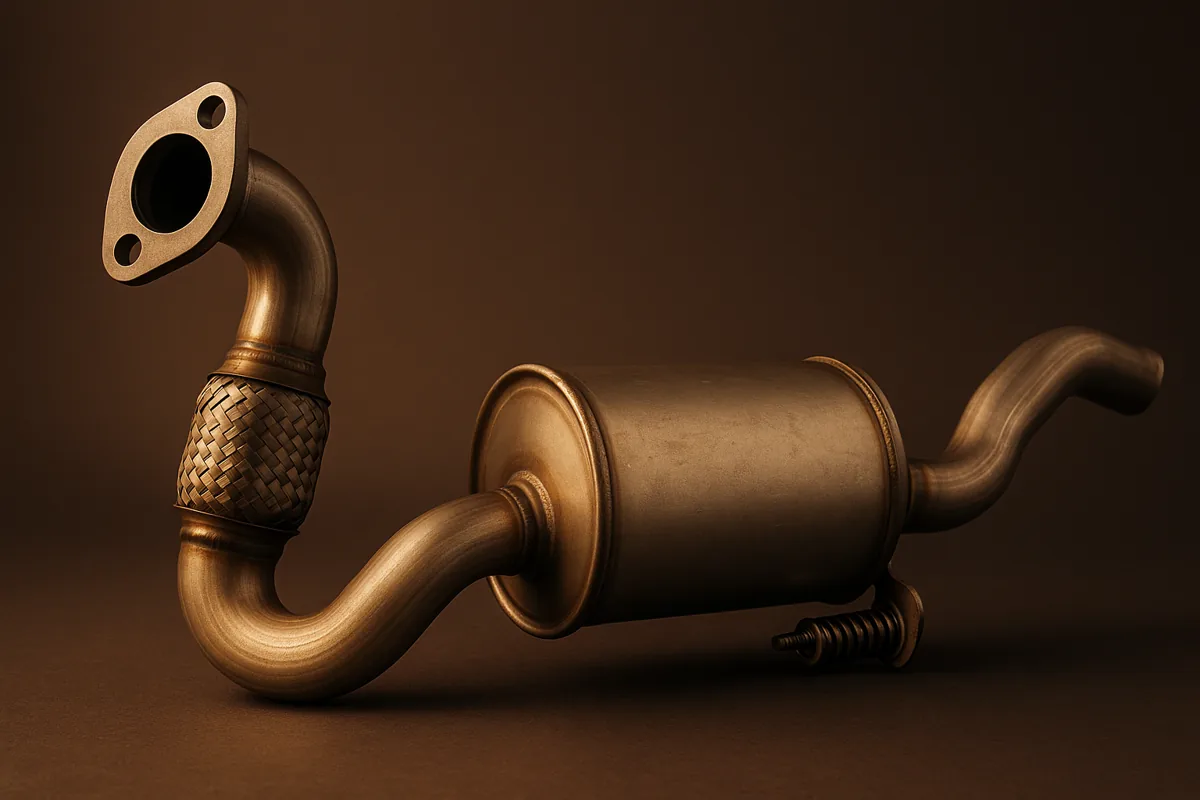
Shop Mufflers & Pipes by Part Type
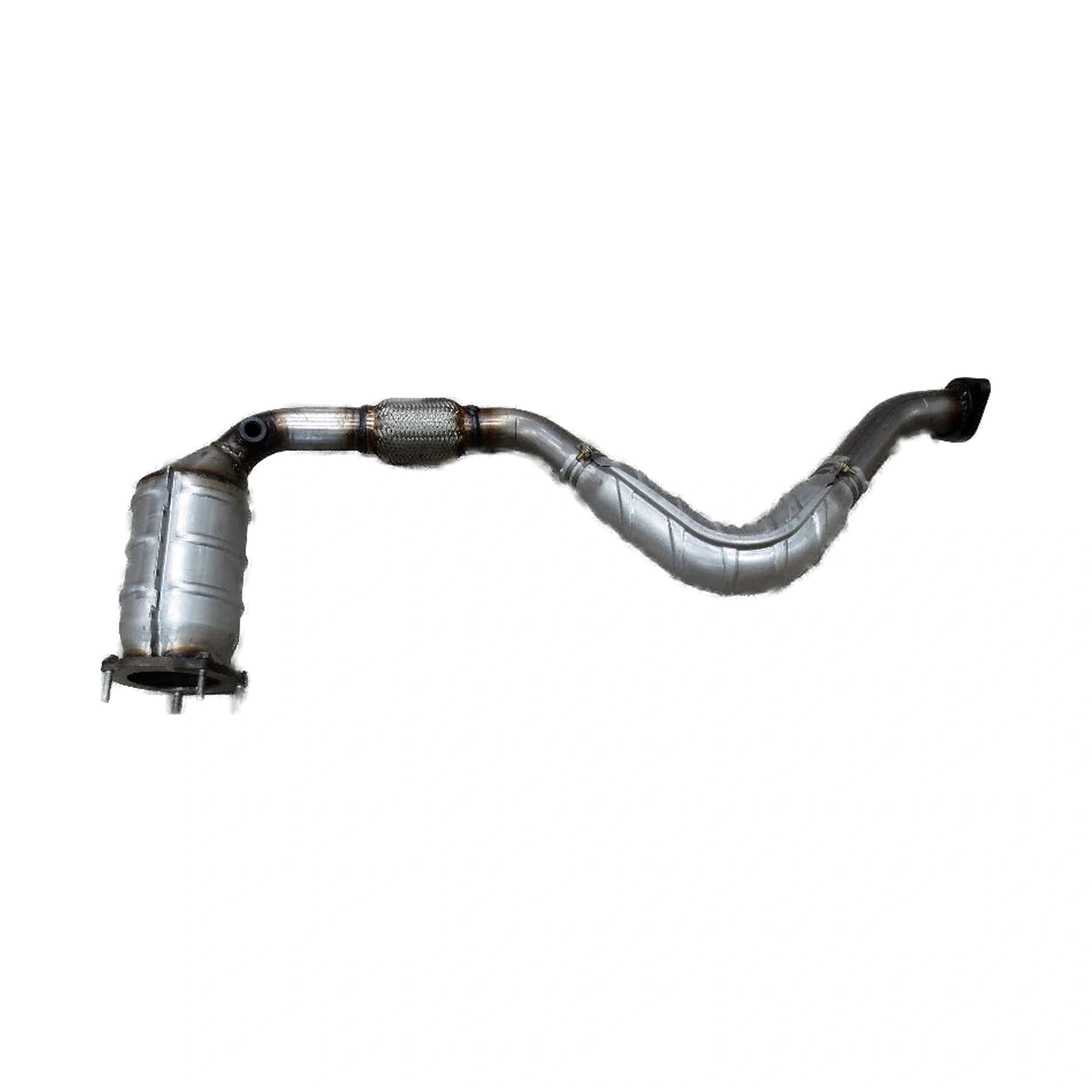
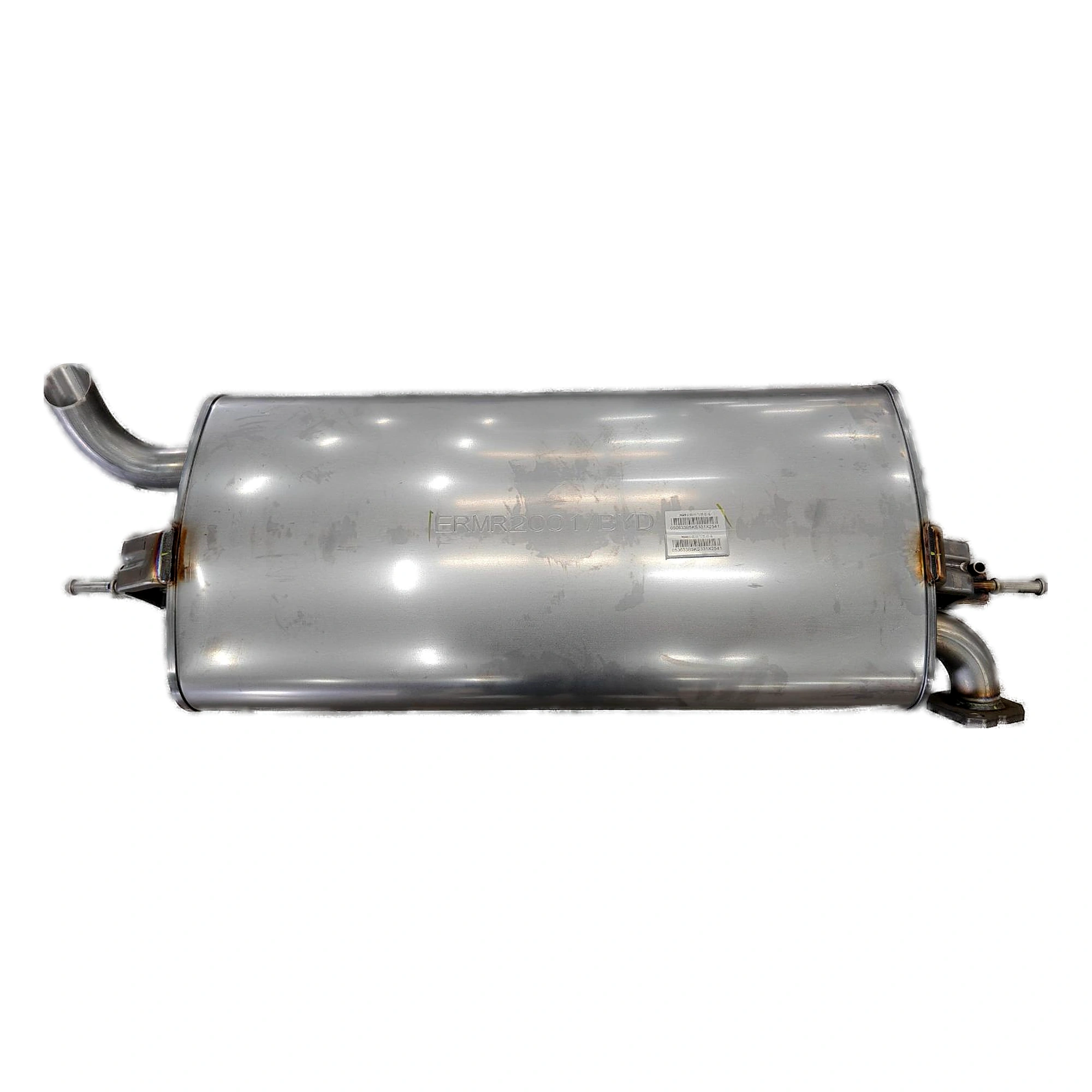
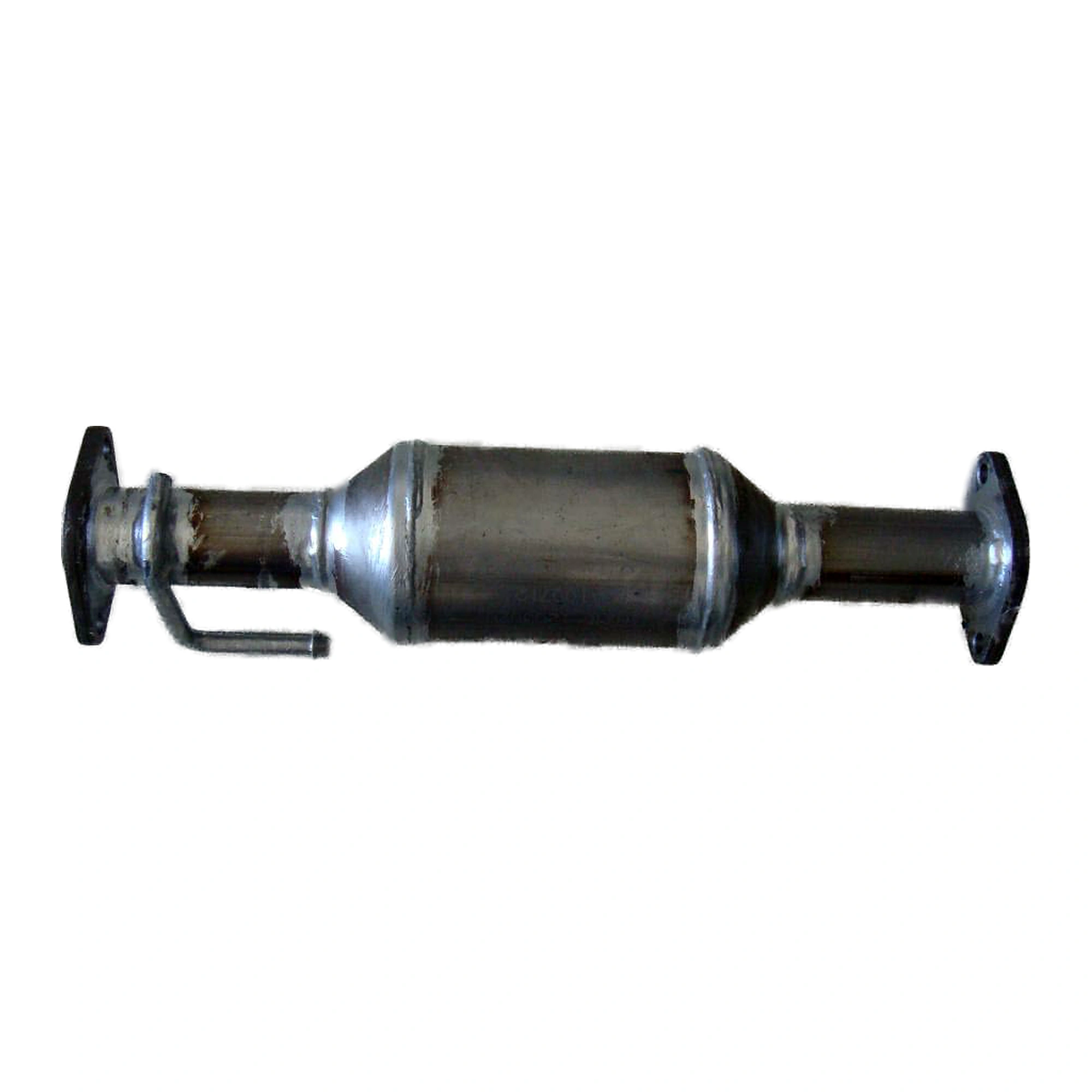
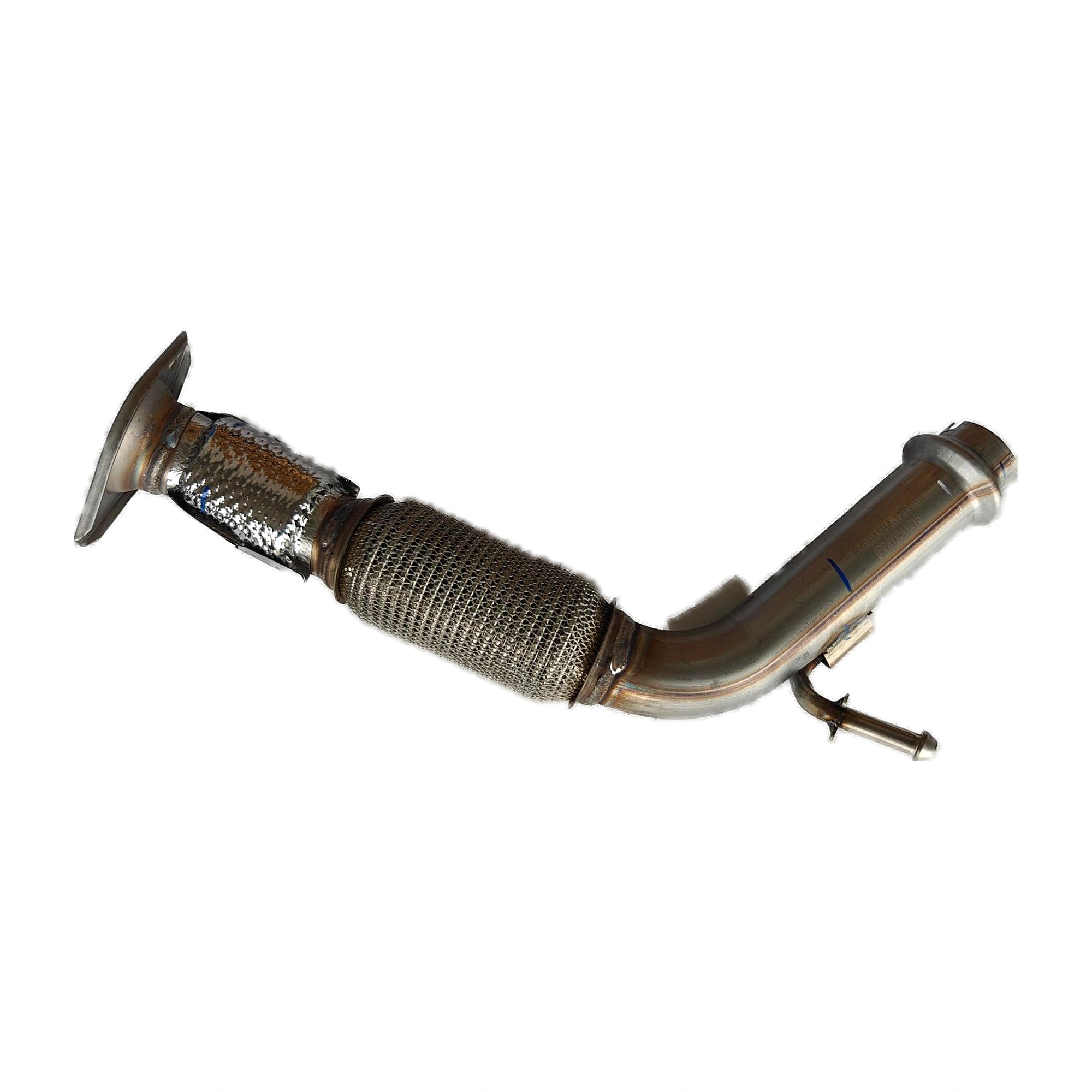
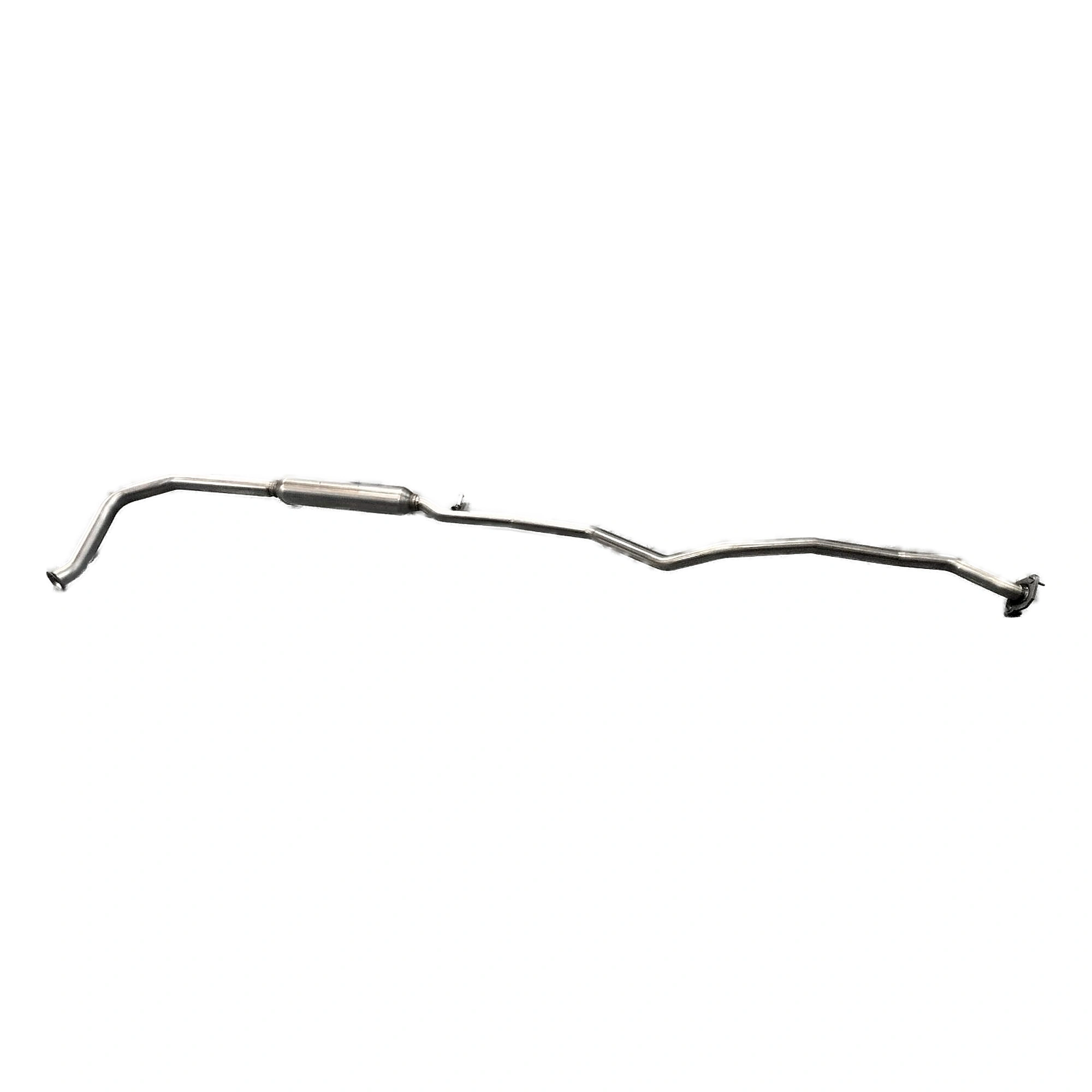
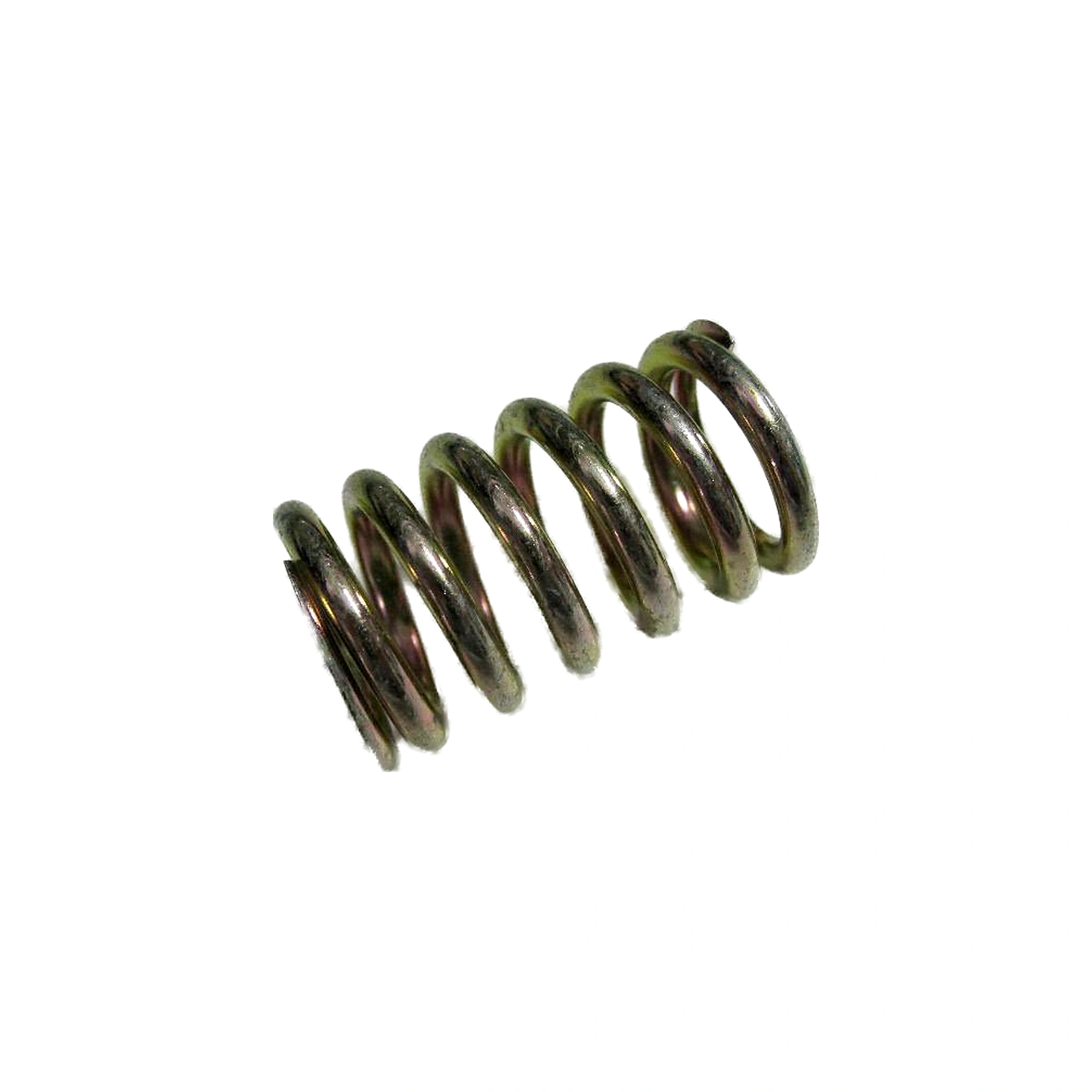
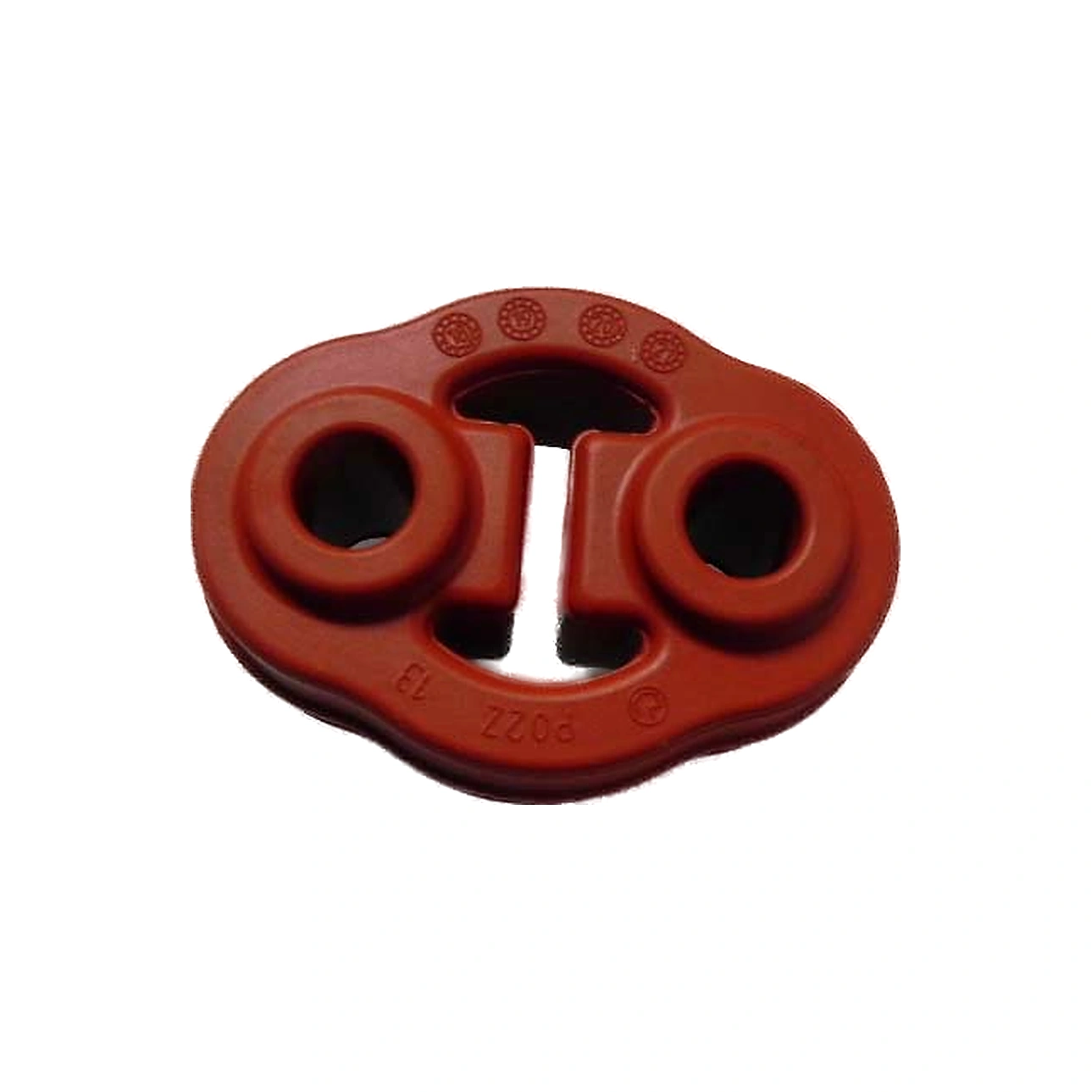
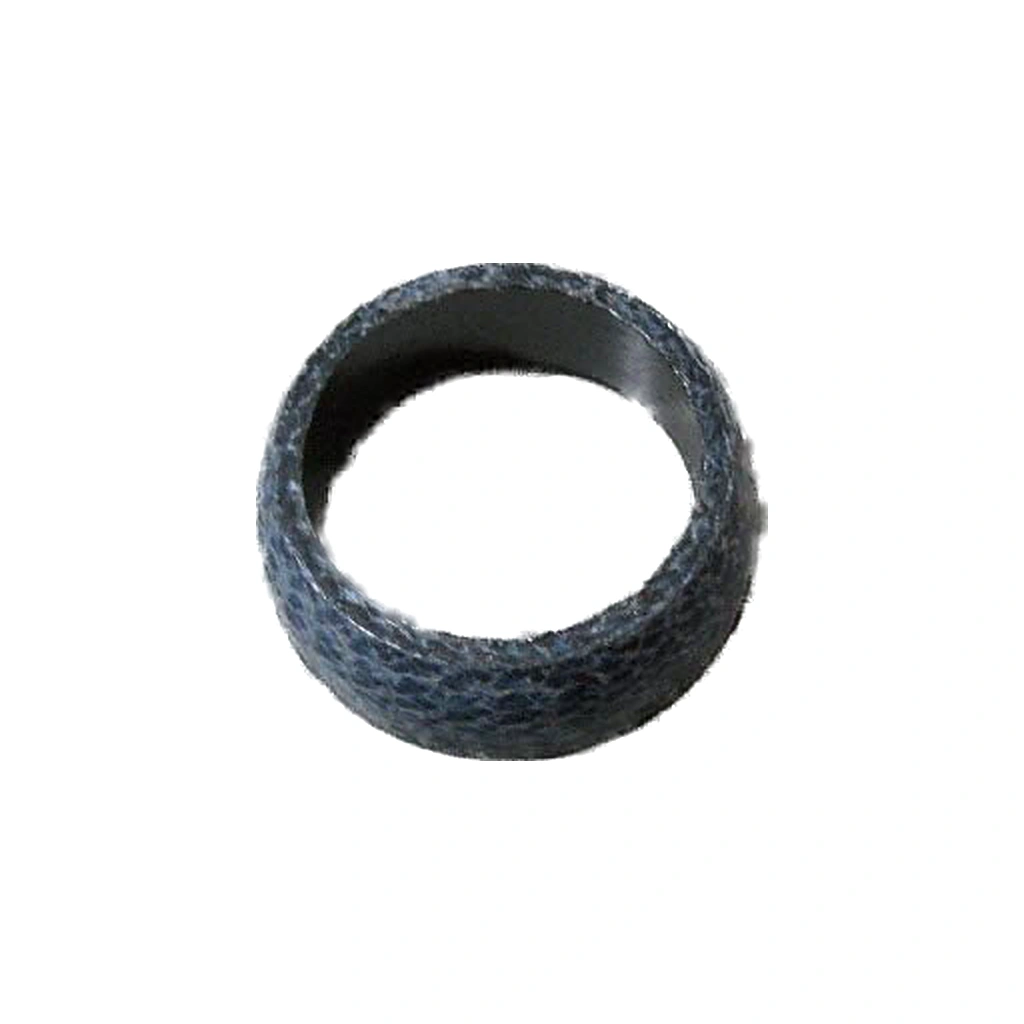
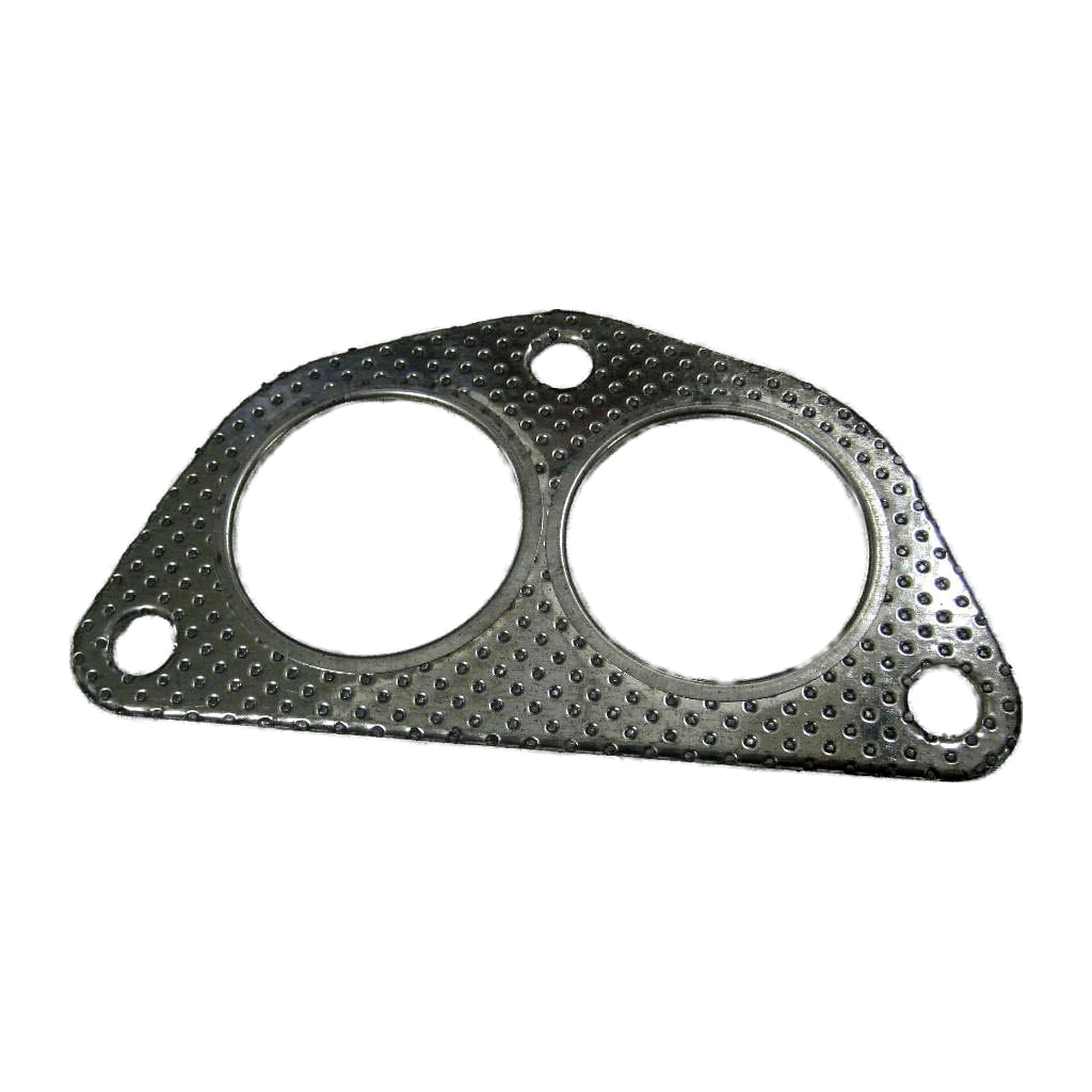
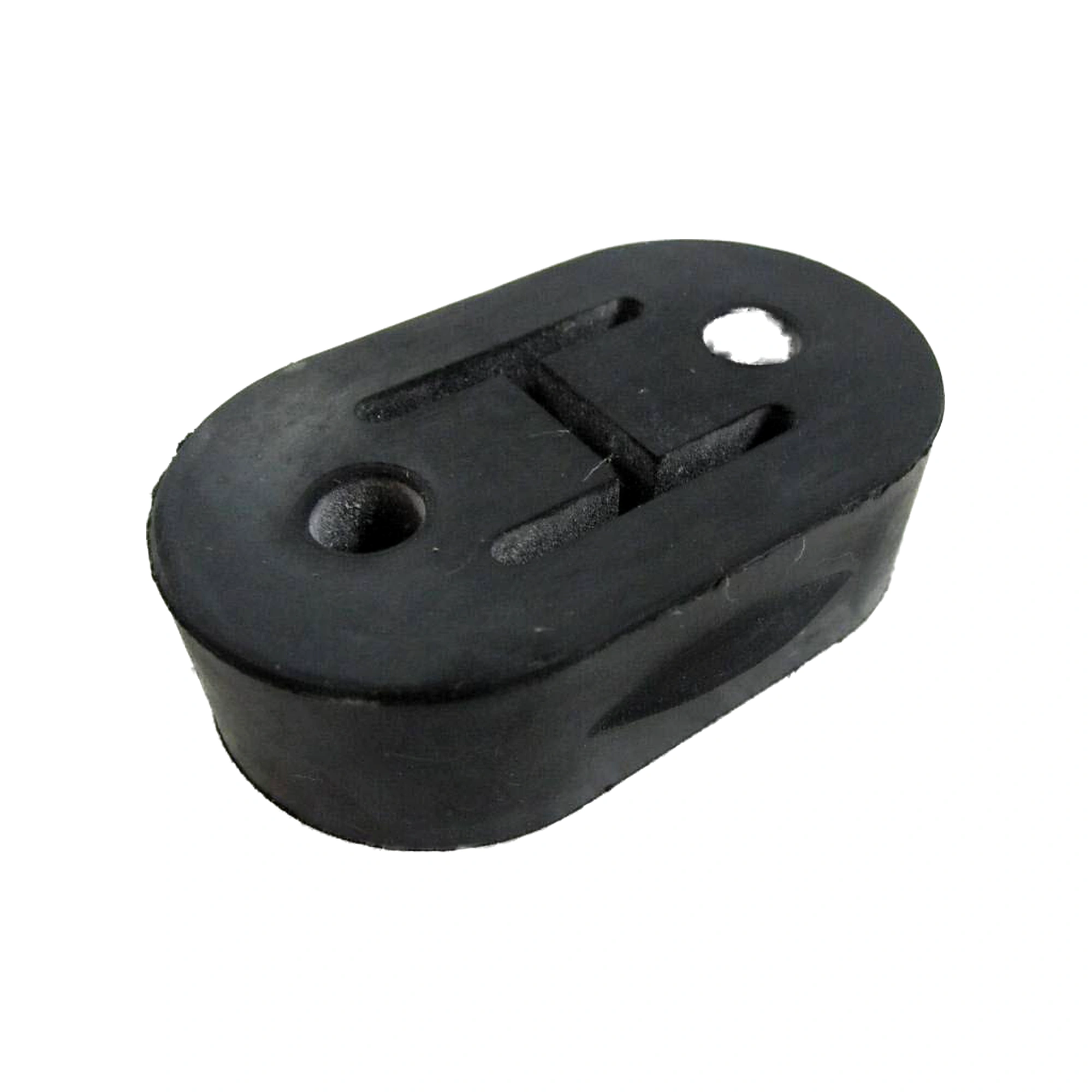
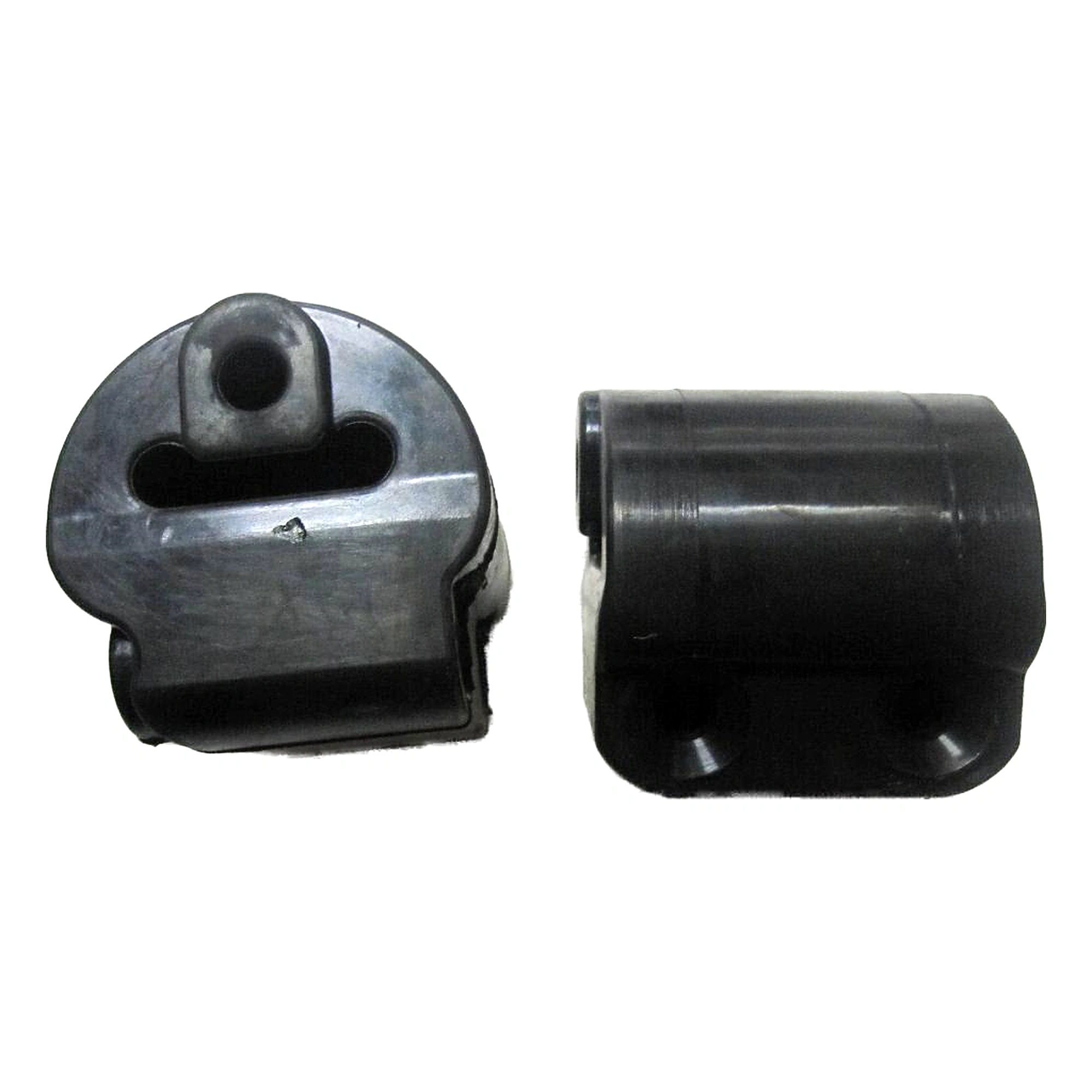
Popular Right Now
scroll for more →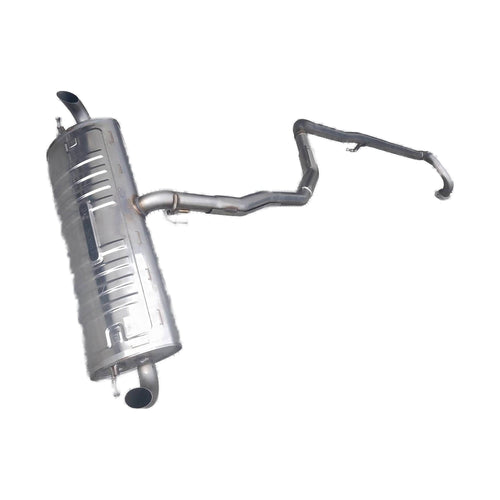
Symptom Finder: What Is Actually Broken?
| What you see or hear | Part to check first |
|---|---|
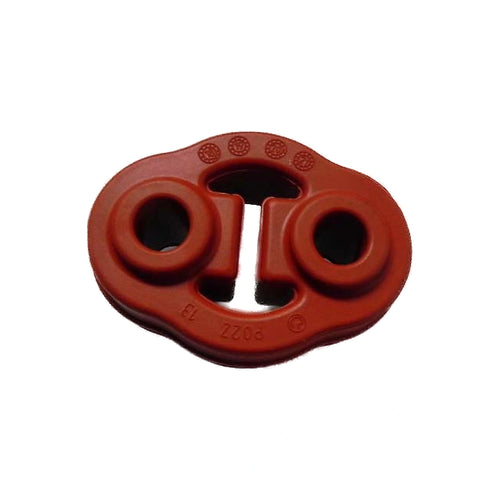
| Booming or droning that appeared gradually | Exhaust rubber hanger perished |
| Rattle from underneath over bumps | Exhaust hanger or hanger lug |
| Blowing noise that rises with engine speed | Exhaust pipe section or joint gasket |
| Leak at a joint that will not seal after reassembly | Spherical seal ring and springs |
| Exhaust hitting the underbody on rough roads | Exhaust rubber hanger |
| Corrosion holes at the lowest point of a section | Centre or rear exhaust pipe section |
About Mufflers & Pipes
Behind the catalyst, the exhaust has two jobs left: get the gas to the back of the vehicle and quieten it on the way. Silencing works by making sound waves cancel and lose energy, using expansion chambers, perforated tubes wrapped in absorbent material, and tuned lengths that reflect particular frequencies back on themselves. The system hangs from the underbody on rubber mounts that isolate vibration and allow the whole assembly to move as it heats and expands, which it does by a surprising amount. Joints between sections take that movement in two ways: a spherical seal, essentially a ball joint held by springs that lets the pipe articulate, and a flat flanged joint with a gasket where movement is smaller. Corrosion generally starts inside rather than outside, driven by acidic condensate that collects at low points during short journeys.
What to know before buying Mufflers & Pipes parts
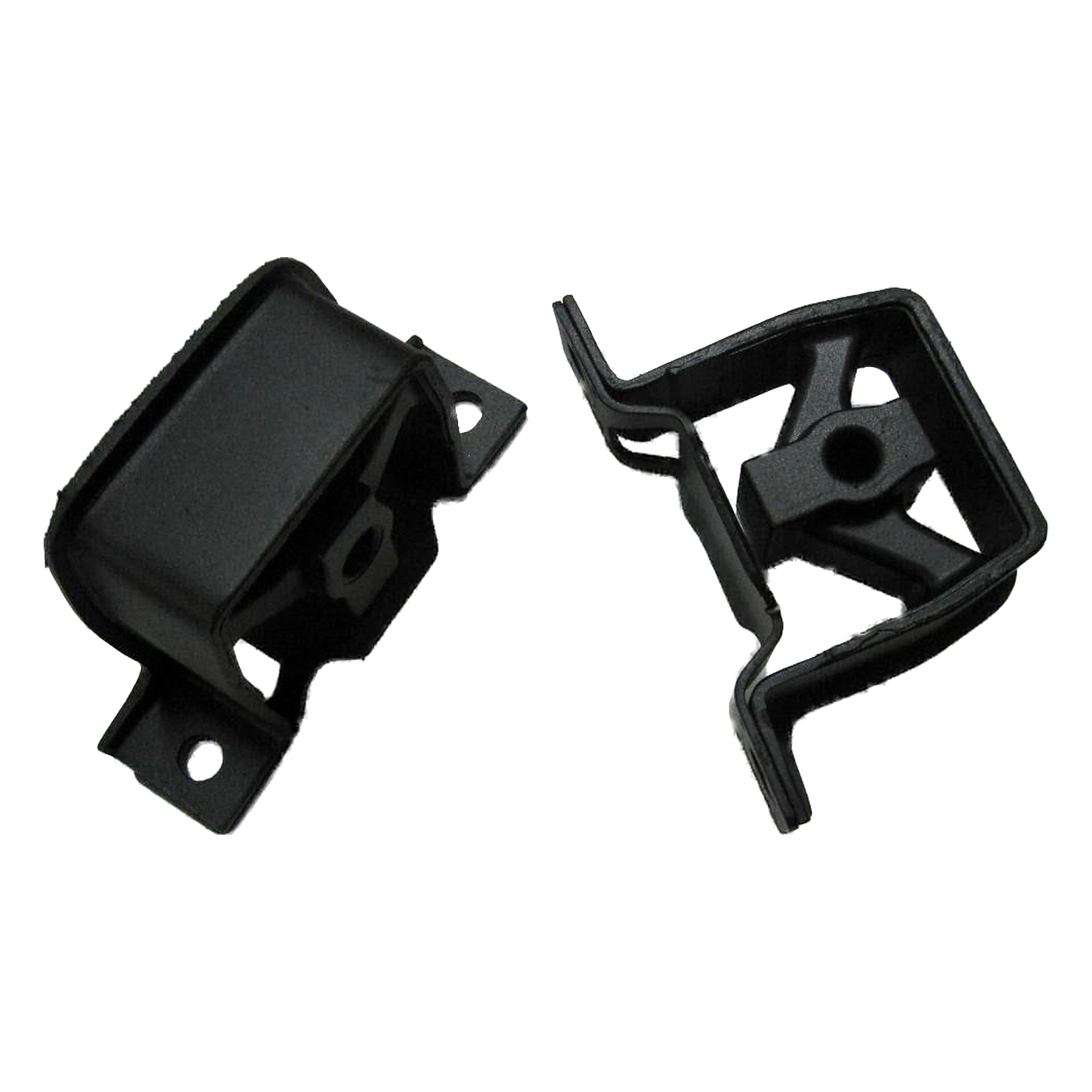
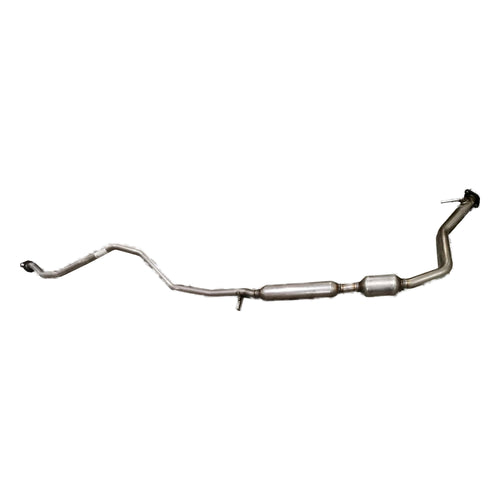
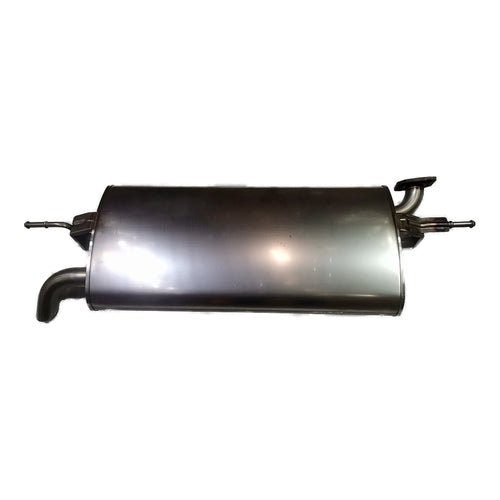
Order only the section that has failed. The system is split into front, centre and rear exhaust pipe sections, each listed on its own. Alongside them sit exhaust rubber hangers, hanger lugs, front hanger assemblies and rear hangers, springs, spherical seal rings and front flat gaskets. A corroded centre section can be renewed while sound pipework either side stays on the car. A drone caused by a perished hanger costs almost nothing to cure.
Buy fresh seals, springs and gaskets for every joint you open. None of them reseals reliably once disturbed. Add new nuts and studs, given the way exhaust fasteners behave. Rubber hangers belong in every order, since a tired set is what leaves a new section resting where it should not.
Match the OE number when you order. Pipe routing, hanger positions and section lengths follow the exact vehicle rather than the model name. A section that hangs a centimetre low will find the underbody on the first speed bump.
References carrying a figure are ready for checkout. Anything without a price is quoted against the same factory number, and the quote also returns the delivered figure for a long item. Our BYD group listings are the fullest at present.
Before You Order: 6 Checks
- Replace only the corroded section rather than the whole system, since sections are listed individually.
- Order new spherical seal rings, springs and flat gaskets for every joint you open.
- Match the OE number, because routing, section length and hanger positions follow the exact vehicle.
- Add new nuts and studs, since exhaust fasteners rarely survive removal.
- Inspect and replace tired rubber hangers while the system is down, as they are inexpensive.
- Fit the system loosely, align it, then tighten from the front backwards so nothing is strained.
What Changed and Why
Exhaust systems have become quieter by design and shorter in life expectancy in one specific circumstance: vehicles used mainly for short journeys, where the pipework never gets hot enough to drive off the acidic condensate that combustion produces, corrode from the inside within a few years regardless of how they look. Hybrid vehicles concentrate that problem, since the engine runs intermittently and often briefly. Materials have improved in response, with aluminised and stainless sections replacing mild steel on more of the system, and active valves appearing in rear silencers to vary the note.
Mufflers & Pipes: Frequently Asked Questions
My exhaust drones at a certain speed. Is the silencer finished?
Check the hangers before the silencer. When the rubber hangers perish and stiffen, the system stops being isolated from the body and transmits its vibration straight into the shell, which arrives in the cabin as a boom or drone at one particular engine speed. It develops gradually enough that owners assume the silencer has failed internally. Rubber hangers are among the cheapest parts on the site, so replacing a tired set is worth doing before spending on pipework.
Can I replace just one section?
Yes, and that is exactly why the catalogue lists front, centre and rear sections separately. Corrosion concentrates at the low points and around the joints, so a system frequently has one rotten section between two that are perfectly sound. Cut or unbolt at the joints, fit the new section with fresh seals and springs, and leave the rest alone. The only caution is that a very old joint sometimes has to be cut, which commits you to that section whether you planned it or not.
Why does my exhaust rot from the inside?
Because combustion produces water, and that water condenses into a mildly acidic liquid inside a cold exhaust. On a long run the pipework gets hot enough to evaporate it, and on repeated short journeys it never does, so the condensate sits in the low points and eats through the metal from within. That is why a system can look sound from outside and be perforated inside, and why exhausts on low mileage town cars often fail earlier than those on high mileage motorway cars.
What is a spherical seal ring?
It is the seal used at joints where the two sections need to articulate slightly, a ball and socket arrangement held together by two bolts with springs rather than rigid nuts. The springs let the joint move as the system heats and the drivetrain rocks, while keeping enough pressure on the seal to hold gas in. Both the seal and the springs are consumables: reusing tired springs leaves the joint under insufficient load, and it blows shortly after the job is finished.
How do I find an exhaust leak?
Listen with the engine cold and idling, since a leak is loudest before expansion closes it up. Work along the system with a length of hose held to your ear, or have a helper block the tailpipe briefly with a rag while you listen and feel along the joints. Soapy water sprayed along a suspect joint will bubble. Pay particular attention to the joints and the underside of each section, since corrosion holes are usually on the surface you cannot see.
What do exhaust parts cost?
Hangers, springs, seal rings and gaskets sit right at the bottom of the range, which is fortunate because they cure a large share of complaints. Pipe sections are modest, with the rear section usually costing more than the intermediate pipes because it contains the silencer. The live minimum and maximum are shown in the band at the top of this page. Because a whole system bought section by section costs less than most people expect, replacing only what has failed is genuinely worthwhile.
Can I fit an exhaust section myself?
On a supported vehicle with reasonable access, yes. Support the section before undoing anything so it cannot drop, soak the fasteners well in advance, and expect to cut a joint or two on an older system. Fit everything loosely first, align the whole system so it hangs centrally with clearance to the underbody, then tighten from the front backwards. Tightening from the back forwards is how systems end up strained, and a strained system cracks at a joint within months.
How much clearance does an exhaust need?
Enough that it never contacts the body, which usually means a couple of centimetres at every point with the system cold, remembering that the whole assembly grows in length as it heats and swings on its hangers over bumps. Check clearance to the fuel lines, the spare wheel well and any wiring. A system that touches will transmit noise into the cabin at best and wear a hole in something at worst. Adjust by moving hangers and rotating sections at the joints before final tightening.
Do hangers need replacing when a section is changed?
They are worth it, and they are cheap. The rubber has been holding a heavy hot assembly for years, and once it has stretched or cracked it no longer sets the system at the right height, which is how a new section ends up resting against the underbody. Replacing hangers while the system is down costs very little and removes the most likely reason a fresh section develops a rattle. The hanger lugs are also worth inspecting for corrosion.
Will a section from a related model fit?
Only where the number agrees. Routing follows the underbody, section length follows the wheelbase, and hanger positions follow the mounting lugs welded to the floor, all of which change between body styles and drivetrains that share a model name. A section that is close will hang at the wrong height and strain the joints either side. Read the number where legible, match it, and use the quote form where the reference brings back nothing.
Are stainless systems worth the extra?
Where you keep vehicles for a long time and use them for short journeys, yes, since internal condensate corrosion is what kills mild steel systems and stainless resists it. On a vehicle you will not keep long, or one that regularly covers motorway distances and dries its exhaust out, the case is weaker. Bear in mind that stainless is not immune, particularly at welds and in the presence of road salt, and that the factory section fits without adjustment.
The section I need shows no price. Can I still order it?
Yes. Exhaust sections are long, awkward to pack and easily dented in transit, so many are quoted with the delivered figure included rather than shown with a bare price. Send the number and your destination. Say which section you mean, since a centre pipe and a rear silencer for the same car are different references and the joint between them is where most corrosion starts. Add the rubber hangers, the spherical seal ring and the springs. Those are cheap, they perish with heat, and a new section hung on tired rubbers sits low and rattles against the floor.