Gaskets & Seals
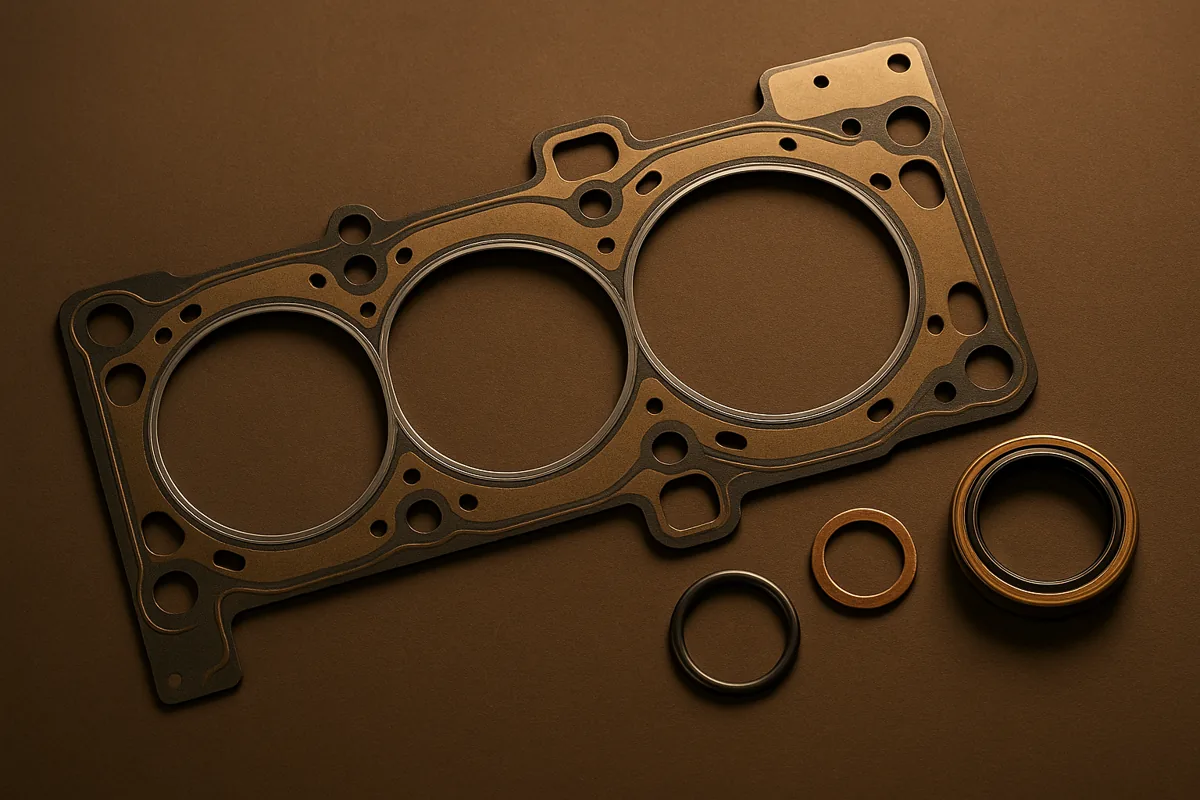
Shop Gaskets & Seals by Part Type
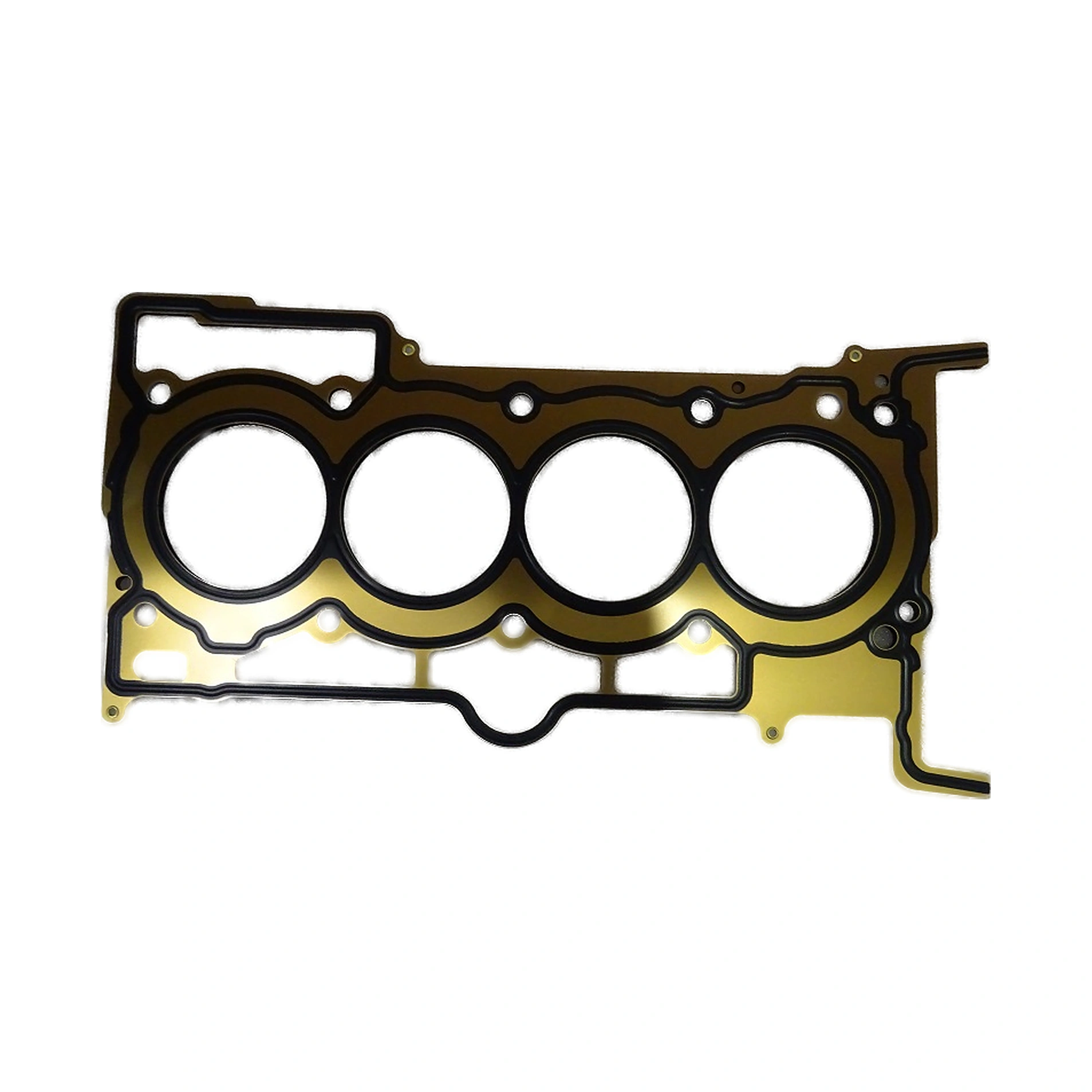

Popular Right Now
scroll for more →
Symptom Finder: What Is Actually Broken?
| What you see or hear | Part to check first |
|---|---|
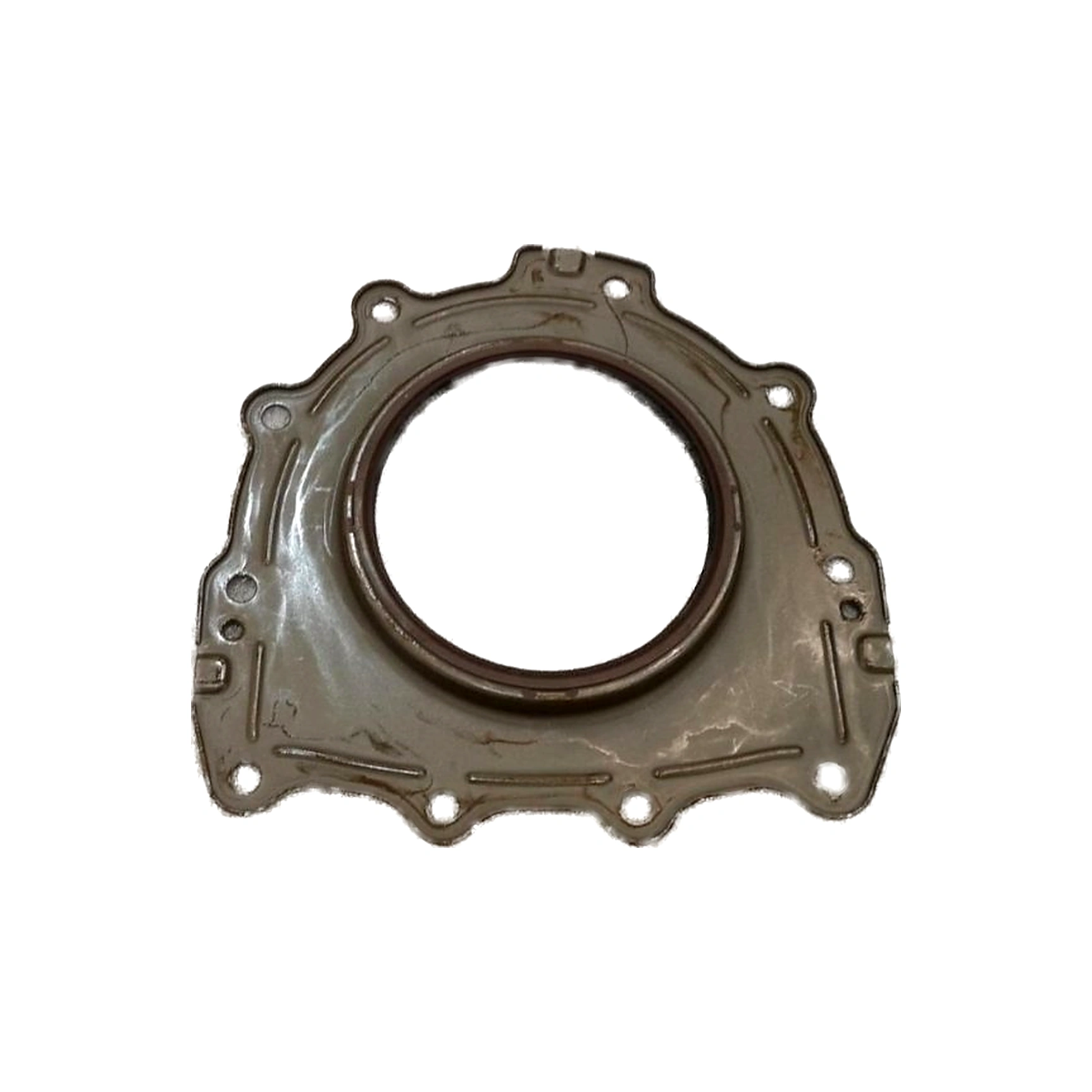
| Oil drip appearing at the rear of the engine near the bellhousing | Crankshaft rear oil seal |
| Oil weeping from the front of the engine behind the pulley | Crankshaft front oil seal |
| Oil seeping around the camshaft end of the head | Camshaft oil seal |
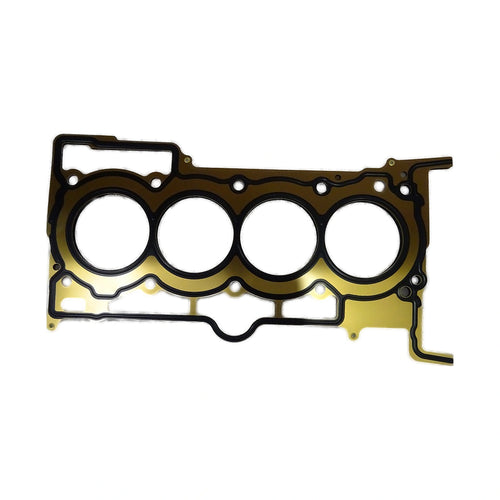
| Coolant and oil mixing with white exhaust smoke | Cylinder head gasket |
| Weep at the dipstick tube where it enters the block | Dipstick tube O-ring |
| Oil seeping from the sump plug after every service | Oil drain plug gasket |
About Gaskets & Seals
Sealing an engine means holding three fluids apart at temperatures and pressures that change constantly, and the components that do it are among the cheapest in the vehicle and the most consequential when they fail. A cylinder head gasket, usually multi layer steel on current engines, has to contain combustion pressure at the bores while sealing coolant and oil galleries a few millimetres away, and it relies entirely on even clamp load from the head bolts. Rotating shafts need a different approach: a lip seal with a garter spring, running against a polished surface on the crankshaft or camshaft, holding oil back with a contact width measured in fractions of a millimetre. Static joints use O rings, formed gaskets or anaerobic sealant depending on the joint. Every one of them is specified in a material chosen for the fluid and the temperature, which is why substituting a similar looking part rarely works.
What to know before buying Gaskets & Seals parts
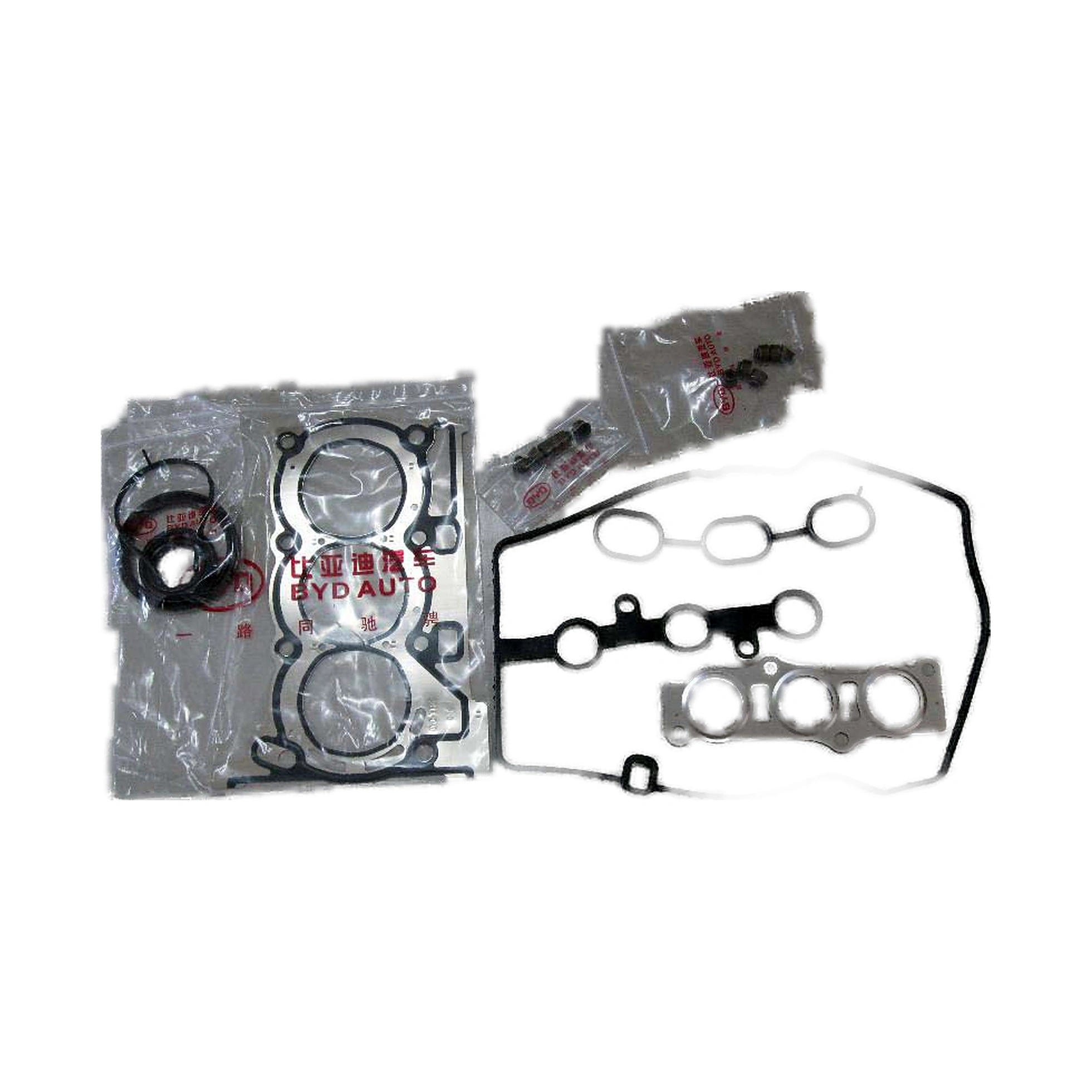
Individual seals are listed here as well as the kits. You will find cylinder head gaskets, crankshaft rear oil seals and rear oil seal assemblies. Camshaft oil seals, oil pump seal rings and main oil gallery seals are listed too. So are dipstick tube O rings and fluoroelastomer O rings given by exact dimension. Screw plug and oil drain plug gaskets, PCV valve gaskets and engine repair kits supplied as a set complete the list.
Use a kit where the job opens several joints at once. The parts arrive together and nothing is forgotten on the bench. A single reference suits a single seal. Match it by the OE number, and match O rings by the stated dimension and material.
Order a fresh sump plug washer with any oil change. The labour to reach most of these parts dwarfs their cost, so this is a poor category in which to economise on the reference.
Where a price is shown, you can order straight away. Anything unpriced is quoted against the same factory number, which is common for individual O rings and low volume seals. BYD group models are covered most fully, and cover widens as further catalogues load.
Before You Order: 6 Checks
- Match the OE number, and for O-rings match the stated dimension and material as well.
- Order new head bolts with any head gasket, since most are single use stretch bolts.
- Inspect the shaft running surface before fitting a lip seal, because a groove will leak again immediately.
- Use a repair kit where a job opens several joints, and individual seals for a single leak.
- Fit lip seals dry or lightly oiled as the manufacturer specifies, never with sealant on the outer face.
- Replace the sump plug washer at every oil change rather than reusing it.
What Changed and Why
Sealing materials have moved on from the paper and cork of a generation ago, and the change affects how parts should be fitted. Multi layer steel head gaskets with elastomer coatings need clean, flat faces and correct angle tightening rather than heavy torque, moulded rubber gaskets are designed to be fitted dry and are ruined by silicone sealant, and fluoroelastomer O rings are specified for temperature and fluid compatibility rather than size alone. Anaerobic sealants have replaced gaskets entirely on several joints, which means the correct product matters as much as the correct part.
Gaskets & Seals: Frequently Asked Questions
There is oil at the back of my engine. Which seal is it?
Most likely the crankshaft rear seal, which sits where the crankshaft leaves the block at the gearbox end, and it is the classic source of a drip that appears at the bellhousing joint. Before ordering, rule out cheaper causes: a rocker cover gasket leaking down the back of the engine, a sump gasket, or a blocked crankcase ventilation system pressurising the crankcase and pushing oil past healthy seals. Clean the area, run the engine and find the highest wet point, since oil always travels downwards.
Why do lip seals leak after being replaced?
Nearly always because the shaft surface was not checked. A lip seal runs against a polished band on the shaft, and after years of service it wears a fine groove into that band. Fitting a new seal at the same depth puts its lip straight back into the groove, where it cannot seal. The remedies are to fit the seal at a slightly different depth where the design allows, or to fit a speedi sleeve. Inspect the shaft with a fingernail before assembling anything.
Should I buy a repair kit or individual seals?
Match it to the job. If you are opening several joints at once, a kit is the better purchase, since everything arrives together and you are not held up by a missing O ring with the engine in pieces. For a single leaking seal, the individual reference is cheaper and avoids paying for parts you will never use. This category lists both, including engine repair kits supplied as complete sets and O rings specified by exact dimension and material.
Can I use silicone sealant on a rubber gasket?
No, and it causes more leaks than it cures. Moulded rubber gaskets are designed to seal by compression against clean faces, and adding silicone stops them seating correctly, squeezes out into oil galleries where it breaks off and blocks passages, and makes the next removal far harder. Sealant belongs only where the manufacturer specifies it, typically at corners where two joints meet or on joints designed for anaerobic sealant instead of a gasket. Fit gaskets clean and dry unless told otherwise.
Do I need to change the sump plug washer every time?
Yes, and it costs almost nothing to do so. The washer is designed to crush and conform to the sealing face, so once used it has already deformed and will not do the same job again, which is why a plug that has been reused for several services eventually weeps. Reusing it also tempts people to overtighten, which strips the thread in an aluminium sump. Order a few with your oil filter so there is always one to hand.
What do gaskets and seals cost?
This is one of the cheapest categories in the catalogue. O rings, plug gaskets and sump washers sit right at the bottom of the range, individual oil seals are inexpensive, and even cylinder head gaskets and complete repair kits remain modest relative to the labour to fit them. The live minimum and maximum are shown in the band at the top of this page. Given the labour involved in reaching most of these parts, buying the correct factory reference is a poor place to economise.
How do I know whether a leak is oil or coolant?
By colour, feel and smell. Engine oil is dark, slippery and smells of oil. Coolant is coloured, slightly sticky when it dries and smells sweet. Where both are present near the head joint, or where you find an emulsion on the filler cap, the head gasket is the candidate. Cleaning the area thoroughly and using a fluorescent dye is the reliable way to trace an intermittent leak, since guessing from where the oil ends up is unreliable on a hot, moving engine.
Why did my new head gasket fail?
Three usual reasons, and none of them is the gasket. The head was not checked for flatness and was warped from the original overheat. The stretch bolts were reused rather than replaced, so clamp load was uneven. Or the cause of the original overheating, a thermostat, a pump, a fan or a blocked radiator, was never found and the engine overheated again. Address all three when planning the repair and the new gasket will do its job.
Are O-rings interchangeable if the size matches?
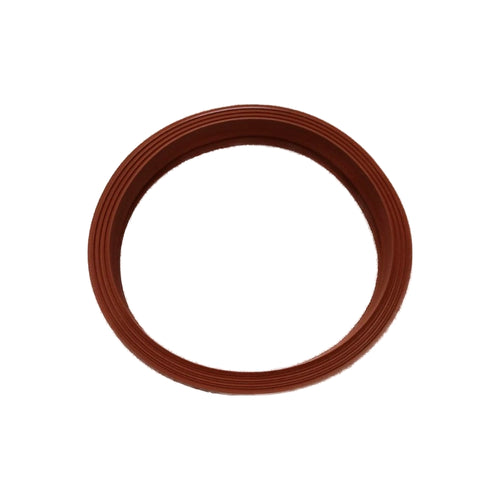
Size is only half of it. Material matters just as much, because an O ring has to be compatible with the fluid it seals and the temperature it sees, and a nitrile ring in a location specified for fluoroelastomer will swell, harden or degrade. The catalogue lists rings by dimension and material for exactly that reason. Match both, and where you are unsure which material your application needs, order by the OE number rather than by measuring the old ring.
Can I replace a rear crankshaft seal without removing the gearbox?
On almost all vehicles, no. The seal sits behind the flywheel or flexplate at the gearbox end of the crankshaft, so the transmission has to come out to reach it. That is why the job is usually combined with a clutch replacement, where the gearbox is already off, and why it is worth fitting a new seal at that point even if the old one is not yet leaking. Budget accordingly, and check the crankshaft surface while access is open.
What is a main oil gallery seal for?
It closes the drillings that carry pressurised oil through the block to the bearings and the head. Those galleries are drilled straight through during manufacture and then plugged, and the seal or plug at each end keeps the pressure in. A failure there loses oil pressure rather than merely dripping, which makes it a more serious fault than an external leak. These seals are usually only disturbed during a rebuild, and they should be replaced whenever the block is stripped.
The part I need shows no price. Can I still order it?
Yes. This is the category with the largest number of very small references, and single O rings or gallery seals are often the ones sitting without a figure because they sell in tiny quantities. Ask against the number and you will get a price and, where it exists, the repair kit that contains the same item alongside its neighbours. The kit is usually the better buy. Once a cover is off, the seals around it are disturbed too, and a second stripdown to replace a trivial ring you decided to reuse is the expensive outcome.