Locks, Latches & Sunroof
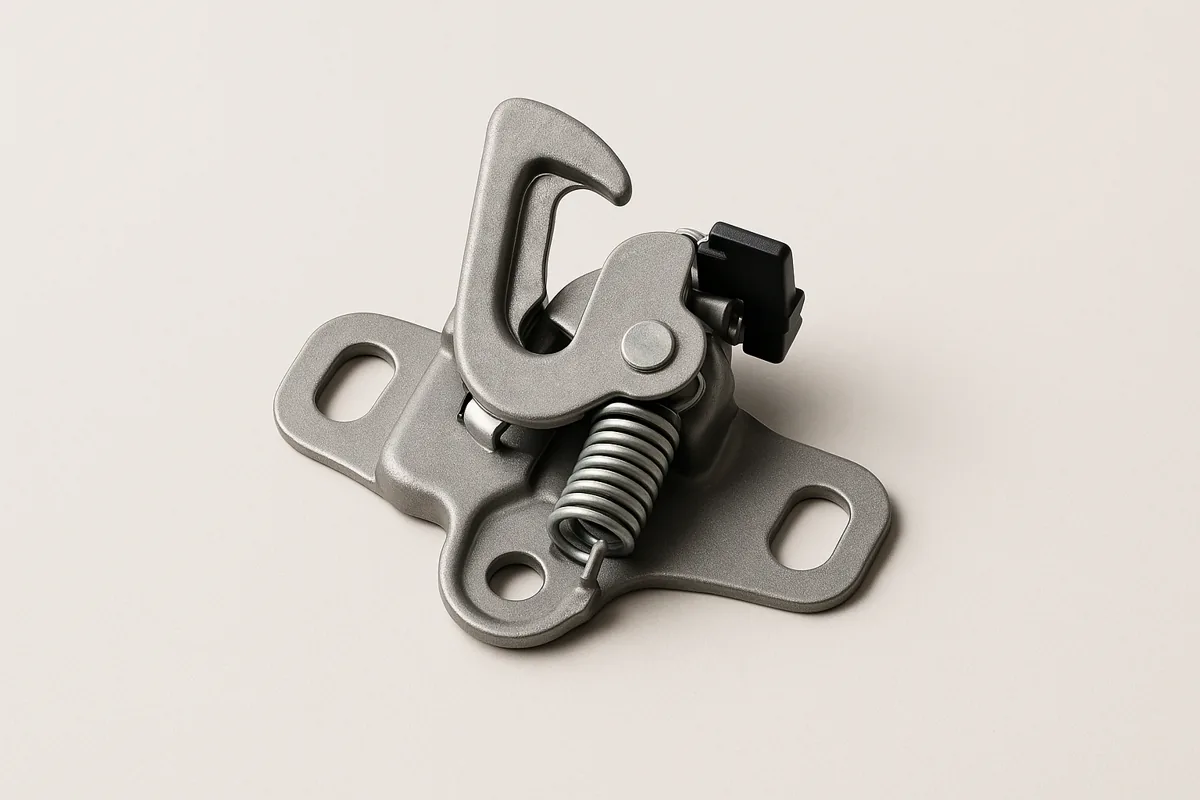
Shop Locks, Latches & Sunroof by Part Type
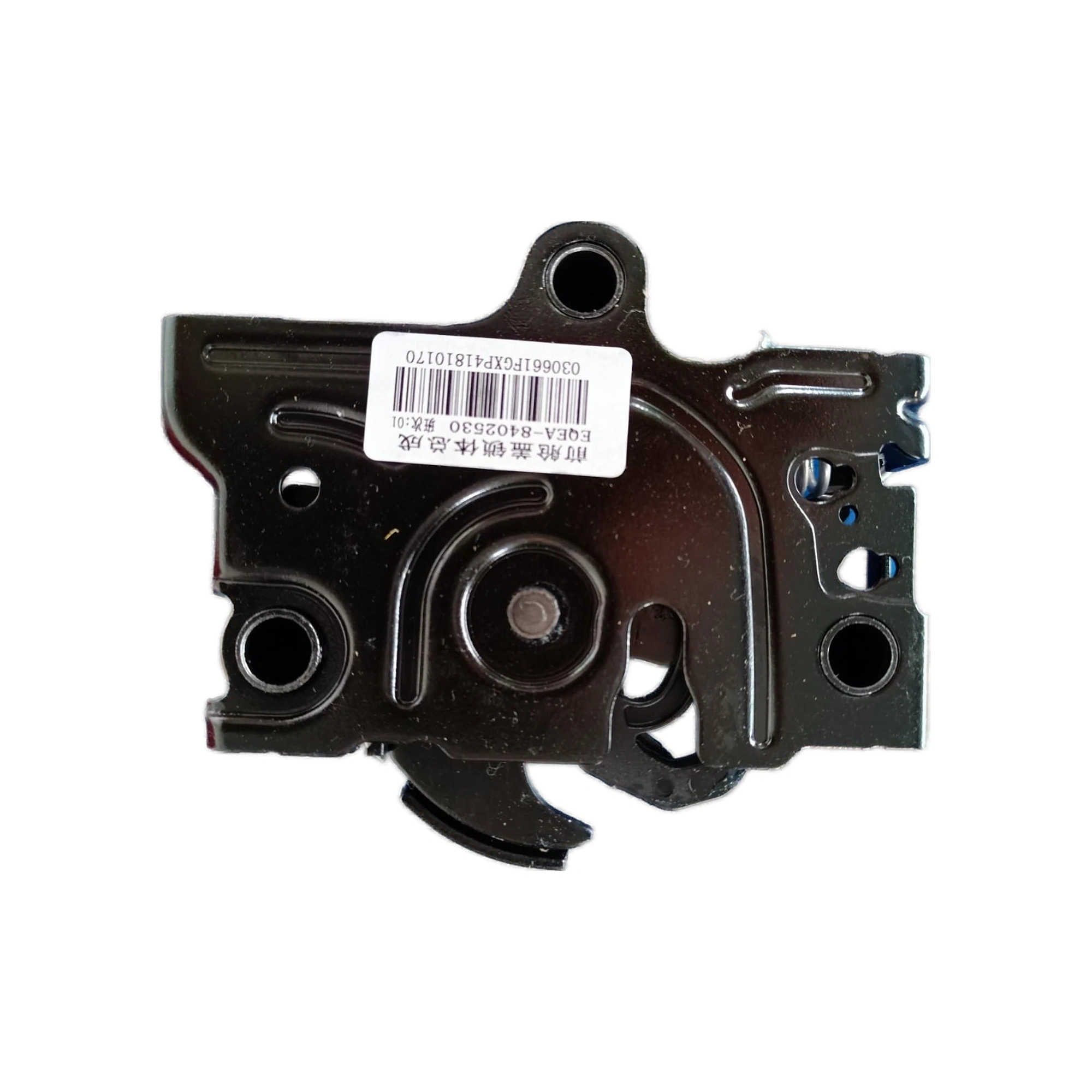
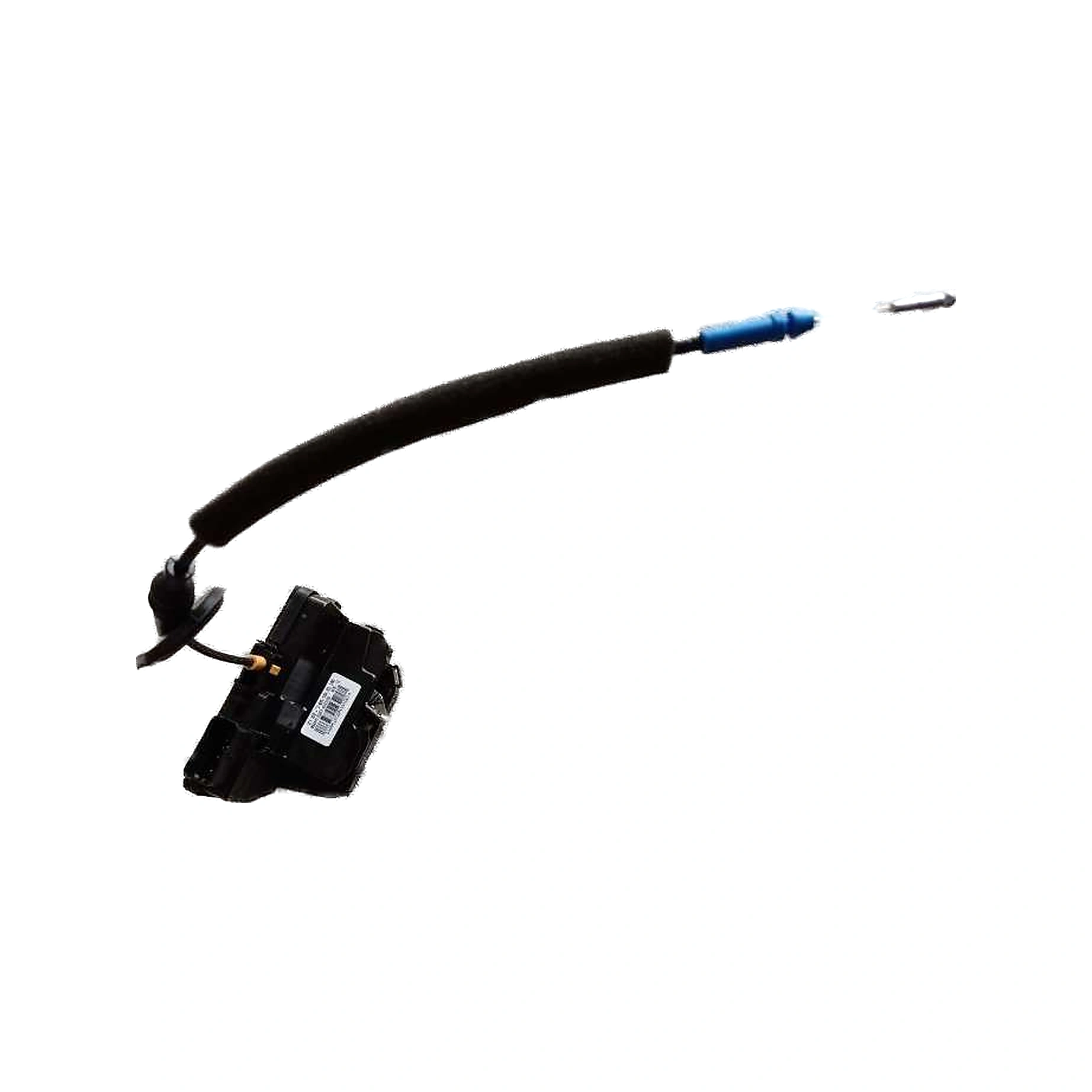
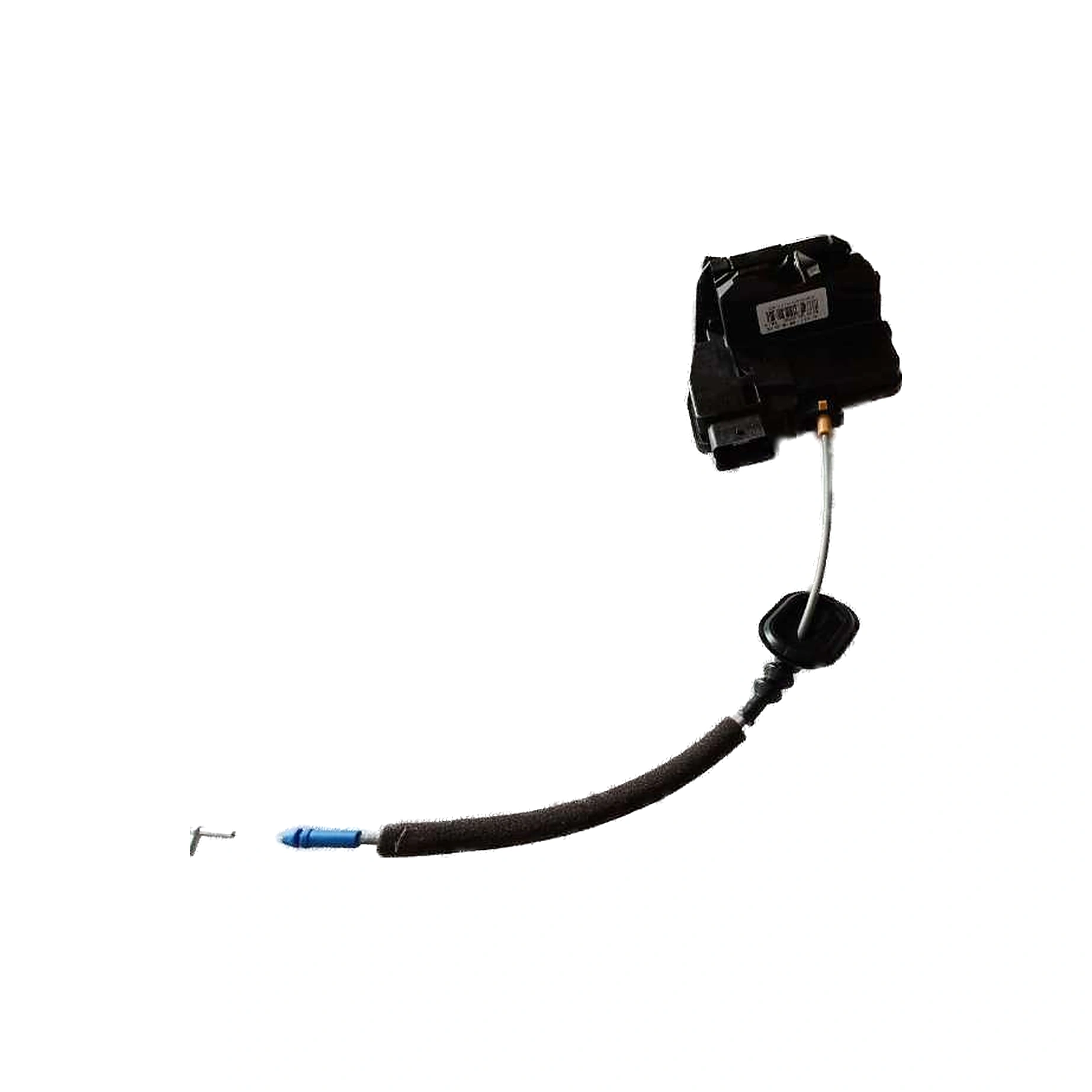
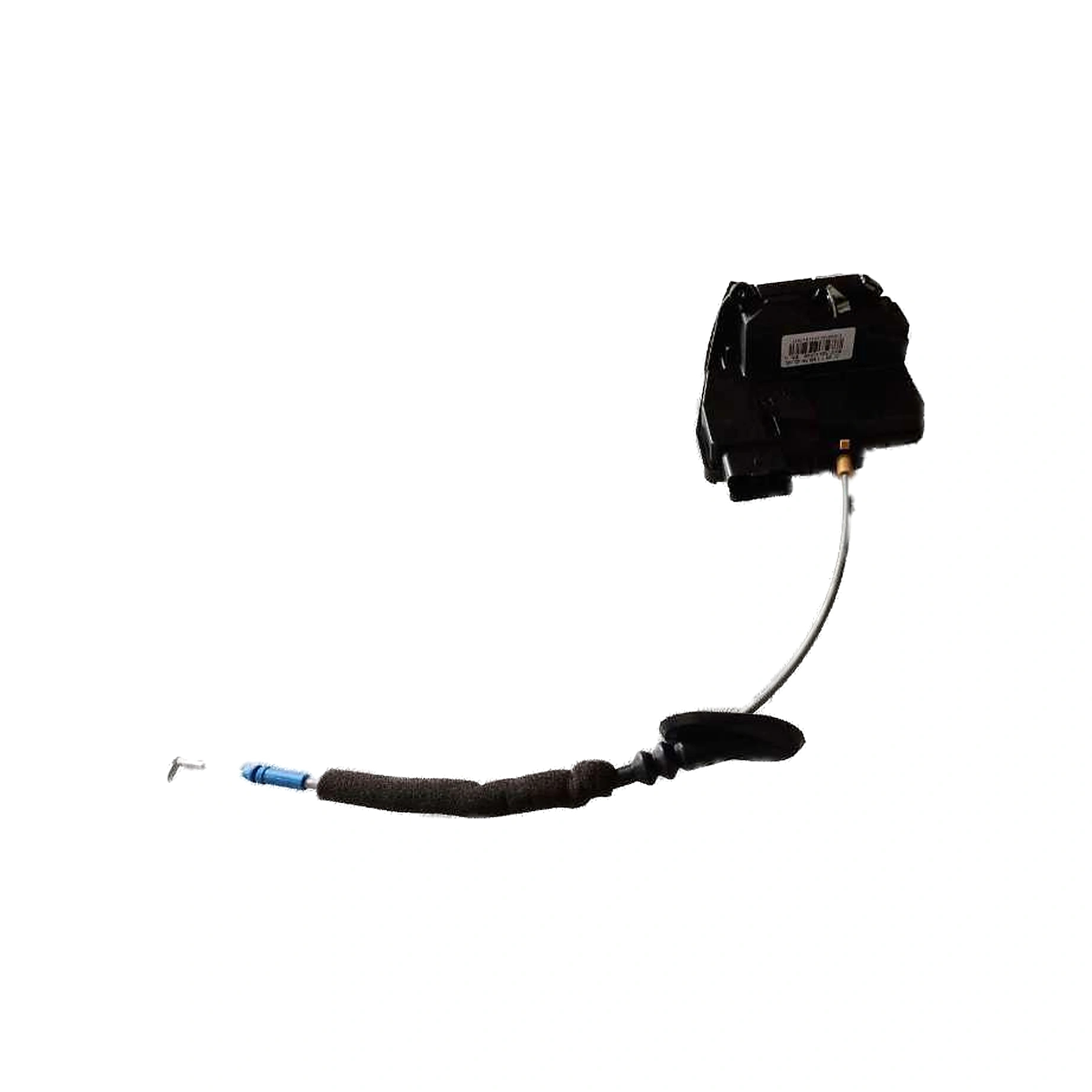
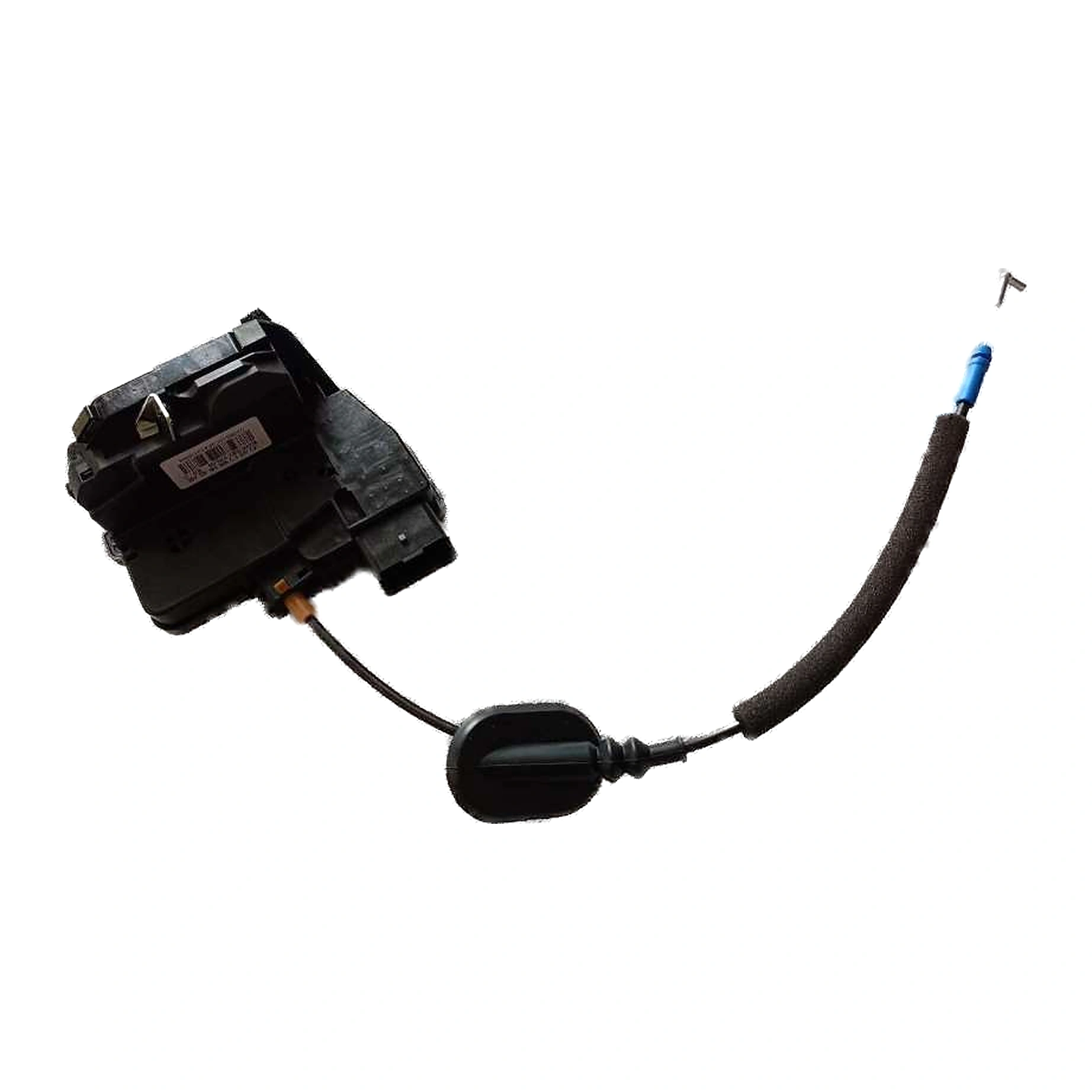
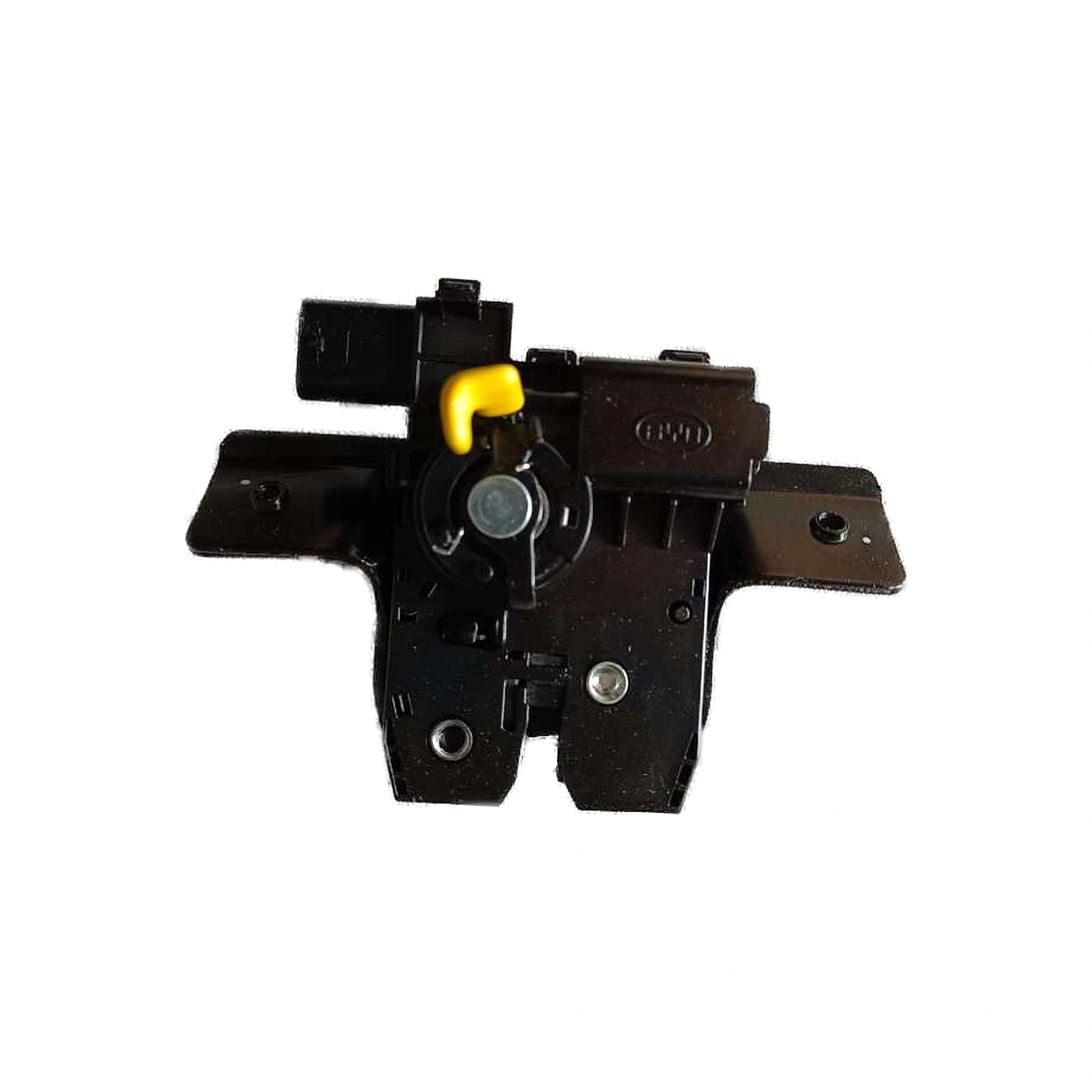
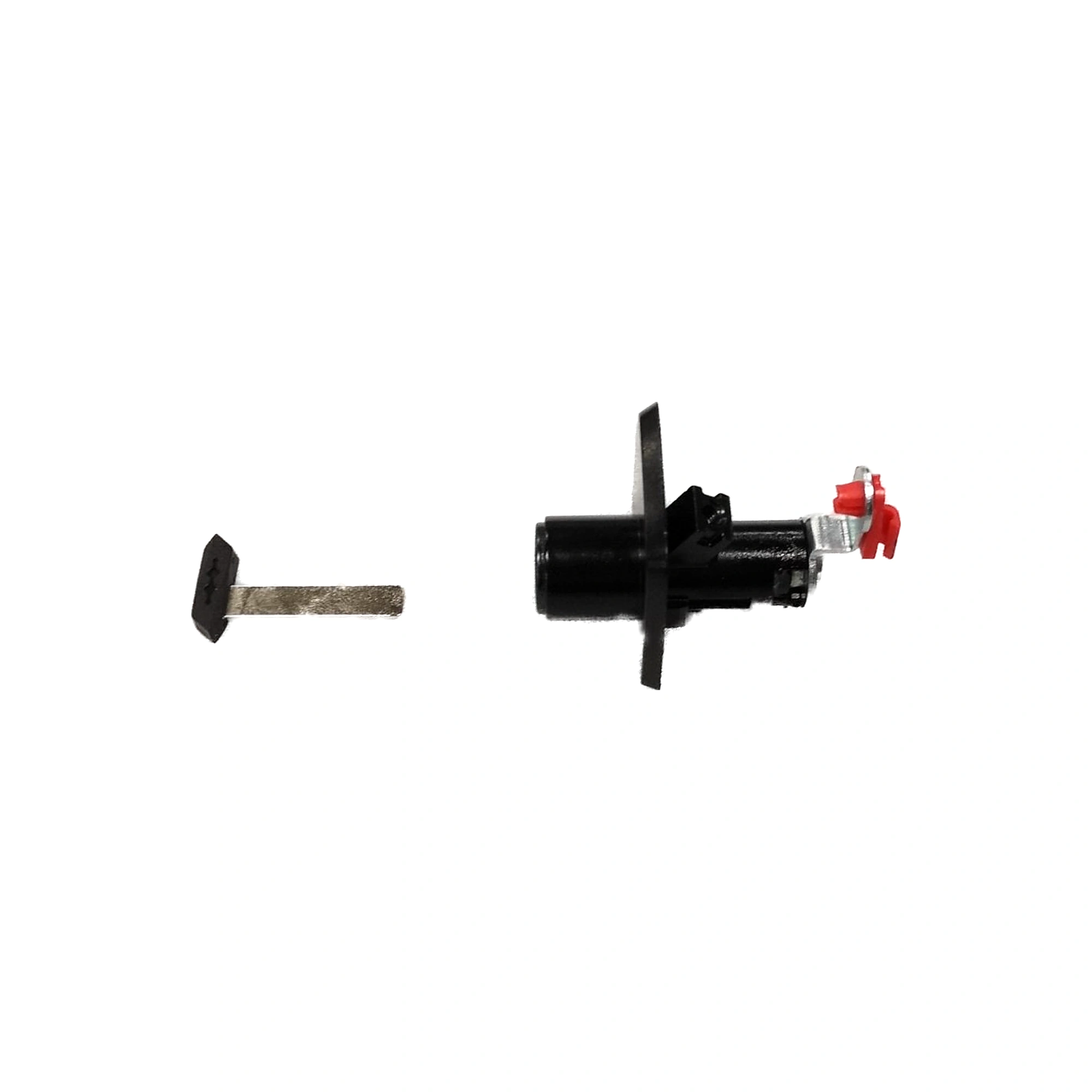

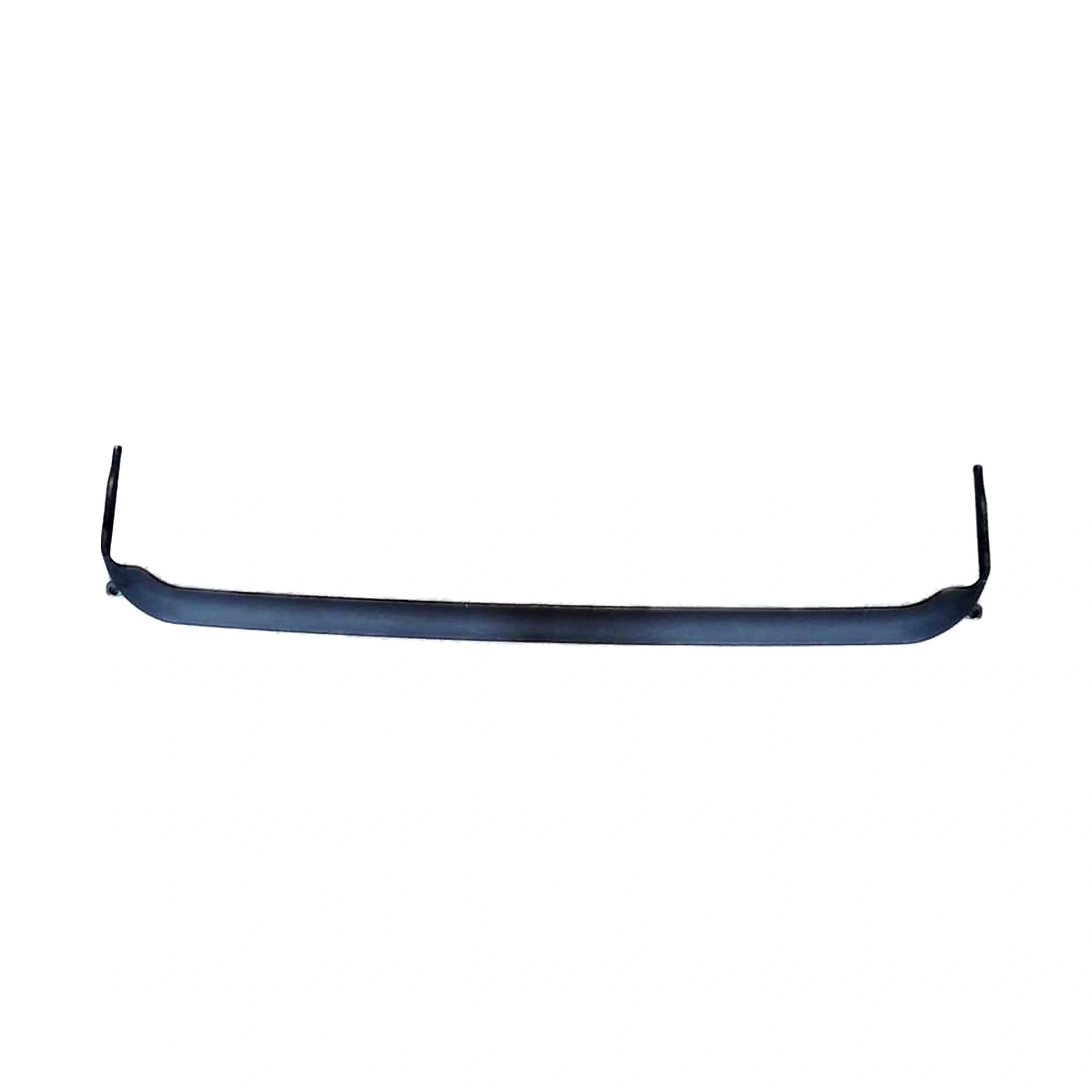
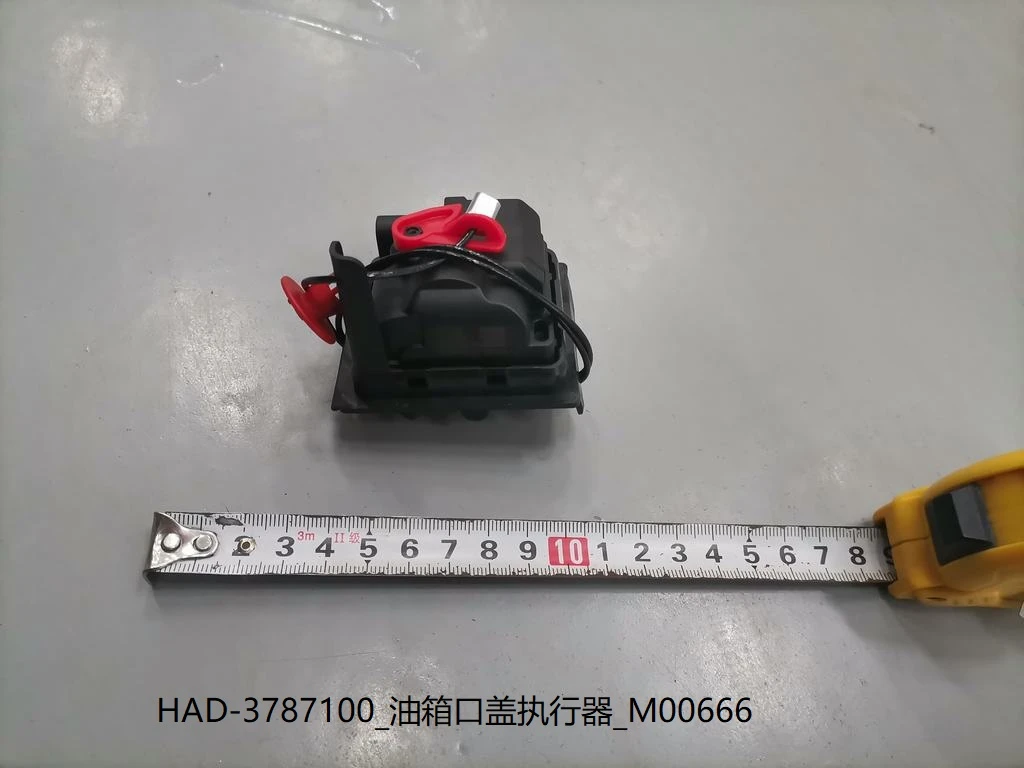
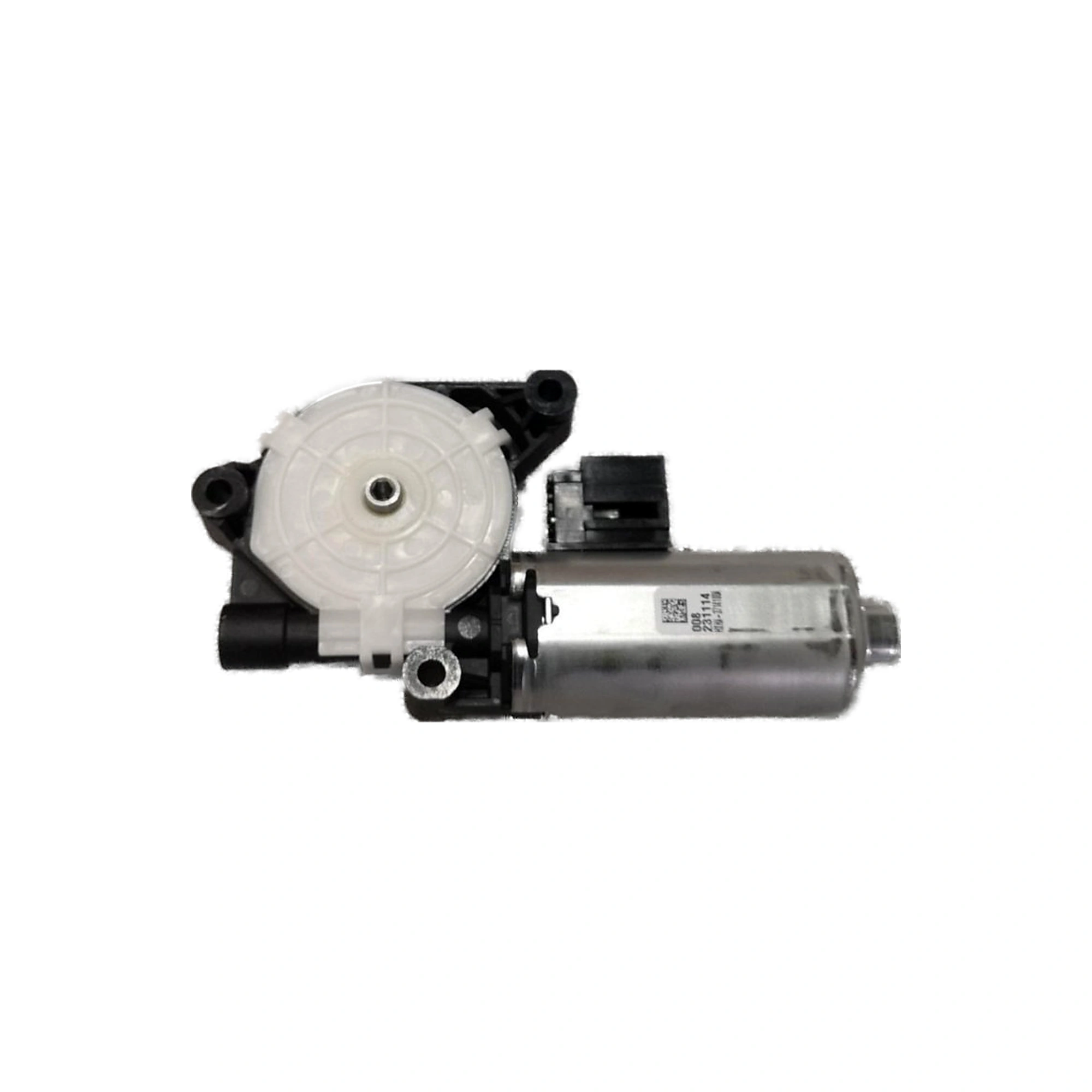
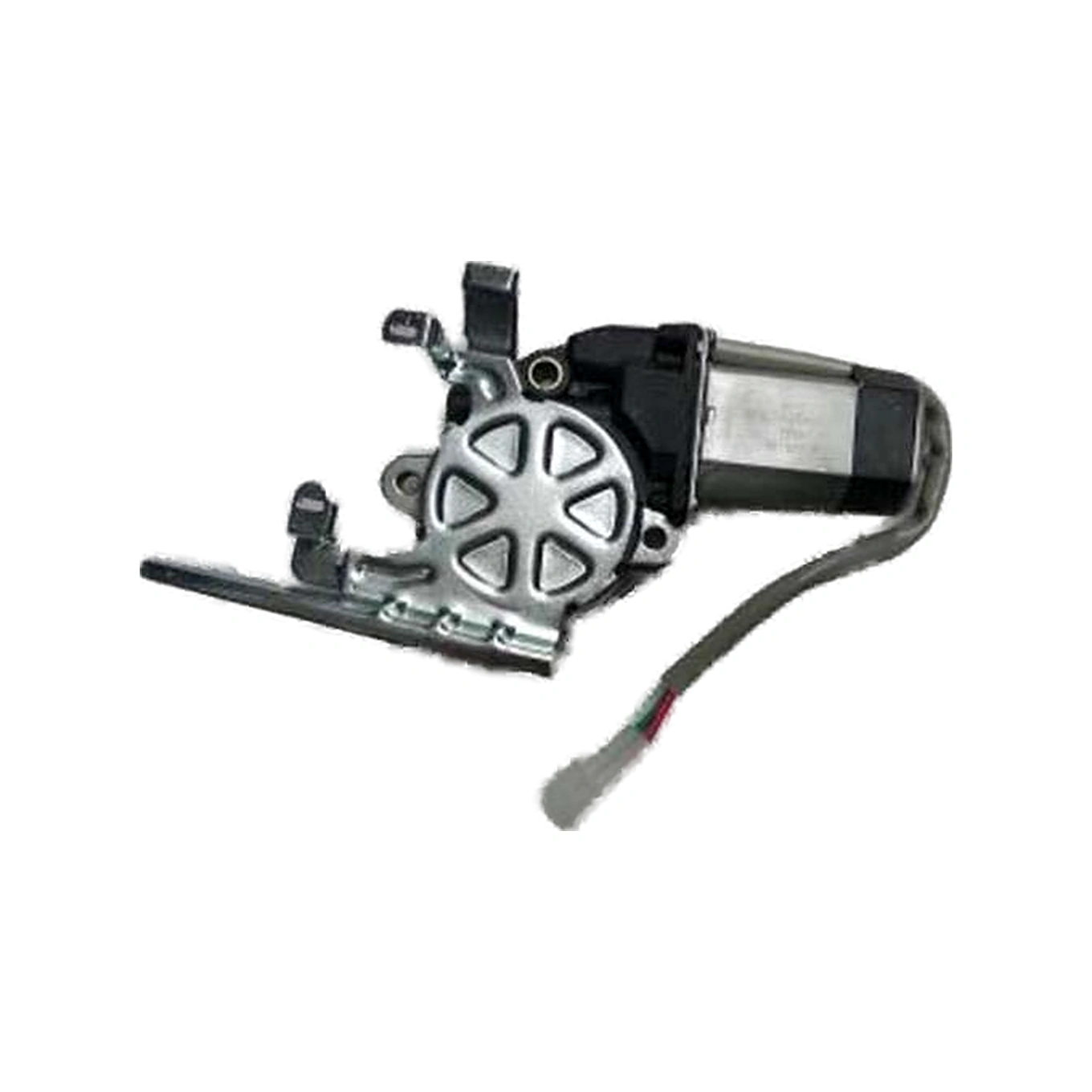
Popular Right Now
scroll for more →
Symptom Finder: What Is Actually Broken?
| What you see or hear | Part to check first |
|---|---|
| One door ignores the remote while the others lock normally | Door latch with lock actuator |
| Door ajar warning stays on with every door shut | Door latch position switch |
| Buzzing or rapid clicking from inside a door on locking | Door latch actuator |
| Door must be slammed hard to stay shut | Latch striker out of adjustment or worn |
| Sunroof rattles, stalls or leaves water in the headlining | Sunroof motor assembly or blocked drains |
| Boot or fuel flap will not release from the button | Boot lid latch or fuel filler flap actuator |
About Locks, Latches & Sunroof
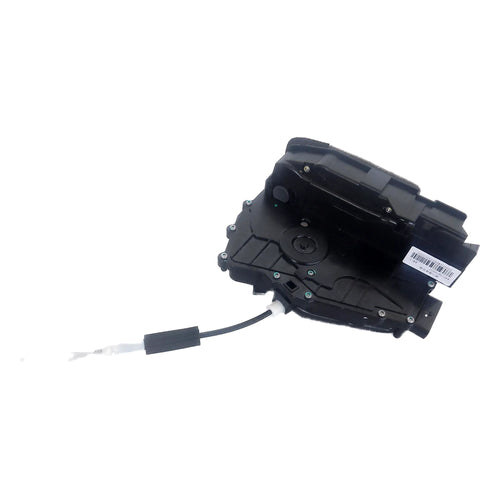
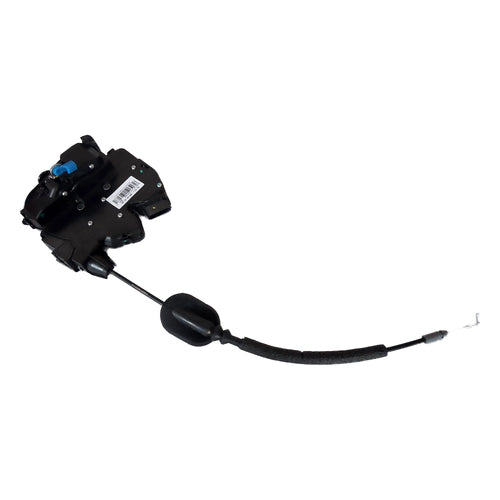
A latch is doing more work than it looks. Every closing panel on the car uses the same principle: a rotating claw catches a fixed striker and a pawl holds the claw against a spring, with a two stage design on the bonnet so a failed primary catch still leaves a secondary hook engaged. Door latches added electronics somewhere around the turn of the century and never gave them back. Inside a modern side door latch there is a lock actuator motor, a position switch reporting whether the door is open, and often a double lock function that disables the inside handle. That is why a failing latch produces symptoms nobody associates with a mechanical part: a door ajar warning that stays lit, interior lamps that never go out, a twelve volt battery flattening overnight. Sunroofs run the same pattern at a larger scale, using a motor, a cable drive, guide shoes and four drain tubes running down the pillars. Blocked drains, rather than mechanical wear, cause most sunroof complaints.
What to know before buying Locks, Latches & Sunroof parts
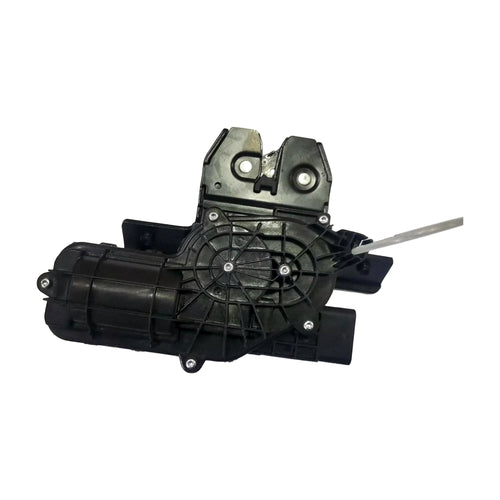
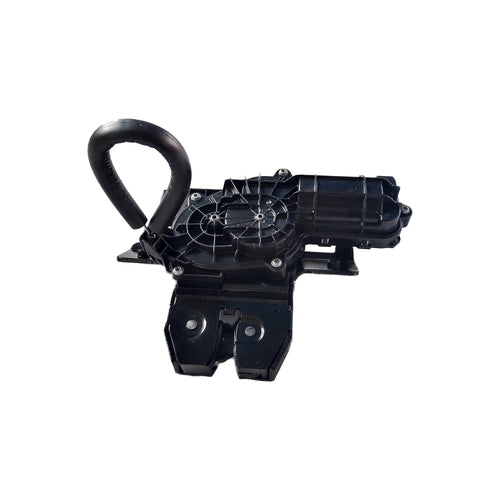
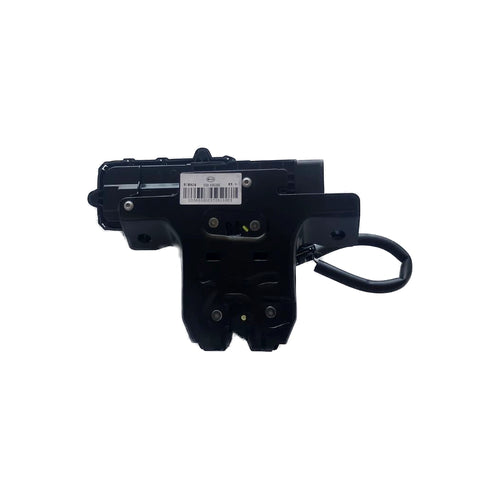
Parts are listed individually here, so a fault costs what the fault costs. Door latches are sold separately for each door and side. Alongside them sit side door and boot lid latch strikers, the bonnet latch and tailgate latches. Higher specifications add boot locks, and there are vehicle lock cylinder and key sets.
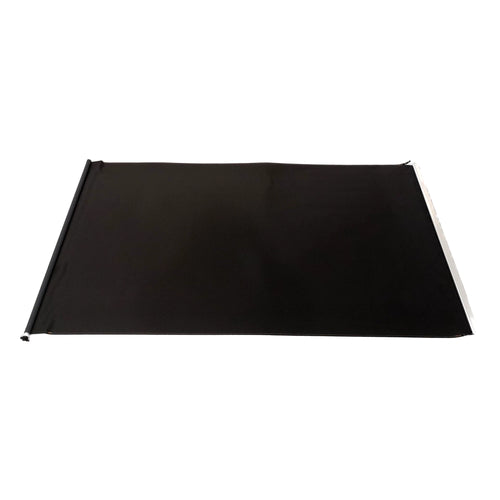
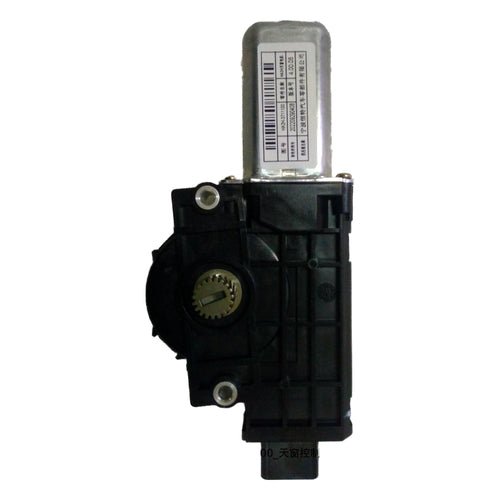
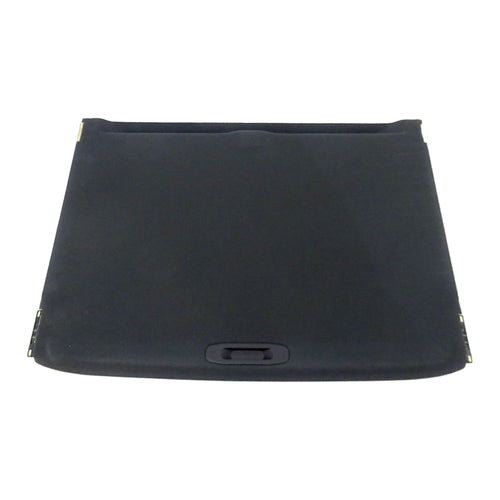
Beyond the doors there are fuel filler flap actuators and tailgate dampers. You will find boot lid emergency release cable and handle assemblies, tailgate exterior release handles and tailgate frame weatherstrips. The sunroof group covers motor assemblies, glass assemblies, rear sunshade motors and sunroof reinforcement panel connecting plates.
Check two things before you order. Latches are handed and position specific, so a front left latch will not do a rear left job. The connector matters as much as the mechanism, because pin counts vary between trim levels of the same car. Quote the OE number and both are settled.
Anything shown with a price can be ordered from the listing. Anything without one is quoted against the same number. Our BYD group listings are the fullest.
Before You Order: 6 Checks
- Match the OE number and the position. Latches are handed and front and rear versions differ.
- Count the pins on the old latch connector. Trim levels of the same car use different looms.
- Confirm whether your latch has a double lock or a soft close function before substituting a cheaper reference.
- Strikers wear as well as latches. Inspect the striker before blaming the latch for a door that will not stay shut.
- Lock cylinder and key sets are supplied coded. Check what the listing includes and how the key is cut.
- For sunroof faults, clear the drain tubes and test before ordering a motor or glass assembly.
What Changed and Why
Latch hardware is now a regulated safety item as well as a convenience one, and side door latches are tested to resist opening under crash loading in most major markets. Two design shifts follow from that. Electric latches are spreading with flush handles on electric vehicles, which means every door needs a documented mechanical backup release for use when the twelve volt supply fails. Soft close mechanisms, once a luxury feature, appear more widely and add a cinching motor to the latch, which is why part numbers within a single model can differ significantly by trim.
Locks, Latches & Sunroof: Frequently Asked Questions
One door will not lock from the remote. Is that the latch?
Very likely. Modern door latches contain the lock actuator, so when a single door stops responding while the rest of the car behaves, the motor inside that latch has failed rather than anything central. Listen closely as you press the remote: a faint buzz or a rapid clicking from that door means the motor is turning without moving the mechanism, which is the classic failure. Order the latch for that exact position and side, matching the connector pin count as well as the OE number, and the fault goes with it.
My door ajar warning stays on. Where do I look?
Inside the latch. It carries a small switch that reports whether the claw has closed on the striker, and when that switch corrodes or its contacts wear, the car believes a door is open. The knock on effects are worse than the message: interior lamps stay lit, the alarm refuses to set, and the twelve volt battery flattens overnight. Find which door by opening and closing each in turn while watching the display, then replace that latch. Clearing the door drains helps, since water reaching the latch is the usual cause.
My door needs slamming to shut. Latch or striker?
Check the striker first, because it is cheaper and it moves. Look at the wear marks on it: if they sit high or low rather than centred, the door has dropped or the striker has shifted, and adjusting or replacing it cures the problem. If the striker looks square and the door still needs force, the latch claw or its spring has worn and the latch is the part to order. Do not simply move the striker inward to compensate. That stresses the aperture seal and pulls the door out of line.
What is the secondary catch on a bonnet latch?
It is a hook that engages after the primary claw releases, so a bonnet that is unlatched at speed lifts a few centimetres and stops rather than folding back over the windscreen. You use it every time you open the bonnet, reaching under the leading edge to release it. Because it lives in the airstream it corrodes, and a stiff or seized secondary catch is the usual reason a bonnet refuses to open after the cable is pulled. The complete bonnet latch is listed here as one part.
How do I replace a lock cylinder and get keys that work?
Vehicle lock cylinder and key sets are supplied as matched assemblies, which is why they are catalogued together. Fitting a new barrel means your door key differs from any keys the car already has unless the set is coded to the vehicle, so read the listing carefully before ordering. On cars with keyless entry, the barrel is a mechanical backup only and does not affect the transponder or the remote. Where you need a barrel matched to existing keys, send the details through the quote form before ordering.
Why does my sunroof rattle or stop halfway?
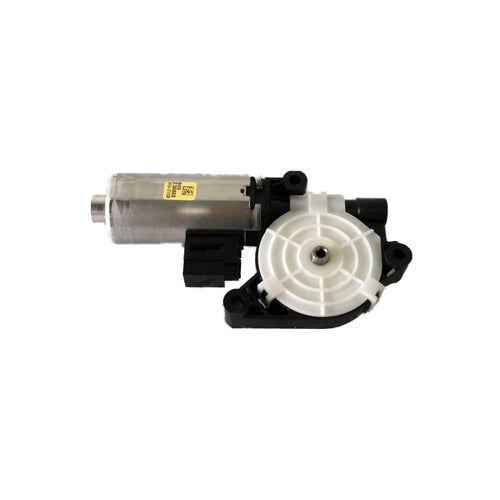
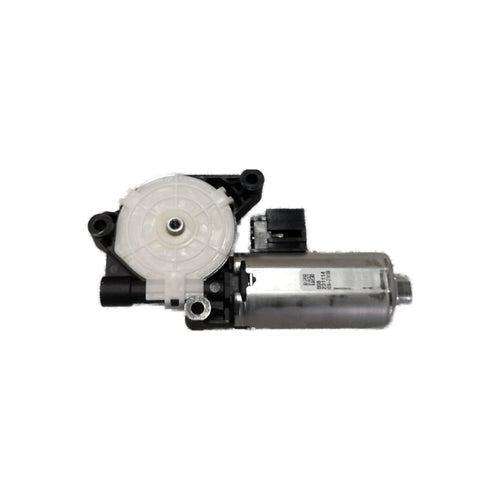
Start with the guides and the drains rather than the motor. Sunroof mechanisms run on plastic guide shoes in a greased track, and when the grease dries or a shoe cracks, the panel binds, the motor stalls, and the control unit stops mid travel. Clean and regrease the track first. If the panel moves freely by hand but the motor still struggles, the sunroof motor assembly listed here is the part. A rattle at speed usually means a guide or the reinforcement panel connecting plate rather than the glass.
Water is dripping from my headlining near the sunroof. What now?
Almost certainly blocked drains, not a failed seal. A sunroof is designed to let water past its seal and into a tray, from which four tubes run down the A and C pillars and out under the car. Pollen, leaf debris and pine needles block those tubes, the tray overflows, and water appears at the headlining or in the footwell. Clear them with low pressure air or a soft trimmer line before spending anything. If the glass itself has lifted or its seal has torn, the sunroof glass assembly is listed here.
What do lock and latch parts cost?
Strikers, cables, dampers and small brackets sit at the bottom of the range in this category. Door and tailgate latches cost more because each contains a motor, switches and a certified mechanism. Sunroof motors and glass assemblies sit at the top, since they are large, specific and low volume. The live minimum and maximum are shown in the band at the top of this page. Diagnosing precisely before ordering matters here, because a striker and a latch differ by an order of magnitude in price.
Can I fit a door latch myself?
It is a realistic job for a careful home mechanic. Remove the trim card and the vapour barrier, disconnect the interior handle and lock rods or cables, unplug the connector, and undo the three bolts on the door shut face. The awkward part is manoeuvring the latch out through the access hole and reconnecting the cables blind. Budget two hours for a first attempt, and take a photograph of the cable routing before anything comes off. Test the door open and shut before refitting the vapour barrier.
My fuel or charge flap will not open. Which part?
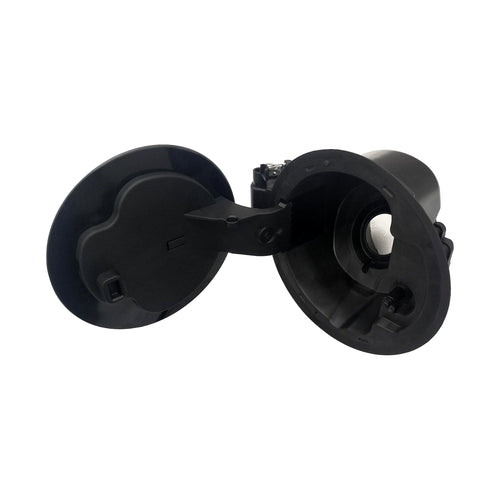
On cars with an electric release, the fuel filler flap actuator is a small solenoid behind the flap, and it fails either mechanically or from water ingress. Test the manual override first, usually a cable or a pull tab inside the boot side trim, which confirms the flap and the hinge are free and points the finger at the actuator. Charging flap parts sit in their own category. If the flap is physically jammed rather than electrically dead, look at the hinge and the latch before ordering.
Will a latch from another trim level fit my car?
Mechanically it may bolt in and electrically it will disappoint you. Latches differ in connector pin count and function between specifications: some carry double locking, some have a soft close cinching motor, some report door position on a different circuit. Fitting the wrong one produces a door that locks but reports its state incorrectly, or one that refuses to cinch. Match the OE number from your own latch. Where the number returns nothing, send it through the quote form so the factory catalogue is checked properly.
The part I need shows no price. Can I still order it?
Yes. Latches and lock actuators are handed and vary with central locking specification, and sunroof components are ordered rarely, so both groups produce listings that wait for a quote. Send the number and say which opening it belongs to, since a front door latch, a rear door latch and a tailgate latch are three different parts. If the sunroof stops part way rather than failing outright, have the guides and the drain tubes checked before ordering a motor. Blocked drains and a dry mechanism cause most of the complaints that arrive described as a failed motor.