Parking Brake & EPB
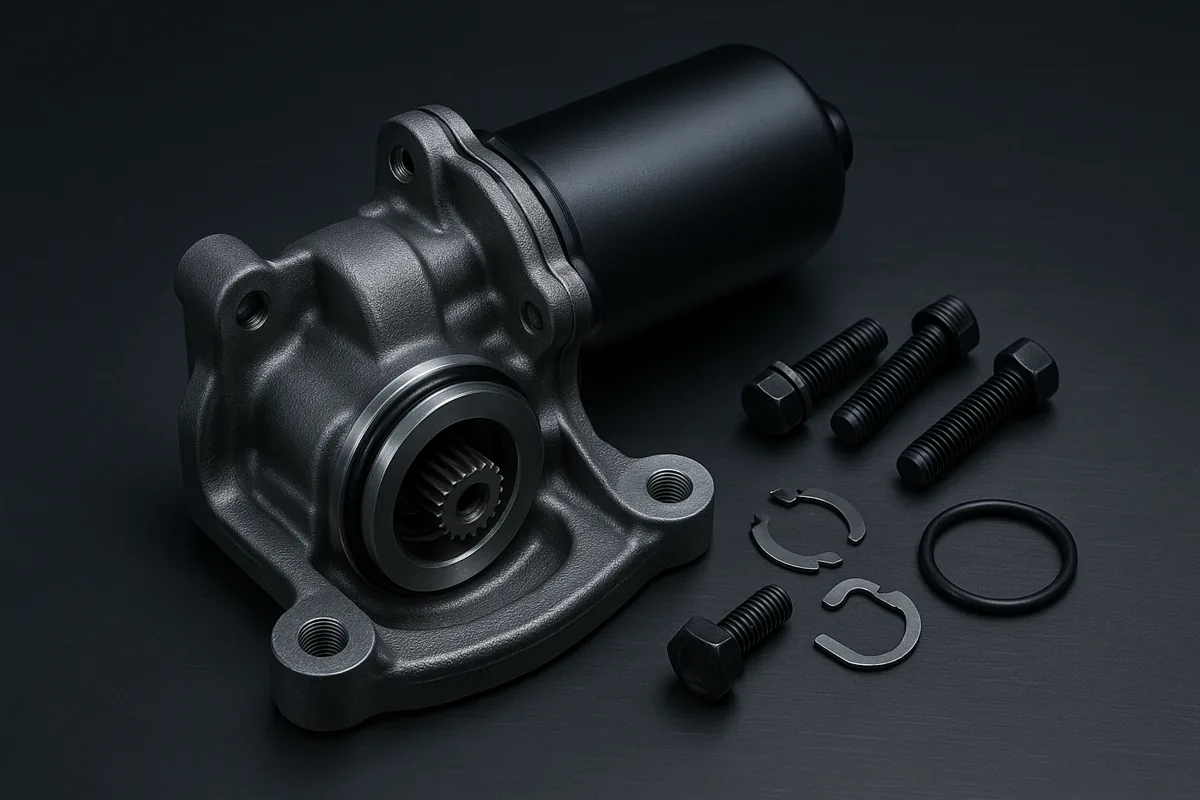
Shop Parking Brake & EPB by Part Type
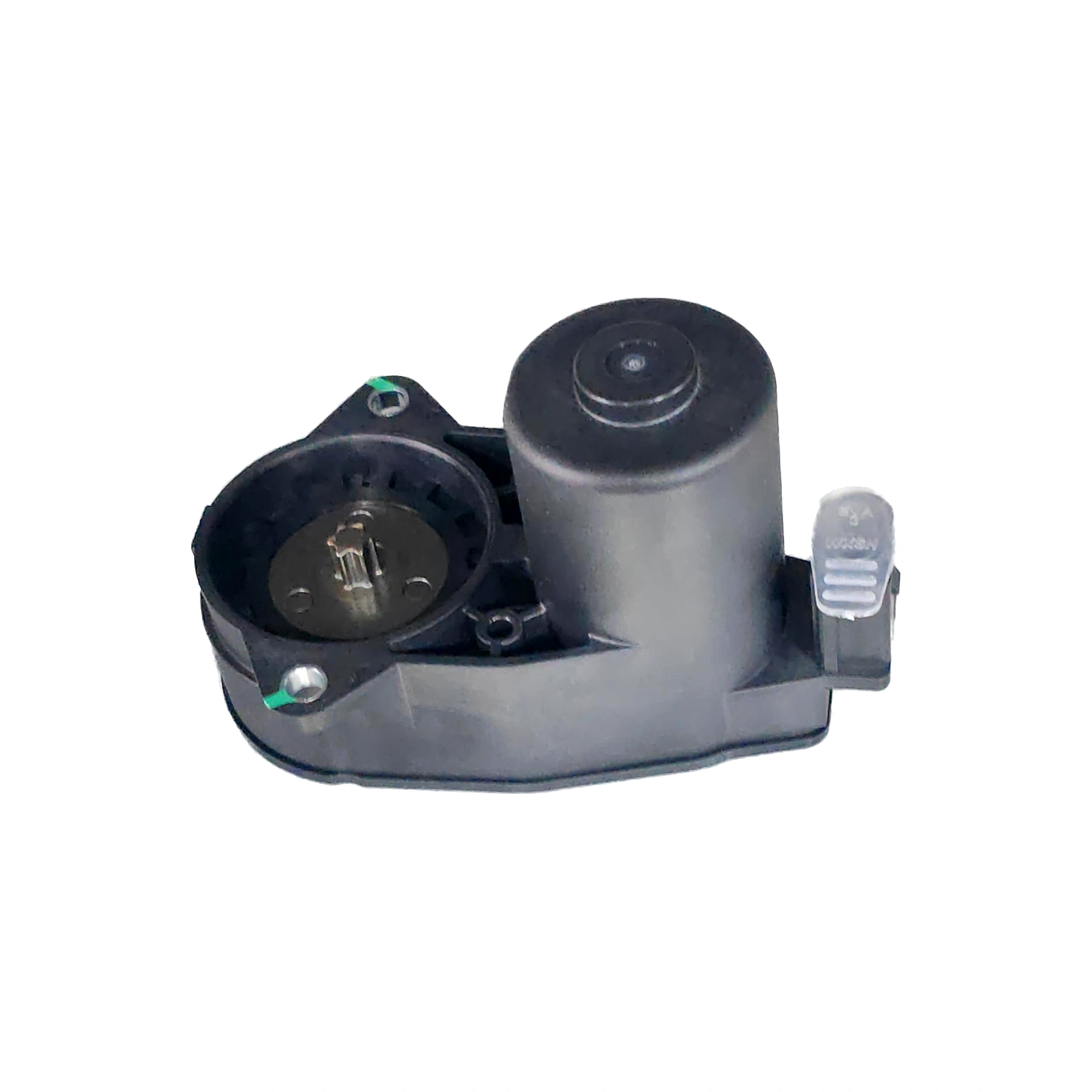
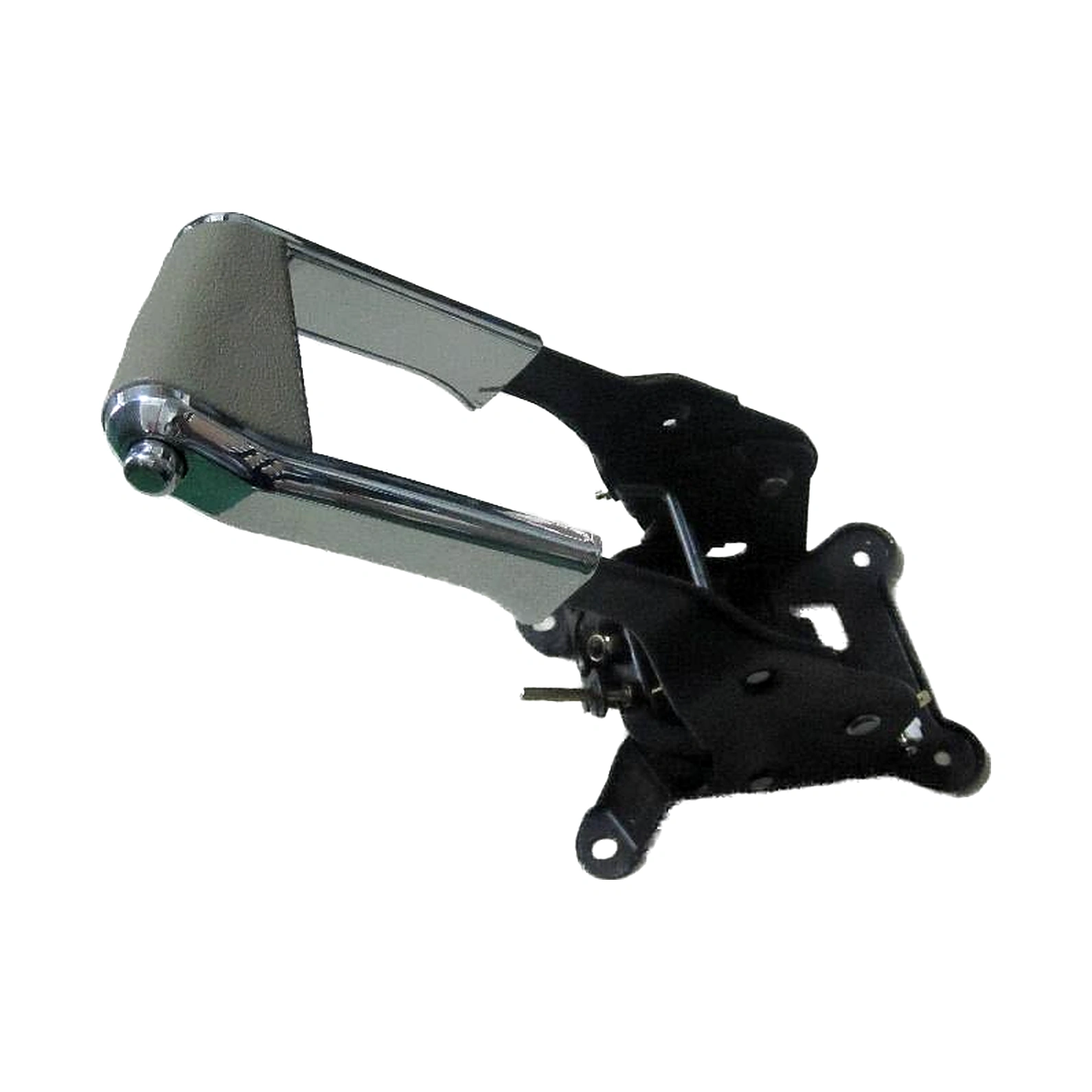
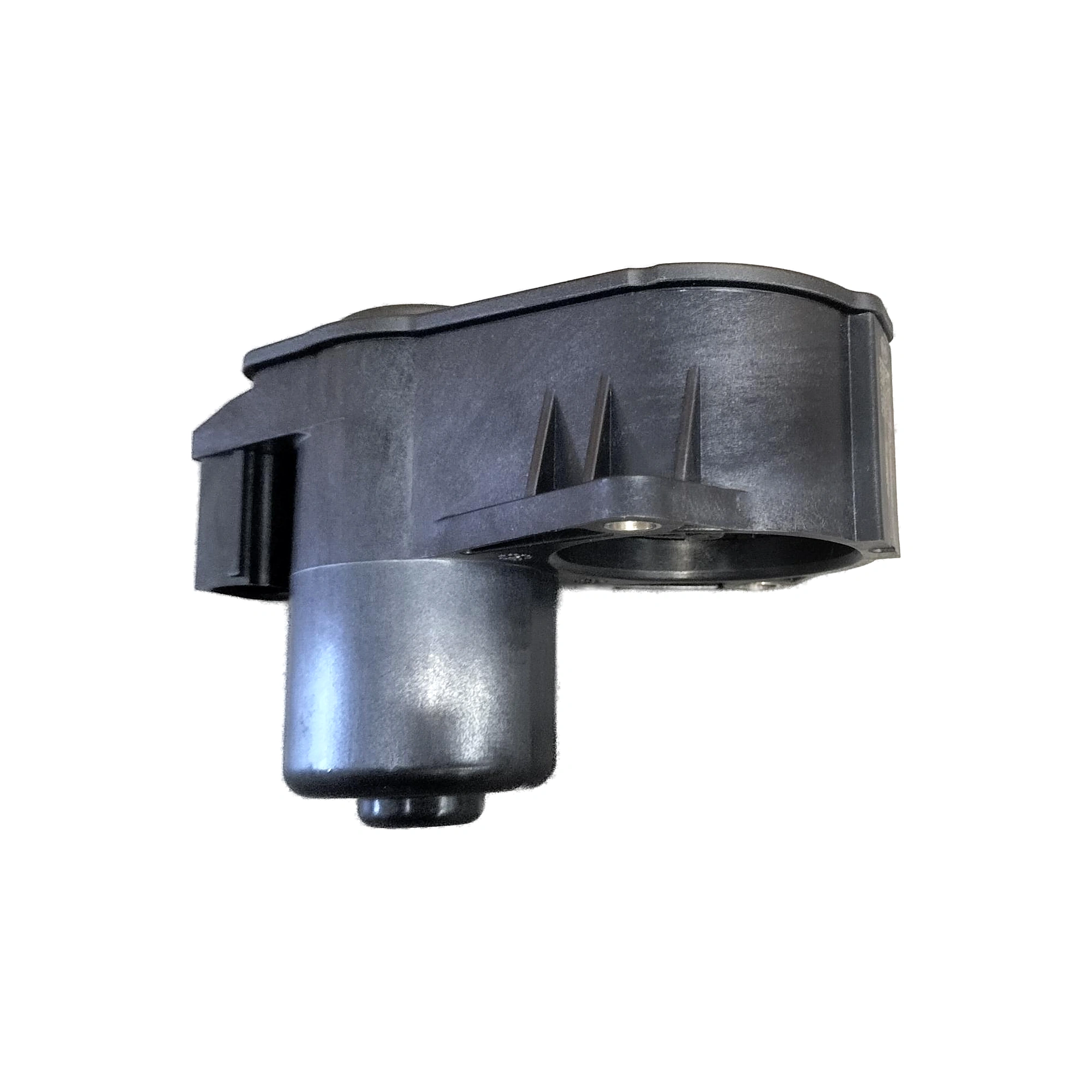
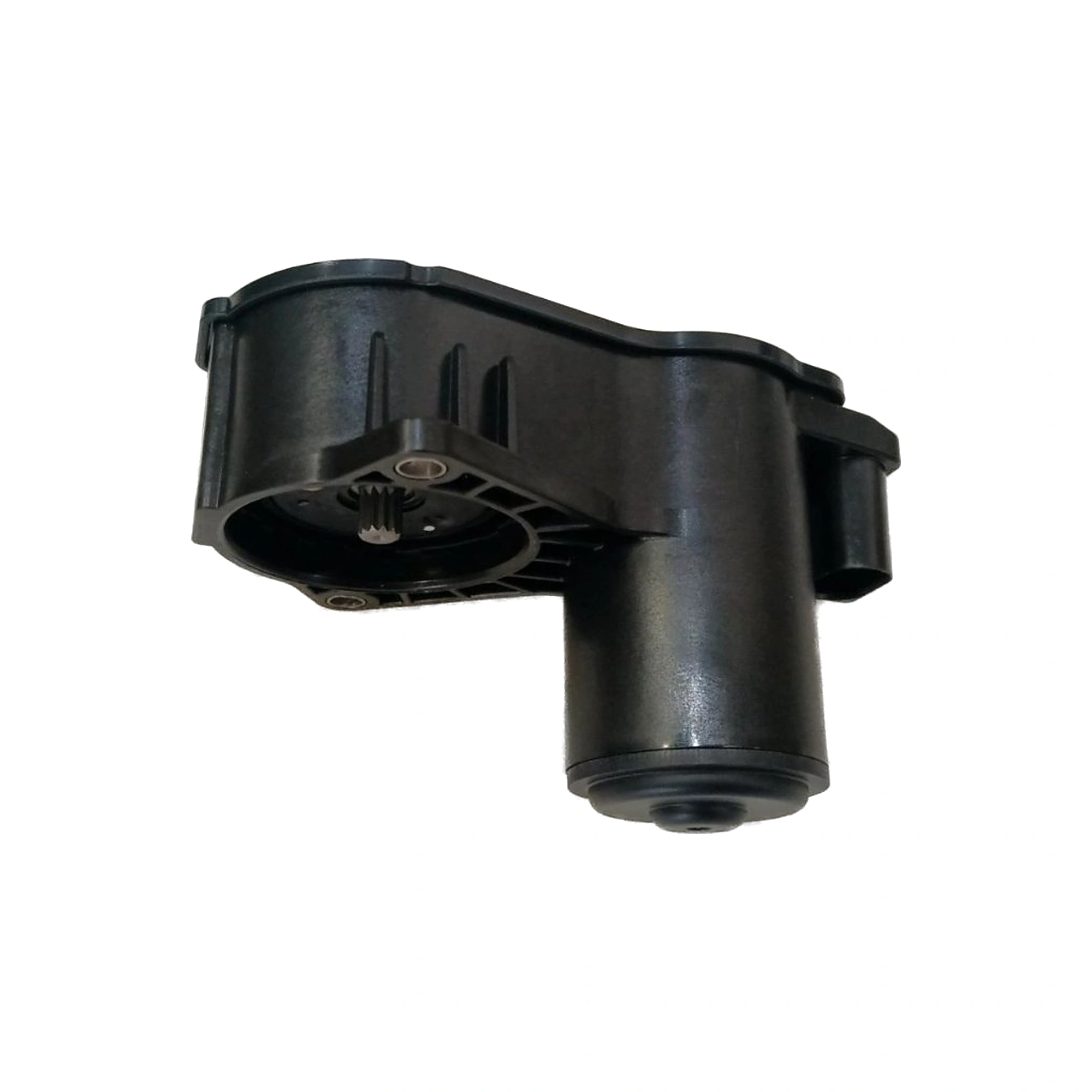
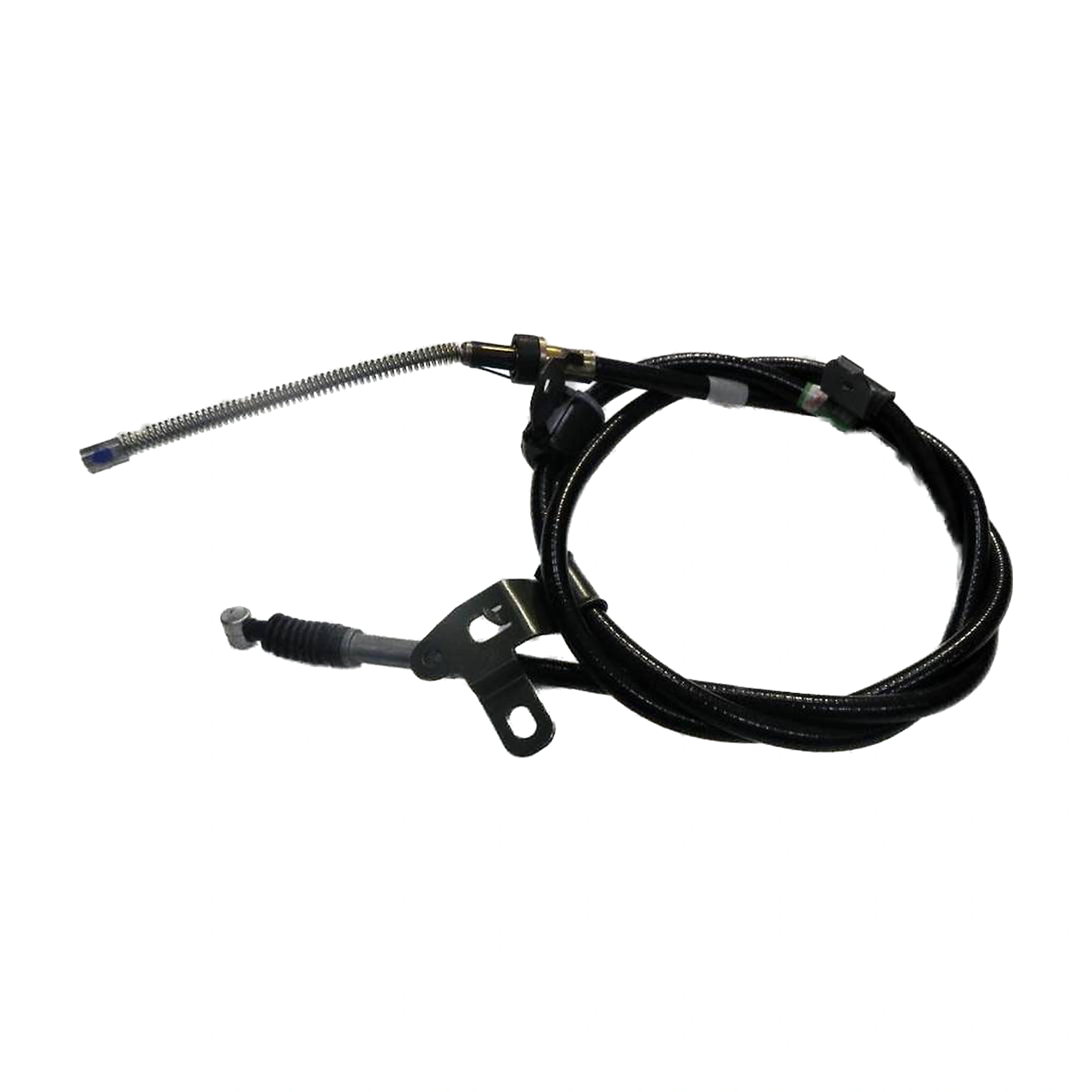
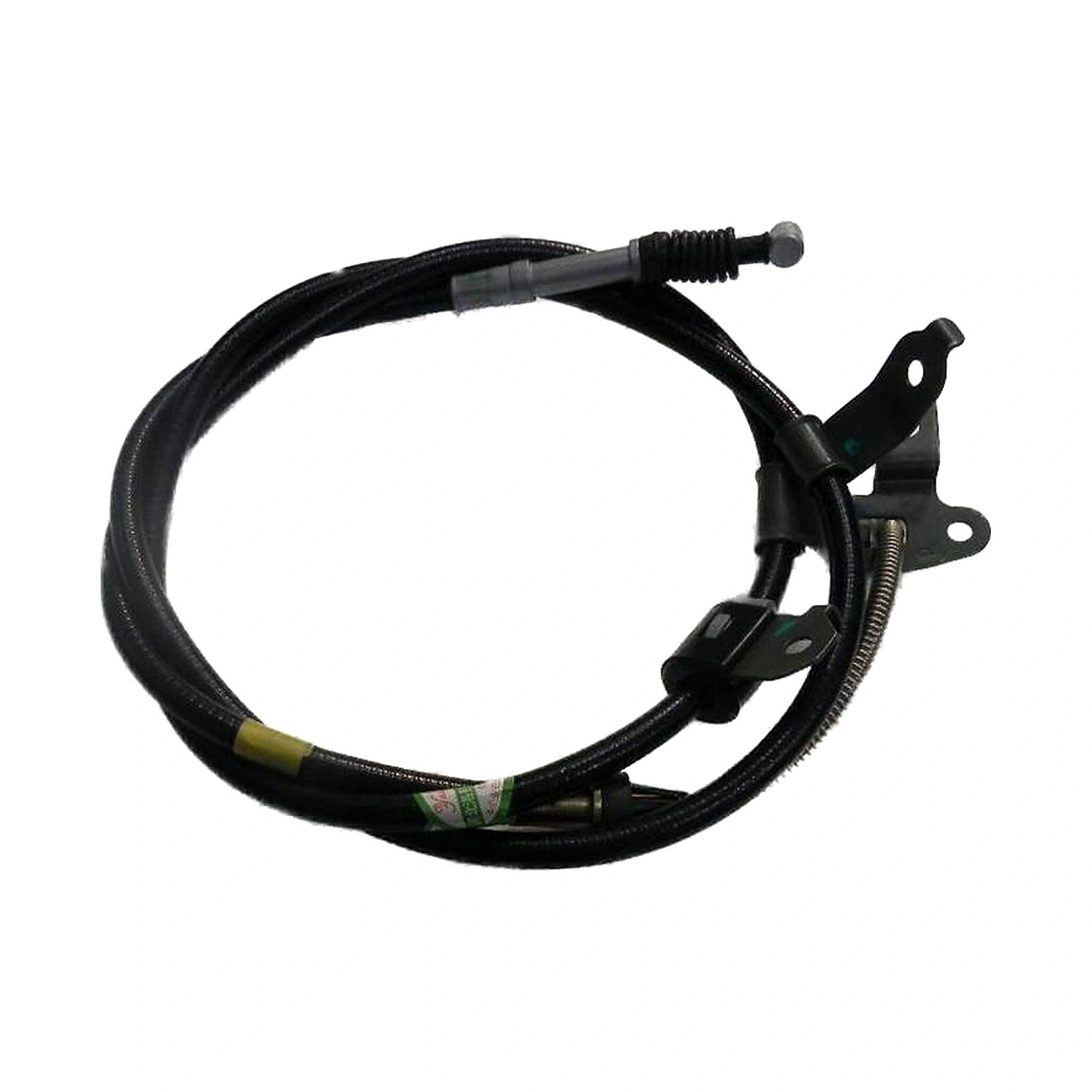
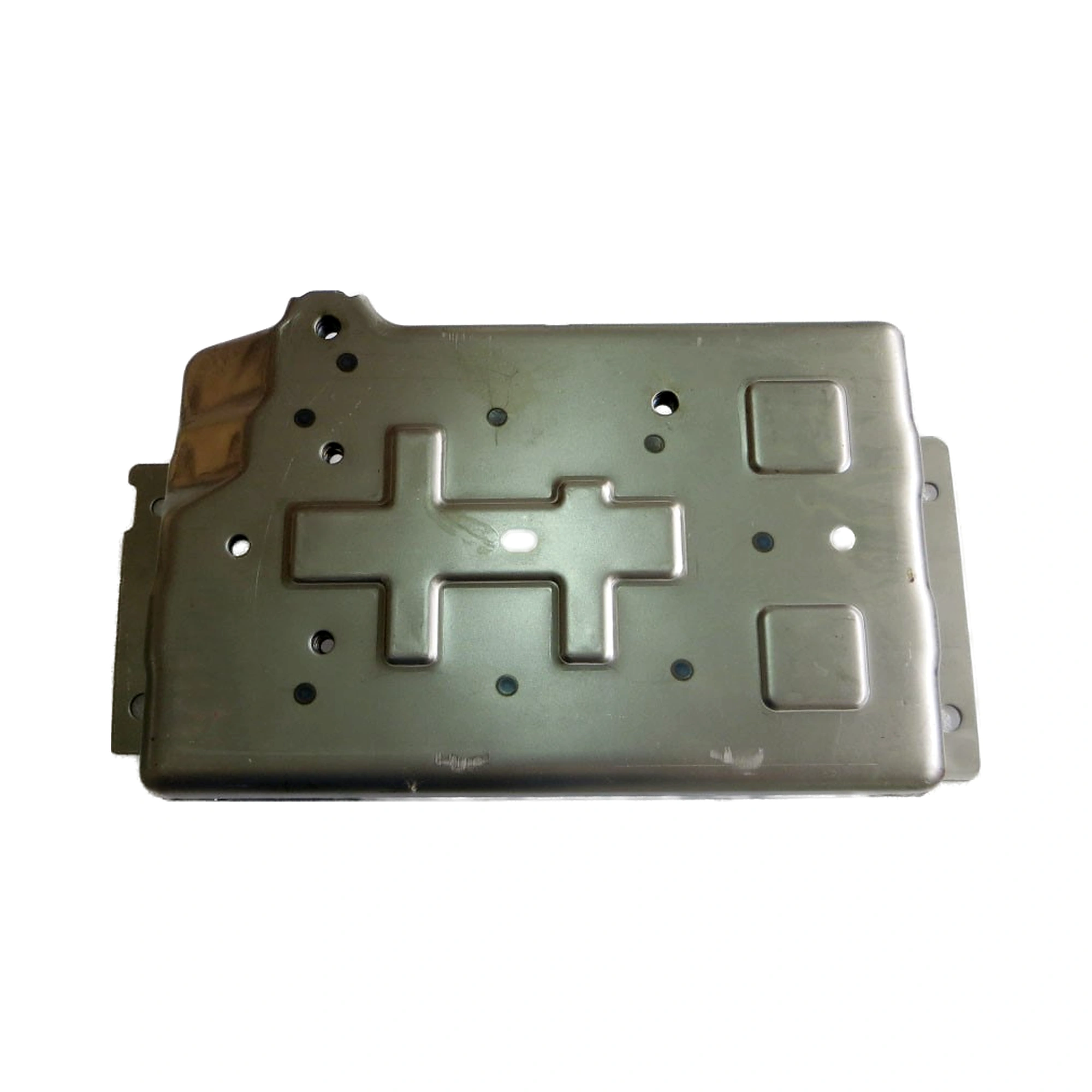
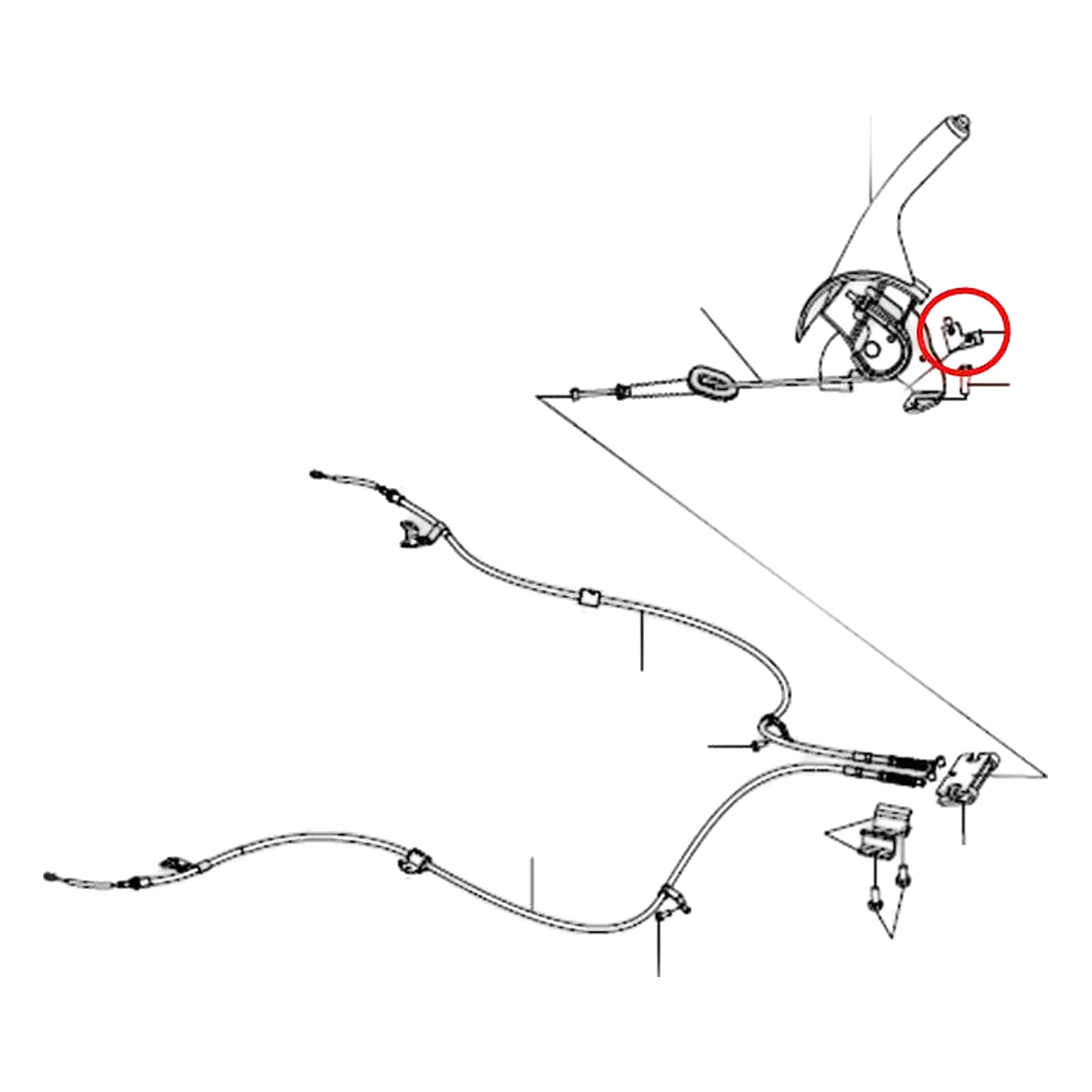
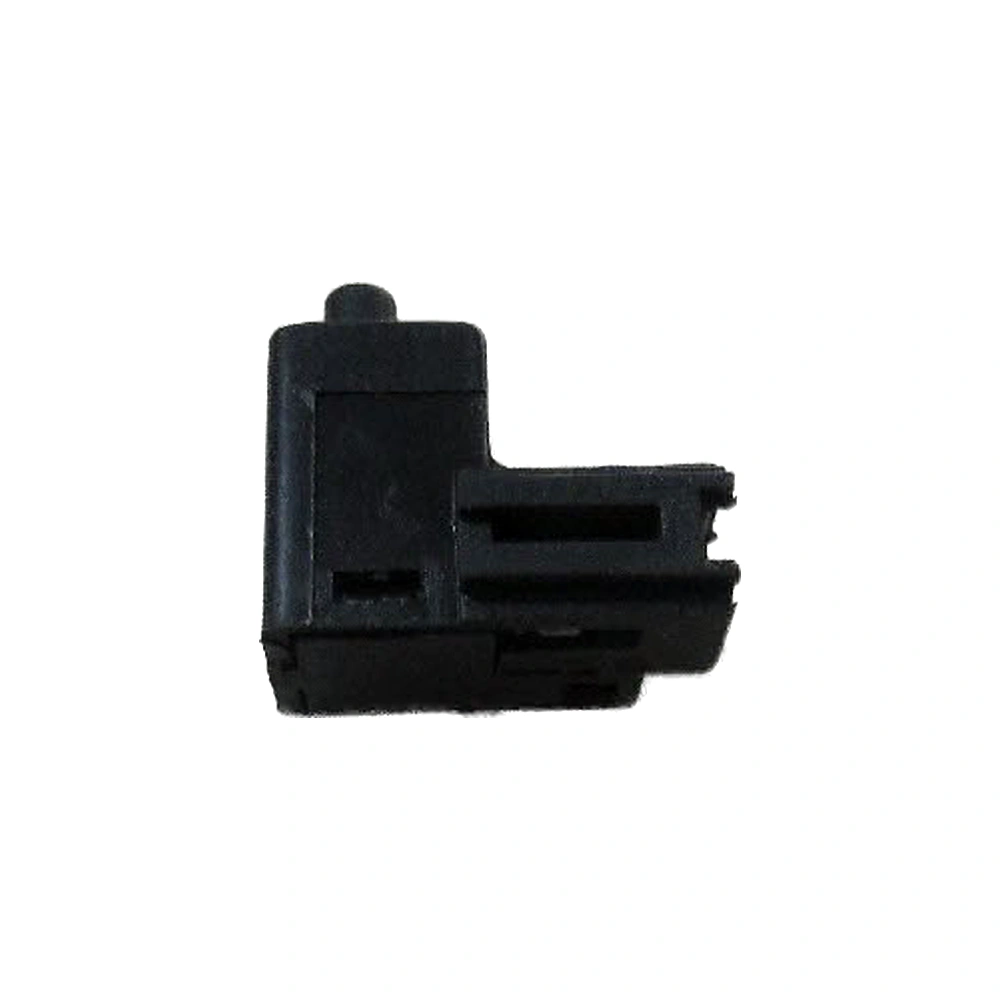
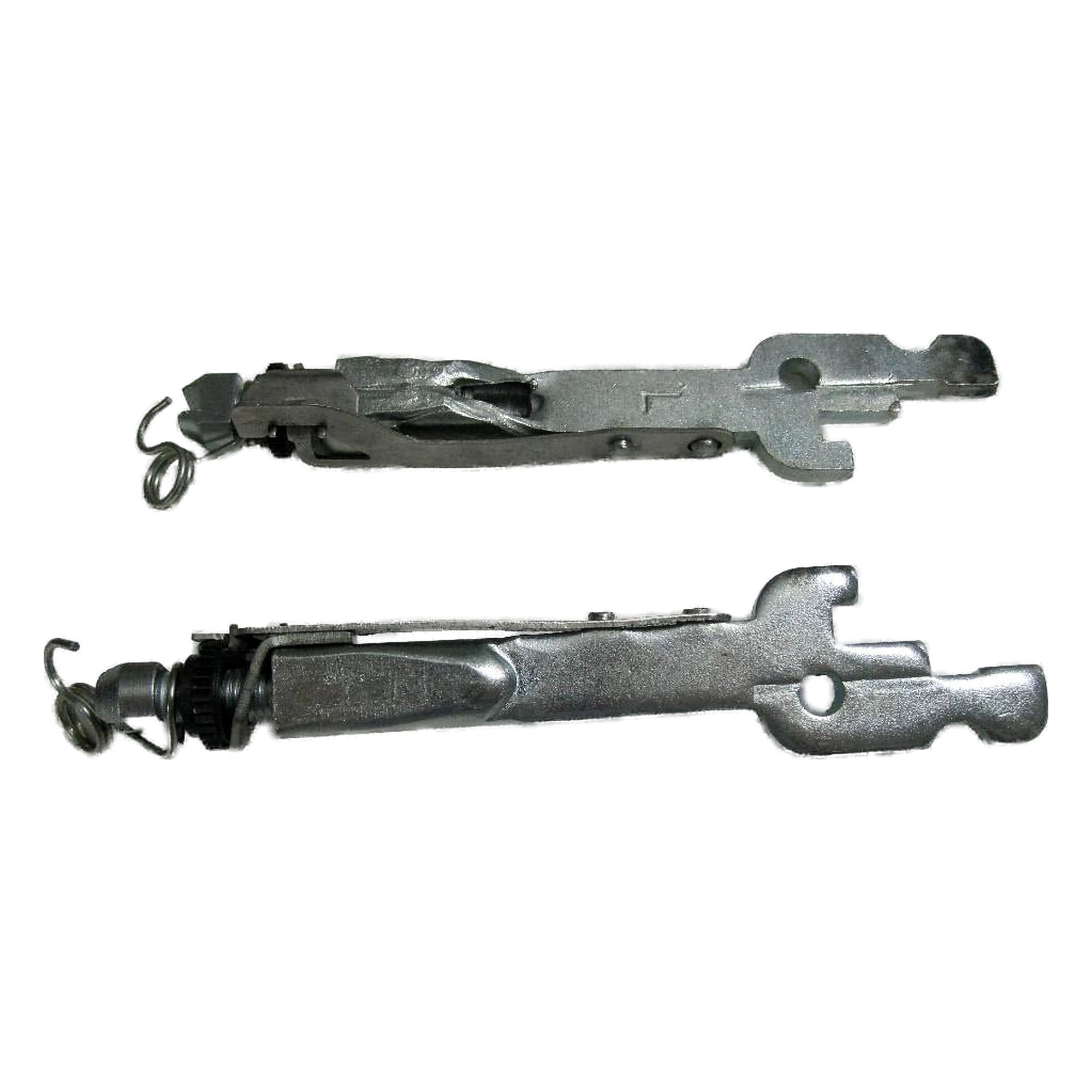
Popular Right Now
scroll for more →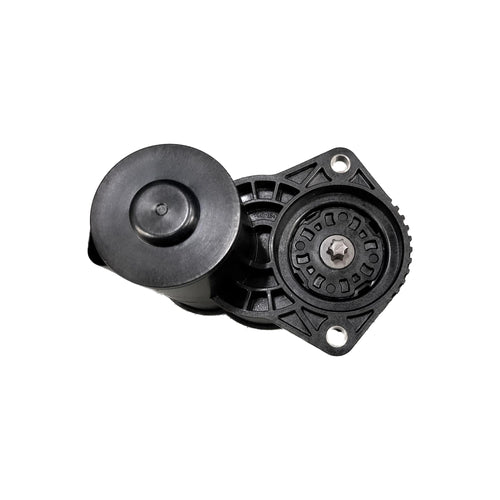
Symptom Finder: What Is Actually Broken?
| What you see or hear | Part to check first |
|---|---|
| Parking brake holds on one side only | Parking brake cable assembly or one EPB motor |
| Warning message and a brake that will not release | EPB motor drive assembly |
| Lever pulls high or the pedal goes further than before | Parking brake cable or equaliser |
| Switch does nothing and no motor noise from the rear | Parking brake switch |
| Brake lamp warning stays lit with the brake released | Parking brake lamp switch |
| Grinding from a rear wheel after the brake was left applied | Push rod assembly and rear brake hardware |
About Parking Brake & EPB
A parking brake has one job that the service brakes cannot do: hold the vehicle indefinitely without hydraulic pressure. Cable systems achieve that mechanically. A lever or pedal pulls a primary cable to an equaliser, a floating yoke that splits the effort evenly between left and right cables, and each of those pulls a lever inside a rear drum or on the back of a caliper. Electric systems replace the whole run with a motor and gear reduction mounted on each rear caliper, which drives a spindle behind the piston to clamp the pads mechanically. The control unit applies a defined force, monitors current draw to confirm it, and releases automatically as the vehicle pulls away. Both approaches share a weakness: they live under the car in road spray, so cables corrode inside their outer sheaths and motor connectors fill with water. The failure is usually the path rather than the brake at the end of it.
What to know before buying Parking Brake & EPB parts
A brake that holds on one side only points at a cable, a rod or one motor. It rarely points at the control unit. A brake that will not release, with a warning on the display, usually means a motor or its connector.
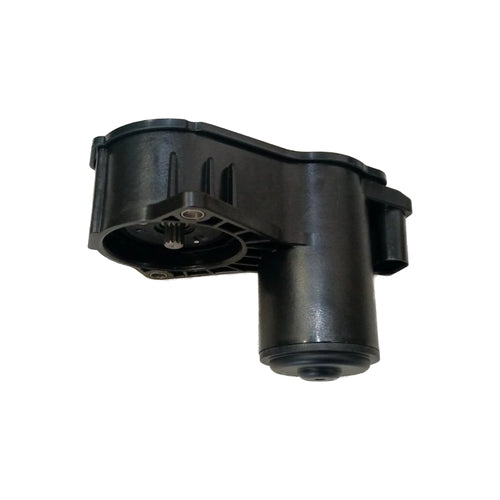
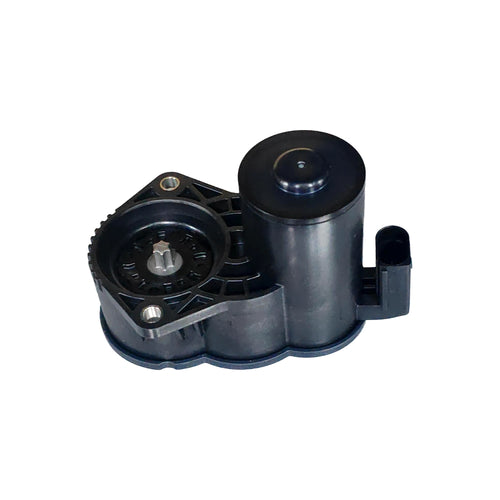
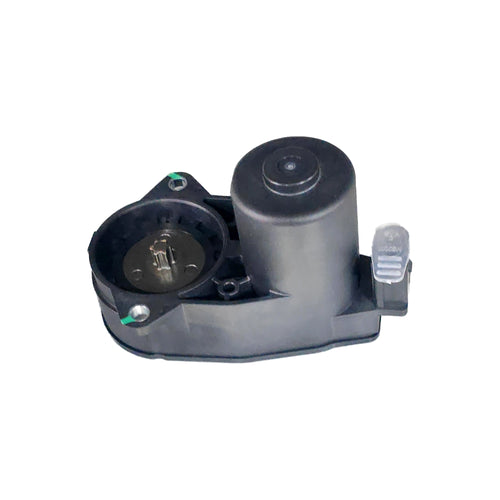
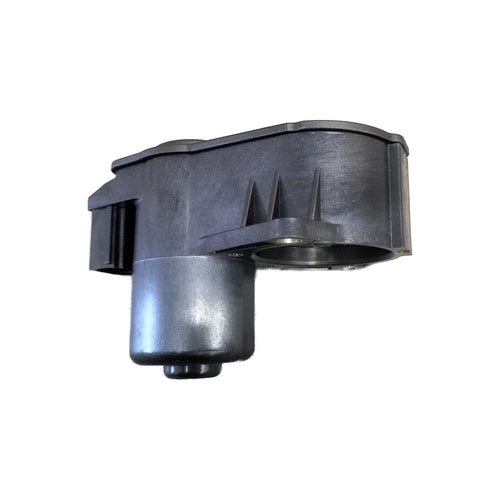
Both generations are listed, because both are still on the road. The electric side has EPB motor drive assemblies, including a pulley type version and aftermarket pack equivalents. It also has parking brake switches, switch assemblies and parking brake lamp switches.
The cable side has left and right parking brake cable assemblies and the parking brake cable equaliser. You will also find parking brake control mechanism assemblies with their mounting brackets. Left and right rear push rod assemblies complete the list.
Match the OE number, since motor types differ between caliper designs. Where a price is shown you can buy from the listing, and anything else is quoted. Our BYD group listings are the fullest.
Before You Order: 6 Checks
- Read the fault code before ordering an EPB motor, since a connector or a supply fault gives the same symptom.
- Match the OE number and the side. Left and right cables and motors are separate references.
- Check whether your caliper uses the standard or the pulley type motor drive before ordering.
- Replace cables in pairs where one has corroded, because the other has the same history.
- Put the system into service mode with a scan tool before disturbing an EPB caliper.
- Order fresh clips and grommets with a cable, since the routing depends on them staying in place.
What Changed and Why
Electric parking brakes have become close to universal on new vehicles, and the change goes beyond replacing a lever. Because the motor clamps mechanically and reports its own current draw, the system can hold on a hill, release automatically as torque arrives, and act as an emergency stop through the hydraulic unit if the pedal fails. It also removes the routine cable adjustment that used to be part of a service. The trade off is diagnostic: any rear brake job now begins and ends with a scan tool, and a corroded connector produces a warning message rather than a slack cable.
Parking Brake & EPB: Frequently Asked Questions
My parking brake only holds on one side. Where do I look?
At that side alone, which is good news for cost. On a cable system the usual cause is a cable that has corroded inside its outer sheath and no longer slides, so the effort at the equaliser goes to the free side. On an electric system it is one motor or its connector. Either way, the control end is working since the other side responds. Left and right cables and motor drive assemblies are listed here separately, so you replace only the failed path.
My electric parking brake will not release. What now?
Check for a warning message and have the codes read before touching anything. Common causes are a failed motor, a corroded connector at the caliper, low twelve volt supply voltage, or the system being left in service mode after a brake job. Most vehicles also have a documented emergency release procedure in the handbook, which usually involves a specific ignition and switch sequence. Do not attempt to force the caliper mechanically, since the internal gearbox is easily damaged and that turns a motor into a caliper.
Can I change rear pads on a car with an electric parking brake?
Yes, with the right tool. The piston is driven by a spindle behind it, so it neither presses nor winds back in the ordinary way, and the motor has to be retracted electronically first. A scan tool places the system in service mode, which retracts the actuator and disables automatic application. You then fit the pads and reset the system, which runs the actuator back out and relearns its stop position. Attempting the job without that step damages the mechanism.
Are cable systems worse than electric ones?
They are different rather than worse, and each fails in its own way. A cable system is simple, repairable at the roadside and adjustable, and it corrodes. An electric system needs no adjustment, holds with a consistent force, integrates with hill hold and automatic release, and turns a cheap mechanical problem into a diagnostic one when a connector fills with water. Both are listed here because the catalogue covers both generations. Order according to what your vehicle actually has, not what its age suggests.
What is the equaliser and why does it matter?
It is the floating yoke where the primary cable splits into left and right cables, and its whole purpose is to divide the effort evenly regardless of small differences in cable friction. When it corrodes and stops floating, one side takes most of the pull and the other barely applies, which produces exactly the same symptom as a seized cable. It is a small, cheap part, listed here separately. Check it before replacing cables, since a seized equaliser will strangle new cables just as quickly.
My lever pulls much higher than it used to. Is that adjustment?
Adjust only after checking why. On a drum rear axle the parking brake shares the shoes with the service brake, so worn shoes or a seized self adjuster show up first as a lever that travels further. Adjusting the cable to compensate masks the real fault and leaves the shoes dragging once the adjuster frees itself. Inspect the rear brakes, confirm the adjusters work, and only then set the cable so the brake is fully applied within the specified number of clicks.
What do parking brake parts cost?
Switches, lamp switches, equalisers and push rods sit at the bottom of the range. Cable assemblies are modest, with rear cables costing more than the shorter runs. EPB motor drive assemblies cost the most, since each contains a motor, a gearbox and a sealed connector. The live minimum and maximum are shown in the band at the top of this page. Diagnosing which side and which component has failed is worth the effort here, because the spread is wide.
Can I fit a parking brake cable myself?
On most vehicles yes, and the work is more about access than skill. Release the tension at the adjuster, free the cable from the equaliser, unclip it along its run, disconnect it at the drum or caliper lever, and thread the new one through exactly the same path. Budget a couple of hours and expect corroded clips. Route the new cable precisely as the original ran, since a cable that touches an exhaust or a suspension arm will fail early and can bind under articulation.
Does an EPB motor need coding after replacement?
It needs an initialisation rather than full coding on most vehicles. After fitting, the system runs the actuator through its travel to learn the position at which the pads contact, which is what allows it to apply a repeatable clamping force. Some vehicles also require the fault memory cleared and a calibration drive. Skipping the procedure leaves a brake that either fails to hold properly or applies too hard. Confirm the requirement for your vehicle before booking the work.
Is it safe to leave the parking brake on for a long period?
For a few days, yes. Over weeks, particularly in damp conditions, pads or shoes can bond to the friction surface and release with a bang and a torn friction face. For long storage, chock the wheels and leave the brake off, or on an automatic use park with chocks. This matters more on vehicles whose rear friction surfaces already corrode from disuse under regenerative braking, since the same conditions that pit a disc will also encourage a pad to stick to it.
My parking brake warning lamp stays lit. Is the brake still on?
Not necessarily. On cable systems a separate lamp switch on the lever reports whether the brake is applied, and it fails or falls out of adjustment on its own, leaving the lamp lit with the brake fully released. That switch is listed here as its own part. On electric systems the lamp is driven by the control unit, so a lit lamp there means a genuine stored fault and the codes should be read. Confirm which type you have before ordering.
The part I need shows no price. Can I still order it?
Yes. Electric parking brake motors and control mechanisms vary between trim levels and are ordered in small numbers, so several sit here awaiting a quote. Give the number and say which side. Before you order, confirm the fault is the motor. A parking brake that fails to release often turns out to be a seized cable, a corroded caliper guide or a switch, and the motor is blamed because it is the part that reports the error. Ask the workshop whether it can drive the actuator into service mode, since without that step the caliper cannot be retracted for the swap.