Underbody Battery Guard
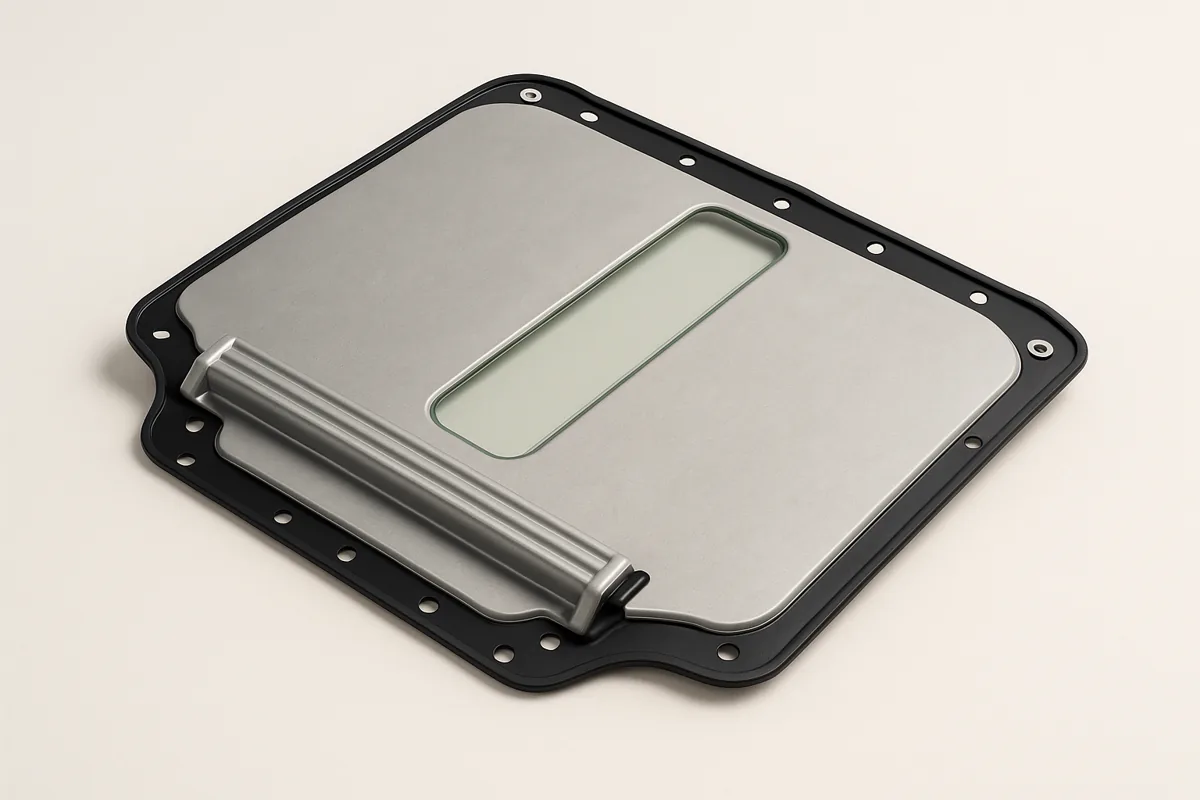
Shop Underbody Battery Guard by Part Type
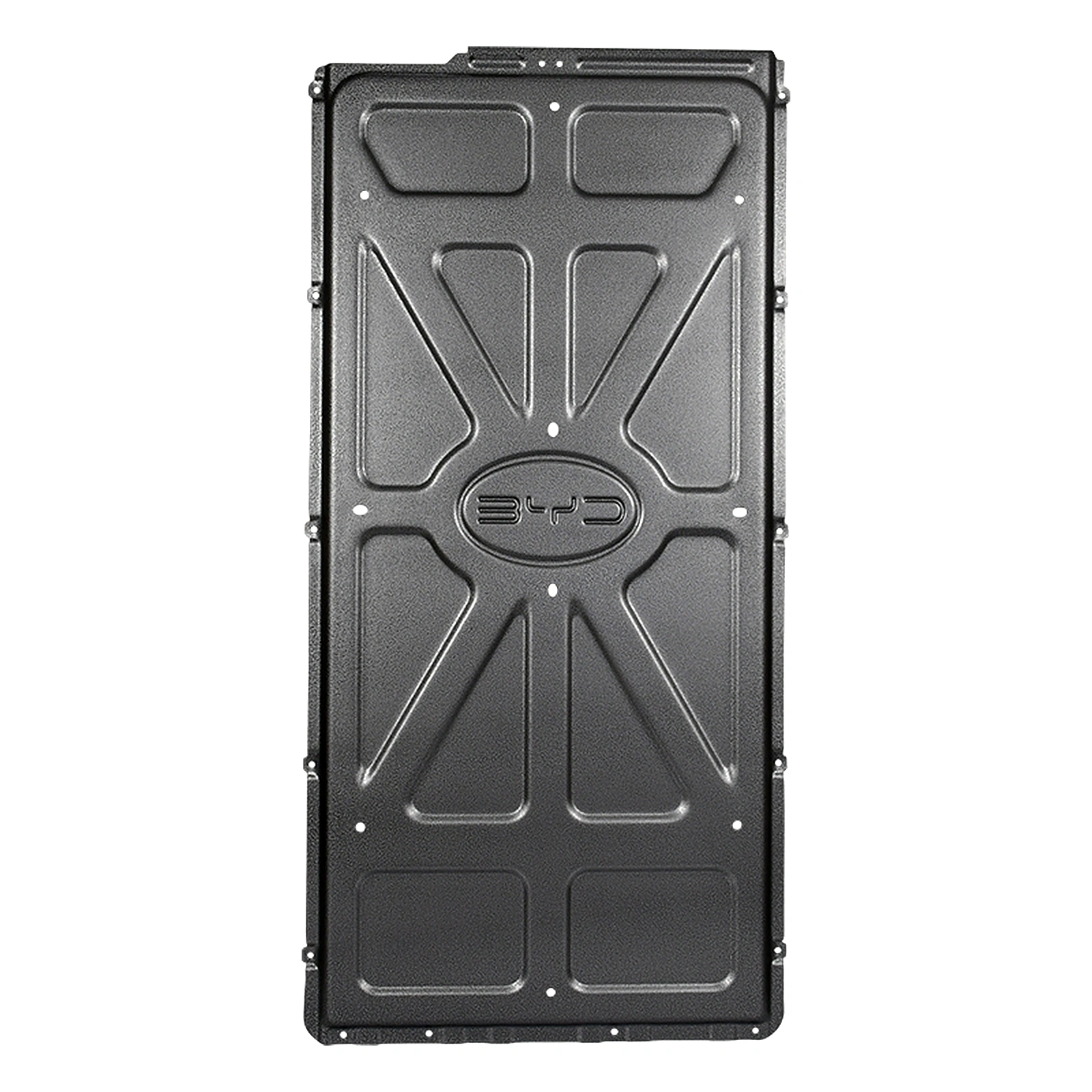
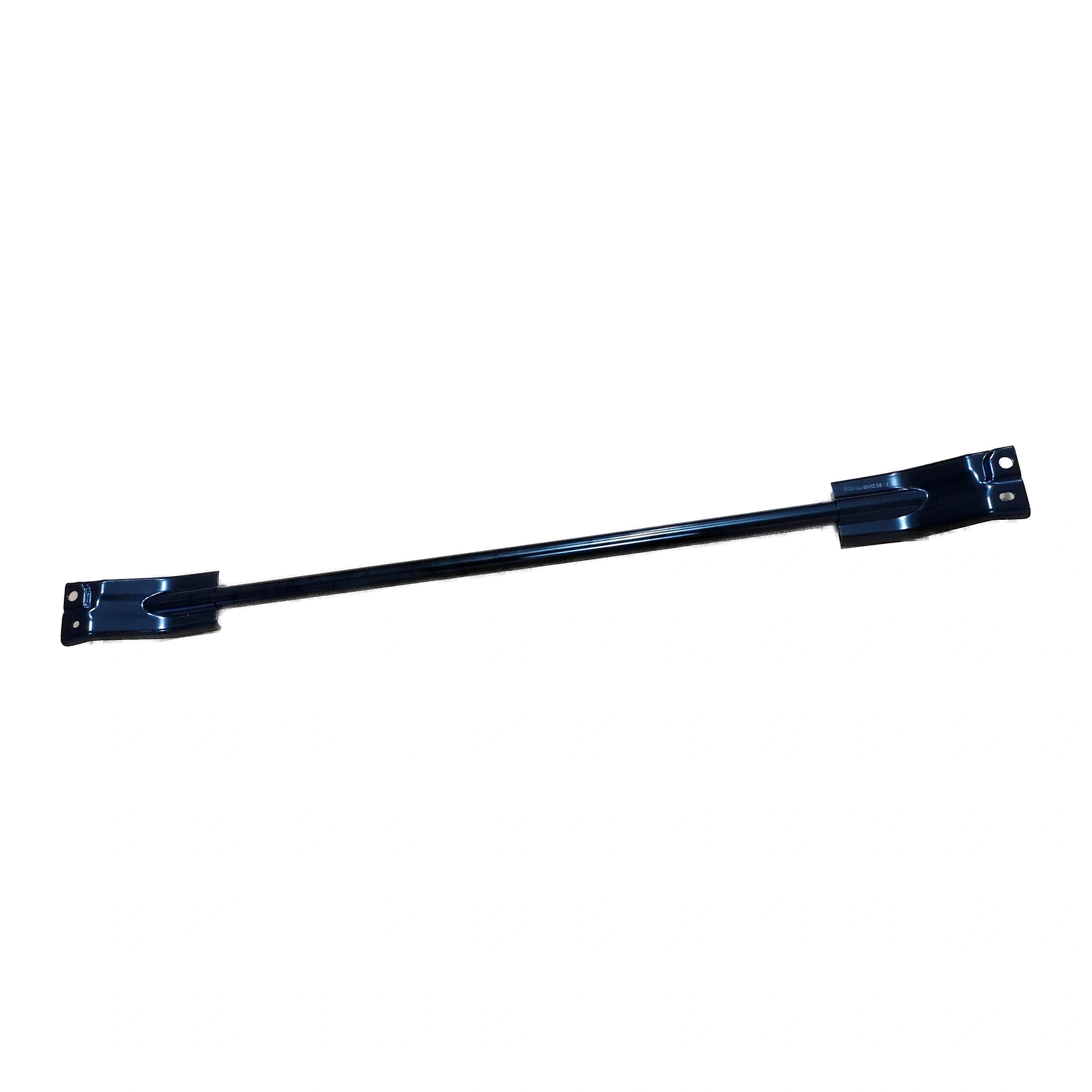
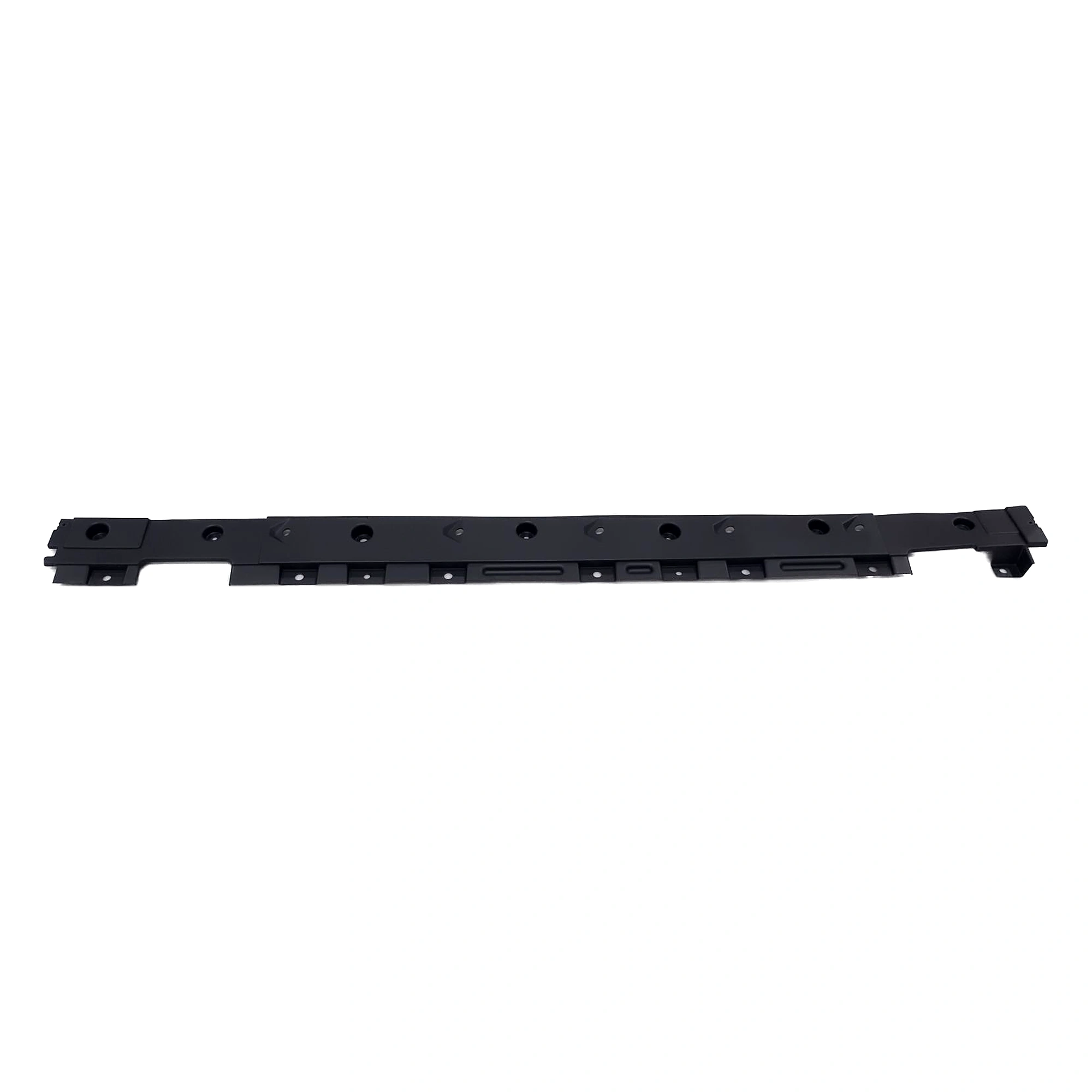
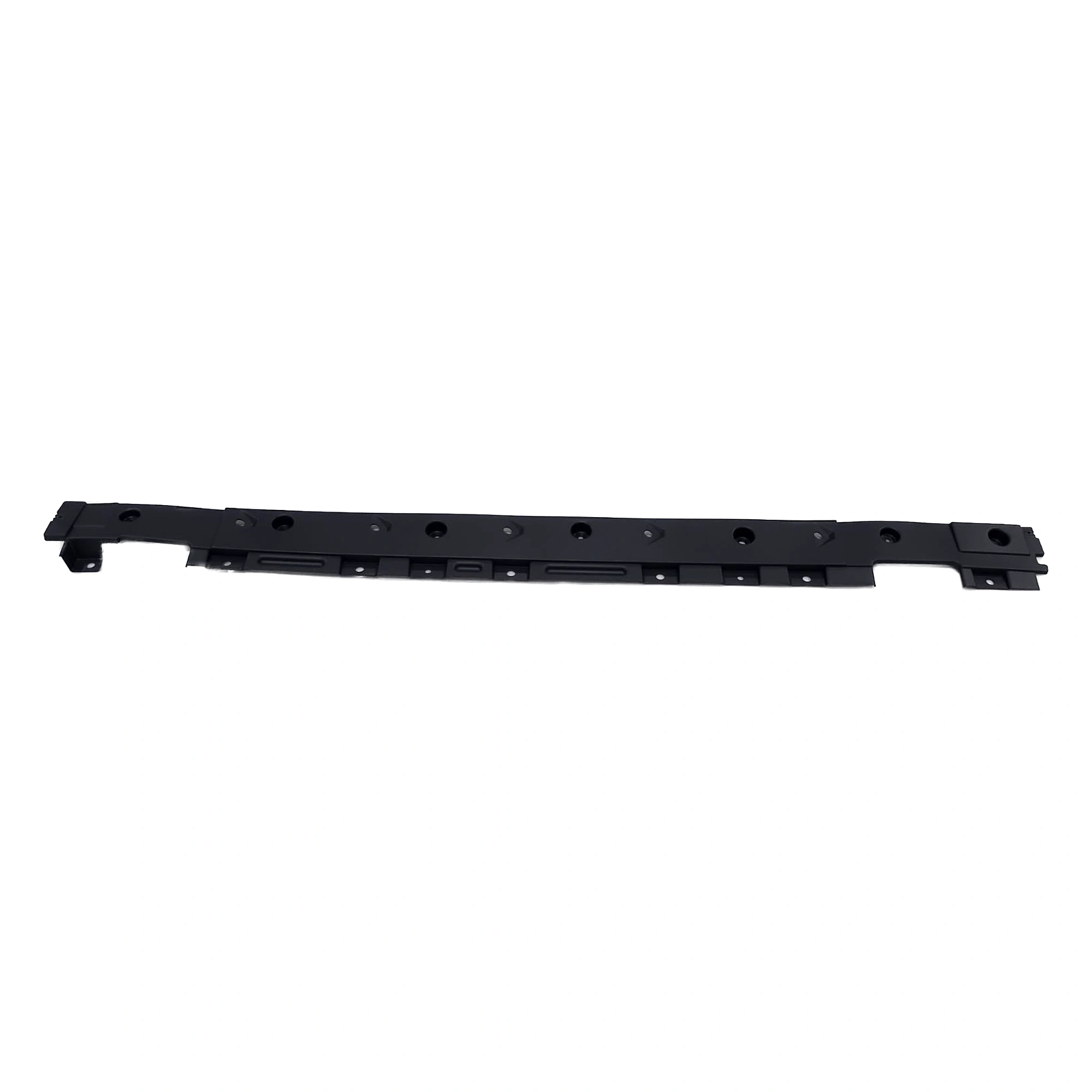
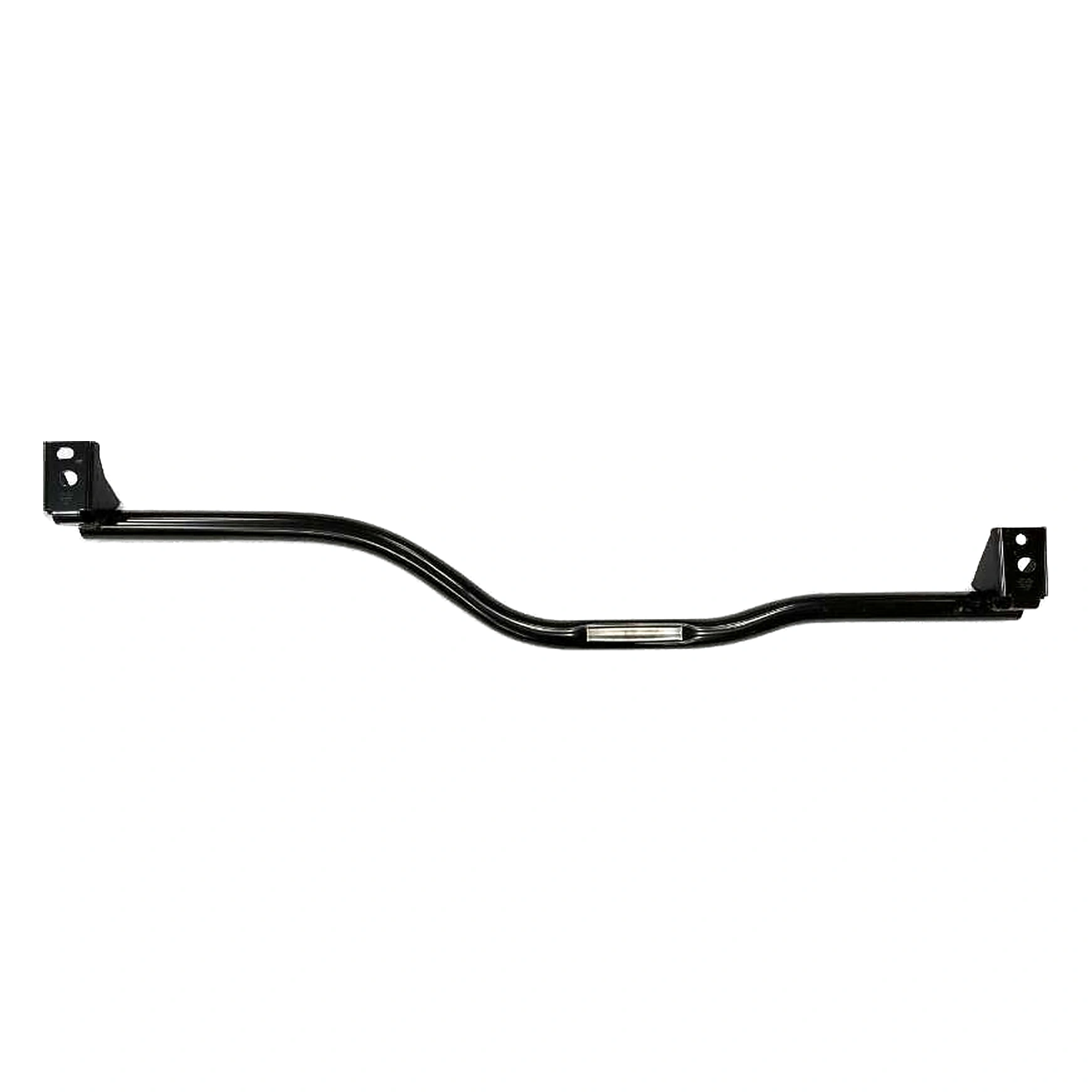
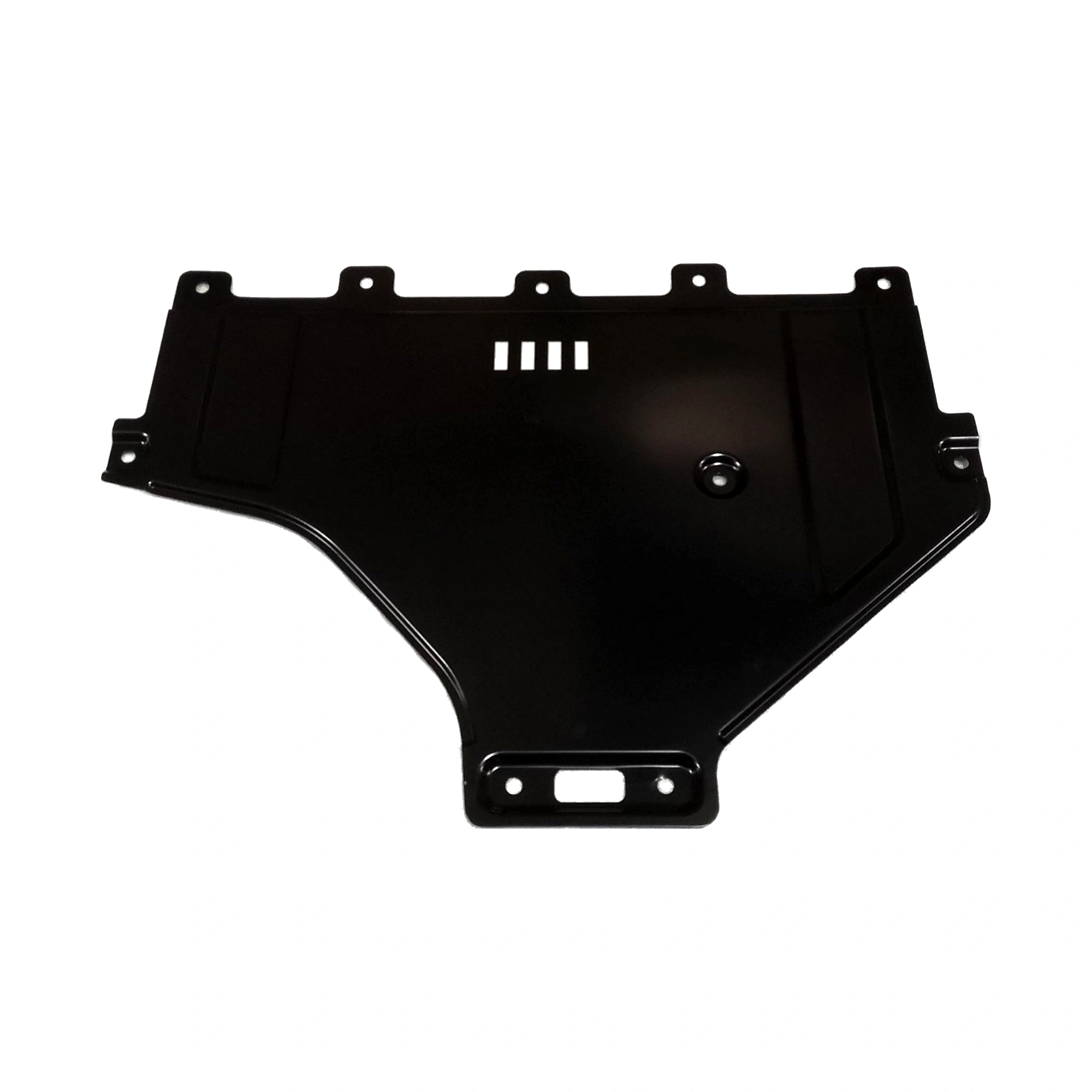
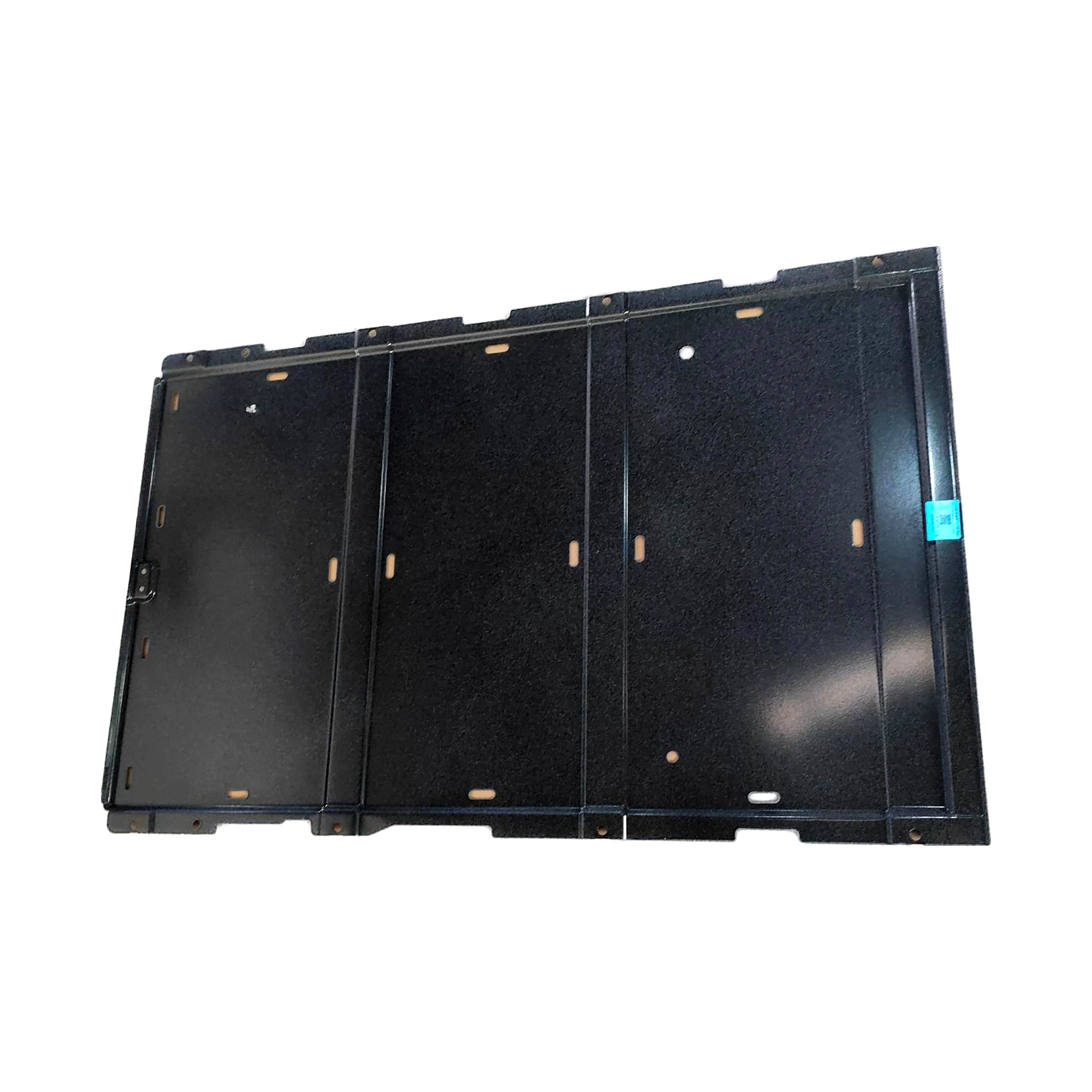
Popular Right Now
scroll for more →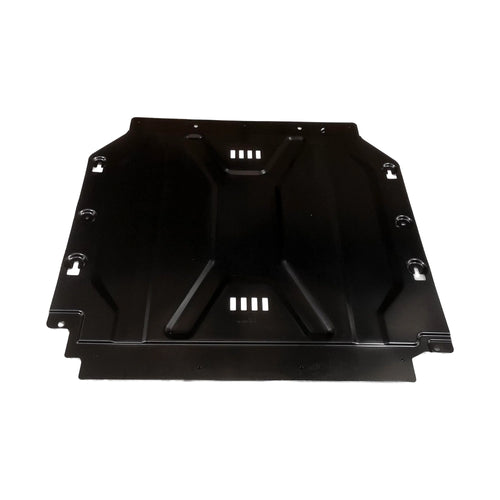
Symptom Finder: What Is Actually Broken?
| What you see or hear | Part to check first |
|---|---|
| Scrape or bang from underneath after crossing an obstacle | Battery pack underbody guard panel |
| Guard hanging down or dragging at one corner | Guard panel and its fasteners |
| Visible dent, gouge or split in the plate beneath the floor | Battery pack underbody guard panel |
| Rattle from the centre of the car over rough surfaces | Battery pack impact bar |
| Guard damaged after a kerb strike on one side | Battery pack guard panel, left or right |
| Scoring on the shield beneath the rear drive unit | Rear drive motor underbody guard |
About Underbody Battery Guard
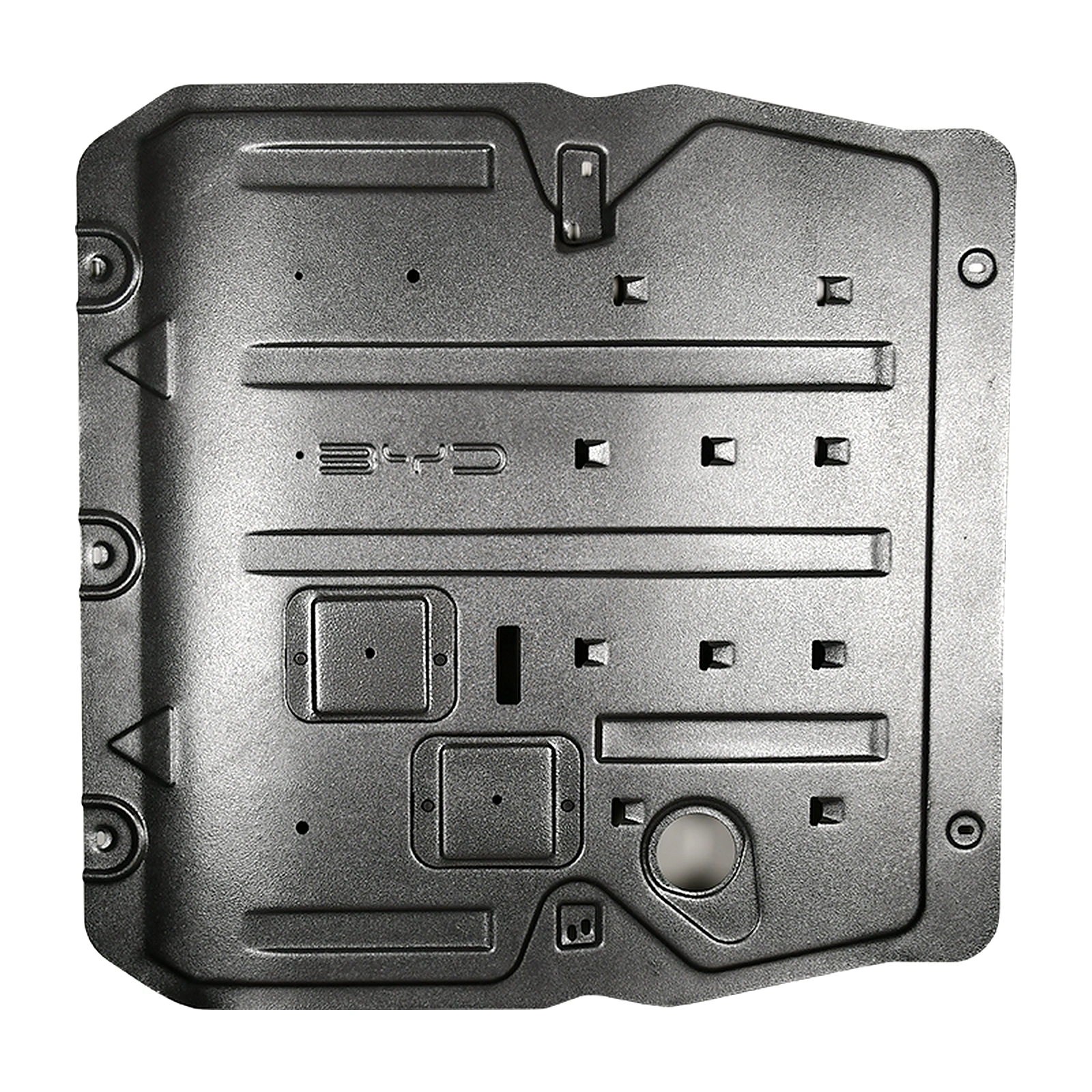
On a battery electric car the largest and most valuable component sits at the lowest point of the vehicle, spanning the floor between the axles. That geometry is good for handling and unforgiving for ground clearance, which is why every such vehicle carries a guard layer beneath the pack. It normally works in two stages. A guard panel, in aluminium alloy, steel or a moulded composite, spreads and deflects the load from anything the car passes over, so a stone or a piece of tyre carcass strikes a sacrificial plate rather than the enclosure. Behind or ahead of it sit impact bars, stiff transverse members that catch a larger object early and stop it reaching the pack. The design target is not merely to prevent a puncture. A cracked enclosure lets moisture into the pack, and a deformed one loads the cells and their mountings in ways nobody can inspect from outside, which is why any strike hard enough to mark the guard is treated seriously.
What to know before buying Underbody Battery Guard parts
Order by the OE number, because a guard is matched to the pack it covers. Pack dimensions differ by capacity and chemistry within a single model, and mounting patterns differ with them. The material also differs between markets and model years. Two guards for what looks like the same car may share nothing.
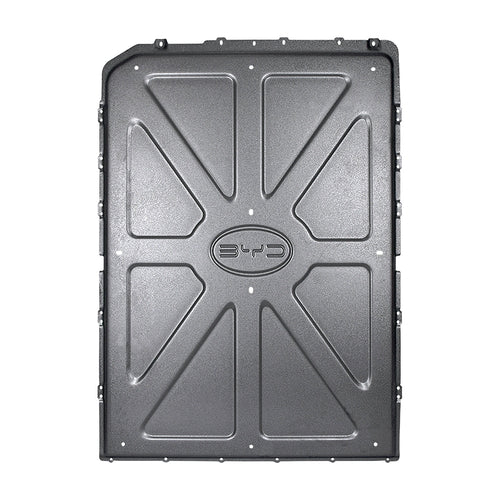
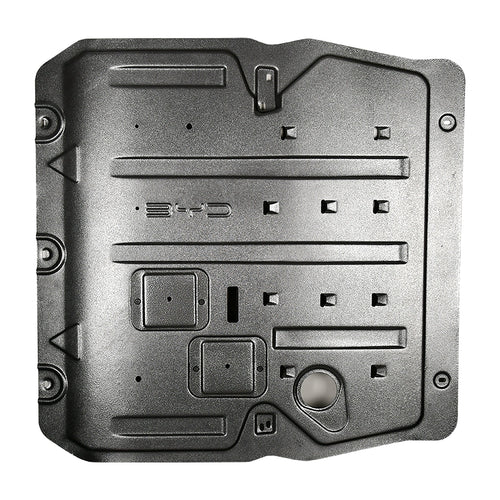
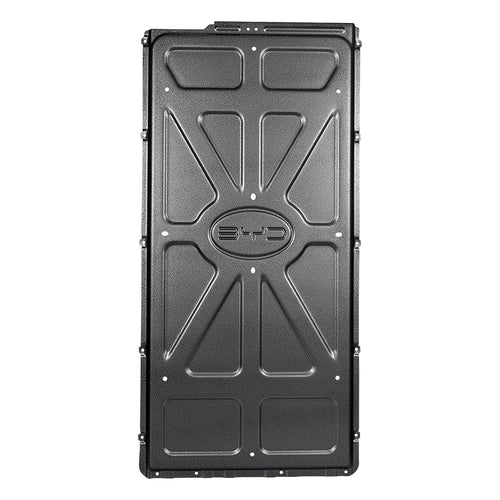
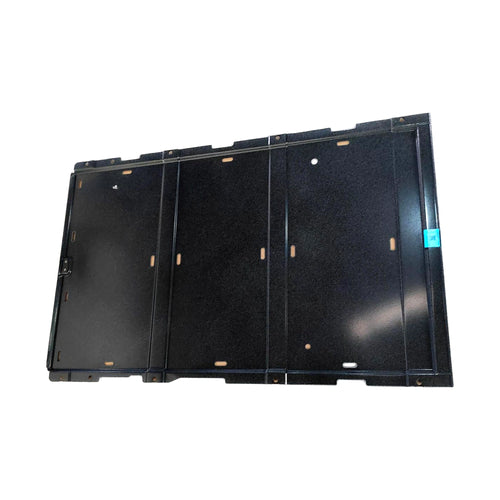
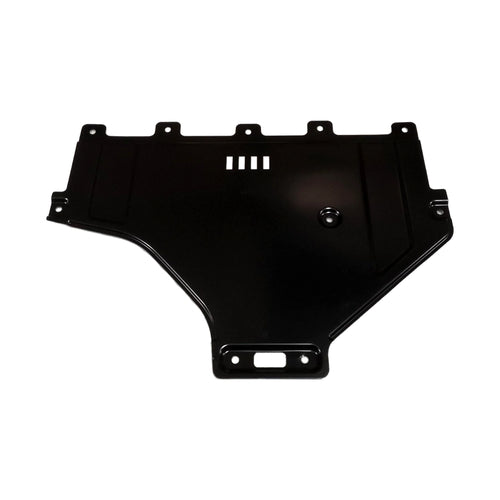
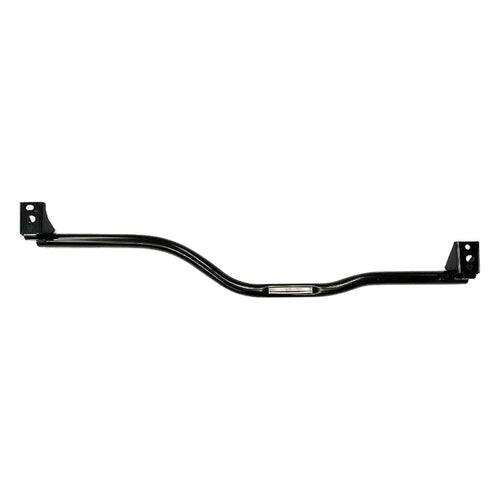
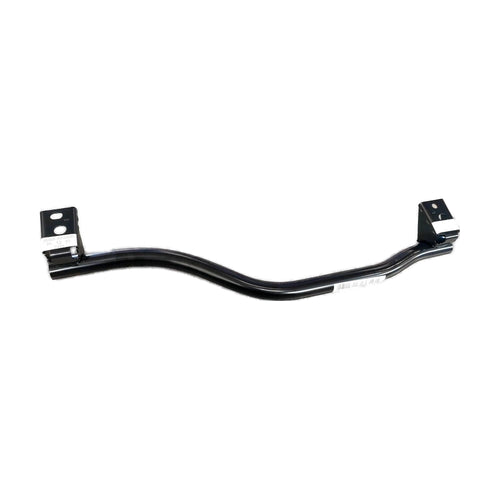
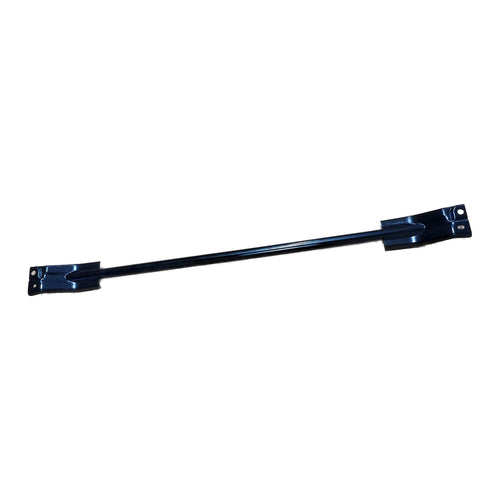
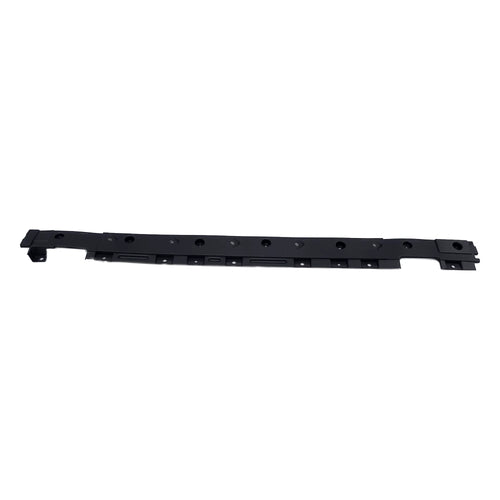
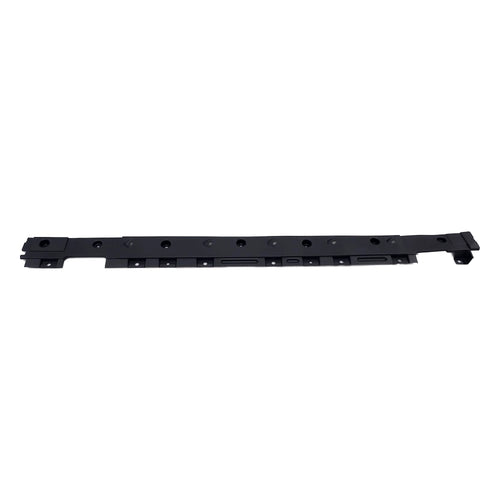
The range here is short and specific. It holds battery pack underbody guard panels, including an aluminium version. Guard panels for the left and right sides sit alongside them. You will also find battery pack impact bars and impact bar assemblies. A rear drive motor underbody guard and protective plates appear under their own factory codes.
Priced references go straight to checkout. The larger panels are often quoted instead, which also returns a delivered freight figure for a long flat part.
Add fresh fasteners to any order here, plus new sealing washers where the design uses them. The guard is part of what keeps water out of the pack cavity.
Before You Order: 6 Checks
- Match the OE number to the pack your car carries. Capacity variants of one model use different guards.
- Confirm the material named on the listing, since aluminium and composite versions are separate references.
- Left and right side panels are separate parts. Establish which side took the damage before ordering.
- Order the fastener set and any sealing washers with the panel. The guard forms part of the pack's weather protection.
- Have the pack itself inspected after any impact that marked the guard, before fitting a new one over it.
- Confirm the torque figures for the mounting bolts. Guards are commonly specified with single use fasteners.
What Changed and Why
Underbody protection has become a design priority rather than an afterthought, driven by insurance data showing that pack damage from road debris writes off otherwise repairable vehicles. Manufacturers have responded on two fronts. Thermoplastic composite skid plates are replacing steel in many applications because they absorb impact and shed it without corroding, while structural packs increasingly integrate the guard into the enclosure itself. Repair guidance has hardened alongside: any strike to the guard triggers a documented high voltage inspection, and a breached or deformed enclosure normally means pack replacement rather than repair.
Underbody Battery Guard: Frequently Asked Questions
I grounded the car. Do I need to do anything if it still drives normally?
Yes, get it looked at from underneath. The guard exists to take a strike so the pack does not, and it can be badly marked while the car behaves perfectly for months. What matters is whether the enclosure behind it was reached: a crack lets moisture in, and a deformation loads the cells and their mounts invisibly. Any impact that dented, split or moved the guard warrants a high voltage inspection at a qualified workshop before you simply bolt on a replacement panel.
Can a damaged guard panel be repaired instead of replaced?
Only cosmetically, and that is not the point of the part. A guard works by deforming in a controlled way and spreading the load, which means a panel that has already absorbed an impact has used up the property you are relying on. Welding an aluminium plate or patching a composite one changes its stiffness locally and can make the next strike transmit more, not less, into the enclosure. Replace the panel, and inspect the pack behind it before fitting the new one.
Are aluminium and composite guards interchangeable?
No. They are listed as separate references because the mounting patterns, the thickness and the stack up beneath the floor differ, and the two behave differently under impact: aluminium spreads and dents, composite flexes and returns. Manufacturers choose one for a given market and model year and the fasteners follow that choice. Match the OE number rather than the description, and if you are tempted to fit a heavier plate for extra protection, check the ground clearance and the thermal behaviour first.
How much protection does the guard actually give?
Enough for the ordinary hazards and not for everything. A guard is engineered around stones, gravel, kerbs and moderate speed contact with obstacles you could not see. It is not designed to survive hitting a solid object at road speed, and pieces of shredded tyre carcass on a motorway are a known way of driving a plate up into the pack. Treat it as one layer of a system that also includes the impact bars and the enclosure itself, and drive with ground clearance in mind on rough surfaces.
What is the impact bar for if the plate is already there?
They work at different scales. The plate handles distributed loads and small hard objects, deflecting them along the underside. The impact bar is a stiff transverse member positioned to catch something larger before it reaches the pack, converting a point load into a bending load spread across the structure. On many designs the bar sits at the leading edge where debris arrives first. Both are listed here separately, and a strike serious enough to bend the bar always warrants an inspection of the pack behind it.
What do these parts cost?
Impact bars and smaller side guard panels sit at the lower end of the category. Full width underbody guard panels, particularly the aluminium versions, sit at the top, since they are large, heavy and awkward to pack for transport. The live minimum and maximum are shown in the band at the top of this page. When ordering a full width panel it is worth requesting a quote even where a price is shown, so you have the delivered figure including freight for a long flat item before committing.
Can I fit an underbody guard myself?
Mechanically it is a matter of bolts, but it is a job that needs proper support and a second pair of hands, because a full width panel is large, heavy and awkward to hold in position while starting fasteners. Work on stands or a lift rather than a jack, follow the specified torque figures, and replace any single use bolts rather than reusing them. Where the guard forms part of the pack's weather sealing, use the correct sealing washers. If the pack itself needs inspecting, that part belongs to a qualified workshop.
Will driving without the guard damage anything immediately?
Not immediately, which is exactly why it is a bad idea. Without the plate, every stone and every piece of road debris reaches the enclosure directly, and the damage accumulates out of sight. You also lose the aerodynamic surface under the car, which costs a small amount of range, and on many vehicles the guard shields cooling lines and connectors as well as the pack. If yours has been removed or torn off, order a replacement rather than treating it as optional trim.
Does the guard differ between models with different battery sizes?
Frequently, and this is the most common ordering mistake here. A larger capacity pack is usually physically different in length or depth, which moves the mounting points and changes the panel profile even where the car looks identical from outside. Model year revisions add further variants. The OE number is the only safe reference. Read it from the old panel if it survives, or have it pulled from your vehicle identification number, and send it through the quote form if the search returns nothing.
How do I know if the pack itself was damaged?
You generally cannot tell by eye, and that is the honest answer. Visible clues such as coolant weeping, a deformed edge on the enclosure or a torn mounting are conclusive, but their absence proves little. A qualified workshop reads the pack's isolation resistance, checks module voltages and temperatures for outliers, and inspects the enclosure against the manufacturer's criteria. Do that before ordering, because if the pack needs attention the guard is the smaller half of the job and the sequence matters.
Should I fit an aftermarket skid plate for extra protection?
Weigh what you gain against what you give up. A plate bolted under an existing guard lowers the car, and the strike you were worried about becomes more likely rather than less. It can also sit in the path of air the designers were using to carry heat away from the pack, and it adds mass at the worst point for the suspension. There is a further problem: a universal plate is drilled for a generic pattern and often uses fixing points not intended to carry load. If a heavier factory shield is offered for your model, that is the version to buy.
The guard I need shows no price. Can I still order it?
Yes. Guard panels are large, flat and easily creased in transit, so they are packed carefully and quoted with the carriage included. Give the number and the delivery address. Order the fastener set and the sealing washers alongside the panel, because the original bolts are usually corroded or sheared by the time the guard comes off and the washers seal the threaded holes that pass into the pack area. If the impact that damaged the guard was heavy, have the enclosure inspected before refitting anything, since a deformed panel often means the structure behind it took load as well.