Regenerative & Brake-by-Wire
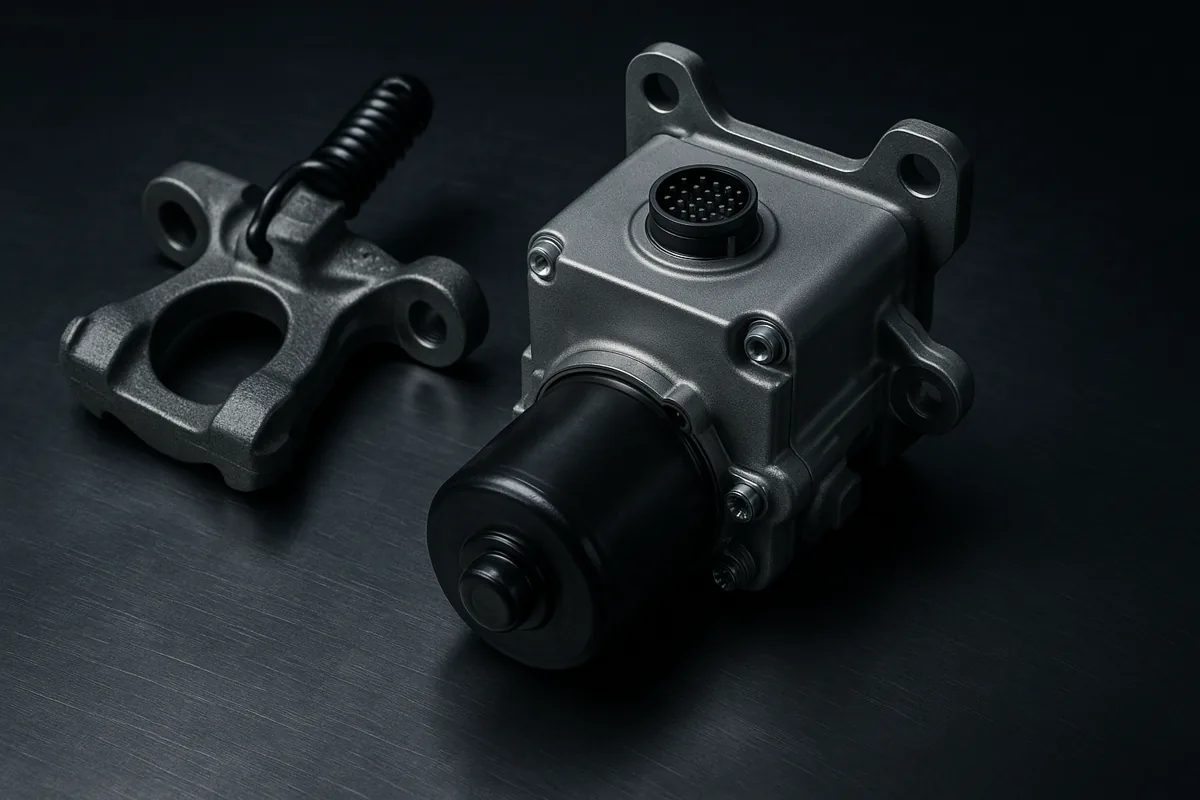
Shop Regenerative & Brake-by-Wire by Part Type
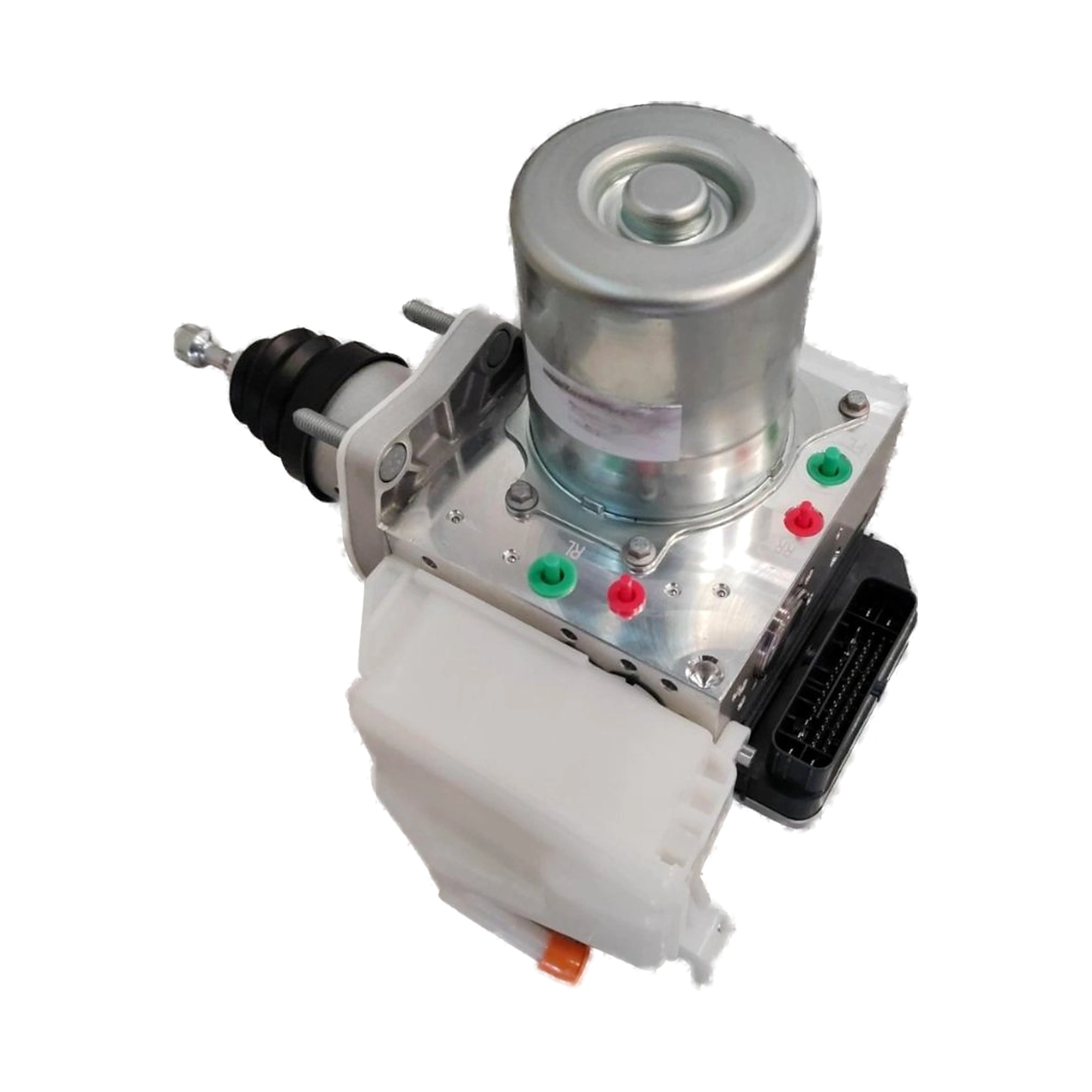
Popular Right Now
scroll for more →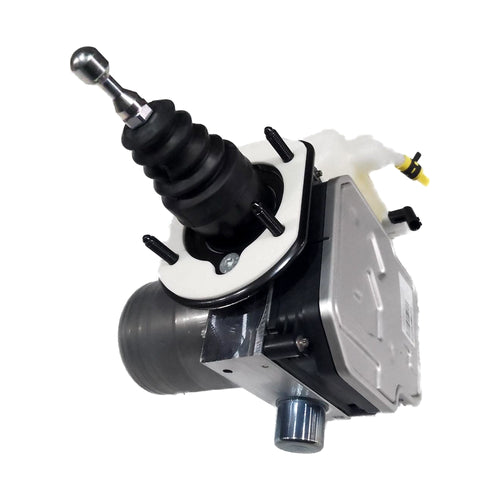
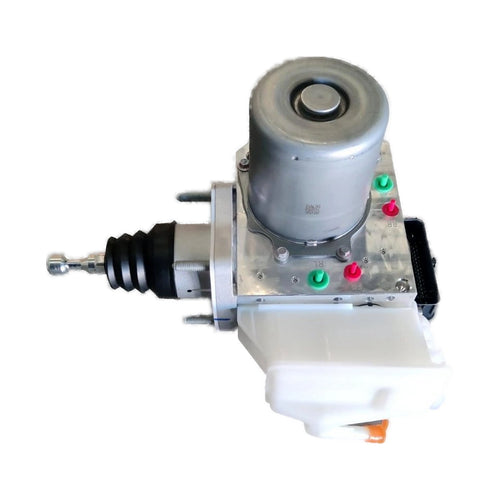
Symptom Finder: What Is Actually Broken?
| What you see or hear | Part to check first |
|---|---|
| Warning message reporting a brake system fault with a hard pedal | Integrated power brake unit |
| Regenerative braking reduced or unavailable | Integrated power brake unit or its inputs |
| Pump running repeatedly with the vehicle stationary | Integrated power brake unit |
| Pedal feel changes between applications | Integrated power brake unit simulator |
| ABS and stability functions unavailable together | Integrated power brake unit |
| Fluid loss at the unit rather than at a wheel | Integrated power brake unit |
About Regenerative & Brake-by-Wire
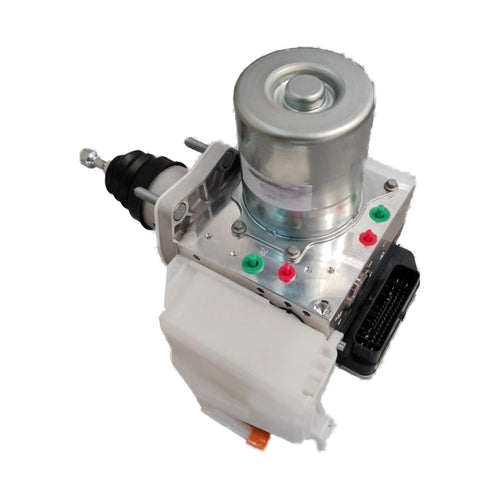
Brake by wire exists because electric drivetrains broke two assumptions at once. There is no engine producing vacuum for a conventional servo, and most deceleration is now done by the motor acting as a generator rather than by the pads. An integrated power brake unit answers both. The pedal no longer pushes fluid directly. It moves a travel sensor while a simulator provides the resistance and feel your foot expects. A control unit reads that request, decides how much deceleration the motor can supply given battery state of charge and grip, and commands an electric motor driven pump to generate exactly the hydraulic pressure needed to make up the difference at the calipers. The blend changes continuously and the driver should never feel it happen. The same unit performs the antilock and stability functions, since it already controls pressure at each wheel independently, which is why the assembly is described as a one box design.
What to know before buying Regenerative & Brake-by-Wire parts
This category holds one part, the integrated power brake unit. A single housing carries the pedal interface, the pressure generator, the valve block and the control electronics.
Order it by the OE number. Each unit is calibrated to a specific vehicle platform, brake configuration and software level. Nothing that merely looks similar will substitute.
Plan the work as a workshop job from start to finish. The unit cannot be repaired in the field and has no serviceable sub components. Only the complete assembly is listed. Fitting needs coding to the vehicle and a guided bleed that cycles the internal valves. A calibration drive usually follows.
Where no standing price is loaded, the quote form returns a current figure against the same factory reference.
Before You Order: 6 Checks
- Have the fault confirmed by code before ordering. Sensor and supply faults produce similar warnings.
- Match the OE number exactly, since the unit is calibrated to a specific platform and software level.
- Confirm your workshop has the tooling for coding and the guided bleed before the part is ordered.
- Check the twelve volt supply and grounds first, because low voltage produces braking system warnings.
- Plan for fresh fluid of the specified grade and a full system bleed.
- Allow for a calibration drive after fitting where the vehicle requires one.
What Changed and Why
One box electrohydraulic units are becoming the default on new electric vehicles because they remove the vacuum servo, shorten the signal path between pedal and pressure, and make regenerative blending possible without the driver noticing. The direction of travel is towards dry brake by wire, with electromechanical actuators at each wheel and no hydraulic circuit at all, though regulation and the need for a mechanical fallback have kept that at the development stage for road cars. Redundancy is the design constraint throughout: these systems carry backup power paths and a fallback mode that preserves braking if the electronics fail.
Regenerative & Brake-by-Wire: Frequently Asked Questions
What does brake by wire actually change for the driver?
Very little, by design, and that is the point. The pedal moves a sensor rather than a pushrod, and a simulator supplies the resistance you feel, so the response stays consistent whether the motor is doing the braking or the pads are. What you may notice is that deceleration continues smoothly when the battery is too full to accept regeneration, because the friction brakes take over without a step in pedal effort. If you feel that transition, something in the blending is worth investigating rather than accepting.
Why is there no vacuum servo on my car?
Because there is no engine to create vacuum. A conventional servo multiplies pedal effort using the pressure difference between manifold vacuum and atmosphere, and an electric drivetrain provides neither. The integrated unit generates pressure with an electric motor and pump instead, which also makes it far quicker and more precise than a servo, since it can raise pressure at one wheel without the driver moving the pedal. That capability is what allows stability control and automatic emergency braking to work through the same hardware.
Can these units be repaired?
Not in the field, and not sensibly at all. The assembly combines the pressure generator, a valve block, position sensors and the control electronics in one sealed housing, with calibration data specific to the vehicle held inside it. There are no serviceable sub components, no seal kits and no way to verify a repair without the manufacturer's test equipment. That is why the catalogue lists the unit itself. Where a warning suggests this part, confirm by code first, since supply voltage and sensor faults produce similar messages.
How do I know whether the unit or something else has failed?
By reading the stored codes with a tool that reaches the brake control module, and by checking the basics first. Low twelve volt system voltage causes braking system warnings on many vehicles because the unit needs current to make pressure, and a weak auxiliary battery is far more common and far cheaper than a failed unit. Wheel speed sensor faults and steering angle sensor faults also disable the higher functions. Only once those are excluded does the unit itself become the likely answer.
Does a replacement unit need programming?
Yes, without exception on current vehicles. A new unit arrives without the vehicle's configuration, so it has to be coded to the platform and the brake specification, its software level checked against the rest of the network, and its sensors calibrated. It then needs a guided bleed that cycles the internal valves and runs the pump to purge air that a conventional bleed cannot reach. Many vehicles finish with a short calibration drive. Confirm your workshop has the tooling before the part is ordered.
Will the brakes still work if the electronics fail?
There is always a fallback, and it is a regulatory requirement rather than a courtesy. These systems are designed with redundant power supply paths and a mechanical or hydraulic backup mode that preserves a direct path from the pedal to at least one axle if the electronic assistance is lost. Pedal effort rises sharply and stopping distances lengthen, so it is a get home condition rather than a normal one. A brake warning message on such a vehicle should be treated as an urgent matter.
Why does regenerative braking sometimes feel weaker?
Because the motor cannot always accept the energy. A battery near full charge, particularly straight after charging or at the top of a long descent, has nowhere to put the current, so the system reduces regeneration and blends in the friction brakes to keep the deceleration you asked for. Very cold cells behave the same way, since charge acceptance drops with temperature. This is normal behaviour rather than a fault. Persistent loss of regeneration with a stored code is a different matter and worth diagnosing.
What does an integrated power brake unit cost?
It is one of the higher value single components on a vehicle, sitting well above ordinary hydraulic parts because it combines a pressure generator, a valve block and control electronics in one housing. The live price range for the category is shown in the band at the top of this page, and where no standing price is loaded the quote form returns a current figure. Budget for the workshop time as well, since coding, a guided bleed and a calibration drive are part of the job rather than extras.
Can I fit one myself?
Realistically, no. Beyond the hydraulic connections and the pedal interface, the unit requires coding, a software level check against the vehicle network, a guided bleed that only a scan tool can run, and in many cases a calibration drive. Getting any of those wrong leaves a vehicle whose braking is compromised in a way that is not obvious at low speed. Order the part by OE number and have it fitted by a workshop with the correct diagnostic access.
Does the unit affect stability control and emergency braking?
It performs them. Because the unit already controls pressure at each wheel independently and can raise pressure without the pedal moving, it is the actuator for antilock, traction control, stability control, hill hold and automatic emergency braking. That integration is why a single fault can disable several driver assistance functions at once and light multiple warnings. It also means that after replacement, the systems that depend on it need their calibrations confirmed before the vehicle is returned to the road.
How is the fluid different in a brake by wire system?
The specification is the same, and the discipline around it is stricter. The unit contains fine valve clearances and a high pressure pump, so contaminated or moisture laden fluid does more damage here than in a simple circuit, and the manufacturer's grade and change interval should be followed exactly. Always use a freshly opened container. Fluid grades are listed in a separate category on the site, and it is worth ordering the correct fluid alongside any work involving this unit.
The unit shows no price. Can I still order it?
Yes. Integrated power brake units are high value, safety critical assemblies with software tied to the vehicle, so they are handled by enquiry as a rule. Send the number from the unit and the vehicle identification number, and ask about lead time in the same message. Settle the bleeding question before the part arrives. These systems need a guided procedure run from a scan tool, and a workshop without that capability cannot commission the unit or restore a firm pedal, which turns a straightforward replacement into a car that cannot be driven away.